
Spotting a Healthy Gourami: Key Indicators of Wellbeing

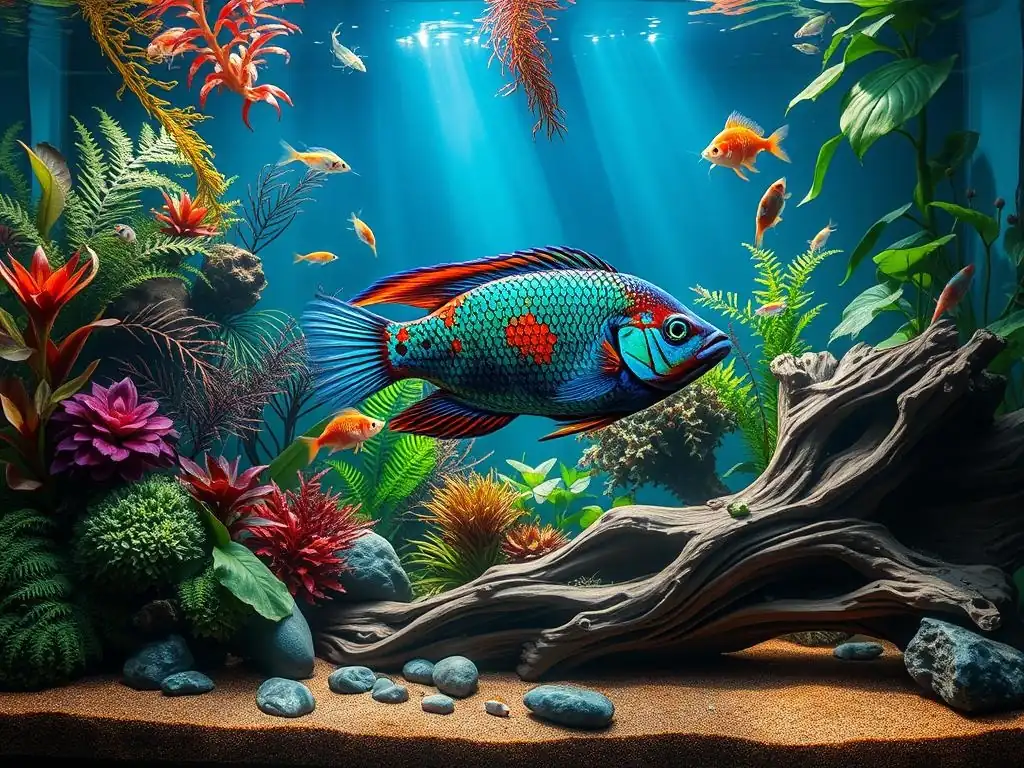
Welcome to Aquarium Mastery!
Ever wondered if your Gourami is truly thriving, or just surviving? Unlock the secrets to discerning a healthy Gourami from one that's struggling. Dive in to discover the crucial color indicators and other vital signs that will help you ensure your finned friend enjoys a long and vibrant life in your freshwater aquarium. Are you ready to become a true Gourami guardian?
- Introduction: Identifying a Thriving Gourami for Your Aquarium
- Healthy Gourami Color Indicators: A Visual Guide
- Gourami Behavior: Clues to a Healthy Fish
- Physical Examination: Key Indicators of a Healthy Gourami
- Water Quality and Its Impact on Gourami Health
- Common Gourami Diseases and Their Symptoms
- Quarantine Procedures: Protecting Your Existing Aquarium
- Conclusion: Ensuring Long-Term Gourami Health and Happiness
-
Frequently Asked Questions
- How can I identify a healthy Gourami based on its color?
- What are the key physical characteristics to look for in a healthy Gourami?
- How does Gourami behavior indicate its health?
- What role does water quality play in maintaining healthy Gourami color?
- What are some common diseases that can affect a Gourami's color and overall health?
- Final Reflection: The Vibrant Language of Gourami Health
- Unleash Your Gourami's Potential!
Introduction: Identifying a Thriving Gourami for Your Aquarium
The Importance of Observing Gourami Behavior
Daily observation of your gourami's behavior is paramount for early detection of any health issues. Subtle shifts in activity levels, swimming patterns, or interaction with tank mates can serve as critical early warnings, often appearing long before any visible physical symptoms manifest. For instance, a gourami that typically explores its tank but suddenly becomes reclusive might be experiencing stress or the onset of illness.
By meticulously observing these behavioral cues, aquarists can proactively identify potential problems stemming from environmental factors, such as fluctuating water parameters or aggressive tank mates. This allows for swift intervention, whether it's adjusting water chemistry, isolating a fish for treatment, or modifying the tank environment, significantly increasing the chances of preventing more severe health complications in your gourami.
Recognizing Physical Signs of a Healthy Gourami
A healthy gourami typically exhibits a streamlined, well-proportioned body without any signs of bloating or emaciation. Their fins should be fully extended, free from tears or fraying, and held gracefully, not clamped against the body. The eyes should be clear and bright, not cloudy or sunken, and the gills should appear pinkish-red and move rhythmically without excessive flaring.
In contrast, signs of ill health might include a pinched belly, indicating malnutrition or internal parasites; clamped fins, a common stress indicator; or cloudy eyes, which can point to bacterial infections or poor water quality. Observing these general physical indicators is the first step in assessing your gourami's well-being, providing a foundation before delving into more specific health markers.
Healthy Gourami Color Indicators: A Visual Guide
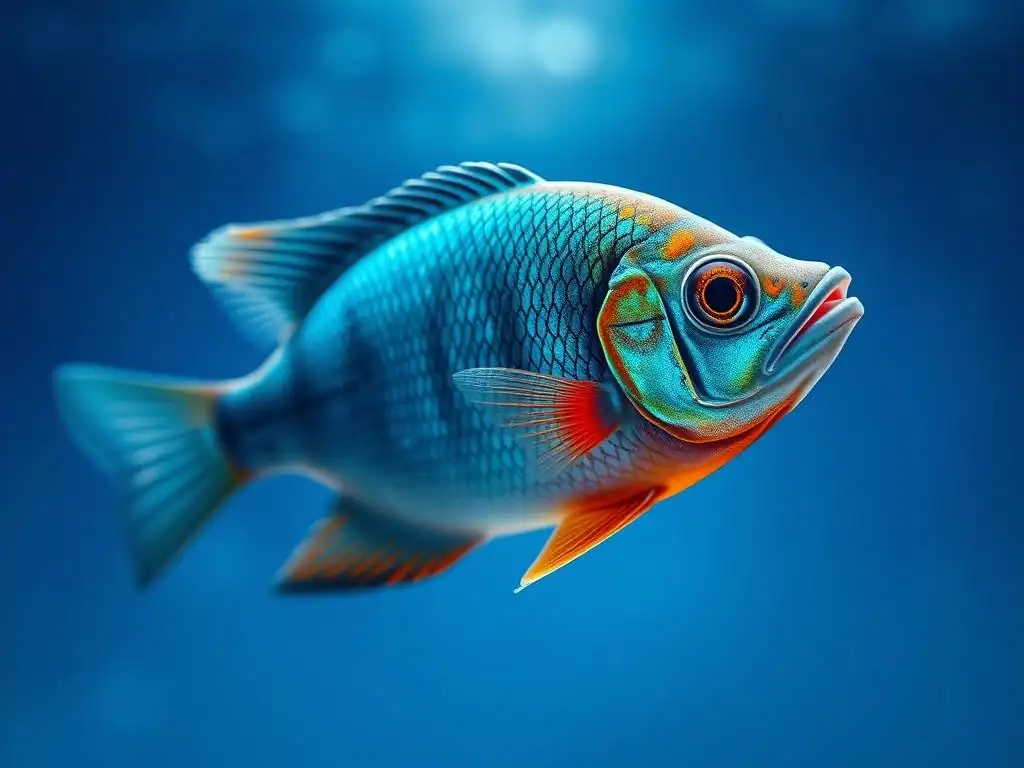
Vibrant Colors: A Sign of Gourami Vitality
Vibrant, rich coloration is a quintessential indicator of a healthy gourami, reflecting optimal health, minimal stress, and proper nutrition. For example, a healthy male Dwarf Gourami (Trichogaster lalius) will display intense, iridescent blues and reds across its body and fins, often becoming even more brilliant during courtship displays. Similarly, a Pearl Gourami (Trichopodus leerii) in peak condition showcases a striking pattern of pearlescent spots against a reddish-brown body, with the spots appearing distinct and shimmering.
The intensity and clarity of these "Healthy Gourami color indicators" are directly linked to the fish's overall vitality. A Honey Gourami (Trichogaster chuna) will exhibit a brilliant, deep orange-yellow hue when thriving, particularly males. This strong coloration signifies that the fish is receiving a balanced diet, living in stable and clean water conditions, and experiencing a low-stress environment, allowing its natural pigments to fully express themselves.
Dull or Faded Colors: Potential Health Concerns in Gouramis
Conversely, dull or faded coloration in a gourami is a significant warning sign that warrants immediate attention. A once vibrant Blue Gourami (Trichopodus trichopterus) turning pale, or a Pearl Gourami losing the distinctiveness of its pearl-like spots, indicates underlying issues. This loss of vibrancy can be attributed to stress, poor water quality, inadequate diet, or the onset of disease, all of which compromise the fish's physiological functions and diminish its natural "Healthy Gourami color indicators."
Sudden or gradual color loss suggests that the gourami is not thriving in its current environment. For instance, a Kissing Gourami (Helostoma temminckii) might lose its characteristic pale green or pinkish hue, appearing washed out when stressed. Recognizing this visual cue quickly is crucial, as it often precedes more severe symptoms and provides an opportunity for early intervention to address the root cause of the fading.
Identifying Causes of Color Loss in Gouramis
Color loss in gouramis can stem from various factors, with stress being a primary culprit. Stressors such as aggressive tank mates, overcrowding, or insufficient hiding spots can cause a gourami to "wash out" its colors as a natural defense mechanism. Nutritional deficiencies also play a significant role; a diet lacking essential vitamins, minerals, or color-enhancing pigments like astaxanthin (found in spirulina or krill) can lead to a noticeable dulling of a gourami's natural hues over time.
Environmental factors like improper lighting can also impact "Healthy Gourami color indicators." Gouramis prefer subdued lighting, and excessively bright illumination can make them feel exposed and stressed, resulting in faded appearance. Furthermore, underlying diseases, even in their early stages, can divert the fish's energy away from maintaining vibrant coloration, making color loss a generalized symptom across various ailments.
How Water Quality Affects Gourami Coloration
Water quality is arguably the most critical factor influencing a gourami's health and, by extension, its coloration. Optimal parameters, such as a stable temperature between 75-82°F (24-28°C), a pH range of 6.0-7.5 (though some species like Kissing Gouramis tolerate higher pH up to 8.0), and particularly, zero ammonia and nitrite levels, are essential. Even slight elevations in ammonia or nitrite, or high nitrate levels (above 20 ppm), can cause significant stress to a gourami's system, leading to a noticeable reduction in their vibrant colors.
Poor water quality directly impacts a gourami's immune system and general well-being, making them more susceptible to disease and less capable of maintaining their natural pigmentation. Regular partial water changes (e.g., 25-30% weekly) and effective filtration are paramount to keeping water pristine. Consistent, clean water directly contributes to brilliant "Healthy Gourami color indicators" and overall robustness, as it minimizes physiological stress and supports healthy metabolic functions.
Gourami Behavior: Clues to a Healthy Fish
Active Swimming and Exploration: Normal Gourami Behavior
A healthy gourami typically exhibits active and curious swimming patterns, gracefully navigating its environment. They often explore all levels of the tank, from hovering near the surface to investigating plants and decor at the bottom, using their highly sensitive, modified pectoral fins (often called "feelers") to probe their surroundings. For instance, a Dwarf Gourami might be seen darting in and out of plant cover, while a Pearl Gourami might glide serenely across the open water, occasionally pausing to inspect a new feature.
This exploratory behavior indicates comfort and confidence in their surroundings. Kissing Gouramis, for example, are often observed "kissing" tank surfaces or each other, which is a form of grazing or social interaction. Consistent, unhurried movement, coupled with an interest in their tank environment, is a strong positive sign of a well-adjusted and healthy gourami.
Signs of Lethargy or Inactivity: When to Be Concerned
Lethargy or unusual inactivity in a gourami is a significant cause for concern and often one of the first indicators of distress or illness. A healthy gourami should not spend excessive time listlessly resting on the bottom, floating motionless at the surface, or constantly hiding without emerging. For example, if a gourami that typically greets you at the glass now remains motionless in a corner, it's a red flag.
These behaviors can be symptomatic of a wide range of issues, including poor water quality (such as high ammonia or low oxygen), internal parasites, bacterial infections, or severe stress from tank mates. A gourami gasping at the surface, despite adequate aeration, might indicate gill damage or a severe lack of oxygen, requiring immediate investigation. Any deviation from normal active behavior warrants prompt attention to identify and rectify the underlying problem.
Healthy Gourami Appetite: Recognizing Normal Feeding Habits
A healthy gourami will demonstrate a robust and eager appetite, readily accepting and consuming food. They are generally omnivores and will eagerly feed on a variety of high-quality flakes, pellets, frozen foods (like bloodworms or brine shrimp), and occasionally live foods. When food is offered, a healthy gourami will typically swim towards it with enthusiasm and consume it without hesitation or spitting it out.
Normal feeding habits involve consuming food within a few minutes, usually 1-2 times per day, depending on the species and individual needs. For instance, a Dwarf Gourami might quickly snap up small flakes, while a Pearl Gourami might gracefully pick at larger pieces of food. A consistent, eager feeding response is a reliable sign that the gourami's digestive system is functioning well and that it is not experiencing internal discomfort or disease.
Loss of Appetite: A Potential Warning Sign
A complete refusal to eat, or a significant decrease in appetite, is a critical warning sign in gouramis and should never be ignored. If a gourami consistently ignores food that it previously enjoyed, or takes food into its mouth only to spit it out, it indicates a serious underlying issue. This symptom often accompanies other signs of illness, such as lethargy, clamped fins, or abnormal coloration.
Loss of appetite can be caused by various health problems, including internal bacterial infections, parasitic infestations, severe stress, or critically poor water quality. For example, a gourami suffering from internal parasites might eat but continue to lose weight, while one with a bacterial infection might refuse food entirely. Promptly addressing the cause of appetite loss is crucial for the gourami's recovery, as prolonged starvation quickly weakens the fish.
Physical Examination: Key Indicators of a Healthy Gourami
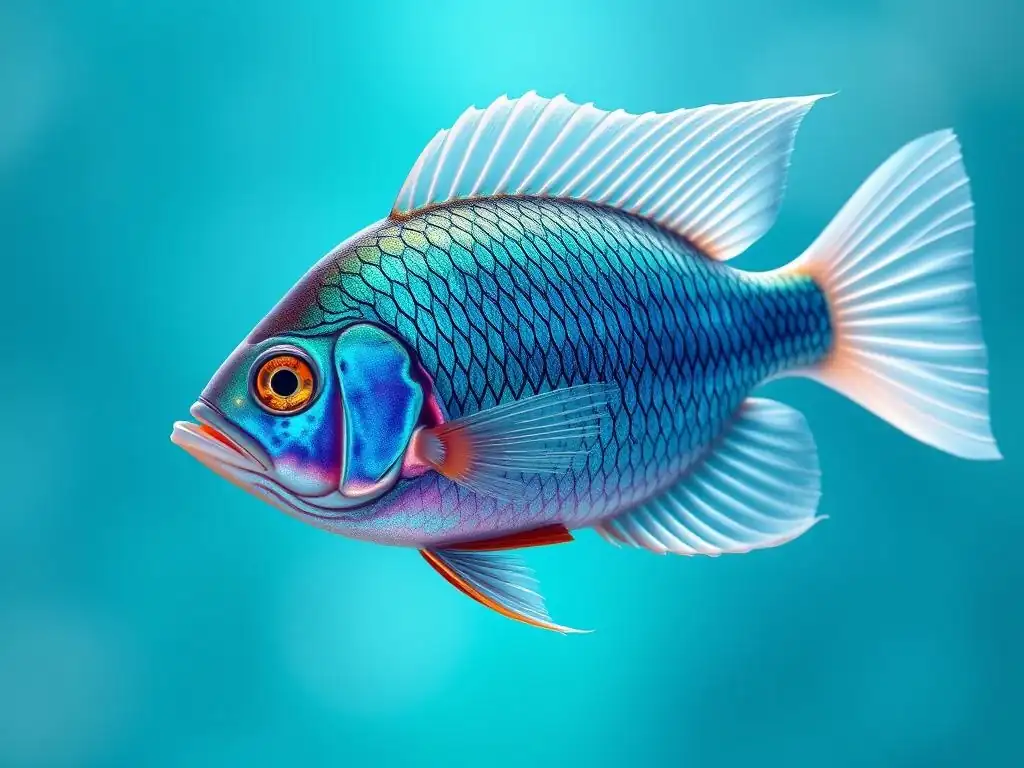
Fin Condition: Spotting Healthy Fins vs. Fin Rot
The condition of a gourami's fins is a prominent indicator of its health. Healthy fins should be fully extended, clear, and free from any tears, fraying, or discoloration. They should also be held erect or gracefully fanned, reflecting the species' typical fin structure, such as the long, flowing ventral fins of a Pearl Gourami or the rounded dorsal fin of a Dwarf Gourami. The edges should be smooth and intact, without any signs of erosion.
In contrast, signs of fin rot, a common bacterial infection, include ragged, frayed, or disintegrating fin edges, often accompanied by a milky white or reddish discoloration. The fins might also appear clamped against the body. This condition is frequently exacerbated by poor water quality, particularly high nitrate levels, or injuries that provide entry points for bacteria. Early detection of fin rot is vital, as it can quickly progress and lead to permanent fin damage or more systemic infections.
Body Shape and Appearance: Recognizing a Healthy Gourami's Form
A healthy gourami should possess a full, yet streamlined body shape that is characteristic of its species, without any signs of emaciation or abnormal swelling. Their scales should lie flat against the body, appearing smooth and uniform, and their eyes should be clear, bright, and free from cloudiness or bulging. For instance, a healthy Dwarf Gourami will have a robust, somewhat flattened body, while a Pearl Gourami will be more elongated.
Concerning signs include a pinched or sunken belly, which can indicate severe malnutrition or internal parasites, even if the fish appears to be eating. Conversely, bloating or a swollen abdomen, especially accompanied by scales that stick out like a pinecone (a condition known as dropsy), is a serious symptom often indicative of organ failure or severe internal bacterial infection. Any visible lumps, lesions, or fungal growths on the body also require immediate investigation.
Observing the Scales: Signs of Health and Disease
The scales of a healthy gourami should appear smooth, lie flat against the body, and exhibit a natural sheen or coloration. They should be uniformly distributed, without any missing patches or raised areas. Observing the scales closely can reveal subtle changes that indicate underlying health issues. For example, the iridescent scales of a Blue Gourami should shimmer evenly under light when the fish is healthy.
Signs of disease related to scales include "pineconing," where scales protrude from the body, indicating dropsy, often a symptom of kidney failure or severe internal infection. Missing scales can point to physical injury, bullying from tank mates, or a bacterial infection that has eroded the skin. Additionally, any fuzzy white patches on the scales could indicate a fungal infection, while small, raised bumps might be a sign of external parasites. Regular visual checks for these abnormalities are crucial for maintaining "Healthy Gourami color indicators" and overall well-being.
Checking for Injuries or Parasites on Gouramis
A thorough visual inspection of your gourami can reveal external injuries or the presence of parasites. Look for nips on fins, abrasions on the body from sharp decor, or signs of bullying from other fish. Even minor injuries can become entry points for bacterial or fungal infections if not addressed in a clean environment. Pay close attention to areas around the fins, mouth, and gills.
Additionally, scrutinize the gourami for visible parasites. The most common is Ich (Ichthyophthirius multifiliis), which manifests as tiny white spots resembling salt grains scattered over the body and fins. Other parasites might include Velvet (appearing as a fine, golden or brownish dust), anchor worms (small, visible worms protruding from the body), or fish lice (flat, disc-shaped parasites). Early detection of these external threats is paramount for successful treatment and preventing their spread to other tank inhabitants.
Water Quality and Its Impact on Gourami Health
Maintaining Optimal Water Parameters for Gouramis
Maintaining optimal water parameters is the cornerstone of gourami health. For most common gourami species, including Dwarf, Pearl, and Blue Gouramis, the ideal temperature range is 75-82°F (24-28°C). The pH should generally be kept between 6.0 and 7.5, though some species like the Kissing Gourami can tolerate slightly higher pH up to 8.0. Water hardness (GH) typically falls within 5-15 dGH. Consistency in these parameters is just as important as the specific values, as rapid fluctuations can cause significant stress.
Deviation from these optimal ranges compromises a gourami's immune system, making it highly susceptible to diseases and negatively impacting its "Healthy Gourami color indicators." For instance, water that is too cold can lead to lethargy and increased vulnerability to Ich, while extreme pH levels can cause gill damage and internal stress. Regular testing with reliable aquarium test kits is essential to monitor these parameters and make necessary adjustments to ensure a stable and healthy environment.
The Role of Water Changes in Gourami Wellbeing
Regular partial water changes are indispensable for maintaining pristine water quality and, consequently, robust gourami health. Performing weekly or bi-weekly water changes of 25-30% of the tank volume effectively removes accumulated nitrates, phosphates, and other dissolved organic compounds that can become toxic over time. These compounds, if allowed to build up, contribute to poor water quality, which directly stresses fish and can lead to faded "Healthy Gourami color indicators" and weakened immune systems.
Beyond removing harmful substances, fresh, dechlorinated water replenishes essential trace minerals that are gradually depleted from the aquarium. This replenishment supports vital biological processes in the fish and plants. Consistent water changes are a simple yet powerful preventative measure against a multitude of common aquarium ailments, ensuring a stable and healthy environment that allows gouramis to thrive and display their most vibrant colors.
Avoiding Ammonia and Nitrite Spikes: Protecting Your Gourami
Ammonia and nitrite are highly toxic compounds that are byproducts of fish waste and decaying organic matter. Even in trace amounts, they can quickly become lethal to gouramis, burning their gills, causing severe stress, and suppressing their immune systems. A fully cycled aquarium, where beneficial bacteria convert ammonia to less toxic nitrite and then to even less harmful nitrate, is absolutely crucial for preventing these dangerous spikes.
Monitoring ammonia and nitrite levels with a reliable test kit is non-negotiable; both should always read 0 ppm in a healthy, established tank. Any detectable levels indicate a problem with the nitrogen cycle, often due to overfeeding, overstocking, or an immature filter. Preventing these spikes through proper tank cycling, regular maintenance, and mindful feeding is paramount to protecting your gourami's delicate respiratory system and ensuring its long-term health and vibrant "Healthy Gourami color indicators."
Common Gourami Diseases and Their Symptoms
Identifying Ich (White Spot Disease) in Gouramis
Ich, or White Spot Disease (caused by Ichthyophthirius multifiliis), is one of the most common parasitic infections in freshwater aquariums and frequently affects gouramis. Symptoms include the appearance of small, distinct white spots on the body and fins, resembling grains of salt. Infected gouramis may also exhibit rapid breathing, flashing (rubbing their bodies against tank decorations or substrate), clamped fins, and increased lethargy.
This highly contagious parasite often appears when fish are stressed, such as after a sudden temperature change, poor water quality, or the introduction of new, unquarantined fish. The parasitic life cycle involves stages that are vulnerable to medication, making early identification crucial for effective treatment. If left untreated, Ich can quickly spread throughout the tank and lead to significant fish mortality.
Recognizing Fin Rot and Other Bacterial Infections
Fin rot is a prevalent bacterial infection that primarily affects the fins of gouramis, often as a secondary infection when fish are stressed or injured, or when water quality is poor. Symptoms include the disintegration or fraying of fin edges, which may appear ragged, cloudy, or reddish. The infection can progressively erode the fin tissue, sometimes leading to complete loss of fins if left untreated.
Other common bacterial infections in gouramis can manifest as red streaks on the body, ulcers, cloudy eyes, or a general slime coat loss. For instance, Columnaris (often mistaken for fungus) can appear as white or grey patches on the mouth or body, resembling cotton. These infections are frequently opportunistic, taking advantage of a gourami's weakened immune system due to stress from environmental factors like high nitrates or overcrowding.
Understanding Parasitic Infections in Gouramis
Beyond Ich, gouramis can be susceptible to various other parasitic infections, both external and internal. External parasites like Velvet (Oodinium) present as a fine, yellowish-gold or brownish dust-like coating on the fish's body and fins, often accompanied by rapid breathing and flashing. Gill flukes are another common external parasite that can cause gouramis to gasp at the surface, have inflamed gills, or scratch against objects.
Internal parasites, such as intestinal worms or flagellates, are often harder to diagnose but can be devastating. Symptoms might include emaciation despite a healthy appetite, stringy white feces, bloating, or general lethargy. For example, Hexamita, a common flagellate, can cause a gourami to become pale, lose appetite, and develop pitted lesions around the head (Hole-in-the-Head disease). Treating internal parasites often requires specialized medication and careful observation.
Quarantine Procedures: Protecting Your Existing Aquarium
Setting Up a Quarantine Tank for New Gouramis
Setting up a dedicated quarantine tank is an essential preventative measure for safeguarding the health of your existing aquarium inhabitants when introducing new gouramis. A suitable quarantine tank can be a smaller aquarium, typically 10-20 gallons, equipped with a heater to maintain stable temperatures (e.g., 78°F or 26°C), a simple sponge filter for biological filtration, and an air stone for oxygenation. Minimal decor, such as a PVC pipe or a plastic plant, provides hiding spots without complicating observation or treatment.
The purpose of this separate tank is to isolate new fish for a minimum of 2-4 weeks, allowing time for any latent diseases to manifest without exposing your main display tank. This proactive approach significantly reduces the risk of introducing pathogens like Ich, fin rot, or internal parasites, which can decimate an established, healthy community.
Observing New Gouramis for Signs of Illness
During the quarantine period, meticulous daily observation of the new gouramis is crucial. Look closely for any physical abnormalities such as white spots (Ich), frayed fins (fin rot), cloudy eyes, unusual growths, or visible parasites. Pay attention to their behavior: are they active and exploring, or are they lethargic, hiding excessively, or gasping at the surface? Monitor their feeding habits; a healthy gourami should readily accept food.
Additionally, regularly test the water parameters in the quarantine tank (ammonia, nitrite, nitrate, pH, temperature) to ensure a stress-free environment. Even if the new gouramis appear healthy upon arrival, the stress of transport and a new environment can cause latent diseases to surface. Any signs of illness should be addressed promptly within the quarantine tank, preventing the potential spread of disease to your main aquarium and preserving the vibrant "Healthy Gourami color indicators" of your established fish.
Conclusion: Ensuring Long-Term Gourami Health and Happiness
Regular Observation and Preventative Care for Gouramis
Ensuring the long-term health and happiness of your gouramis hinges on consistent, regular observation and a proactive approach to preventative care. Daily checks of your gourami's behavior, physical appearance, and "Healthy Gourami color indicators" are paramount for early detection of any issues. Noticing subtle changes in swimming patterns, appetite, or fin condition allows for timely intervention, often preventing minor problems from escalating into serious health crises.
Beyond daily visual inspections, diligent preventative care, including maintaining optimal water parameters through regular testing and partial water changes, is non-negotiable. Feeding a high-quality, varied diet, avoiding overfeeding, and ensuring appropriate tank size and compatible tank mates also contribute significantly to a stress-free environment. These proactive measures are the most effective way to safeguard your gouramis against common diseases and ensure their continued vitality.
Creating a Thriving Environment for Your Gourami
Creating a truly thriving environment for your gourami involves more than just clean water; it encompasses providing a habitat that caters to their specific needs and natural behaviors. This includes selecting an appropriately sized tank (e.g., a minimum of 10-20 gallons for Dwarf Gouramis, larger for Pearl or Kissing Gouramis) to prevent overcrowding and stress. Incorporating ample live or artificial plants, driftwood, and caves offers essential hiding spots, reducing anxiety and promoting natural exploration.
Furthermore, careful consideration of tank mates is vital, as aggressive species can stress gouramis, leading to faded "Healthy Gourami color indicators" and increased susceptibility to disease. By integrating proper environmental conditions, balanced nutrition, meticulous water quality management, and vigilant observation, aquarists can create a harmonious and stimulating home that allows their gouramis to flourish, display their most brilliant colors, and live a long, healthy life.
Frequently Asked Questions
How can I identify a healthy Gourami based on its color?
A healthy Gourami will display vibrant and consistent coloration, specific to its species. Dull or faded colors often indicate stress or illness, while sudden color changes can signal water quality issues.
What are the key physical characteristics to look for in a healthy Gourami?
Look for unblemished skin, intact fins, and clear, bright eyes. Avoid Gouramis with signs of fin rot, sores, or cloudy eyes, as these are indicators of potential health problems.
How does Gourami behavior indicate its health?
Healthy Gouramis are generally active and responsive to their environment. Observe them for natural swimming patterns and an eagerness to eat. Lethargy or erratic swimming can be a sign of illness.
What role does water quality play in maintaining healthy Gourami color?
Poor water quality can lead to stress and weakened immunity, impacting a Gourami's color vibrancy. Maintaining optimal water parameters (pH, ammonia, nitrite, nitrate) is crucial for their health and appearance.
What are some common diseases that can affect a Gourami's color and overall health?
Ich (white spot disease), fin rot, and bacterial infections can all affect a Gourami's color and vitality. These diseases often require prompt treatment with appropriate medications to restore the Gourami's health and vibrant coloration.
Final Reflection: The Vibrant Language of Gourami Health
The insights shared throughout this article, focusing on healthy Gourami color indicators, are more crucial now than ever. As the popularity of these captivating fish continues to rise, so too does the responsibility of aquarists to ensure their wellbeing. Understanding the subtle nuances of their coloration is not merely about aesthetics; it's about speaking their language and recognizing the silent cries for help that a dull or faded hue might signify.
This journey into the vibrant world of Gourami health has undoubtedly deepened our appreciation for these aquatic gems. It reminds us that responsible pet ownership extends beyond providing food and shelter; it demands a commitment to understanding and responding to their unique needs. The greatness of a nation and its moral progress can be judged by the way its animals are treated.
- Mahatma Gandhi. This quote, though broad, resonates deeply with the specific care we must dedicate to our Gouramis, ensuring their vibrant colors reflect a life of health and happiness.
Now, armed with this knowledge, I invite you to look anew at your own Gouramis, or those you encounter in your local aquarium store. Let the colors speak to you. Let the vibrancy be a testament to your dedication. And let your commitment to understanding their needs be a beacon of responsible aquarism, ensuring a brighter, healthier future for these magnificent creatures.
Unleash Your Gourami's Potential!
Thanks for diving into the world of Gouramis with us! We hope you've gained some valuable insights into identifying healthy and happy fish. Now, it's time to take what you've learned and put it into action.
Here's how you can further enhance your Gourami keeping skills:
- Observe your Gouramis carefully for 15 minutes each day, noting any changes in behavior, appetite, or appearance. This is your primary defense against illness.
- Share this article with fellow aquarium enthusiasts to help spread awareness about responsible Gourami care and contribute to a thriving community.
- Document your Gourami's journey with photos and videos, creating a visual diary to track their growth and well-being.
What specific color changes or behavioral cues will you be looking for in your Gourami today?