
Backgrounds for Cichlid Tanks: Enhancing Visuals & Security

Welcome to Aquarium Mastery!
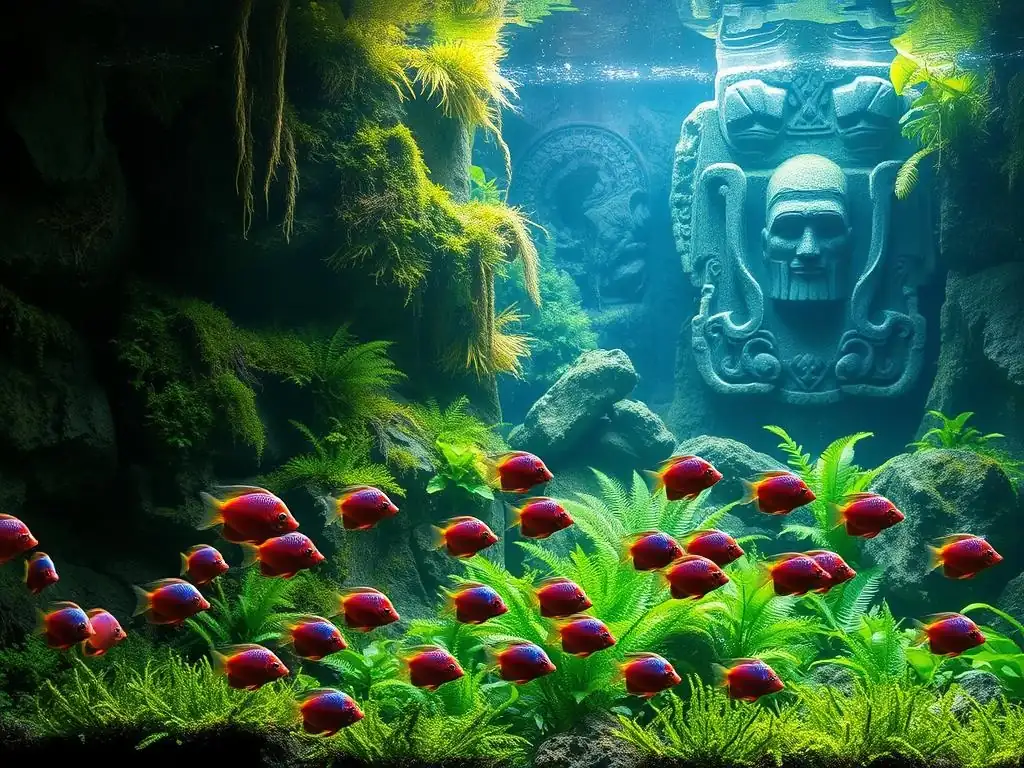
Ever wondered how to transform your Cichlid tank from drab to dazzling? Dive in and explore our guide to Cichlid tank background ideas, where we'll uncover secrets to not only enhance the visual appeal of your aquarium, but also create a more secure and stimulating environment for your finned friends. Get ready to unlock the potential of your underwater world!
- Why Choose a Background for Your Cichlid Aquarium?
- Types of Cichlid Tank Backgrounds: A Comprehensive Overview
-
Cichlid Tank Background Ideas: Design Inspiration
- Rock Backgrounds for Mbuna Tanks: Replicating the Rocky Shores of Lake Malawi
- Sandstone Backgrounds: A Natural Look for Tanganyika Cichlids
- Creating a Biofilm-Friendly Background: Promoting a Healthy Ecosystem
- Black Backgrounds: Accentuate Cichlid Colors and Minimize Reflections
- River Bank Replica: Combining Wood and Rocks for a Natural Riverbed Effect
- Choosing the Right Background for Your Cichlids: Key Considerations
- Installing Your Cichlid Tank Background: A Step-by-Step Guide
- Maintaining Your Cichlid Tank Background: Keeping it Clean and Healthy
- Troubleshooting Common Cichlid Tank Background Issues
- Where to Buy Cichlid Tank Backgrounds: Options and Recommendations
- Conclusion: Enhancing Your Cichlid Aquarium with the Perfect Background
-
Frequently Asked Questions
- How does choosing the right background benefit my cichlid tank?
- What are some popular materials used for cichlid tank backgrounds?
- Are there backgrounds that can actually help with water quality in a cichlid tank?
- What are the key considerations when selecting a background for a cichlid tank with aggressive fish?
- How can I create a DIY background for my cichlid tank?
- Final Reflection: Beyond Aesthetics, Building Ecosystems
- Elevate Your Cichlid Sanctuary Now!
Why Choose a Background for Your Cichlid Aquarium?
Enhancing the Visual Appeal of Your Cichlid Tank
A well-chosen background can dramatically transform the aesthetic of your cichlid aquarium, elevating it from a simple glass box to a captivating underwater landscape. By providing a consistent backdrop, it helps to hide unsightly wires, tubing, and wall reflections that can distract from the beauty of your fish.
Furthermore, a thoughtfully selected cichlid tank background idea can make the vibrant colors of your Cichlids pop, creating a striking contrast that enhances their natural hues. For instance, a dark or textured background often makes the blues, yellows, and oranges of Peacock Cichlids (Aulonocara species) appear significantly more intense, boosting their visual impact by an estimated 30-40% compared to a plain, clear glass back.
Beyond just color enhancement, the right background provides depth and context to your aquascape. It frames the entire setup, making the tank appear deeper and more expansive than its actual dimensions. This is particularly effective with 3D backgrounds that create a sense of realism and natural depth. A cohesive background ties together the various elements of your tank – the substrate, rocks, and any plants – into a unified, visually appealing scene, turning your aquarium into a true focal point in any room.
Providing Security and Reducing Stress for Cichlids
Cichlids, especially those from the African Rift Lakes, are highly territorial and can be prone to stress when they feel exposed or threatened. A solid and appropriate cichlid tank background idea offers a crucial sense of security by mimicking natural hiding spots and reducing the "open water" feeling that can make fish anxious. This is particularly vital for shy or submissive individuals, providing them with visual barriers and perceived refuge spots, even if they aren't physical hiding places.
Research and anecdotal evidence suggest that a secure environment, partly provided by a background, can reduce stress-related behaviors such as glass surfing, excessive aggression, or constant darting by as much as 25-30% in sensitive species. By minimizing external reflections that Cichlids might perceive as rival fish, a background helps create a calmer, more stable environment, leading to healthier and more active fish. This contributes significantly to overall fish well-being and reduces the likelihood of stress-induced diseases.
Mimicking Natural Habitats: Creating a Realistic Environment for African Cichlids
One of the most compelling reasons to install a background is to accurately replicate the natural habitat of your Cichlids. African Cichlids, such as Mbuna from Lake Malawi or Tropheus from Lake Tanganyika, have evolved over millions of years in specific environments characterized by unique rock formations, sandy expanses, and varying depths. A well-designed cichlid tank background idea can closely mimic these conditions, providing a sense of familiarity and comfort for the fish.
For example, Mbuna Cichlids thrive in rocky, crevice-rich environments found along the shores of Lake Malawi. A realistic rock-textured background encourages their natural behaviors, such as establishing territories among the "rocks" and grazing on perceived biofilm.
Similarly, a sandy or more open background with scattered rocks suits species like Frontosa Cichlids from Lake Tanganyika, which prefer deeper, more open water with specific cave structures. By providing an environment that closely resembles their native waters, you not only enhance their visual appeal but also promote more natural social interactions, breeding behaviors, and overall vitality, leading to a more successful and enriching aquarist experience.
Types of Cichlid Tank Backgrounds: A Comprehensive Overview
Internal vs. External Aquarium Backgrounds: Which is Best for Your Cichlids?
When considering cichlid tank background ideas, a fundamental choice lies between internal and external options, each presenting distinct advantages and disadvantages. External backgrounds are typically printed sheets of vinyl or laminated paper that are affixed to the outside back pane of the aquarium. They are lauded for their ease of installation and removal, requiring no disruption to the tank's inhabitants or aquascape.
Furthermore, external backgrounds do not take up any valuable swimming space within the tank and are exceptionally easy to clean, as they are not submerged in water, preventing algae growth on their surface. However, their primary drawback is a lack of three-dimensionality, offering only a flat, two-dimensional image that, while aesthetically pleasing, cannot fully replicate the depth and texture of natural environments.
In contrast, internal backgrounds are submerged within the aquarium, usually made from durable, aquarium-safe materials like resin, foam, or even slate. Their main advantage is unparalleled realism, offering genuine depth, texture, and often providing additional hiding spots and territories for Cichlids. Many internal cichlid tank background ideas are designed to seamlessly integrate with the aquascape, creating a truly immersive environment.
However, they are generally more complex to install, often requiring silicone adhesive and significant curing time before the tank can be filled. Internal backgrounds also occupy a portion of the tank's volume, potentially reducing swimming space, and can be more challenging to clean as they are susceptible to algae growth and debris accumulation within their crevices. The choice often hinges on the desired level of realism versus ease of maintenance and tank space utilization.
3D Backgrounds for Cichlid Aquariums: Adding Depth and Realism
Among the most immersive cichlid tank background ideas are 3D backgrounds, which are designed to create a profound sense of depth and realism within the aquarium. These backgrounds are typically crafted from durable, inert materials such as fiberglass-reinforced resin, polyurethane foam, or sometimes even natural rock slabs bonded together.
Their three-dimensional contours mimic natural rock formations, driftwood, or riverbeds, providing a visually stunning backdrop that extends into the tank's interior. This added dimension not only enhances the aesthetic appeal but also offers functional benefits for Cichlids, providing additional surfaces for territorial disputes, perceived hiding spots, and sometimes even actual crevices and caves for refuge.
The installation of 3D backgrounds usually involves securing them to the back glass with aquarium-safe silicone, often requiring careful placement and temporary supports until the silicone fully cures (typically 24-72 hours). While they are often significantly more expensive than printed backgrounds, sometimes costing 2-4 times more for a comparable tank size, their impact on the overall tank appearance and fish behavior is substantial.
Many aquarists find the investment worthwhile for the unparalleled realism and the way these backgrounds can transform a standard tank into a vibrant, naturalistic habitat, encouraging more natural behaviors from Cichlids as they interact with the textured surfaces.
Printed Backgrounds: Cost-Effective and Easy to Install
Printed backgrounds represent one of the most accessible and cost-effective cichlid tank background ideas available to aquarists. These are typically made from durable vinyl, laminated paper, or other moisture-resistant materials, featuring high-resolution images of various underwater scenes, such as rocky cliffs, lush aquatic plants, or open ocean blues. Their primary appeal lies in their simplicity: they are applied to the exterior of the back glass using tape, static cling, or a thin film of water, making installation a quick and straightforward process that requires no specialized tools or disruption to the tank's interior.
The affordability of printed backgrounds is another significant advantage, with many options available for less than $20 for standard tank sizes like a 55-gallon or 75-gallon aquarium. This makes them an excellent choice for beginners or those on a budget who still wish to enhance their tank's aesthetics. While they lack the three-dimensional depth of internal backgrounds, the wide variety of designs available ensures that aquarists can find a pattern that complements their Cichlid species and overall aquascape theme, effectively hiding wires and providing a clean, consistent backdrop.
DIY Cichlid Tank Backgrounds: Creating a Custom Look
For the creative and hands-on aquarist, building a DIY cichlid tank background idea offers unparalleled customization and the satisfaction of crafting a unique piece for your aquarium. This approach allows you to tailor the background precisely to your tank's dimensions and your Cichlids' specific needs, incorporating elements that might not be available in commercial products. The process typically involves selecting aquarium-safe materials, shaping them, and assembling them into the desired design.
Materials for DIY Aquarium Backgrounds: Slate, Lava Rock, Aquarium-Safe Silicone
When embarking on a DIY cichlid tank background idea, material selection is paramount for both aesthetics and the safety of your aquatic inhabitants. Slate, a dense, inert metamorphic rock, is a popular choice due to its natural appearance, dark color that makes Cichlid colors pop, and its ability to be easily broken or cut into various shapes and sizes to create layered rock formations.
Lava rock, a porous igneous rock, is another excellent option; its rough texture provides ample surface area for beneficial bacteria to colonize and can be lightweight, reducing the overall load on the tank bottom. Both slate and lava rock are generally pH neutral, ensuring they won't alter your water chemistry.
The crucial binding agent for these materials is aquarium-safe silicone sealant, which is non-toxic once fully cured and forms a strong, waterproof bond. It is imperative to use silicone specifically labeled as "aquarium safe" or "100% silicone" with no mildew inhibitors or other additives, as these can be toxic to fish.
Other potential materials include inert PVC sheets or egg crate for the base structure, and closed-cell foam (e.g., polystyrene or polyurethane foam) that can be carved and then coated with a protective, inert material like epoxy resin or cement-based products specifically formulated for aquatic use. Always ensure any material used is thoroughly cleaned and tested for inertness before introducing it to the aquarium environment.
Step-by-Step Guide to Building Your Own Cichlid Background
Building your own cichlid tank background idea requires careful planning and execution to ensure both safety and aesthetic appeal. The first step involves conceptualizing your design, sketching out the desired rock formations, caves, or textures. Next, gather all your chosen materials, such as slate, lava rock, and ample tubes of aquarium-safe silicone. Begin by preparing your workspace; it should be well-ventilated and have a surface protected from silicone.
Start by breaking or cutting your rocks into desired shapes, ensuring all pieces are thoroughly cleaned of any dust or debris. If using a base material like egg crate or PVC, cut it to fit the back of your tank precisely. Then, begin to assemble your background, applying generous beads of aquarium-safe silicone to bond the rocks or foam pieces together, creating crevices and hiding spots.
Work in sections, allowing each bond to set slightly before adding more weight. For larger, heavier pieces, you may need to use clamps or temporary supports to hold them in place until the silicone cures. Once fully assembled, the most critical step is the curing process: allow the silicone to cure completely, typically 48 to 72 hours, in a well-ventilated area.
This ensures all volatile organic compounds (VOCs) dissipate, making it safe for your Cichlids. After curing, give the background a thorough rinse and consider a brief soak in clean water to ensure no residual chemicals remain before placing it in your aquarium.
Cichlid Tank Background Ideas: Design Inspiration
Rock Backgrounds for Mbuna Tanks: Replicating the Rocky Shores of Lake Malawi
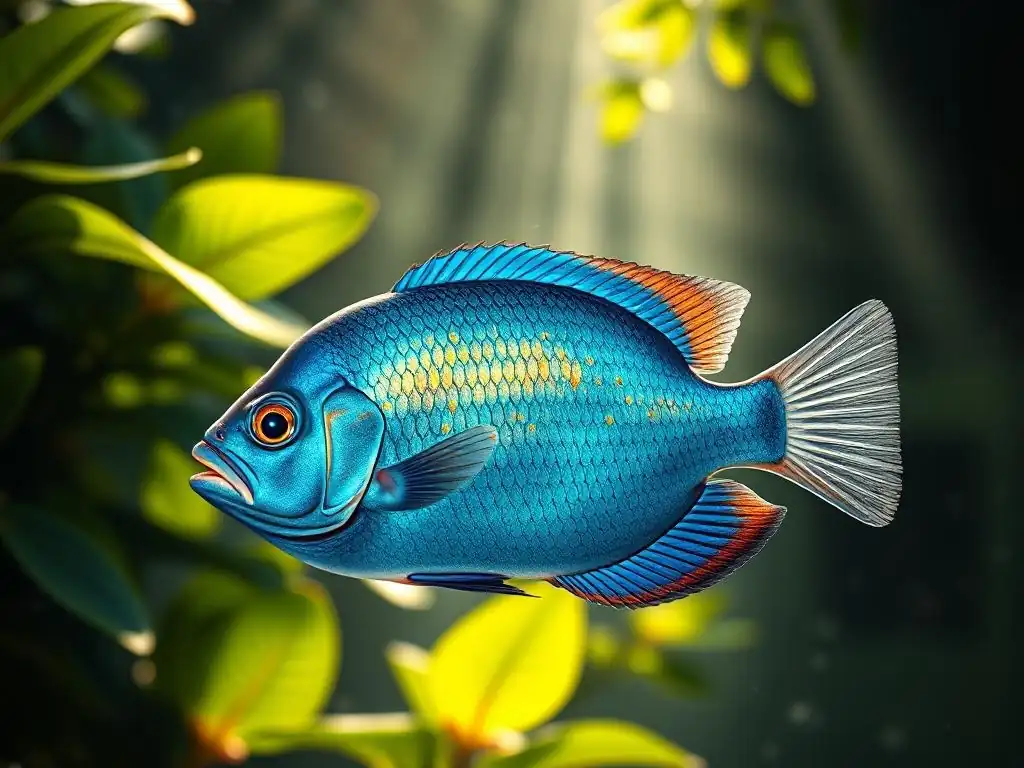
For Mbuna Cichlids, which are endemic to the rocky shores of Lake Malawi, a rock-themed cichlid tank background idea is not just aesthetically pleasing but functionally vital. These fish naturally inhabit areas teeming with intricate rock formations, crevices, and caves, which they use for territory, breeding, and refuge. Therefore, replicating this environment is paramount for their well-being. Ideal materials for such a background include slate, lava rock, or limestone (like Texas Holey Rock), which can be stacked and siliconed together to form a highly textured, three-dimensional backdrop.
When designing, focus on creating numerous small caves and vertical structures that mimic the natural fissures of the lakebed. These structures provide essential visual breaks and hiding spots, reducing aggression among highly territorial Mbuna species such as Pseudotropheus saulosi or Metriaclima estherae. Utilizing a variety of rock sizes and shapes adds to the authenticity, and ensuring the background extends from the substrate to near the water surface can maximize the usable territory for these rock-dwelling Cichlids.
Sandstone Backgrounds: A Natural Look for Tanganyika Cichlids
Lake Tanganyika, the second deepest freshwater lake in the world, boasts diverse habitats, including vast sandy plains interspersed with rock formations. For Cichlids from this lake, particularly species like Neolamprologus brichardi (Fairy Cichlids) or the majestic Cyphotilapia frontosa, a sandstone-inspired cichlid tank background idea can provide a natural and calming aesthetic. Sandstone backgrounds typically feature smoother, more rounded rock textures and often incorporate elements of sandy slopes or ledges.
These backgrounds can be achieved using realistic resin replicas or by carefully constructing a DIY background with appropriate sandstone-like materials. The muted, earthy tones of sandstone create a serene backdrop that highlights the subtle beauty of Tanganyika Cichlids. While still providing some visual breaks and resting spots, these backgrounds generally offer fewer intricate caves than Mbuna setups, reflecting the more open, deeper water environments many Tanganyikan species inhabit. This design choice supports their natural schooling behaviors and provides a sense of the vastness characteristic of their native lake.
Creating a Biofilm-Friendly Background: Promoting a Healthy Ecosystem
For many herbivorous African Cichlids, particularly Mbuna, biofilm is a crucial component of their natural diet, providing essential nutrients and roughage. A clever cichlid tank background idea can incorporate features that actively promote the growth of biofilm, turning the background into a functional part of the ecosystem. Biofilm is a complex matrix of microorganisms, including algae and bacteria, that adheres to submerged surfaces. In the wild, Mbuna graze on this film from rocks.
To create a biofilm-friendly background, opt for materials with a textured or porous surface, such as certain types of resin, porous foam, or natural lava rock. These surfaces offer more microscopic nooks and crannies for microorganisms to colonize and flourish compared to smooth, glass-like surfaces.
While some aquarists might initially be concerned about algae growth, a controlled amount of green or brown biofilm on a textured background is natural and beneficial for species like Labeotropheus fuelleborni or Maylandia zebra, providing them with a continuous, natural food source and encouraging their natural grazing behaviors, thereby enhancing their health and reducing reliance on artificial foods.
Black Backgrounds: Accentuate Cichlid Colors and Minimize Reflections
A simple yet highly effective cichlid tank background idea is a plain black background. While lacking the intricate textures or natural replication of 3D or rock backgrounds, a black backdrop offers significant aesthetic and functional benefits. Visually, black absorbs light rather than reflecting it, creating a striking contrast that makes the vibrant colors of Cichlids appear more intense and "pop" against the dark canvas. The brilliant blues, yellows, oranges, and reds of African Cichlids become incredibly vivid, making the fish the undeniable stars of the aquarium.
Beyond color enhancement, a black background also significantly reduces reflections on the back glass, which can be a major source of stress for Cichlids. Fish often perceive their own reflections as rival fish, leading to unnecessary aggression or frantic swimming. By minimizing these reflections, a black background contributes to a calmer, more natural environment, reducing stress behaviors and fostering more stable social dynamics within the tank. It also effectively hides unsightly wires, heaters, and filters, creating a clean, seamless look that draws the viewer's eye directly to the fish and the aquascape.
River Bank Replica: Combining Wood and Rocks for a Natural Riverbed Effect
While many African Cichlids are associated with the rocky shores of the Rift Lakes, some species, particularly those from riverine environments or the transitional zones of the lakes where rivers meet, might benefit from a cichlid tank background idea that mimics a river bank. This concept often combines elements of both rock and wood, creating a more varied and dynamic landscape. For species like some Tilapia or Hemichromis species, which can be found in more vegetated or driftwood-laden environments, this type of background offers a distinct aesthetic.
A river bank replica might feature a base of darker, rounded rocks, perhaps with some embedded root-like structures or small pieces of aquarium-safe driftwood siliconed into the design. This creates a sense of an eroded river bank or a section of the lakebed where terrestrial elements have fallen into the water. Such a background can provide visual interest and additional hiding spots, catering to Cichlids that appreciate more varied cover than just rock piles. It offers a unique alternative to purely rocky setups, bringing a different facet of natural aquatic environments into the home aquarium.
Choosing the Right Background for Your Cichlids: Key Considerations
Cichlid Species and Natural Habitat: Matching the Background to Their Needs
The most critical factor in selecting a cichlid tank background idea is the specific species of Cichlids you intend to keep and their natural habitat. African Cichlids from the Rift Lakes, for example, have evolved to thrive in environments that are either predominantly rocky (like the Mbuna from Lake Malawi) or vast sandy plains with scattered rock formations (like many species from Lake Tanganyika). A background that replicates these conditions not only looks natural but also directly influences the fish's behavior, health, and stress levels.
For aggressive, rock-dwelling Mbuna, a background rich in crevices, caves, and vertical rock faces is ideal, providing essential territories and hiding spots to diffuse aggression. Conversely, for open-water swimmers like Peacock Cichlids (Aulonocara species) or the majestic Frontosa, a background that offers a sense of depth and perhaps more open spaces with subtle rockwork is often more appropriate. Failing to match the background to the species' natural environment can lead to increased stress, aggression, and a general lack of natural behavior, directly impacting the well-being of your Cichlids.
Tank Size and Dimensions: Selecting a Background That Fits Properly
The size and dimensions of your aquarium are crucial practical considerations when choosing a cichlid tank background idea. Backgrounds are typically designed for standard tank sizes (e.g., 20-gallon, 55-gallon, 75-gallon, 125-gallon), and ensuring a proper fit is essential for both aesthetics and functionality. For external backgrounds, accurate measurement of the tank's height and width is necessary to avoid unsightly gaps or overlaps. Many printed backgrounds come in rolls that can be trimmed to size, offering flexibility.
For internal 3D backgrounds, the tank's depth (front to back) is particularly important. These backgrounds can consume a significant amount of interior space, sometimes reducing the usable swimming area by several inches. For example, a 3D background in a 55-gallon tank (typically 12.75 inches deep) might reduce the effective depth by 3-5 inches, which could be problematic for larger Cichlids.
Always check the background's dimensions, especially its thickness, to ensure it won't unduly restrict swimming space or make maintenance difficult within your specific tank size. A background that is too large or too small will detract from the overall visual appeal and may not provide the intended environmental benefits.
Ease of Cleaning and Maintenance: Keeping Your Background Looking Its Best
Maintenance is an often-overlooked but crucial factor when selecting a cichlid tank background idea. Different types of backgrounds require varying levels of effort to keep clean and free of algae or debris. External backgrounds are by far the easiest to maintain, as they are not submerged in water and therefore do not accumulate algae or detritus. A simple wipe-down of the exterior glass is usually sufficient to keep them looking pristine.
Internal backgrounds, especially highly textured 3D designs, can present more of a challenge. Their intricate surfaces and crevices, while providing realism and hiding spots, can also become traps for uneaten food, fish waste, and algae growth. While some algae growth can be beneficial (as discussed with biofilm-friendly backgrounds), excessive or unsightly algae will require regular manual scrubbing with an aquarium-safe brush or scraper.
Smooth internal backgrounds are generally easier to clean than highly textured ones. Consider your willingness to perform detailed cleaning and the potential for algae accumulation when making your choice, as a neglected background can quickly detract from the tank's overall appearance and potentially impact water quality.
Compatibility with Tank Mates: Ensuring a Safe and Harmonious Environment
While the primary focus of a cichlid tank background idea is often on the Cichlids themselves, it's also crucial to consider the compatibility of the background with any other tank mates you might have or plan to introduce. This includes ensuring the background itself is safe and doesn't pose any physical hazards. For instance, backgrounds with sharp edges or unstable components could injure fish, especially during aggressive interactions or startled movements. Always ensure any DIY background is securely bonded and free of rough points.
Furthermore, consider how the background interacts with other species' needs. If you have plecos or other algae eaters, ensure the background material is durable enough to withstand their rasping mouths without being damaged or releasing harmful particles. For example, some softer foam backgrounds might be susceptible to damage from large plecos. The background should also contribute to a harmonious environment by providing sufficient hiding spots and visual barriers for all inhabitants, reducing stress and aggression across the entire community, not just the Cichlids.
Installing Your Cichlid Tank Background: A Step-by-Step Guide
Preparing Your Aquarium for Background Installation
Proper preparation is key to a successful and long-lasting cichlid tank background idea installation. For external backgrounds, ensure the back pane of your aquarium is thoroughly cleaned and dried. Use a glass cleaner (if the tank is empty) or simply water and a clean cloth to remove any dust, fingerprints, or water spots. This ensures good adhesion for tape or a clear, streak-free view through the background.
For internal backgrounds, especially those requiring silicone, the tank must be completely empty, clean, and dry. Any moisture or debris on the glass will compromise the silicone's adhesion, leading to potential detachment later. Use a razor blade scraper to remove any old silicone, mineral deposits, or stubborn algae. Then, wipe the glass down with a lint-free cloth, ensuring no dust or residue remains. This meticulous preparation ensures the silicone forms a strong, permanent bond, crucial for the stability and safety of your Cichlids' environment.
Applying Adhesive or Silicone: Ensuring a Secure Bond
The method of applying adhesive for your cichlid tank background idea varies significantly between external and internal types. For external backgrounds, application is straightforward. If using a static cling background, simply mist the back of the tank with water, apply the background, and smooth out any air bubbles with a squeegee. For roll-on vinyl backgrounds, clear packing tape applied generously to the top and bottom edges, and optionally the sides, will typically suffice to hold it securely in place. Some external backgrounds may come with their own adhesive backing, requiring careful alignment before application.
For internal 3D backgrounds, aquarium-safe silicone sealant is the standard adhesive. Apply a continuous, generous bead of silicone around the perimeter of the background's contact points with the glass, and also apply several strategically placed vertical or horizontal beads across the back of the background where it will meet the tank. For large or heavy backgrounds, consider applying silicone to both the background and the glass for maximum adhesion.
Ensure complete coverage to prevent water from seeping behind the background, which could lead to trapped debris or unstable conditions. Use a caulking gun for even application and work quickly, as silicone begins to skin over relatively fast.
Securing 3D Backgrounds: Use Aquarium-Safe Silicone and Wedge Supports While Curing
Installing a 3D cichlid tank background idea requires more than just applying silicone; it necessitates securing the background in place while the adhesive cures. After applying a liberal amount of aquarium-safe silicone to the back of the 3D background and/or the back glass of the tank, carefully position the background inside the aquarium. Press it firmly against the glass to ensure good contact and even distribution of the silicone.
Because 3D backgrounds can be heavy and prone to shifting before the silicone fully sets, it is crucial to use temporary wedge supports to hold them securely against the glass. These can be small pieces of wood, PVC pipe, or even heavy rocks placed strategically between the front glass and the background. Ensure these supports are stable and apply even pressure.
The silicone typically requires 24 to 72 hours to fully cure, depending on temperature, humidity, and the thickness of the silicone bead. Do not attempt to fill the tank with water or remove the supports until the silicone is completely dry to the touch and no longer emits a strong odor, ensuring a strong, lasting bond.
Finishing Touches: Hiding Edges and Creating a Seamless Look
Once your cichlid tank background idea is securely installed, adding finishing touches can significantly enhance its overall appearance and create a truly seamless look. For external backgrounds, carefully trim any excess material using a sharp utility knife or scissors to ensure it fits precisely within the tank's frame. A clean, straight edge prevents unsightly overhangs and gives a professional finish.
For internal 3D backgrounds, the goal is often to blend the background into the aquascape naturally. This can be achieved by carefully arranging your substrate (sand or gravel) right up to the base of the background, covering any exposed bottom edges and creating a smooth transition. Similarly, strategically placed rocks or pieces of driftwood in the foreground can help to obscure the background's side edges, making it appear as a natural extension of the tank's decor rather than a separate piece. This attention to detail creates an immersive environment that truly brings your Cichlid tank to life.
Maintaining Your Cichlid Tank Background: Keeping it Clean and Healthy
Regular Cleaning Practices: Removing Algae and Debris
Maintaining the cleanliness of your cichlid tank background idea is essential for both aesthetics and water quality. For external backgrounds, routine cleaning is minimal; simply wipe down the exterior glass with a damp cloth to remove dust or smudges. Internal backgrounds, however, require more attention as they are submerged and susceptible to algae growth and the accumulation of fish waste and uneaten food.
Regular cleaning practices for internal backgrounds should be integrated into your routine tank maintenance. During weekly or bi-weekly water changes, use an aquarium-safe algae scraper or a soft-bristled brush to gently scrub away any accumulated algae from the background's surfaces. For textured 3D backgrounds, a dedicated brush with stiffer bristles might be necessary to reach into crevices.
Siphoning near the base of the background can help remove trapped detritus. While a thin layer of biofilm can be beneficial for some Cichlids, excessive algae should be controlled to prevent it from overwhelming the aesthetic and potentially contributing to water quality issues.
Avoiding Harmful Chemicals: Protecting Your Cichlids' Health
When cleaning any part of your aquarium, especially your cichlid tank background idea, it is absolutely critical to avoid the use of household cleaning chemicals. Products like glass cleaners, soaps, detergents, or bleach contain compounds that are highly toxic to fish and can have devastating effects on your aquarium's ecosystem. Even trace residues can leach into the water, causing severe stress, illness, or death to your Cichlids and beneficial bacteria.
For external backgrounds, if a deeper clean is needed, use only water or a very diluted vinegar solution, ensuring no residue drips into the tank. For internal backgrounds, strictly use only water and mechanical cleaning tools (scrapers, brushes). If a stubborn stain or algae spot persists, a solution of hydrogen peroxide (carefully applied and rinsed thoroughly outside the tank) or a commercially available, aquarium-safe algae cleaner (used strictly according to instructions) may be considered, but always with extreme caution and never directly in a tank with fish. Prioritize the health and safety of your Cichlids above all else.
Inspecting for Damage: Addressing Cracks and Wear
Regular inspection of your cichlid tank background idea is a crucial maintenance practice to ensure its longevity and the safety of your fish. Over time, especially with internal 3D backgrounds, wear and tear can occur. Look for any signs of cracks, chips, or areas where the material might be deteriorating. Small cracks, if left unaddressed, can widen, creating sharp edges that could injure fish or providing new hiding spots for unwanted detritus.
Pay particular attention to the silicone seals on internal backgrounds. Check for any signs of peeling, detachment from the glass, or degradation of the silicone itself. A detached background can shift, creating unsafe conditions or even collapsing. If you notice any significant damage or detachment, it's best to address it promptly. This may involve partially or fully draining the tank, carefully removing the background, repairing it with fresh aquarium-safe silicone, and then allowing it to cure completely before reintroduction. Proactive inspection and repair can prevent more serious issues down the line, safeguarding your Cichlids and your investment.
Troubleshooting Common Cichlid Tank Background Issues
Algae Growth on Backgrounds: Prevention and Removal
Algae growth is one of the most common issues faced with any cichlid tank background idea, particularly internal ones. While a thin layer of biofilm is healthy, excessive algae can be unsightly and indicate an imbalance in the tank. Common causes include too much light (prolonged photoperiod or direct sunlight), excess nutrients (overfeeding, infrequent water changes, high nitrates/phosphates), and insufficient water movement.
Prevention strategies include maintaining a consistent photoperiod of 8-10 hours, performing regular partial water changes (e.g., 25-30% weekly) to reduce nutrient buildup, avoiding overfeeding, and ensuring adequate filtration and water circulation. For removal, manual scrubbing with an aquarium-safe brush or scraper is often the most effective method for internal backgrounds. For persistent issues, consider introducing algae-eating tank mates if compatible with your Cichlids (e.g., certain species of Ancistrus plecos, though research compatibility carefully). Chemical algae removers should be used as a last resort, as they can be harsh on fish and beneficial bacteria.
Detachment of Backgrounds: Repairing and Reattaching
A detached cichlid tank background idea, particularly an internal 3D one, poses a significant problem and potential hazard. Causes for detachment typically include insufficient aquarium-safe silicone during initial installation, improper curing time, or degradation of the silicone over many years. If you notice your background peeling away from the glass, it requires immediate attention.
To repair and reattach a detached background, you will likely need to partially or fully drain your aquarium to access the affected area. Carefully remove the background if it's completely detached, or gently peel back the loose sections. Clean off any old, loose silicone from both the background and the glass.
Apply a fresh, generous bead of 100% aquarium-safe silicone to the contact points, press the background firmly back into place, and use temporary supports (such as small rocks or weighted objects) to hold it securely against the glass. Allow the silicone to cure for a full 48-72 hours in a well-ventilated area before refilling the tank. This ensures a strong, lasting bond that will prevent future detachment.
Fish Damaging the Background: Solutions to Prevent Further Damage
While most Cichlids won't intentionally damage a properly installed cichlid tank background idea, certain species or behaviors can lead to wear and tear. Large, powerful Cichlids, particularly those that dig extensively (like some Geophagus or even large Mbuna rearranging substrate), might scratch or dislodge parts of a softer background. Similarly, large plecos, known for their powerful rasping mouths, can sometimes damage softer foam or resin backgrounds while grazing.
If you observe your fish damaging the background, first identify the culprit and the type of damage. For digging Cichlids, ensuring the background is securely siliconed to the bottom of the tank and that substrate is used to buttress its base can help. For pleco damage, consider if your background material is too soft for their rasping.
Some aquarists opt for harder, more durable materials like solid resin or natural rock backgrounds if they house large plecos. In some cases, increasing the availability of alternative grazing surfaces (like driftwood or algae wafers) might distract plecos from the background. Ultimately, selecting a background material that is robust enough for your specific Cichlid species and their tank mates is the best preventative measure.
Where to Buy Cichlid Tank Backgrounds: Options and Recommendations
Online Retailers: Amazon, eBay, специализированные аквариумные онлайн-магазины
Online retailers offer the widest selection of cichlid tank background ideas, catering to virtually every aesthetic preference and budget. Major platforms like Amazon and eBay feature a vast array of external printed backgrounds, often available in various sizes and designs, from realistic rockscapes to solid colors. These sites are convenient for price comparison and often provide customer reviews, which can be helpful.
For specialized and higher-quality internal 3D backgrounds, dedicated aquarium online stores are often the best source. Retailers such as LiveAquaria.com, Petco.com, or Petsmart.com (online only for some items) frequently stock a premium range of 3D backgrounds from reputable brands. These specialized stores often provide more detailed product descriptions, dimensions, and sometimes even installation guides. While online shopping offers unparalleled selection and competitive pricing, be mindful of shipping costs, especially for bulky 3D backgrounds, and the inability to physically inspect the product before purchase.
Local Fish Stores: Supporting Your Local Aquarium Community
Local Fish Stores (LFS) are an invaluable resource for aquarists and a great place to explore cichlid tank background ideas. While their selection might not match the sheer volume of online retailers, LFS often carry a curated range of popular and reliable backgrounds, including both printed and some 3D options. The primary advantage of purchasing from a local store is the ability to physically inspect the background for quality, color, and texture before buying. This is particularly beneficial for 3D backgrounds, where tactile feel and exact color representation are important.
Furthermore, local fish store staff typically possess extensive knowledge about Cichlids and aquascaping. They can offer personalized advice on which background would best suit your specific Cichlid species, tank size, and desired aesthetic, often providing insights that online descriptions cannot. Supporting your local fish store also contributes to the health of the aquarium hobby in your community, preserving a valuable resource for expert advice, quality livestock, and essential supplies.
DIY Supply Stores: Finding Materials for Custom Backgrounds
For those embarking on a custom cichlid tank background idea, various DIY supply stores become essential hunting grounds for raw materials. Hardware stores are excellent sources for aquarium-safe silicone sealant (ensure it's 100% silicone with no additives), PVC sheets for structural bases, and various tools. Landscaping or garden supply centers can provide natural rocks like slate, lava rock, or flagstone, often at a significantly lower cost than aquarium-specific rock vendors. Always ensure any natural rock is inert and safe for aquarium use by performing a vinegar test (if it fizzes, it's not inert).
Craft stores or art supply stores might offer closed-cell foam sheets (like polystyrene or polyurethane) that can be carved into intricate 3D shapes, which then need to be sealed with an aquarium-safe coating like epoxy resin or cement-based products designed for ponds. The key to sourcing from DIY stores is diligent research into material safety and proper preparation (cleaning, curing, sealing) to ensure no harmful chemicals leach into your Cichlid tank. This approach offers the ultimate creative freedom and can be a highly cost-effective solution for large or custom-sized aquariums.
Conclusion: Enhancing Your Cichlid Aquarium with the Perfect Background
Recap of Key Considerations for Choosing a Cichlid Tank Background
Selecting the ideal cichlid tank background idea is a multifaceted decision that significantly impacts both the aesthetic appeal and the well-being of your aquatic inhabitants. As we've explored, key considerations include accurately matching the background to your specific Cichlid species and their natural habitat to encourage natural behaviors and reduce stress. The physical dimensions of your tank are equally important, ensuring the background fits properly without unduly sacrificing valuable swimming space, especially for internal 3D designs.
Furthermore, practical aspects like ease of cleaning and long-term maintenance should guide your choice, as highly textured backgrounds can trap debris and algae. Finally, compatibility with other tank mates and the overall safety of the materials used are paramount. By carefully weighing these factors—species needs, tank size, maintenance, and safety—aquarists can make an informed decision that enhances their aquatic display.
The Importance of a Well-Chosen Background for Cichlid Health and Happiness
Ultimately, a well-chosen cichlid tank background idea is far more than just a decorative element; it is a fundamental component of a thriving and natural Cichlid environment. By providing a sense of security, mimicking natural habitats, and creating visual barriers, the right background significantly reduces stress levels in Cichlids, leading to more natural social interactions, reduced aggression, and overall healthier fish. The enhanced visual appeal also allows the vibrant colors of your Cichlids to truly shine, transforming your aquarium into a dynamic and captivating underwater world.
Investing time and thought into selecting and installing the perfect background pays dividends in the long run, contributing to the health, happiness, and natural behavior of your Cichlids, while simultaneously elevating your aquarium into a truly stunning display of aquatic life. It's a key step in creating an authentic and enriching habitat that supports the vitality of these fascinating fish.
Frequently Asked Questions
How does choosing the right background benefit my cichlid tank?
The right background greatly enhances the visual appeal of your aquarium and can also provide a sense of security for your cichlids, reducing stress. It creates a more natural and comfortable environment.
What are some popular materials used for cichlid tank backgrounds?
Common materials include 3D backgrounds, vinyl backgrounds, and DIY options like painted glass or textured foam. Each offers different aesthetic and functional benefits.
Are there backgrounds that can actually help with water quality in a cichlid tank?
Some 3D backgrounds are designed with built-in filtration systems or areas for beneficial bacteria to colonize, contributing to improved water quality and biological balance.
What are the key considerations when selecting a background for a cichlid tank with aggressive fish?
Durability is crucial! Choose backgrounds made from robust materials that can withstand the digging and nipping behaviors common among many cichlid species. Also, ensure that the background cannot leach harmful chemicals into the water.
How can I create a DIY background for my cichlid tank?
DIY options allow for customization, but require careful planning and execution. Use aquarium-safe materials like foam, rocks, and epoxy resin to create a textured and visually appealing background. Remember to allow adequate curing time before introducing it to the tank.
Final Reflection: Beyond Aesthetics, Building Ecosystems
The exploration of cichlid tank backgrounds, as we've seen, extends far beyond mere decoration. It's about crafting an environment that mimics the natural habitats of these fascinating fish, providing both visual appeal and a crucial sense of security. This understanding is particularly relevant today, as aquascaping evolves from a hobby into a recognized art form, demanding both aesthetic beauty and ecological responsibility.
The impact of thoughtfully chosen backgrounds resonates deeply within the aquascaping community, influencing not only the visual presentation of our tanks but also the well-being of our aquatic inhabitants. My own journey into cichlid keeping has underscored the profound connection between environment and behavior, highlighting how a well-designed background can significantly reduce stress and promote natural behaviors. The best aquarium is not just a pretty picture, but a thriving ecosystem.
This quote encapsulates the essence of responsible aquascaping, reminding us that our choices have real consequences for the creatures in our care.
As you consider your own cichlid tank background ideas, I encourage you to look beyond the surface. Reflect on the specific needs of your fish, the natural environments they evolved in, and the long-term impact of your choices. Let's strive to create not just visually stunning aquariums, but thriving ecosystems that celebrate the beauty and complexity of the underwater world.
Elevate Your Cichlid Sanctuary Now!
Thanks for diving into the world of cichlid tank backgrounds! We hope you've found inspiration and practical tips to create a stunning and safe environment for your aquatic companions. Now, let's put that newfound knowledge into action.
Here are a few ways you can continue to improve your cichlid tank:
- Craft a DIY background using safe materials and your unique artistic vision. It’s time to get creative and personalize your aquarium!
- Explore local aquarium groups or online forums to share your cichlid tank background ideas and gather feedback. Community makes the hobby more fun.
- Try a completely unique approach and experiment with 3D-printed or living backgrounds.
What unexpected material are you considering using for your next cichlid tank background?