
Breeding Different Corydoras Species: Are Some Easier Than Others?

Welcome to Aquarium Mastery!
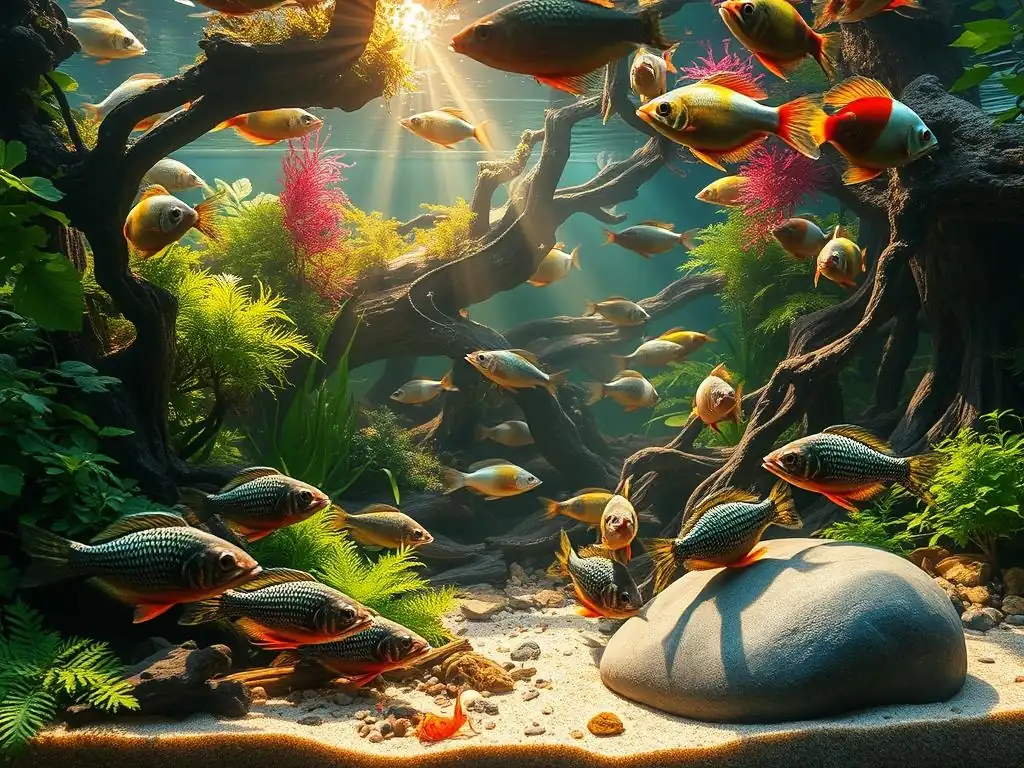
Ever wondered what it takes to unlock the secrets of breeding those adorable bottom-dwellers, the Corydoras? You're in the right place! Dive into our comprehensive guide: " Breeding Different Corydoras Species: Are Some Easier Than Others?" and discover essential Corydoras breeding tips for beginners that will transform you from a curious enthusiast into a confident Cory breeder. Get ready to witness the magic of life unfold in your freshwater aquarium – let's explore!
- Introduction to Corydoras Breeding: A Beginner's Guide
- Corydoras Breeding Difficulty: A Species-by-Species Breakdown
- Key Factors Influencing Corydoras Breeding Success
- Corydoras Breeding Setup: Creating the Ideal Environment
- Raising Corydoras Fry: From Eggs to Juveniles
- Common Corydoras Breeding Problems and Solutions
- Advanced Corydoras Breeding Techniques
- Conclusion: Mastering Corydoras Breeding for Beginners and Beyond
-
Frequently Asked Questions
- How difficult is it for a beginner to breed Corydoras catfish?
- What are the most important factors for triggering Corydoras to spawn?
- Are there specific Corydoras species that are easier to breed than others?
- What type of food should I feed my Corydoras to encourage breeding?
- What do I do with the Corydoras eggs once they are laid?
- Final Reflection: The Enduring Allure of Corydoras Breeding
- Ignite Your Cory Breeding Journey!
Introduction to Corydoras Breeding: A Beginner's Guide
Understanding Corydoras Breeding Basics for Beginners
Breeding Corydoras catfish can be one of the most rewarding aspects of the freshwater aquarium hobby, offering a unique glimpse into the reproductive cycle of these charming bottom dwellers. For Corydoras breeding tips beginners, understanding the fundamental requirements is key. These peaceful, schooling fish typically reproduce by laying adhesive eggs, often on broad leaves, tank glass, or specialized spawning mops, and require specific environmental cues to initiate spawning behavior. Success hinges on a combination of proper water parameters, a nutritious diet, and the right tank setup.
The journey begins with selecting healthy, mature breeding pairs or groups, usually one female to two or three males. Many species of Corydoras become sexually mature around 6 to 12 months of age, reaching a size of approximately 4-6 cm (1.5-2.5 inches). Patience is a virtue in Corydoras breeding, as it often takes consistent effort and observation to trigger a spawn, but the sight of newly laid eggs and eventually free-swimming fry makes the endeavor incredibly worthwhile for any aquarist.
Why Breed Corydoras? The Joys of Corydoras Spawning
The primary motivation for many aquarists to breed Corydoras is the sheer joy and educational experience of witnessing the entire life cycle unfold within their home aquarium. Observing the intricate courtship rituals, the careful egg deposition, and the subsequent hatching of tiny fry provides an unparalleled connection to the aquatic world. This process offers invaluable insights into fish behavior and reproductive biology, enhancing an aquarist's understanding and appreciation for their aquatic inhabitants.
Beyond personal satisfaction, breeding Corydoras contributes positively to the aquarium hobby and even conservation efforts. By successfully breeding these fish, hobbyists can help reduce the demand for wild-caught specimens, thereby alleviating pressure on natural populations, especially for rarer or more sensitive species. Furthermore, surplus fry can be shared with other enthusiasts or local fish stores, fostering a sense of community and potentially offsetting some of the costs associated with the hobby.
Corydoras Breeding Difficulty: A Species-by-Species Breakdown
Easiest Corydoras to Breed: Ideal for Beginners
Certain Corydoras species are renowned for their robust nature and relatively straightforward breeding habits, making them excellent choices for those new to Corydoras breeding tips beginners. These species are generally more tolerant of varying water conditions and are less finicky about their diet, increasing the likelihood of successful spawning even with minor deviations from ideal parameters. Their prolific nature often results in larger spawns, providing a greater number of fry for a beginner to practice raising.
These "beginner-friendly" Corydoras are typically widely available in the aquarium trade and are known for their adaptability. They respond readily to common spawning triggers like large, cool water changes and a diet rich in live foods. Mastering the breeding of these easier species provides invaluable experience and builds confidence before attempting more challenging varieties, laying a solid foundation for future breeding endeavors.
Corydoras aeneus (Bronze Corydoras): The Beginner's Choice
The Bronze Corydoras ( Corydoras aeneus) stands out as arguably the easiest and most forgiving Corydoras species to breed, making it an ideal starting point for any beginner. These hardy fish adapt well to a wide range of water parameters, typically thriving in temperatures between 22-26°C (72-79°F) and a pH of 6.5-7.5.
They are highly responsive to large, cool water changes and a protein-rich diet, often spawning within hours of such an event. A healthy breeding group can produce substantial clutches, with females often laying 50 to 100 or even more eggs per spawning session, which are usually clear and visible.
Their eggs are relatively robust and less prone to fungusing compared to some other species, and the fry are larger and more vigorous, making them easier to raise. The Bronze Corydoras' widespread availability and resilience to common beginner mistakes contribute significantly to its reputation as the go-to species for initial Corydoras breeding tips beginners experience.
Corydoras paleatus (Peppered Corydoras): Another Great Starting Point
Similar to the Bronze Corydoras, the Peppered Corydoras ( Corydoras paleatus) is another excellent choice for novice breeders due to its adaptability and willingness to spawn. These attractive fish tolerate a broad range of temperatures, typically 18-24°C (64-75°F), and a pH between 6.0-7.5, making them suitable for many community tank setups. They readily respond to spawning triggers such as cooler water changes and increased feeding of live or frozen foods.
Peppered Corydoras are also quite prolific, with healthy females capable of laying clutches of 30 to 80 eggs, which are often deposited on plants or the tank glass. The eggs are fairly hardy, and the fry develop quickly when provided with appropriate first foods. Their relatively short generation time and consistent spawning behavior make them a rewarding species for beginners looking to gain practical experience in Corydoras propagation.
Moderately Difficult Corydoras to Breed: Stepping Up Your Game
Once a beginner has gained experience with the easier Corydoras species, moving on to moderately difficult varieties offers a new set of challenges and rewards. These species often require more specific water parameters, slightly more nuanced conditioning, or particular environmental triggers that demand closer attention from the aquarist. They may not be as prolific as the beginner species, yielding smaller clutches or spawning less frequently.
Success with these species often depends on maintaining pristine water quality and providing a highly specialized diet. Breeders will need to pay closer attention to exact temperature ranges, pH levels, and hardness, as these fish are less forgiving of fluctuations. Mastering these species signifies a significant step forward in a hobbyist's breeding skills and deepens their understanding of Corydoras care.
Corydoras sterbai (Sterba's Corydoras): A Bit More Challenging
Sterba's Corydoras ( Corydoras sterbai) is a beautiful and popular species, but its breeding presents a slightly higher challenge than the bronze or peppered varieties. They prefer warmer water, typically thriving at 26-28°C (79-82°F), which can sometimes be a hurdle if a dedicated breeding tank is not available. While they respond to cool water changes, the temperature drop should be managed carefully to avoid shocking them. High oxygenation is also crucial for their well-being and spawning success.
C. sterbai females typically lay smaller clutches, often between 20 to 40 eggs, which can be more delicate than those of C. aeneus. The eggs are also more susceptible to fungusing if water quality isn't impeccable. Consistent feeding of high-protein live foods like blackworms or grindal worms is essential to condition them for spawning, and precise water parameter management is vital for both egg and fry survival.
Corydoras panda (Panda Corydoras): Requires Specific Conditions
The charming Panda Corydoras ( Corydoras panda) is known for its distinctive black and white markings, but breeding them can be moderately challenging due to their sensitivity to water conditions. These fish prefer slightly cooler and very clean water, with optimal breeding temperatures ranging from 22-25°C (72-77°F) and a pH around 6.5-7.0. They are less tolerant of nitrates and require meticulous tank maintenance to thrive and spawn successfully.
Spawning triggers for C. panda often include a combination of cool water changes, robust aeration, and a varied diet of live foods. Their egg clutches are generally smaller, typically yielding 10 to 30 eggs per spawn. The eggs and subsequent fry are quite delicate and highly susceptible to poor water quality, demanding diligent care and attention to detail from the breeder to achieve high survival rates.
Difficult Corydoras to Breed: For Experienced Breeders Only
Successfully breeding the more difficult Corydoras species is a hallmark of an experienced aquarist, requiring specialized knowledge, precise environmental controls, and often a significant amount of patience. These species may have very specific requirements regarding water chemistry, temperature, diet, or even tank layout that are not easily met in a typical home aquarium setup. Their breeding triggers might be subtle or require very specific conditions that mimic their natural habitats, which can be challenging to replicate accurately.
Furthermore, these species often produce fewer eggs, and their fry can be extremely delicate, demanding meticulous care to ensure survival. Attempting to breed these species without prior experience can lead to frustration and unsuccessful attempts. They are not recommended for Corydoras breeding tips beginners as they demand a level of expertise in water management and fish conditioning that is developed over time with easier species.
Corydoras barbatus (Banded Corydoras): Needs Specialized Care
The Banded Corydoras ( Corydoras barbatus), also known as the Bearded Corydoras, is one of the larger and more challenging species to breed, often reserved for advanced hobbyists. These fish typically inhabit cooler, highly oxygenated streams in their natural habitat, and replicating these conditions is crucial for breeding success. They prefer temperatures below 20°C (68°F), sometimes even as low as 16°C (61°F), which often necessitates a dedicated chiller for the breeding tank.
C. barbatus are also known for being shy and require pristine, soft, and acidic water conditions (pH 5.5-6.5). Spawns are generally small, often fewer than 10 eggs, and they can be quite particular about spawning sites, preferring fine-leaved plants or dense moss. The fry are tiny and exceptionally delicate, requiring infusoria or other microscopic first foods for an extended period, making their rearing a significant undertaking.
Corydoras adolfoi (Adolfo's Corydoras): Sensitive to Water Parameters
Adolfo's Corydoras ( Corydoras adolfoi) is another beautiful but challenging species to breed, primarily due to its extreme sensitivity to water parameters. These fish originate from very soft, acidic waters in Brazil, and successful breeding requires replicating these precise conditions. Optimal breeding parameters include a pH between 5.5-6.5 and very low hardness (GH 1-4 dGH), along with temperatures around 24-26°C (75-79°F). Maintaining such specific and stable parameters consistently can be difficult for many aquarists.
Like C. barbatus, C. adolfoi spawns are typically small, yielding perhaps 10-20 eggs per female. The eggs are highly delicate and prone to fungusing, necessitating immediate removal to a separate container with anti-fungal treatment. The fry are minuscule and demand very specific, high-quality microscopic foods for their initial development, making their survival rate highly dependent on the breeder's meticulous care and experience.
Key Factors Influencing Corydoras Breeding Success
Water Parameters for Corydoras Breeding: Achieving Optimal Conditions
Maintaining precise and stable water parameters is paramount for successful Corydoras breeding. While some species are more tolerant than others, all Corydoras benefit from clean, well-filtered water free of ammonia and nitrites, and with low nitrates. Regular water testing is crucial to monitor pH, hardness, and temperature, ensuring they fall within the optimal range for the specific species you are attempting to breed. Consistency in these parameters, coupled with specific changes to trigger spawning, is a cornerstone of effective Corydoras breeding tips beginners.
The goal is to mimic the natural conditions that signal to the fish that it's the right time to reproduce. This often involves simulating the onset of the rainy season in their native South American habitats. Even slight deviations from optimal conditions can stress the fish, inhibit spawning, or lead to infertile eggs and poor fry survival rates. Therefore, a dedicated breeding tank often allows for greater control over these vital environmental factors.
Temperature: The Importance of a Slight Drop
Temperature plays a critical role in triggering Corydoras spawning. In their natural environment, the onset of the rainy season brings cooler water from rainfall, signaling to the fish that conditions are favorable for breeding. To replicate this, breeders often perform large water changes (e.g., 50% or more) using water that is 2-5°C (3-9°F) cooler than the tank water. For instance, if your tank is at 25°C (77°F), a water change with 20-23°C (68-73°F) water can be highly effective. This sudden drop in temperature, combined with fresh water, often stimulates spawning behavior within hours or days.
It's important to ensure that the temperature drop is not too drastic, as extreme fluctuations can shock the fish. Gradual cooling over a few days, followed by a sudden larger drop, can also be effective. Maintaining a stable lower temperature for a few days after the initial drop can encourage repeated spawning attempts from the breeding group.
Water Hardness and pH: Maintaining Ideal Levels
Water hardness (GH and KH) and pH are crucial factors that vary significantly among Corydoras species. Most species prefer soft to moderately hard water (General Hardness, GH, typically 2-10 dGH) and a slightly acidic to neutral pH (6.0-7.5). However, some of the more challenging species, like Corydoras adolfoi or Corydoras barbatus, require very soft, acidic water (e.g., GH 1-4 dGH, pH 5.5-6.5) to breed successfully.
The key is not just to hit these numbers but to maintain them consistently. Fluctuations in pH or hardness can stress the fish and reduce breeding success. For species requiring very soft water, using reverse osmosis (RO) water reconstituted with mineral supplements is often necessary. Regular testing with reliable kits ensures these parameters remain within the optimal range for your specific Corydoras species.
Diet and Conditioning: Preparing Your Corydoras for Spawning
A well-rounded and protein-rich diet is fundamental for conditioning Corydoras for breeding. Just like in nature, where an abundance of food signals favorable conditions for reproduction, providing high-quality, varied nutrition encourages fish to develop healthy gonads and produce viable eggs and sperm. Without proper conditioning, fish may be unwilling to spawn, or the eggs produced may be infertile or of poor quality, leading to low hatch rates.
The conditioning phase should typically last for several weeks, during which the breeding group is fed multiple times a day. This consistent feeding not only ensures they are in peak physical condition but also signals a period of abundance, which is a natural precursor to spawning in their wild habitats.
Live Foods: Essential for Breeding Success
Live foods are arguably the most crucial component of a breeding diet for Corydoras. Their high protein content and natural nutritional value mimic the diet fish would consume in the wild, providing the necessary energy and nutrients for egg development and spawning activity. Excellent choices include blackworms, grindal worms, bloodworms, and live brine shrimp. Feeding these foods two to three times a day for several weeks before attempting to trigger a spawn can significantly increase success rates.
The movement of live foods also stimulates the fish's natural hunting instincts, promoting activity and vitality. For example, feeding blackworms daily for two to three weeks can often lead to visible swelling in the females as their bellies fill with eggs, a clear sign of readiness for breeding.
High-Quality Flake and Pellet Foods: Supplementing the Diet
While live foods are paramount, high-quality flake and pellet foods should still form a significant part of the Corydoras' regular diet and supplement the live food regimen during conditioning. Choose flakes or sinking pellets specifically formulated for bottom feeders, ensuring they are rich in protein (ideally over 40%) and contain essential vitamins and minerals. Spirulina-enriched foods can also provide beneficial plant matter.
These commercial foods offer a balanced nutritional base and ensure that the fish receive all necessary micronutrients that might be missing from an exclusive live food diet. Crushing flakes or pellets into smaller pieces can make them more palatable for Corydoras, who have small mouths. A varied diet ensures comprehensive nutrition, leading to healthier fish and more successful breeding outcomes.
Spawning Triggers: Inducing Corydoras to Breed
Once your Corydoras are well-conditioned and their water parameters are optimized, the next step is to introduce specific triggers that mimic the natural environmental cues for spawning. These triggers often simulate the onset of the rainy season in their native South America, which is when Corydoras typically reproduce in the wild. Combining several of these triggers often yields the best results, signaling to the fish that conditions are ideal for laying eggs.
The effectiveness of these triggers can vary between species and even individual fish, so patience and persistence are key. Sometimes, it may take several attempts over a few days or weeks before a successful spawn occurs. Observing the fish's behavior during and after applying these triggers can provide valuable insights into their readiness to breed.
Water Changes: Simulating the Rainy Season
Large, cool water changes are the most widely recognized and effective spawning trigger for many Corydoras species. This practice mimics the influx of cooler, fresh rainwater during the onset of the rainy season. Performing a significant water change, typically 50% or more of the tank volume, with water that is 2-5°C (3-9°F) cooler than the tank water, often encourages spawning behavior within hours or the next day.
For example, if your tank is at 25°C (77°F), replacing half the water with 20-23°C (68-73°F) water can be a powerful stimulus. Repeating this large, cool water change every 12-24 hours for a few days, combined with increased feeding, can further enhance the chances of a spawn. The fresh water also dilutes nitrates and replenishes essential minerals, creating a pristine environment conducive to breeding.
Increased Oxygenation: Encouraging Spawning Behavior
Another critical trigger, often used in conjunction with cool water changes, is increased oxygenation. In their natural habitats, the rainy season often brings increased water flow and turbulence, leading to higher dissolved oxygen levels. Replicating this in the aquarium can further encourage Corydoras to spawn. This can be achieved by adding an air stone connected to an air pump, increasing the output of an existing air stone, or adjusting a powerhead to create more surface agitation.
The increased oxygen not only signals favorable breeding conditions but also ensures the fish are in peak physical condition for the strenuous act of spawning. Furthermore, highly oxygenated water is vital for the development of eggs and subsequently, the fry. A well-oxygenated environment also helps maintain water quality by aiding in the breakdown of waste products.
Corydoras Breeding Setup: Creating the Ideal Environment
Choosing the Right Breeding Tank: Size and Filtration
Selecting an appropriate breeding tank is crucial for optimizing Corydoras spawning success and ensuring the well-being of both parents and fry. For most common Corydoras species, a 10-gallon (approximately 38 liters) to 20-gallon (approximately 76 liters) tank is sufficient for a breeding group of one female and two to three males. Larger tanks, such as 20-gallon longs, offer more floor space and can accommodate larger breeding groups or multiple pairs. The tank should be dedicated solely to breeding, allowing for precise control over water parameters and preventing predation on eggs or fry by other tank inhabitants.
For filtration, a simple sponge filter is highly recommended. Sponge filters provide excellent biological filtration without creating strong currents that could stress the Corydoras or harm delicate fry. Their gentle operation also prevents fry from being sucked into the filter intake, which is a common problem with hang-on-back or canister filters. A mature sponge filter from an existing tank can also help cycle the breeding tank quickly, providing a stable environment.
Substrate and Decor: Providing Spawning Sites
The choice of substrate and decor in a Corydoras breeding tank significantly influences where eggs are laid and how easily they can be collected. While some breeders prefer a bare-bottom tank for ease of cleaning and fry collection, a thin layer of fine, soft sand (e.g., pool filter sand or specialized aquarium sand) is generally preferred. Corydoras naturally sift through sand, and a soft substrate protects their delicate barbels, which are essential for foraging. A bare bottom can sometimes stress the fish or make them feel insecure.
Providing ample surfaces for egg deposition is paramount. Corydoras are known for laying their adhesive eggs on various surfaces, including tank glass, broad-leafed plants, or artificial spawning aids. Having multiple options increases the chances of a successful spawn and provides flexibility for egg collection.
Spawning Mops and Plants: Artificial vs. Natural Options
For egg deposition, both artificial spawning mops and live plants serve as excellent sites. Spawning mops, typically made from acrylic yarn, are highly favored by breeders because they are easy to remove once eggs are laid, allowing for safe transfer of the eggs to a separate hatching container. These mops can be weighted or floated, providing various angles for egg attachment. Many breeders will use several mops to maximize egg collection.
Natural plants with broad leaves, such as Anubias, Amazon Swords, or Java Fern, are also popular choices. Corydoras often prefer to lay eggs on the undersides of these leaves. While plants offer a more natural aesthetic, collecting eggs from them can be more challenging and may disturb the plant. Using a combination of both can be beneficial, with the mops providing an easily accessible collection point and plants offering additional spawning surfaces.
Lighting and Water Flow: Simulating Natural Conditions
The lighting and water flow in a Corydoras breeding tank should aim to simulate their natural environment, which typically involves moderate lighting and gentle to moderate water movement. Overly bright lighting can stress Corydoras, which are often found in shaded or dimly lit areas in the wild. A standard aquarium light set on a timer for 10-12 hours a day is usually sufficient. Some breeders even dim the lights slightly during the initial spawning trigger phase to encourage shyer species.
Water flow should be gentle enough not to stress the fish or dislodge newly laid eggs, yet sufficient to ensure good circulation and oxygenation. A sponge filter provides adequate, gentle flow. If additional oxygenation is needed, a small air stone can be used to create gentle bubbling without strong currents. Strong currents from powerheads or large filters should be avoided, as they can exhaust the fish and prevent successful spawning.
Raising Corydoras Fry: From Eggs to Juveniles
Egg Care: Preventing Fungus and Maximizing Hatch Rates
Once Corydoras eggs are laid, immediate action is crucial to ensure high hatch rates and prevent fungal infections. The first step is often to gently remove the eggs from the breeding tank and place them into a separate hatching container. This protects them from being eaten by the parent fish or other tank inhabitants. A small container, such as a plastic shoebox or a 1-2 gallon tank, can serve as an ideal hatching setup, filled with water from the breeding tank.
Fungus is the primary threat to Corydoras eggs, especially infertile ones, and can quickly spread to viable eggs. Regular inspection and prompt removal of any fungused (opaque or white) eggs are essential. Several methods can be employed to prevent fungal growth, ensuring that the transparent, healthy eggs develop properly.
Using Anti-Fungal Medications: Methylene Blue or Indian Almond Leaves
To combat fungal infections, many breeders use mild anti-fungal treatments in the hatching container. Methylene blue is a popular choice, used at a very light blue tint (just enough to color the water). It acts as an antiseptic and anti-fungal agent, significantly reducing the incidence of fungus on the eggs. However, it can also stain silicone and decor, so it's best used in a dedicated hatching container.
An alternative, more natural approach is to use Indian Almond Leaves (Catappa leaves). These leaves release tannins into the water, which possess natural anti-fungal and antibacterial properties. A few small pieces of Indian Almond Leaf in the hatching container can provide a protective environment for the developing eggs without the risk of chemical side effects. They also slightly lower the pH, which can be beneficial for some species.
Maintaining Clean Water: Essential for Egg Development
Even with anti-fungal treatments, maintaining pristine water quality in the hatching container is paramount. Over a few days, the eggs will consume oxygen and produce waste, potentially fouling the water. Daily small water changes (e.g., 10-20% of the container's volume) with fresh, conditioned water from an established tank are highly recommended. This ensures stable parameters and prevents the buildup of harmful substances.
Gentle aeration, such as a small air stone with very low output, can also be beneficial, ensuring adequate oxygen circulation around the eggs. However, avoid strong currents that could dislodge or damage the delicate eggs. Clean water is the single most important factor in maximizing the hatch rate of healthy Corydoras fry.
Feeding Fry: First Foods and Growth Stages
The most critical period for Corydoras fry is their first few days after hatching, as they are tiny and require microscopic food. Many Corydoras breeding tips beginners overlook the specific feeding requirements of fry, leading to high mortality rates. Fry typically absorb their yolk sac within 24-48 hours of hatching, after which they become free-swimming and need to find food immediately. Providing the right size and type of food at this stage is crucial for their survival and rapid growth.
As the fry grow, their dietary needs change, and they can gradually be introduced to larger food items. Consistent feeding, often multiple times a day, is necessary due to their high metabolism and rapid growth rate.
Infusoria and Liquid Fry Food: Initial Nutrition
For the first 3-5 days after the fry become free-swimming, their mouths are incredibly small, making infusoria or specialized liquid fry food the ideal initial nutrition. Infusoria are microscopic organisms that can be cultured at home using decaying vegetable matter (e.g., banana peels, lettuce leaves) in a jar of aquarium water. Liquid fry foods are commercially available suspensions of finely ground nutrients designed for the smallest fry.
These foods are essential because they are small enough for the tiny Corydoras fry to ingest. Feeding should occur several times a day in small amounts to avoid fouling the water. Observation is key: if you see fry with full bellies, they are likely feeding well.
Baby Brine Shrimp and Microworms: Promoting Rapid Growth
After the initial 3-5 days on infusoria or liquid food, Corydoras fry are usually large enough to consume slightly larger, highly nutritious foods like newly hatched baby brine shrimp (Artemia nauplii) and microworms. These live foods are packed with protein and fats, which are vital for rapid growth and development. Hatching baby brine shrimp daily ensures a fresh, high-quality food source.
Feeding baby brine shrimp and microworms two to three times a day will lead to noticeable growth in the fry within a week or two. As they continue to grow, they can gradually be introduced to finely crushed flake foods or specialized fry pellets, eventually transitioning to the same diet as adult Corydoras.
Fry Tank Maintenance: Ensuring Healthy Development
Maintaining pristine water quality in the fry tank is paramount for the healthy development and survival of young Corydoras. Fry are highly susceptible to poor water conditions, especially ammonia and nitrite spikes, due to their small size and undeveloped immune systems. Overfeeding, which is a common mistake when trying to ensure fry get enough food, can quickly foul the water if not managed correctly.
Regular, small water changes and diligent tank hygiene are non-negotiable for successful fry rearing. These practices prevent the buildup of toxins, provide fresh minerals, and ensure a stable environment that supports the delicate biological processes of growing fry.
Regular Water Changes: Maintaining Water Quality
Daily small water changes are perhaps the most crucial aspect of fry tank maintenance. Performing 10-20% water changes once or even twice a day helps remove uneaten food, waste products, and excess nutrients that can lead to harmful ammonia and nitrite spikes. Use a small airline tube to siphon off debris from the bottom of the tank, being careful not to suck up any fry. Replace with fresh, conditioned water that matches the temperature and parameters of the fry tank.
This consistent removal of waste ensures that the water remains clean and healthy, minimizing stress on the developing fry and preventing disease outbreaks. It is a vital Corydoras breeding tips beginners practice for maximizing survival rates.
Avoiding Overcrowding: Preventing Stunted Growth
Overcrowding is a common issue in fry rearing that can lead to stunted growth, increased aggression, and higher susceptibility to disease. As Corydoras fry grow, they require more space per individual. If too many fry are kept in a small tank, water quality deteriorates rapidly, and competition for food increases. This can result in some fry growing much slower than others, or even not surviving.
As the fry grow, it may be necessary to move them to larger tanks or distribute them among multiple tanks to provide adequate space. For example, a 10-gallon tank might support 50-70 newly hatched fry, but as they reach 1 cm (0.4 inches) in length, that number should be reduced to avoid stunting. Providing ample space ensures uniform growth and healthier, more robust juvenile fish.
Common Corydoras Breeding Problems and Solutions
Egg Fungus: Prevention and Treatment
Egg fungus is one of the most common and frustrating problems faced by Corydoras breeders, capable of wiping out an entire clutch if not addressed promptly. Fungus typically appears as a white, fuzzy growth on the surface of eggs, often starting on infertile or damaged eggs and then spreading rapidly to healthy, viable ones. It thrives in stagnant or nutrient-rich water and can quickly suffocate developing embryos.
Effective management of egg fungus involves both preventative measures and rapid treatment strategies. Understanding the causes and implementing solutions immediately upon detection is crucial for maximizing hatch rates and ensuring the success of your breeding efforts.
Prevention is always better than cure. Ensuring optimal water quality in the breeding and hatching tanks, along with good water circulation around the eggs, significantly reduces the risk of fungal outbreaks. Promptly removing any infertile or fungused eggs is also vital to prevent spread.
Low Hatch Rates: Identifying and Addressing the Causes
Experiencing low hatch rates after a successful spawn can be disheartening for any breeder. While a few infertile eggs are normal, consistently low hatch rates (e.g., less than 50%) indicate an underlying problem that needs to be identified and addressed. Common causes include poor conditioning of the parent fish, unsuitable water parameters during spawning or egg development, or issues with egg viability and fertilization.
Troubleshooting low hatch rates requires a systematic approach, reviewing each stage of the breeding process from parent conditioning to egg care. Analyzing the appearance of the eggs (e.g., clear vs. opaque, signs of development) can offer clues to the specific issue at hand.
Fry Mortality: Minimizing Losses and Maximizing Survival
High fry mortality is another significant challenge in Corydoras breeding, particularly for Corydoras breeding tips beginners. Even if eggs hatch successfully, the delicate fry are susceptible to numerous threats in their initial weeks of life. Common causes of fry loss include starvation due to inappropriate first foods, poor water quality, disease outbreaks, or predation by other tank inhabitants if not separated.
Minimizing fry mortality requires meticulous attention to detail in feeding, water maintenance, and tank hygiene. Regular observation of the fry's behavior and physical condition can help detect problems early, allowing for timely intervention and increasing their chances of survival to adulthood.
Advanced Corydoras Breeding Techniques
Selective Breeding: Enhancing Desirable Traits
For experienced Corydoras breeders, selective breeding offers an opportunity to refine and enhance specific desirable traits within a line of fish. This technique involves carefully choosing parent fish that exhibit superior characteristics—such as vibrant coloration, unique patterns, robust health, or specific finnage—and breeding them together. The goal is to produce offspring that inherit and ideally amplify these traits, leading to a more aesthetically pleasing or resilient strain over successive generations.
This process requires meticulous record-keeping of lineage, traits, and spawning success to track progress accurately. Selective breeding is a long-term commitment, often spanning multiple generations and requiring patience, keen observation, and a deep understanding of Corydoras genetics. It contributes to the development of new and improved varieties within the hobby, such as the long-finned forms or specific color morphs of common species.
Hybridization: Exploring Cross-Species Breeding (Ethical Considerations)
Hybridization, the breeding of two different species to create offspring with mixed genetic traits, is a controversial topic in the aquarium hobby. While some aquarists explore cross-species breeding to create novel forms or to understand genetic compatibility, it comes with significant ethical considerations. For Corydoras, accidental or intentional hybridization between closely related species can occur, though it is generally discouraged.
The primary ethical concern with hybridization is the potential for diluting pure genetic lines, especially for wild-caught or rare species, making it difficult to maintain distinct species identities. This can have negative implications for conservation efforts and the long-term genetic health of a species. Responsible breeding practices emphasize maintaining species purity and avoiding interbreeding, ensuring that hobbyists contribute to the preservation of distinct Corydoras species.
Conclusion: Mastering Corydoras Breeding for Beginners and Beyond
Continuing Your Corydoras Breeding Journey: Further Resources
Mastering Corydoras breeding is a continuous learning process that evolves with experience and knowledge. For Corydoras breeding tips beginners, the initial successes with easier species lay a strong foundation, but there's always more to learn and explore. As you progress, delving into more challenging species or refining your techniques will deepen your understanding of these fascinating fish. The aquarium hobby is rich with resources that can support your ongoing journey.
Engaging with the broader aquarist community, whether through online forums, local fish clubs, or specialized websites like Aquarium Mastery, provides invaluable opportunities to share experiences, ask questions, and learn from seasoned breeders. Accessing detailed species profiles, scientific articles, and specialized books can further enhance your knowledge of specific Corydoras requirements and advanced breeding strategies.
Contributing to Corydoras Conservation: Responsible Breeding Practices
Responsible breeding practices extend beyond simply producing offspring; they encompass ethical considerations, genetic purity, and a commitment to the well-being of the species. As hobbyists, we have a unique opportunity to contribute to the conservation of Corydoras, many of which face habitat degradation and population declines in the wild. By successfully breeding these fish in captivity, we can reduce the demand for wild-caught specimens, thereby alleviating pressure on natural populations.
Maintaining pure genetic lines is crucial; avoiding hybridization ensures that the distinct characteristics and genetic integrity of each species are preserved. Sharing knowledge and surplus fish responsibly within the hobby also fosters a sustainable and ethical approach to fish keeping. Your efforts in breeding Corydoras not only bring personal satisfaction but also play a vital role in the broader conservation of these beloved bottom dwellers.
Frequently Asked Questions
How difficult is it for a beginner to breed Corydoras catfish?
Corydoras breeding can be relatively easy for beginners, especially with certain species. Success often depends on water parameters and providing the right environment.
What are the most important factors for triggering Corydoras to spawn?
The most important factors are water changes with cooler water, mimicking the rainy season. Also, providing a high-quality diet and suitable spawning surfaces are crucial.
Are there specific Corydoras species that are easier to breed than others?
Yes, some species like Corydoras aeneus (Bronze Corydoras) are known to be more prolific and adaptable than others. This makes them a good starting point for beginners.
What type of food should I feed my Corydoras to encourage breeding?
A varied diet rich in protein is essential. Offer live or frozen foods like bloodworms and daphnia, along with high-quality sinking pellets or wafers.
What do I do with the Corydoras eggs once they are laid?
Gently remove the eggs to a separate breeding tank or container to protect them from being eaten by the adults. Maintain clean water conditions and provide gentle aeration.
Final Reflection: The Enduring Allure of Corydoras Breeding
The journey into breeding Corydoras, as we've explored, is filled with both rewarding successes and inevitable challenges. Understanding the nuances between species, as highlighted in our Corydoras breeding tips for beginners, is not just about increasing our chances of spawning success; it's about deepening our appreciation for the delicate balance of the natural world we strive to recreate in our aquariums. The current surge in popularity of keeping and breeding these charming catfish underscores a growing desire to connect with nature, even within the confines of our homes.
This pursuit, however, extends beyond the mere act of reproduction. It fosters a sense of responsibility and a deeper understanding of the interconnectedness of life. The dedication required to successfully breed Corydoras, from meticulously maintaining water parameters to providing specialized diets, mirrors the dedication needed to protect their natural habitats. In the end, we will conserve only what we love; we will love only what we understand; and we will understand only what we are taught.
- Baba Dioum. This quote resonates deeply, reminding us that knowledge and understanding are the cornerstones of conservation.
So, as you embark on your own Corydoras breeding adventure, remember that it's more than just a hobby. It's an opportunity to learn, to connect, and to contribute, however small, to the preservation of these fascinating creatures. Let the insights shared here inspire you to not only breed Corydoras successfully, but also to cultivate a deeper respect for the aquatic world and the delicate ecosystems they inhabit. Embrace the challenge, celebrate the successes, and let the joy of witnessing new life unfold fuel your passion for responsible aquarium keeping.
Ignite Your Cory Breeding Journey!
Thank you for diving into the world of Corydoras breeding! We hope you've gained valuable insights into the nuances of breeding different species. Now, let's put that knowledge into action!
Here are a few steps you can take to further your Cory breeding adventure:
- Start Small: Choose a Corydoras species known for its easier breeding habits:, like Corydoras aeneus or Corydoras paleatus, to gain confidence and experience.
- Share your newfound knowledge by discussing breeding techniques with other aquarium enthusiasts in online forums.
- Experiment with unconventional spawning triggers, such as a drastic temperature change combined with a specific type of live food, and document your findings.
What's the first specific change you'll implement in your aquarium to better mimic the ideal breeding conditions for your chosen Corydoras species?