
[Brand Name] vs. [Brand Name]: An Unbiased Review of Two Leading Premium Fish Food Lines

Welcome to Aquarium Mastery!
Ever wonder if you're truly giving your finned friends the best possible nutrition? Dive in with us as we tackle a burning question for every serious aquarist: Is [Brand Name] really better than [Brand Name]? Get ready for an unbiased Premium Fish Food Comparison that could revolutionize your feeding strategy and unlock vibrant colors and optimal health for your underwater ecosystem. Intrigued? Let's explore!
- Fluval vs. Hikari: An Unbiased Review of Two Leading Premium Fish Food Lines
- Premium Fish Food Comparison: Choosing the Right Diet for Your Aquarium
- Brand Overview: Fluval and Hikari
- Key Features and Ingredients: A Detailed Premium Fish Food Analysis
- Nutritional Value: Comparing the Protein, Fat, and Fiber Content
- Suitability for Different Fish Species: Tailoring the Diet to Your Aquarium
- Pros and Cons of Each Brand: An Unbiased Assessment
- Premium Fish Food Cost Comparison: Value for Your Money
- Recommendations: Choosing the Best Option for Your Aquarium
- Conclusion: Making the Right Choice for Your Fish.
-
Frequently Asked Questions
- What are the primary differences between [Brand Name] and [Brand Name] premium fish food lines?
- Which brand, [Brand Name] or [Brand Name], is better suited for community tanks with diverse fish species?
- Does [Brand Name] or [Brand Name] offer a wider range of food types (flakes, pellets, granules) and sizes for different fish sizes?
- How do the prices of [Brand Name] and [Brand Name] compare, and is one more cost-effective in the long run?
- How do these premium fish foods affect water quality compared to cheaper alternatives?
- Final Reflection: Nourishing the Future of Our Aquatic Ecosystems
- Ignite Your Aquarium's Brilliance
Selecting the right diet is paramount for the health, vitality, and longevity of aquarium inhabitants. Just as with human nutrition, a balanced and high-quality diet prevents deficiencies, boosts immunity, and enhances natural coloration. In the vast market of aquatic nutrition, two brands consistently emerge at the forefront of premium offerings: Fluval and Hikari. Both boast extensive research and development, aiming to provide optimal nutrition, but they approach this goal with distinct philosophies and product lines.
This article provides an in-depth, unbiased premium fish food comparison between Fluval and Hikari, dissecting their brand philosophies, ingredient profiles, nutritional values, and suitability for various fish species. Understanding the nuances of each brand will empower aquarists to make an informed decision, ensuring their aquatic companions receive the best possible care tailored to their specific needs.
Brand Overview: Fluval and Hikari
Fluval: A Focus on Palatability and Variety
Fluval, a brand under Rolf C. Hagen Inc., has established itself as a leading innovator in the aquarium industry, extending its expertise from filtration to advanced aquatic nutrition. Their approach to premium fish food development emphasizes palatability and a diverse range of formulas designed to cater to various fish sizes and dietary preferences. Fluval's commitment to quality is evident in their ingredient sourcing, often prioritizing sustainable and natural components.
The brand's philosophy centers on mimicking the natural diets of fish, leading to the creation of unique products like their highly acclaimed Bug Bites line, which utilizes insect-based proteins. This focus ensures that even the most finicky eaters readily accept their food, leading to more consistent nutrient intake and vibrant health. Fluval aims to provide a comprehensive dietary solution for the modern aquarist, making them a significant contender in any premium fish food comparison.
Hikari: Science-Backed Nutrition for Optimal Fish Health
Hikari, a Japanese company with a history dating back to 1877, is renowned globally for its deep commitment to scientific research and development in aquatic nutrition. Their state-of-the-art facilities and extensive breeding programs allow them to conduct rigorous testing and formulate diets that are precisely tailored to the specific physiological needs of a vast array of fish species, from tropical community fish to large Koi and marine inhabitants.
The core of Hikari's brand lies in its emphasis on highly digestible, nutrient-dense foods that promote optimal growth, vibrant coloration, and robust immune systems. Their meticulous approach ensures minimal waste and superior water quality, which is a critical benefit for maintaining healthy aquarium environments. Hikari's reputation for producing highly specialized and effective diets makes them a benchmark for quality in the premium fish food market.
Fluval Key Ingredients and Benefits
- Herring Meal: Highly palatable and a good source of protein.
- Salmon Oil: Rich in Omega-3 fatty acids for healthy skin and fins.
- Wheat Flour: Provides carbohydrates for energy.
Fluval foods often feature high-quality protein sources like herring meal, which is recognized for its excellent digestibility and complete amino acid profile, crucial for muscle development and overall vitality in fish. The inclusion of salmon oil is a significant benefit, providing abundant Omega-3 fatty acids such as EPA and DHA. These essential fats are vital for supporting a healthy immune system, enhancing the vibrancy of skin and fins, and reducing inflammatory responses within the fish's system. This blend underscores Fluval's focus on nutrient-dense, palatable options in their premium fish food.
While wheat flour serves as a carbohydrate source for energy and a binder to create stable pellets or granules, Fluval typically balances this with a strong emphasis on primary protein sources. Many of their formulations, especially the popular Bug Bites line, incorporate specific insect-based proteins, such as black soldier fly larvae. These ingredients closely mimic the natural diet of many fish species, leading to exceptional acceptance rates and providing a more natural and complete nutritional profile, further solidifying Fluval's position in the premium fish food comparison.
Hikari Key Ingredients and Benefits
- Fish Meal: A staple protein source for many fish species.
- Brewer's Dried Yeast: Contains B vitamins and supports digestion.
- Spirulina: Enhances coloration and provides essential nutrients.
Hikari extensively utilizes high-quality fish meal, often derived from white fish, as a concentrated and highly digestible protein source. This provides essential amino acids vital for growth, tissue repair, and overall metabolic function across a wide range of fish species. Brewer's Dried Yeast is another common ingredient, not only supplying a rich array of B vitamins crucial for energy metabolism but also acting as a natural probiotic, significantly aiding digestion and enhancing nutrient absorption, which is a cornerstone of Hikari's science-backed nutritional philosophy.
Spirulina, a blue-green algae, is frequently incorporated into Hikari's formulas for its potent benefits in enhancing natural pigmentation, thanks to its high concentration of carotenoids. Beyond color enhancement, spirulina also provides a wealth of essential nutrients and antioxidants that bolster the immune system. Other specialized ingredients often found in Hikari products include wheat germ for increased digestibility and specific amino acids or vitamins precisely tailored to meet the unique dietary requirements of particular fish species, demonstrating their commitment to comprehensive and targeted nutrition.
Nutritional Value: Comparing the Protein, Fat, and Fiber Content
Fluval's Nutritional Profile: A Breakdown
- Protein: 40%
- Fat: 20%
- Fiber: 2%
- Ash: 8%
- Example Product: Fluval Bug Bites – Ideal for Small Tropical Fish.
Fluval's nutritional profile, exemplified by its popular Bug Bites line, typically features a protein content around 40% and a fat content of 20%. This robust protein level is crucial for supporting growth and muscle development in active fish, while the relatively high fat content provides a concentrated source of energy, essential for the high metabolic rates of many smaller tropical species. The balanced fat-to-protein ratio also contributes significantly to the palatability of the food, ensuring that fish readily consume their meals.
Fluval Bug Bites, specifically formulated for small tropical fish, are designed with a low fiber content of approximately 2% and a moderate ash content of 8%. The low fiber indicates high digestibility, leading to less waste and better water quality, which is particularly beneficial in smaller aquarium setups. The moderate ash content suggests a good balance of minerals derived from quality ingredients. This precise formulation makes Fluval Bug Bites an excellent choice for species like neon tetras, guppies, and rasboras, who benefit from the small granule size and insect-first ingredient list.
Hikari's Nutritional Profile: A Breakdown
- Protein: 48%
- Fat: 15%
- Fiber: 3%
- Ash: 12%
- Example Product: Hikari Cichlid Gold – Formulated for Carnivorous Cichlids.
Hikari's nutritional profiles often lean towards higher protein concentrations, as seen in products like Hikari Cichlid Gold, which boasts a protein content of 48% and a fat content of 15%. This elevated protein level is specifically designed to support the rapid growth and muscle development characteristic of carnivorous and omnivorous cichlids. The balanced fat content provides sufficient energy without leading to excessive fat accumulation, promoting lean and healthy growth in these larger, more active fish.
Hikari Cichlid Gold typically contains 3% fiber, which aids in healthy digestion, and an ash content of around 12%. While the ash content is slightly higher, it often reflects the rich mineral content from high-quality fish meals and other natural ingredients, all contributing to the specific dietary needs of cichlids. This formula is also enriched with specific carotenoids, such as astaxanthin, to intensely enhance the vibrant coloration of cichlids, making it a highly specialized and effective option in any premium fish food comparison for these species.
Suitability for Different Fish Species: Tailoring the Diet to Your Aquarium
Best Fish Species for Fluval Foods
- Betta: The small size and palatable ingredients in Fluval Bug Bites are ideal.
- Guppies: Thrive on the varied diet provided by Fluval Tropical Granules.
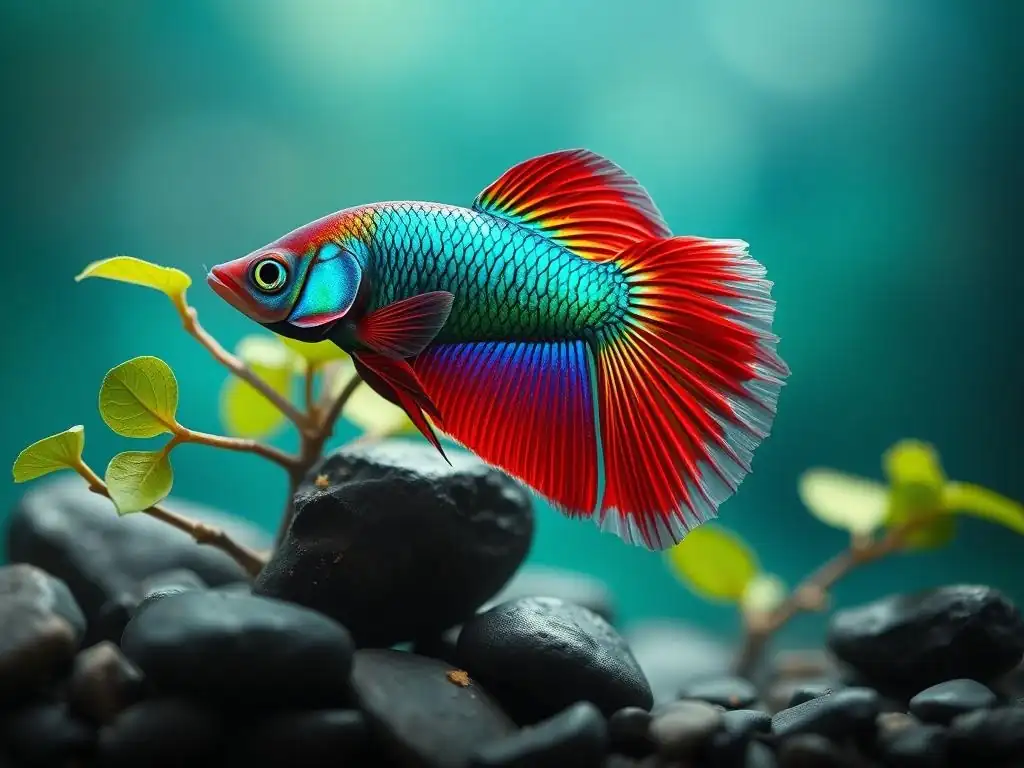
Fluval Bug Bites, particularly their specialized Betta formula, are exceptionally well-suited for Betta fish. These fish are naturally insectivores, and the high insect protein content (often exceeding 40% in specific Bug Bites formulas) closely mimics their wild diet. The small, slow-sinking granules are perfectly sized for a Betta's small mouth and allow for natural feeding behavior, reducing the common issue of gulping air at the surface, which can lead to bloating or swim bladder problems. This focus on natural diet and ease of consumption makes Fluval a top choice for these popular display fish.
Guppies, being omnivores with a preference for smaller food particles, thrive on Fluval's Tropical Granules. These granules typically range from 0.5mm to 1.0mm, ensuring that fish of all sizes, including smaller juveniles, can easily consume them. The varied diet provided by these granules often includes a beneficial mix of quality proteins, plant matter, and natural color enhancers, promoting vibrant coloration and robust health. Fluval's emphasis on palatability ensures that even in community tanks with diverse species, the food is readily accepted, leading to consistent nutrient intake across the entire population.
Best Fish Species for Hikari Foods
- Koi: Hikari Staple provides a balanced diet for growth and color.
- Goldfish: The sinking pellets of Hikari Lionhead minimize swim bladder issues.
Hikari Staple is a widely recognized and highly effective diet for Koi, providing a balanced nutritional profile that supports steady growth and overall health. With protein levels typically ranging from 30% to 35%, along with a good balance of carbohydrates and fats, it provides sustained energy without promoting excessive fat accumulation, which is crucial for the long-term health of large pond fish. Hikari's commitment to using highly digestible ingredients significantly minimizes waste production, which is a critical factor for maintaining superior water quality in large Koi ponds, directly contributing to clearer water and healthier fish.
For fancy goldfish varieties such as Lionheads, Orandas, and Ranchus, which are often prone to swim bladder issues due to their unique body shapes, Hikari Lionhead is an ideal choice. This specialized formula is typically a sinking pellet, which prevents goldfish from gulping air at the surface while feeding, a common cause of buoyancy problems. Furthermore, the Hikari Lionhead diet often incorporates wheat germ for enhanced digestibility and specific ingredients designed to promote the healthy development and maintenance of their distinctive headgrowth (wen), making it a highly beneficial and targeted diet for these sensitive and prized fish.
Pros and Cons of Each Brand: An Unbiased Assessment
Fluval: Advantages and Disadvantages
- Pros: Highly palatable, innovative formulations like Bug Bites, good for small fish.
- Cons: Can be pricier than some alternatives, some ingredients are less natural.
Fluval's primary advantage lies in its exceptional palatability, making it an excellent choice for fish that are typically picky eaters or hesitant to accept new foods. The brand's innovative formulations, particularly the acclaimed Bug Bites line, utilize insect-based proteins that closely mimic the natural diet of many fish, leading to remarkably high acceptance rates. This focus on appealing ingredients and fine granule sizes makes Fluval an ideal premium fish food option for smaller tropical species and community tanks where diverse feeding preferences might exist.
However, a potential disadvantage of Fluval products is their price point; they tend to be positioned at the higher end of the premium fish food market compared to some competitors. While the quality and innovation justify the cost for many aquarists, it can be a consideration for those managing large aquariums or multiple tanks on a budget. Additionally, some formulations might include common binders like wheat flour that, while safe and effective, are sometimes perceived as less "natural" by aquarists who prefer a more minimalist ingredient list, though Fluval's primary protein sources remain high quality.
Hikari: Advantages and Disadvantages
- Pros: Wide range of species-specific diets, scientifically formulated, excellent for growth.
- Cons: Can be less palatable to some fish, higher ash content in some formulas.
Hikari's most significant strength is its unparalleled dedication to scientific research, which has resulted in an extensive and highly specialized range of species-specific diets. Whether an aquarist needs food for large carnivorous cichlids, delicate marine invertebrates, or robust pond Koi, Hikari offers a precisely formulated option designed to meet the unique nutritional requirements of that specific species. This scientific rigor ensures optimal growth rates, vibrant coloration, and robust health, making them a go-to choice for serious hobbyists and breeders focused on peak condition.
Despite their nutritional superiority, some Hikari formulas, particularly those with a higher vegetable content or very firm textures, can occasionally be less palatable to certain fish, leading to an initial reluctance to feed. Furthermore, some Hikari products, especially those rich in mineral content or certain types of fish meal, might exhibit a slightly higher ash content (the inorganic residue after burning food) compared to some other premium brands. While ash itself is not harmful and represents essential minerals, a very high percentage can sometimes indicate less digestible fillers, though Hikari generally maintains high overall digestibility.
Fluval Pricing: A Detailed Look
Fluval premium fish food, particularly its innovative Bug Bites line, generally falls into the mid-to-high price range within the premium segment. For instance, a 1.6 oz container of Fluval Bug Bites for small tropical fish might typically retail for approximately $7-$10 USD, while a larger 4.5 oz container could range from $15-$20 USD, depending on the retailer and specific formula. This pricing reflects the brand's commitment to high-quality, sustainable ingredients and specialized formulations that cater to the natural dietary preferences of fish.
Despite the initial per-package cost potentially being higher than some conventional alternatives, the concentrated nutrition and exceptional palatability of Fluval foods often result in less waste and more efficient nutrient uptake by the fish. This translates to less uneaten food polluting the tank and potentially less frequent feeding required due to the high nutritional density. Many aquarists find that the investment in Fluval foods leads to visibly healthier, more vibrant fish, making the overall value proposition quite strong in a premium fish food comparison.
Hikari Pricing: A Detailed Look
Hikari, with its strong emphasis on scientific research and species-specific formulations, also positions itself firmly in the premium fish food market, with prices often comparable to or sometimes slightly higher than Fluval, especially for its highly specialized diets. For example, a 2 oz container of Hikari Cichlid Gold might typically cost around $8-$12 USD, while a larger 8.8 oz bag could range from $25-$35 USD. Their larger, bulk packages for Koi or pond fish, while having a higher total cost, generally offer better value per pound, catering to larger aquatic setups.
The value proposition for Hikari products often lies in their precise, targeted nutrition that caters to specific species or life stages, leading to optimized health outcomes and growth. Their rigorous testing and emphasis on digestibility mean less uneaten food and reduced metabolic waste in the aquarium, contributing to superior water quality and less frequent cleaning. For aquarists with specific goals, such as breeding programs, show fish, or managing sensitive species, the targeted benefits provided by Hikari often justify the premium fish food cost, delivering superior results in terms of growth, color, and overall fish well-being.
Recommendations: Choosing the Best Option for Your Aquarium
When to Choose Fluval
- If you have picky eaters or small tropical fish.
- If you want innovative and palatable food options.
Fluval is an excellent choice if your aquarium hosts picky eaters or small tropical fish that might struggle with larger food particles. Their Bug Bites line, in particular, has garnered significant praise for its high palatability and fine granule size, making it exceptionally well-suited for species like neon tetras, rasboras, and even finicky Betta fish. The insect-based proteins are often more appealing to fish that might otherwise ignore traditional flake or pellet foods, ensuring consistent nutrient intake and vibrant health.
Choose Fluval if you are looking for innovative and highly palatable food options that mimic the natural diet of your fish. Their commitment to creating foods that are readily accepted means less food waste polluting your tank and more enjoyment observing your fish actively feeding. For those seeking to provide a varied diet that encourages strong feeding responses and caters to specific size requirements, Fluval offers compelling and modern choices in the premium fish food comparison.
When to Choose Hikari
- If you want species-specific diets or are focused on growth and health.
- If you are feeding larger fish or have specific dietary needs.
Hikari is the superior choice if you are seeking species-specific diets or if your primary focus is on maximizing growth and overall health. Developed through extensive scientific research, Hikari offers an unparalleled range of precisely formulated foods tailored to the unique nutritional requirements of various fish, from large carnivorous cichlids and robust Koi to delicate marine species. This targeted approach ensures optimal development, vibrant coloration, and a strong immune system for your aquatic inhabitants.
Opt for Hikari if you are feeding larger fish that require substantial nutrition for muscle development and energy, or if you have specific dietary needs to address, such as color enhancement, improved digestion, or minimizing waste. Their sinking pellets and larger food sizes cater well to bottom-dwelling or mid-water feeders, and their commitment to digestibility helps maintain superior water quality, which is crucial for aquariums with larger bioloads. This makes Hikari a robust contender in any premium fish food comparison for specialized aquatic needs.
Conclusion: Making the Right Choice for Your Fish.
Frequently Asked Questions
The key differences lie in their ingredient composition and specific formulations. [Brand Name] may prioritize a certain protein source, while [Brand Name] focuses on color enhancement or specific nutritional needs.
Which brand, [Brand Name] or [Brand Name], is better suited for community tanks with diverse fish species?
It depends on the specific needs of the fish in your community tank. Consider the dietary requirements of your most demanding species. Both brands offer options, but carefully reviewing the ingredient lists is essential.
Does [Brand Name] or [Brand Name] offer a wider range of food types (flakes, pellets, granules) and sizes for different fish sizes?
This varies frequently, so it's best to check their official websites. However, generally, larger brands will have a wider line of products to fit more aquarium types and fish sizes, for example if one has a formula for fry and the other doesn't.
How do the prices of [Brand Name] and [Brand Name] compare, and is one more cost-effective in the long run?
Price points can fluctuate, but generally, premium fish foods are more expensive. Consider the cost per serving and the food's digestibility, as less waste equals more efficient feeding.
Premium fish foods often contain higher quality ingredients and fewer fillers, leading to less waste and improved water quality. [Brand Name] and [Brand Name] both aim to minimize water pollution through easily digestible formulas.
Okay, here's a final reflection designed to close your article, "\[Brand Name] vs. \[Brand Name]: An Unbiased Review of Two Leading Premium Fish Food Lines," optimized for the keyword "Premium fish food comparison" and following your requested structure:
Final Reflection: Nourishing the Future of Our Aquatic Ecosystems
The detailed comparison presented here underscores the crucial role premium fish food plays in the health and vitality of our aquatic ecosystems, both in home aquariums and beyond. Choosing the right food is not merely about feeding fish; it's about investing in their well-being and contributing to the overall health of the aquatic environment they inhabit.
This exploration into the nuances of \[Brand Name] and \[Brand Name] highlights the importance of informed decision-making in aquariculture. The long-term health and vibrancy of our underwater companions depend on the quality of their diet, and understanding the differences between these premium options is a vital step in responsible fishkeeping. The best way to observe a fish is to become a fish.
- Jacques Cousteau. This quote reminds us that understanding their needs, starting with nutrition, is paramount.
Now, armed with this comparative knowledge, we invite you to reflect on your own aquascaping practices. Consider how your choice of fish food impacts not only the immediate health of your fish but also the delicate balance of your aquarium's ecosystem. Let this comparison inspire you to make informed, responsible choices that contribute to a thriving and sustainable aquatic future.
Ignite Your Aquarium's Brilliance
Thank you for diving deep into our comparison of these premium fish food lines! We hope this review has illuminated the path to a healthier, more vibrant aquarium. Now, it's time to transform knowledge into action.
Here are a few ways to start:
- Reimagine your feeding routine: Begin by carefully assessing your current fish food and consider whether a switch to a premium option like the ones discussed could benefit your aquatic companions.
- Dive deeper: Research other aquarists’ experiences with these foods on forums and social media to gather diverse perspectives.
- Share the wealth: Pass this article on to a fellow aquarium enthusiast who could benefit from the information!
What specific feeding challenges are you currently facing in your aquarium, and how might these insights help you address them?