
Fueling Your Marine Marvels: A Deep Dive into the Best Pellet, Frozen & Live Foods for Saltwater Fish

Welcome to Aquarium Mastery!
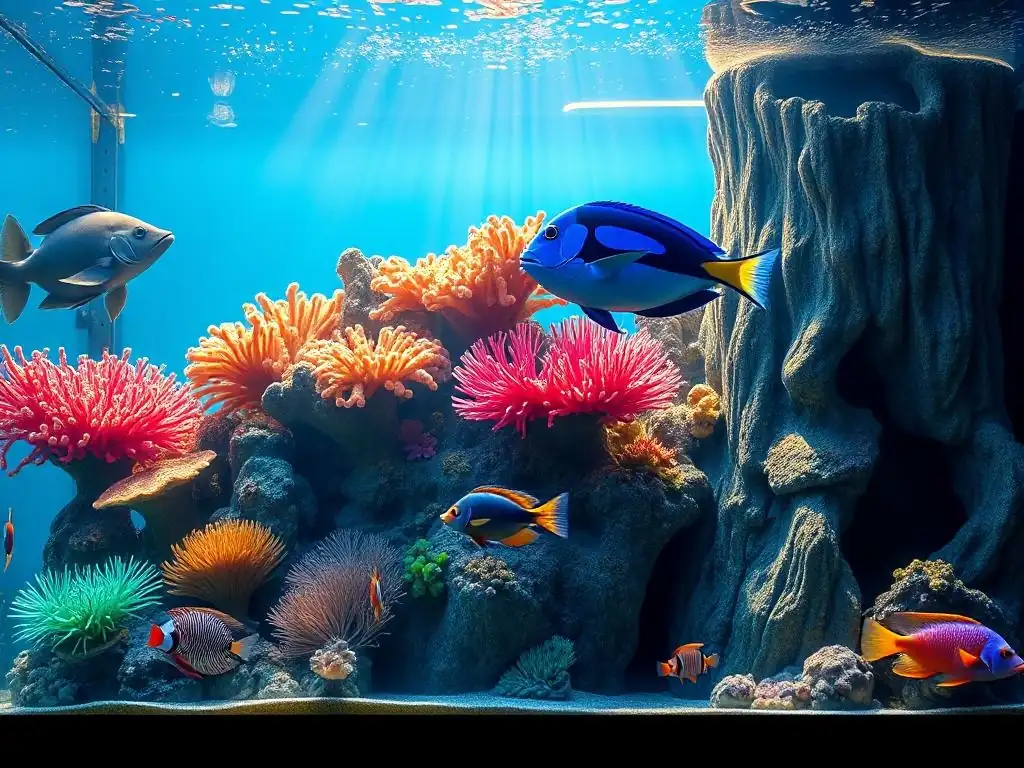
Ever wondered if you're really giving your saltwater fish the best possible diet? Choosing the right food is crucial for their health and vibrancy. Dive into our comprehensive guide to saltwater fish food options and discover the secrets to fueling your marine marvels! Ready to unlock the secrets to a thriving, colorful aquarium? Let's explore!
- Understanding Saltwater Fish Food Options: A Nutritional Guide
- Top Pellet Foods for Saltwater Fish: Convenience and Complete Nutrition
- Frozen Saltwater Fish Food: Mimicking Natural Diets
- Live Saltwater Fish Food: Stimulating Hunting Instincts and Providing Essential Nutrients
- Optimizing Your Saltwater Fish Feeding Strategy: Tips and Tricks
- Choosing the Right Saltwater Fish Food Options for Your Aquarium: A Personalized Approach
- Where to Buy the Best Saltwater Fish Food: Recommended Retailers
- Conclusion: Ensuring a Healthy and Vibrant Saltwater Aquarium Through Proper Nutrition
-
Frequently Asked Questions
- What are the primary types of saltwater fish food available?
- How do I choose the right saltwater fish food based on the species I keep?
- What are the benefits of feeding live food to saltwater fish?
- How important is water quality when feeding saltwater fish?
- Can I rely solely on pellet food for my saltwater fish, or is variety important?
- Final Reflection: Nourishing the Reef's Future
- Ignite Your Reef: Take the Next Dive into Expert Fish Feeding!
Understanding Saltwater Fish Food Options: A Nutritional Guide
Why Variety Matters: Meeting the Dietary Needs of Your Saltwater Fish
Providing a diverse range of saltwater fish food options is paramount to the long-term health and vibrancy of your marine inhabitants. Just as humans require a balanced diet of proteins, carbohydrates, fats, vitamins, and minerals, so too do marine fish.
Different species have evolved with unique dietary requirements; for instance, some are primarily herbivores grazing on algae, others are carnivores hunting small invertebrates, and many are omnivores with varied tastes. Relying on a single type of food, even a high-quality one, can lead to nutritional deficiencies over time, manifesting as faded colors, stunted growth, weakened immune systems, or susceptibility to diseases.
A varied diet not only ensures a complete nutritional profile but also stimulates natural feeding behaviors, preventing boredom and encouraging activity within the aquarium. By offering a rotation of pellets, flakes, frozen foods, and occasional live foods, you mimic the diverse foraging opportunities found in natural reef environments. This approach supports a robust immune system, enhances natural coloration, and improves overall vitality, making your marine aquarium a thriving ecosystem rather than just a tank of surviving fish. It's about providing comprehensive saltwater fish food options that cater to the specific needs of each fish in your care.
The Importance of High-Quality Saltwater Fish Food
The quality of saltwater fish food directly impacts the health and longevity of your marine fish. Low-quality foods often contain excessive fillers, artificial colors, and indigestible ingredients that offer minimal nutritional value and can even pollute the aquarium water.
These fillers, such as corn starch or wheat flour, are poorly utilized by marine fish, leading to increased waste production and a higher bioload on your filtration system. In contrast, premium saltwater fish food options are formulated with highly digestible, nutrient-dense ingredients like whole marine proteins (fish, krill, shrimp), essential fatty acids (Omega-3s), natural pigments, and a comprehensive vitamin and mineral blend.
Investing in high-quality foods translates to healthier fish that are more resistant to stress and disease, display brighter coloration, and exhibit more natural behaviors. For example, a diet rich in Omega-3 fatty acids, like EPA and DHA, is crucial for immune function, cell membrane integrity, and nervous system development in marine fish. Furthermore, natural color enhancers such as astaxanthin and spirulina, commonly found in premium foods, help bring out the vibrant hues of species like tangs and clownfish. Prioritizing quality in your saltwater fish food options is a fundamental aspect of successful marine aquarium husbandry.
Top Pellet Foods for Saltwater Fish: Convenience and Complete Nutrition
Omega One Marine Pellets: A Review of Ingredients and Benefits
Omega One Marine Pellets are widely recognized for their commitment to using fresh, whole seafood ingredients as the primary protein source, rather than less nutritious fish meals. Their formulas typically feature a rich blend of wild Alaskan salmon, herring, shrimp, and cod, providing a high crude protein content, often exceeding 42%, and a healthy fat content, usually around 15%, which includes beneficial Omega-3 and Omega-6 fatty acids. This emphasis on real, fresh ingredients ensures superior palatability and digestibility, minimizing waste and maximizing nutrient absorption for your marine fish.
Beyond their excellent protein profile, Omega One pellets are naturally rich in pigments derived from their seafood ingredients, such as astaxanthin from salmon, which significantly enhances the natural coloration of marine fish. The absence of artificial colors, preservatives, and excessive binders further reduces the risk of water pollution and promotes cleaner tank conditions. These saltwater fish food options are designed to provide a complete and balanced diet, supporting robust growth, strong immune systems, and vibrant health across a wide array of marine species.
Key Features of Omega One Marine Pellets
Omega One Marine Pellets are distinguished by several key features that make them a top choice among saltwater aquarists. Firstly, their "cold-pressed" manufacturing process helps preserve the integrity of heat-sensitive nutrients, such as vitamins and beneficial oils, ensuring that fish receive maximum nutritional benefit from each pellet. Secondly, the pellets are designed to be slow-sinking, allowing fish at all levels of the water column to feed comfortably, which is particularly beneficial in a mixed-species tank where some fish prefer to feed from the bottom while others prefer the surface.
Furthermore, the natural attractants present in the fresh seafood ingredients make these pellets highly palatable, even for finicky eaters. The consistent pellet size ensures that fish of varying mouth sizes can consume them without difficulty, reducing stress during feeding times. These combined features make Omega One a reliable and effective component of a comprehensive saltwater fish food options strategy, supporting the overall well-being of a diverse marine community.
Why Omega One is a Great Choice for Damselfish
Omega One Marine Pellets are an excellent choice for damselfish due to their active nature and need for a consistent, high-protein diet. Damselfish, such as the popular Blue Damselfish (Chrysiptera cyanea) or the aggressive Domino Damselfish (Dascyllus trimaculatus), are constantly on the move, darting around the rockwork and establishing territories. This high metabolic rate demands a diet rich in quality protein to support their energy levels and muscle development. Omega One's formulation, with its high crude protein content derived from whole marine proteins, perfectly meets this requirement.
The natural pigments in Omega One pellets also help maintain the striking colors of damselfish, preventing the dulling that can occur with diets lacking essential nutrients. Their small, slow-sinking pellet size is ideal for the relatively small mouths of most damselfish species, ensuring easy consumption and efficient nutrient uptake. Including Omega One as a staple among your saltwater fish food options for damselfish will contribute significantly to their health, vitality, and vibrant appearance in the aquarium.
New Life Spectrum Marine Fish Food: Color Enhancement and Gut Health
New Life Spectrum (NLS) Marine Fish Food is renowned for its unique "Nutri/Gel" binder technology and a focus on high-quality, easily digestible ingredients designed to enhance fish coloration and support gut health. NLS formulas typically contain a high concentration of spirulina and astaxanthin, powerful natural carotenoids that are bioavailable to fish and effectively intensify their natural pigments. Beyond color, NLS prioritizes overall health, incorporating garlic as a natural immune stimulant and appetite enhancer, which is particularly beneficial for stressed or newly introduced fish.
The core of NLS's philosophy lies in providing a complete and balanced diet that supports the entire fish, from internal organ function to external vibrancy. Their pellets are formulated to be dense and slow-sinking, ensuring that fish have ample time to consume them before they dissolve and pollute the water. This dedication to ingredient quality and nutritional completeness makes New Life Spectrum a cornerstone among premium saltwater fish food options for serious aquarists.
New Life Spectrum's Unique Formula for Vibrant Colors
New Life Spectrum's reputation for enhancing fish coloration stems from its meticulously balanced formula, which includes a synergistic blend of natural color-enhancing ingredients. High levels of spirulina (often up to 20% in some NLS formulas) provide a rich source of phycocyanin and other carotenoids, while astaxanthin, a powerful antioxidant, further boosts reds, oranges, and yellows. Unlike artificial colorants that can merely stain fish, NLS provides the natural building blocks that fish use to produce their own brilliant pigmentation.
This bio-enhancement is evident in species like the Flame Angelfish (Centropyge loriculus) or various wrasses, whose colors deepen and become more intense with consistent feeding. The effectiveness of NLS in promoting vibrant coloration is a testament to its high-quality ingredients and precise nutritional balance. Integrating this into your saltwater fish food options can yield visually stunning results in your aquarium.
Benefits of New Life Spectrum for Tangs
Tangs, such as the iconic Yellow Tang (Zebrasoma flavescens) or the regal Blue Tang (Paracanthurus hepatus), are primarily herbivorous or omnivorous with a significant need for plant matter in their diet. New Life Spectrum caters exceptionally well to these fish due to its inclusion of high-quality algae and spirulina. These ingredients provide the essential fiber and nutrients that tangs require for proper digestion and to prevent common issues like "HLLE" (Head and Lateral Line Erosion), which can be linked to nutritional deficiencies.
The garlic content in NLS also acts as an appetite stimulant, encouraging even picky tangs to readily accept the food. For instance, a finicky Powder Blue Tang (Acanthurus leucosternon) might be more inclined to feed on NLS pellets due to the palatability enhanced by garlic. Consistent feeding with New Life Spectrum helps maintain their vibrant colors, supports a robust immune system, and promotes overall excellent health, making it an indispensable part of saltwater fish food options for tang owners.
Fluval Bug Bites Marine Formula: Sustainable and Nutritious
Fluval Bug Bites Marine Formula represents an innovative shift in saltwater fish food options, leveraging insect-based protein as a sustainable and highly nutritious primary ingredient. The core component of these pellets is black soldier fly larvae (BSFL) meal, which provides a complete amino acid profile, high protein content (often exceeding 40%), and beneficial fats. This sustainable protein source is not only environmentally friendly but also highly palatable and digestible for many marine fish, mimicking the insectivorous diets of certain species in their natural habitats.
In addition to BSFL, Fluval Bug Bites are fortified with essential vitamins, minerals, and other marine-sourced ingredients like salmon to ensure a comprehensive nutritional balance. The small, uniform pellet size is ideal for a wide range of smaller marine fish, ensuring easy consumption and reducing food waste. This forward-thinking approach to saltwater fish food options offers a unique and beneficial alternative for aquarists seeking both quality nutrition and ecological responsibility.
The Power of Black Soldier Fly Larvae in Fluval Bug Bites
Black soldier fly larvae (BSFL) are an incredibly powerful and efficient protein source, making them an excellent foundation for modern saltwater fish food options. These larvae are rich in protein, healthy fats (including lauric acid, known for its antimicrobial properties), and essential minerals like calcium and phosphorus. Their cultivation requires significantly less land, water, and feed compared to traditional livestock, making them a highly sustainable choice. For fish, BSFL are exceptionally digestible, meaning more nutrients are absorbed and less waste is produced, contributing to cleaner aquarium water.
The natural composition of BSFL aligns well with the dietary needs of many fish, providing a nutrient profile that supports strong growth, enhanced immunity, and overall vitality. Their distinct flavor also makes Fluval Bug Bites highly appealing, often enticing even finicky eaters. The integration of BSFL into Fluval Bug Bites positions them as a cutting-edge and environmentally conscious choice among available saltwater fish food options.
Fluval Bug Bites: A Good Option for Anthias
Fluval Bug Bites Marine Formula is particularly well-suited for anthias, a group of small, schooling, planktivorous fish known for their vibrant colors and frequent feeding requirements. Anthias, such as the popular Lyretail Anthias (Pseudanthias squamipinnis) or the Bartlett's Anthias (Pseudanthias bartlettorum), spend their days in the wild picking small invertebrates from the water column. The small, slow-sinking pellet size of Bug Bites (often less than 1mm for marine formulas) closely mimics the size of the zooplankton they naturally consume, making them highly attractive and easy for anthias to ingest.
The high digestibility and nutrient density of the BSFL-based formula ensure that these active, metabolism-fast fish receive adequate nutrition without bloating or digestive issues, even with multiple feedings per day. Providing Fluval Bug Bites as a regular component of your saltwater fish food options for anthias can significantly contribute to their health, coloration, and active schooling behavior in the aquarium.
Frozen Saltwater Fish Food: Mimicking Natural Diets
Mysis Shrimp: The Gold Standard of Frozen Fish Food
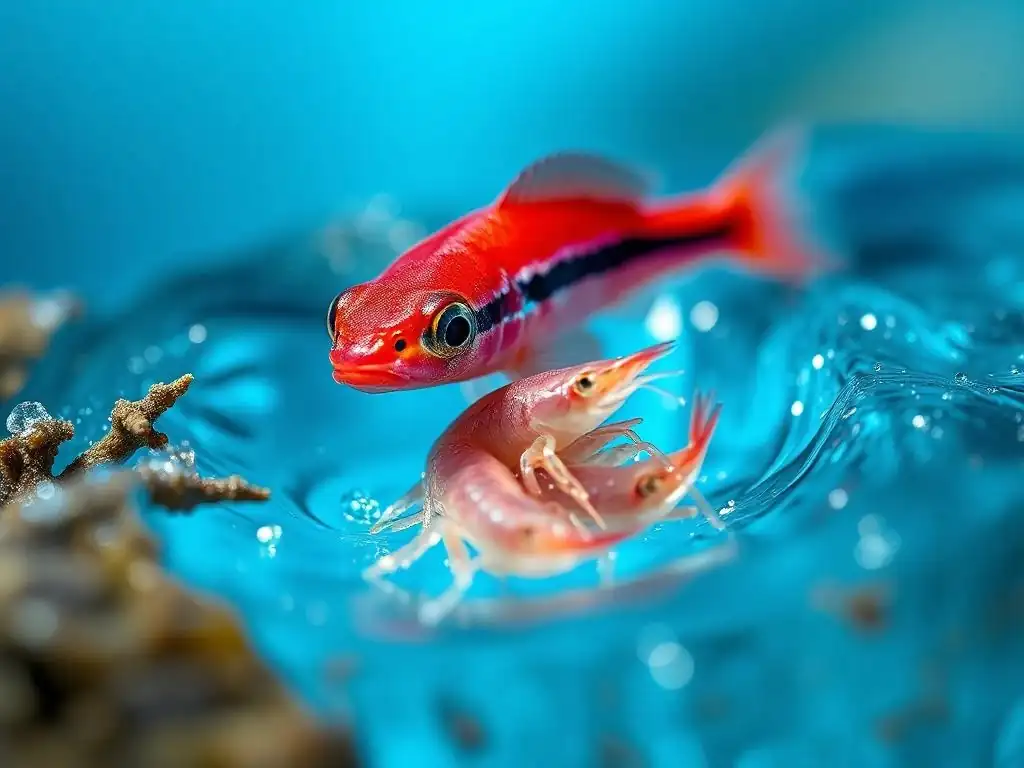
Mysis shrimp are widely regarded as the "gold standard" among frozen saltwater fish food options due to their exceptional nutritional profile and high palatability. These small, freshwater or brackish crustaceans (e.g., Mysis relicta or Mysis diluviana) are packed with protein, typically exceeding 60% crude protein on a dry weight basis, and are remarkably rich in essential fatty acids, particularly Omega-3s like EPA and DHA, which are crucial for fish health, immune function, and vibrant coloration. Their natural composition and appealing texture make them irresistible to a vast array of marine fish, from small gobies to large angelfish.
Beyond their nutritional value, the natural motion and size of Mysis shrimp trigger strong feeding responses, making them an excellent choice for enticing finicky eaters or newly introduced fish. They are also beneficial for conditioning breeding pairs and providing a substantial meal that closely mimics the natural prey found in the wild. Integrating Mysis shrimp into your feeding regimen significantly enhances the diversity and nutritional quality of your saltwater fish food options.
Why Mysis Shrimp are Essential for Many Saltwater Fish
Mysis shrimp are considered essential for many saltwater fish due to their unique combination of high nutritional density and extreme palatability. For carnivorous and omnivorous marine species, Mysis provide a vital source of high-quality animal protein and lipids that are often lacking in dry foods. Species like Clownfish (Amphiprioninae), many Wrasse species, and even delicate fish such as Pipefish and some Seahorses (Hippocampus spp.) thrive on Mysis shrimp. For instance, a healthy Ocellaris Clownfish (Amphiprion ocellaris) fed regularly with Mysis will exhibit superior growth rates and more vibrant orange and white coloration compared to those fed only dry foods.
Furthermore, Mysis shrimp are an ideal "bridge food" for transitioning wild-caught fish or finicky eaters onto prepared diets. Their natural appearance and movement, even when frozen, can stimulate a feeding response in fish reluctant to accept flakes or pellets. This makes Mysis shrimp an invaluable component of the broader saltwater fish food options available to aquarists, ensuring a well-rounded and appealing diet.
Recommended Brands: Hikari and Piscine Energetics Mysis Shrimp
When selecting Mysis shrimp as part of your saltwater fish food options, two brands consistently stand out for their quality and nutritional content: Hikari and Piscine Energetics (PE Mysis). Hikari Mysis Shrimp are known for their cleanliness and consistent quality, offering a reliable source of nutrition. Their freezing process helps maintain the structural integrity and nutrient content of the shrimp, ensuring fish receive a wholesome meal.
Piscine Energetics (PE) Mysis Shrimp, in particular, are highly acclaimed for their superior nutritional profile, harvested from pristine freshwater lakes in British Columbia, Canada. These Mysis (Mysis diluviana) are naturally enriched with high levels of Omega-3 and Omega-6 fatty acids due to their natural diet, making them exceptionally nutritious for marine fish. PE Mysis often contain up to 90% crude protein and 10% crude fat (dry weight), making them an incredibly dense source of energy and essential nutrients. Both brands offer excellent choices for enhancing the health and vitality of your aquarium inhabitants.
Brine Shrimp: A Nutritional Supplement and Appetite Stimulant
Brine shrimp (Artemia salina) are a common component of saltwater fish food options, primarily valued for their ability to stimulate feeding responses and act as a nutritional supplement rather than a complete staple diet. While adult brine shrimp are relatively low in nutritional value compared to Mysis shrimp or other protein sources (often containing about 40-50% crude protein but very low fat, typically less than 5% dry weight), their erratic swimming motion makes them incredibly appealing to most fish. This makes them an excellent choice for enticing finicky eaters, newly introduced fish, or those recovering from illness.
They are particularly useful for encouraging fish to transition to prepared foods, serving as a "gateway" food. However, due to their low fat content and limited vitamin profile, adult brine shrimp should always be enriched or used in conjunction with other, more nutritionally complete saltwater fish food options to prevent deficiencies.
Brine Shrimp: Best Uses and Limitations
The best use for brine shrimp in a marine aquarium is as an appetite stimulant or a vehicle for delivering supplements. For instance, a Copperband Butterflyfish (Chelmon rostratus), notoriously difficult to feed in captivity, might be coaxed into eating by the movement of live or frozen brine shrimp. They are also excellent for target feeding corals or anemones, which readily capture the small crustaceans. Additionally, brine shrimp can be gut-loaded with vitamins, spirulina, or marine lipids prior to feeding, significantly boosting their nutritional value and making them a more beneficial meal.
However, the primary limitation of brine shrimp is their relatively poor nutritional content if not enriched. Without fortification, they are often described as "empty calories," providing little more than hydration and a temporary satiation. Relying solely on unenriched brine shrimp as a primary saltwater fish food option will lead to malnutrition over time. Therefore, they should be used strategically as part of a diversified feeding plan.
Enhancing Brine Shrimp with Vitamins and Supplements
To overcome the nutritional limitations of brine shrimp, it is highly recommended to enhance them with vitamins and supplements before feeding. This process, known as "gut-loading," involves feeding the brine shrimp a nutrient-rich solution for several hours prior to offering them to your fish. Common enrichment products include liquid vitamin supplements designed for marine fish, spirulina powder, or specialized lipid emulsions high in Omega-3 fatty acids. For example, enriching brine shrimp with a marine lipid product can increase their fatty acid content by 5-10 times, transforming them from a meager meal into a powerhouse of essential nutrients.
This simple step dramatically improves the nutritional value of brine shrimp, making them a more valuable component of your saltwater fish food options. Enriched brine shrimp become an excellent source of essential fatty acids and vitamins, crucial for maintaining fish health, boosting immune systems, and supporting vibrant coloration, especially for species that might be resistant to other forms of prepared foods.
Marine Cuisine Blends: A Diverse and Convenient Option
Marine cuisine blends are an increasingly popular category of frozen saltwater fish food options, offering a convenient way to provide a diverse and balanced diet without having to thaw multiple individual food items. These blends typically combine a variety of high-quality ingredients such as Mysis shrimp, brine shrimp, krill, copepods, various types of fish roe, spirulina, marine algae, and even pieces of clam or oyster meat. The goal is to mimic the varied diet fish would encounter in their natural reef environment, ensuring a wide spectrum of nutrients, textures, and flavors.
These blends are particularly beneficial for mixed reef tanks or aquariums with a diverse population of fish species, each with slightly different dietary preferences. They save time during feeding and ensure that a broad range of nutritional needs are met simultaneously. Incorporating marine cuisine blends into your feeding rotation significantly enhances the completeness and appeal of your saltwater fish food options.
What to Look for in a High-Quality Marine Cuisine Blend
When choosing a high-quality marine cuisine blend from the myriad of saltwater fish food options, several factors should be considered. Firstly, examine the ingredient list: look for whole, identifiable seafood ingredients listed prominently, indicating a high protein content and natural nutrient profile. Avoid blends with excessive fillers, artificial colors, or preservatives.
Secondly, consider the variety of ingredients; a good blend will offer a diverse mix of animal and plant matter to cater to omnivorous, carnivorous, and herbivorous fish alike. For instance, a blend containing Mysis, krill, and spirulina offers a more balanced nutritional profile than one relying solely on brine shrimp.
Thirdly, assess the packaging and freshness. Reputable brands will use flash-freezing techniques to preserve nutrients and maintain the integrity of the food. The blend should appear fresh, without excessive freezer burn or a strong, unpleasant odor. Finally, consider the size and texture of the blend; it should be appropriate for the mouth sizes of your fish and not easily crumble into fine particles that pollute the water.
Examples of Effective Marine Cuisine Blends: Ocean Nutrition Formula One and LRS Reef Frenzy
Two highly effective and widely acclaimed marine cuisine blends that exemplify high-quality saltwater fish food options are Ocean Nutrition Formula One and LRS Reef Frenzy. Ocean Nutrition Formula One is a popular choice, formulated with a rich blend of fresh seafoods, marine algae, and spirulina, providing a balanced diet with typical protein levels around 13% and fat around 3% (wet weight). It's known for its excellent palatability and ability to enhance coloration in a wide range of marine fish.
LRS Reef Frenzy, on the other hand, is a premium blend often considered a top-tier choice for reef tanks due to its exceptionally fresh and diverse ingredients. It typically includes PE Mysis, krill, oyster meat, scallop, spirulina, and other fresh seafoods, often reporting a crude protein content of 15-20% and fat of 5-8% (wet weight). LRS is renowned for its low nutrient leaching and high digestibility, making it ideal for sensitive reef environments and ensuring maximum nutrient uptake for both fish and corals. Both blends represent excellent choices for providing comprehensive and appealing saltwater fish food options.
Live Saltwater Fish Food: Stimulating Hunting Instincts and Providing Essential Nutrients
Live Brine Shrimp: Hatching Your Own for Optimal Freshness
Feeding live brine shrimp (Artemia salina nauplii) can be an incredibly rewarding aspect of marine aquarium keeping, stimulating natural hunting instincts and providing a highly digestible food source. While adult brine shrimp offer limited nutritional value without enrichment, newly hatched brine shrimp nauplii are packed with nutrients from their yolk sac, making them an ideal first food for marine fry and excellent for enticing finicky eaters. Hatching your own ensures optimal freshness and a continuous supply of this highly palatable live food.
Setting up a brine shrimp hatchery is relatively simple and cost-effective, providing a constant source of vital nutrition for delicate species or those requiring live prey. This hands-on approach to providing saltwater fish food options offers unparalleled freshness and an engaging feeding experience for both the aquarist and the fish.
Setting Up a Brine Shrimp Hatchery: A Step-by-Step Guide
Setting up a brine shrimp hatchery is a straightforward process requiring minimal equipment.
- Materials: You'll need a conical container (a 2-liter soda bottle with the bottom cut off works well), an air pump with airline tubing and an air stone, a rigid air line tube (to act as a standpipe), a light source, brine shrimp eggs (cysts), and non-iodized salt (aquarium salt or rock salt).
- Preparation: Fill the conical container with dechlorinated water at a salinity of 1.018-1.022 specific gravity (about 2 tablespoons of salt per liter of water). The optimal temperature for hatching is 78-82°F (25-28°C).
- Aeration: Insert the air stone into the bottom of the cone and provide strong aeration. This keeps the eggs suspended and provides oxygen.
- Add Eggs: Add 1-2 teaspoons of brine shrimp cysts per liter of water.
- Light: Position a light source directly above the water surface; this encourages hatching and helps the nauplii migrate towards the light once hatched.
- Hatching: Cysts typically hatch within 24-36 hours. Once hatched, turn off the aeration and wait 5-10 minutes for the empty shells to float to the top and the nauplii to concentrate at the bottom, attracted by the light.
- Harvesting: Siphon the nauplii from the bottom into a fine mesh brine shrimp net (e.g., 120-micron mesh). Rinse them briefly with fresh aquarium water before feeding.
This method provides a constant supply of highly nutritious, live saltwater fish food options.
Benefits of Feeding Live Brine Shrimp to Seahorses
Live brine shrimp are particularly beneficial for seahorses (Hippocampus spp. ), which are obligate visual predators that thrive on the erratic movement of live prey. Seahorses often struggle to adapt to frozen or prepared foods, making live brine shrimp a crucial component of their diet, especially for juveniles or newly acquired specimens. The small size of newly hatched nauplii (approximately 0.4-0.5 mm) makes them perfectly suited for the tiny mouths of seahorse fry and even adult dwarf seahorses.
The constant availability of live, wiggling food helps stimulate their natural hunting instincts, ensuring they receive adequate nutrition and preventing malnourishment, which is a common issue for captive seahorses. While adult brine shrimp should be gut-loaded for optimal nutritional value, the sheer act of feeding on live prey is vital for the psychological and physiological well-being of seahorses. Therefore, live brine shrimp are an indispensable part of saltwater fish food options for seahorse keepers.
Live Copepods: The Perfect Food for Reef Tanks and Small Fish
Live copepods are arguably the most crucial live saltwater fish food option for established reef tanks and for feeding delicate, specialized feeders. These tiny crustaceans (ranging from 50 microns to 2mm, depending on species like Tisbe, Tigriopus, or Apocyclops) are a natural part of the marine food web, serving as a primary food source for a vast array of corals, filter feeders, and small fish. In a reef tank, they populate live rock and sand beds, providing a continuous, natural food source that helps maintain biodiversity and ecosystem balance.
For specialized feeders like Mandarin Dragonets, live copepods are not just beneficial; they are often essential for survival. Their small size, natural movement, and rich nutritional profile, including essential fatty acids, make them an unparalleled food source that cannot be fully replicated by frozen alternatives. Culturing copepods allows aquarists to provide a sustainable and continuous supply of this vital live food.
Culturing Copepods: A Sustainable Food Source
Culturing copepods is an excellent way to ensure a sustainable and continuous supply of vital live saltwater fish food options for your reef aquarium. The process involves setting up a dedicated culture vessel (e.g., a 5-gallon bucket or small aquarium) with saltwater (specific gravity 1.025), gentle aeration, and a light source. Start with a live copepod starter culture from a reputable supplier. Feed the copepods with a phytoplankton concentrate daily; the phytoplankton serves as their primary food source, allowing them to reproduce rapidly.
Under optimal conditions, a healthy copepod culture can double its population every 3-5 days. Regularly harvesting a portion of the culture (e.g., 10-20% daily or every few days) and replenishing the water and phytoplankton ensures a continuous supply. This method not only provides a fresh, nutritious food source but also helps to establish and maintain a thriving microfauna population within your display tank, benefiting corals and fish alike.
Why Copepods are Crucial for Mandarin Dragonets
Copepods are absolutely crucial for the survival and long-term health of Mandarin Dragonets (Synchiropus splendidus), making them an indispensable live saltwater fish food option for these captivating fish. Mandarin Dragonets are obligate micropredators, meaning their natural diet consists almost exclusively of small, living copepods and other micro-invertebrates that they tirelessly hunt and pick from live rock and sand beds. They rarely, if ever, adapt to frozen or prepared foods in captivity, leading to starvation if a sufficient natural food source is not present.
A single Mandarin Dragonet can consume hundreds to thousands of copepods per day. Therefore, a thriving population of copepods within the display tank, often supplemented by regular additions from an external culture, is non-negotiable for their well-being. Without a consistent and abundant supply of live copepods, Mandarin Dragonets will slowly waste away, despite appearing to "peck" at the rockwork. Establishing a robust copepod population is the single most important factor for successfully keeping these beautiful fish.
Blackworms: A High-Protein Treat for Picky Eaters
Blackworms (Lumbriculus variegatus) are freshwater annelids that, despite their origin, serve as an excellent, high-protein live saltwater fish food option for many marine fish. They are particularly valuable for enticing picky eaters or conditioning breeding pairs due to their wiggling motion and appealing texture. Blackworms are highly nutritious, typically containing about 60% crude protein and 10-15% crude fat (dry weight), making them a dense source of energy and building blocks for growth.
While they are not a complete diet for marine fish, they are an outstanding supplemental food that can encourage reluctant feeders to accept prepared foods later on. Their robust nature means they can survive for extended periods in saltwater, allowing fish ample time to feed.
Blackworms: Nutritional Value and Feeding Tips
Blackworms offer significant nutritional value, making them a beneficial addition to your saltwater fish food options. Their high protein content supports muscle development and overall growth, while their moderate fat content provides essential energy. They also contain various vitamins and minerals, although they should still be part of a varied diet. When feeding blackworms, offer them sparingly as a treat or as a way to stimulate feeding in finicky fish. You can place a small clump directly into the tank, or use a feeding cone or turkey baster to target specific fish.
For instance, certain species of Angelfish (e.g., Queen Angelfish, Holacanthus ciliaris) or Butterflyfish that are difficult to convert to frozen foods may readily accept blackworms due to their irresistible movement. Observe your fish carefully to ensure they are consuming the worms, and remove any uneaten worms after a short period (e.g., 15-30 minutes) to prevent water quality issues.
How to Keep Blackworms Alive and Healthy
Proper storage is crucial for keeping blackworms alive and healthy for extended periods, ensuring a fresh supply of this valuable live saltwater fish food option. Upon receiving blackworms, immediately rinse them thoroughly under cool, running tap water using a fine-mesh net. Place them in a shallow, wide container (e.g., a plastic deli container or a shallow baking dish) with just enough cool, dechlorinated water to cover them. The shallow water maximizes surface area for oxygen exchange.
Store the container in a refrigerator, ideally at 38-42°F (3-5°C). Change the water daily, rinsing the worms thoroughly each time to remove waste products. This regular rinsing and cool temperature prevent bacterial growth and keep the worms fresh and viable for several weeks. Avoid overcrowding the worms, as this can lead to rapid deterioration of water quality and subsequent die-offs.
Optimizing Your Saltwater Fish Feeding Strategy: Tips and Tricks
Feeding Frequency and Portion Control: Preventing Overfeeding
Optimizing your saltwater fish feeding strategy involves a careful balance of frequency and portion control to prevent overfeeding, which is a common cause of water quality issues and fish health problems. Most marine fish benefit from being fed small amounts multiple times a day (e.g., 2-3 times), rather than a single large meal. This mimics their natural foraging behavior and ensures that nutrients are efficiently utilized.
The general rule of thumb is to feed only what your fish can consume within 2-3 minutes. Any food remaining after this time is likely to decompose, leading to elevated nitrates, phosphates, and potentially harmful ammonia spikes.
Overfeeding not only pollutes the water but can also lead to digestive issues and fatty liver disease in fish. Observe your fish during feeding: if they are still eagerly consuming food after a few minutes, you might be feeding the right amount. If food is left floating or settling on the substrate, reduce the portion size. Consistent portion control, alongside a varied selection of saltwater fish food options, is key to maintaining a healthy and stable marine environment.
Target Feeding Techniques: Ensuring All Fish Get Enough Food
In a community marine aquarium, especially a reef tank with diverse fish species and corals, target feeding techniques are essential to ensure that all inhabitants, particularly shy or delicate feeders, receive adequate nutrition. Simply broadcasting food into the tank might result in dominant or fast-moving fish consuming the majority of the food, leaving less assertive species underfed. Target feeding involves delivering food directly to specific fish or corals using specialized tools.
A turkey baster or a long feeding stick can be used to squirt frozen or live saltwater fish food options directly in front of a timid fish or into the polyps of a hungry coral. This method is particularly effective for species like Mandarin Dragonets, Pipefish, or certain Angelfish that require precise delivery of their diet.
For corals, target feeding ensures they receive larger particles of food that they might not capture from the water column. By employing target feeding, you can ensure equitable distribution of nutrients throughout your aquarium, promoting the health and growth of all your marine marvels.
Supplementing Your Fish's Diet: Vitamins and Minerals
Even with a varied diet of high-quality saltwater fish food options, supplementing your fish's diet with additional vitamins and minerals can provide an extra layer of nutritional security, particularly for long-term health and disease prevention. Marine fish require a complex array of micronutrients for optimal metabolic function, immune response, and tissue repair. While premium foods often contain fortified vitamins, these can degrade over time due to storage conditions or exposure to light and air.
Liquid vitamin supplements, rich in Vitamin C (an important antioxidant and immune booster) and B-complex vitamins, can be soaked into frozen foods or pellets just before feeding. For instance, soaking frozen Mysis shrimp in a vitamin solution for 15-20 minutes before thawing can significantly enhance their nutritional profile. This practice is especially beneficial for fish recovering from stress or illness, or for those prone to specific deficiencies like Head and Lateral Line Erosion (HLLE). Regular supplementation helps bridge any potential nutritional gaps, ensuring your fish receive all the vital elements for a robust and vibrant life.
Choosing the Right Saltwater Fish Food Options for Your Aquarium: A Personalized Approach
Considering Your Fish Species: Dietary Needs and Preferences
Choosing the right saltwater fish food options begins with a thorough understanding of the specific dietary needs and preferences of the fish species in your aquarium. Marine fish exhibit a wide range of feeding behaviors:
- Herbivores, like many Tangs and Rabbitfish, primarily graze on algae and require a diet rich in plant matter (e.g., spirulina flakes, nori sheets, algae wafers).
- Carnivores, such as Lionfish, Groupers, and some Angelfish, thrive on meaty foods like Mysis shrimp, krill, and chopped fish or squid.
- Omnivores, which include many Clownfish, Damselfish, and Wrasses, benefit from a balanced diet of both plant and animal matter.
- Specialized feeders, like Mandarin Dragonets or Seahorses, often require live foods such as copepods or live brine shrimp due to their unique hunting instincts.
Understanding these distinctions is crucial. For example, feeding a carnivorous fish a predominantly herbivorous diet, or vice versa, will lead to malnutrition and health problems. Research each species in your tank to tailor a feeding regimen that provides the optimal blend of saltwater fish food options for their specific requirements.
Evaluating Your Aquarium Setup: Reef Tank vs. Fish-Only Tank
The type of aquarium setup you maintain significantly influences the best saltwater fish food options to choose.
- Reef Tanks (containing live corals and invertebrates in addition to fish) require a feeding strategy that not only nourishes the fish but also minimizes nutrient pollution that can harm sensitive corals. In such setups, low-leaching, highly digestible foods are preferred. Frozen marine cuisine blends, copepods, and high-quality pellets that break down slowly are excellent choices. Foods that dissolve quickly or leave excessive residue can lead to elevated nitrates and phosphates, promoting undesirable algae growth and stressing corals. Target feeding is also vital in reef tanks to ensure both fish and corals receive adequate nutrition without overfeeding the entire system.
- Fish-Only (FO) or Fish-Only-With-Live-Rock (FOWLR) Tanks offer more flexibility in feeding, as the primary concern is fish health rather than coral sensitivity. While water quality is still paramount, these tanks can often handle a slightly higher bioload. A wider variety of frozen foods, including larger meaty items for predatory fish, and a mix of high-quality flakes and pellets, can be regularly offered. The emphasis remains on providing diverse saltwater fish food options that cater to the specific species housed, ensuring robust health and vibrant displays without the added complexity of coral compatibility.
Budget-Friendly Saltwater Fish Food Choices: Quality Without Breaking the Bank
Maintaining a marine aquarium can be an expensive hobby, but it's possible to select quality saltwater fish food options without breaking the bank. While premium foods offer superior nutrition, there are cost-effective strategies.
- Bulk Purchases: Buying larger quantities of dry foods (pellets, flakes) or frozen foods (e.g., 1-pound flat packs of Mysis shrimp) often reduces the per-ounce cost significantly. Just ensure you can store them properly (e.g., vacuum-sealed for dry food, in a dedicated freezer for frozen) to maintain freshness.
- DIY Frozen Blends: If you have the time, creating your own frozen food blend from fresh, human-grade seafood (e.g., shrimp, squid, fish fillets) combined with spirulina powder and a vitamin supplement can be highly cost-effective and nutritious.
- Rely on Staples, Supplement with Treats: Make high-quality, mid-range pellets or flakes your primary staple, and use more expensive frozen or live foods as supplements or treats a few times a week rather than daily. For instance, a good quality spirulina flake can provide excellent plant matter for tangs at a lower cost than daily nori sheets.
- Hatching Brine Shrimp: Culturing your own live brine shrimp or copepods can be a very economical way to provide live food, especially if you have many small fish or delicate feeders. The initial investment in equipment is minimal compared to continuously purchasing live cultures.
By combining these strategies, you can provide excellent nutrition through diverse saltwater fish food options while managing your budget effectively.
Where to Buy the Best Saltwater Fish Food: Recommended Retailers
Online Retailers: Marine Depot and Bulk Reef Supply
Online retailers have become a cornerstone for aquarists seeking a wide selection of saltwater fish food options, often at competitive prices. Two of the most highly recommended online stores are Marine Depot and Bulk Reef Supply (BRS).
- Marine Depot is known for its extensive catalog, offering a vast array of dry foods (pellets, flakes), frozen foods from various brands, and even live food cultures. They frequently run sales and offer loyalty programs, making bulk purchases more economical. Their user-friendly website and detailed product descriptions help aquarists make informed choices. Shipping for frozen goods is often specialized, using insulated packaging and dry ice to ensure products arrive frozen, albeit with a higher shipping cost.
- Bulk Reef Supply (BRS) specializes in reef aquarium supplies, including a curated selection of premium saltwater fish food options. BRS is particularly praised for its educational content, including detailed product reviews and instructional videos that help aquarists understand the benefits of different foods. Their "BRS Investigates" series often provides scientific backing for product recommendations. Like Marine Depot, they offer reliable shipping for frozen products and frequently provide volume discounts. Both retailers offer convenience, selection, and often better pricing than local stores, especially for larger quantities of specialized foods.
Local Fish Stores: Supporting Your Community and Getting Expert Advice
While online retailers offer convenience, supporting your local fish store (LFS) for saltwater fish food options provides unique benefits that online shopping cannot replicate.
- Expert Advice: Local fish store staff often possess a wealth of hands-on experience and can offer personalized advice based on your specific tank setup and fish species. They can help you troubleshoot feeding issues, recommend specific foods for finicky eaters, or even suggest new saltwater fish food options you might not have considered. This direct interaction and personalized guidance are invaluable, especially for novice aquarists.
- Freshness and Quality Control: For live or frozen foods, buying from a reputable LFS often means you can visually inspect the product for freshness before purchase. You can see the quality of the frozen cubes, check for freezer burn, or ensure live cultures appear healthy and active. This immediate quality control is a significant advantage over online purchases where you rely on the shipping process.
- Community and Support: Local fish stores are often hubs for the aquarium community, fostering connections with other hobbyists and providing a sense of belonging. They may host workshops, swap meets, or offer special orders for hard-to-find saltwater fish food options. Supporting your LFS helps keep these vital community resources alive and thriving.
Conclusion: Ensuring a Healthy and Vibrant Saltwater Aquarium Through Proper Nutrition
Frequently Asked Questions
What are the primary types of saltwater fish food available?
The main types include pellet food, which is convenient and often nutritionally complete; frozen food, offering a variety of natural ingredients; and live food, providing essential hunting enrichment and natural nutrients for certain species.
How do I choose the right saltwater fish food based on the species I keep?
Consider the natural diet of your fish species. Research whether they are herbivores, carnivores, or omnivores and select food that closely mimics their needs. Specific nutritional requirements are key.
What are the benefits of feeding live food to saltwater fish?
Live food stimulates a fish's natural hunting instincts, promoting activity and reducing stress. It also provides essential nutrients and enhances coloration in some species.
How important is water quality when feeding saltwater fish?
Maintaining good water quality is crucial. Overfeeding leads to increased waste production, which degrades water parameters. Only feed what your fish can consume in a few minutes and consider regular water changes.
Can I rely solely on pellet food for my saltwater fish, or is variety important?
While high-quality pellet food can form the basis of a diet, variety is highly recommended. Supplementing with frozen or live food provides a broader range of nutrients and mimics their natural feeding habits, leading to healthier, happier fish.
Final Reflection: Nourishing the Reef's Future
The exploration of optimal saltwater fish food options isn't merely about feeding our finned companions; it's about actively participating in the health and vibrancy of the entire reef ecosystem. Understanding the nuances of pellet, frozen, and live foods allows us to move beyond simple sustenance and towards a more holistic approach to marine aquarium keeping, ensuring the longevity and beauty of these miniature underwater worlds we curate.
This journey into the diverse diets of saltwater fish has illuminated the profound impact our choices have on their well-being and the delicate balance of our aquariums. Personally, witnessing the vibrant colors and energetic behaviors of fish thriving on a varied and nutritious diet reinforces the importance of informed feeding practices. The sea, once it casts its spell, holds one in its net of wonder forever.
- Jacques Cousteau. This quote encapsulates the responsibility we bear as custodians of these captivating creatures, urging us to provide them with the best possible care.
As we conclude this deep dive into saltwater fish food options, let us not simply close the book, but rather open a new chapter in our commitment to responsible reef keeping. Consider the knowledge you've gained, the insights you've uncovered, and the potential you now possess to create truly thriving marine environments. Embrace the opportunity to refine your feeding strategies, experiment with new options, and share your experiences with the wider community, ensuring that the future of our marine marvels is one of health, vitality, and enduring beauty.
Ignite Your Reef: Take the Next Dive into Expert Fish Feeding!
Thanks for diving into the fascinating world of saltwater fish nutrition! We hope you've uncovered some new insights into keeping your aquatic friends healthy and vibrant. Now, let's translate that knowledge into action!
- Refine Your Feeding Strategy: Assess your current fish food choices and commit to introducing at least one new, high-quality food type (pellet, frozen, or live) to your aquarium this week.
- Share the Secrets: Spread your newly acquired knowledge by sharing this article with fellow aquarists who are passionate about saltwater fish.
- Explore the Community: Visit online forums or local aquarium clubs to discuss your feeding experiences and learn from others.
What surprising food did your fish absolutely love, and how did it impact their behavior or coloration? Share your experiences in the comments below!