
Mimicking Rainy Season Cues for Tetra Breeding: An Aquarium Mastery Approach

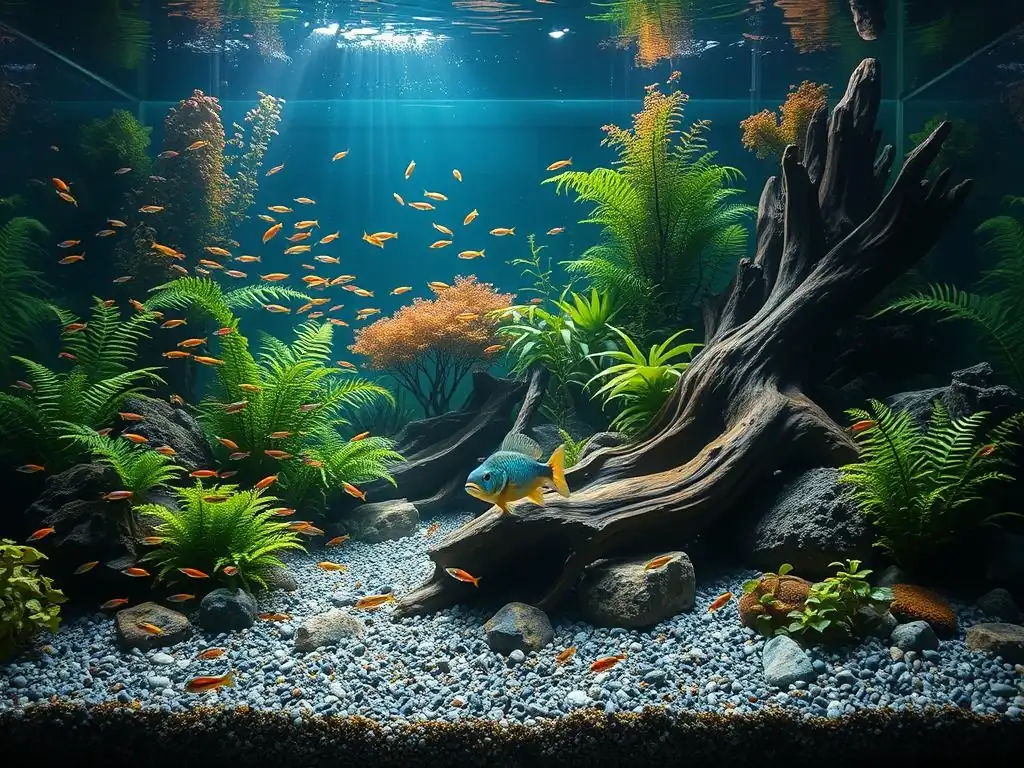
Welcome to Aquarium Mastery!
Ever wondered how to unlock the secrets of successful Tetra breeding in your aquarium? Dive in and discover how to harness the power of rainy season cues to encourage spawning. We'll guide you through mimicking these natural triggers, ensuring a thriving and vibrant Tetra population. Ready to witness the miracle of life unfold in your freshwater tank? Let's get started!
- Breeding Cardinal Tetras: Simulating Amazonian Flood Season
- Understanding the Importance of Flood Season Cues for Cardinal Tetra Breeding Success
- Replicating Flood Season Conditions in Your Cardinal Tetra Breeding Tank
- Key Environmental Factors to Manipulate for Cardinal Tetra Breeding
- Dietary Considerations for Breeding Cardinal Tetras
- Inducing Spawning: The Flood Season Simulation Protocol
- Post-Spawning Care: Protecting Cardinal Tetra Eggs and Fry
- Troubleshooting Common Cardinal Tetra Breeding Challenges
- Advanced Cardinal Tetra Breeding Techniques: Beyond the Basics
- Maintaining a Healthy and Sustainable Cardinal Tetra Breeding Program
-
Frequently Asked Questions
- How does the rainy season naturally trigger tetra breeding?
- What specific water parameters should I adjust to mimic the rainy season for tetra breeding?
- Why is soft water so important for tetra breeding?
- What other environmental factors, besides water parameters, can I manipulate to encourage tetra breeding?
- How can I safely introduce changes to my aquarium to mimic the rainy season without stressing my tetras?
- Final Reflection: Embracing Nature's Rhythm in Captivity
- Ignite Breeding Success: Trigger Your Tetras' Inner Rainy Season!
Breeding Cardinal Tetras: Simulating Amazonian Flood Season
Understanding the Importance of Flood Season Cues for Cardinal Tetra Breeding Success
Why Flood Season Triggers Spawning in Cardinal Tetras
Cardinal Tetras (Paracheirodon axelrodi) originate from the blackwater rivers and streams of the Amazon basin, particularly the Rio Negro region. In their natural habitat, the annual flood season brings about dramatic changes in water conditions, which act as crucial environmental rainy season cues for their reproductive cycle.
As the rivers swell, vast areas of the surrounding rainforest become inundated, leading to an increase in water volume, a significant drop in pH levels, a reduction in water hardness, and often a slight decrease in temperature. This influx of fresh, soft, acidic water also disperses fish populations, potentially reducing predation pressure on eggs and fry, and provides new feeding grounds rich in microorganisms.
These profound environmental shifts signal to the Cardinal Tetras that conditions are optimal for spawning. The soft, acidic water is essential for the viability of their delicate eggs, which are highly sensitive to mineral content. Furthermore, the increased water availability and nutrient flush support a bloom of microscopic organisms, providing an abundant food source for newly hatched fry. The evolutionary adaptation to these specific Tetra breeding rainy season cues means that successful captive breeding hinges on meticulously replicating these natural triggers.
The Role of Water Parameters in Simulating Flood Conditions for Cardinal Tetra Reproduction
To effectively simulate the Amazonian flood season, aquarists must precisely manipulate key water parameters. The most critical changes involve a dramatic reduction in both pH and water hardness. In their native waters, pH can drop from typical dry season levels of 6.5-7.0 down to a remarkably acidic 4.5-5.5 during the peak of the flood season. Concurrently, general hardness (GH) and carbonate hardness (KH) approach zero, often registering as 0-1 dKH. These extreme levels of softness and acidity are not merely beneficial; they are often prerequisites for triggering spawning in Cardinal Tetras.
These specific water parameter shifts serve as powerful hormonal triggers for Cardinal Tetras, signaling their readiness to reproduce. The soft, acidic water directly influences the fertilization process and the development of the delicate eggs. Hard water, rich in minerals, can prevent sperm from effectively fertilizing the eggs or cause the eggs to harden prematurely, leading to infertility. Therefore, understanding and precisely replicating these Tetra breeding rainy season cues is paramount for any aquarist aiming for successful Cardinal Tetra reproduction.
Replicating Flood Season Conditions in Your Cardinal Tetra Breeding Tank
Setting Up a Dedicated Cardinal Tetra Breeding Tank
For successful Cardinal Tetra breeding, a dedicated breeding tank is indispensable. A small aquarium, typically 5 to 10 gallons (approximately 19 to 38 liters), is ideal, as it allows for precise control over water parameters and makes it easier to locate and protect the tiny eggs. The tank should have a bare bottom or a very thin layer of inert substrate, such as glass marbles, to prevent eggs from settling into unreachable crevices where they might be lost or become fouled.
Dim lighting is crucial, mimicking the shaded, filtered light of their natural blackwater habitats. Spawning media, such as fine-leaved plants like Java moss (Taxiphyllum barbieri) or artificial spawning mops made from nylon yarn, should be provided to give the fish a place to deposit their adhesive eggs.
The preparation of the water for this dedicated breeding tank is perhaps the most critical step. It requires the use of reverse osmosis (RO) water or distilled water, which is virtually free of minerals. This pure water is then carefully conditioned to achieve the extremely soft and acidic parameters required.
Some aquarists may mix a very small percentage of aged tap water, if its mineral content is negligible, but pure RO water is generally preferred. Maintaining meticulous cleanliness throughout the setup process and minimizing disturbances once the fish are introduced will significantly increase the chances of a successful spawn, effectively simulating the pristine conditions of the rainy season cues.
Essential Equipment for Simulating Rainfall and Blackwater
To truly replicate the Tetra breeding rainy season cues and blackwater conditions, specific equipment is essential. A high-quality reverse osmosis (RO) water filtration system is paramount for producing the ultra-soft water necessary for Cardinal Tetra breeding. Alongside this, accurate pH meters and reliable general hardness (GH) and carbonate hardness (KH) test kits are non-negotiable tools for monitoring and adjusting water parameters. Peat moss, either in a filter bag or as a substrate layer, or commercial blackwater extracts rich in humic and fulvic acids, are vital for achieving the characteristic dark, acidic water and providing beneficial tannins.
For simulating the "rainfall" effect, a simple drip system can be constructed using an airline tube and a valve to slowly drip conditioned water into the breeding tank, mimicking the gradual influx of fresh water during the flood season. Alternatively, a small watering can can be used for controlled, gradual additions. A small, gentle air pump with an airstone provides minimal circulation and oxygenation without creating turbulent currents that could stress the fish or scatter eggs.
A reliable, precisely adjustable heater is also necessary to maintain the subtly lower, yet stable, breeding temperature. Each piece of equipment plays a role in creating the precise environmental conditions that trigger and support successful Tetra breeding rainy season cues.
Key Environmental Factors to Manipulate for Cardinal Tetra Breeding
1. Water Softness and pH: Achieving Optimal Breeding Parameters
Lowering pH Levels for Cardinal Tetra Spawning
Achieving the correct pH level is one of the most critical rainy season cues for inducing spawning in Cardinal Tetras. The target pH range for successful reproduction is typically between 4.5 and 5.5, significantly lower than what is found in most tap water supplies. To achieve this, aquarists commonly employ several methods.
The most natural and effective approach involves the use of peat filtration, where peat moss is added to the filter or placed directly in the tank in a media bag. Peat naturally releases humic and fulvic acids, which gradually lower the pH and soften the water. Alternatively, commercial pH-lowering products can be used, though these require careful dosing and monitoring to prevent sudden, dangerous pH crashes.
The scientific rationale behind this low pH requirement is multifaceted. Firstly, the acidic environment inhibits the growth of harmful bacteria and fungi that can quickly overwhelm and destroy delicate Cardinal Tetra eggs. In their natural blackwater habitats, the high concentration of organic acids acts as a natural antimicrobial agent.
Secondly, the low pH is crucial for the proper development and fertilization of the eggs, as the sperm of Cardinal Tetras is optimized for activity in acidic conditions. Replicating this specific rainy season cue is paramount, as eggs may fail to develop or hatch if the pH is not within this narrow, acidic range.
Achieving Ideal Water Softness for Cardinal Tetra Reproduction
Alongside pH, extreme water softness is an indispensable rainy season cue for Cardinal Tetra breeding. The ideal general hardness (GH) and carbonate hardness (KH) levels for spawning are near zero, typically 0-1 dGH and 0 dKH. This level of softness can only be reliably achieved by using reverse osmosis (RO) water or distilled water. These pure water sources are virtually devoid of minerals, which are detrimental to Cardinal Tetra egg development. It is crucial to avoid any buffering capacity in the water, as this would resist the necessary pH drop.
The significance of extreme water softness cannot be overstated for these blackwater species. Cardinal Tetra eggs are incredibly delicate and highly sensitive to the presence of dissolved minerals. In hard water, the egg membrane can become rigid, preventing proper hydration and hindering the development of the embryo. This can lead to eggs failing to develop, becoming infertile, or simply not hatching. By meticulously preparing water with virtually no mineral content, aquarists directly mimic one of the most vital rainy season cues, providing the optimal environment for successful fertilization and embryonic development.
2. Temperature Fluctuations: Simulating Seasonal Changes
Gradual Temperature Reduction to Mimic Rainfall
While Cardinal Tetras typically thrive in warmer water, a subtle temperature fluctuation serves as a significant rainy season cue for spawning. In their natural environment, the influx of cooler rainwater during the flood season can cause a slight, gradual drop in water temperature. To replicate this, aquarists should start with the conditioned breeding pair at their typical comfortable temperature, usually around 78-80°F (25-27°C).
Over a period of several days, the temperature should be slowly reduced by 2-4°F (1-2°C), aiming for a breeding temperature of approximately 75-76°F (24°C). This gentle cooling, combined with the influx of fresh, soft water, mimics the natural environmental shift that triggers breeding behavior.
This gradual temperature reduction, alongside the other parameter changes, acts as a powerful physiological signal to the fish. It cues them into the "onset" of the rainy season, a period naturally associated with increased breeding opportunities and favorable conditions for fry survival. The subtle change encourages the fish to prepare for and initiate spawning, aligning their internal biological clock with the simulated external conditions. It's a key component of the multi-faceted approach to Tetra breeding rainy season cues.
Maintaining Stable Temperatures During Spawning
Once the desired breeding temperature (e.g., 75-76°F or 24°C) has been reached and the spawning process begins, it is paramount to maintain this temperature with utmost stability. Erratic temperature fluctuations after the initial gradual drop can stress the breeding pair, potentially halting spawning activity or negatively impacting egg development. A reliable aquarium heater with a precise thermostat is essential to ensure consistent conditions throughout the spawning period and the critical early stages of egg incubation.
Maintaining stable temperatures ensures that the metabolic processes of both the breeding adults and the developing eggs occur optimally. Consistent conditions minimize stress, allowing the fish to focus their energy on reproduction. For the delicate eggs, stable temperatures are vital for proper embryonic development and a high hatch rate. Any sudden shifts could lead to deformities or mortalities, undermining the entire Tetra breeding rainy season cues simulation effort.
3. Lighting Conditions: Dimming the Lights for Breeding Stimulation
Reducing Light Intensity to Encourage Spawning Behavior
In their natural Amazonian habitat, Cardinal Tetras live under a dense jungle canopy, where the water receives very dim, filtered light. Replicating these subdued lighting conditions is a crucial rainy season cue for encouraging spawning behavior in the aquarium. The breeding tank should be placed in a dimly lit room, or a very low-wattage LED light should be used, perhaps only for a few hours a day. Some breeders even cover the tank with a dark cloth or use ambient room light to achieve the desired dimness.
The rationale behind dim lighting is twofold. Firstly, it provides a sense of security for the fish, reducing stress and making them feel safe enough to engage in the vulnerable act of spawning. In a brightly lit environment, they might feel exposed and less inclined to reproduce. Secondly, Cardinal Tetra eggs are light-sensitive. Dim conditions help protect the delicate eggs from potential damage by intense light, which can inhibit development or even kill the embryos. This careful manipulation of light intensity directly contributes to a successful Tetra breeding rainy season cues simulation.
Using Natural Lighting to Your Advantage
While artificial lighting can be precisely controlled, incorporating natural lighting can also be beneficial, provided it is managed carefully. Positioning the breeding tank in a location that receives very indirect, ambient natural light can help establish a natural diurnal rhythm without exposing the fish or eggs to harsh, direct sunlight. Direct sunlight should be strictly avoided as it can cause rapid temperature fluctuations and promote undesirable algae growth.
For advanced simulation of rainy season cues, some aquarists utilize timers to create a gradual "dawn" and "dusk" effect, slowly increasing and decreasing light intensity over a short period (e.g., 30 minutes to an hour). This subtle transition mimics the natural light changes in their environment and can further encourage spawning. However, the overall principle remains consistent: maintain a predominantly dim environment to provide comfort and protection, crucial for successful Tetra breeding rainy season cues.
4. Water Flow: Creating a Gentle Current
Implementing a Gentle Water Flow System
Cardinal Tetras, especially when breeding, prefer calm and tranquil water conditions. While their natural habitat experiences increased water volume during the flood season, the breeding grounds are typically sheltered areas with minimal current. To replicate this, a very gentle water flow system should be implemented in the breeding tank. This can be achieved using a small, air-driven sponge filter, which provides both mechanical and biological filtration with minimal water disturbance. Alternatively, a simple airstone connected to a low-output air pump can provide adequate oxygenation and a subtle current without creating turbulence.
The purpose of this gentle flow is primarily to ensure adequate oxygenation for both the adult fish and the developing eggs, and to prevent the water from becoming stagnant. It also helps to distribute any beneficial pheromones released by the breeding pair, further encouraging spawning. The key is to provide just enough movement to maintain water quality without creating stress or dislodging the delicate eggs from their spawning media. This subtle environmental cue contributes to the overall success of Tetra breeding rainy season cues replication.
Avoiding Strong Currents that Inhibit Spawning
It is critically important to avoid strong or turbulent water currents in a Cardinal Tetra breeding tank. Strong currents can be highly stressful for the breeding pair, making them anxious and significantly less likely to engage in spawning behavior.
Cardinal Tetras are small fish, and excessive water flow requires them to expend more energy simply maintaining their position, diverting energy away from reproduction. Furthermore, strong currents can dislodge the adhesive eggs from spawning mops or plants, scattering them across the tank bottom where they are more susceptible to fungal infections or being consumed by the parents if not removed promptly.
The natural rainy season cues that trigger Cardinal Tetra spawning do not involve rapid, turbulent flows in their preferred breeding areas. Instead, they seek out calmer, inundated areas within the flooded forest. By ensuring a virtually still or very gently flowing environment, aquarists create a secure and conducive space for the fish to perform their intricate spawning ritual, maximizing the chances of successful egg deposition and subsequent development, reinforcing the impact of Tetra breeding rainy season cues.
Dietary Considerations for Breeding Cardinal Tetras
Conditioning Tetras with Live and Frozen Foods
Before attempting to induce spawning, it is crucial to condition the prospective Cardinal Tetra breeding pair with a rich and varied diet for at least one to two weeks. This conditioning phase provides the necessary energy reserves and nutrients for optimal gonad development in both males and females. Live foods are particularly effective in stimulating breeding readiness due to their high nutritional value and the natural hunting instinct they trigger. Excellent choices include blackworms (Lumbriculus variegatus), daphnia (Daphnia pulex), and newly hatched brine shrimp (Artemia nauplii).
In addition to live foods, high-quality frozen foods can also supplement the diet. Options such as frozen bloodworms, spirulina-enriched brine shrimp, and cyclops are readily accepted and provide essential vitamins and minerals. The goal is to ensure the fish are in peak physical condition, signaled by vibrant coloration and a plump appearance in females. A well-conditioned pair is far more likely to respond positively to the rainy season cues and produce a healthy, viable spawn.
The Importance of a Protein-Rich Diet for Egg Development
A protein-rich diet is paramount during the conditioning phase for Cardinal Tetras, especially for the female's egg development. Proteins are the building blocks for new tissues, including the gonads and the thousands of tiny eggs a female will produce. Aim for live or frozen foods that have a high protein content, generally above 40-50% protein by dry weight, to maximize egg quantity and quality. For example, newly hatched brine shrimp are approximately 50-60% protein, and blackworms are also very protein-dense.
Providing a diet abundant in protein directly correlates with the successful development of healthy, fertile eggs and robust sperm. Females fed a high-protein diet will be noticeably plumper and more rounded, indicating they are "gravid" or full of eggs, a clear sign of readiness to spawn when presented with the appropriate Tetra breeding rainy season cues. This nutritional preparedness is a foundational element for a productive breeding attempt.
Inducing Spawning: The Flood Season Simulation Protocol
Gradually Changing Water Parameters Over a Week
The induction of spawning in Cardinal Tetras requires a meticulous, gradual simulation of the Amazonian flood season. This protocol typically spans about one week. Begin by introducing your well-conditioned breeding pair into the dedicated breeding tank.
Over the course of 5 to 7 days, perform small, daily water changes, typically 10-20% of the tank volume, using pre-prepared RO water that has been infused with peat extract or commercial blackwater additives. This process will slowly but consistently lower the pH and water hardness to the desired breeding parameters (pH 4.5-5.5, GH/KH near 0). Concurrently, gradually reduce the water temperature by approximately 1°F (0.5°C) each day until the target breeding temperature of 75-76°F (24°C) is reached.
The gradual nature of these changes is paramount, as it closely mimics the natural onset of the rainy season cues rather than a sudden, shocking shift. This controlled environmental manipulation triggers the fish's natural reproductive instincts without causing undue stress. Consistent monitoring of water parameters throughout this week is essential to ensure the changes are progressing as planned and to avoid any dangerous fluctuations. This patient and methodical approach significantly increases the likelihood of a successful spawn, effectively leveraging Tetra breeding rainy season cues.
Monitoring Tetra Behavior for Spawning Signs
As the flood season simulation protocol progresses, diligent observation of the Cardinal Tetras' behavior is crucial for identifying signs of impending spawning. Males will typically become more vibrant in coloration and exhibit increased activity, often chasing the females around the tank in a courtship dance. Females, if successfully conditioned, will appear noticeably plumper and more rounded due to the development of eggs. Spawning most commonly occurs in the early morning hours, often shortly after the lights come on or as natural ambient light begins to brighten the room.
The actual spawning act involves the male and female swimming together, often side-by-side or in a "T-shape" formation, as they release eggs and sperm simultaneously. The eggs are small, clear, and slightly adhesive, typically sticking to the spawning mop, Java moss, or other fine-leaved plants provided in the tank. Observing these specific behaviors is a clear indication that your Tetra breeding rainy season cues have been successfully implemented and that the fish are actively reproducing.
Post-Spawning Care: Protecting Cardinal Tetra Eggs and Fry
Removing Adult Tetras After Spawning
Once Cardinal Tetra eggs are observed in the breeding tank, it is absolutely critical to remove the adult fish immediately. Cardinal Tetras, like many other small characins, are oophagous, meaning they will readily consume their own eggs if given the opportunity. Even a short delay in removal can result in a significant loss of eggs. Carefully net the adult pair and return them to their main display tank. This simple, swift action is paramount to maximizing the number of viable eggs that will hatch.
This step ensures that the delicate eggs are protected from predation and can develop undisturbed. The breeding tank should then be left in dim conditions to further protect the light-sensitive eggs. By removing the parents, the aquarist significantly increases the yield from the Tetra breeding rainy season cues simulation, moving closer to a successful batch of fry.
Maintaining Pristine Water Quality for Cardinal Tetra Fry
Cardinal Tetra eggs typically hatch within 24 to 36 hours at optimal temperatures (around 75-76°F or 24°C). Once the fry have hatched and absorbed their yolk sacs (usually around day 3-5 post-hatch, when they become free-swimming), maintaining extremely pristine and stable water quality in the fry tank is paramount for their survival. These newly hatched fry are incredibly delicate and highly sensitive to any fluctuations in water parameters or the presence of pollutants.
Avoid large water changes, which can stress the fragile fry. Instead, use a very gentle air stone to provide minimal circulation and oxygenation. Continuously monitor water parameters such as pH, temperature, ammonia, and nitrite. Any detectable levels of ammonia or nitrite can be lethal to fry. The extreme sensitivity of the fry necessitates a meticulous approach to water management, building upon the precise Tetra breeding rainy season cues that initiated their development.
Feeding Cardinal Tetra Fry: First Foods and Growth
Infusoria and Micro-Worms as Initial Food Sources
Cardinal Tetra fry are astonishingly small upon hatching, measuring only a few millimeters. For their first few days of free-swimming (typically starting around day 3-5 post-hatch, after their yolk sac is absorbed), they require microscopic food sources. Infusoria, a collective term for various microscopic aquatic organisms, are the ideal first food. These can be cultured at home using vegetable matter (e.g., banana peel, lettuce leaves) steeped in water. Alternatively, micro-worms (Panagrellus redivivus) are another excellent initial food source, being slightly larger but still small enough for the tiny fry.
Feeding should be frequent and in very small amounts, typically 4-6 times a day, to ensure all fry receive adequate nutrition without polluting the water. Overfeeding can quickly foul the pristine water required for fry survival. The successful rearing of fry hinges on providing these initial, appropriately sized food items, directly following the Tetra breeding rainy season cues that brought them into existence.
Introducing Baby Brine Shrimp (BBS)
After approximately one week to ten days of feeding on infusoria and micro-worms, once the Cardinal Tetra fry have grown slightly and are visibly larger, they can be gradually introduced to newly hatched baby brine shrimp (Artemia nauplii). Baby brine shrimp are a highly nutritious food source that promotes rapid growth in fry. They are easily hatched at home from brine shrimp cysts using a simple hatching setup.
Before feeding, it is crucial to rinse the newly hatched baby brine shrimp thoroughly in fresh water to remove any unhatched cysts or hatching solution, which can be detrimental to the fry. Continue to feed multiple times a day. As the fry continue to grow, typically after another week or two, they can be slowly weaned onto finely crushed high-quality flake food or specialized commercial fry foods. This progression in diet is essential for their continued development, complementing the initial success achieved by mimicking Tetra breeding rainy season cues.
Troubleshooting Common Cardinal Tetra Breeding Challenges
Addressing Infertile Eggs and Low Hatch Rates
Encountering infertile eggs or experiencing low hatch rates is a common challenge in Cardinal Tetra breeding. Several factors can contribute to these issues, often stemming from an incomplete or inaccurate simulation of the rainy season cues. The most frequent culprits include water parameters that are not precisely within the required range, particularly pH levels that are too high (above 5.5) or water that is not soft enough (GH/KH above 0-1 dKH).
Poor conditioning of the parent fish, leading to a lack of viable eggs or sperm, is another significant factor. Incompatible pairs, where the male and female do not synchronize their spawning, can also result in unfertilized eggs.
To address these challenges, a thorough review of your Tetra breeding rainy season cues protocol is essential. Re-evaluate your water source; using 100% reverse osmosis (RO) or distilled water is almost always necessary for these sensitive species. Invest in precise test kits to ensure pH, GH, and KH are consistently at the target levels.
Intensify the conditioning diet of the parent fish, focusing on live and protein-rich foods for at least two weeks prior to the breeding attempt. If all parameters seem correct, consider trying a different breeding pair, as individual fish may have varying levels of breeding readiness or compatibility.
Preventing Fungal Infections in Cardinal Tetra Eggs
Fungal infections are a frequent cause of egg loss in Cardinal Tetra breeding, especially on unfertilized or damaged eggs. Maintaining exceptionally clean water and providing very gentle aeration in the breeding tank are crucial preventive measures. Fungus typically appears as a white, cottony growth on the eggs, spreading quickly to healthy ones.
To prevent fungal outbreaks, some breeders add a very small amount of methylene blue to the water before the eggs are laid, as it possesses antifungal properties. However, use this sparingly as it can stain and is a chemical. A more natural approach, also contributing to the rainy season cues simulation, is to add Indian almond leaves (Terminalia catappa) or their extract.
These release tannins and humic acids that have natural antifungal and antibacterial properties. Promptly removing any eggs that show signs of fungusing with a pipette is vital to prevent the spread to healthy eggs. This proactive approach to egg health is a key aspect of successful Tetra breeding rainy season cues management.
Managing Water Quality Issues in the Fry Tank
Water quality issues are the leading cause of mortality in Cardinal Tetra fry. Overfeeding is a primary culprit; the tiny fry require very small, frequent meals, and any uneaten food quickly decomposes, leading to dangerous spikes in ammonia and nitrite. The delicate fry are extremely sensitive to these pollutants, which can be lethal even at low concentrations.
To manage water quality in the fry tank, implement a strict feeding regimen of small, frequent meals. Perform very small daily water changes, typically 5-10% of the tank volume, using aged water that precisely matches the parameters of the fry tank (especially temperature and pH). Use an air-line tube or a small pipette to gently siphon out any uneaten food or debris from the bare bottom of the tank.
A very small, mature sponge filter can provide biological filtration, but ensure it doesn't create strong currents or suck up fry. Consistent monitoring and proactive maintenance are essential to keep the water pristine, ensuring the survival of the fry hatched through your Tetra breeding rainy season cues efforts.
Advanced Cardinal Tetra Breeding Techniques: Beyond the Basics
Exploring Blackwater Extracts and Their Benefits
For aquarists seeking to optimize their Tetra breeding rainy season cues simulation, exploring the use of commercial blackwater extracts offers significant benefits. These extracts are typically rich in humic and fulvic acids, along with tannins, which are naturally present in the blackwater rivers of the Amazon. They precisely replicate the chemical composition of the Cardinal Tetras' native environment, contributing to the soft, acidic water conditions essential for spawning. Beyond merely lowering pH, these extracts provide a range of beneficial properties.
The humic substances in blackwater extracts can reduce stress in fish, enhance their natural coloration, and offer mild antiseptic properties that can help prevent bacterial and fungal infections on delicate eggs and fry. They also chelate heavy metals, making the water safer. When preparing your RO water for the breeding tank, adding these extracts can provide a more natural and holistic approach to achieving the required water parameters, further enhancing the authenticity and effectiveness of your Tetra breeding rainy season cues for successful reproduction.
Implementing a Peat Filtration System
Implementing a peat filtration system is another advanced technique for maintaining the precise water conditions required for Cardinal Tetra breeding. Peat moss, specifically sphagnum peat, is a natural material that slowly releases humic acids and tannins into the water, effectively lowering both pH and general hardness (GH). It can be incorporated into the breeding tank's filtration system by placing it in a media bag within a hang-on-back filter or a canister filter, or by using it as a thin substrate layer if a bare bottom is not strictly preferred.
The benefits of a peat filtration system include a stable and long-term method for maintaining the soft, acidic water conditions that are crucial rainy season cues for Cardinal Tetra spawning. It mimics the natural leaf litter and decaying organic matter found in their native blackwater habitats. However, it is essential to monitor pH levels closely when using peat, as its effect can be significant and gradual, potentially leading to a lower pH than intended if not carefully managed. This method provides a highly effective and natural way to sustain the critical environmental factors for Tetra breeding rainy season cues.
Maintaining a Healthy and Sustainable Cardinal Tetra Breeding Program
Regular Water Testing and Maintenance Schedules
Maintaining a healthy and sustainable Cardinal Tetra breeding program hinges on consistent and rigorous water testing and maintenance schedules. Regular monitoring of key water parameters—including pH, general hardness (GH), carbonate hardness (KH), ammonia, nitrite, and nitrate—is non-negotiable. Establish a routine for testing, ideally before and after water changes, especially in the sensitive fry tank. Record-keeping is invaluable; meticulously documenting water parameters, feeding schedules, spawning dates, and fry counts allows you to track success, identify patterns, and troubleshoot issues effectively.
This meticulous approach ensures that the precise Tetra breeding rainy season cues you've established remain stable and optimal throughout the entire breeding cycle, from conditioning the adults to raising the fry. Consistent water quality minimizes stress on the fish, reduces the risk of disease, and maximizes the chances of successful reproduction and fry survival. A proactive maintenance schedule, including small, frequent water changes using pre-prepared RO water, is more effective than infrequent, large changes.
Preventing Disease Outbreaks in Your Tetra Colony
Preventing disease outbreaks is paramount for maintaining a healthy and sustainable Cardinal Tetra breeding program. The first line of defense is a strict quarantine protocol for any new fish introduced to your main breeding stock. New fish should be kept in a separate tank for at least 2-4 weeks, observed for any signs of illness, and treated if necessary, before being added to the main colony.
Stress, often caused by poor water quality, overcrowding, or inadequate nutrition, is a common trigger for disease in fish. Therefore, maintaining excellent overall tank hygiene, consistent water parameters, and appropriate stocking levels across all your tanks is crucial.
A varied, nutritious diet, rich in live and frozen foods, plays a significant role in boosting the immune systems of your Cardinal Tetras, making them more resilient to pathogens. Healthy parent fish are less likely to pass on diseases to their offspring, and well-fed fry are more robust and better able to resist infections.
Regular, close observation of your fish for any subtle signs of illness—such as lethargy, clamped fins, discolored patches, or abnormal swimming—allows for early intervention, preventing widespread outbreaks that could devastate your breeding colony. This holistic approach ensures the long-term viability of your Tetra breeding rainy season cues efforts.
Frequently Asked Questions
How does the rainy season naturally trigger tetra breeding?
The rainy season causes changes in water parameters like water temperature, pH levels, and water hardness, which act as natural cues for tetras to begin their spawning behavior.
What specific water parameters should I adjust to mimic the rainy season for tetra breeding?
Focus on slightly lowering the water temperature by a few degrees, softening the water using RO/DI water, and adjusting the pH to a slightly acidic level (around 6.0-6.5).
Why is soft water so important for tetra breeding?
Soft water is crucial because it mimics the natural breeding environment of many tetra species. It also helps with egg development and hatch rates.
What other environmental factors, besides water parameters, can I manipulate to encourage tetra breeding?
Besides water chemistry, consider increasing the water flow slightly and reducing the lighting to simulate the darker, more turbulent conditions of a rainy season.
How can I safely introduce changes to my aquarium to mimic the rainy season without stressing my tetras?
Introduce changes gradually over a few days to avoid shocking your fish. Monitor your tetras closely for any signs of stress or illness and adjust your approach accordingly.
Final Reflection: Embracing Nature's Rhythm in Captivity
The intricacies of simulating the rainy season for successful Tetra breeding highlight a profound connection between the natural world and our controlled aquarium environments. What began as a scientific exploration into environmental triggers has blossomed into a testament to the power of observation and the dedication of aquarists striving to replicate nature's delicate balance. This pursuit not only elevates the art of fishkeeping but also deepens our understanding of the complex ecosystems we aim to recreate.
This journey into understanding and mimicking the rainy season's influence on Tetra breeding has profoundly shaped my perspective on aquarium keeping. It's a constant reminder that we are not merely keepers of fish, but stewards of miniature ecosystems, responsible for providing the conditions that allow life to flourish. In nature, there are no rewards or punishments; there are consequences.
- Robert Green Ingersoll. This quote perfectly encapsulates the responsibility we bear when attempting to replicate natural processes, emphasizing the need for meticulous observation and a deep respect for the delicate balance of life.
As you consider the insights shared in this article, I invite you to reflect on your own connection to the natural world. How can you apply the principles of observation, adaptation, and respect for natural cues not only in your aquarium but also in other aspects of your life? Embrace the challenge of understanding and mimicking nature's rhythms, and you will unlock a deeper appreciation for the beauty and complexity that surrounds us, both within and beyond the glass.
Ignite Breeding Success: Trigger Your Tetras' Inner Rainy Season!
Thanks for diving into the secrets of triggering tetra breeding! We hope you found valuable insights into recreating the perfect conditions for these vibrant fish. Now, let's put that knowledge into action.
Here's how you can take the next step:
- Immediately test and adjust your aquarium's water parameters focusing on softening the water with RO water and lowering the PH, mimicking the crucial rainy season trigger.
- Share this article with fellow aquarium enthusiasts and discuss your planned breeding setup. Let's create a community of successful tetra breeders!
- Experiment with unique spawning media options like fine-leaved plants or spawning mops to discover your tetras' preferred breeding environment.
Ready to transform your aquarium into a tetra breeding paradise? What specific adjustments will you make to your water parameters this week?