
Managing Shoal Size and Aggression in *Cyprichromis* Groups

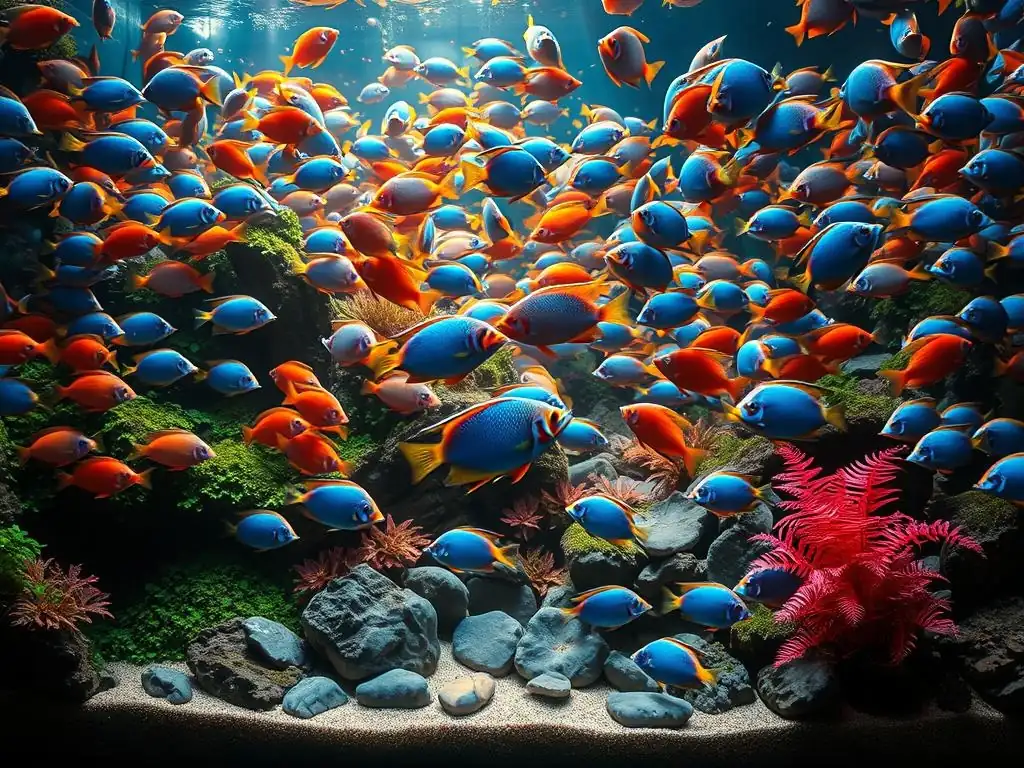
Welcome to Aquarium Mastery!
Ever wondered how to create a peaceful, thriving Cyprichromis aquarium? The secret often lies in understanding the delicate balance of shoal size and aggression. Dive into our latest article, "Managing Shoal Size and Aggression in Cyprichromis Groups," to unlock the key to a harmonious tank. Are you ready to discover the optimal number for your Cyprichromis and learn how to minimize conflict? Read on to find out!
- Managing Shoal Size and Aggression in Cyprichromis leptosoma Groups
- Understanding Cyprichromis leptosoma Social Dynamics and Aggression
- Optimizing Cyprichromis leptosoma Shoal Size to Reduce Aggression
- Tank Setup Strategies to Minimize Cyprichromis leptosoma Aggression
- Feeding and Nutrition to Reduce Cyprichromis leptosoma Aggression
- Identifying and Addressing Aggressive Behavior in Cyprichromis leptosoma
- Selecting Tank Mates for Cyprichromis leptosoma to Minimize Conflict
- Long-Term Cyprichromis leptosoma Shoal Management
-
Frequently Asked Questions
- How does Cyprichromis shoal size impact aggression levels?
- What is the minimum recommended Cyprichromis shoal size to mitigate aggression?
- Can overstocking Cyprichromis lead to increased aggression, despite the shoal size?
- What role does tank size play in managing Cyprichromis aggression?
- Besides shoal size, what other factors influence Cyprichromis aggression?
- Final Reflection: Harmony in the Shoal
- Unleash the Harmony: Build Your Thriving Cyprichromis School!
Managing Shoal Size and Aggression in Cyprichromis leptosoma Groups
Introduction to Cyprichromis leptosoma Cichlids
Cyprichromis leptosoma, often referred to as the "Featherfin Cichlid," is a captivating species native to the open waters of Lake Tanganyika in East Africa. Unlike many other Tanganyikan cichlids that inhabit rocky shores or shell beds, Cyprichromis leptosoma are pelagic, meaning they primarily swim in the open water column, often near the surface. They are renowned for their unique, often inverted swimming posture and their striking iridescent coloration, particularly the males, who display elongated fins during courtship.
These cichlids are obligate schooling fish, naturally forming large, cohesive shoals in their vast natural habitat. This schooling behavior is a fundamental aspect of their survival, providing safety in numbers against predators. While generally considered peaceful for cichlids, particularly when compared to rock-dwelling or territorial species, their social dynamics are complex, and understanding their need for specific shoal sizes is paramount to preventing Cyprichromis shoal size aggression in a home aquarium.
The Importance of Shoal Size for Cyprichromis leptosoma
The natural instinct of Cyprichromis leptosoma to form large shoals is critical to their well-being in captivity. In their native Lake Tanganyika, shoals can number in the thousands, diluting the risk of predation from larger fish like Boulengerochromis microlepis. When kept in an aquarium, this inherent need for a group provides a sense of security, significantly reducing individual stress levels. A well-established and sufficiently sized shoal allows Cyprichromis to display their natural behaviors, including synchronized swimming and complex social interactions.
Conversely, keeping Cyprichromis leptosoma in insufficient numbers, typically fewer than six individuals, can lead to chronic stress and pronounced Cyprichromis shoal size aggression. Without the safety net of a large group, individual fish feel exposed and vulnerable. This stress often manifests as increased territoriality, fin nipping, and relentless harassment, particularly from dominant males towards subdominant individuals or females. The absence of a large group to spread out aggression concentrates it on fewer targets, leading to injuries, poor health, and even fatalities.
Factors Influencing Aggression in Cyprichromis leptosoma Aquariums
Several key factors contribute to the manifestation of Cyprichromis shoal size aggression in aquariums. The primary drivers include an inadequate shoal size, where too few individuals are present to diffuse aggression, and an imbalanced male-to-female ratio, with an excess of males leading to heightened territorial disputes. Insufficient tank space, even for a correctly sized shoal, can also contribute, as it limits the ability of subdominant fish to escape the attention of dominant ones.
Beyond these primary factors, secondary influences can exacerbate aggression. Poor water quality, characterized by elevated nitrates or unstable pH, acts as a significant stressor on fish, making them more prone to aggressive outbursts. An improper diet lacking essential nutrients can also compromise their immune system and overall vitality, leading to irritability. Finally, unsuitable tank mates that are either too aggressive, too timid, or occupy the same water column can introduce additional stress and spark conflicts within the Cyprichromis group.
Optimizing Cyprichromis leptosoma Shoal Size to Reduce Aggression
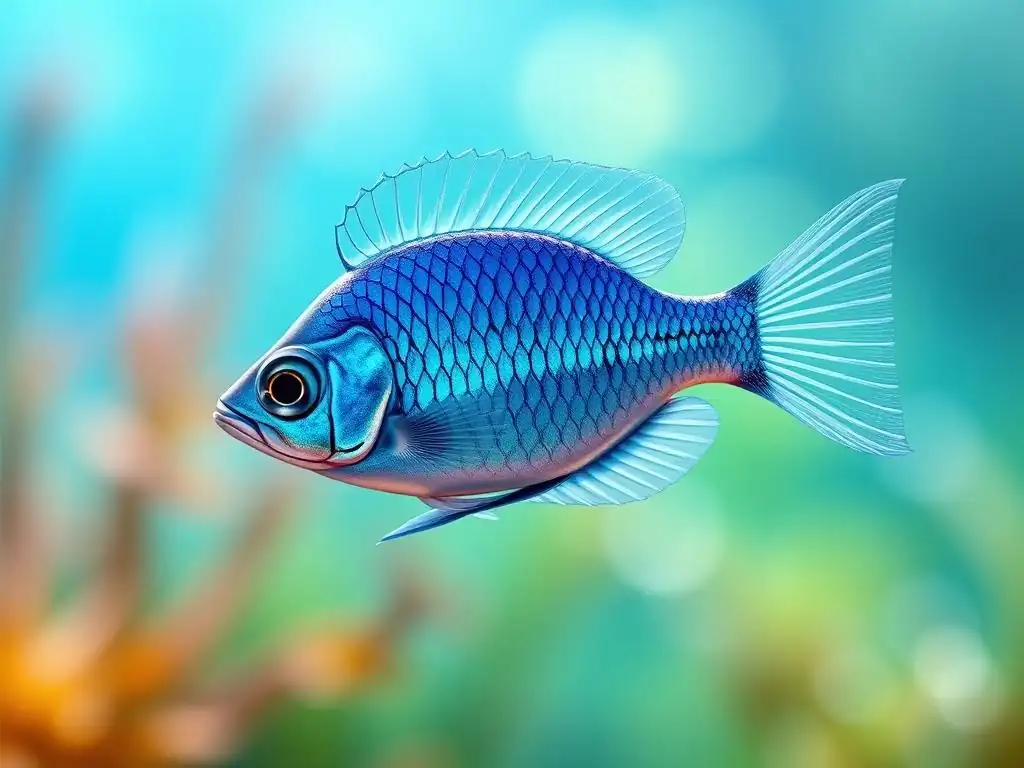
Recommended Cyprichromis leptosoma Group Size for Specific Tank Sizes
For a healthy and harmonious Cyprichromis leptosoma shoal, tank size and group numbers are critical. A minimum tank size of 55 gallons (approximately 208 liters) is generally recommended for a small group, ideally starting with 6-8 individuals. This allows for basic schooling behavior and provides some space for individual territories. Within this group, a male-to-female ratio of at least 1:2 or 1:3 is advisable to dilute male aggression; for example, one male to two or three females.
For larger setups, such as a 75-gallon (284-liter) tank or more, a shoal of 10-15 Cyprichromis leptosoma can thrive, and a 125-gallon (473-liter) aquarium can comfortably house 20-30 or more. In these larger volumes, the increased space allows for the formation of multiple sub-groups and provides ample room for subdominant fish to retreat, significantly reducing Cyprichromis shoal size aggression. Maintaining a higher female-to-male ratio, such as 1:4 or 1:5, in these larger shoals further minimizes stress on individual females and spreads out the attention of dominant males.
How Understocking Can Increase Cyprichromis leptosoma Aggression
Understocking Cyprichromis leptosoma, typically defined as keeping fewer than six individuals, severely compromises their natural schooling instinct and leads to heightened stress and aggression. When kept in such small numbers, the fish lose the security of a large group, making them feel exposed and vulnerable. This lack of safety in numbers often results in individual fish becoming stressed, leading to suppressed immune systems and a propensity for disease.
Furthermore, in an understocked scenario, any inherent Cyprichromis shoal size aggression becomes intensely focused. A single dominant male may relentlessly harass the few other individuals, particularly females or subdominant males, leading to severe fin nipping, constant chasing, and an inability for the targeted fish to feed properly. This concentrated aggression can result in injuries, chronic stress-related illnesses, and even the eventual death of the persecuted individuals, illustrating the critical importance of adequate shoal size.
The Role of Overstocking in Managing Cyprichromis leptosoma Behavior [Considerations and Risks]
Paradoxically, a technique sometimes employed to manage Cyprichromis shoal size aggression is deliberate overstocking, also known as "aggression diffusion" or "conspecific saturation." By introducing a significantly large number of Cyprichromis into a spacious aquarium (e.g., 30+ individuals in a 100-gallon tank), the aggression is spread out among so many targets that no single fish bears the brunt of it. This can lead to a seemingly calmer environment, as no individual can establish absolute dominance.
However, this method carries substantial risks and is not without its drawbacks. Overstocking places an immense burden on the aquarium's filtration system, leading to a rapid accumulation of organic waste and nitrates. This can quickly degrade water quality, increasing the risk of disease outbreaks, stunted growth, and general poor health for all inhabitants. While it might mitigate direct physical aggression, the trade-off is often a compromised living environment that can reduce the overall lifespan and vitality of the Cyprichromis shoal. It requires diligent maintenance, including frequent and substantial water changes, to be successful.
Tank Setup Strategies to Minimize Cyprichromis leptosoma Aggression
Aquascaping Techniques for Cyprichromis leptosoma Shoals: Creating Visual Barriers
While Cyprichromis leptosoma are open-water swimmers, effective aquascaping plays a crucial role in minimizing Cyprichromis shoal size aggression by providing visual barriers and safe zones. Tall, narrow rock structures, such as those crafted from lace rock, Texas Holey Rock, or slate, should be arranged to reach close to the water surface. These structures break up sight lines, preventing dominant males from constantly seeing and harassing subdominant individuals.
Creating multiple distinct "zones" within the tank, even if small, allows subdominant fish to retreat and feel secure. Although not strictly biotope accurate, tall, hardy plants like Vallisneria gigantea or artificial silk plants can also serve as effective visual obstructions. The goal is to provide enough complexity in the upper water column that persecuted individuals can temporarily disappear from view, thereby reducing stress and the intensity of aggressive encounters.
Substrate and Rockwork Considerations for Cyprichromis leptosoma
For Cyprichromis leptosoma, a fine sand substrate is ideal, closely mimicking the sandy bottom areas of Lake Tanganyika, even though they primarily inhabit the open water. While they do not extensively dig or burrow, a soft substrate is comfortable and allows them to sift occasionally for detritus or uneaten food. The color of the substrate can also subtly influence their comfort levels; a darker sand might make them feel more secure than a very light, reflective one.
Regarding rockwork, the focus should be on verticality rather than horizontal caves or crevices, which are more suited for shell-dwellers or rock-dwelling cichlids. Tall, slender rock formations or pillars should be strategically placed to create the aforementioned visual barriers and offer shaded areas in the upper water column. Avoid cluttering the bottom of the tank, as Cyprichromis require ample open swimming space, particularly in the middle and upper regions of the aquarium.
The Importance of Water Parameters in Cyprichromis leptosoma Health and Behavior
Maintaining stable and appropriate water parameters is paramount for the health and temperament of Cyprichromis leptosoma, directly impacting Cyprichromis shoal size aggression. These cichlids thrive in the hard, alkaline water characteristic of Lake Tanganyika. The ideal parameters are a pH of 7.8-9.0, a general hardness (GH) between 10-20 dGH, and a carbonate hardness (KH) of 10-15 dKH. The temperature should be maintained consistently between 76-80°F (24-27°C).
Fluctuations in these parameters are a significant source of stress for Cyprichromis, making them more susceptible to disease and increasing their propensity for aggression. Regular water changes, typically 25-30% weekly, are essential to keep nitrate levels below 20 ppm and replenish vital minerals. Robust filtration, such as a large canister filter or sump system, ensures excellent water clarity and high dissolved oxygen levels, which are crucial for active, pelagic fish. Poor water quality is a common underlying cause of stress-induced Cyprichromis shoal size aggression.
Feeding and Nutrition to Reduce Cyprichromis leptosoma Aggression
Optimal Feeding Schedule for Cyprichromis leptosoma Shoals
Cyprichromis leptosoma are micro-predators in their natural habitat, primarily feeding on zooplankton in the water column. To replicate this, an optimal feeding schedule in the aquarium involves offering small, frequent meals, ideally 2-3 times per day. This approach mimics their continuous foraging behavior in the wild and ensures that all members of the shoal, including less dominant individuals, have ample opportunity to feed without intense competition.
Distributing the food widely across the water surface, rather than in a single concentrated spot, further minimizes food competition. This broad dispersal ensures that multiple fish can access food simultaneously, preventing a few dominant individuals from monopolizing the entire meal. Consistent, small feedings also help maintain better water quality by preventing large amounts of uneaten food from decaying, which can otherwise contribute to stress and indirectly escalate Cyprichromis shoal size aggression.
Choosing the Right Food for Cyprichromis leptosoma: Nutritional Needs
The diet for Cyprichromis leptosoma should be rich in high-quality protein, reflecting their carnivorous nature. Suitable food options include premium cichlid flakes or small pellets specifically formulated for small, pelagic cichlids. A varied diet is crucial for their long-term health and vibrant coloration. Excellent supplemental foods include frozen brine shrimp, Mysis shrimp, cyclops, and daphnia, which provide essential nutrients and mimic their natural prey.
It is important to avoid foods high in vegetable matter or excessive fats, as Cyprichromis are not adapted to digest these efficiently, which can lead to digestive issues and compromised health. Offering live foods like small daphnia or brine shrimp occasionally can also provide enrichment and stimulate their natural hunting instincts. A well-nourished Cyprichromis is a healthy Cyprichromis, less prone to stress and less likely to exhibit Cyprichromis shoal size aggression.
Minimizing Food Competition Among Cyprichromis leptosoma
Minimizing food competition is a direct strategy to reduce Cyprichromis shoal size aggression. As previously mentioned, scattering food broadly across the surface is highly effective. For very large shoals or tanks with multiple dominant individuals, consider feeding from two or more distinct points simultaneously. This ensures that even the shyer or more submissive fish have access to food without having to directly confront more aggressive tank mates.
Observing the feeding behavior of the entire shoal is important. If certain fish consistently appear to miss out on meals, or if one or two individuals are visibly fatter than the rest, it indicates that food competition is an issue. In such cases, increasing the frequency of feedings or slightly increasing the quantity, while still maintaining water quality, can help. Providing ample visual barriers in the tank also allows less dominant fish to feel secure enough to come out and feed, further mitigating food-related Cyprichromis shoal size aggression.
Identifying and Addressing Aggressive Behavior in Cyprichromis leptosoma
Recognizing Signs of Stress and Aggression in Cyprichromis leptosoma
Early recognition of stress and aggression in Cyprichromis leptosoma is crucial for intervention. Common signs include fin nipping, which often results in torn or frayed fins (especially the dorsal and caudal fins), and faded coloration, particularly when the fish is not engaged in breeding displays. Other indicators of stress are clamped fins, rapid gilling, and excessive hiding or withdrawal from the shoal. A fish that is constantly being chased or is unable to feed freely is clearly under duress.
More overt signs of Cyprichromis shoal size aggression include prolonged chasing, ramming, or intense territorial displays where males flare their fins and gills at each other for extended periods. Observe the overall cohesion of the shoal; a healthy Cyprichromis group moves fluidly, whereas a fragmented shoal with isolated individuals or constant bickering is a strong indicator of underlying aggressive issues. Chronic stress can lead to secondary infections and a general decline in health.
Quarantine and Reintroduction Strategies for Aggressive Cyprichromis leptosoma
If a Cyprichromis individual becomes excessively aggressive, or if a specific fish is being relentlessly targeted, temporary removal to a quarantine tank is often the most effective immediate solution. This allows the stressed fish to recover in a peaceful environment and, crucially, breaks the established pecking order and aggressive patterns in the main display tank. The quarantine tank should match the main tank's water parameters and provide simple hiding spots.
Before reintroducing the fish, a significant rearrangement of the main tank's aquascaping is highly recommended. This disruption of existing territories can help "reset" the social dynamics within the shoal. Reintroduce the removed fish after a few days of isolation, preferably when the tank lights are off or just coming on, to minimize immediate conflict. In some severe cases of Cyprichromis shoal size aggression, removing all fish, rearranging the tank, and then reintroducing all fish simultaneously (or the aggressive fish last) can also be effective.
When to Separate Cyprichromis leptosoma: Managing Severe Aggression
Permanent separation of a Cyprichromis leptosoma is necessary when an individual consistently exhibits severe aggression that causes significant harm, such as repeated severe fin damage, persistent scale loss, or preventing other fish from feeding and thriving. This scenario typically arises with an overly dominant male in an undersized shoal or one with a highly imbalanced male-to-female ratio, where the target fish has no escape.
If attempts at reintroduction after a period of isolation fail, or if the level of aggression poses a life-threatening risk to other tank inhabitants, the aggressive fish must be permanently rehomed or moved to a separate, dedicated tank. While this is an unfortunate outcome, it is sometimes the only viable solution to ensure the well-being and survival of the rest of the Cyprichromis shoal. Prioritizing the health of the entire group is paramount when managing severe Cyprichromis shoal size aggression.
Selecting Tank Mates for Cyprichromis leptosoma to Minimize Conflict
Compatible Tank Mates for Cyprichromis leptosoma in a Tanganyikan Aquarium
Choosing appropriate tank mates is essential for minimizing conflict and Cyprichromis shoal size aggression in a community Tanganyikan aquarium. Ideal companions are other peaceful to moderately aggressive cichlids that occupy different niches or swimming levels, thereby avoiding direct competition. Excellent choices include various Julidochromis species (Julies), Neolamprologus brichardi (Fairy Cichlids), Lamprologus multifasciatus (Multies), or Altolamprologus calvus. These species generally inhabit the rockwork or substrate, leaving the open water column for the Cyprichromis.
Additionally, peaceful bottom-dwelling catfish species from Lake Tanganyika, such as Synodontis multipunctatus or Synodontis petricola, make excellent tank mates. They pose no threat to Cyprichromis and help keep the substrate clean. The key is to select species with compatible water parameter requirements and temperaments that will not compete directly for food or territory with Cyprichromis, thus preventing additional stress and reducing the likelihood of Cyprichromis shoal size aggression.
Fish to Avoid: Incompatible Species with Cyprichromis leptosoma
To maintain a harmonious Cyprichromis aquarium, it is crucial to avoid tank mates that are overtly aggressive, highly predatory, or require vastly different water parameters. Highly aggressive Tanganyikan cichlids such as Tropheus species (unless in a very large, species-specific setup), large Frontosa, or the formidable Boulengerochromis microlepis are unsuitable. These larger, more dominant species can harass, outcompete, or even prey upon the relatively delicate Cyprichromis.
Furthermore, species that are known fin nippers by nature, regardless of origin, should be avoided, as Cyprichromis have delicate, elongated fins that are susceptible to damage. Any fish that consistently occupies the same open water column space and is significantly larger or more boisterous than Cyprichromis can also cause stress and lead to increased competition and Cyprichromis shoal size aggression. Similarly, fish requiring soft, acidic water are incompatible due to differing water chemistry needs.
The Role of Dither Fish in Reducing Cyprichromis leptosoma Aggression
While Cyprichromis leptosoma are often themselves considered dither fish in larger Tanganyikan setups, their role in reducing aggression within their own species is primarily tied to their schooling behavior. A large, cohesive Cyprichromis shoal inherently acts as its own "dither," providing security and confidence to its members. The sheer number of individuals diffuses potential aggression, and the constant activity of the group signals safety, encouraging shyer individuals to be more active.
If the Cyprichromis themselves are exhibiting excessive shyness or stress, adding a few very fast, peaceful, and small Tanganyikan species that are truly non-competitive (if compatible with the overall tank inhabitants) might subtly encourage the Cyprichromis to be more comfortable and active in the open water. However, for Cyprichromis, the most effective strategy for reducing Cyprichromis shoal size aggression and promoting confidence remains maintaining a robust and appropriately sized shoal within a well-structured environment.
Long-Term Cyprichromis leptosoma Shoal Management
Monitoring Cyprichromis leptosoma Behavior and Adjusting Shoal Size
Long-term success in managing Cyprichromis shoal size aggression requires continuous observation and a willingness to adapt. Regularly inspect all fish for signs of stress, fin damage, or unusual hiding behavior. Note changes in the social hierarchy; as fish mature, male dominance can become more pronounced. If aggression escalates despite optimal water parameters and tank setup, it might indicate that the shoal has outgrown its current space or that the male-to-female ratio has become unbalanced due to natural attrition or growth.
If a specific male consistently harasses other fish, especially in a smaller group where aggression cannot be diffused, consider adding more females to the shoal, provided the tank size allows. This dilutes the male's attention and reduces the burden on individual females. In extreme cases, rehoming an overly aggressive male might be necessary to maintain the overall peace and health of the Cyprichromis shoal. Vigilance and proactive adjustments are key to balancing Cyprichromis shoal size aggression.
Breeding Considerations and Their Impact on Aggression Levels
Breeding behavior is a natural and significant factor that influences aggression levels within a Cyprichromis leptosoma shoal. Spawning males become more territorial and aggressive, actively defending their chosen spawning site, which can be a specific rock face or an area in the open water column. Females carrying eggs or fry (mouthbrooding) may also become more reclusive or exhibit increased defensiveness if approached too closely.
In a large, well-aquascaped shoal, this temporary breeding-related aggression is usually manageable. The sheer size of the group and the presence of ample visual barriers allow non-breeding individuals to easily avoid the territorial male and the brooding female. However, in smaller tanks or those lacking sufficient visual breaks, breeding activity can dramatically increase Cyprichromis shoal size aggression, leading to stress, fin damage, and even injury for other tank inhabitants. Providing adequate space and complex structures is paramount during these periods.
Maintaining a Stable and Healthy Cyprichromis leptosoma Environment
The cornerstone of long-term Cyprichromis shoal size aggression management is the consistent maintenance of a stable and healthy environment. This includes performing regular water changes (e.g., 25-30% weekly) to keep nitrate levels low and replenish essential minerals. Maintaining stable water parameters—pH between 7.8-9.0, GH 10-20 dGH, KH 10-15 dKH, and temperature 76-80°F (24-27°C)—is crucial, as fluctuations induce stress and can trigger aggression.
A high-quality, consistent diet, fed in small, frequent portions, ensures optimal nutrition and reduces food-related competition. Furthermore, a robust and well-maintained filtration system is indispensable for processing the bioload generated by a large Cyprichromis shoal, ensuring excellent water clarity and high dissolved oxygen levels. Avoiding sudden, drastic changes to the tank environment, such as rapid temperature swings or significant re-arrangements of décor without prior planning, helps to minimize stress and prevent unnecessary Cyprichromis shoal size aggression. By providing a consistently pristine and predictable habitat, aquarists can ensure the long-term well-being and peaceful coexistence of their Cyprichromis leptosoma shoal.
Frequently Asked Questions
How does Cyprichromis shoal size impact aggression levels?
Larger shoal sizes generally reduce aggression in Cyprichromis. With more individuals, aggression is diffused, preventing a single fish from becoming a constant target. This is due to a weakening of the dominance hierarchy.
What is the minimum recommended Cyprichromis shoal size to mitigate aggression?
A minimum of 8-10 Cyprichromis is typically recommended. This provides enough individuals to distribute aggression and prevent excessive stress on any single fish, creating a more stable environment.
Can overstocking Cyprichromis lead to increased aggression, despite the shoal size?
Yes, overstocking can negate the benefits of a large shoal. Limited space intensifies competition for resources, leading to increased stress and aggression among the Cyprichromis.
What role does tank size play in managing Cyprichromis aggression?
Tank size is crucial. A larger tank provides more space for Cyprichromis to establish territories and escape aggression, effectively reducing conflict. This is especially important with larger shoals.
Besides shoal size, what other factors influence Cyprichromis aggression?
Water quality, diet, and tank decor (e.g., rocks, plants) significantly impact aggression. Poor water parameters or insufficient hiding places can increase stress and aggression. A varied diet can also help reduce competition for food.
Final Reflection: Harmony in the Shoal
The insights into managing Cyprichromis shoal size to mitigate aggression are not merely academic; they resonate profoundly within the broader context of responsible fishkeeping. Understanding the delicate balance within these aquatic communities allows us to move beyond simply keeping fish alive to fostering thriving, harmonious environments. This knowledge empowers aquarists to create conditions where these beautiful fish can express their natural behaviors without undue stress or conflict.
This journey into the dynamics of Cyprichromis shoals has underscored the importance of mindful observation and proactive intervention in aquarium management. The subtle cues of aggression, the impact of shoal size on social hierarchy, and the overall well-being of these fish are all interconnected. The greatness of a nation and its moral progress can be judged by the way its animals are treated.
- Mahatma Gandhi. While Gandhi spoke of animals in general, the sentiment holds true for the smaller ecosystems we create in our homes. Our responsibility extends to ensuring the well-being of every creature under our care.
Now, consider the implications of these findings for your own aquariums. Are your Cyprichromis shoals thriving, or are there subtle signs of stress and aggression that you might have overlooked? Take a moment to reflect on the environment you've created and ask yourself: what small changes can you implement to foster a more peaceful and balanced ecosystem for your fish? The beauty of a Cyprichromis shoal lies not just in their vibrant colors, but in the harmonious dance of their social interactions. Let us strive to create environments where that dance can flourish.
Unleash the Harmony: Build Your Thriving Cyprichromis School!
Thank you for diving deep into the fascinating world of Cyprichromis behavior! You've gained valuable insights into creating a peaceful and vibrant aquarium. Now, let's put that knowledge into action and watch your Cyprichromis thrive.
Here's how you can immediately impact your Cyprichromis school:
- Prioritize this week to re-evaluate your tank's rockwork configuration, ensuring open swimming spaces are maximized. This will reduce territorial disputes and promote graceful schooling behavior.
- Document your Cyprichromis' interactions daily for the next week, noting any aggression hotspots or individual behaviors that stand out.
- Share your observations and photos with the Aquarium Mastery community forum – let's learn together!
What small adjustment will you make today to improve your Cyprichromis' social dynamic?