
Black Phantom Tetra Mystery: Dark Elegance and Ghostly Displays – Full Care

Welcome to Aquarium Mastery!
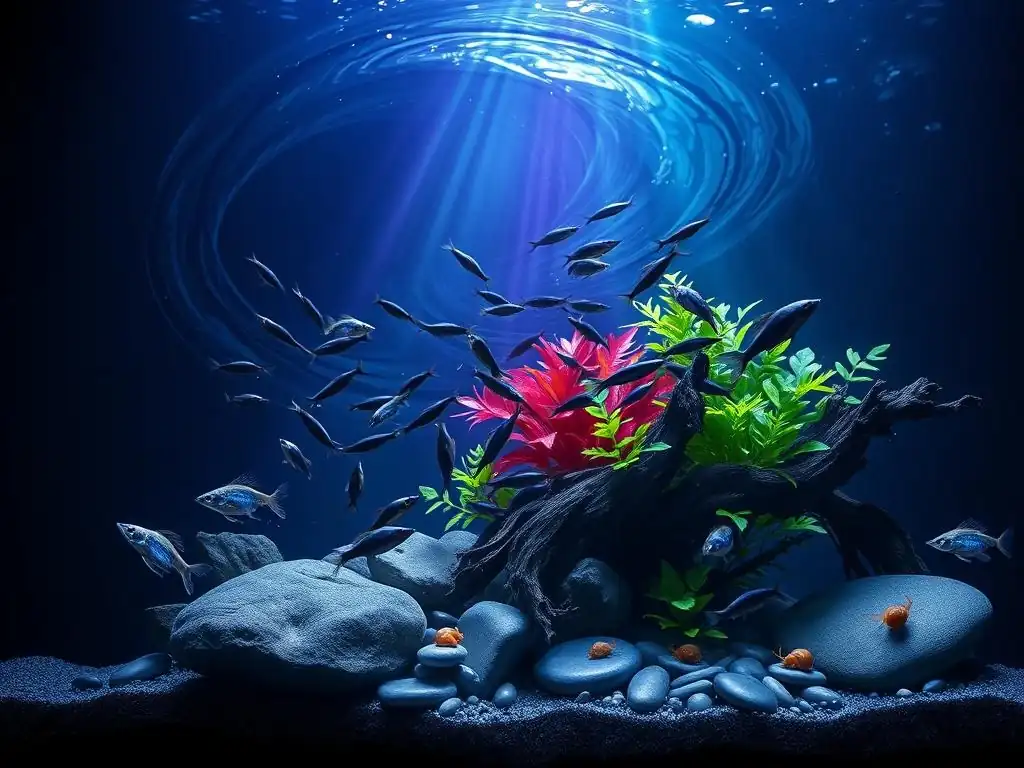
Intrigued by the dark elegance and captivating displays of the Black Phantom Tetra? You've come to the right place. Dive into our comprehensive Black Phantom Tetra Care Guide and unlock the secrets to successfully keeping these mesmerizing fish. Discover everything you need to know, from optimal tank conditions to their unique social needs. What challenges might you face, and how can you ensure your Black Phantoms thrive? Let's explore together!
- Black Phantom Tetra: Dark Elegance and Ghostly Displays – Full Care
- Unveiling the Black Phantom Tetra: A Comprehensive Care Guide
- Understanding the Black Phantom Tetra: Origins and Natural Habitat
- Black Phantom Tetra Appearance: Distinguishing Features
- Setting Up the Ideal Black Phantom Tetra Tank Environment
- Black Phantom Tetra Diet and Feeding
- Black Phantom Tetra Tank Mates: Compatibility and Schooling
- Black Phantom Tetra Breeding: A Detailed Guide
- Common Black Phantom Tetra Diseases and Health Issues
- Maintaining a Thriving Black Phantom Tetra Aquarium: A Checklist
- Black Phantom Tetra: Frequently Asked Questions
- Conclusion: Mastering Black Phantom Tetra Care
- Frequently Asked Questions
- Final Reflection: Unveiling the Depths of Aquatic Elegance
- Unveil the Secrets of Your Black Phantom Tetra!
Black Phantom Tetra: Dark Elegance and Ghostly Displays – Full Care
Unveiling the Black Phantom Tetra: A Comprehensive Care Guide
Introduction to the Black Phantom Tetra ( Hyphessobrycon megalopterus)
The Black Phantom Tetra, scientifically known as Hyphessobrycon megalopterus, is a highly sought-after freshwater fish in the aquarium hobby, celebrated for its striking dark elegance and peaceful demeanor. Originating from the tranquil waters of South America, this species brings a unique aesthetic to community tanks with its deep, velvety coloration and the males' fascinating "ghostly displays" during courtship or dominance rituals. Its popularity stems from a combination of its captivating appearance and relatively undemanding nature, making it a favorite among both novice and experienced aquarists.
Typically reaching an adult size of about 1.5 to 1.7 inches (3.8 to 4.3 cm), the Black Phantom Tetra is a compact yet engaging inhabitant for a well-planned aquarium. With proper Black phantom tetra care, these resilient fish can enjoy a lifespan of 3 to 5 years, offering years of visual pleasure.
Their inherent schooling behavior means they thrive in groups, exhibiting their most natural and interesting interactions when kept in numbers of six or more. This comprehensive Black phantom tetra care guide will delve into every aspect of their husbandry, from tank setup to breeding, ensuring a thriving environment for these beautiful creatures.
Why Choose Black Phantom Tetras for Your Aquarium?
Choosing Black Phantom Tetras for your aquarium offers a myriad of benefits, primarily their unparalleled aesthetic appeal and engaging social behaviors. Their deep black or dark grey bodies, accented by a prominent black shoulder spot and often reddish fins (especially in males), create a stunning contrast against lush green plants and lighter substrates. Beyond their beauty, their unique schooling dynamics, including the non-aggressive "mock fights" between males, provide constant entertainment and a glimpse into their complex social structure, making them a truly captivating addition.
Furthermore, Black Phantom Tetras are an excellent choice due to their adaptability and peaceful temperament, making them ideal for a diverse community tank. They are relatively hardy fish that can tolerate a range of water conditions, provided these parameters are kept stable and within their preferred spectrum. Their calm disposition ensures they coexist harmoniously with a wide array of other non-aggressive species, minimizing stress for all inhabitants. This ease of Black phantom tetra care, combined with their striking appearance, solidifies their position as a top contender for any freshwater aquarium enthusiast.
Understanding the Black Phantom Tetra: Origins and Natural Habitat
Black Phantom Tetra's Native Environment: The Rio Guaporé Basin
The Black Phantom Tetra originates from the upper reaches of the Rio Guaporé basin, a vast river system that forms part of the Amazon basin in Bolivia and Brazil. This region is characterized by its "blackwater" environments, where the water is stained dark brown by the tannins released from decaying vegetation, such as leaves and wood. These natural conditions provide a unique habitat, typically featuring soft, acidic water with abundant leaf litter, submerged roots, and dense marginal vegetation, all of which offer shelter and foraging opportunities.
The specific water parameters in their native environment are crucial for understanding optimal aquarium conditions. Temperatures in the Rio Guaporé basin generally range from 72°F to 79°F (22°C to 26°C), with a pH consistently between 5.5 and 7.0. The water hardness is notably low, typically falling within 2-10 dGH (degrees of general hardness). Replicating these soft, acidic, and tannin-rich conditions as closely as possible within the aquarium is a cornerstone of successful Black phantom tetra care, promoting their vibrant coloration, natural behaviors, and overall health.
In their wild habitat, Black Phantom Tetras exhibit strong schooling behaviors, typically found in large aggregations, sometimes numbering in the hundreds. This schooling instinct is primarily a defense mechanism against predators, offering safety in numbers. This inherent need for companionship translates directly to their behavior in captivity, where they thrive and display their most natural behaviors when kept in groups of at least six, and preferably ten or more individuals. A larger school reduces individual stress and encourages their characteristic coordinated swimming patterns.
Beyond schooling, Black Phantom Tetras in the wild are omnivorous, primarily feeding on small invertebrates, insect larvae, and some plant matter found among the leaf litter and vegetation. Males within the school often engage in fascinating, non-damaging "mock fights" or displays to establish a pecking order, showcasing their elongated fins and intensified coloration. These territorial, yet harmless, interactions are a key part of their social structure and are readily observed in a well-maintained home aquarium, highlighting the importance of understanding their natural instincts for comprehensive Black phantom tetra care.
Black Phantom Tetra Appearance: Distinguishing Features
Male vs. Female Black Phantom Tetra: Identifying Key Differences
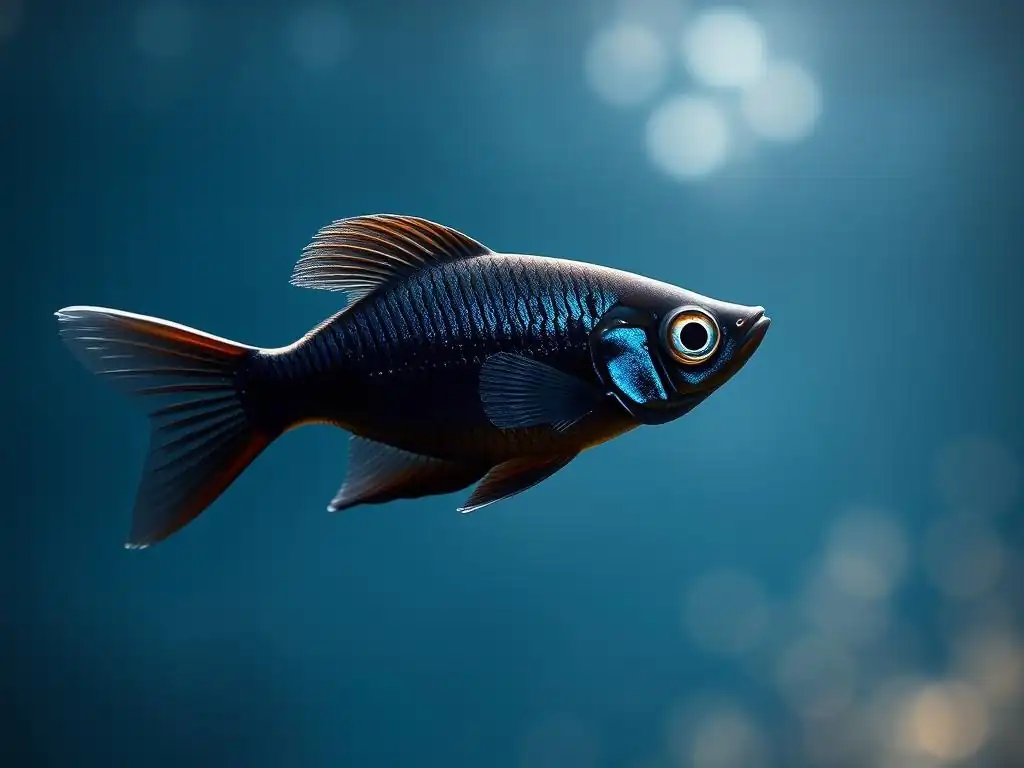
Distinguishing between male and female Black Phantom Tetras is relatively straightforward due to clear sexual dimorphism, particularly noticeable in their body shape and fin development. Male Black Phantom Tetras are typically more slender and possess significantly more elongated and pointed dorsal and anal fins, which become even more pronounced during courtship or display. Their overall body coloration tends to be a deeper, more intense black, and during periods of display, their fins can exhibit a vibrant reddish tint, adding to their dramatic appearance.
In contrast, female Black Phantom Tetras are generally rounder and fuller-bodied, especially when gravid (carrying eggs), and are slightly larger than males. Their fins are shorter and more rounded, lacking the dramatic elongation seen in males.
A unique and distinguishing feature of females is the presence of a distinct reddish coloration on their adipose fin (the small, fleshy fin between the dorsal and caudal fins) and around the base of their pectoral fins. This reddish hue often contrasts beautifully with their generally lighter grey body, making identification easy for aquarists focused on specific Black phantom tetra care aspects like breeding.
Color Variations and Fin Development
The fundamental coloration of the Black Phantom Tetra is a deep, velvety black or dark grey, which can appear almost translucent in certain lighting conditions, particularly in females. A defining characteristic is the prominent vertical black spot located just behind the gill plate, often encircled by a striking iridescent halo. The intensity of this black body color can fluctuate based on the fish's stress levels, water quality, and overall health; a vibrant, deep black typically indicates a healthy and comfortable fish.
Fin development is a key aspect of their aesthetic appeal. While both sexes possess the characteristic single black shoulder spot, the males' fins undergo significant development. Their dorsal, anal, and caudal fins become noticeably longer and more flowing, creating a graceful silhouette. Some males may also exhibit a subtle reddish-orange tint along the edges of their fins, which intensifies during breeding displays. This elegant dark body with contrasting fin characteristics is a major draw for aquarists, and maintaining these features is a testament to excellent Black phantom tetra care.
Setting Up the Ideal Black Phantom Tetra Tank Environment
Tank Size Recommendations for Black Phantom Tetras
For a small school of 6-8 Black Phantom Tetras, a minimum tank size of 15-20 gallons (approximately 57-76 liters) is recommended. This volume provides sufficient swimming space for these active schooling fish and helps maintain stable water parameters by diluting waste products more effectively. The horizontal dimension of the tank is more important than height, as they prefer to swim across the tank rather than up and down.
However, for a larger, more robust school of 10 or more individuals, or when planning a diverse community tank, a 30-gallon (approximately 114 liters) or larger aquarium is highly preferable. A larger tank offers enhanced stability in water chemistry, reduces the likelihood of territorial disputes among males, and provides ample room for their natural schooling behaviors to unfold beautifully. Providing generous space is a crucial element of comprehensive Black phantom tetra care, contributing significantly to their long-term health and well-being.
Water Parameters: Achieving Optimal Conditions for Black Phantom Tetras
Maintaining stable and appropriate water parameters is the single most critical factor for the health and longevity of Black Phantom Tetras. These fish are sensitive to sudden fluctuations in their environment, which can lead to significant stress, weaken their immune systems, and make them susceptible to various diseases. Regular and accurate testing of your aquarium water using reliable liquid test kits is absolutely essential to monitor these parameters effectively.
While Black Phantom Tetras can tolerate slight deviations from their ideal range, consistency is paramount. Frequent, minor shifts in temperature or pH are far more detrimental than maintaining parameters slightly outside the "perfect" range, provided they remain stable. This aspect of Black phantom tetra care emphasizes that a steady environment reduces stress, promotes natural behaviors, and ensures these elegant fish thrive for years.
Temperature, pH, and Hardness: Specific Requirements
Black Phantom Tetras thrive in tropical water temperatures ranging from 72°F to 79°F (22°C to 26°C). Maintaining a consistent temperature within this range is vital, and a reliable aquarium heater with a thermostat is usually necessary to prevent significant temperature swings. Fluctuations exceeding 2-3°F (1-2°C) over a short period can induce stress and compromise their health.
They prefer soft to moderately hard water, with a general hardness (GH) ideally between 2-10 dGH and a carbonate hardness (KH) of 3-8 dKH. The ideal pH range is slightly acidic to neutral, specifically between 5.5 and 7.0. Achieving these parameters often involves using reverse osmosis (RO/DI) water remineralized to the correct levels, or incorporating natural elements like peat filtration or high-quality driftwood, which can naturally lower pH and soften the water, as part of thorough Black phantom tetra care.
Substrate and Decorations: Creating a Natural Habitat
For Black Phantom Tetras, a dark, fine-grained substrate like sand or small-grain gravel is ideal. This type of substrate not only mimics their natural riverbed environment but also helps to enhance their vibrant coloration by reducing reflective light from the tank bottom, making their dark bodies appear even more striking. Avoid coarse or sharp-edged substrates that could potentially injure their delicate fins.
The primary goal when decorating a Black Phantom Tetra tank is to create a sense of security and replicate their natural habitat. This means providing ample hiding spots and areas where they can retreat when feeling stressed or needing a break from social interactions. A well-decorated tank also helps to diffuse intense lighting, which is appreciated by these somewhat shy fish, contributing to a comfortable and engaging environment, a key component of effective Black phantom tetra care.
Plant Selection for Black Phantom Tetra Tanks
Densely planted areas are highly beneficial for Black Phantom Tetras, offering essential cover and significantly reducing stress levels. Excellent choices include broad-leaved plants such as Anubias species (e.g., Anubias barteri) or Amazon Swords ( Echinodorus amazonicus), which provide ideal resting spots and shade. Stem plants like Rotala or Ludwigia species can be planted densely to create thickets and intricate swimming paths for exploration and hiding.
Live plants contribute immensely to the overall health and stability of the aquarium ecosystem. They absorb nitrates, produce oxygen, and create a more natural and stimulating environment. Floating plants such, as Frogbit ( Limnobium laevigatum) or Dwarf Water Lettuce ( Pistia stratiotes), are also highly recommended as they dim the overhead lighting, which Black Phantom Tetras prefer, further enhancing their comfort and natural behaviors within a well-rounded Black phantom tetra care setup.
Driftwood and Rockwork Considerations
Incorporating driftwood into a Black Phantom Tetra tank is highly recommended for several reasons. Beyond providing natural aesthetics and additional hiding places, many types of driftwood, such as Malaysian or Manzanita, will slowly release tannins into the water. These tannins can subtly lower the pH and soften the water, effectively mimicking the blackwater conditions of their native habitat and promoting their well-being. Always ensure any driftwood is properly cured and leached before adding it to the aquarium to prevent excessive discoloration or rapid changes in water chemistry.
Smooth, non-porous rocks can also be used to create natural-looking caves or crevices, offering additional points of interest and security. Arrange rocks and driftwood to form varied landscapes, ensuring there are both open swimming areas and densely decorated zones. This balance provides the fish with ample space to school while also offering secure retreats, which is vital for reducing stress and promoting natural behaviors, a key aspect of successful Black phantom tetra care.
Filtration and Water Quality for Black Phantom Tetras
A robust and efficient filtration system is crucial for maintaining pristine water quality, which is paramount for the health of Black Phantom Tetras. A hang-on-back (HOB) filter or a canister filter with adequate mechanical (for particulate removal), biological (for ammonia/nitrite conversion), and chemical (e.g., activated carbon for clarity) media is highly recommended. For instance, a 20-gallon tank would benefit from a filter rated for 30-40 gallons to ensure excellent circulation and filtration capacity, keeping nitrate levels low and stable.
While Black Phantom Tetras prefer calm water, gentle water movement is beneficial for oxygenation and preventing stagnant areas where waste might accumulate. An air stone can supplement oxygen levels if the tank is heavily planted or if surface agitation from the filter is insufficient. Regular filter maintenance, including cleaning mechanical media and gently rinsing biological media in old tank water (never tap water, to preserve beneficial bacteria), is essential to prevent the buildup of harmful toxins and ensure optimal Black phantom tetra care.
Black Phantom Tetra Diet and Feeding
What to Feed Black Phantom Tetras: A Balanced Diet
Black Phantom Tetras are omnivores and require a varied and balanced diet to maintain their vibrant coloration, strong immune system, and overall health. A high-quality flake food or micro-pellet specifically formulated for small community fish should form the staple of their daily diet. When selecting commercial foods, look for products that list fish meal or other animal proteins as primary ingredients, supplemented with essential vitamins and plant-based components.
A diversified diet is crucial for preventing nutritional deficiencies and encouraging their natural foraging behaviors. Incorporating a range of food types ensures they receive all necessary macronutrients and micronutrients, which directly contributes to their longevity and vitality. This commitment to varied nutrition is a fundamental aspect of comprehensive Black phantom tetra care, ensuring your fish thrive in the long term.
Live, Frozen, and Flake Foods: Nutritional Value
Supplementing their staple diet with live or frozen foods is highly beneficial for Black Phantom Tetras. Excellent choices include brine shrimp, daphnia, and bloodworms (offered sparingly as a treat due to their rich content). These foods are rich in protein and essential fatty acids, promoting robust growth and vibrant colors. Furthermore, the act of hunting live or frozen prey provides mental stimulation and enrichment. For example, feeding frozen daphnia twice a week can significantly boost their overall health and vitality.
While flakes and pellets offer convenience, the quality varies significantly. Always opt for reputable brands that provide balanced nutrition and avoid generic or low-quality foods that may contain excessive fillers and lack essential nutrients. For smaller individuals, crushing flakes into finer pieces might be necessary to ensure easy consumption. This careful selection and rotation of food types is a critical component of successful Black phantom tetra care guide practices, directly impacting their well-being.
Feeding Schedule and Preventing Overfeeding
Black Phantom Tetras should be fed small amounts 1-2 times per day. The general rule of thumb is to provide only what they can consume entirely within 2-3 minutes. Overfeeding is a common mistake among aquarists and can lead to a cascade of problems, including compromised water quality and digestive issues in the fish themselves.
Excess food that remains uneaten will decompose, leading to a rapid increase in ammonia, nitrite, and ultimately nitrate levels, all of which are toxic to fish. Overfeeding can also cause bloating, fatty liver disease, and swim bladder issues in the fish. A simple way to assess if you're feeding too much is to observe if any food remains on the substrate after five minutes; if so, reduce the portion size for subsequent feedings. Adhering to a strict feeding regimen is fundamental to effective Black phantom tetra care and maintaining a healthy aquarium environment.
Black Phantom Tetra Tank Mates: Compatibility and Schooling
Best Tank Mates for Black Phantom Tetras
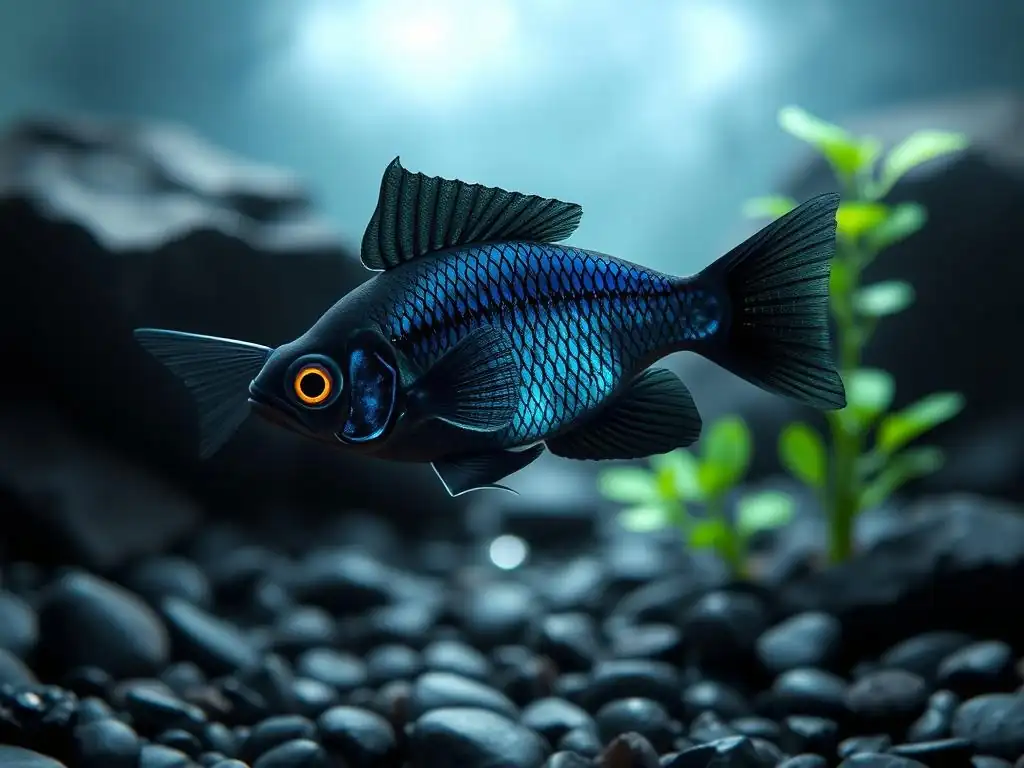
Black Phantom Tetras are inherently peaceful community fish, making them excellent candidates for a diverse aquarium setup. They thrive when housed with other non-aggressive, similarly sized fish that prefer similar water parameters. The ideal tank mates will not have long, flowing fins that could be perceived as tempting targets for nipping, nor should they be large or predatory enough to view the tetras as a food source.
Good choices for companions include other small, peaceful tetra species such as Neon Tetras ( Paracheirodon innesi), Ember Tetras ( Hyphessobrycon amandae), or Rummy Nose Tetras ( Hemigrammus rhodostomus). Peaceful bottom-dwellers like Corydoras catfish ( Corydoras spp.) and Otocinclus catfish ( Otocinclus spp.) are also excellent additions, as are small, tranquil gouramis such as Dwarf Gouramis ( Trichogaster lalius). A carefully selected community enhances the overall appeal and health of the tank, a key consideration in a comprehensive Black phantom tetra care guide.
Compatible Tetra Species
Many other species within the Hyphessobrycon genus and related tetra families make excellent companions for Black Phantom Tetras. For instance, the highly popular Cardinal Tetras ( Paracheirodon axelrodi) share similar water parameter preferences and a peaceful disposition, offering a vibrant splash of color that beautifully contrasts with the Black Phantoms. Similarly, Lemon Tetras ( Hyphessobrycon pulchripinnis) and Glowlight Tetras ( Hemigrammus erythrozonus) are also suitable due to their comparable size and temperament.
Housing multiple tetra species can create a dynamic and visually stunning display, showcasing a variety of schooling patterns and colorations. However, it is crucial to ensure that each tetra species has its own school of at least 6-8 individuals to maintain their comfort, reduce stress, and encourage their natural schooling behaviors. This approach maximizes the aesthetic and behavioral benefits within a well-planned Black phantom tetra care setup, fostering a harmonious and engaging aquatic environment.
Community Fish to Avoid
When selecting tank mates for Black Phantom Tetras, it is crucial to avoid aggressive or notoriously fin-nipping fish. Species like Tiger Barbs ( Puntigrus tetrazona) are generally not recommended, as they are known for their propensity to nip at the fins of slower-moving or long-finned fish, which could include the elongated fins of male Black Phantoms. Similarly, larger or more aggressive cichlids, even those considered "dwarf" species, can pose a threat as they may prey on smaller tetras or stress them out through territorial disputes.
Furthermore, any fish that is significantly larger or possesses a predatory nature should be avoided, as Black Phantom Tetras could easily become a food source. This includes various larger gouramis, some overly boisterous or fast-moving Danios that might outcompete them for food, or any fish with a mouth large enough to swallow a 1.5-inch tetra. Careful and informed selection of tank mates is paramount for creating a harmonious and stress-free environment, a critical aspect of successful Black phantom tetra care.
Schooling Behavior: Maintaining a Healthy School
Black Phantom Tetras are obligate schooling fish, meaning they absolutely require the presence of their own kind to thrive. Keeping them in groups of at least 6 individuals is the absolute minimum, but they display their most natural and fascinating behaviors when housed in larger schools of 10 or more. A larger school provides a sense of security, significantly reduces individual stress, and encourages their characteristic coordinated swimming patterns and social interactions, including the captivating "mock fights" between males.
When kept in insufficient numbers, Black Phantom Tetras can become shy, withdrawn, and prone to stress, which can manifest as faded coloration, lethargy, or even aggression towards other tank inhabitants. A healthy and adequately sized school will actively swim together, exhibit vibrant colors, and engage in their natural social dynamics. Observing these cohesive movements and interactions is one of the great joys of keeping this species, underscoring that providing a proper school size is central to effective Black phantom tetra care.
Black Phantom Tetra Breeding: A Detailed Guide
Setting Up a Breeding Tank for Black Phantom Tetras
To successfully breed Black Phantom Tetras, a dedicated breeding tank is highly recommended, typically ranging from 5-10 gallons (approximately 19-38 liters) in size. The tank should be kept dimly lit, as these fish prefer to spawn in subdued light. Crucially, the tank should contain plenty of fine-leaved plants, such as Java Moss ( Taxiphyllum barbieri), or artificial spawning mops. These provide ideal surfaces for the fish to scatter their adhesive eggs. A bare bottom or a layer of marbles on the bottom can help prevent the adult fish from consuming the eggs after spawning.
Water parameters in the breeding tank are critical for successful spawning and egg hatching. Aim for very soft, acidic water, specifically a pH of 5.5-6.5 and extremely low hardness (GH 1-5 dGH). The temperature should be slightly elevated to encourage spawning, ideally between 78-82°F (25.5-27.8°C). Achieving these precise conditions often involves using reverse osmosis (RO/DI) water with minimal remineralization or employing peat filtration to naturally lower pH and hardness, vital steps for a detailed Black phantom tetra care guide focused on reproduction.
Spawning Behavior and Egg Care
Once the breeding tank is set up with optimal parameters, introduce a conditioned pair or a small group (e.g., two males to three females) in the evening. Spawning typically occurs the following morning, often at dawn. The female will scatter her adhesive eggs, usually between 100-300, among the fine-leaved plants or spawning mop fibers, while the male follows closely behind, fertilizing them. Black Phantom Tetras are known to be egg eaters, so it is imperative to remove the adult fish from the breeding tank immediately after spawning is observed to protect the eggs.
The eggs are small, clear, and adhesive, making them somewhat challenging to spot amidst the plants. At optimal temperatures, the eggs typically hatch within 24-36 hours. During this incubation period, maintaining pristine water quality is crucial, as fungal infections can rapidly decimate the egg clutch. Adding a small amount of methylene blue to the water can help prevent fungal growth without harming the developing embryos, an advanced tip for dedicated Black phantom tetra care during the breeding process.
Raising Black Phantom Tetra Fry
Black Phantom Tetra fry are incredibly tiny and require specialized care for their initial days after becoming free-swimming, which typically occurs 3-5 days post-hatch. Their first food should be infusoria or a high-quality liquid fry food, fed multiple times a day. As they grow over the next few days, they can gradually transition to larger foods such as newly hatched brine shrimp or micro-worms, which provide essential protein for rapid development.
Maintaining excellent water quality in the fry tank is paramount for high survival rates. Perform frequent, small water changes (10-15% daily or every other day) using temperature-matched, dechlorinated water to remove waste and replenish minerals. A sponge filter is ideal for fry tanks as it provides gentle filtration without the risk of sucking up the delicate fry. Consistent feeding and pristine water conditions are the cornerstones of successful fry rearing, showcasing the commitment required in advanced Black phantom tetra care.
Common Black Phantom Tetra Diseases and Health Issues
Identifying Signs of Illness in Black Phantom Tetras
Early detection of illness is crucial for successful treatment and preventing the spread of disease within your aquarium. Keep a close eye on your Black Phantom Tetras for any behavioral changes, such as unusual lethargy, prolonged hiding, loss of appetite, erratic swimming patterns, or rubbing their bodies against tank objects. Observe their schooling dynamics; a healthy school moves cohesively, while sick individuals may separate themselves or exhibit uncharacteristic aggression.
Beyond behavior, look for physical symptoms that indicate health issues. These include clamped fins, faded or dull coloration, the appearance of small white spots resembling salt grains (Ich), fuzzy white or grey growths (fungus), red streaks on the body or fins, a bloated appearance, or frayed and ragged fins. Any visible lesions, unusual growths, or persistent discoloration warrant immediate attention and investigation. A keen eye for these subtle signs is a vital part of effective Black phantom tetra care.
Preventing Common Diseases: Maintaining Optimal Conditions
The most effective defense against common diseases in Black Phantom Tetras is proactive prevention. This primarily involves maintaining stable and pristine water parameters within their preferred range (temperature 72-79°F, pH 5.5-7.0, GH 2-10 dGH). Providing a balanced and varied diet, as discussed previously, ensures they receive all necessary nutrients for a robust immune system. Additionally, avoiding overcrowding in the tank reduces stress and the concentration of waste products. Regular water changes, such as 25% weekly for a 20-gallon tank, are essential for removing accumulated nitrates and replenishing vital minerals.
Another critical preventative measure is always quarantining new fish for at least 2-4 weeks before introducing them to your main display tank. This practice helps prevent the introduction of pathogens that could decimate your existing fish population. Minimizing stress through providing ample hiding spots, compatible tank mates, and consistent care routines significantly boosts their natural immunity. These preventative steps are foundational to any good Black phantom tetra care guide, ensuring a healthy and thriving aquatic environment.
Treating Common Black Phantom Tetra Ailments
If illness is detected, prompt and accurate action is necessary to prevent the condition from worsening or spreading. If possible, isolate affected fish in a separate hospital tank. This allows for targeted treatment without exposing beneficial bacteria in the main tank filter or sensitive invertebrates and plants to medications. Always meticulously follow the instructions and dosage recommendations provided with any aquarium medication.
Accurate diagnosis is paramount for effective treatment. For instance, bacterial infections often manifest as red streaks, fin rot, or ulcers and require specific antibacterial medications. Fungal infections, which appear as fuzzy white or grey growths, necessitate antifungal treatments. Misdiagnosis and the use of incorrect medication can worsen the fish's condition or even prove fatal. Researching symptoms thoroughly, consulting with experienced aquarists, or seeking advice from a reputable fish veterinarian can aid in proper identification, which is crucial for successful Black phantom tetra care.
Ich (White Spot Disease) and Treatment
Ich ( Ichthyophthirius multifiliis), commonly known as White Spot Disease, is one of the most prevalent parasitic infections in freshwater aquariums. It is characterized by the appearance of small, white spots resembling grains of salt on the fish's body, fins, and sometimes gills. Affected Black Phantom Tetras may also exhibit rapid gill movement, lethargy, loss of appetite, and frequently rub themselves against tank objects or substrate due to irritation.
Treatment for Ich typically involves a combination of environmental adjustments and medication. Gradually raising the water temperature to 82-84°F (28-29°C) for 10-14 days (if compatible with all tank mates and plants) helps to speed up the parasite's life cycle, making it more vulnerable to treatment. This is usually combined with an Ich medication containing active ingredients like malachite green or formalin.
It is essential to remove activated carbon from the filter during treatment, as it will absorb the medication. Daily gravel vacuums and partial water changes (e.g., 25%) are also recommended to remove free-swimming parasites from the water column. This specific treatment protocol is a key part of practical Black phantom tetra care for this common ailment.
Maintaining a Thriving Black Phantom Tetra Aquarium: A Checklist
Regular Water Changes and Testing
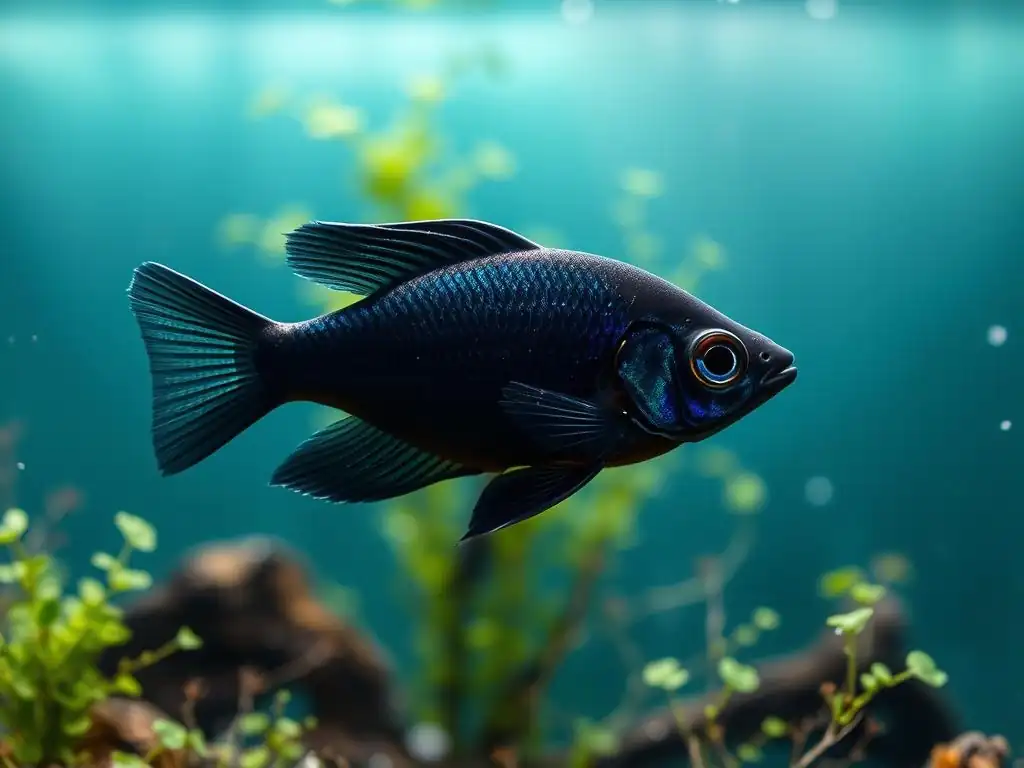
Regular water changes are perhaps the most critical ongoing maintenance task for a thriving Black Phantom Tetra aquarium. Perform weekly or bi-weekly water changes of 20-30% of the tank volume. For example, in a 20-gallon tank, this means changing 4-6 gallons of water. Always use dechlorinated, temperature-matched water to prevent shock to your fish. This practice effectively removes accumulated nitrates and other pollutants while replenishing essential minerals that are depleted over time.
Consistent water testing is equally important. Test your water parameters (ammonia, nitrite, nitrate, pH, GH, and KH) weekly, especially during the initial cycling phase of a new tank or if any issues arise. Consistent monitoring helps you identify potential problems, such as a spike in ammonia or nitrite, before they become severe and compromise the health of your Black Phantom Tetras. Proactive testing and corrective action are fundamental to optimal Black phantom tetra care.
Plant Maintenance and Algae Control
If you have live plants in your Black Phantom Tetra tank, regular maintenance is essential for their health and the overall ecosystem. Trim overgrown plants to prevent them from shading out others or blocking swimming paths. Promptly remove any decaying plant matter, as it can decompose and contribute to increased ammonia levels, negatively impacting water quality. Healthy, thriving plants contribute significantly to a stable aquatic environment by absorbing nitrates and providing oxygen.
While some algae growth is natural and even beneficial, excessive algae can indicate an imbalance in your aquarium (e.g., too much light or excess nutrients). Control algae by reducing light duration (aim for 8-10 hours daily), limiting nutrient input (avoid overfeeding and ensure regular water changes), and considering the introduction of algae-eating invertebrates like Nerite snails ( Neritina natalensis) or Otocinclus catfish. Balanced algae control is an integral part of holistic Black phantom tetra care.
Observation and Early Intervention
Develop a routine of spending a few minutes each day observing your Black Phantom Tetras. Look for any subtle changes in their behavior, such as altered swimming patterns, unusual hiding, or a lack of interest in food. Pay attention to their physical appearance for any signs of illness, such as faded coloration, clamped fins, or unusual spots. Early detection of problems allows for prompt intervention before conditions escalate and become more difficult to treat.
If a fish appears sick, isolate it in a hospital tank if possible to prevent the spread of disease and allow for targeted treatment. If water parameters are off, take immediate corrective action through water changes or other adjustments. Proactive management and quick responses to any deviations from the norm are crucial for the long-term success and well-being of your Black phantom tetra care efforts, ensuring a thriving and vibrant aquarium.
Black Phantom Tetra: Frequently Asked Questions
What is the typical lifespan of a Black Phantom Tetra?
With appropriate and consistent care, a Black Phantom Tetra typically lives for 3 to 5 years in a well-maintained home aquarium. Their lifespan is significantly influenced by the quality of their environment, diet, and overall stress levels. Providing a stable and pristine habitat, free from fluctuations in water parameters, is key to maximizing their longevity.
Factors that contribute to a longer lifespan include maintaining optimal water parameters (temperature 72-79°F, pH 5.5-7.0, soft water), a high-quality and varied diet, minimal stress from overcrowding or incompatible tank mates, and a spacious, appropriately decorated tank environment. Conversely, poor water quality, inconsistent feeding, and chronic stress can considerably shorten their lifespan, sometimes to less than two years. Providing optimal Black phantom tetra care directly correlates with how long these elegant fish will grace your aquarium.
Are Black Phantom Tetras aggressive?
Black Phantom Tetras are generally peaceful fish, making them excellent candidates for most community aquariums. They are not known for outright aggression towards other fish species, especially when kept in appropriate group sizes. Their calm disposition allows them to coexist harmoniously with a wide range of similarly sized, non-aggressive tank mates.
While males do engage in fascinating "mock fights" or displays, this behavior is a natural part of their social hierarchy within the school and is almost always non-harmful. These displays involve flaring fins and circling each other, but rarely result in physical injury.
Fin nipping is rare but can occur if they are kept in insufficient numbers (less than 6 individuals), are severely stressed, or if tank mates have extremely long, flowing fins that might tempt them. Proper schooling and careful tank mate selection, as advised in this Black phantom tetra care guide, are crucial for preventing such issues and ensuring a peaceful tank.
Why is my Black Phantom Tetra fin nipping?
If a Black Phantom Tetra is observed fin nipping, it is almost always a sign of stress or improper tank conditions rather than inherent aggression. The most common cause of fin nipping in this species is being kept in too small a group (fewer than 6 individuals). When Black Phantom Tetras are not in a sufficiently large school, they can become insecure and stressed, which may lead to nipping at the fins of other fish out of anxiety or misdirected schooling behavior.
Other contributing factors to fin nipping can include overcrowding in the tank, a lack of adequate hiding places, or the presence of highly stressed or very slow-moving tank mates that become easy targets. Ensuring a minimum school size of 6-10 individuals, providing a well-planted environment with plenty of cover, and consistently maintaining stable and optimal water parameters are key steps to resolving and preventing this behavior. Addressing these environmental and social needs is a critical aspect of effective Black phantom tetra care.
Conclusion: Mastering Black Phantom Tetra Care
Mastering Black Phantom Tetra care involves a dedicated commitment to replicating their preferred natural habitat and understanding their unique needs. This includes providing soft, slightly acidic water within a stable temperature range, establishing a well-planted environment with ample hiding spots, and incorporating driftwood to mimic their blackwater origins. Furthermore, offering a high-quality, varied diet and diligently maintaining pristine water quality through regular testing and consistent water changes are fundamental pillars of their long-term health.
By diligently adhering to the comprehensive guidelines outlined in this Black phantom tetra care guide, aquarists can confidently provide an optimal environment for these elegant fish. Their peaceful nature, captivating schooling behaviors, and subtle yet striking beauty make them a profoundly rewarding addition to any freshwater community aquarium. With proper care, Black Phantom Tetras will not only thrive for their full lifespan of 3-5 years but also enrich the aquatic experience, becoming a true highlight for hobbyists of all levels.
Frequently Asked Questions
How difficult is it to care for Black Phantom Tetras?
Black Phantom Tetras are generally considered easy to moderately difficult to care for. They are hardy fish but require stable water parameters and a well-maintained aquarium.
What is the ideal tank size for a school of Black Phantom Tetras?
A minimum of 20 gallons is recommended for a school of 6-8 Black Phantom Tetras. This allows them ample swimming space and helps maintain water quality.
What are some good tank mates for Black Phantom Tetras?
Black Phantom Tetras are peaceful and do well with other peaceful community fish of similar size. Good tank mates include other tetras, rasboras, and small catfish like Corydoras.
What should I feed my Black Phantom Tetras?
They readily accept a variety of foods, including high-quality flake food, frozen foods (like bloodworms and daphnia), and small live foods. A varied diet will promote their health and coloration.
What are some common health issues to watch out for in Black Phantom Tetras?
Common issues include Ich (white spot disease) and other parasitic or fungal infections. Maintaining good water quality and quarantining new fish are important preventative measures.
Final Reflection: Unveiling the Depths of Aquatic Elegance
The journey into understanding the Black Phantom Tetra, as explored in this guide, transcends mere fishkeeping; it delves into the appreciation of subtle beauty and the responsibility of creating thriving ecosystems. These captivating creatures, with their enigmatic allure, remind us that even the smallest inhabitants of our planet deserve our utmost care and respect. Their well-being is a direct reflection of our own commitment to a balanced and harmonious world.
The influence of responsible aquarium keeping, particularly when focused on species like the Black Phantom Tetra, extends far beyond the glass walls of a tank. It fosters a deeper understanding of aquatic environments and the delicate interconnectedness of life within them. In the end, we will conserve only what we love; we will love only what we understand; and we will understand only what we are taught.
- Baba Dioum. This quote perfectly encapsulates the importance of education and awareness in promoting conservation efforts, starting with the microcosm of our own aquariums.
Now, as you embark on or continue your journey with Black Phantom Tetras, consider the profound impact your choices have. Let this guide serve not only as a practical resource, but also as an invitation to reflect on your role as a steward of these miniature ecosystems. Embrace the challenge of providing optimal care, and in doing so, discover a deeper connection to the natural world and the quiet elegance that thrives within its depths.
Unveil the Secrets of Your Black Phantom Tetra!
Thank you for diving into the enigmatic world of Black Phantom Tetras! We hope you've discovered the keys to unlocking their full potential and enjoying their captivating beauty. Now, let's turn that newfound knowledge into action!
Here are a few ways to deepen your connection with these fascinating fish:
- Immediately assess your tank environment: Is it truly optimized for Paracheirodon simulans, mimicking their natural habitat with soft, acidic water and ample hiding spots? Make adjustments accordingly to see a dramatic improvement in their coloration and behavior.
- Share your experiences! Join our community forum at Aquarium Mastery and post photos or videos of your Black Phantom Tetras, detailing your setup and any challenges you've overcome.
- Think outside the box: Try introducing live blackworm feedings to observe their natural hunting behavior - it’s a rare sight in captivity!
What unique aquascaping element could you add to your tank this week to further enhance your Black Phantom Tetras’ sense of security and encourage even more stunning displays?