
The Lifespan of a Swordtail: Maximizing Their Years with Optimal Care

Welcome to Aquarium Mastery!
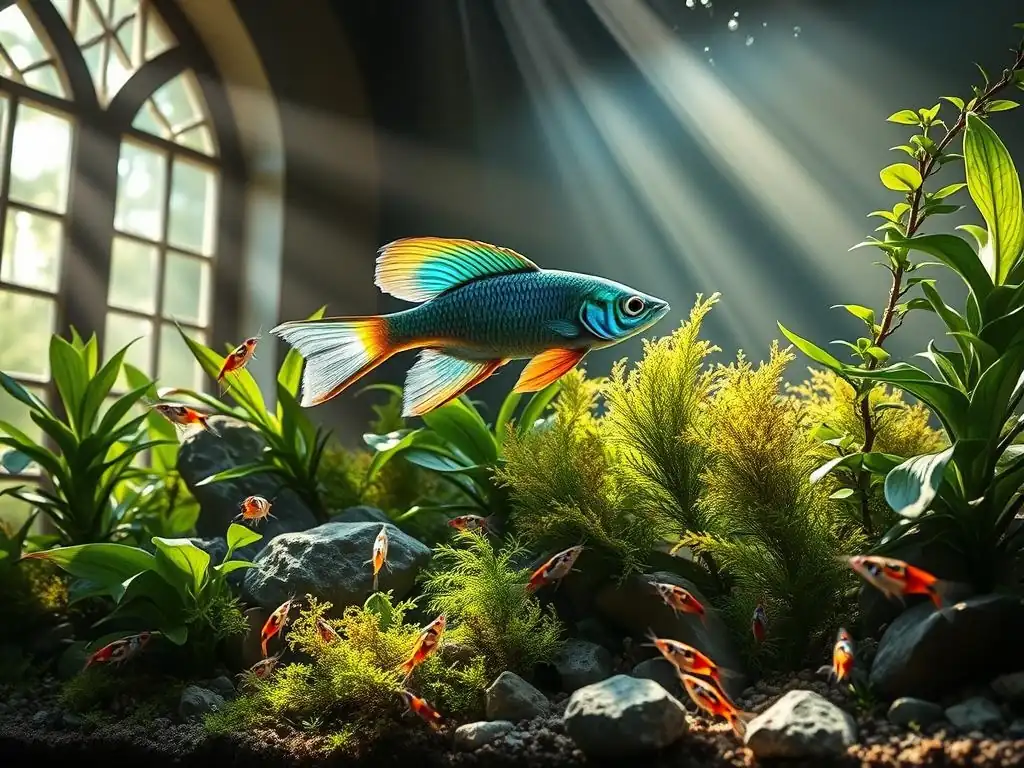
Ever wondered how to unlock the secret to a long and vibrant life for your Swordtail fish? Dive in and discover the essentials of Swordtail fish lifespan care. We're here to guide you through every fin-tastic detail, from optimal water parameters to nutritious diets, ensuring your aquatic companions thrive for years to come. Ready to learn more and maximize their lifespan? Let's explore!
- Understanding Swordtail Lifespan: Factors Influencing Longevity
- Optimal Tank Conditions for Extending Swordtail Life
- Swordtail Diet and Nutrition for a Long and Healthy Life
- Preventing and Treating Common Swordtail Diseases
- Swordtail Care Throughout Their Life Stages
- Breeding Considerations and Their Impact on Swordtail Lifespan
- Advanced Swordtail Care Techniques for Maximizing Lifespan
- Common Mistakes That Shorten Swordtail Lifespan
- Conclusion: Ensuring a Long and Fulfilling Life for Your Swordtails
-
Frequently Asked Questions
- How long do swordtail fish typically live?
- What are the most important factors in maximizing a swordtail's lifespan?
- What are some common diseases that can shorten a swordtail's lifespan?
- What kind of diet is best for ensuring a long lifespan for swordtails?
- How does tank size and tank mates affect a swordtail's lifespan?
- Final Reflection: Nurturing Life's Delicate Balance
- Nurture a Thriving Swordtail Family!
Understanding Swordtail Lifespan: Factors Influencing Longevity
Average Swordtail Life Expectancy in Captivity
The average Swordtail fish lifespan in captivity typically ranges from 3 to 5 years, though exceptionally well-cared-for individuals can sometimes exceed this, reaching up to 6 years. This longevity is heavily influenced by the quality of their environment, diet, and the specific genetic lineage of the fish. Unlike some shorter-lived livebearers, Swordtails, particularly the common Green Swordtail ( Xiphophorus hellerii), possess a robust nature that allows them to thrive for a significant period when their needs are consistently met.
Factors such as stable water parameters, a nutritious diet, and a stress-free environment are paramount in achieving the upper end of this lifespan spectrum. For instance, a Swordtail kept in a consistently overcrowded or poorly maintained tank might only live for 1-2 years due to chronic stress and disease susceptibility, highlighting the critical role of diligent Swordtail fish lifespan care.
Genetic Predisposition and Swordtail Health
Genetics play a crucial role in determining a Swordtail's inherent health and potential lifespan. Just like in any species, some Swordtails are born with stronger immune systems and greater resilience to environmental stressors due to their genetic makeup. Conversely, individuals from weak genetic lines may be more prone to common ailments such as fin rot, Ich, or internal parasites, which can significantly shorten their lives even under good care.
Inherited conditions, though less common in commercially bred Swordtails, can also impact longevity. Responsible breeding practices aim to select healthy, vigorous fish for reproduction, thereby improving the genetic robustness of subsequent generations and contributing positively to the overall Swordtail fish lifespan care outcomes.
Impact of Selective Breeding on Swordtail Lifespan
Selective breeding, while responsible for the stunning array of Swordtail varieties seen today (e.g., Red Wag, Pineapple, Lyretail), can sometimes have unintended consequences on their lifespan. Breeders often prioritize traits like vibrant coloration, unique finnage, or specific body shapes. In some cases, intensive line breeding for these aesthetic traits can inadvertently lead to a reduction in genetic diversity and robustness, making certain strains more susceptible to health issues.
For example, Swordtails bred for exaggerated finnage, such as Lyretails, may experience reduced swimming ability or increased susceptibility to fin damage and bacterial infections, potentially impacting their overall Swordtail fish lifespan care. While these varieties are beautiful, it's important for aquarists to be aware that some highly specialized genetic lines might not live as long as their wild-type counterparts without exceptionally diligent care.
Optimal Tank Conditions for Extending Swordtail Life
Maintaining Ideal Water Parameters for Swordtails
Consistent and appropriate water parameters are the cornerstone of successful Swordtail fish lifespan care. Fluctuations in temperature, pH, or water hardness can cause significant stress, weakening the fish's immune system and making them vulnerable to disease. Regular testing and proactive adjustments are essential to create a stable and thriving environment that mimics their natural habitat.
Maintaining these ideal conditions not only prevents immediate health crises but also supports the long-term vitality of your Swordtails, allowing them to reach their full potential lifespan. This consistent stability is far more beneficial than reactive treatments after problems arise.
Temperature and pH Levels for Swordtail Health
Swordtails thrive in warm, slightly alkaline to neutral water conditions. The ideal temperature range for Swordtails is 72-82°F (22-28°C). Maintaining a stable temperature within this range is crucial, as sudden drops or spikes can induce stress and make them susceptible to Ich (white spot disease). A reliable aquarium heater with a thermostat is indispensable for this purpose, ensuring consistency even during ambient temperature changes.
Regarding pH, Swordtails prefer a range of 7.0 to 8.0. While they are somewhat adaptable, a pH outside this range can stress their systems, affecting their ability to properly absorb nutrients and expel waste. Regular monitoring with a liquid test kit, ideally weekly, allows for prompt adjustments to maintain these critical parameters for optimal Swordtail fish lifespan care.
The Importance of Water Changes for Long-Lived Swordtails
Regular partial water changes are arguably the single most important aspect of Swordtail fish lifespan care. They remove accumulated nitrates, phosphates, and other dissolved organic compounds that build up over time, which can become toxic if left unchecked. A recommended schedule is to perform a 25-30% water change weekly, or even twice a week for heavily stocked tanks.
This routine dilution of waste products significantly reduces stress on the fish's kidneys and immune system, preventing chronic health issues and promoting overall vitality. Fresh, dechlorinated water also replenishes essential trace minerals, contributing to a healthier environment and directly supporting a longer, more robust Swordtail fish lifespan.
Tank Size and Stocking Density: Preventing Stress and Disease
Providing an adequately sized tank with appropriate stocking density is vital for preventing stress and ensuring a long Swordtail fish lifespan. Swordtails are active swimmers and can grow up to 4-5 inches (10-12 cm) in length, particularly males with their prominent "sword" tail. A minimum tank size of 20 gallons (approx. 75 liters) is recommended for a small group (e.g., one male and two or three females). Larger tanks, such as 30 or 40 gallons, are even better, especially if you plan to keep multiple males or a community of fish.
Overcrowding leads to increased aggression (especially among males), higher waste production, and elevated stress levels, all of which compromise the fish's immune system and shorten their lives. A general guideline is to allow at least 1 gallon of water per inch of adult fish for active species like Swordtails, ensuring ample swimming space and reducing competition for resources.
Filtration and Aeration: Essential for Swordtail Wellbeing
Effective filtration and proper aeration are non-negotiable components of optimal Swordtail fish lifespan care. A robust filtration system, ideally an hang-on-back (HOB) filter or a canister filter, should provide mechanical, biological, and chemical filtration. Mechanical filtration removes particulate matter, keeping the water clear. Biological filtration, provided by beneficial bacteria colonizing the filter media, is crucial for converting toxic ammonia and nitrite into less harmful nitrate. Chemical filtration, often using activated carbon, removes odors, discoloration, and some dissolved impurities.
Adequate aeration ensures a high dissolved oxygen level in the water, which is vital for fish respiration and the health of beneficial bacteria. This can be achieved through the filter's outflow agitation, an air pump with an air stone, or live plants. Sufficient oxygen prevents respiratory distress and supports a healthy, vibrant aquatic environment conducive to a long Swordtail fish lifespan.
Swordtail Diet and Nutrition for a Long and Healthy Life
The Best Foods for Swordtail Health and Longevity
A varied and balanced diet is fundamental to maximizing Swordtail fish lifespan. Swordtails are omnivores, meaning they require a mix of both animal and plant-based foods. High-quality flake or pellet foods specifically formulated for livebearers should form the staple of their diet, providing essential vitamins, minerals, and proteins. Look for products that list fish meal, spirulina, and various vitamins among the primary ingredients.
Supplementing this staple with live or frozen foods such as brine shrimp, bloodworms, and daphnia provides crucial protein and enhances their coloration and vitality. Additionally, Swordtails benefit from vegetable matter; offering blanched zucchini, spinach, or spirulina flakes a few times a week can prevent digestive issues and mimic their natural foraging behaviors, contributing significantly to their long-term health.
Avoiding Overfeeding and Maintaining Water Quality
Overfeeding is a common mistake that severely impacts both water quality and Swordtail fish lifespan. Excess food decomposes rapidly, leading to a spike in ammonia and nitrite levels, which are highly toxic to fish. It also contributes to an accumulation of nitrates and phosphates, fostering algae growth and creating an unhealthy environment. Overfed fish can also suffer from digestive problems, swim bladder issues, and obesity, all of which shorten their lives.
To avoid overfeeding, offer small amounts of food two to three times a day, only what your fish can consume within 2-3 minutes. If there's food left after this time, you're feeding too much. This practice not only maintains pristine water conditions but also encourages active foraging behavior, crucial for their overall wellbeing and a long Swordtail fish lifespan.
Supplementation for Optimal Swordtail Growth and Color
While a varied diet covers most nutritional needs, certain supplements can further enhance Swordtail growth, coloration, and bolster their immune system, contributing to a robust Swordtail fish lifespan. Foods enriched with spirulina or astaxanthin, for instance, are known to intensify the vibrant reds and oranges commonly found in many Swordtail varieties. These natural pigments also offer antioxidant benefits.
Additionally, some aquarists occasionally use liquid vitamin supplements designed for aquarium fish, adding a few drops to the water during water changes or soaking dry foods in them. These supplements can help fill any potential nutritional gaps, especially for fish recovering from illness or those in breeding programs, ensuring they have all the necessary building blocks for long-term health and vitality.
Preventing and Treating Common Swordtail Diseases
Recognizing Early Signs of Illness in Swordtails
Early detection of illness is crucial for effective treatment and for ensuring a long Swordtail fish lifespan. Healthy Swordtails are active, alert, and exhibit vibrant coloration. They swim smoothly, have intact fins, and show a keen interest in food. Any deviation from this normal behavior should be a cause for concern.
Watch for signs such as clamped fins (held close to the body), lethargy or unusual hiding, rapid or labored breathing, loss of appetite, white spots (Ich), fuzzy growths (fungus), frayed or ragged fins (fin rot), red streaks, or a bloated appearance. Observing these symptoms promptly allows for quicker intervention, significantly increasing the chances of successful recovery and preventing the spread of disease to other tank inhabitants.
Treating Common Swordtail Ailments: Fin Rot, Ich, and Parasites
When addressing common Swordtail ailments, prompt and accurate treatment is key to preserving their Swordtail fish lifespan.
- Fin Rot: Often caused by poor water quality or injury, fin rot manifests as frayed or disintegrating fins. Mild cases can often be resolved with meticulous water changes and improved tank hygiene. More severe cases may require a broad-spectrum antibacterial medication, such as those containing erythromycin or furan-2, administered according to product instructions.
- Ich (White Spot Disease): Characterized by small, white spots resembling salt grains on the body and fins. This highly contagious parasitic infection is often triggered by temperature fluctuations or stress. Treatment typically involves slowly raising the tank temperature to 82-84°F (28-29°C) (if compatible with tank mates and well-aerated) and using an Ich-specific medication containing malachite green or formalin, following the recommended dosage and duration for effective Swordtail fish lifespan care.
- Parasites (Internal and External): External parasites like flukes can cause flashing (fish rubbing against objects) or excessive mucus. Internal parasites may lead to emaciation despite eating. Specific anti-parasitic medications, often containing praziquantel for flukes or metronidazole for internal flagellates, are available. Always diagnose as accurately as possible and use the correct medication, as misdiagnosis can harm the fish.
Quarantine Procedures for New Swordtails: Preventing Disease Spread
Implementing a strict quarantine procedure for all new Swordtails (and any new fish) is one of the most effective preventative measures in Swordtail fish lifespan care. A separate, smaller "hospital" tank (e.g., 10-20 gallons) equipped with a heater, filter, and air stone is ideal for this purpose. New fish should be kept in this quarantine tank for a minimum of 2 to 4 weeks before being introduced to the main display aquarium.
During this period, observe the fish closely for any signs of disease, parasites, or unusual behavior. You can also proactively treat them with a mild broad-spectrum medication or a preventative salt dip if desired. This isolation period prevents the introduction of pathogens that could devastate your established fish population, safeguarding the health and longevity of all your Swordtails.
Swordtail Care Throughout Their Life Stages
Caring for Juvenile Swordtails: Ensuring Healthy Development
Caring for juvenile Swordtails, or fry, is critical for ensuring they develop into healthy adults with a robust Swordtail fish lifespan. Swordtail fry are born live and are relatively large compared to other livebearer fry. They require a separate "grow-out" tank to protect them from predation by adult fish and to provide optimal conditions for rapid growth. The fry tank should have stable water parameters, similar to the adults but with even greater emphasis on cleanliness.
Feeding is paramount: offer small, frequent meals (3-5 times daily) of specialized fry food, finely crushed high-quality flake food, baby brine shrimp nauplii, or microworms. This high-protein, easily digestible diet fuels their rapid development. Providing plenty of hiding spots, such as dense live plants or spawning mops, helps reduce stress and encourages healthy growth, contributing significantly to their future Swordtail fish lifespan.
Adult Swordtail Care: Maintaining Optimal Health and Vitality
Maintaining optimal health and vitality in adult Swordtails involves a continuation of the best practices established earlier. This includes consistent monitoring of water parameters (temperature, pH, ammonia, nitrite, nitrate), performing regular partial water changes (25-30% weekly), and providing a varied, high-quality diet. Adult Swordtails benefit from a blend of flake or pellet food, supplemented with frozen or live foods like brine shrimp, bloodworms, and vegetable matter.
Ensure the tank is adequately sized for their activity level and that the male-to-female ratio is appropriate (at least 2-3 females per male) to minimize stress from male harassment. A well-maintained, spacious environment with appropriate tank mates and a balanced diet will allow adult Swordtails to thrive, contributing to their maximum potential Swordtail fish lifespan.
Recognizing Signs of Aging in Swordtails and Providing Supportive Care
As Swordtails approach the end of their typical 3-5 year lifespan, they may begin to show signs of aging. These can include a general reduction in activity, fading coloration, a slight curvature of the spine, or increased susceptibility to minor ailments. Their once vigorous swimming may become more sedate, and their appetite might decrease slightly.
Providing supportive care for aging Swordtails involves maintaining impeccable water quality with gentle filtration, ensuring they have easy access to food, and minimizing any potential stressors. While you cannot reverse the aging process, consistent, gentle Swordtail fish lifespan care can ensure their final months are comfortable and stress-free, allowing them to live out their natural lifespan with dignity.
Breeding Considerations and Their Impact on Swordtail Lifespan
The Stress of Breeding: Effects on Swordtail Longevity
While Swordtails are prolific breeders, the continuous process of gestation and birthing can place significant physiological stress on female Swordtails, potentially shortening their lifespan. Female Swordtails can store sperm for multiple batches of fry, meaning they can continually produce offspring every 28-30 days without re-mating. This constant reproductive cycle demands immense energy and nutrient reserves.
The physical strain of carrying and delivering fry, coupled with the potential for harassment from persistent males, can lead to exhaustion, weakened immune systems, and susceptibility to disease. Aquarists focused on maximizing Swordtail fish lifespan care should consider providing females with periods of rest from breeding, perhaps by separating them from males after a few breeding cycles or ensuring ample hiding spots.
Responsible Breeding Practices for Healthier Swordtails
Responsible breeding practices are essential not only for the health of the fry but also for the longevity of the adult Swordtails involved, directly impacting Swordtail fish lifespan care. Instead of allowing continuous breeding, consider selective breeding for health and vigor rather than just quantity. Provide a ratio of at least two to three females for every male to distribute the male's attention and reduce stress on individual females.
Ensure that breeding females receive a highly nutritious diet rich in protein and vitamins to support their demanding reproductive cycles. Providing ample space and hiding spots also helps reduce stress. By managing breeding responsibly, you can help mitigate the physical toll on your female Swordtails, allowing them to live healthier, longer lives.
Separating Fry for Optimal Growth and Survival
Separating Swordtail fry from adult fish is a crucial step for their optimal growth and survival, indirectly contributing to the overall health of the breeding adults by reducing competition and stress. Adult Swordtails, like many livebearers, will readily prey on their own fry. Moving the fry to a dedicated "fry tank" or a breeding net/box within the main tank immediately after birth protects them from predation.
This separation also allows for targeted feeding of the fry with high-protein, easily digestible foods multiple times a day, without the adults consuming it. A clean, stable environment in the fry tank promotes rapid growth and development, ensuring a higher survival rate and allowing them to reach maturity with a strong foundation for a long Swordtail fish lifespan.
Advanced Swordtail Care Techniques for Maximizing Lifespan
Planted Tanks and Their Benefits for Swordtails
Incorporating live plants into a Swordtail aquarium offers numerous benefits that significantly contribute to a longer and healthier Swordtail fish lifespan. Live plants act as natural filters, absorbing nitrates and other waste products that can accumulate in the water, thereby helping to maintain pristine water quality. This natural filtration reduces the burden on mechanical filters and decreases the frequency of nitrate buildup, which is crucial for sensitive fish.
Beyond water quality, plants provide essential cover and hiding spots, reducing stress for Swordtails, especially for females seeking refuge from persistent males. The presence of plants also mimics their natural habitat, offering a more stimulating and enriching environment that promotes natural behaviors and overall well-being. Examples of suitable plants include Java Fern, Anubias, Hornwort, and various stem plants like Cabomba or Hygrophila.
Substrate and Decoration Considerations for Swordtail Wellbeing
The choice of substrate and decorations plays a role in the overall wellbeing and, consequently, the Swordtail fish lifespan. A fine to medium-sized gravel or sand substrate is suitable for Swordtails. Avoid very coarse or sharp substrates that could injure their delicate fins as they forage or dart around. A darker substrate can also help to bring out their vibrant colors and make them feel more secure.
Decorations should provide ample hiding spots and visual barriers to break up lines of sight, especially important in tanks with multiple males or where male-female ratios are uneven. Smooth rocks, driftwood, and ceramic caves are excellent choices. Ensure all decorations are aquarium-safe, have no sharp edges, and are stable to prevent accidental injury or collapse, contributing to a stress-free environment vital for Swordtail fish lifespan care.
A deep understanding of Swordtail behavior and social needs is crucial for maximizing their lifespan. Swordtails are generally peaceful but can exhibit semi-aggressive tendencies, particularly males towards each other or relentlessly pursuing females. To mitigate this, always keep Swordtails in groups with a higher ratio of females to males, ideally one male to three or more females. This disperses the male's attention and reduces stress on individual females.
Observing their behavior for signs of stress, such as clamped fins, hiding, or darting, can indicate underlying issues like bullying, poor water quality, or inadequate space. Providing ample swimming room, visual breaks with plants and decorations, and appropriate tank mates (other peaceful, similarly sized fish) ensures a harmonious environment, which is fundamental to a long and thriving Swordtail fish lifespan.
Common Mistakes That Shorten Swordtail Lifespan
Overcrowding and Poor Water Quality
Two of the most prevalent and detrimental mistakes that significantly shorten Swordtail fish lifespan are overcrowding and consistently poor water quality. Overcrowding instantly leads to increased stress levels due to limited space and heightened aggression, particularly among males. This constant stress weakens the fish's immune system, making them highly susceptible to diseases.
Furthermore, a high fish density rapidly deteriorates water quality. More fish produce more waste, leading to a quicker buildup of toxic ammonia, nitrite, and nitrates. Without diligent water changes and robust filtration, these toxins poison the fish, causing chronic health issues, organ damage, and premature death. Many Swordtails succumb to these preventable issues long before reaching their natural lifespan due to this combination.
Improper Diet and Lack of Essential Nutrients
Feeding an improper diet or consistently failing to provide essential nutrients is another critical mistake that can severely shorten a Swordtail's lifespan. Relying solely on a single type of food, especially a low-quality one, often leads to nutritional deficiencies. For example, a diet lacking in sufficient protein can stunt growth, while a lack of plant-based matter can lead to digestive problems.
Over time, nutritional deficiencies weaken the fish's immune system, making them more vulnerable to common diseases and less resilient to environmental stressors. It also impacts their energy levels, coloration, and overall vitality. A balanced, varied diet, as discussed earlier, is fundamental for providing all the necessary vitamins, minerals, and macronutrients required for a robust immune system and a long, healthy Swordtail fish lifespan.
Neglecting Disease Prevention and Treatment
Neglecting proactive disease prevention and delaying treatment when illness strikes are common errors that drastically reduce Swordtail fish lifespan. Many aquarists skip crucial steps like quarantining new fish, unwittingly introducing pathogens into their established tanks. This oversight can quickly lead to widespread outbreaks that are difficult to control and often fatal.
Furthermore, failing to regularly observe fish for early signs of illness or procrastinating treatment once symptoms appear allows diseases to progress to advanced, often untreatable stages. Prompt action, accurate diagnosis, and appropriate medication are vital. A "wait and see" approach often results in the loss of fish that could have been saved, underscoring the importance of vigilant Swordtail fish lifespan care.
Conclusion: Ensuring a Long and Fulfilling Life for Your Swordtails
Ensuring a long and fulfilling life for your Swordtails boils down to a consistent commitment to optimal Swordtail fish lifespan care. By understanding their genetic predispositions and the impact of selective breeding, you can choose healthier stock. Providing an ideal habitat with stable water parameters, appropriate tank size, and robust filtration forms the foundation of their well-being. A varied and nutritious diet, coupled with careful feeding practices, fuels their vitality.
Vigilance in recognizing early signs of illness, coupled with effective quarantine procedures and prompt treatment, prevents diseases from shortening their lives. Lastly, understanding their social needs and providing a stress-free environment, even managing breeding responsibly, collectively contributes to allowing these beautiful livebearers to thrive for their maximum potential lifespan. With dedicated care, your Swordtails can bring years of vibrant activity and beauty to your aquarium.
Frequently Asked Questions
How long do swordtail fish typically live?
Swordtail fish typically have a lifespan of 3-5 years with proper care. This can vary depending on genetics and environmental conditions within the tank. Providing optimal conditions is crucial for a longer lifespan.
What are the most important factors in maximizing a swordtail's lifespan?
The most important factors are water quality, a balanced diet, and a stress-free environment. Regular water changes, appropriate tank mates, and quality food contribute to overall health and longevity.
What are some common diseases that can shorten a swordtail's lifespan?
Common diseases include ich (white spot disease), fin rot, and fungal infections. These often occur due to poor water quality or stress and can be fatal if left untreated. Early detection and treatment are essential.
What kind of diet is best for ensuring a long lifespan for swordtails?
A varied diet consisting of high-quality flake food, live or frozen foods (like brine shrimp and bloodworms), and algae is best. This ensures they receive all the necessary nutrients for optimal health and a longer life.
How does tank size and tank mates affect a swordtail's lifespan?
Swordtails need adequate space to swim and thrive. A tank that is too small can cause stress and aggression. Incompatible tank mates can also lead to stress and injury, shortening their lifespan. A peaceful community tank is ideal.
Final Reflection: Nurturing Life's Delicate Balance
The journey of understanding the Swordtail fish lifespan care is more than just a guide to keeping these vibrant creatures alive; it's a testament to our responsibility as stewards of life. The principles of optimal care, from water quality to balanced nutrition, resonate far beyond the confines of an aquarium, reminding us that even the smallest lives deserve our utmost respect and attention. This understanding is particularly relevant today, as we grapple with the broader implications of environmental stewardship and the interconnectedness of all living things.
This exploration into the nuances of Swordtail care has profoundly shaped my perspective on the delicate balance within ecosystems, both natural and artificial. It underscores the importance of mindful observation and proactive intervention in ensuring the well-being of any living being under our care. The greatness of a nation and its moral progress can be judged by the way its animals are treated.
- Mahatma Gandhi. This quote, though often applied to larger animals, holds equal weight for the humble Swordtail, reminding us that compassion and care know no size.
Now, I invite you to consider how these principles of attentive care and responsible stewardship can extend beyond the aquarium. How can you apply the lessons learned about creating a thriving environment to your own life, your community, and the world around you? Let us all strive to cultivate environments, both literal and metaphorical, where life can flourish to its fullest potential, mirroring the vibrant health and longevity we aim to achieve for our beloved Swordtail fish.
Nurture a Thriving Swordtail Family!
Thank you for exploring the fascinating world of swordtails! We hope this article has equipped you with valuable knowledge to enhance their lives. Now, let's turn that knowledge into action and watch your swordtails flourish!
Here are a few ways to deepen your connection with these vibrant fish:
- Prioritize the health of your swordtails by scheduling a water parameter test this week. This will ensure the perfect environment for them to thrive.
- Share your swordtail success stories or challenges in the Aquarium Mastery community forum. Your experiences can inspire and assist fellow enthusiasts.
- Consider adding some live plants like hornwort to your aquarium. Live plants can improve water quality and provides a natural habitat for your swordtails.
What specific care routine change will you implement first to create an even better life for your swordtails?