
*Cyprichromis* Health: Identifying and Treating Common Ailments

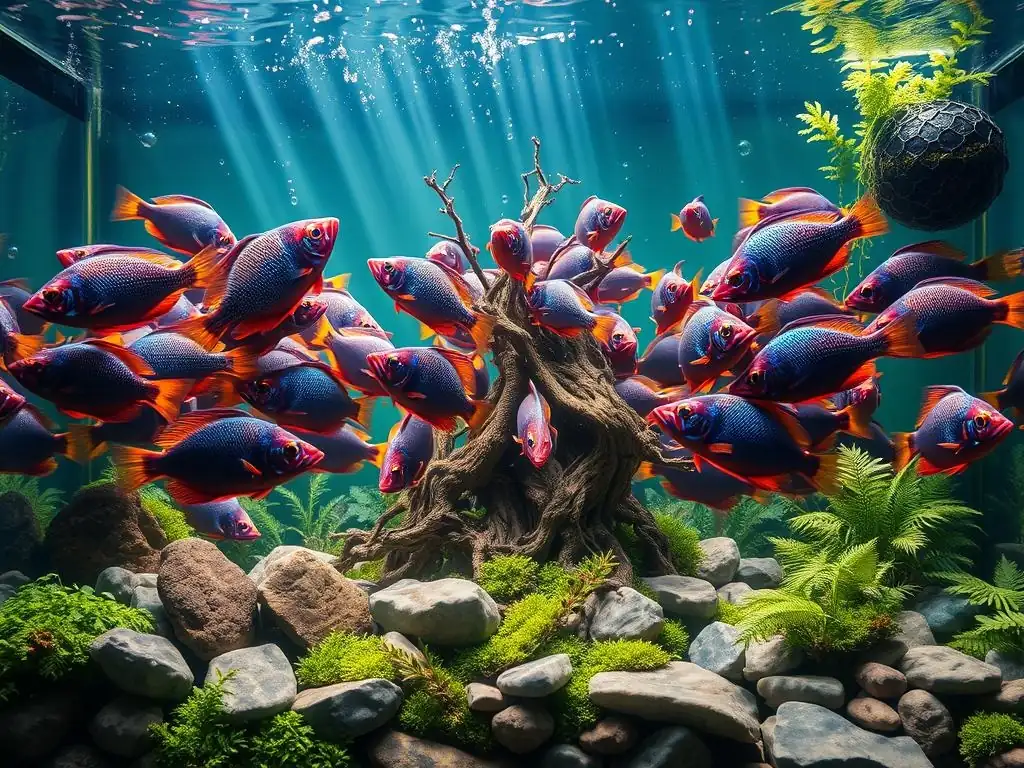
Welcome to Aquarium Mastery!
Ever wondered why your Cyprichromis aren't thriving? Unlock the secrets to a healthy and vibrant Cyprichromis aquarium! Dive into our comprehensive Cyprichromis disease treatment guide and discover how to identify, treat, and prevent common ailments. From early detection to effective remedies, we'll equip you with the knowledge you need to keep your delicate fish happy and healthy. Ready to become a Cyprichromis health expert? Let's get started!
- Understanding Cyprichromis Health and Preventing Disease
- Common Cyprichromis Diseases and Their Treatments
- Cyprichromis Disease Prevention and Tank Maintenance
- Cyprichromis Disease Treatment Guide: A Summary
-
Frequently Asked Questions
- What are some common signs that my Cyprichromis may be sick?
- What are the most frequent diseases that affect Cyprichromis in aquariums?
- How important is water quality in preventing Cyprichromis diseases?
- What are some effective treatment options for Ich in Cyprichromis?
- When should I quarantine a sick Cyprichromis from the main tank?
- Final Reflection: Sustaining the Vibrant Reef
- Dive Deeper: Nurture Your *Cyprichromis* to Thriving Health!
Understanding Cyprichromis Health and Preventing Disease
Importance of Water Quality for Cyprichromis Health
Pristine water quality is the cornerstone of Cyprichromis health, mirroring their native environment in the vast, stable waters of Lake Tanganyika. These fish are highly sensitive to fluctuations in water parameters and the presence of nitrogenous compounds. Even slight elevations in ammonia, nitrite, or nitrate can cause significant stress, weakening their immune systems and making them highly susceptible to various pathogens and conditions, a critical factor in any Cyprichromis disease treatment guide.
Maintaining specific water parameters is crucial. Cyprichromis thrive in hard, alkaline water with a stable pH between 8.0 and 9.0, a general hardness (GH) of 10-20 dGH, and a carbonate hardness (KH) of 10-18 dKH. Ammonia and nitrite levels must always be at zero parts per million (ppm), and nitrates should ideally be kept below 20 ppm. Consistent monitoring and immediate action upon detecting deviations are paramount for preventing stress-induced illnesses and ensuring the long-term well-being of these delicate cichlids.
Recognizing Signs of Illness in Cyprichromis
Early detection of illness in Cyprichromis is vital for successful intervention. Behavioral changes often precede visible physical symptoms. Healthy Cyprichromis are active, constantly swimming in the water column, often in schools, and exhibit a strong feeding response. Signs of distress include lethargy, prolonged hiding, erratic or jerky swimming, clamped fins held close to the body, or a sudden loss of appetite. Any deviation from their typical schooling behavior or a noticeable decrease in their usual vibrant coloration can also indicate underlying health issues.
Beyond behavioral cues, physical symptoms provide more definitive clues. Look for white, fuzzy patches (fungus), small white spots resembling salt grains (Ich), torn or ragged fins (fin rot), visible lesions or sores on the body, or a bloated abdomen. Labored breathing, characterized by rapid gill movements, can signify gill parasites or poor water oxygenation. Observing these signs promptly is the first step in providing effective Cyprichromis disease treatment and preventing the spread of illness within the aquarium.
Quarantine Procedures for New Cyprichromis
Implementing a strict quarantine procedure for all new Cyprichromis is one of the most effective preventative measures against disease introduction. A dedicated quarantine tank, typically 10-20 gallons for a small group of Cyprichromis, should be set up with established filtration, a heater, and minimal decor. New fish should reside in this tank for a minimum of four to six weeks, allowing sufficient time for any dormant diseases to manifest or for the fish to recover from shipping stress before being introduced to the main display tank.
During the quarantine period, closely observe the new Cyprichromis for any signs of illness, as detailed above. Perform regular, small water changes (e.g., 25% every other day) to maintain pristine water quality and reduce stress. While some aquarists opt for prophylactic treatments, it's generally best to avoid them unless specific symptoms appear, as unnecessary medication can stress fish and contribute to antibiotic resistance. Ensure that nets, buckets, and other equipment used for the quarantine tank are not cross-contaminated with the main aquarium to prevent pathogen transfer, making this a crucial part of any Cyprichromis disease treatment guide.
Common Cyprichromis Diseases and Their Treatments
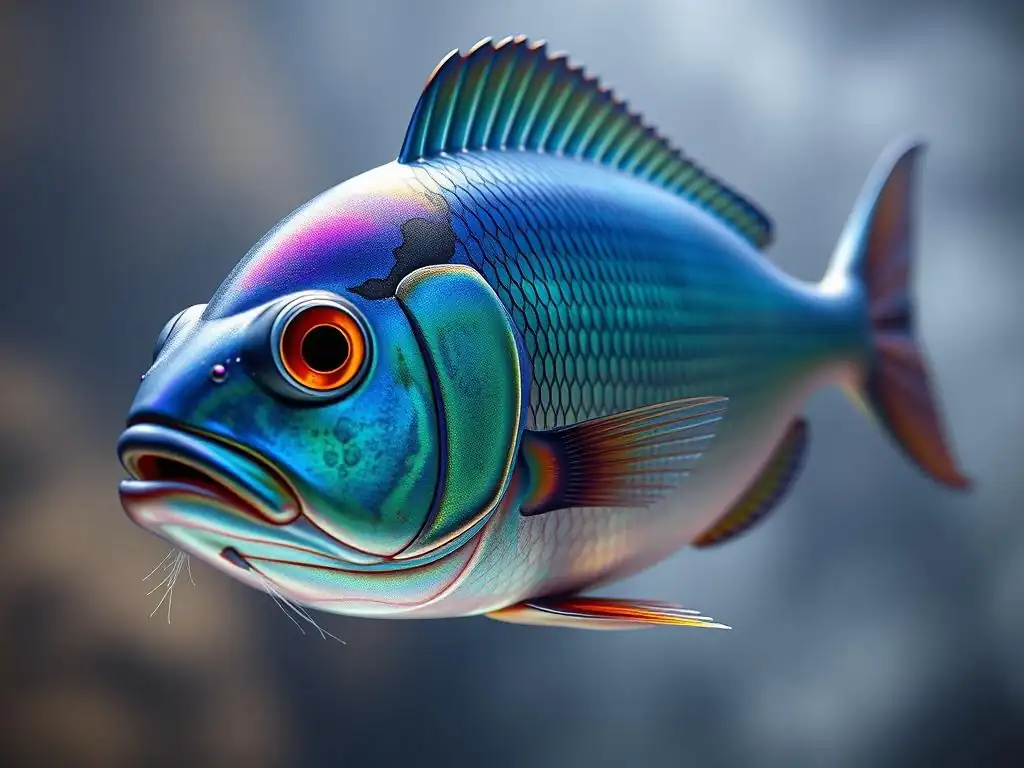
Identifying Cyprichromis Fin Rot: Symptoms and Treatment
Fin rot is a common bacterial infection that manifests as frayed, ragged, or disintegrating fins in Cyprichromis. The edges of the fins may appear opaque, milky, or have a red, inflamed border. In severe cases, the infection can progress to the body, causing open sores or ulcers. This condition is almost always a secondary infection, meaning it occurs when fish are already stressed due to poor water quality, overcrowding, physical injury, or other underlying diseases that compromise their immune system.
Treatment for fin rot primarily involves addressing the root cause, which is often suboptimal water conditions. For mild cases, immediate and significant improvement in water quality through large, daily water changes (e.g., 50% for several days) can often halt the progression and allow fins to heal naturally. If the infection is advanced or rapidly worsening, antibiotic treatment becomes necessary. Medications containing erythromycin, minocycline, or Furan-2 are commonly used to combat the bacterial strains responsible for fin rot, forming a key aspect of the Cyprichromis disease treatment guide.
Treating Fin Rot with Antibiotics and Water Changes
When treating Cyprichromis for fin rot, the primary focus remains on consistent water changes. Daily water changes of 25-50% are crucial to reduce the bacterial load in the water column and provide a clean environment for healing. Ensure the new water is dechlorinated and temperature-matched to minimize additional stress on the fish. Increased aeration can also be beneficial during this period.
For more severe cases requiring antibiotics, select a broad-spectrum antibacterial medication appropriate for freshwater fish. Always follow the manufacturer's dosage instructions precisely. It is essential to remove activated carbon from the filter during medication, as it will absorb the medication, rendering it ineffective. Continue monitoring water parameters diligently throughout the treatment period, which typically lasts 5-7 days, and observe the fish for signs of improvement, such as the cessation of fin deterioration and the beginnings of regrowth.
Recognizing and Treating Cyprichromis Ich (White Spot Disease)
Ich, caused by the parasite Ichthyophthirius multifiliis, is one of the most common and easily recognizable diseases in freshwater aquariums, including those housing Cyprichromis. The most prominent symptom is the appearance of small, white spots resembling grains of salt scattered across the fish's body and fins. Affected Cyprichromis may also exhibit behavioral changes such as rubbing or "flashing" against tank decorations or substrate, rapid gill movements (labored breathing), clamped fins, and lethargy.
The Ich parasite has a complex life cycle that is crucial to understand for effective treatment. The visible white spots are the adult parasites (trophonts) embedded in the fish's skin. These eventually drop off the fish, forming cysts (tomonts) on the substrate or decor. Within these cysts, hundreds of new infective free-swimming parasites (theronts) develop and are released into the water, actively seeking a new host. If they don't find a host within approximately 48-72 hours (depending on temperature), they die. This life cycle makes Ich highly contagious and capable of rapidly spreading throughout an entire tank.
Cyprichromis Ich Treatment Options: Medications and Temperature Adjustments
Effective Cyprichromis Ich treatment often involves a combination of medication and environmental adjustments. Medications containing malachite green, formalin, or copper are widely used. When selecting a product, ensure it is safe for scaleless or sensitive fish if you have other species, although Cyprichromis generally tolerate these treatments well. Always adhere strictly to the product's dosage instructions and duration, typically 3-7 days, with partial water changes before re-dosing. Remove activated carbon during treatment.
A common and highly effective method for treating Ich, especially in Cyprichromis tanks, involves gradually raising the water temperature. Slowly increase the tank temperature to 86-88°F (30-31°C) over 24 hours and maintain it for 10-14 days. This elevated temperature accelerates the parasite's life cycle, forcing the infective theronts to emerge and die more quickly if they cannot find a host. Combine this with increased aeration, as warmer water holds less oxygen, and daily gravel vacuums to remove tomonts from the substrate. This comprehensive approach is a cornerstone of the Cyprichromis disease treatment guide for Ich.
Diagnosing and Treating Cyprichromis Malawi Bloat
Malawi Bloat, while commonly associated with Mbuna cichlids from Lake Malawi, can also affect Cyprichromis and other Tanganyikan species. It is a severe, often fatal, internal bacterial infection characterized by a noticeably swollen abdomen. Other symptoms include loss of appetite, white and stringy feces, labored breathing, lethargy, and in advanced stages, scales may protrude from the body (pineconing). The disease progresses rapidly and requires immediate intervention.
The primary cause of Malawi Bloat in Cyprichromis is usually an unsuitable diet (too high in protein or fat, or lacking sufficient fiber) combined with stress from poor water quality or aggressive tank mates. This leads to an imbalance in the gut flora, allowing harmful bacteria to proliferate and cause internal organ damage. Understanding these triggers is crucial for prevention and forms a vital part of any Cyprichromis disease treatment guide.
Early Detection of Malawi Bloat in Cyprichromis
Early detection of Malawi Bloat in Cyprichromis significantly increases the chances of successful treatment. Observe your fish daily for any changes in their feeding behavior; refusal to eat or spitting out food are early warning signs. Also, monitor their feces for the characteristic white, stringy appearance. Look for even subtle signs of abdominal swelling before it becomes severely distended.
If you suspect a Cyprichromis is developing bloat, it is advisable to isolate the affected fish in a hospital tank if possible. This prevents potential spread and allows for targeted treatment without medicating the entire display tank. Confirming the diagnosis through consistent observation of the aforementioned symptoms will help in initiating the correct Cyprichromis disease treatment promptly.
Effective Treatment Strategies for Cyprichromis Bloat
Effective treatment for Cyprichromis Bloat often involves a combination of medication and dietary adjustments. Metronidazole (e.g., Seachem MetroPlex) is the most commonly recommended medication for internal flagellates and bacterial infections associated with bloat. It can be administered by soaking food in a metronidazole solution or by directly adding it to the water, following product instructions. Additionally, adding Epsom salt (magnesium sulfate, not aquarium salt) at a dosage of 1 teaspoon per 10 gallons can help alleviate internal swelling and act as a mild laxative.
During treatment, cease feeding the affected fish for 3-5 days to allow their digestive system to rest. Once the fish shows signs of recovery and begins to eat again, slowly reintroduce a high-fiber, low-protein diet, such as spirulina flakes or specialized herbivore cichlid pellets. Avoid foods high in animal protein or fat that might have contributed to the issue. Prevention through proper diet and stable water parameters is the best long-term strategy against this serious Cyprichromis disease.
Understanding and Addressing Cyprichromis Parasitic Infections
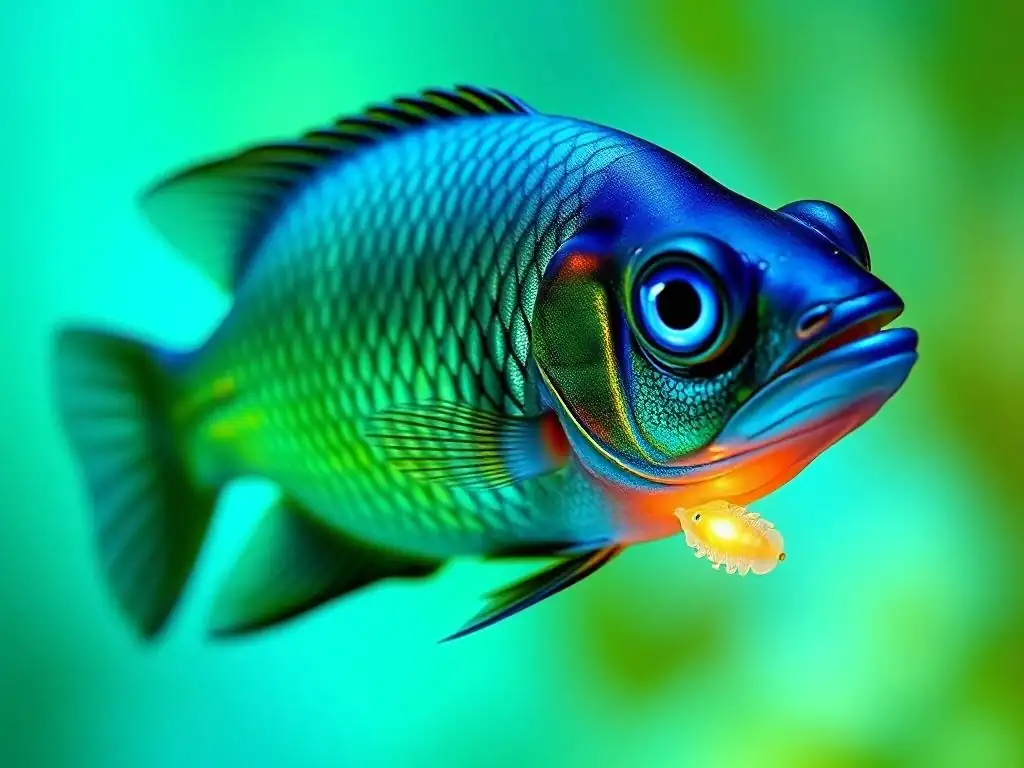
Cyprichromis can be susceptible to various parasitic infections, both internal and external, which can significantly impact their health. Identifying the specific type of parasite is crucial for effective Cyprichromis disease treatment, as different parasites respond to different medications.
Common Parasites Affecting Cyprichromis
Internal parasites commonly affecting Cyprichromis include flagellates like Hexamita or Spironucleus. These parasites often cause "hole-in-the-head" disease in some cichlids, though in Cyprichromis, symptoms are more likely to include chronic weight loss despite eating, lethargy, dark coloration, and the presence of white, stringy feces. Another internal concern can be various types of worms. External parasites, though less common than Ich, can include gill flukes (Dactylogyrus) or body flukes (Gyrodactylus), which cause rapid gilling, scratching, and visible irritation, or even larger parasites like anchor worms or fish lice, which are often visible to the naked eye.
Medications for Treating Parasitic Infections in Cyprichromis
For internal flagellates such as Hexamita, Metronidazole is the primary medication, ideally administered through medicated food to ensure ingestion. If fish are not eating, direct water treatment may be necessary. For internal worms, medications containing Praziquantel are effective. When dealing with external parasites, Praziquantel is effective against flukes.
For more unusual external parasites like anchor worms or fish lice, specific treatments like Dimilin or potassium permanganate dips might be required. Always ensure accurate diagnosis before treatment, as misapplication of medications can be detrimental. Follow all product instructions carefully, including dosage and treatment duration, and perform water changes as recommended to maintain water quality throughout the Cyprichromis disease treatment.
Cyprichromis Swim Bladder Disease: Causes and Remedies
Swim bladder disease in Cyprichromis refers to a condition where the fish loses its ability to control its buoyancy, often due to issues with its swim bladder organ. This can be caused by a variety of factors, including bacterial infections, internal parasites, constipation, physical injury, or even genetic predisposition. It's a common ailment that can significantly impair a fish's quality of life and feeding ability.
Diagnosing Swim Bladder Issues in Cyprichromis
Diagnosing swim bladder disease in Cyprichromis involves observing distinct swimming abnormalities. Affected fish may float uncontrollably at the surface, sink to the bottom, swim upside down, or have difficulty maintaining an upright position. They may struggle to swim normally, appearing to be constantly fighting their buoyancy. It's important to rule out other causes, such as severe bloating from digestive issues or neurological damage from injury, by observing other symptoms like appetite, feces, and overall body condition.
Treatment and Prevention of Swim Bladder Problems
Treatment for Cyprichromis swim bladder issues often begins with fasting the fish for 2-3 days to allow its digestive system to clear. After fasting, introduce blanched, deshelled peas as a laxative, as constipation is a common cause. For bacterial infections, broad-spectrum antibiotics may be necessary.
A short-term Epsom salt bath (1 teaspoon per 5 gallons for 15-30 minutes) can sometimes help reduce internal swelling. For prevention, ensure a balanced diet rich in fiber and avoid overfeeding. Consistent water quality and appropriate tank temperatures also reduce stress, which can contribute to swim bladder problems, making this a key part of the Cyprichromis disease treatment guide.
Cyprichromis Disease Prevention and Tank Maintenance
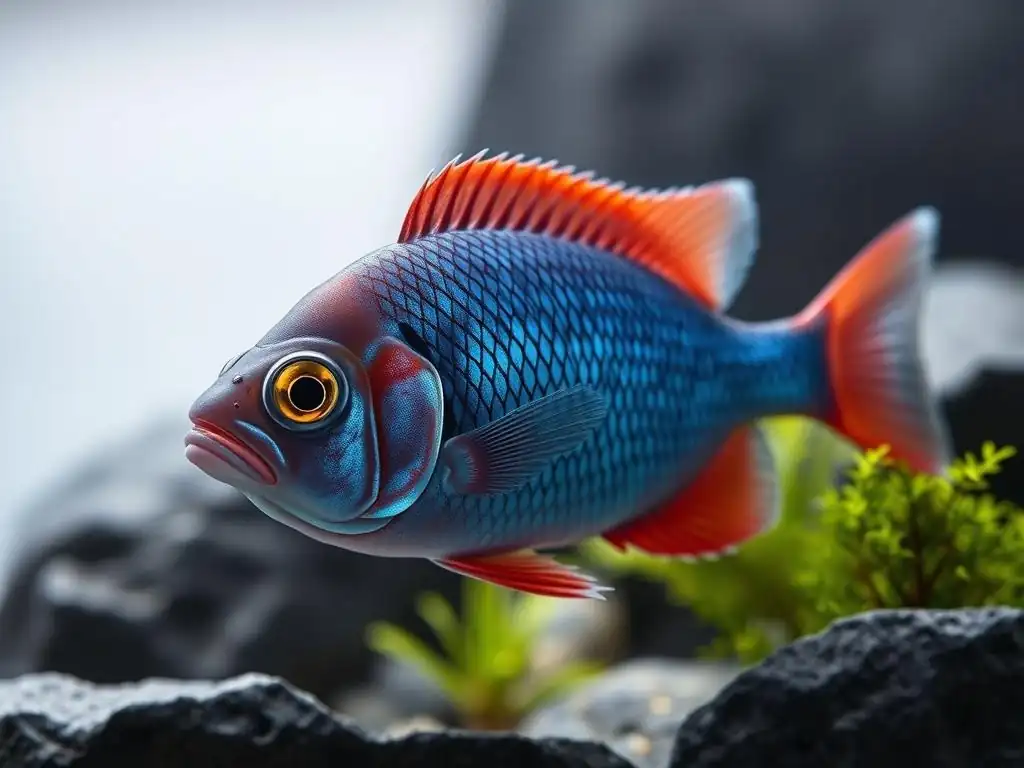
Optimal Tank Parameters for Cyprichromis Health
Maintaining optimal tank parameters is foundational for preventing disease in Cyprichromis. Their natural habitat, Lake Tanganyika, is characterized by highly stable and specific water chemistry, which these fish require to thrive. Any significant deviation or rapid fluctuation can cause severe stress, leading to a compromised immune system and increased susceptibility to illness.
Maintaining Proper Water Chemistry for Cyprichromis
As previously noted, Cyprichromis require hard, alkaline water with a pH range of 8.0-9.0, a general hardness (GH) between 10-20 dGH, and a carbonate hardness (KH) of 10-18 dKH. Ammonia and nitrites must consistently remain at zero, and nitrates should be kept below 20 ppm. Regular testing with reliable liquid test kits (weekly or bi-weekly) is essential to monitor these parameters.
If your tap water is naturally soft or acidic, consider using specialized Tanganyika buffer salts or crushed coral in the substrate to maintain the desired hardness and alkalinity. Stability in these parameters is often more important than hitting exact numbers, ensuring a robust environment for Cyprichromis health and reducing the need for extensive Cyprichromis disease treatment.
The Role of Diet in Cyprichromis Disease Prevention
A proper diet is a crucial, yet often overlooked, component of Cyprichromis disease prevention. In their natural environment, Cyprichromis are primarily zooplankton pickers, feeding on small crustaceans and invertebrates in the open water column. Replicating this diet as closely as possible is vital for their digestive health and overall vitality.
Choosing the Right Food for Healthy Cyprichromis
For healthy Cyprichromis, the diet should consist primarily of high-quality spirulina flakes, small sinking pellets designed for Tanganyikan cichlids, and appropriate frozen or live foods. Excellent choices for frozen foods include cyclops, daphnia, and brine shrimp. Avoid feeding high-protein, high-fat foods typically formulated for carnivorous cichlids, as these can lead to digestive issues such as Malawi Bloat, a common ailment that necessitates specific Cyprichromis disease treatment. Feed small amounts multiple times a day (e.g., 2-3 times) rather than one large meal, mimicking their natural continuous foraging behavior and preventing overfeeding.
Regular Tank Maintenance for Cyprichromis Disease Prevention
Consistent and thorough tank maintenance is fundamental to maintaining a healthy environment for Cyprichromis and preventing the onset of disease. A well-maintained aquarium significantly reduces the accumulation of toxins and provides a stable habitat, which directly supports the fish's immune system.
Water Changes and Substrate Cleaning
Regular water changes are paramount for diluting nitrates, replenishing essential minerals, and removing organic waste that contributes to poor water quality. For Cyprichromis tanks, a weekly water change of 25-30% is generally recommended. Always use a good quality dechlorinator and ensure the new water is temperature-matched to the aquarium water to prevent thermal shock.
During water changes, use a gravel vacuum to siphon out detritus and uneaten food from the substrate. While Cyprichromis spend most of their time in the water column, waste can accumulate on the bottom, leading to elevated nitrates. Clean filter media regularly but judiciously, ensuring not to remove too much beneficial bacteria, which could disrupt the nitrogen cycle and necessitate Cyprichromis disease treatment.
Importance of Observation for Early Cyprichromis Disease Detection
Diligent and consistent observation of your Cyprichromis is arguably the most powerful tool in early disease detection and prevention. Fish keepers who spend time simply watching their fish daily are often the first to notice subtle changes that indicate an impending health issue.
By observing their behavior, feeding patterns, and physical appearance on a daily basis, you can identify deviations from the norm almost immediately. A slight change in swimming pattern, a fish refusing food, or a faint discoloration might be the first symptom of a serious problem. Keeping a mental or physical log of your fish's normal behavior and appearance will help you quickly spot these early warning signs. Prompt identification allows for swift intervention, often preventing minor issues from escalating into full-blown epidemics that would require extensive Cyprichromis disease treatment across the entire tank.
Cyprichromis Disease Treatment Guide: A Summary
Key Takeaways for Maintaining Healthy Cyprichromis
Maintaining healthy Cyprichromis hinges on a few core principles that form the foundation of any effective Cyprichromis disease treatment guide. Firstly, pristine and stable water quality is non-negotiable; regular testing and consistent water changes are paramount. Secondly, a diet tailored to their natural zooplankton-eating habits, avoiding high-protein, high-fat foods, is crucial for digestive health and bloat prevention. Lastly, diligent observation of your fish's behavior and physical condition allows for the earliest possible detection of illness, significantly increasing the chances of successful intervention.
Beyond these, implementing a strict quarantine protocol for all new fish minimizes the risk of introducing pathogens into your main display tank. Swift action upon noticing any signs of illness, combined with an understanding of common Cyprichromis diseases and their treatments, empowers aquarists to manage health challenges effectively. Patience, consistency, and a proactive approach are the hallmarks of successful Cyprichromis health management.
When to Seek Professional Help for Sick Cyprichromis
While this Cyprichromis disease treatment guide provides comprehensive information on common ailments, there are instances when seeking professional help is advisable. If you are uncertain about the diagnosis of a particular disease, if the treatment you've initiated is proving ineffective after a reasonable period, or if multiple fish in your tank are rapidly succumbing to an unknown illness, it's time to reach out for expert assistance.
Consulting an experienced aquarist, a reputable local fish store expert, or an aquatic veterinarian can provide invaluable insights. Professionals may have access to more advanced diagnostic tools, such as microscopy for parasite identification, or stronger, prescription-only medications. They can also offer tailored advice based on your specific tank setup and fish population. Recognizing when a situation exceeds your expertise is a sign of responsible fish keeping and is crucial for the well-being of your Cyprichromis.
Frequently Asked Questions
What are some common signs that my Cyprichromis may be sick?
Signs can include loss of appetite, lethargy, and changes in color or behavior. It's important to observe your fish regularly for any deviations from their normal routine.
What are the most frequent diseases that affect Cyprichromis in aquariums?
Common diseases include Ich (white spot disease), bacterial infections, and parasitic infestations. These often stem from poor water quality or stress.
How important is water quality in preventing Cyprichromis diseases?
Maintaining pristine water quality is absolutely crucial. Poor water parameters can weaken their immune system, making them susceptible to disease.
What are some effective treatment options for Ich in Cyprichromis?
Ich can be treated with medications containing copper sulfate or malachite green. Raising the water temperature slightly can also assist in the treatment process.
When should I quarantine a sick Cyprichromis from the main tank?
You should quarantine any sick fish immediately to prevent the spread of disease to the rest of your aquarium population. This also allows for focused treatment.
Final Reflection: Sustaining the Vibrant Reef
The insights shared in this guide, "Cyprichromis Health: Identifying and Treating Common Ailments," are more crucial now than ever, as the delicate balance of our home aquariums, and by extension, the wild habitats they mirror, faces increasing pressure. Understanding and proactively addressing Cyprichromis diseases is not just about maintaining a beautiful display; it's about responsible stewardship of a fascinating and vulnerable species. This guide provides a foundation for that stewardship, empowering aquarists to become informed and effective caretakers.
The health of Cyprichromis in our care serves as a microcosm of the larger challenges facing aquatic ecosystems worldwide. The dedication and attention we give to these fish reflect our commitment to preserving biodiversity and understanding the interconnectedness of life. As we learn to diagnose and treat their ailments, we gain a deeper appreciation for the fragility of their existence and the importance of preventative care. In the end, we will conserve only what we love; we will love only what we understand; and we will understand only what we are taught.
- Baba Dioum's words resonate deeply, reminding us that knowledge is the key to conservation.
Now, armed with this knowledge, I encourage you to reflect on your role in the Cyprichromis community. Consider how you can further contribute to their well-being, not just within your own tank, but also by sharing your experiences and supporting sustainable practices. Let this guide be a catalyst for continuous learning and a reminder that even small actions, when multiplied across a community, can have a profound and lasting impact on the health and future of these magnificent fish.
Dive Deeper: Nurture Your *Cyprichromis* to Thriving Health!
Thank you for exploring the world of Cyprichromis health! Now that you're equipped with knowledge about common ailments and their treatments, it's time to put that learning into action.
- Take immediate action: Conduct a thorough health check on your Cyprichromis:. Look for any signs of disease based on what you've learned.
- Explore further! Research specific medications and treatments discussed to better understand their application and potential side effects.
- Share this guide! Help other Cyprichromis enthusiasts by spreading this information within the aquarium community.
What specific action will you take first to improve the health of your Cyprichromis today?