
Identifying a Pregnant Livebearer: Guppy, Molly, and Platy Signs

Welcome to Aquarium Mastery!
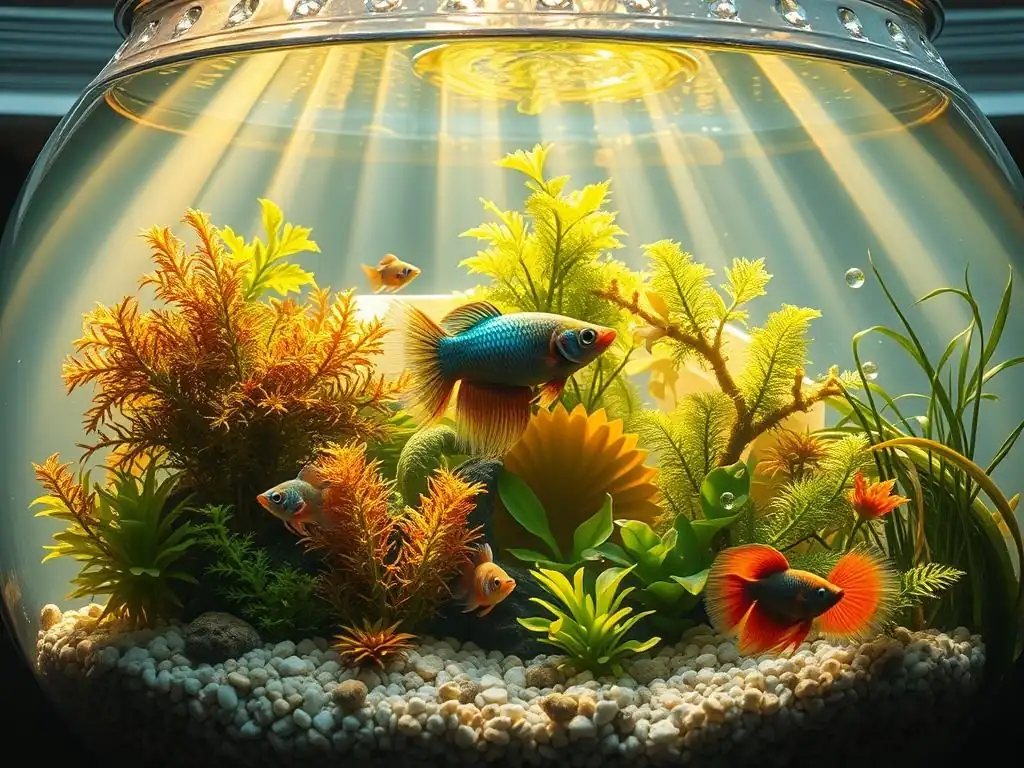
Ever wondered if your guppy is expecting? Unlocking the secrets to identifying pregnant livebearers, like guppies, mollies, and platies, is easier than you think! Dive into our guide to discover the telltale signs and ensure a healthy environment for both mother and fry. Are you ready to witness the miracle of life in your aquarium? Let's explore!
- Understanding Livebearer Reproduction: Guppies, Mollies, and Platies
- Recognizing Early Signs of Pregnancy in Guppies
- Molly Pregnancy: Key Indicators to Watch For
- Platy Pregnancy: Identifying Key Physical and Behavioral Changes
- The Gravid Spot: A Key Indicator of Pregnancy in Livebearers
- Physical Changes Indicating Pregnancy in Livebearers
- Behavioral Changes in Pregnant Livebearing Fish
- Creating a Suitable Environment for Pregnant Livebearers
- Preventing Fry Predation: Protecting Newborn Livebearer Fry
- Common Mistakes to Avoid When Identifying Pregnancy
- Post-Partum Care for Mother Livebearers
- Livebearer Breeding Troubleshooting: What to Do If Things Go Wrong
-
Frequently Asked Questions
- How can I tell if my guppy is pregnant?
- What is a "gravid spot" and why is it important for identifying pregnancy?
- Besides the gravid spot, what other physical changes might indicate a guppy is pregnant?
- How long is a guppy's gestation period?
- What are some behavioral changes I might observe in a pregnant guppy?
- Final Reflection: The Miracle of New Life in Our Aquariums
- Unveil Your Fish's Maternal Secrets!
Understanding Livebearer Reproduction: Guppies, Mollies, and Platies
The Unique Reproductive Cycle of Livebearing Fish
Livebearing fish, such as guppies, mollies, and platies, exhibit a fascinating reproductive strategy known as viviparity, meaning they give birth to live, free-swimming young rather than laying eggs. Unlike most fish, fertilization is internal, with the male transferring sperm to the female. This unique process allows the fry to develop fully inside the mother's body, nourished by her until they are ready to be born.
A remarkable aspect of livebearer reproduction is the female's ability to store sperm for extended periods, sometimes for several months, after a single mating. This means a female can produce multiple batches of fry without any further interaction with a male. A typical gestation period for these species ranges from 21 to 30 days, though environmental factors like water temperature can slightly influence this timeline, with warmer temperatures sometimes shortening the duration.
Why Identifying Pregnancy in Livebearers Matters
Accurately identifying pregnancy in livebearers is crucial for several reasons, primarily to ensure the health and survival of both the mother and her offspring. Without proper identification, aquarists may be caught off guard by a sudden influx of fry, leading to potential overpopulation or, more commonly, the predation of the newborn fish by other tank inhabitants, including the mother herself.
Knowing when a female livebearer is pregnant allows an aquarist to prepare a suitable birthing environment, such as a separate breeding tank or a densely planted area within the main aquarium. This proactive approach significantly increases the survival rate of the fry, which can number anywhere from 20 to over 100 in a single batch, depending on the mother's size and species. It also helps reduce stress on the pregnant female, promoting a healthier delivery and recovery.
Recognizing Early Signs of Pregnancy in Guppies
Guppy Pregnancy: The First Subtle Clues
When observing a guppy for signs of pregnancy, the initial clues can be subtle but become more pronounced over time. One of the earliest indicators is a slight but noticeable swelling of the lower abdomen, particularly in the region just behind the gills and extending towards the tail. This swelling might not be perfectly round but can appear slightly distended or fuller than usual.
Another early sign for a pregnant livebearer guppy is a potential increase in appetite. While not always definitive, a female guppy preparing for gestation may consume more food than her non-pregnant counterparts to support the developing fry. Additionally, a faint darkening of the gravid spot, a typically translucent area near the anal fin, may begin to appear, although it will become much more prominent as the pregnancy progresses.
Observing the Guppy's Gestation Period
Guppies typically have a gestation period of approximately 21 to 30 days. During this time, the female's abdomen will progressively enlarge, becoming noticeably rounder and often developing a characteristic "squared-off" appearance in the days leading up to birth. This squaring off is a strong indicator that labor is imminent, sometimes within 24-48 hours.
Monitoring a pregnant livebearer guppy over her gestation period involves observing daily changes in her body shape and behavior. As she nears delivery, the gravid spot will become intensely dark, almost black, especially in lighter-colored guppies, due to the visible eyes of the developing fry inside. Regular, gentle observation without stressing the fish is key to accurately tracking her progress.
Distinguishing Between Fat and Pregnant Guppies
It can sometimes be challenging for novice aquarists to differentiate between a guppy that is simply well-fed or bloated and one that is genuinely pregnant. A fat or overfed guppy will typically exhibit a general roundness across its entire body, including the upper abdomen, without the specific lower abdominal distension. Their gravid spot will not show the characteristic darkening or enlargement seen in pregnant females.
In contrast, a pregnant guppy will display a more pronounced bulge primarily in her lower abdomen, often with the distinctive "squared-off" shape as labor approaches. The key differentiating factor for pregnant livebearer guppy signs is the presence and progressive darkening of the gravid spot, which is absent in non-pregnant, though well-fed, fish. Observing the fish's feeding patterns and overall behavior over a few days can also help confirm pregnancy versus simple overindulgence.
Molly Pregnancy: Key Indicators to Watch For
Molly Fish Pregnancy: Spotting the Telltale Signs
Molly fish, like guppies, exhibit clear signs of pregnancy, though their larger size can make the abdominal distension even more pronounced. The most evident sign is a significant swelling of the abdomen, which will become progressively rounder and fuller. In the final stages of pregnancy, the molly's belly will often take on a distinct "boxy" or "squared-off" appearance, similar to guppies, indicating that birth is imminent.
While mollies also possess a gravid spot, it might be less visible in darker varieties like Black Mollies. However, in lighter-colored mollies, the gravid spot will darken considerably as the fry develop, offering a reliable visual cue. Aquarists should look for a combination of these physical changes to confirm molly fish pregnancy.
Changes in Molly Behavior During Pregnancy
Beyond physical changes, pregnant mollies often display noticeable shifts in behavior. As they approach their due date, they may become more reclusive, seeking out hiding spots among dense plants or tank decorations. This instinctual behavior is a way for them to find a secure, private place for birthing and to protect their vulnerable fry.
Some pregnant mollies might also become more lethargic or less active than usual, spending more time resting near the bottom or top of the tank. Conversely, a few might exhibit increased agitation or shyness, particularly in the days leading up to birth. Observing these behavioral cues in conjunction with physical signs significantly aids in accurate identification of a pregnant livebearer.
Ensuring a Safe Birthing Environment for Mollies
Once molly pregnancy is confirmed, preparing a safe birthing environment is essential for the survival of the fry. Mollies thrive in slightly harder, alkaline water conditions, and maintaining stable parameters is crucial during this delicate period. A separate birthing tank, typically 5-10 gallons, with stable water temperature around 75-80°F (24-27°C) and excellent water quality, is highly recommended.
For those without a separate tank, ensuring the main aquarium has an abundance of dense live or artificial plants, such as Java Moss or Hornwort, can provide crucial hiding spots for the newborn fry. Molly fry are very small and become easy prey for adult fish, including their own mother, so ample cover is paramount to their survival rate, which can otherwise be very low.
Platy Pregnancy: Identifying Key Physical and Behavioral Changes
Platy Fish Pregnancy: Recognizing the Signs
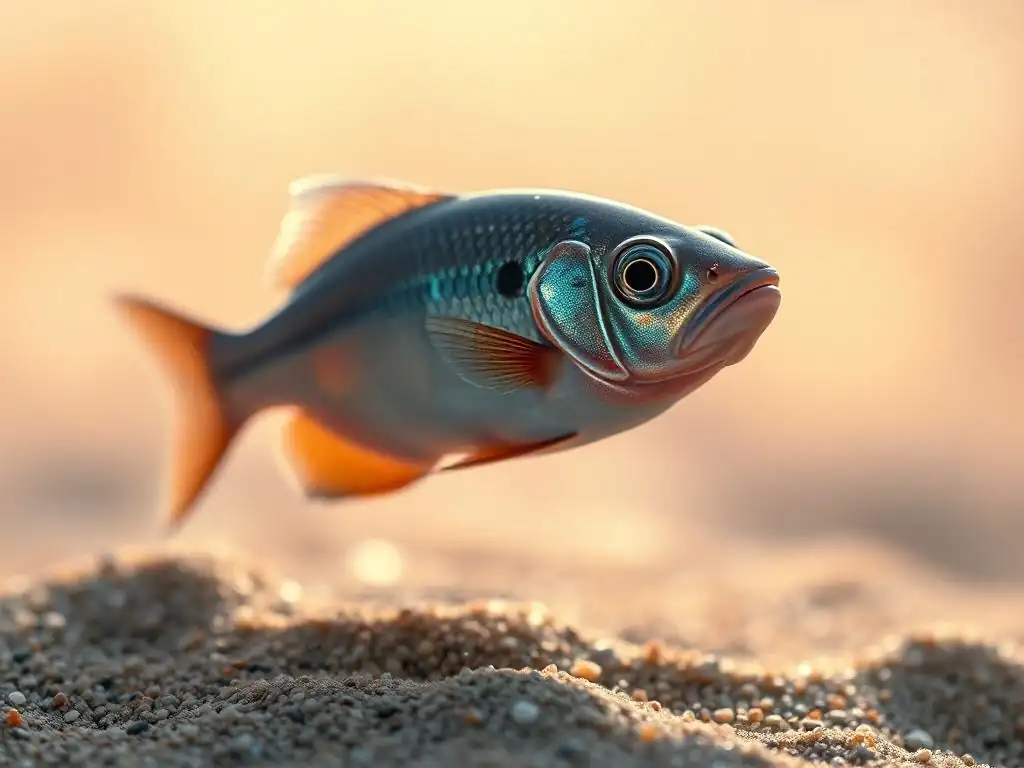
Platy fish pregnancy is typically indicated by a noticeable and progressive enlargement of the abdomen, which becomes significantly rounder and fuller over several weeks. Similar to guppies and mollies, the lower part of the platy's belly will often develop a distinct "squared-off" appearance in the days immediately preceding birth, signaling that the female is in her final stages.
The gravid spot in platies, located near the anal fin, will also darken considerably, especially in lighter-colored varieties like Red Wag Platies. This spot, which allows the developing fry's eyes to be seen through the stretched skin, becomes a prominent dark area. The combination of the expanding abdomen and the darkening gravid spot are reliable indicators of platy fish pregnancy.
Platy Behavior: What to Expect When They're Expecting
As a platy fish progresses through her pregnancy, behavioral changes become more apparent. She might become more withdrawn, spending increased time hiding among plants or decorations, seeking solitude as her delivery approaches. This reclusive behavior is a natural instinct to find a secure location for birthing.
Some pregnant platies may also exhibit increased restlessness or agitation, swimming erratically or darting around the tank, particularly in the hours leading up to birth. Conversely, others might become more lethargic, resting more frequently at the bottom or surface of the water. Observing these behavioral shifts in conjunction with the physical signs provides a comprehensive understanding of a pregnant livebearer's condition.
Optimizing the Tank for Pregnant Platies
To ensure the best possible outcome for pregnant platies and their fry, optimizing the tank environment is crucial. Maintaining stable water parameters is paramount, with a temperature range of 72-78°F (22-26°C) and a pH between 6.8 and 8.0 being ideal. Excellent water quality, achieved through regular small water changes, helps reduce stress on the expectant mother.
Providing an abundance of dense plant cover, both live and artificial, is essential for the survival of the newborn fry, as adult fish, including the mother, will often prey on them. Floating plants like Water Sprite or Hornwort offer excellent overhead cover and sanctuary. For maximum fry survival, especially if the main tank contains larger or more aggressive fish, a separate breeding box or small nursery tank can be considered, allowing the fry to escape predation immediately after birth.
The Gravid Spot: A Key Indicator of Pregnancy in Livebearers
Understanding the Gravid Spot in Guppies
The gravid spot is arguably the most definitive visual cue for identifying a pregnant livebearer guppy. Located on the female's underside, just above the anal fin, it is a translucent area that darkens significantly as the pregnancy progresses. This darkening is not a change in the fish's skin pigment but rather the visible eyes and developing bodies of the fry through the stretched, thin tissue of the mother's abdomen.
In lighter-colored guppies, the gravid spot can appear almost black as the gestation period nears its end, making the developing fry clearly discernible. For darker guppy varieties, while still present, the gravid spot might be less obvious but will still show a noticeable increase in opacity or a deeper shade compared to its non-pregnant state. Its size will also increase as the abdomen expands.
The Gravid Spot in Mollies: What to Look For
Similar to guppies, mollies also display a gravid spot as a primary indicator of pregnancy. This spot is situated in the same anatomical location, near the anal fin on the underside of the fish. As the molly's pregnancy advances, this area will become noticeably darker and more prominent, especially in lighter-colored molly varieties such as Sailfin Mollies or Dalmatian Mollies.
However, for darker molly types, like the Black Molly, the gravid spot can be considerably harder to distinguish due to the fish's overall dark pigmentation. In these cases, aquarists must rely more heavily on other signs, such as the significant abdominal swelling and the characteristic "squared-off" body shape, to confirm a pregnant livebearer. Nevertheless, even in dark mollies, a subtle change in the texture or depth of color in that specific area might still be discernible upon close inspection.
Gravid Spot Variations in Platy Fish
Platy fish also exhibit a gravid spot, which serves as a highly reliable indicator of their pregnancy status. Situated similarly near the anal fin on the female's underside, the gravid spot in platies will progressively darken and expand as the fry inside develop. For platies with lighter body coloration, such as Red Wag Platies or Sunset Platies, the gravid spot becomes very distinct and often appears as a deep black or dark brown mark.
The size and intensity of the gravid spot in platies are good indicators of how far along the pregnancy is and how close the female is to giving birth. As the female nears delivery, the gravid spot will typically appear larger and more stretched, sometimes with visible tiny dark specks (the fry's eyes) becoming discernible. This visual cue, combined with the overall abdominal distension, provides a clear picture of an impending platy birth.
Physical Changes Indicating Pregnancy in Livebearers
Body Shape Changes in Pregnant Guppies, Mollies, and Platies
One of the most obvious physical changes indicating pregnancy in guppies, mollies, and platies is the dramatic alteration in their body shape. Initially, there might be a subtle rounding of the lower abdomen. However, as the pregnancy progresses and the fry mature, the female's belly will become significantly distended, appearing noticeably larger and fuller when viewed from the side.
In the final days or hours leading up to birth, a distinctive "squared-off" appearance often develops. This means the female's abdomen, particularly the underside, flattens out and looks almost rectangular or box-like rather than rounded. This squaring-off is a strong indicator of imminent labor and is a key sign for a pregnant livebearer across all three species.
Increased Appetite: A Common Sign of Pregnancy
A frequently observed physical change in pregnant livebearing fish is an increase in their appetite. Developing a batch of fry requires a significant amount of energy and nutrients, prompting the female to consume more food. You might notice her being more active during feeding times, showing greater interest in food, or even becoming slightly more aggressive to secure her share.
Providing high-quality, varied nutrition during this period is crucial for the mother's health and the healthy development of the fry. Supplementing their regular flake or pellet diet with live or frozen foods such as brine shrimp, daphnia, or bloodworms can help meet their increased nutritional demands and support a successful pregnancy and delivery.
Changes in Scale Appearance and Coloration
While less reliable as primary indicators of pregnancy compared to abdominal swelling or the gravid spot, some pregnant livebearers may exhibit subtle changes in their scale appearance or overall coloration. As the abdomen expands dramatically, the scales over the belly might appear slightly stretched or even somewhat separated, particularly in the final stages of pregnancy. This is due to the extreme distension of the body cavity.
Regarding coloration, some aquarists report that a pregnant female's colors might appear duller due to the stress of carrying fry, while others observe a temporary vibrancy. However, these color changes are highly individual and can be influenced by many factors, including water quality and overall health, making them less definitive signs of pregnancy than the more direct physical and behavioral cues.
Behavioral Changes in Pregnant Livebearing Fish
Increased Hiding and Seclusion
As a pregnant livebearer approaches her delivery date, a noticeable behavioral change is an increased tendency to seek out hiding places and seclude herself from other tank inhabitants. This is an instinctive behavior, as the female seeks a safe, quiet, and private environment to give birth, away from potential predators, including other fish and even the male livebearers.
You might observe her spending more time tucked away in dense plant thickets, behind decorations, or near the heater or filter. This reclusive behavior is a strong indicator that she is feeling vulnerable and preparing for the imminent arrival of her fry, signaling that it might be time to consider moving her to a dedicated breeding tank if fry survival is a priority.
Changes in Swimming Patterns
Pregnant livebearers often exhibit distinct changes in their swimming patterns as labor approaches. One common observation is an increase in erratic or restless swimming. The female might dart around the tank, appear agitated, or repeatedly rub against tank decorations or the substrate. This type of behavior can indicate that contractions have begun or that she is experiencing discomfort.
Conversely, some pregnant females might become noticeably more lethargic, spending prolonged periods resting at the bottom of the tank or near the surface, with reduced activity levels. Observing these shifts in swimming patterns, whether increased agitation or decreased activity, in conjunction with physical signs, can provide valuable clues about the proximity of birth.
Agitation or Restlessness Before Birthing
In the hours or days immediately preceding actual birth, a pregnant livebearer often displays heightened agitation or restlessness. This behavior is a strong indicator that labor is imminent. The female may exhibit rapid gill movement, indicating increased breathing rate, or engage in "pacing" behavior, swimming back and forth along the tank glass.
She might also show subtle "twitching" or "flipping" motions, which can be early signs of contractions. These behaviors are her body's way of preparing for and initiating the birthing process. Recognizing these specific behavioral cues, especially when combined with the "squared-off" appearance of her abdomen, can help an aquarist pinpoint the opportune moment to move her to a breeding tank or prepare for the arrival of new fry.
Creating a Suitable Environment for Pregnant Livebearers
Setting Up a Breeding Tank or Nursery
For aquarists aiming for high fry survival rates, setting up a dedicated breeding tank or nursery is highly recommended for a pregnant livebearer. A small, separate aquarium, typically 5-10 gallons, provides a stress-free environment for the mother to give birth without the threat of predation from other tank inhabitants. Ensure the breeding tank is properly cycled and has stable water parameters that match the main tank to avoid shocking the fish during transfer.
The breeding tank should be equipped with a gentle filter, such as a sponge filter, to maintain water quality without creating strong currents that could harm newborn fry. A heater is also essential to maintain a consistent temperature, ideally within the upper range preferred by the specific livebearer species (e.g., 78-80°F or 25.5-26.5°C for guppies and mollies), which can sometimes encourage smoother labor.
Water Quality and Temperature Considerations
Maintaining pristine water quality is paramount for the health and successful delivery of a pregnant livebearer. High levels of ammonia, nitrite, or nitrate can induce significant stress, potentially leading to premature birth, stillbirths, or complications for the mother. Regular water testing and frequent small water changes (e.g., 10-20% every few days) are essential to keep parameters stable and toxins at bay.
Temperature also plays a role. While within the species' comfortable range, a slightly warmer temperature (e.g., 78-80°F or 25.5-26.5°C) can sometimes help shorten the gestation period and encourage the female to give birth. Rapid temperature fluctuations, however, should be avoided as they can cause undue stress. Consistency and cleanliness are key to a healthy birthing environment.
Providing Adequate Hiding Places
Whether in a dedicated breeding tank or the main community aquarium, providing adequate hiding places is crucial for both the pregnant female and her newborn fry. For the mother, dense plant cover offers a sense of security and a secluded spot to give birth, reducing stress during a vulnerable time. Live plants such as Java Moss, Hornwort, or Guppy Grass are excellent choices, as they offer intricate structures.
For the fry, these dense plants serve as immediate refuge from predation. Newborn livebearer fry are tiny and instinctively seek cover, and without ample hiding spots, their survival rate in a community tank can be extremely low, often less than 10-15%. Floating plants also provide overhead cover, making both the mother and fry feel more secure.
Preventing Fry Predation: Protecting Newborn Livebearer Fry
Separating the Mother Before Birthing
To maximize the survival rate of newborn livebearer fry, separating the mother into a dedicated breeding tank before she gives birth is the most effective strategy. Once you observe the distinct "squared-off" appearance of her abdomen and increased signs of agitation or hiding, gently transfer her to the prepared breeding tank. This ensures that the fry are born into an environment free from predators.
Crucially, once the mother has given birth to all her fry, she should be carefully removed from the breeding tank and returned to the main aquarium. Livebearer mothers, like most adult fish, will often prey on their own offspring if left in the same confined space, consuming a significant portion of the fry within hours of birth.
Using Breeding Boxes or Nets
Breeding boxes or nets offer an alternative method for protecting fry, particularly for aquarists who do not have the space for a separate breeding tank. These devices are typically small, plastic containers that float inside the main aquarium, often with a partitioned bottom that allows newborn fry to fall through into a lower, protected compartment, away from the mother and other fish.
While effective at preventing immediate predation (often resulting in 80%+ fry survival), breeding boxes can be stressful for the pregnant female due to their confined space. It's important to monitor the mother closely for signs of stress if using one, and to transfer her back to the main tank as soon as she has finished giving birth to minimize her time in the confined space.
Providing Dense Plant Cover for Fry
For aquariums where separating the mother or using a breeding box is not feasible, providing an abundance of dense plant cover is the most important step to prevent fry predation. Live plants such as Java Moss, Hornwort, Water Sprite, and Guppy Grass create intricate hiding spots and visual barriers that fry can instinctively dart into immediately after birth.
While this method won't guarantee the survival of all fry, it significantly increases their chances compared to a bare tank. In a heavily planted community tank, it's not uncommon for a small percentage (e.g., 20-30%) of fry to survive to adulthood without direct intervention. Floating plants are particularly beneficial as they offer overhead cover and break up lines of sight for predators.
Common Mistakes to Avoid When Identifying Pregnancy
Confusing Overfeeding with Pregnancy
A common mistake made by new aquarists is confusing a well-fed or overfed fish with a pregnant one. An overfed livebearer will typically have a generally rounded stomach, but this roundness extends more uniformly across the entire belly and lacks the specific lower abdominal distension and the characteristic "squared-off" appearance seen in late-stage pregnancy.
The key differentiator is the absence of a distinct, darkening gravid spot in an overfed fish. While a fish that has eaten a large meal may have a temporarily bloated appearance, it will usually return to its normal shape within a few hours. Observing the fish's body shape over several days and checking for the gravid spot are crucial for accurate identification of a pregnant livebearer.
Misinterpreting Male Behavior
Another frequent misinterpretation involves confusing the constant chasing behavior of male livebearers with an indication of female pregnancy. Male guppies, mollies, and platies are almost perpetually attempting to mate with females, regardless of the female's reproductive status. This persistent pursuit is normal breeding behavior and does not necessarily mean the female is pregnant or close to giving birth.
Aquarists should focus their observations on the female's physical changes (abdominal distension, gravid spot, squaring off) and her own behavioral shifts (hiding, restlessness) rather than relying solely on the males' attention. A male's interest simply confirms the presence of a receptive female, not her gestation.
Overstressing the Pregnant Female
One of the most detrimental mistakes an aquarist can make is overstressing a pregnant livebearer. Frequent handling, unnecessary transfers between tanks, or sudden changes in water parameters can all induce significant stress. This stress can lead to negative outcomes such as premature birth of undeveloped fry, stillbirths, or complications for the mother's health post-delivery.
To avoid overstressing a pregnant livebearer, minimize disturbances in her environment. Ensure stable and pristine water quality, perform water changes gently, and avoid sudden light changes. If a transfer to a breeding tank is necessary, do so calmly and efficiently, ensuring the new tank's parameters closely match her current environment. A calm environment promotes a healthier pregnancy and successful birth.
Post-Partum Care for Mother Livebearers
Providing Nutritious Food for Recovery
After the exhaustive process of giving birth, the mother livebearer is often depleted of energy and nutrients. Providing her with a highly nutritious diet during her recovery period is crucial for her health and well-being. Offer high-quality, protein-rich foods such as live or frozen brine shrimp, bloodworms, daphnia, or specialized high-protein flake foods.
Feed her small, frequent meals over the next few days to help her regain her strength and replenish her energy reserves. Adequate nutrition aids in her physical recovery, helps her to quickly return to her pre-pregnancy condition, and prepares her for future breeding cycles, ensuring she remains a healthy member of your aquarium.
Monitoring for Signs of Stress or Illness
Following birth, it's essential to closely monitor the mother livebearer for any signs of stress or illness. The birthing process can be taxing, making her temporarily more susceptible to disease. Watch for symptoms such as clamped fins, lethargy, loss of appetite, abnormal swimming patterns, or visible signs of fungal or bacterial infections (e.g., white spots, fuzzy patches).
Ensure that the water quality in her recovery tank (or the main tank if she was not moved) remains excellent, with zero ammonia and nitrite and low nitrates. Any signs of distress should be addressed promptly by re-evaluating water parameters and considering appropriate treatment if an illness is suspected, preventing further complications.
Gradually Reintroducing the Mother to the Main Tank
If the mother livebearer was moved to a separate breeding tank for delivery, it's important to gradually reintroduce her to the main tank after a short recovery period. Typically, allowing her 1-2 days to rest and recuperate in the breeding tank is sufficient. Prolonged isolation can sometimes lead to stress or aggression upon reintroduction.
Before reintroducing, ensure her former tank mates are not overly aggressive. Observe her behavior upon re-entry; she should acclimate well. This gradual reintroduction helps her transition smoothly back into the community, minimizing stress and allowing her to resume her normal social interactions without undue stress from prolonged confinement or sudden environmental changes.
Livebearer Breeding Troubleshooting: What to Do If Things Go Wrong
Addressing Stillbirths and Fry Mortality
Stillbirths or high fry mortality rates can be disheartening for aquarists attempting to breed livebearers. Stillbirths, where fry are born dead or deformed, can be attributed to several factors including severe stress on the mother during pregnancy, poor water quality, nutritional deficiencies, or internal complications. If stillbirths occur frequently, review the mother's diet, tank conditions, and stress levels.
High fry mortality after birth often points to predation, inadequate hiding places, or poor water parameters in the fry's environment. While a female guppy can produce 20-100 fry, achieving 50% survival in a dedicated fry tank is considered good. Ensure the fry have plenty of cover, are fed appropriate fry food, and their water is pristine. Addressing these factors can significantly improve survival rates.
Dealing with False Pregnancies
Occasionally, an aquarist might suspect a "false pregnancy" where a female livebearer shows signs of abdominal swelling but never gives birth. This can happen due to various reasons, including internal issues, old age, or chronic stress. Sometimes, a female might absorb undeveloped eggs or reabsorb the fry if conditions become too stressful.
If a female appears pregnant for an unusually long period (e.g., beyond 35-40 days) or her abdomen suddenly shrinks without any fry being born, a false pregnancy or reabsorption might have occurred. Monitor her closely for signs of bloating that could indicate dropsy or other illnesses, rather than pregnancy. Ensure her environment is stable and stress-free.
Maintaining Genetic Diversity in Your Livebearer Colony
In a closed aquarium system, continuous breeding of livebearers from a limited gene pool can quickly lead to inbreeding. Inbreeding depression can manifest as weaker fry, reduced fertility, increased susceptibility to disease, deformities, and a general decline in the vigor of the colony over generations.
To maintain a healthy and robust livebearer colony, it's crucial to periodically introduce new, healthy fish from different sources. Aim to introduce new bloodlines every 12-18 months, depending on your breeding rate. This practice helps to increase genetic diversity, ensuring the long-term health, vitality, and resilience of your guppy, molly, or platy population, preventing common issues associated with inbreeding.
Frequently Asked Questions
How can I tell if my guppy is pregnant?
The most obvious pregnant livebearer guppy signs include a dark gravid spot near the anal fin and a noticeably swollen abdomen. You may also observe behavioral changes such as hiding more frequently.
What is a "gravid spot" and why is it important for identifying pregnancy?
A gravid spot is a dark area near the anal fin of a female livebearer. Its darkness increases during pregnancy as it represents the developing fry within the fish, making it a reliable pregnant livebearer guppy sign.
Besides the gravid spot, what other physical changes might indicate a guppy is pregnant?
Beyond the gravid spot, look for a significant increase in the size of the abdomen, making the guppy appear "boxy" or squared off. Also, the female may develop a "glow" or shimmer as her scales are stretched.
How long is a guppy's gestation period?
A guppy's gestation period typically lasts around 21 to 30 days, but this can vary depending on water temperature and overall health. Keeping these conditions stable is key for a successful birth.
What are some behavioral changes I might observe in a pregnant guppy?
Pregnant guppies might exhibit increased hiding behavior as they seek shelter and feel more vulnerable. They may also display decreased appetite or increased aggression towards other fish.
Final Reflection: The Miracle of New Life in Our Aquariums
The ability to witness new life emerge within the confines of our aquariums is a truly remarkable experience, and understanding the signs of pregnancy in livebearers like guppies, mollies, and platies allows us to participate in this miracle. This knowledge empowers us to provide optimal care and create environments where these tiny lives can thrive, fostering a deeper appreciation for the delicate balance of the aquatic world.
The journey of observing a pregnant livebearer is more than just identifying physical changes; it's about connecting with the fundamental processes of nature. It's a reminder that even within our controlled environments, life persists, adapts, and flourishes. The best and most beautiful things in the world cannot be seen or even touched - they must be felt with the heart.
- Helen Keller. This quote resonates deeply when we consider the subtle yet profound beauty of witnessing new life unfold.
Now, armed with the knowledge of pregnant livebearer guppy signs, I encourage you to observe your own aquariums with renewed curiosity and care. Take the time to learn the unique rhythms of your fish, to understand their needs, and to create a nurturing environment where they can thrive. Let the miracle of new life inspire you to become a more responsible and compassionate aquarist, contributing to the well-being of these fascinating creatures.
Unveil Your Fish's Maternal Secrets!
Thanks for diving into the world of livebearer pregnancies! We hope you've gained the knowledge to confidently identify those tell-tale signs. Now, it's time to put that knowledge to good use and create the best possible environment for your expecting fish.
Ready to take action?
- Immediately enhance your expectant mother's tank with extra hiding spots using plants or decorations. This will reduce stress and provide safety for her and the future fry!
- Share this article with fellow aquarium enthusiasts so they too can unlock the secrets of livebearer pregnancies!
- Unexpected Action! Begin researching specialized fry food options now to ensure you're fully prepared to nourish the new arrivals.
What innovative hiding spots will you add to your aquarium to provide a safe haven for your pregnant livebearer?