
Tetra Schooling Secrets: Why Group Size and Dynamics Matter for Happy Fish


Welcome to Aquarium Mastery! Ever wondered why some tetra schools thrive while others seem stressed and scattered? Dive into our exploration of happy fish schooling dynamics and unlock the secrets to creating a vibrant, harmonious underwater community. Discover how group size, tank environment, and subtle social cues can dramatically impact your tetra's well-being, and learn proven strategies to foster a flourishing school. Curious to know more? Let's get started!
- Understanding Tetra Schooling Behavior for a Thriving Aquarium
- Tetra Schooling Dynamics: Group Size is Key
- How Tetra Schooling Influences Behavior and Health
- Factors Affecting Tetra Schooling Dynamics Beyond Group Size
- Optimizing Your Tetra School for "Happy Fish Schooling Dynamics"
- Troubleshooting Common Tetra Schooling Problems
- Choosing the Right Tetra Species for Your Aquarium
- Maintaining a Healthy and Harmonious Tetra School
-
Frequently Asked Questions
- How does the size of a tetra school affect their happiness?
- What are some signs that my tetras are not happy with their schooling dynamics?
- How does tank size influence the schooling dynamics of tetras?
- What type of tetras school the best?
- What other factors, besides school size, influence a tetra's schooling behavior?
- Final Reflection: Unlocking the Secrets of Happy Fish
- Ignite Your Tetra Tank: Unlock Vibrant Shoaling!
Understanding Tetra Schooling Behavior for a Thriving Aquarium
The Importance of Schooling for Tetra Fish Well-being
Tetra fish, originating from the vast river systems of South America, exhibit a strong instinctual drive to school. This behavior is not merely aesthetic; it is a fundamental aspect of their survival and overall well-being in both the wild and aquarium environments.
Schooling provides a profound sense of security for these small fish, mimicking the protective strategy employed against predators in their natural habitats. When kept in appropriate group sizes, tetras experience significantly reduced stress levels, which in turn boosts their immune systems and allows them to display their vibrant colors and natural behaviors more readily, leading to truly happy fish schooling dynamics.
Beyond protection, schooling facilitates natural social interactions and reduces individual aggression. In a well-established school, the attention of a potentially dominant individual is diffused among many, preventing relentless harassment of a single weaker fish. This communal living promotes a calm and stable environment, encouraging active exploration of the tank and consistent feeding, which are vital indicators of health. Studies suggest that tetras kept in appropriate school sizes can live up to 20-30% longer than isolated individuals, showcasing the critical role of schooling in their longevity and vitality.
Identifying a "happy" or healthy tetra involves observing a combination of physical attributes and behavioral patterns that reflect successful social integration within its school. Physically, a happy tetra will display vibrant, true-to-species coloration, active and coordinated swimming, and a healthy appetite. Their fins should be erect and unfrayed, and their bodies free of visible lesions or parasites. These physical indicators are often direct results of a low-stress environment fostered by proper happy fish schooling dynamics.
Behaviorally, a contented tetra school will exhibit cohesive, synchronized movements, particularly when exploring the tank or reacting to external stimuli. They will feed readily and show curiosity towards their surroundings, rather than constantly hiding or darting erratically. Within the school, interactions should be largely peaceful, with minimal fin nipping or aggressive chasing. For instance, a group of healthy Neon Tetras will exhibit tight, synchronized movements, especially when a hand approaches the tank, whereas stressed individuals might scatter erratically or remain hidden, signaling a disruption in their social well-being.
Tetra Schooling Dynamics: Group Size is Key
Minimum School Size for Different Tetra Species: A Guide
The concept of a "minimum school size" is crucial for fostering natural behavior and ensuring the well-being of tetra species. While a general rule of thumb suggests a minimum of 6-10 individuals for most tetras, this number can vary significantly depending on the specific species. Smaller, more timid species, such as Ember Tetras or Green Neon Tetras, often feel more secure and display better schooling behavior in larger groups of 10-15 or even 20, as their small size makes them feel more vulnerable. These larger groups promote stronger happy fish schooling dynamics.
Conversely, slightly larger or bolder species like Black Skirt Tetras or Congo Tetras might thrive in groups of 8-10, though more is always beneficial if tank space allows. For example, a study observing Black Skirt Tetras found that groups of fewer than 7 individuals exhibited significantly higher stress markers compared to groups of 10 or more. Providing adequate numbers ensures that the fish's natural schooling instincts are fulfilled, leading to less stress, more vibrant colors, and a more engaging display for the aquarist.
Overcrowding Concerns: Balancing School Size with Tank Capacity
While larger schools generally lead to happier tetras, it's imperative to balance group size with the physical limitations of the aquarium. Overcrowding, despite providing ample schoolmates, can paradoxically lead to increased stress, poor water quality, stunted growth, and heightened susceptibility to disease. A common guideline is 1 inch of adult fish per gallon of water, but for active schooling fish like tetras, this rule should be applied conservatively, factoring in their high metabolism and waste production.
For instance, housing a thriving school of 10-12 Neon Tetras typically requires a minimum of a 20-gallon long tank to provide sufficient swimming space and dilute waste products effectively. Attempting to house 20 Neon Tetras in a 10-gallon tank, even if seemingly within the 1 inch per gallon rule, will likely result in compromised water quality due to excessive bioload and insufficient oxygenation. This can lead to chronic stress, fin rot, and other health issues, severely hindering any chance of happy fish schooling dynamics. Proper filtration and regular maintenance become even more critical in higher density tanks.
Impact of Insufficient Schooling: Stress, Aggression, and Disease
Keeping tetras in insufficient numbers, typically fewer than 5-6 individuals, can have severe detrimental effects on their health and behavior. Without the security of a large group, individual tetras often become timid, lethargic, and prone to hiding. Their colors may fade, and they may refuse to feed readily, indicating chronic stress. This compromised state weakens their immune system, making them highly susceptible to common aquarium diseases such as Ich (white spot disease), fin rot, and fungal infections.
Furthermore, a small group can lead to concentrated aggression. In the absence of enough individuals to diffuse dominant behaviors, one or two fish may become overly aggressive, constantly harassing the weaker members of the school. This can result in torn fins, physical injury, and even death for the bullied fish. For example, if a group of Serpae Tetras is kept in numbers fewer than 8, they are significantly more likely to become fin-nippers towards other tank mates or within their own small group, demonstrating a complete breakdown of happy fish schooling dynamics due to stress and insecurity.
How Tetra Schooling Influences Behavior and Health
Schooling as a Defense Mechanism: Protection from Perceived Threats
At its core, schooling is a primal defense mechanism that significantly reduces the perceived threat from predators. In the vastness of their natural habitats, a large, tightly coordinated school can confuse and overwhelm potential attackers, making it difficult for a predator to single out an individual. This "safety in numbers" principle translates directly to the aquarium environment, even in the absence of actual predators. The presence of larger tank mates, sudden movements outside the tank, or even a hand reaching in for maintenance can be perceived as threats.
When tetras are part of a sufficiently large school, they respond to these perceived threats by tightening their formation, a collective display of their defense strategy. This coordinated movement reduces individual stress and allows them to feel secure. Observations show that a school of 15 Rummy Nose Tetras will react to a perceived threat by tightening their formation, a clear display of their collective defense mechanism, which is rarely seen in smaller, less secure groups. This sense of security promotes natural behavior, encouraging them to swim openly, explore, and feed confidently, all contributing factors to happy fish schooling dynamics.
The Role of Schooling in Foraging and Food Distribution
Schooling also plays a vital, albeit often subtle, role in foraging and food distribution within the aquarium. In their natural environments, larger groups can more efficiently locate food sources. While this isn't as critical in a controlled aquarium where food is provided, the collective behavior still influences feeding patterns. When food is introduced, a well-formed school will often approach it as a cohesive unit, reducing individual competition and ensuring that all members have an opportunity to feed.
A secure fish within a larger school is generally more confident and less timid, making it more likely to compete for food alongside its peers. Conversely, an isolated or stressed tetra may be too shy or insecure to venture out for food, leading to malnourishment or stunting. In a properly sized school, even more timid individuals are encouraged to feed alongside their peers, leading to more consistent nutrient intake across the group, which is essential for overall health, vibrant coloration, and robust happy fish schooling dynamics.
While tetras are generally peaceful, a subtle social hierarchy can exist even within a harmonious school. This hierarchy is typically non-aggressive and serves to establish a "pecking order" for access to food, preferred swimming areas, or mates. In a well-established and sufficiently large school, this dominance is usually diffused among many individuals, preventing any single fish from becoming overly aggressive or bullying. Minor chasing or brief displays of dominance might occur, but they rarely result in injury.
However, if the school size is too small, this subtle hierarchy can quickly devolve into problematic aggression. With fewer individuals to spread out the attention, a dominant fish may relentlessly harass weaker members, leading to chronic stress, fin damage, and even death for the bullied fish. For example, in a school of 10-12 Cardinal Tetras, minor chasing might occur, but it's typically brief and doesn't result in injury. This contrasts sharply with small groups where a single dominant fish might relentlessly harass a weaker individual, disrupting the delicate balance of happy fish schooling dynamics.
Factors Affecting Tetra Schooling Dynamics Beyond Group Size
Tank Setup and Decoration: Creating a School-Friendly Environment
Beyond the numerical size of the school, the physical layout and decoration of the aquarium play a significant role in promoting natural and cohesive tetra schooling dynamics. Tetras require ample open swimming space to perform their characteristic schooling patterns, but they also need plenty of hiding spots and visual breaks to retreat to if they feel threatened or need a moment of solitude. A well-designed tank often features dense planting or driftwood on one side, providing security and cover, while leaving a spacious, unobstructed area for schooling.
The choice of substrate and lighting can also influence their comfort. Darker substrates can make their colors pop and provide a sense of security, mimicking their natural darkwater habitats. Moderate lighting, not overly harsh or dim, is generally preferred. Many aquarists find that a tank with a length of at least 24 inches for smaller species (e.g., a 20-gallon long) provides ample linear space for schooling, allowing for more natural and pronounced happy fish schooling dynamics.
Water Parameters and Quality: Maintaining a Stable Habitat for Happy Tetras
Stable and appropriate water parameters are paramount for the health and schooling behavior of tetras. Fluctuations in pH, temperature, or the presence of harmful nitrogenous compounds (ammonia, nitrite, and high nitrates) cause immense stress, which can directly disrupt schooling patterns and lead to illness. Regular water changes and consistent testing are crucial to maintain a stable environment that mimics their natural conditions.
Most popular tetra species, such as Neon Tetras and Cardinal Tetras, originate from soft, acidic blackwater environments. Neon Tetras thrive in soft, acidic water (pH 6.0-7.0, GH 2-10 dGH, temperature 72-78°F or 22-26°C). Maintaining these parameters consistently prevents stress that can cause tetras to lose color, hide, or break up their school. Conversely, a sudden spike in ammonia, even to levels considered "safe" for other fish, can cause an entire school of tetras to disperse and show signs of extreme distress, severely impacting happy fish schooling dynamics.
Tank Mates and Compatibility: Choosing the Right Community for Your Tetras
The selection of compatible tank mates is another critical factor influencing tetra schooling dynamics. Introducing large, aggressive, or fin-nipping fish can cause tetras to become stressed, hide constantly, or even stop schooling altogether. The ideal tank mates are peaceful, similarly sized fish that will not harass the tetras or compete excessively for food.
Good tank mates for most tetra species include peaceful bottom dwellers like Corydoras catfish, Otocinclus, and other small, non-aggressive characins or rasboras. Avoid cichlids (unless they are very small and known to be peaceful dwarf species), large gouramis, or barbs with a reputation for fin nipping (e.g., Tiger Barbs, unless kept in a very large school of their own to diffuse aggression). The continuous presence of a perceived threat can cause tetras to remain dispersed, hiding in corners, or exhibiting erratic swimming, thereby negatively impacting happy fish schooling dynamics and overall well-being.
Optimizing Your Tetra School for "Happy Fish Schooling Dynamics"
Observing Tetra Behavior: Identifying Signs of Stress or Discomfort
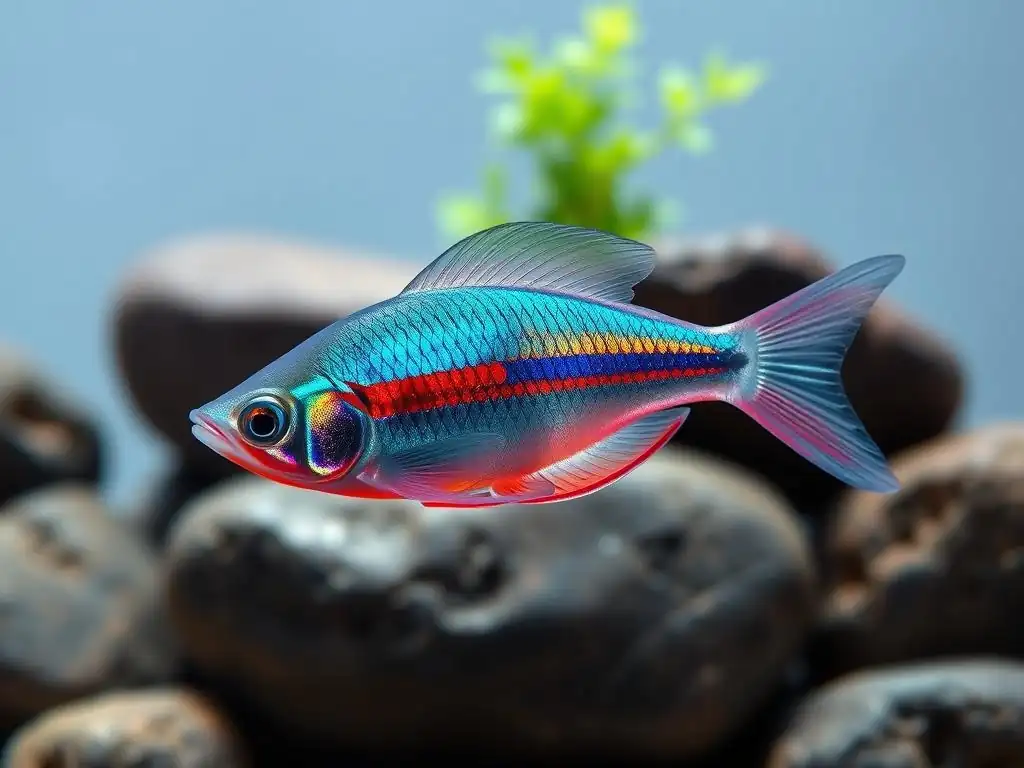
Regular and diligent observation of your tetra school is the cornerstone of maintaining happy fish schooling dynamics. Aquarists should make it a daily habit to watch their fish for any subtle changes in behavior, coloration, or swimming patterns. Signs of stress or discomfort include faded colors, clamped fins, rapid breathing, constant hiding, staying at the surface or bottom, erratic darting, or a sudden disinterest in food. These are often the first indicators that something is amiss in their environment or social structure.
More specifically concerning schooling, if a group of tetras that previously schooled tightly suddenly disperses and remains scattered, or if individual fish are constantly chased and show signs of nipped fins, it signals an underlying issue that needs immediate attention. For instance, a cohesive school of Rummy Nose Tetras that suddenly becomes disoriented or individuals start twitching, often points to a rapid change in water parameters, requiring immediate testing and corrective action to restore their comfort and schooling behavior.
Adjusting School Size Based on Species and Tank Conditions
Optimizing a tetra school often involves adjusting its size based on the specific species and the unique conditions of your aquarium. If you observe signs of stress, aggression, or poor schooling behavior, and your tank size allows, consider adding more tetras to reach or exceed the recommended minimum for their species. For example, if you have a 20-gallon tank with 5 Neon Tetras showing timid behavior, adding another 5-7 individuals can significantly improve their confidence and schooling patterns.
When adding new tetras to an existing school, introduce them in small batches (e.g., 3-5 at a time) to minimize shock to the established fish and allow the existing social hierarchy to adjust gradually. Always quarantine new fish for at least two weeks before introducing them to the main tank to prevent the spread of diseases. This careful approach helps maintain the stability and health of the established school, fostering consistent happy fish schooling dynamics.
Providing Enrichment and Stimulation to Enhance Schooling Behavior
Beyond basic needs, providing environmental enrichment and stimulation can significantly enhance natural schooling behavior and overall well-being. Varied feeding, including live or frozen foods, can encourage more active foraging and interaction within the school. For example, offering live daphnia or brine shrimp 2-3 times a week can stimulate their natural hunting instincts and encourage more dynamic schooling movements.
Subtleties in tank setup, such as varying current levels and appropriate lighting cycles, can also promote natural behaviors. Mimicking natural river currents with a gentle filter outflow can encourage more dynamic schooling patterns, as tetras will often swim against a slight current. Additionally, providing a clear day/night cycle with 10-12 hours of light followed by complete darkness allows them to rest properly and maintain their natural rhythms, contributing to their vitality and the visual appeal of your tetra school.
Troubleshooting Common Tetra Schooling Problems
Isolated Tetras: Identifying and Addressing the Root Cause
An isolated tetra, consistently separating from its group, is a clear indicator of distress and requires prompt investigation. The root causes can vary: the school size might be too small, leading to insecurity; the individual fish might be ill or weak, causing it to be ostracized or unable to keep up; or there might be an overly aggressive tank mate or even a dominant tetra within the school bullying it.
For instance, if a single Neon Tetra consistently separates from its group, it could be a sign of early illness or that the school size (e.g., only 3-4 individuals) is insufficient for its sense of security.
To address isolation, first, observe for signs of illness. If suspected, quarantine and treat the fish in a separate hospital tank. If the school size is inadequate, gradually add more tetras to reach the recommended minimum (e.g., adding 3-5 more individuals to a small school of 4 tetras often resolves isolation issues by diffusing potential aggression and increasing the sense of security). If bullying is evident, consider removing the aggressive fish or adding more visual breaks (plants, decor) to the tank to provide hiding spots and break line of sight, fostering better happy fish schooling dynamics.
Aggressive Behavior within the School: Causes and Solutions
Aggressive behavior, such as fin nipping, chasing, or territorial disputes within a tetra school, can be paradoxical, sometimes stemming from too few fish and other times from overcrowding. If the school is too small, aggression can concentrate on a few individuals, as previously discussed. Conversely, an overcrowded tank leads to increased stress, competition for resources, and limited personal space, which can also trigger aggression. Fin nipping among Black Skirt Tetras often points to an overcrowded tank or a school size below the recommended minimum of 6-8, where aggression isn't diffused among enough individuals.
Solutions involve addressing the underlying cause. If the school is too small, add more tetras (if tank capacity allows) to dilute aggression. If overcrowding is the issue, consider upgrading to a larger tank or reducing the overall fish population. Adding more visual breaks and hiding spots (dense plants, driftwood, rockwork) can also significantly reduce intra-school aggression by allowing weaker individuals to escape direct confrontation and establish temporary territories, promoting more harmonious happy fish schooling dynamics.
A sudden and persistent dispersal of a tetra school, where they typically group tightly, is a strong indicator of significant environmental or social stress. Common causes include the presence of a perceived threat (e.g., a new, overly large or aggressive tank mate), poor water quality (e.g., elevated ammonia, nitrite, or nitrate levels; drastic pH or temperature swings), disease outbreak within the school, or sudden changes in the environment (e.g., extreme noise, bright lights, or vibrations).
A sudden and persistent dispersal of a tetra school, where they typically group tightly, often indicates elevated ammonia or nitrite levels, or the presence of a new, stressful tank mate.
Troubleshooting dispersal involves systematically checking for these factors. Immediately test all relevant water parameters (ammonia, nitrite, nitrate, pH, temperature) and correct any imbalances through water changes. Remove any overtly aggressive or incompatible tank mates. Ensure the lighting is appropriate and consistent, and minimize external disturbances. Regular water testing (at least weekly) and prompt adjustments are critical. For instance, addressing a nitrite spike within hours can prevent sustained stress that causes school dispersal and compromises happy fish schooling dynamics.
Choosing the Right Tetra Species for Your Aquarium
Neon Tetras: Schooling and Care Considerations
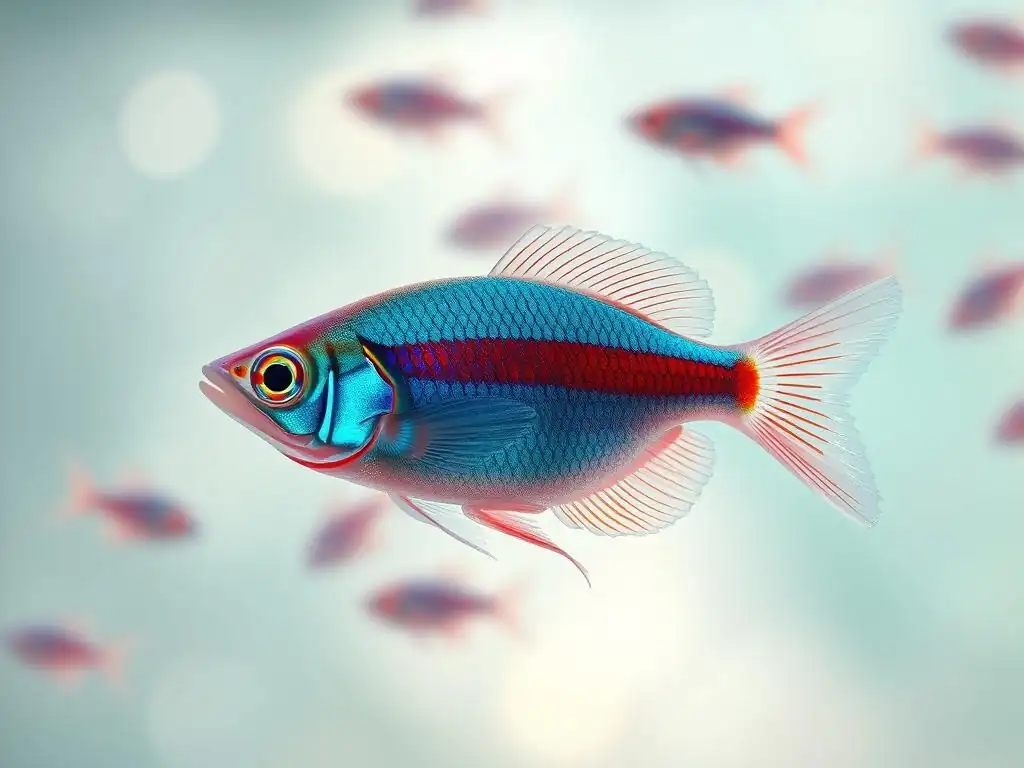
Neon Tetras (Paracheirodon innesi) are arguably the most iconic and popular tetra species, instantly recognizable by their vibrant blue and red stripe. They are a quintessential schooling fish and truly shine when kept in groups of 10 or more, exhibiting synchronized swimming patterns that are a hallmark of happy fish schooling dynamics. For a small group, a 10-gallon tank is a minimum, but a 20-gallon long is highly recommended for a larger, more active school, providing ample linear swimming space.
Care for Neon Tetras involves maintaining soft, acidic water (pH 6.0-7.0, GH 2-10 dGH) with a temperature range of 72-78°F (22-26°C). They are sensitive to fluctuating water parameters and require a well-cycled tank with stable conditions. A planted aquarium with some open swimming areas and darker substrate will bring out their best colors and encourage natural schooling behavior.
Cardinal Tetras (Paracheirodon axelrodi) closely resemble Neon Tetras but possess a red stripe that extends the full length of their body, making them even more striking. They are known for their extremely tight schooling behavior, often forming a more cohesive unit than Neons. Cardinal Tetras originate from blackwater environments and require very stable water conditions, generally warmer, softer, and more acidic than Neons (pH 5.0-6.5, temperature 78-82°F or 25.5-28°C).
Due to their slightly larger size and more pronounced schooling instinct, a minimum group of 6-8 is recommended, but 12 or more individuals will truly showcase their incredible happy fish schooling dynamics. They are more sensitive to rapid changes in water parameters than Neon Tetras, making a mature, well-filtered tank with consistent maintenance essential for their long-term health and vibrant display.
Other Popular Tetra Species and Their Schooling Requirements
Beyond Neons and Cardinals, many other tetra species offer diverse appearances and schooling characteristics. Rummy Nose Tetras (Hemigrammus rhodostomus) are particularly prized for their extremely tight schooling, making them excellent indicators of water quality and a prime example of happy fish schooling dynamics when kept in groups of 8-12. Their red nose will fade if they are stressed or water quality is poor.
Black Skirt Tetras (Gymnocorymbus ternetzi) are slightly larger and can be prone to fin nipping if not kept in groups of 6-8 or more to diffuse aggression. Serpae Tetras (Hyphessobrycon eques) are similarly robust and require larger schools (10+) to prevent them from nipping fins of other tank mates.
Ember Tetras (Hyphessobrycon amandae), being tiny (under an inch), thrive in very large schools of 15-20+ individuals even in smaller tanks (e.g., a 10-gallon), where their vibrant orange color creates a stunning visual. Congo Tetras (Phenacogrammus interruptus) grow larger (up to 3 inches) and need larger tanks (30+ gallons) for schools of 6-8, where they display impressive iridescent scales.
Maintaining a Healthy and Harmonious Tetra School
Regular Tank Maintenance: Ensuring Optimal Water Quality
Consistent and diligent tank maintenance is the most critical factor in ensuring the long-term health and harmonious happy fish schooling dynamics of your tetra school. Regular water changes are paramount; a weekly 25-30% water change for a moderately stocked tank is far more beneficial than infrequent, large changes, as it prevents drastic shifts in water chemistry. During water changes, use a gravel vacuum to remove uneaten food and waste from the substrate, which helps prevent the buildup of harmful nitrates.
Beyond water changes, routine filter maintenance (rinsing filter media in old tank water, replacing filter cartridges as needed) is essential to ensure biological filtration remains efficient. Consistent water testing for ammonia, nitrite, nitrate, and pH levels is also vital. Maintaining nitrate levels below 20 ppm is crucial for long-term tetra health, as prolonged exposure to high nitrates can cause chronic stress, dull colors, and suppress their immune system, directly impacting their schooling behavior and overall vitality.
Proper Feeding Practices: Preventing Competition and Aggression
Proper feeding practices are key to preventing undue competition and aggression within a tetra school. Instead of feeding one large meal, offer smaller amounts of high-quality flake or micro-pellet food two to three times a day. This ensures that all fish, including the more timid individuals, have ample opportunity to eat, reducing the likelihood of a few dominant fish monopolizing the food supply.
Supplementing their diet with live or frozen foods such as bloodworms, brine shrimp, or daphnia 2-3 times a week provides essential nutrients and stimulates natural foraging behaviors. This diverse diet ensures all nutritional needs are met, leading to more robust health and vibrant colors, which are hallmarks of happy fish schooling dynamics. Observe your fish during feeding to ensure everyone is getting enough; if some individuals consistently miss out, adjust your feeding method or consider adding more spread-out feeding points.
Monitoring for Disease: Identifying and Treating Illnesses Promptly
Vigilant daily monitoring for signs of disease is essential for the well-being of your tetra school. Healthy tetras are active, brightly colored, and responsive. Any deviation from this, such as lethargy, loss of appetite, faded colors, clamped fins, white spots (Ich), frayed fins, unusual swimming patterns, or visible lesions, should be noted immediately. Early detection is key; for example, noticing a single Neon Tetra with Ich and promptly isolating it for treatment can prevent the parasite from spreading to the entire school, which can be devastating given their susceptibility.
Always quarantine new fish in a separate tank for at least two weeks before introducing them to your main aquarium. This prevents potential pathogens from entering your established school. If a fish in the main tank shows signs of illness, it's often best to remove it to a hospital tank for treatment. This prevents the spread of disease and allows for more targeted medication without affecting the main tank's biological filter or healthy fish. Maintaining a healthy environment through proper husbandry significantly reduces the risk of disease, contributing to a consistently thriving and harmonious tetra school.
Frequently Asked Questions
How does the size of a tetra school affect their happiness?
A larger school generally leads to happier and healthier tetras. This is because they feel safer and more secure, mimicking their natural environment.
What are some signs that my tetras are not happy with their schooling dynamics?
Signs include increased aggression, hiding frequently, and a lack of natural schooling behavior. These suggest stress and unhappiness.
How does tank size influence the schooling dynamics of tetras?
Tank size directly impacts schooling. A tank that's too small restricts movement and can lead to stress and aggression within the school.
What type of tetras school the best?
While most tetras are schooling fish, some species like Neon Tetras and Cardinal Tetras are particularly known for their strong schooling behavior. This is due to their natural instincts and social needs.
What other factors, besides school size, influence a tetra's schooling behavior?
Water quality, tank mates, and the presence of hiding places all play a role. Stable water parameters and peaceful tank mates are crucial for happy schooling dynamics.
Final Reflection: Unlocking the Secrets of Happy Fish
The insights we've explored into the complex world of tetra schooling dynamics are not merely academic; they offer a tangible pathway to creating healthier, more enriching environments for our aquatic companions. Understanding the crucial role of group size, social hierarchy, and environmental factors allows us to move beyond simply keeping fish alive and towards fostering genuine well-being in our aquariums. This knowledge empowers us to become more responsible and empathetic caretakers.
The impact of these schooling dynamics extends beyond the glass walls of our tanks. Observing the intricate social structures of tetras reminds us of the fundamental need for community and belonging, a need shared by all living creatures. The greatness of a nation and its moral progress can be judged by the way its animals are treated.
- Mahatma Gandhi. This quote, though often applied to larger animals, resonates deeply with the care we provide for even the smallest members of our ecosystems, highlighting the interconnectedness of all life and the importance of ethical stewardship.
Now, armed with a deeper understanding of "happy fish schooling dynamics," I invite you to reflect on your own role in creating a thriving environment, whether it's in your aquarium or in the wider world. Consider how you can apply these principles of balance, harmony, and social connection to improve the lives of those around you, both seen and unseen. Let's strive to create spaces where every individual, regardless of size or species, can flourish and find their place within a supportive and vibrant community.
Ignite Your Tetra Tank: Unlock Vibrant Shoaling!
Thank you for diving into the world of tetra schooling! We hope you've gained valuable insights into creating a thriving environment for your finned friends. Now, let's put that knowledge into action and witness the mesmerizing beauty of a truly happy tetra shoal.
Here's how you can elevate your aquarium:
- Prioritize: Re-evaluate your tank size and tetra population.: Is your aquarium spacious enough to comfortably house your current school, allowing for natural behaviors and reducing stress? This is key to unlocking their natural schooling behavior.
- Experiment: Introduce subtle changes to the tank's environment (e.g., adding plants or decor) and observe how it impacts the tetra's interaction and schooling dynamics.
- Share the Joy: Capture a video of your thriving tetra shoal and post it to a relevant online forum to spark conversation and get insights from other enthusiasts.
What surprising schooling behavior have you observed in your tetra tank that defied conventional wisdom? Share your experiences below!