
Breeding Chili Rasboras: A Delicate Dance for Nano Aquarists

Welcome to Aquarium Mastery!
Ever wondered how to unlock the secrets of successfully breeding those vibrant, tiny jewels known as Chili Rasboras? Breeding Chili Rasboras can be a delicate dance, especially in nano aquariums, but with our expert guidance, you'll learn the tips and tricks to witness this fascinating process firsthand. Ready to delve into the art of coaxing these little beauties to reproduce? Let's explore!
- Introduction to Chili Rasbora Breeding
- Understanding Chili Rasbora Reproduction
- Setting Up a Chili Rasbora Breeding Tank
- The Chili Rasbora Breeding Process: A Step-by-Step Guide
- Raising Chili Rasbora Fry: A Delicate Task
- Optimizing Chili Rasbora Breeding Success
- Advanced Chili Rasbora Breeding Techniques
- Conclusion: The Rewards of Breeding Chili Rasboras
- Frequently Asked Questions
- Final Reflection: The Vibrant Future of Tiny Lives
- Ignite Your Nano Tank: Start Your Chili Rasbora Breeding Journey!
Introduction to Chili Rasbora Breeding
The Allure of Breeding Boraras brigittae (Chili Rasboras)
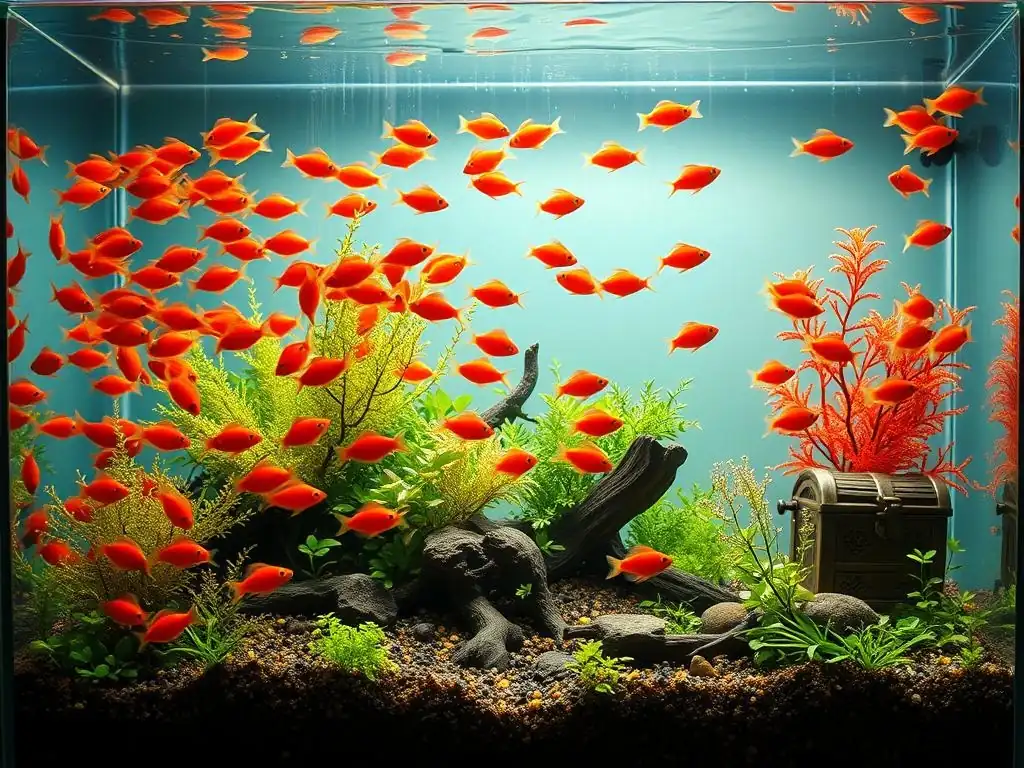
Chili Rasboras, scientifically known as Boraras brigittae, are among the most captivating and sought-after nano fish for planted aquariums. Their vibrant red coloration, peaceful schooling behavior, and diminutive size—typically reaching only about 0.8 inches (2 cm) in length—make them an ideal choice for smaller setups. The challenge and inherent beauty of successfully breeding these delicate cyprinids add another layer of fascination for dedicated aquarists.
The appeal of breeding Boraras brigittae extends beyond their aesthetic charm; it offers a profound opportunity to observe a complete life cycle within the confines of a home aquarium. This endeavor is often seen as a significant milestone for nano aquarists, requiring precision, patience, and a deep understanding of their specific needs, making it a truly rewarding experience.
Why Breed Chili Rasboras in a Nano Aquarium?
Nano aquariums, typically ranging from 2.5 to 10 gallons (approximately 9.5 to 38 liters), are uniquely suited for Chili Rasbora breeding. Their small footprint allows for precise control over water parameters, which is crucial for the successful reproduction of these sensitive fish. A 5-gallon tank, for instance, provides ample space for a breeding pair or trio while remaining manageable for detailed observation.
Breeding Chili Rasboras in a dedicated nano tank also offers a controlled environment free from predators, such as larger fish or even some snails, which might consume the tiny eggs or fry. This isolation significantly increases the survival rate of the offspring and allows the aquarist to focus entirely on the delicate process, applying optimal Chili Rasbora breeding tips without external interference.
Understanding Chili Rasbora Reproduction
Chili Rasbora Mating Behavior Explained
Chili Rasbora mating behavior is a subtle yet fascinating display, typically occurring in the early morning hours, often just as the aquarium lights come on or natural light begins to filter in. Males, identifiable by their more intense coloration and slender bodies, will actively pursue females, engaging in a delicate dance of nudging and displaying their vibrant hues to entice a potential mate.
Once a female is receptive, the pair will move into dense plant cover, where the actual spawning takes place. The male will position himself alongside the female, pressing against her as she releases a few eggs at a time. This process is usually repeated multiple times over a period of an hour or two, with eggs being scattered rather than laid in a single clutch.
Identifying Male and Female Chili Rasboras for Breeding
Distinguishing between male and female Chili Rasboras is a critical step for successful breeding, though it can be subtle given their small size. Males are generally more slender and exhibit a noticeably brighter, more vibrant red coloration, particularly when in breeding condition. Their anal fin might also appear slightly more pointed compared to that of a female.
Females, on the other hand, tend to be rounder and plumper, especially when gravid (carrying eggs), and their red coloration is often less intense. When viewed from above, a female ready to spawn will often show a distinct bulge in her belly region, indicating the presence of developing eggs. Observing these subtle differences is key for selecting prime breeding candidates.
Chili Rasbora Egg Laying and Fertilization Process
Chili Rasbora eggs are remarkably tiny, clear, and non-adhesive, typically measuring less than 1mm in diameter. During spawning, these eggs are scattered individually among fine-leaved plants or specialized spawning mops, falling freely to the substrate or becoming lodged within the plant structure. A single female can lay anywhere from 10 to 30 eggs per spawning session, though not all will be fertilized.
Fertilization occurs externally as the eggs are released, with the male quickly fertilizing them immediately after expulsion. The incubation period for Chili Rasbora eggs is remarkably short, usually lasting between 24 to 48 hours when kept at optimal temperatures, typically around 78°F (25.5°C). The eggs are highly susceptible to fungal infections if water quality is not pristine, making prompt removal of adults crucial.
Setting Up a Chili Rasbora Breeding Tank
Choosing the Right Nano Tank for Chili Rasbora Breeding
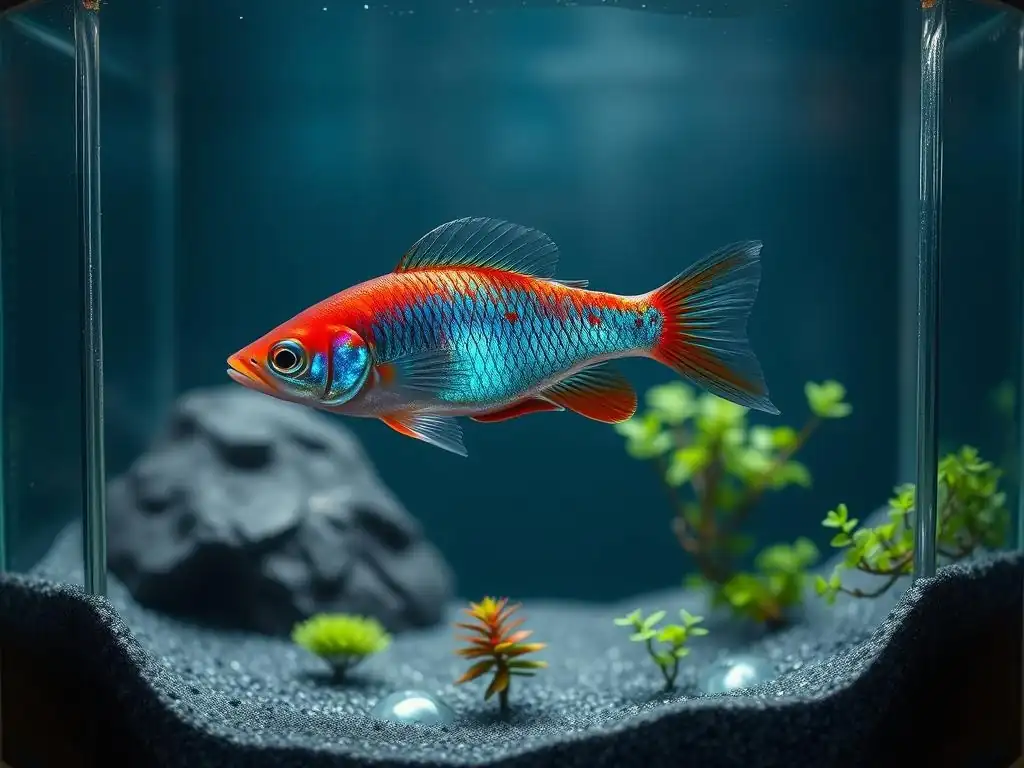
For Chili Rasbora breeding, a dedicated nano tank of 2.5 to 5 gallons (approximately 9.5 to 19 liters) is highly recommended. This size provides sufficient space for a breeding pair or trio while allowing the aquarist to maintain extremely stable and precise water parameters, which are vital for successful egg development and fry survival. Smaller volumes also make it easier to observe the delicate spawning process.
While larger tanks can house these fish, a smaller breeding tank ensures that the spawning pheromones are concentrated, potentially encouraging more frequent breeding. Furthermore, a smaller tank simplifies the process of locating and collecting the tiny, clear eggs, or later, the microscopic fry, enhancing the overall success rate of your Chili Rasbora breeding tips.
Essential Equipment for a Chili Rasbora Breeding Setup
Sponge Filters for Gentle Filtration
Sponge filters are indispensable for a Chili Rasbora breeding setup due to their gentle water flow and excellent biological filtration capabilities. Unlike power filters, sponge filters prevent newly hatched fry from being sucked in, ensuring their safety. They also provide a large surface area for beneficial bacteria to colonize, maintaining stable water chemistry crucial for delicate eggs and fry.
Additionally, sponge filters contribute to the growth of infusoria, microscopic organisms that serve as a vital initial food source for newly hatched Chili Rasbora fry. A small, air-driven sponge filter connected to an air pump is all that is needed, providing adequate filtration without creating strong currents that could stress the fish or dislodge eggs.
Heater and Thermostat for Stable Temperatures
Maintaining a stable and optimal temperature is paramount for successful Chili Rasbora breeding. These fish breed most readily in temperatures ranging from 76-80°F (24.5-26.5°C). A small, reliable aquarium heater equipped with an accurate thermostat is essential to keep the water temperature consistent, preventing fluctuations that can stress the fish or inhibit egg development.
Temperature consistency directly impacts the incubation period of the eggs and the overall health of the breeding adults. Sudden drops or spikes in temperature can lead to unviable eggs or increased susceptibility to disease, undermining breeding efforts. Therefore, investing in a quality heater is a key Chili Rasbora breeding tip.
Lighting Considerations for a Breeding Tank
For a Chili Rasbora breeding tank, moderate and diffused lighting is generally preferred. Overly bright illumination can stress these small, shy fish and potentially discourage spawning activity. A simple LED light on a timer, set for 8-10 hours a day, typically provides sufficient light for plant growth (if used) and observation without being overly intense.
Some aquarists find that slightly dimmer lighting or a period of complete darkness followed by a gradual increase in light intensity in the morning can help stimulate spawning. If using natural light, ensure it is indirect to prevent extreme temperature swings and excessive algae growth, which can foul the breeding water.
Preparing the Breeding Tank Environment
Substrate Options for Chili Rasbora Fry Survival
For a Chili Rasbora breeding tank, a bare bottom is highly recommended. This simplifies cleaning, allows for easy observation of eggs, and makes it much easier to siphon out any uneaten food or detritus without disturbing the tiny fry. A bare bottom also prevents eggs from becoming lost or consumed within a substrate layer.
If a substrate is desired for aesthetic reasons or to help with water chemistry, a very fine sand (less than 1mm grain size) can be used minimally. However, the primary objective is to maximize fry survival, and a bare bottom facilitates this by providing fewer hiding places for eggs and fry to be missed during maintenance.
Plants and Spawning Mops for Egg Protection
Dense planting with fine-leaved aquatic plants is crucial for Chili Rasbora breeding. Species such as Java Moss ( Taxiphyllum barbieri), Guppy Grass ( Najas guadalupensis), or Hornwort ( Ceratophyllum demersum) provide ideal spawning sites where eggs can be scattered and fall through to safety, preventing immediate consumption by the adult fish. These plants also offer cover for the breeding pair.
Alternatively, or in addition to live plants, artificial spawning mops made from dark-colored nylon yarn can be very effective. These mops, suspended near the surface or resting on the bottom, mimic the structure of dense vegetation and provide excellent surfaces for egg deposition. Ensure any plants or mops introduced are clean and free of pests.
Water Parameters for Optimal Chili Rasbora Breeding
Chili Rasboras thrive and breed best in soft, acidic water, closely mimicking their natural peat swamp habitats. Ideal parameters include a pH range of 5.0-6.5, very low general hardness (GH) and carbonate hardness (KH), ideally below 5 dGH and 3 dKH, respectively. Many successful breeders use reverse osmosis (RO) water remineralized to achieve these specific conditions.
Pristine water quality is absolutely paramount for egg viability and fry survival. Ammonia and nitrite levels must be undetectable (0 ppm), and nitrates should be kept below 10 ppm. Small, frequent water changes—10-15% daily or every other day—with aged, temperature-matched, and properly conditioned water are essential for maintaining this critical stability.
The Chili Rasbora Breeding Process: A Step-by-Step Guide
Conditioning Chili Rasboras for Breeding
Before introducing Chili Rasboras to a breeding tank, it's crucial to condition them for optimal health and reproductive readiness. This involves feeding a varied, high-quality diet rich in protein and essential nutrients. Live foods such as micro worms, grindal worms, daphnia, and newly hatched brine shrimp are excellent choices, as they mimic their natural diet and boost their vitality.
Conditioning should typically last for 1-2 weeks in their main display tank. This period allows the females to develop a robust egg clutch and males to produce vigorous sperm, significantly increasing the likelihood of successful spawning. Frozen alternatives like cyclops or small bloodworms can also supplement their diet effectively.
Introducing Chili Rasboras to the Breeding Tank
Once the breeding tank is set up and conditioned, introduce the selected Chili Rasboras, ideally in the evening to allow them to acclimate overnight. A good starting ratio is 1-2 males with 2-3 females (a trio or quartet often yields good results), ensuring there's enough genetic diversity for successful fertilization without overcrowding.
Some aquarists find that slightly lowering the water level in the breeding tank to about 4-6 inches (10-15 cm) can encourage spawning, as can a minor temperature increase (by 1-2°F or 0.5-1°C) within their optimal range. Observe their behavior closely the following morning for signs of courtship.
Monitoring the Breeding Tank for Egg Laying
Spawning activity in Chili Rasboras typically commences in the very early morning hours, often coinciding with the first light of day. It is essential to carefully monitor the breeding tank during this time for signs of courtship behavior, such as males chasing and displaying to females, and ultimately, the scattering of tiny, clear eggs.
The eggs are incredibly small, often less than 1mm in diameter, and can be challenging to spot against plants or substrate. Using a flashlight to peer into dense plant thickets or against the bare bottom can help reveal the translucent eggs. Look for them adhering to plant leaves, within spawning mops, or lying on the tank floor.
Removing Adult Chili Rasboras After Spawning
Chili Rasboras, like many other small cyprinids, are opportunistic egg eaters and will readily consume their own eggs if given the chance. Therefore, once you observe eggs in the breeding tank, or after a full day of apparent spawning activity, it is crucial to carefully remove the adult fish.
Gently net the adults and transfer them back to their main display tank. This step is perhaps the most critical for achieving a high survival rate of the eggs and subsequent fry. Swift removal minimizes predation and allows the eggs to develop undisturbed in a controlled environment.
Raising Chili Rasbora Fry: A Delicate Task
First Foods for Chili Rasbora Fry: Infusoria and Micro Worms
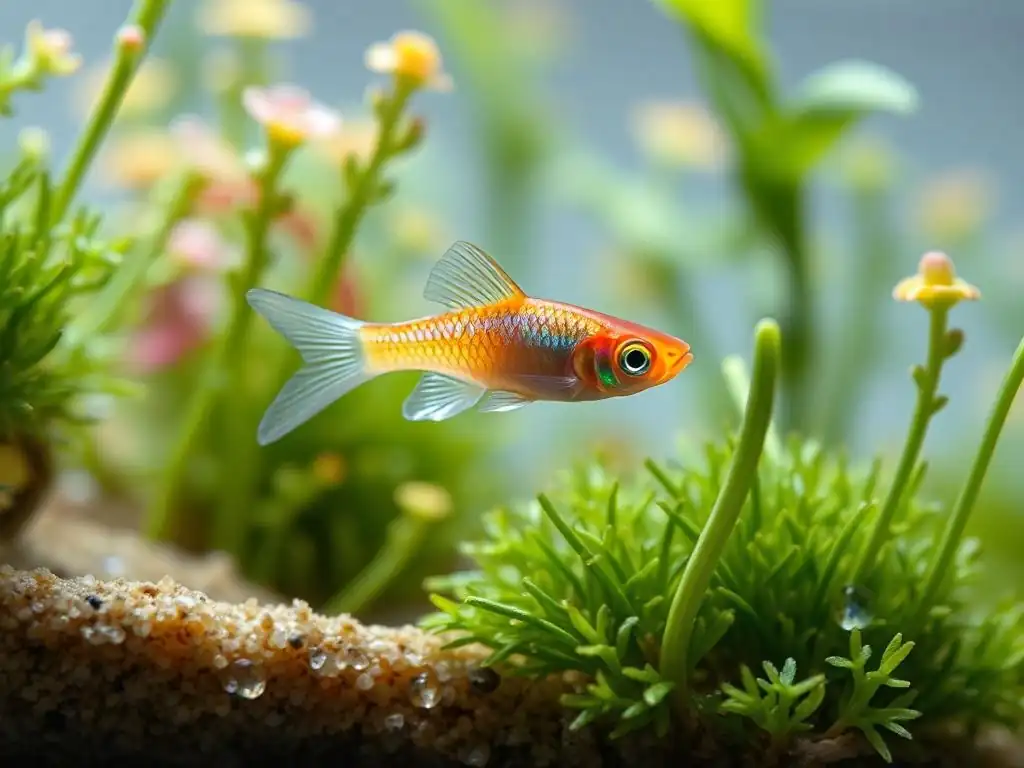
Chili Rasbora fry are incredibly tiny upon hatching, typically measuring only 2-3mm in length, and require microscopic food sources for their initial days. Infusoria, a collective term for various microscopic protozoa and rotifers, is the ideal first food. It can be cultured from decaying plant matter, or purchased as a starter culture, and should be available from the moment the fry hatch for the first 3-5 days.
After this initial period, as the fry grow slightly larger, they can be transitioned to micro worms or vinegar eels. These are larger than infusoria but still small enough for the fry to consume. Feed tiny amounts multiple times a day (3-5 times) to ensure a constant supply of food without overfeeding and polluting the water.
Gradual Introduction of Baby Brine Shrimp
Once Chili Rasbora fry are approximately one week old and have grown visibly, demonstrating the ability to effectively consume micro worms, you can begin the gradual introduction of newly hatched baby brine shrimp ( Artemia nauplii). Baby brine shrimp are highly nutritious, packed with protein, and crucial for promoting rapid growth and robust development in the fry.
Continue to offer micro worms alongside the baby brine shrimp for a few days to ensure a smooth transition and that all fry are feeding adequately. It is essential to thoroughly rinse the newly hatched brine shrimp to remove any residual salt before adding them to the freshwater fry tank, preventing unwanted salinity spikes.
Maintaining Water Quality in the Fry Tank
Maintaining impeccable water quality in the fry tank is paramount for the survival and healthy development of Chili Rasbora fry. Due to frequent feedings and the fry's extreme sensitivity, daily small water changes of 10-20% are absolutely critical. Always use aged, temperature-matched, and dechlorinated water for these changes to avoid shocking the delicate fry.
Regularly and gently siphon off any uneaten food, detritus, or waste from the bottom of the tank using an airline tube. Any accumulation of organic matter can rapidly lead to spikes in ammonia and nitrite, which are highly toxic and often fatal to young fry. Diligent water maintenance is a cornerstone of Chili Rasbora breeding tips.
Preventing Common Fry Issues and Diseases
The most common challenges leading to Chili Rasbora fry mortality are starvation due to insufficient or inappropriate food and death from poor water quality. To prevent starvation, ensure a continuous supply of suitable microscopic foods from day one. For water quality, strict adherence to daily small water changes and meticulous siphoning of waste is essential to prevent ammonia and nitrite spikes.
Fungal infections on unhatched eggs or bacterial infections in the newly hatched fry can also occur, often exacerbated by suboptimal water conditions. Maintaining pristine water and avoiding overfeeding, which fouls the water, are the best preventative measures. Additionally, ensure the breeding tank is free of any potential predators, including snails, which might consume eggs or newly hatched fry.
Optimizing Chili Rasbora Breeding Success
Water Changes and Tank Maintenance for Breeding
Regular and strategic water changes are a cornerstone of successful Chili Rasbora breeding. In the dedicated breeding tank, performing small (10-15%) water changes every 1-2 days can help simulate seasonal changes and often acts as a trigger for spawning. Using reverse osmosis (RO) water that has been precisely re-mineralized to the desired soft and acidic parameters ensures consistency, which is vital for egg development.
Beyond water changes, meticulous tank maintenance is crucial. Daily siphoning of any uneaten food or debris from the tank bottom is essential, especially when eggs are present, to prevent the growth of fungus and maintain pristine water quality. A clean environment not only stimulates breeding but also significantly increases the viability of eggs and the survival rate of fry, serving as a top Chili Rasbora breeding tip.
Dietary Considerations for Healthy Chili Rasboras
A diverse and high-quality diet is fundamental for both conditioning adult Chili Rasboras for breeding and ensuring the robust growth of their fry. For adults, incorporating a variety of live foods such as daphnia, grindal worms, white worms, and small insect larvae can significantly enhance their health, coloration, and egg production. These natural food sources provide essential proteins and fats that commercial flakes often lack.
For fry, the diet must evolve with their growth. Starting with infusoria, transitioning to micro worms and then to newly hatched baby brine shrimp, and finally introducing finely crushed high-quality flake food or specialized micro-pellets as they mature, ensures they receive all necessary nutrients. This progressive feeding strategy supports rapid development and prevents nutritional deficiencies.
Addressing Common Breeding Challenges
Infertility and Low Egg Production
If your Chili Rasboras are not spawning or are producing a low number of infertile eggs, several factors could be at play. First, re-evaluate their conditioning diet; ensure they are receiving a rich, varied diet, particularly live or high-protein frozen foods, for at least 1-2 weeks. Nutritional deficiencies are a common cause of poor egg production.
Secondly, check your water parameters. Subtle tweaks in pH (aiming for 5.0-6.5) or a slight temperature increase (within the 76-80°F range) can sometimes act as a spawning trigger. Lastly, consider your sex ratio. While a 1:1 ratio can work, a slightly higher proportion of males (e.g., 2 males to 3 females) or vice versa can sometimes encourage more active spawning behavior and better fertilization rates.
Fry Mortality and Predation
High fry mortality is a disheartening but common challenge in Chili Rasbora breeding. The primary causes are often insufficient first foods and poor water quality. Ensure that infusoria is readily available from the moment the fry hatch, as they are too small for other foods initially. Consistent, small daily water changes are critical to prevent ammonia and nitrite spikes, which are lethal to delicate fry.
Predation by adult fish is easily prevented by removing the parents immediately after spawning. However, other tank inhabitants, such as certain snail species or even detritus worms, can also pose a threat to tiny eggs or newly hatched fry. Maintaining a meticulously clean and isolated breeding tank, free from any potential predators, is crucial for maximizing fry survival rates.
Advanced Chili Rasbora Breeding Techniques
Selective Breeding for Enhanced Coloration
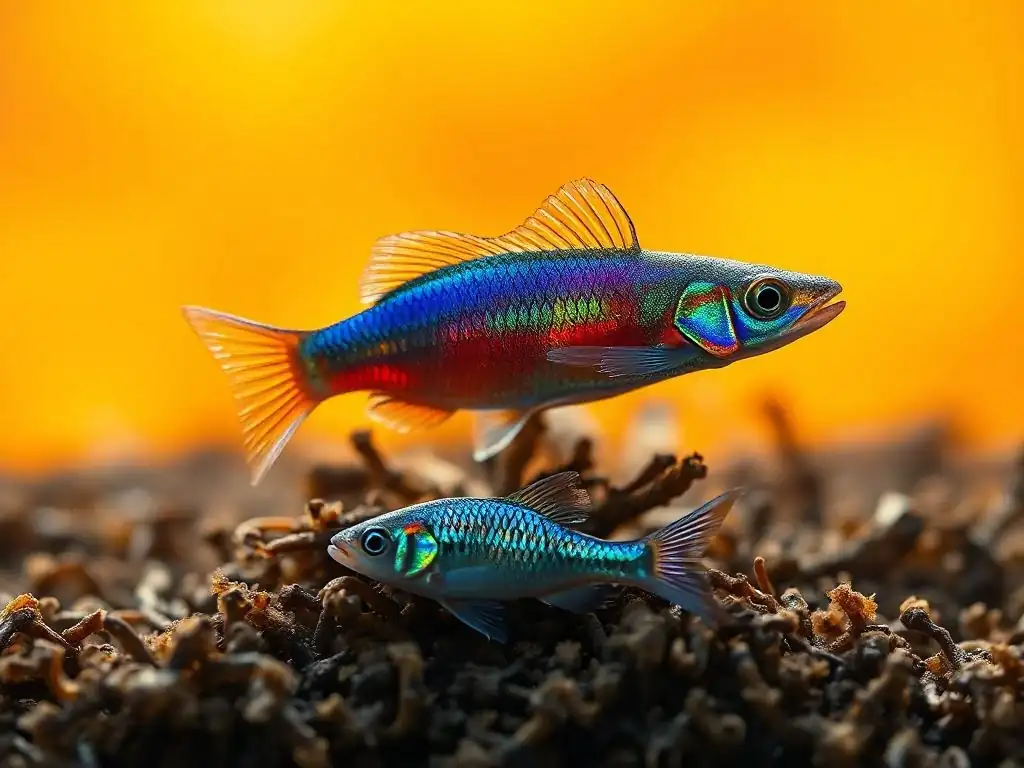
Once you have established a self-sustaining Chili Rasbora breeding colony, you can begin to explore advanced techniques like selective breeding. This involves carefully choosing individuals with the most desirable traits—in the case of Chili Rasboras, typically the most vibrant and intensely colored specimens—to become the parents of your next generation.
This process requires patience and multiple generations. As fry grow, observe them closely and identify those that exhibit superior coloration or other preferred characteristics. Isolate these individuals for future breeding pairs, and consider documenting their lineage to track the success of your selective breeding efforts. Over time, this can lead to a more visually striking and consistent line of home-bred Chili Rasboras.
Managing Genetics and Avoiding Inbreeding
To ensure the long-term health, vigor, and genetic diversity of your Chili Rasbora colony, it's crucial to manage genetics and actively avoid inbreeding. Continuous breeding of closely related individuals (e.g., siblings) over multiple generations can lead to inbreeding depression, which manifests as weaker fish, reduced fertility, smaller size, increased susceptibility to disease, and even deformities.
A good practice is to introduce new, unrelated breeding stock into your colony every few generations, perhaps every 3-4 generations. This infusion of new genetics helps to broaden the gene pool and prevent the accumulation of undesirable recessive traits. While challenging for such small fish, keeping track of different breeding lines, even informally, can significantly contribute to the vitality of your Chili Rasbora population.
Conclusion: The Rewards of Breeding Chili Rasboras
Contributing to the Conservation of Boraras brigittae
Successfully breeding Boraras brigittae at home offers a significant contribution to the broader aquarium hobby and, indirectly, to the conservation of these fascinating fish. By producing captive-bred specimens, aquarists help reduce the demand for wild-caught Chili Rasboras, thereby easing pressure on their natural populations in Southeast Asia, particularly in specific peat swamp habitats in Borneo.
Furthermore, by sharing your knowledge and even home-bred fish with other enthusiasts, you promote sustainable practices within the hobby. This collective effort helps to ensure that Boraras brigittae remains a vibrant and accessible species for future generations of aquarists, fostering a greater appreciation for responsible fish keeping and the delicate ecosystems they inhabit.
Enjoying the Beauty of Home-Bred Chili Rasboras
Beyond the ecological benefits, there is immense personal satisfaction in successfully raising Chili Rasboras from tiny, almost invisible eggs to vibrant, adult fish. Witnessing their full life cycle unfold within your home aquarium is a truly rewarding experience, offering a deeper connection to the aquatic world and a profound sense of accomplishment.
Home-bred Chili Rasboras are often hardier, more accustomed to aquarium life, and less stressed than their wild-caught counterparts. They typically adapt more readily to captive diets and tank conditions, resulting in a more robust, healthier, and ultimately more beautiful addition to your nano tank, showcasing the true essence of successful Chili Rasbora breeding tips.
Frequently Asked Questions
How difficult is it to breed Chili Rasboras?
Breeding Chili Rasboras can be challenging, especially for beginners. It requires a dedicated breeding tank and precise water parameters to mimic their natural environment.
What are the ideal water parameters for Chili Rasbora breeding?
Ideal water parameters include a temperature of 75-79°F (24-26°C), a slightly acidic pH (around 6.0-6.5), and very soft water (GH below 5).
What type of aquarium setup is best for breeding Chili Rasboras?
A small, densely planted tank (10-20 gallons) with plenty of fine-leaved plants and a gentle sponge filter is recommended to provide hiding places for eggs and fry.
What do Chili Rasbora fry eat?
Chili Rasbora fry require very small food such as infusoria, paramecium, or commercially available liquid fry food for the first few weeks. Live food is highly recommended for optimal growth.
How can I protect the Chili Rasbora eggs and fry from the parents?
Chili Rasboras are known to eat their own eggs and fry. Using breeding mops or dense plants provides refuge, or you can remove the parents after spawning.
Final Reflection: The Vibrant Future of Tiny Lives
The journey into Chili Rasbora breeding, a delicate dance indeed, resonates deeply in a world increasingly drawn to the beauty and complexity of miniature ecosystems. As nano aquariums gain popularity, the desire to not just observe, but to actively participate in the life cycles within them, grows stronger. This article has hopefully illuminated the path, offering practical guidance and fostering a deeper appreciation for these tiny jewels.
This intricate process has shown me that patience and meticulous observation are not just skills for aquarists, but valuable assets in navigating life's complexities. The dedication required to successfully breed Chili Rasboras mirrors the commitment needed to nurture any fragile ecosystem, be it in our tanks or in the world around us. The best way to observe a fish is to become a fish.
- Jacques Cousteau. This quote reminds us that true understanding comes from empathy and immersion, principles that extend far beyond the glass walls of an aquarium.
Now, dear reader, consider the lessons learned from this exploration of Chili Rasbora breeding. Let the patience and dedication required to nurture these tiny lives inspire you to cultivate similar qualities in your own endeavors. Embrace the delicate dance, observe with intention, and contribute to the vibrant future, whether it's in your nano aquarium or in the world beyond.
Ignite Your Nano Tank: Start Your Chili Rasbora Breeding Journey!
Thank you for exploring the delicate world of Chili Rasbora breeding with us. We hope you've gained valuable insights into the specific needs of these tiny jewels. Now, it's time to put that knowledge into action and create your own thriving Rasbora haven!
Here are a few steps you can take right now:
- Begin preparing a dedicated breeding tank: Set up a small, heavily planted aquarium with soft, acidic water to mimic their natural habitat and trigger spawning. This is the most crucial step!
- Delve deeper: Research the specific types of live foods that best condition Chili Rasboras for breeding. Consider culturing your own infusoria or microworms for a sustainable food source.
- Share the Spark: Connect with other nano aquarium enthusiasts online and share your experiences, challenges, and successes with Chili Rasbora breeding. You might uncover hidden tips or forge valuable collaborations!
What unique plant or hidden spawning technique will you incorporate into your Chili Rasbora breeding setup to maximize your chances of success?