
Wild Betta Imbellis: The Peaceful Warrior for Your Nano Tank

Welcome to Aquarium Mastery!
Are you ready to discover the surprisingly peaceful side of the Betta world? Dive in and unlock the secrets to successfully keeping Wild Betta Imbellis, the "peaceful warrior," in your nano aquarium. This fascinating fish offers a unique charm, and our comprehensive guide on Wild Betta Imbellis care tips is your key to creating the perfect habitat. Intrigued? Let's explore!
- Wild Betta Imbellis: A Beginner's Guide to the Peaceful Betta
- Introduction to Wild Betta Imbellis
- Essential Care Tips for Wild Betta Imbellis
- Setting Up the Ideal Nano Tank
- Suitable Tank Mates for Betta Imbellis
- Breeding Wild Betta Imbellis
- Common Health Issues and Prevention
- Sourcing Wild Betta Imbellis Responsibly
- Wild Betta Imbellis vs. Domestic Betta Splendens
- Advanced Care for Experienced Aquarists
- Conclusion: Enjoying Your Wild Betta Imbellis
-
Frequently Asked Questions
- What are the key differences between Wild Betta Imbellis and domestic Betta splendens?
- What size tank is recommended for keeping Wild Betta Imbellis?
- What are the ideal water parameters for Wild Betta Imbellis?
- What type of food should I feed my Wild Betta Imbellis?
- What are some common health issues to watch out for in Wild Betta Imbellis?
- Final Reflection: Embracing the Gentle Strength of Imbellis
- Unleash the Beauty: Transform Your Tank with a Peaceful Warrior!
Wild Betta Imbellis: A Beginner's Guide to the Peaceful Betta
Introduction to Wild Betta Imbellis
Discovering the Beauty of Betta Imbellis
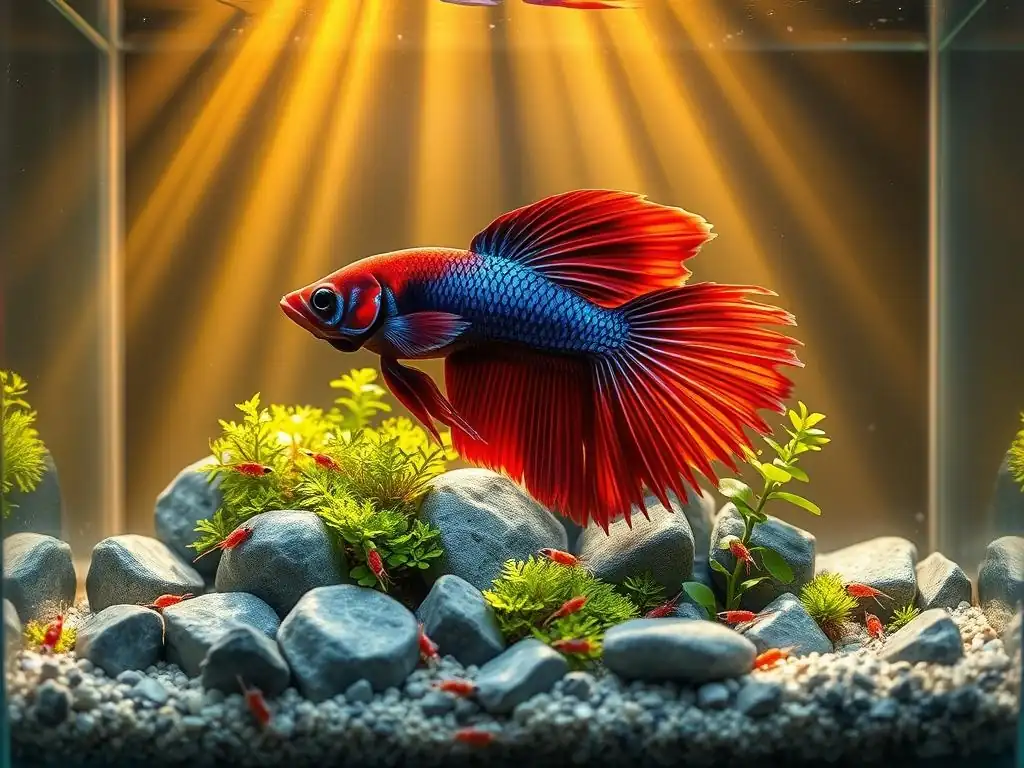
The Betta imbellis, often known as the "Peaceful Betta" or "Crescent Betta," is a captivating species distinct from the commonly recognized domestic Betta splendens. Originating from the slow-moving waters and flooded rice paddies of Southeast Asia, particularly in Thailand, Malaysia, and Singapore, this wild betta showcases a more subdued yet equally stunning beauty.
Its body typically displays iridescent blue-green scales that shimmer under proper lighting, complemented by subtle red accents on its fins, especially the anal and caudal fins. Unlike its flamboyant domestic cousin, the Betta imbellis possesses a streamlined body shape and shorter, more natural finnage, typically reaching a modest size of 2 to 2.5 inches (approximately 5 to 6.5 cm) in total length.
The allure of the Betta imbellis lies not just in its physical appearance but also in its nuanced behavior, which offers a refreshing contrast to the often aggressive nature of domestic bettas. These fish are known for their inquisitive personalities, gracefully navigating heavily planted environments. Observing their natural behaviors, such as exploring nooks and crannies or gently interacting with their surroundings, provides a unique window into the aquatic world. Understanding specific Wild Betta Imbellis care tips is essential to appreciate their full splendor and ensure their well-being in a home aquarium.
Why Choose a Wild Betta Imbellis?
Choosing a Wild Betta Imbellis for your aquarium offers a distinct experience, primarily due to their significantly more peaceful temperament compared to the popular domestic Betta splendens. While still exhibiting territorial tendencies, particularly between males, their aggression is typically less intense and rarely leads to fatal confrontations in a well-structured tank.
This allows for the possibility of keeping them in compatible pairs or even small groups (if space permits and with careful observation), a rarity for most betta species. Their natural behaviors, such as building intricate bubble nests and displaying subtle courtship rituals, are more readily observed and appreciated in a home environment.
Furthermore, Betta imbellis are an excellent choice for aquarists interested in setting up nano tanks or biotope aquariums that mimic natural blackwater habitats. Their relatively small size makes them well-suited for tanks as compact as 5-10 gallons (19-38 liters), making them accessible to those with limited space. Despite their delicate appearance, they are quite hardy when provided with stable water parameters and a well-maintained environment. Adhering to proper Wild Betta Imbellis care tips contributes to their robust health, making them a rewarding species for both novice and experienced aquarists seeking a unique and tranquil aquatic companion.
Essential Care Tips for Wild Betta Imbellis
Replicating the Natural Habitat: Water Parameters
Replicating the natural blackwater habitat of Betta imbellis is paramount for their health and vibrant coloration. These fish thrive in soft, acidic water, mirroring the conditions of the slow-moving streams and flooded areas they inhabit in Southeast Asia. Ideal pH levels range from 5.5 to 7.0, with a general hardness (GH) between 3-8 dGH (50-140 ppm) and carbonate hardness (KH) between 0-5 dKH (0-90 ppm). Maintaining a stable water temperature between 75-82°F (24-28°C) is also crucial, as fluctuations can cause stress and compromise their immune system.
To achieve and maintain these specific parameters, aquarists often use reverse osmosis (RO) or deionized (DI) water remineralized to the desired hardness. The addition of Indian almond leaves (catappa leaves), alder cones, or specialized blackwater extracts can naturally lower the pH and release beneficial tannins, which not only mimic their natural environment but also possess mild antiseptic properties. Regular testing of pH, GH, KH, and temperature using reliable test kits is an indispensable part of Wild Betta Imbellis care tips, ensuring the water chemistry remains consistently within their preferred range.
Diet and Feeding: Providing a Balanced Diet
In their natural habitat, Betta imbellis are micropredators, feeding on small insects, larvae, and zooplankton. To replicate this diet in the aquarium, a high-quality, protein-rich diet is essential for their growth, color, and overall vitality. Offer a varied diet consisting of small, high-quality micro pellets or flakes specifically formulated for carnivorous fish. Look for foods with a high protein content, ideally above 40-50%.
Supplementing their staple diet with live or frozen foods is a critical Wild Betta Imbellis care tip that enhances their health and encourages natural foraging behaviors. Excellent choices include daphnia, brine shrimp (both adult and newly hatched), bloodworms (fed sparingly as a treat due to their high fat content), and mosquito larvae. Feed small amounts 1-2 times daily, only what they can consume within 2-3 minutes. Overfeeding can lead to digestive issues and, more importantly, quickly degrade water quality due to uneaten food decaying, thus impacting the overall health of the aquarium.
Maintaining a Healthy Environment: Tank Size and Water Changes
Proper tank sizing and consistent water changes are foundational Wild Betta Imbellis care tips for creating a healthy and stable environment. For a single Betta imbellis, a minimum tank size of 5 gallons (approximately 19 liters) is recommended, providing adequate space for swimming and establishing territory.
However, a 10-gallon (38-liter) tank is often preferred, as the larger water volume offers greater stability in parameters and more room for aquascaping with plants and decor, which significantly reduces stress. For a compatible pair, a 10-gallon tank is the minimum, while larger tanks (e.g., 20-gallon long, 76 liters) might be considered for small, carefully monitored groups.
Regular water changes are crucial for preventing the buildup of nitrates, phosphates, and other harmful waste products. A weekly water change of 20-30% of the tank volume is generally recommended. When performing water changes, use a gravel vacuum to siphon out detritus and uneaten food from the substrate. Always ensure that the replacement water is dechlorinated and temperature-matched to the tank water to avoid shocking the fish. Consistent maintenance, including filter cleaning (rinsing filter media in old tank water, not tap water, to preserve beneficial bacteria), is vital for maintaining pristine water quality and preventing common health issues.
Setting Up the Ideal Nano Tank
Choosing the Right Tank Size
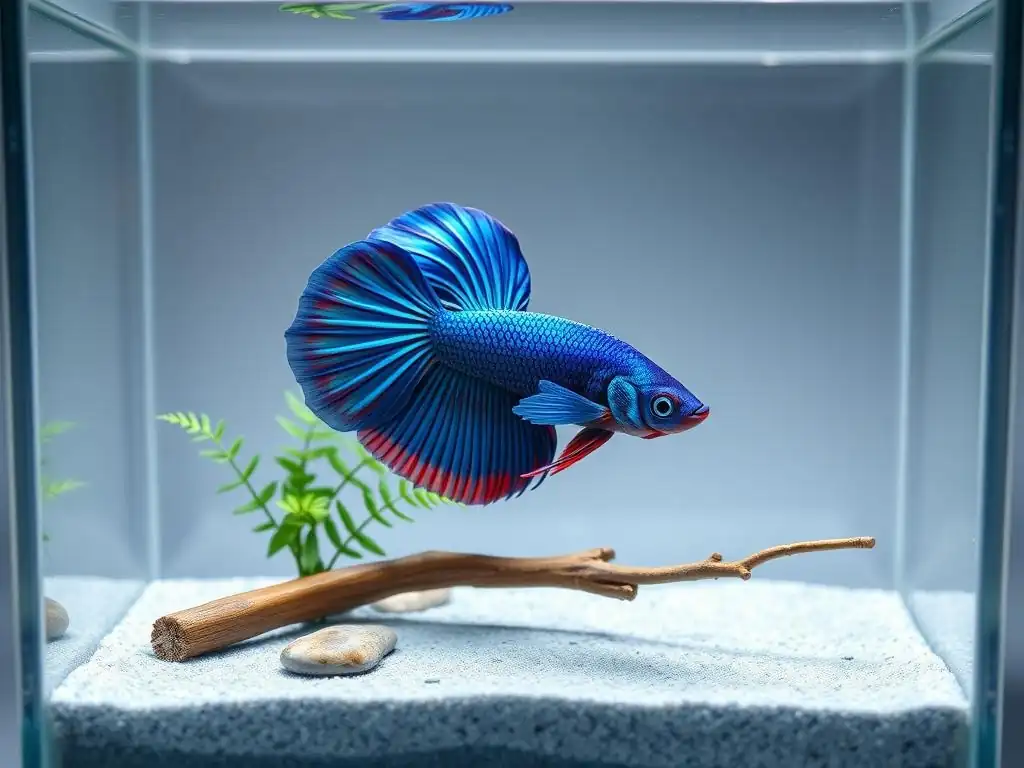
When setting up an aquarium for Wild Betta Imbellis, selecting the appropriate tank size is a primary consideration, especially given their suitability for nano setups. For a single Betta imbellis, a 5-gallon (approximately 16 inches long x 8 inches wide x 10 inches high, or 40 cm x 20 cm x 25 cm) tank is the absolute minimum to provide sufficient swimming space and a stable environment. This size allows for basic aquascaping and a small, gentle filtration system.
However, a 10-gallon (around 20 inches long x 10 inches wide x 12 inches high, or 50 cm x 25 cm x 30 cm) tank is highly recommended for a single specimen or a breeding pair. The increased water volume of a 10-gallon tank offers significantly more stability in water parameters, making it easier to maintain consistent water quality and reducing the impact of waste accumulation.
This larger footprint also provides ample room for dense planting and intricate decor, which are essential Wild Betta Imbellis care tips for creating a secure and stimulating environment that encourages natural behaviors and reduces stress.
Substrate and Decor: Creating a Natural Environment
The choice of substrate and decor is fundamental to creating a natural and comfortable environment for Betta imbellis. A dark, fine-grained substrate such as sand or very fine gravel (1-2 mm particle size) is ideal. This mimics the muddy, silty bottoms of their native habitats and helps to highlight their natural coloration, making them feel more secure. Avoid light-colored or coarse substrates, as they can stress the fish and potentially injure their delicate fins.
Heavy planting is a cornerstone of effective Wild Betta Imbellis care tips for aquascaping. Use live plants like Java Fern ( Microsorum pteropus), Anubias species ( Anubias barteri varieties), Cryptocoryne species ( Cryptocoryne wendtii, Cryptocoryne parva), and various mosses (e.g., Java Moss, Christmas Moss).
Floating plants such as Dwarf Water Lettuce ( Pistia stratiotes) or Salvinia natans are also highly beneficial, providing shaded areas and surface cover for bubble nesting. Incorporate natural decor like driftwood branches and leaf litter (e.g., Indian almond leaves, dried oak leaves) to create hiding spots, break lines of sight, and release beneficial tannins that contribute to the blackwater aesthetic and chemistry.
Filtration and Lighting: Essential Equipment
Selecting the right filtration system is crucial for Betta imbellis, as they originate from slow-moving waters and are sensitive to strong currents. A gentle filter that provides both mechanical and biological filtration is essential. Sponge filters are an excellent choice for nano Betta imbellis tanks; they offer effective filtration, are very gentle on the water flow, and provide ample surface area for beneficial nitrifying bacteria to colonize. If using a hang-on-back (HOB) filter, it is advisable to baffle the outflow with a sponge or plastic bottle to reduce the current and prevent stress to the fish.
For lighting, moderate illumination is generally sufficient for the types of plants typically used in a Betta imbellis setup (e.g., Anubias, Java Fern, Cryptocorynes). A timer should be used to establish a consistent photoperiod of 8-10 hours daily. This supports healthy plant growth, which in turn helps with water quality and provides cover, while also establishing a natural day-night cycle for the fish. Overly bright or prolonged lighting can stress Betta imbellis and encourage algae growth. Proper filtration and lighting are key Wild Betta Imbellis care tips for maintaining a balanced and thriving aquatic ecosystem.
Suitable Tank Mates for Betta Imbellis
Peaceful Community Tank Mates
While Betta imbellis are renowned for being significantly less aggressive than their domestic counterparts, careful consideration is still required when selecting tank mates. The most suitable companions are small, peaceful, non-fin-nipping species that thrive in similar soft, acidic, and warm water conditions. They should also occupy different levels of the water column to avoid direct competition for space.
Excellent choices for a community tank with Betta imbellis include small schooling fish such as Chili Rasboras ( Boraras brigittae), Pygmy Corydoras ( Corydoras pygmaeus or Corydoras habrosus), or Otocinclus catfish. A small school of 6-10 Chili Rasboras in a 10-gallon tank, for instance, can coexist harmoniously with a single Betta imbellis, adding movement and interest without overwhelming the tank's bioload. Always introduce tank mates slowly, and observe interactions closely for the first few days. Providing ample hiding spots and visual barriers through dense planting is a vital Wild Betta Imbellis care tip for peaceful coexistence.
Avoiding Aggressive Species
To ensure the well-being of your Betta imbellis, it is crucial to avoid any fish species known for aggression, fin-nipping, or overly boisterous behavior. Even though B. imbellis are more peaceful, they can still become stressed or injured by unsuitable companions. Strictly avoid any species of Betta splendens, as their aggression towards other bettas is highly probable, even if they are different species.
Other fish to avoid include larger, boisterous tetras (e.g., Serpae Tetras, Buenos Aires Tetras), which are known fin-nippers and can harass the Betta imbellis. Cichlids, even smaller ones, are generally too territorial and aggressive. Any fish that grows significantly larger than the Betta imbellis or exhibits predatory behavior should also be excluded. The goal is to create a serene environment where the Betta imbellis feels secure and can display its natural behaviors without constant threat, making the careful selection of tank mates a cornerstone of successful Wild Betta Imbellis care tips.
Compatible and Incompatible Tank Mates
Compatible Tank Mates:
- Pygmy Corydoras ( Corydoras pygmaeus, Corydoras hastatus, Corydoras habrosus): These tiny, peaceful bottom-dwellers are ideal as they don't compete for space and thrive in similar conditions. A group of 6-8 in a 10-gallon tank can coexist happily.
- Otocinclus Catfish ( Otocinclus affinis): Small, gentle algae eaters that are excellent for keeping the tank clean and are completely non-aggressive. A group of 3-5 is suitable for a 10-gallon tank.
- Dwarf Rasboras ( Boraras brigittae, Boraras maculatus, Boraras merah): These micro-fish are perfectly sized, peaceful, and prefer the same soft, acidic water conditions. A school of 8-12 adds vibrant shoaling behavior.
- Amano Shrimp ( Caridina multidentata) or Neocaridina Shrimp (e.g., Cherry Shrimp): These invertebrates are generally peaceful and excellent algae cleaners. However, caution is advised as Betta imbellis might predate on very small or juvenile shrimp, making observation a key Wild Betta Imbellis care tip.
Incompatible Tank Mates:
- Domestic Betta splendens: Despite being bettas, their temperament differences are too vast, leading to aggression from the splendens towards the imbellis.
- Larger or Aggressive Tetras: Species like Serpae Tetras or Black Skirt Tetras are known fin-nippers and will stress or injure Betta imbellis.
- Most Cichlids: Even dwarf cichlids like Rams can be too territorial or predatory for the more docile Betta imbellis.
- Snails (e.g., Assassin Snails): While some snails are fine, predatory snails should be avoided if you have other snails or small invertebrates you wish to protect.
Breeding Wild Betta Imbellis
Setting Up a Breeding Tank
Breeding Wild Betta Imbellis can be a rewarding experience for dedicated aquarists. A dedicated breeding tank is highly recommended to ensure the safety of the pair and the survival of the fry. A 5-10 gallon (19-38 liter) tank is ideal, with a shallow water depth of 6-8 inches (15-20 cm) to facilitate bubble nest building and make it easier for the male to retrieve fallen eggs. The tank should be equipped with a gentle sponge filter to provide biological filtration without creating strong currents.
Heavily plant the breeding tank, especially with floating plants like Frogbit ( Limnobium laevigatum), Dwarf Water Lettuce ( Pistia stratiotes), or Salvinia natans. These plants provide anchor points for the male's bubble nest and offer security for the female. Adding some Indian almond leaves or small pieces of driftwood can also create natural hiding spots and release beneficial tannins. Maintaining specific water parameters—pH 5.5-6.5, GH 3-5 dGH, and a slightly elevated temperature of 80-82°F (27-28°C)—is a critical Wild Betta Imbellis care tip for stimulating spawning behavior.
Identifying Male and Female
Accurately identifying the male and female Wild Betta Imbellis is crucial for successful breeding. Males are generally more vibrant in coloration, with more intense iridescent blue-green bodies and pronounced red markings on their fins. Their fins, particularly the dorsal and anal fins, are typically longer and more pointed than those of the females. Males also tend to be larger and more robust in build. When ready to breed, males will display intensely, flaring their fins and gills, and begin constructing a bubble nest at the water surface, often under a leaf or piece of decor.
Females, in contrast, are typically smaller and possess duller coloration, with less intense iridescence and shorter, more rounded fins. Their body shape is generally plumper, especially when conditioned for breeding. The most definitive indicator of a sexually mature female ready to spawn is the presence of a distinct white "egg spot" or ovipositor, a small white protrusion located near the anal fin. Observing these morphological differences and behavioral cues is an important Wild Betta Imbellis care tip for pair selection.
Caring for Fry
Once spawning has occurred, the male Betta imbellis takes on the primary role of caring for the eggs, diligently guarding the bubble nest and retrieving any fallen eggs. The female should be carefully removed from the breeding tank immediately after spawning to prevent the male from becoming aggressive towards her, as his focus shifts entirely to the nest. The eggs typically hatch within 24-48 hours, depending on temperature.
The fry are incredibly tiny and delicate. For the first 2-3 days after hatching, they will feed on their yolk sacs and remain in the nest. Once they become free-swimming (usually around 3-5 days post-hatch), the male should also be removed from the tank to prevent him from potentially consuming them.
For the first week, fry require microscopic food sources such as infusoria or specialized liquid fry food. After about 7-10 days, they will be large enough to consume newly hatched brine shrimp or microworms. Frequent, small water changes (10-15% daily or every other day) are paramount for fry development, as they are highly sensitive to water quality, making this a demanding yet rewarding aspect of Wild Betta Imbellis care tips for breeding.
Common Health Issues and Prevention
Recognizing Symptoms of Illness
Vigilance in observing your Wild Betta Imbellis is the first line of defense against illness. Recognizing the early symptoms of common health issues can significantly improve the chances of successful treatment. Healthy Betta imbellis are typically active, responsive to their environment, and display vibrant, consistent coloration. Signs of illness can include clamped fins (held close to the body), lethargy or listlessness, refusal to eat for more than a day, faded or patchy coloration, and abnormal swimming patterns (e.g., darting, rubbing against objects, difficulty maintaining buoyancy).
Physical symptoms might include white spots resembling salt grains (Ich or White Spot Disease), fuzzy white or grey growths (fungal infections), red streaks or sores on the body (bacterial infections), bloating or dropsy (swollen abdomen with scales protruding), or frayed/rotting fins (fin rot). Any deviation from normal behavior or appearance should prompt immediate investigation into water parameters and potential causes, as early detection is a critical Wild Betta Imbellis care tip for effective intervention.
Preventing Diseases: Maintaining Water Quality
The vast majority of health issues in aquarium fish, including Wild Betta Imbellis, are directly or indirectly linked to poor water quality and environmental stress. Therefore, maintaining pristine and stable water parameters is the most effective preventative measure against disease. This involves performing consistent weekly water changes of 20-30% of the tank volume, ensuring the replacement water is dechlorinated and temperature-matched. Regular gravel vacuuming to remove uneaten food and detritus is also crucial.
Overfeeding is a common cause of water quality degradation, so feed sparingly and only what your fish can consume within a few minutes. Ensure your filtration system is adequately sized and maintained, cleaning filter media by rinsing it in old tank water rather than tap water to preserve beneficial bacterial colonies. Furthermore, quarantining any new fish for 2-4 weeks in a separate tank before introducing them to your main aquarium is a highly recommended Wild Betta Imbellis care tip to prevent the introduction of pathogens and parasites, thereby protecting your existing fish population.
Treating Common Ailments
While prevention is key, even with the best Wild Betta Imbellis care tips, illnesses can occasionally occur. For Ich (White Spot Disease), a common parasitic infection, treatment often involves slowly raising the tank temperature to 82-84°F (28-29°C) over 24 hours (if compatible with tank mates and plants) and using an anti-parasitic medication containing malachite green or formalin, strictly following manufacturer instructions. For bacterial infections like fin rot or body sores, broad-spectrum antibiotics or antibacterial treatments are typically required. Early stages of fin rot can sometimes be resolved with pristine water conditions alone.
Fungal infections, which appear as cotton-like growths on the body or fins, usually indicate a secondary infection following stress or injury. These are treated with antifungal medications. Bloating or dropsy (pinecone-like scales) is often a symptom of severe internal bacterial infection or organ failure and is very difficult to treat successfully, but can sometimes respond to medicated foods or Epsom salt baths. Always diagnose the ailment as accurately as possible before administering any medication, and if unsure, consult a knowledgeable aquarist or aquatic veterinarian.
Sourcing Wild Betta Imbellis Responsibly
Reputable Breeders and Aquarium Stores
When acquiring Wild Betta Imbellis, choosing a reputable source is paramount to ensure you receive healthy fish and support ethical practices. Seek out specialized local fish stores that demonstrate excellent husbandry, with clean tanks, well-maintained filtration, and active, healthy-looking fish. Ask questions about their water parameters, feeding regimen, and the origin of their fish. A knowledgeable and transparent seller will be able to provide detailed information and demonstrate a genuine commitment to the welfare of their livestock.
Online, look for specialized breeders or vendors who focus on wild bettas. These sources often have a deeper understanding of the species' specific needs and are more likely to offer tank-bred specimens, which are generally more robust and adaptable to aquarium conditions than wild-caught individuals. Always read reviews and seek recommendations from experienced aquarists in online forums or local clubs. Avoiding impulse purchases from unkempt or overcrowded tanks is a fundamental Wild Betta Imbellis care tip for long-term success.
Ethical Sourcing and Wild-Caught Specimens
The ethical sourcing of Wild Betta Imbellis is an important consideration for responsible aquarists. While some Betta imbellis are collected from the wild, prioritizing tank-bred specimens helps to alleviate pressure on wild populations and their natural habitats. Tank-bred fish are often less stressed by capture and shipping, more accustomed to aquarium diets, and generally hardier. This also reduces the risk of introducing parasites or diseases that wild-caught fish might carry.
If you do opt for wild-caught Betta imbellis, ensure that your supplier adheres to sustainable collection practices. Inquire about their methods and whether they work with collectors who prioritize habitat preservation and avoid over-collection. While Betta imbellis is not currently listed under CITES (Convention on International Trade in Endangered Species of Wild Fauna and Flora), supporting responsible aquaculture and collection methods is a crucial ethical Wild Betta Imbellis care tip. This commitment contributes to the long-term viability of the species both in the wild and in the hobby.
Wild Betta Imbellis vs. Domestic Betta Splendens
Temperament and Behavior
The most striking difference between Wild Betta Imbellis and domestic Betta splendens lies in their temperament and behavior. Betta imbellis are significantly less aggressive. While males will still display to each other, and some territorial disputes may occur, outright fighting to the death, as is common with B. splendens, is rare in a properly set up B. imbellis tank with adequate space and hiding spots. This more docile nature allows for the possibility of keeping B. imbellis in compatible pairs, trios, or even small groups (if space allows and with caution), or in community tanks with small, peaceful species.
Domestic Betta splendens, on the other hand, have been selectively bred over centuries for their fighting prowess and exaggerated fins. This intensive breeding has resulted in an inherently aggressive and highly territorial fish that is typically best kept alone. Their intense aggression towards conspecifics and even other fish is a defining characteristic. This fundamental difference in behavior is a key distinction that informs all Wild Betta Imbellis care tips for tank setup and stocking.
Appearance and Coloration
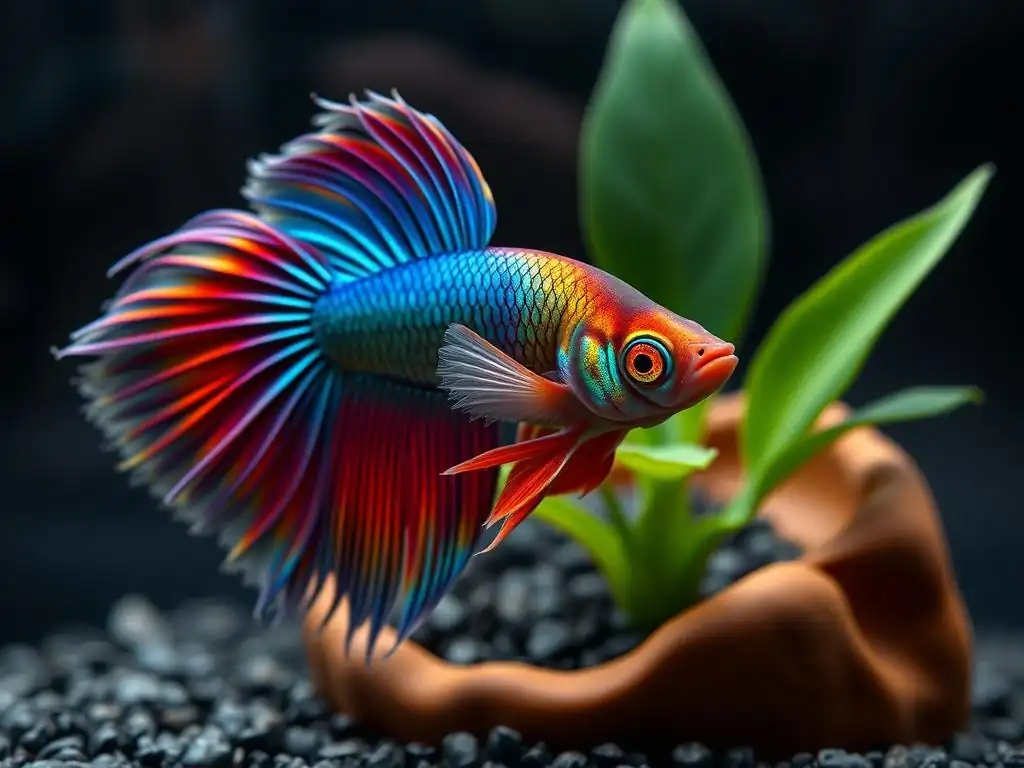
The appearance and coloration of Wild Betta Imbellis are distinctly different from the myriad forms of domestic Betta splendens. Betta imbellis retain a more natural, streamlined body shape with shorter, more functional fins that resemble those of their wild ancestors. Their typical coloration is an iridescent blue-green, often with striking red accents on the anal, caudal, and sometimes dorsal fins. Two prominent iridescent streaks on the operculum (gill plate) are also a characteristic feature. Their beauty is subtle and elegant, reflecting their natural habitat.
Domestic Betta splendens have been selectively bred for an astonishing array of fin types (e.g., Halfmoon, Crowntail, Veiltail, Plakat, Dumbo Ear), body shapes, and an almost endless spectrum of colors and patterns (e.g., solid, bi-color, multi-color, marble, koi, dragon). These exaggerated features, while stunning, are a result of human intervention and are not found in wild betta species. The physical differences are a clear visual cue that these are distinct species requiring tailored Wild Betta Imbellis care tips.
Care Requirements
While both Wild Betta Imbellis and domestic Betta splendens are labyrinth fish, meaning they can breathe atmospheric oxygen, their specific care requirements differ in important ways. Betta imbellis generally prefer softer, more acidic water with a noticeable presence of tannins, mimicking their blackwater origins. They thrive in heavily planted environments with ample leaf litter and subdued lighting, which makes them feel secure and brings out their best colors. Their smaller size also makes them more genuinely suitable for nano tanks (5-10 gallons).
Domestic Betta splendens are often more adaptable to a wider range of water parameters, tolerating harder and slightly more alkaline water, though they still benefit from clean, warm water. While they also appreciate plants and hiding spots, their need for specific blackwater conditions is less pronounced. The emphasis on specific water chemistry, dense naturalistic aquascaping, and careful tank mate selection distinguishes the Wild Betta Imbellis care tips from general betta husbandry, catering to their more specialized environmental needs.
Advanced Care for Experienced Aquarists
Optimizing Water Chemistry for Coloration
For experienced aquarists seeking to truly maximize the vibrancy and health of their Wild Betta Imbellis, optimizing water chemistry beyond basic parameters is a rewarding endeavor. Fine-tuning the water to closely replicate their most pristine natural habitats can significantly enhance their iridescent blues and reds. This often involves maintaining a very stable pH between 5.8 and 6.5, coupled with extremely soft water, typically with a General Hardness (GH) of 2-4 dGH (35-70 ppm) and Carbonate Hardness (KH) near 0-1 dKH (0-18 ppm).
Achieving these conditions often requires the use of reverse osmosis (RO) or deionized (DI) water, precisely remineralized with specialized salts formulated for soft water species. A consistent presence of tannins, derived from generous amounts of Indian almond leaves, alder cones, or even peat filtration, is crucial not only for pH buffering but also for its beneficial properties that contribute to fish health and color depth. Regular, precise testing with high-quality liquid test kits and minimal fluctuations are advanced Wild Betta Imbellis care tips that yield stunning results.
Creating a Biotope Aquarium
Creating a biotope aquarium for Wild Betta Imbellis is an advanced project that aims to replicate a specific natural habitat with ecological accuracy. This goes beyond simply adding plants and driftwood; it involves researching the specific geographical location of origin for your Betta imbellis strain (e.g., a specific stream in Thailand or Malaysia) and sourcing materials that would naturally be found there. For B. imbellis, this typically means a blackwater setup.
The aquascape would feature a dark, fine sand substrate, an abundance of leaf litter (e.g., dried oak, catappa, guava leaves) that covers much of the bottom and breaks down over time, releasing tannins. Driftwood branches and roots would mimic fallen trees, creating intricate hiding spots.
Plants would be limited to species naturally found in their habitat, such as various Cryptocoryne species, Blyxa japonica, and floating plants like Salvinia or Limnobium. The goal is to provide an environment where the fish display their full range of natural behaviors, including foraging, exploring, and breeding, offering a truly immersive experience for the aquarist and optimal conditions for the fish.
Advanced Breeding Techniques
For experienced aquarists looking to delve deeper into Wild Betta Imbellis propagation, advanced breeding techniques can increase success rates and fry yield. This includes precise environmental conditioning, such as manipulating water temperature and parameters to mimic seasonal changes that trigger spawning in the wild. For example, a slight drop in temperature followed by a gradual increase, coupled with increased live food feeding, can often stimulate reluctant pairs.
Raising large clutches of Betta imbellis fry requires meticulous attention to detail. This involves not only culturing infusoria for the first few days but also maintaining continuous cultures of newly hatched brine shrimp and microworms to ensure a consistent, nutritious food source as the fry grow.
Advanced breeders also employ rigorous daily water changes (10-15%) using aged, temperature-matched water, often siphoning carefully to avoid disturbing the tiny fry. Specialized fry foods and the careful management of micro-organisms in the tank are essential to support the rapid growth of hundreds of fry, demonstrating the dedication required beyond basic Wild Betta Imbellis care tips.
Conclusion: Enjoying Your Wild Betta Imbellis
The Rewarding Experience
Keeping Wild Betta Imbellis is a uniquely rewarding experience that offers a refreshing alternative to the more common domestic Betta splendens. Their peaceful demeanor, subtle yet captivating beauty, and fascinating natural behaviors provide a deeper connection to the aquatic world. Unlike their often solitary counterparts, the Betta imbellis can often be observed interacting with compatible tank mates or even a mate, displaying a range of behaviors from gentle exploration to intricate bubble nest building. They bring a tranquil piece of their natural blackwater habitat into your home, transforming your aquarium into a living, dynamic ecosystem.
The journey of providing optimal Wild Betta Imbellis care tips and witnessing them thrive is incredibly satisfying. Their resilience, when given the right conditions—clean, soft, acidic water, a densely planted environment with ample hiding spots, and a varied, protein-rich diet—ensures they will flourish. These "peaceful warriors" can live for 3-5 years or even longer with dedicated care, offering years of enjoyment and an opportunity to appreciate the nuanced beauty of a truly natural betta.
Further Resources
For those eager to continue their journey with Wild Betta Imbellis and deepen their knowledge, a wealth of resources is available. Engaging with online forums and communities dedicated to wild bettas or specific Southeast Asian biotope aquariums can provide invaluable insights, practical advice, and support from experienced aquarists worldwide. Websites and scientific papers focusing on Betta species offer in-depth information on their natural history, genetics, and conservation status.
Joining local aquarium clubs or societies can also connect you with fellow enthusiasts, offering opportunities for knowledge exchange, networking, and potentially sourcing rare species or breeding pairs. Books on blackwater aquariums, specific Betta species, and tropical fish husbandry provide comprehensive guides that go beyond the scope of a single article. Continuous learning and active participation in the aquarist community ensure you are always equipped with the best possible Wild Betta Imbellis care tips to provide a thriving and enriching environment for your aquatic companions.
Frequently Asked Questions
What are the key differences between Wild Betta Imbellis and domestic Betta splendens?
Wild Betta Imbellis are generally more peaceful and less aggressive than domestic Betta splendens. They also tend to be smaller and require different water parameters.
What size tank is recommended for keeping Wild Betta Imbellis?
A nano tank of at least 5 gallons is recommended for a single Imbellis. If keeping a pair, a 10-gallon tank or larger is preferred to provide ample space and reduce aggression.
What are the ideal water parameters for Wild Betta Imbellis?
They thrive in slightly acidic water (pH 6.0-7.0) with a temperature range of 75-82°F (24-28°C). Maintain clean water with regular water changes to avoid ammonia and nitrite buildup.
What type of food should I feed my Wild Betta Imbellis?
Offer a varied diet consisting of small live or frozen foods like daphnia, brine shrimp, and bloodworms. Supplement with high-quality Betta pellets designed for small fish.
What are some common health issues to watch out for in Wild Betta Imbellis?
Common issues include fin rot, ich, and velvet. Maintaining clean water and providing a stress-free environment are crucial for preventing these diseases.
Final Reflection: Embracing the Gentle Strength of Imbellis
The journey into understanding and caring for Betta imbellis reveals more than just aquarium keeping; it highlights the importance of preserving biodiversity and appreciating the delicate balance of nature. These peaceful warriors, often overlooked in favor of their more flamboyant cousins, offer a unique opportunity to connect with the wild and bring a piece of it into our homes, reminding us of the responsibility we bear towards fragile ecosystems.
The subtle beauty and gentle nature of the Betta imbellis have profoundly influenced my perspective on aquarium keeping, shifting from a focus on aesthetics to a deeper appreciation for the animal's well-being and natural behaviors. This experience underscores the importance of responsible sourcing and providing environments that mimic their natural habitats. In the end, we will conserve only what we love; we will love only what we understand; and we will understand only what we are taught.
- Baba Dioum's words resonate deeply, urging us to educate ourselves and others about these remarkable creatures.
Now, as you consider welcoming a Betta imbellis into your nano tank, I encourage you to reflect on the knowledge shared and embrace the role of a responsible steward. Let the gentle strength of this peaceful warrior inspire you to create a thriving ecosystem, not just within the glass walls of your aquarium, but also in your commitment to preserving the natural world from which it came.
Unleash the Beauty: Transform Your Tank with a Peaceful Warrior!
Thank you for diving into the world of Betta imbellis with us! We hope you’ve discovered the captivating charm and unique needs of this peaceful betta species. Now, it’s time to bring that knowledge to life.
Here are some ways to continue your journey:
- Consider ethically sourcing a Betta imbellis for your established nano tank. Research reputable breeders or aquarium stores committed to responsible breeding and care.
- Share your newfound knowledge! Help others discover the joy of keeping Betta imbellis by sharing this article with fellow aquarium enthusiasts.
- Explore creating a biotope-accurate environment for your Betta imbellis, researching native plants and mimicking their natural habitat.
What fascinating detail about Betta imbellis sparked your interest the most, and how might you incorporate it into your aquarium keeping practices?