
Beyond the Hype: A Skeptic's Guide to Premium Fish Food Claims – What Really Matters?


Welcome to Aquarium Mastery, where we believe a thriving aquarium starts with informed decisions. Ever wondered if that premium fish food is truly worth the hype? In this article, "Beyond the Hype: A Skeptic's Guide to Premium Fish Food Claims – What Really Matters? ", we dive deep into the ingredients, debunk marketing myths, and reveal what actually contributes to the health and vitality of your aquatic friends. Curious to separate fact from fiction? Let's explore!
- Debunking Premium Fish Food Myths: A Critical Ingredient Review for Aquarium Owners
- Premium Fish Food Ingredients Review: What to Actually Look For
- Evaluating Premium Fish Food Claims: A Practical Guide for Aquarium Mastery
- Conclusion: Making Informed Decisions About Premium Fish Food
-
Frequently Asked Questions
- What makes a fish food ingredient qualify as "premium" according to Aquarium Mastery?
- Why is Aquarium Mastery skeptical of some "premium" fish food claims?
- How does Aquarium Mastery recommend evaluating fish food ingredients for freshwater aquariums?
- What aspects of saltwater fish food ingredients does Aquarium Mastery emphasize?
- Where on Aquarium Mastery can I find more detailed information on specific fish food ingredients and their benefits?
- Final Reflection: Nourishing a Deeper Understanding
- Elevate Your Aquarium: Unlock Your Fish's True Potential!
The term "all-natural" is frequently used in the marketing of various products, and premium fish food is no exception. While it evokes images of wholesome, unprocessed ingredients, its actual meaning can be quite vague and often misleading. In the context of fish food, "all-natural" typically implies the absence of artificial colors, flavors, and preservatives, relying instead on ingredients like spirulina, krill, and various fish meals.
However, natural doesn't automatically equate to superior nutrition or complete dietary coverage. For instance, essential vitamins such as Vitamin C, critical for immune function and preventing conditions like "hole-in-the-head" disease in cichlids, are often less stable in their purely natural forms and require fortification with stabilized synthetic versions to ensure consistent levels over the product's shelf life.
A thorough premium fish food ingredients review reveals that while natural ingredients form the backbone of a good diet, the inclusion of carefully selected, high-quality synthetic vitamins and minerals is often necessary for long-term fish health. These synthetic counterparts are frequently identical at a molecular level to their natural forms but offer enhanced stability and bioavailability, ensuring that fish receive a consistent and complete nutritional profile.
For example, while a food might boast "natural" carotenoids from marigold extract for color enhancement, a well-formulated food will also include stabilized Vitamin E (alpha-tocopherol acetate) to prevent oxidative stress, an ingredient that might be considered "synthetic" but is vital for overall vitality. Therefore, relying solely on an "all-natural" label without a deeper premium fish food ingredients review can lead to overlooking nutritionally superior options.
A common misconception among aquarists is that a higher protein percentage automatically signifies a healthier or more "premium" fish food. While protein is undoubtedly crucial for growth, tissue repair, and overall metabolic function, the optimal protein level varies significantly depending on the fish species, its age, and its natural feeding habits.
Carnivorous fish, such as most cichlids and predatory species, naturally require higher protein diets, often in the range of 45-55% crude protein. In contrast, omnivores typically thrive on 35-45% protein, and strict herbivores, like many African cichlids from Lake Malawi (e.g., Mbuna) or certain plecos, require much lower protein levels, often in the 25-35% range, with a higher emphasis on digestible plant matter.
Feeding fish an excessively high-protein diet that doesn't align with their natural needs can lead to a host of problems. For instance, herbivorous fish fed high-protein foods are prone to digestive issues like bloat, which can be fatal. Beyond digestive upset, chronic overfeeding of protein can burden the fish's kidneys and liver, potentially leading to fatty liver disease and reduced lifespan.
Furthermore, undigested protein contributes to increased ammonia and nitrate levels in the aquarium water, stressing the biological filter and compromising water quality. Therefore, a critical premium fish food ingredients review should prioritize the quality and digestibility of the protein sources (e.g., whole fish meal, spirulina, krill) over merely the crude protein percentage, ensuring it matches the specific dietary requirements of the target fish species.
Many premium fish foods prominently feature "color-enhancing" claims, often highlighting ingredients like spirulina, astaxanthin, and beta-carotene. These ingredients are indeed powerful carotenoids that, when ingested, can be deposited in the fish's skin, intensifying their natural pigments and leading to more vibrant coloration. For example, astaxanthin, a red-orange pigment found naturally in krill and salmon, is highly effective in bringing out reds and oranges in fish like discus and fancy guppies. While these effects are visually appealing and demonstrate the food's efficacy in delivering specific nutrients, the myth lies in equating "color-enhancing" with overall nutritional superiority or completeness.
The truth is that a food can be highly effective at enhancing color without necessarily providing a balanced and complete diet for long-term health. Some manufacturers might overemphasize color-enhancing ingredients at the expense of other vital nutrients, or use synthetic versions in concentrations that, while safe for color, don't contribute significantly to overall well-being. For instance, a food might contain high levels of synthetic astaxanthin but lack sufficient Omega-3 fatty acids or essential trace minerals crucial for immune function and organ health.
A truly premium fish food ingredients review goes beyond superficial claims. It scrutinizes the entire nutritional profile, ensuring that while color enhancement is a welcome bonus, it is not the sole focus, and that the food provides comprehensive nutrition covering all aspects of fish health, from immune support to proper growth and vitality, not just aesthetic appeal.
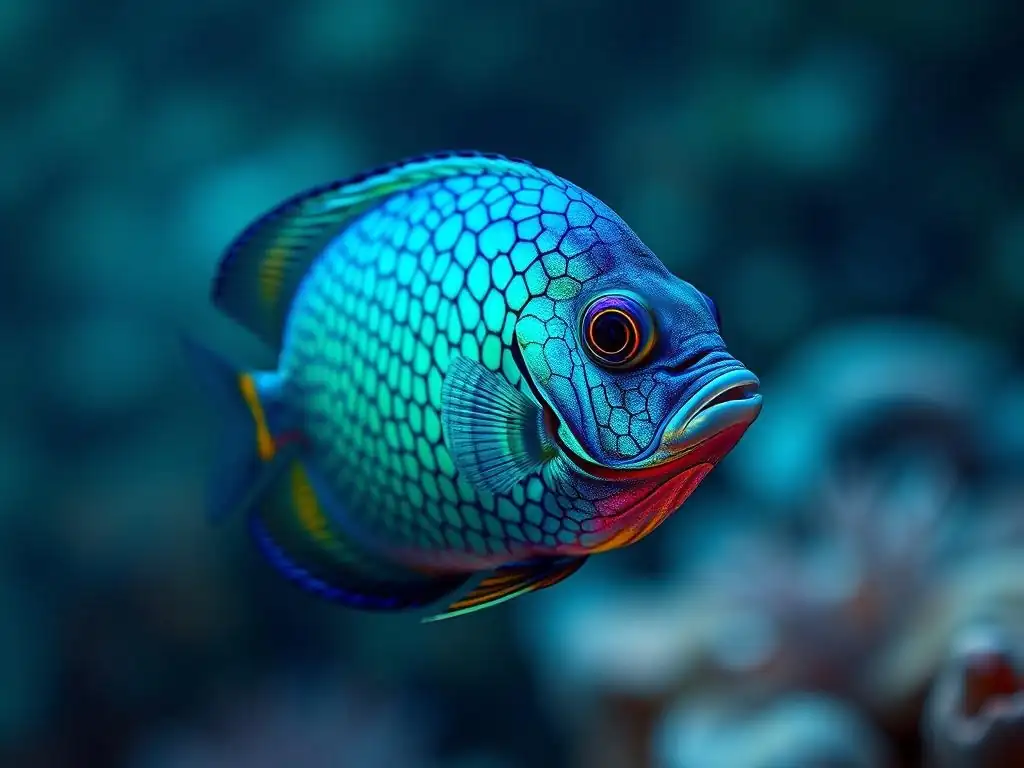
Essential Fatty Acids: Omega-3 and Omega-6 – The Unsung Heroes of Aquarium Fish Health
When conducting a premium fish food ingredients review, essential fatty acids, particularly Omega-3 and Omega-6, often go unnoticed by the casual aquarist, yet they are fundamental to the long-term health and vitality of aquarium fish. Omega-3 fatty acids, specifically Eicosapentaenoic Acid (EPA) and Docosahexaenoic Acid (DHA), are critical for proper immune system function, brain development, growth, and reducing inflammatory responses.
Research indicates that a diet rich in Omega-3s can significantly improve a fish's resistance to disease, potentially reducing susceptibility by up to 20% in some species. Omega-6 fatty acids, while also essential, are needed in smaller quantities and primarily support cell membrane structure and energy metabolism.
High-quality sources of Omega-3s in fish food include marine fish oils (like salmon oil or menhaden oil), krill meal, and certain algae such as spirulina. A desirable premium fish food ingredients review will note these ingredients appearing high on the list.
The balance between Omega-3 and Omega-6 is also important; generally, a higher ratio of Omega-3 to Omega-6 is preferred for optimal fish health, mirroring their natural diets. Deficiencies in these essential fatty acids can manifest as poor growth, reduced fertility, fin erosion, suppressed immune responses, and increased susceptibility to stress and disease, highlighting their indispensable role in a truly premium diet.
Probiotics and Prebiotics: Boosting Gut Health in Your Aquarium Fish
The concept of gut health, long recognized in human and livestock nutrition, is gaining significant traction in aquaculture, and rightfully so. Probiotics and prebiotics are increasingly being incorporated into premium fish foods as key components for enhancing digestive efficiency and overall well-being. Probiotics are beneficial live microorganisms, such as specific strains of Bacillus subtilis or Lactobacillus acidophilus, which, when administered in adequate amounts, confer a health benefit on the host.
They work by colonizing the gut, inhibiting the growth of pathogenic bacteria, and improving the digestion and absorption of nutrients. Studies have shown that the inclusion of probiotics can lead to an increase in nutrient uptake by 10-15% and improved feed conversion ratios.
Prebiotics, on the other hand, are non-digestible food ingredients that selectively stimulate the growth and/or activity of one or a limited number of beneficial bacteria in the colon, thereby improving host health. Common prebiotics found in premium fish food ingredients review include fructooligosaccharides (FOS) and inulin.
By fostering a healthy gut microbiome, probiotics and prebiotics collectively enhance the fish's immune system, reduce the incidence of digestive disorders like bloat, and can even contribute to cleaner aquarium water by improving food utilization and reducing waste output. When evaluating a premium fish food, look for specific strains of beneficial bacteria and clearly listed prebiotic fibers to ensure these gut-boosting benefits are genuinely present.
In any comprehensive premium fish food ingredients review, understanding how to identify and avoid excessive fillers and low-quality binders is paramount. Fillers are ingredients that add bulk to the food but offer minimal nutritional value to the fish. Common examples include excessive amounts of wheat flour, corn starch, or low-quality soybean meal.
While some starch is necessary for the extrusion process to create pellets and flakes, if a grain-based ingredient like wheat flour is listed as the first or second ingredient, it's a strong indicator that it's primarily serving as an inexpensive filler rather than a primary nutrient source. These fillers can lead to poor digestibility, contribute to more waste production, and effectively dilute the concentration of more beneficial, nutrient-dense ingredients.
Similarly, binders are substances used to hold the food together, preventing it from disintegrating too quickly in water. While necessary, some low-quality binders like certain gums or excessive gelatin can compromise nutrient delivery or contribute to digestive issues. A truly premium fish food will prioritize high-quality protein sources (like whole fish meal, krill, spirulina) and fats high on the ingredient list, followed by digestible carbohydrates and minimal, high-quality binders.
When performing a premium fish food ingredients review, scrutinize the first few ingredients. If they are predominantly inexpensive grains or plant proteins that don't align with the fish's natural diet, it suggests a less premium product, regardless of its marketing claims.
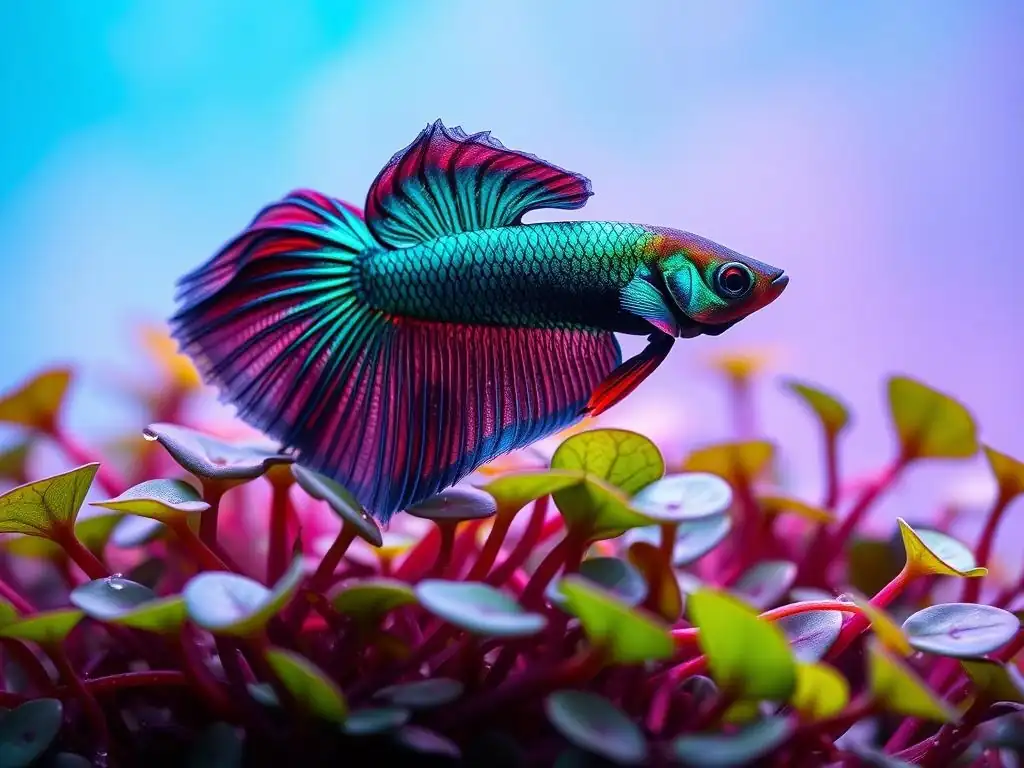
Reading the Label: Decoding the Guaranteed Analysis for Informed Fish Food Choices
Understanding the guaranteed analysis on a premium fish food label is a fundamental step in making informed dietary choices for your aquatic companions. This section typically provides minimum percentages for Crude Protein and Crude Fat, and maximum percentages for Crude Fiber and Moisture. For instance, a common carnivorous fish food might list "Crude Protein Min. 48%", "Crude Fat Min. 12%", "Crude Fiber Max.
4%", and "Moisture Max. 8%". These figures offer a quantitative snapshot of the food's primary nutritional components. A lower moisture content, ideally under 10%, generally indicates a more concentrated food, meaning you get more nutrients per gram.
However, it's crucial to remember that "crude" values are approximations and do not convey the digestibility or quality of the ingredients. For example, two foods might have "40% Crude Protein," but one could derive it from highly digestible whole fish meal, while the other uses less digestible feather meal. Therefore, a comprehensive premium fish food ingredients review necessitates comparing the guaranteed analysis with the actual ingredient list.
Prioritize foods where high-quality protein sources (like whole fish meal, spirulina, krill) are listed among the first few ingredients, signifying their abundance. Also, ensure the protein, fat, and fiber levels align with the specific dietary needs of your fish species, as discussed earlier, rather than blindly selecting the highest protein option.
Beyond the Ingredients: Considering Fish Species and Specific Needs
While a detailed premium fish food ingredients review is essential, the best food for your aquarium goes far beyond just the label's nutritional breakdown. The specific dietary needs of your fish species are paramount.
Fish have evolved to thrive on particular types of diets in their natural habitats, which broadly categorize them as carnivores, herbivores, omnivores, or specialized feeders. For example, a high-protein, animal-based pellet might be perfect for an Arowana or a carnivorous African cichlid, but it would be detrimental to an herbivorous Mbuna cichlid, which requires a diet rich in spirulina and other plant matter to prevent bloat.
Consider the physical form of the food as well. Bottom-dwelling fish like Corydoras or Plecos require sinking pellets or wafers, while surface feeders like Bettas or Guppies prefer flakes or floating pellets.
Even within species, specific needs change with life stage; juveniles require higher protein for rapid growth, while breeding fish might benefit from increased fat and specific micronutrients to support egg and fry development. A truly effective premium fish food ingredients review must always be contextualized by the specific inhabitants of your aquarium, ensuring that the food's composition, form, and size are perfectly matched to their natural feeding behaviors and nutritional demands.
Long-Term Monitoring: Observing Your Fish's Health and Adjusting Their Diet
The ultimate litmus test for any premium fish food, regardless of its impressive ingredient list or marketing claims, is the long-term health and vitality of your fish. A premium fish food ingredients review isn't complete until you've observed its effects over weeks and months. Pay close attention to several key indicators: the fish's activity levels, color intensity, growth rate, fin condition, and overall demeanor.
Healthy fish are typically active, display vibrant coloration, grow steadily, and have intact fins. For example, if a fish that was previously dull starts showing brighter colors and more energetic swimming after a month on a new food, it's a positive sign.
Conversely, signs such as lethargy, faded colors, stunted growth, frayed fins, or frequent illness can indicate that the food, despite its "premium" status, may not be meeting your fish's specific needs. Additionally, observe the aquarium water quality and the amount of waste produced. Excessive cloudiness or a rapid buildup of nitrates after feeding might suggest poor digestibility of the food or the presence of too many fillers.
Dietary changes should always be introduced gradually to avoid stressing the fish. Maintaining a consistent diet is important, but being prepared to adjust based on your fish's observable health and the aquarium's condition is the hallmark of effective aquarium mastery.
Navigating the vast array of premium fish food options requires a critical and informed approach, moving "Beyond the Hype" to what truly matters for the health of your aquatic inhabitants. As this premium fish food ingredients review has highlighted, the most effective strategy involves looking past marketing jargon and focusing intently on the actual components and their suitability for your specific fish. Debunking myths about "all-natural" claims, the notion that more protein is always better, and the sole reliance on "color-enhancing" ingredients are crucial steps in this process.
Ultimately, a truly premium fish food is one that consistently supports the specific needs of your aquarium inhabitants, leading to vibrant colors, robust growth, strong immune systems, and overall vitality. By diligently reading labels, understanding the guaranteed analysis, prioritizing essential fatty acids, probiotics, and avoiding excessive fillers, aquarists can make choices that genuinely contribute to the well-being of their fish. Remember, the best premium fish food ingredients review is one conducted with an understanding of both nutritional science and the unique requirements of your unique aquatic ecosystem, culminating in a flourishing and healthy aquarium.
Frequently Asked Questions
Premium ingredients, as discussed on Aquarium Mastery, often refer to ingredients that are high in protein and essential nutrients. They are typically sourced with a focus on sustainability and quality, leading to better fish health.
Aquarium Mastery takes a skeptical approach because some claims may be based on marketing hype rather than scientific evidence. The site aims to help aquarists discern between genuine quality and inflated claims.
How does Aquarium Mastery recommend evaluating fish food ingredients for freshwater aquariums?
Aquarium Mastery suggests focusing on the protein source (e.g., fish meal vs. plant-based), the amino acid profile, and the presence of essential vitamins and minerals. It also emphasizes understanding the specific needs of your fish.
What aspects of saltwater fish food ingredients does Aquarium Mastery emphasize?
For saltwater aquariums, Aquarium Mastery highlights the importance of ingredients like marine algae and crustaceans. These ingredients offer essential fatty acids and natural pigments necessary for vibrant coloration and health.
Where on Aquarium Mastery can I find more detailed information on specific fish food ingredients and their benefits?
You can find detailed information within the species profiles, aquarium type guides, and troubleshooting guides on AquariumMastery.com. Look for sections discussing dietary needs and recommended foods.
Final Reflection: Nourishing a Deeper Understanding
The journey through the world of premium fish food, as we've explored, reveals a landscape often obscured by marketing hype. Understanding the true nutritional value behind the ingredients is not just about choosing the best food for our aquatic companions; it's about fostering a more informed and responsible approach to fishkeeping, challenging us to look beyond superficial claims and embrace evidence-based decisions.
This exploration has undoubtedly shifted perspectives on what constitutes truly "premium" fish food. It's a reminder that our choices, even in seemingly niche hobbies, have a ripple effect, influencing the health of our ecosystems and the well-being of the creatures we care for. The greatest service we can do for any creature is to help it live in accordance with its nature.
This quote underscores the importance of understanding the specific needs of our fish and providing them with a diet that supports their natural vitality.
As we conclude this skeptical guide, consider the power of informed choices. Let the insights gained here empower you to critically evaluate the claims you encounter, to delve deeper into the ingredients lists, and to prioritize the long-term health and happiness of your fish. By embracing a more discerning approach, you not only become a better fishkeeper but also contribute to a more sustainable and ethical future for the hobby.
Elevate Your Aquarium: Unlock Your Fish's True Potential!
Thank you for diving into the world of premium fish food! We hope this guide has equipped you with the knowledge to make informed choices for your finned friends. Now, it's time to put that knowledge into action and witness the difference firsthand.
Here are a few steps you can take right away:
- Conduct a controlled feeding experiment: Observe your fish's color, energy levels, and waste production when you switch to a more thoughtfully selected food.
- Share your newfound wisdom! Spark a conversation on aquarium forums or social media about your experiences with different fish food brands and formulations. What worked for you?
- Challenge yourself to research one uncommon ingredient found in your fish food. Could there be hidden benefits or drawbacks?
Ready to transform your aquarium and truly understand your fish's dietary needs? What will you observe in your fish's behavior and appearance after switching to a more informed food choice?