
Natural Aquarium Cleaning: Utilizing Snails, Shrimp, and Plants Effectively

Welcome to Aquarium Mastery!
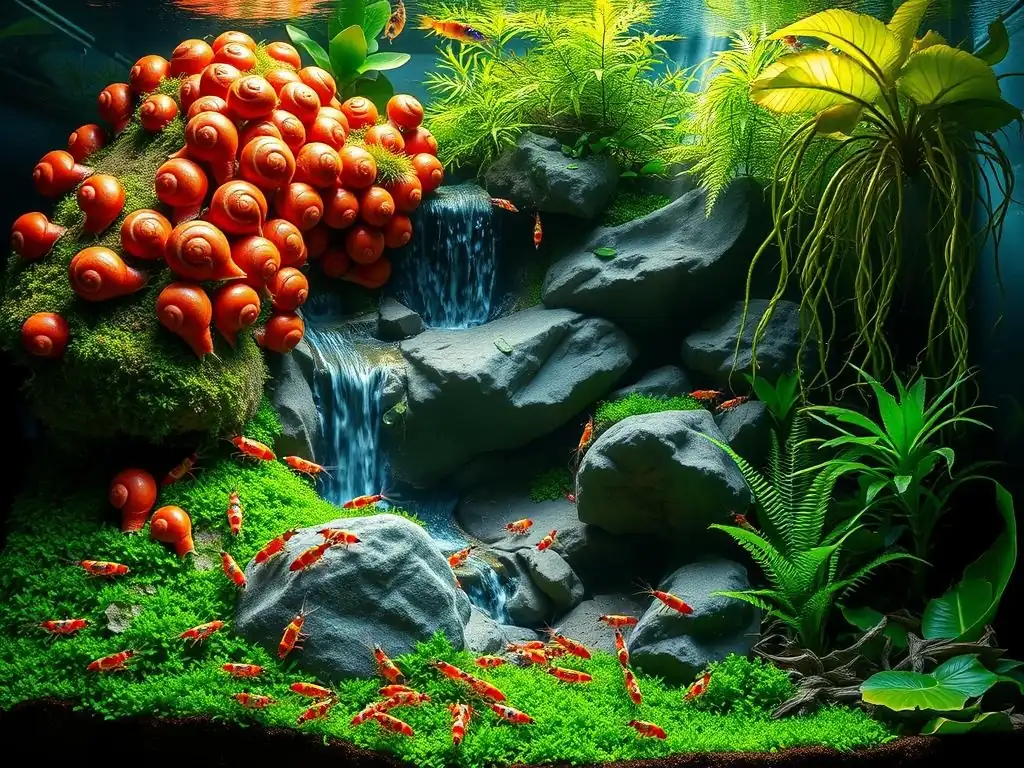
Ever wondered how to achieve a sparkling clean aquarium naturally? Dive in and discover the secrets to natural aquarium cleaning using snails, shrimp, and plants! This comprehensive guide unlocks the power of these fantastic creatures and botanical allies to keep your tank thriving and beautiful. Intrigued? Let's explore how you can ditch the harsh chemicals and embrace a balanced ecosystem in your very own aquarium!
- Natural Aquarium Cleaning: Utilizing Invertebrates and Plants Effectively
- Understanding Natural Aquarium Cleaning Methods
- Aquarium Cleaning Powerhouses: Snails
- The Role of Shrimp in Natural Aquarium Cleaning
- Utilizing Aquarium Plants for Natural Filtration and Cleaning
- Integrating Invertebrates and Plants for Synergistic Cleaning
- Troubleshooting Common Issues with Natural Aquarium Cleaning
- Maintaining a Naturally Clean Aquarium: A Long-Term Strategy
-
Frequently Asked Questions
- How do snails and shrimp contribute to a natural aquarium cleaning process?
- What types of snails and shrimp are most effective for cleaning a freshwater aquarium?
- Can plants help with aquarium cleaning, and if so, how?
- What are the potential risks of over-relying on snails and shrimp for aquarium cleaning?
- How do I ensure my natural aquarium cleaning crew (snails, shrimp, and plants) thrives in my aquarium?
- Final Reflection: Embracing Harmony in Miniature Ecosystems
- Rediscover the Joy of a Crystal-Clear Aquarium!
Natural Aquarium Cleaning: Utilizing Invertebrates and Plants Effectively
Understanding Natural Aquarium Cleaning Methods
The Benefits of a Natural Approach to Aquarium Maintenance
Adopting a natural approach to aquarium maintenance offers a multitude of advantages beyond simply keeping your tank visually appealing. This method significantly reduces reliance on chemical additives and aggressive mechanical cleaning, fostering a more stable and resilient aquatic ecosystem. By harnessing the innate abilities of specific organisms, aquarists can achieve a cleaner environment with less manual effort and a reduced risk of stressing delicate fish or beneficial bacterial colonies.
Furthermore, a natural aquarium cleaning strategy promotes a healthier, more balanced biological filtration system. Organisms like snails and shrimp actively consume detritus, uneaten food, and various forms of algae, effectively breaking down organic waste before it can contribute to poor water quality. This proactive waste management helps to stabilize critical water parameters, leading to fewer sudden spikes in ammonia or nitrite, and ultimately, a thriving habitat for all inhabitants.
Why Choose Invertebrates and Plants for Aquarium Cleaning?
Choosing invertebrates and plants for natural aquarium cleaning is a strategic move that leverages biological processes to maintain tank hygiene. Unlike chemical solutions that can be temporary or disruptive to the delicate balance of an aquarium, living organisms provide continuous, sustainable cleaning services. They integrate seamlessly into the ecosystem, performing their roles as part of the natural cycle of decomposition and nutrient absorption.
The unique abilities of these natural cleaners address various aspects of aquarium maintenance. Snails excel at grazing on biofilm and algae from surfaces, while certain shrimp species are unparalleled in their ability to consume hair algae and fine detritus. Aquarium plants, on the other hand, are highly efficient at absorbing excess nitrates and phosphates directly from the water column, outcompeting nuisance algae for essential nutrients. This multi-faceted approach creates a robust, self-regulating system that minimizes the need for drastic interventions.
Aquarium Cleaning Powerhouses: Snails
Best Snail Species for Aquarium Cleaning
Nerite Snails: Algae Eating Experts
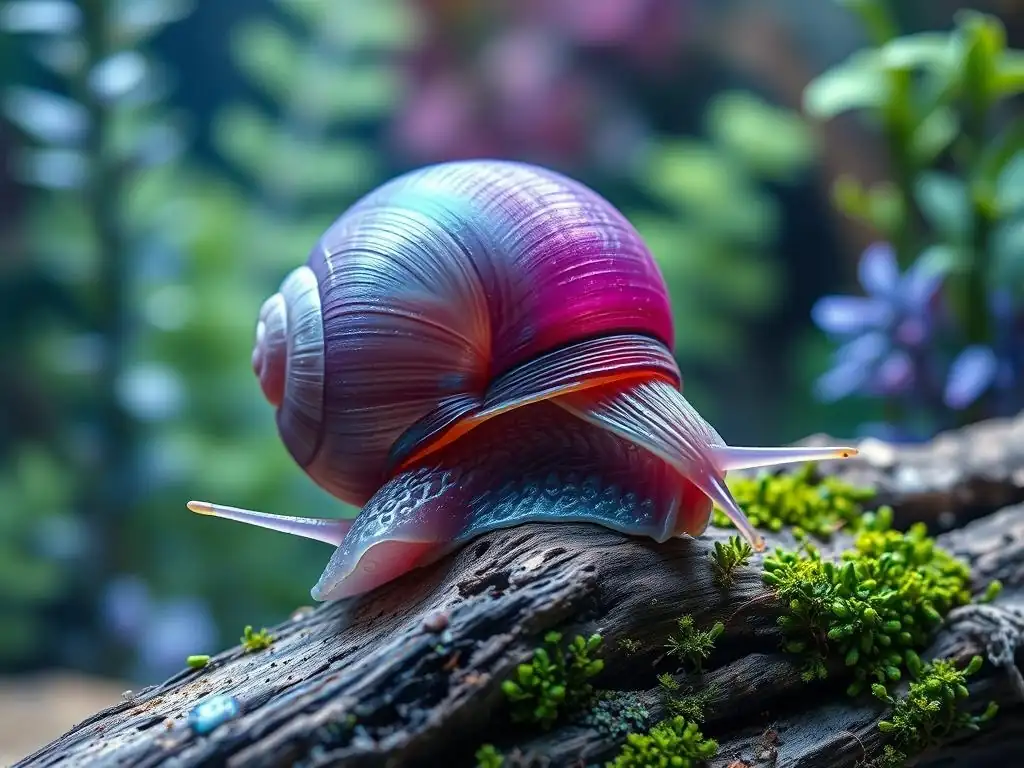
Nerite snails (Neritina spp.) are widely regarded as one of the most effective and safe choices for natural aquarium cleaning, particularly when it comes to algae. Their unique rasping mouthparts allow them to consume a wide variety of algae, including tough green spot algae, diatoms (brown algae), and even some forms of green hair algae, without damaging live plants. Unlike many other snail species, Nerite snails do not reproduce in freshwater, meaning they won't overrun your tank, although they may lay small, white, non-hatching eggs on hard surfaces.
These diligent grazers typically reach about 0.5 to 1 inch in size, making them suitable for tanks as small as 5 gallons. Popular varieties include Zebra Nerites, Tiger Nerites, and Horned Nerites, each offering distinct shell patterns. Their effectiveness in natural aquarium cleaning is so pronounced that a small group can significantly reduce the need for manual algae scrubbing, contributing to clearer glass and healthier plant leaves.
Trumpet Snails: Substrate Aeration and Detritus Removal
Malaysian Trumpet Snails (Melanoides tuberculata) are invaluable allies in natural aquarium cleaning, primarily due to their burrowing behavior. These nocturnal snails spend their days buried in the substrate, emerging at night to scavenge for uneaten food and detritus. As they move through the gravel or sand, they effectively aerate the substrate, preventing the formation of anaerobic pockets, which can release harmful gases like hydrogen sulfide.
Their constant churning of the substrate helps to break down accumulated waste and distribute beneficial bacteria throughout the tank's bed. While they are prolific breeders and can multiply rapidly if overfed, a controlled population of Trumpet Snails is highly beneficial for maintaining substrate health and contributing to overall tank cleanliness. They typically grow to about 1 inch in length and are excellent at reaching food particles that fall deep into the substrate, making them a crucial part of a comprehensive natural aquarium cleaning strategy.
Bladder Snails: Efficient Algae and Detritus Consumers
Bladder snails (Physa acuta) are small, fast-reproducing freshwater snails often introduced accidentally into aquariums on plants. Despite their reputation for rapid proliferation, they are highly efficient natural aquarium cleaners. These snails are voracious consumers of soft algae, biofilm, and decaying plant matter, making quick work of detritus that might otherwise foul the water. They are particularly adept at cleaning the surfaces of plants and aquarium glass, reaching into crevices that larger snails might miss.
While their rapid breeding can be a concern for some aquarists, a controlled population, often managed by mindful feeding habits, provides continuous cleaning benefits. They typically grow to a maximum size of about 0.5 inches, making them suitable even for smaller nano tanks. Their role in quickly breaking down organic waste significantly contributes to nutrient cycling and overall water quality, making them a surprisingly effective, albeit often underestimated, component of a natural aquarium cleaning crew.
Snail Stocking Guide: Achieving Optimal Cleaning
Proper stocking levels are crucial for effective natural aquarium cleaning without leading to overpopulation or insufficient cleaning. For Nerite snails, a good rule of thumb is to start with one snail per 5-10 gallons of tank volume, especially if algae is a consistent issue. In larger tanks with significant algae growth, you might consider up to one Nerite per 3 gallons. Observing the algae levels will help you fine-tune this number; if algae persists, you can gradually add more.
For Malaysian Trumpet Snails and Bladder snails, which reproduce prolifically, specific stocking numbers are less about initial introduction and more about population control through feeding. Introducing a small starter colony of 5-10 individuals for a 10-gallon tank is sufficient, as they will quickly multiply to meet the available food supply. The key is to avoid overfeeding your fish, as excess food directly fuels snail population booms. A healthy, balanced ecosystem will naturally regulate their numbers, ensuring they contribute to natural aquarium cleaning without becoming a nuisance.
Caring for Your Aquarium Snails
Providing the Right Environment for Snails
Caring for your aquarium snails to ensure they thrive and perform their natural aquarium cleaning duties effectively involves providing them with a stable and suitable environment. Snails, especially those with hard shells like Nerites and Trumpet snails, require sufficient calcium in the water for healthy shell growth. This often means maintaining a moderately hard water profile, typically with a General Hardness (GH) of at least 5-10 dGH and a Carbonate Hardness (KH) of 3-8 dKH. Soft or acidic water can lead to shell erosion and health issues.
Beyond water hardness, snails appreciate stable water temperatures, generally between 72-80°F (22-27°C), and a pH range of 7.0-8.0. While they primarily feed on algae and detritus, supplemental feeding with algae wafers or blanched vegetables like zucchini or spinach can be beneficial, especially in tanks with minimal natural food sources. Ensure your tank has plenty of surfaces for them to graze on, such as rocks, driftwood, and plant leaves, to maximize their cleaning potential.
Maintaining Proper Water Parameters for Snail Health
Maintaining precise water parameters is paramount for the long-term health and efficiency of your natural aquarium cleaning snail crew. Ammonia and nitrite should always be at zero parts per million (ppm), as these are highly toxic to snails, just as they are to fish. Nitrates, while less immediately lethal, should be kept below 20 ppm through regular water changes and efficient biological filtration, as prolonged exposure to high nitrates can stress snails and other invertebrates.
Perhaps the most critical parameter to monitor for snail health is the absence of copper. Many common aquarium medications, particularly those for parasitic infections, contain copper, which is highly toxic to all invertebrates, including snails and shrimp. Always read medication labels carefully and opt for copper-free alternatives if you have a natural aquarium cleaning crew. Consistent monitoring with a reliable test kit and regular partial water changes are the best practices to ensure a safe and thriving environment for your invaluable snail cleaners.
The Role of Shrimp in Natural Aquarium Cleaning
Top Shrimp Species for a Clean Aquarium
Amano Shrimp: The Ultimate Algae Eaters
Amano shrimp (Caridina multidentata) are widely celebrated as one of the most effective natural aquarium cleaning invertebrates, particularly renowned for their insatiable appetite for various types of algae. Unlike many other clean-up crew members, Amano shrimp are known to tackle tougher, more stubborn algae forms, including hair algae, string algae, and even some types of black beard algae (BBA), which many fish and snails ignore. Their diligent grazing habits make a visible difference in maintaining clear glass, clean plant leaves, and pristine decorations.
These robust shrimp can grow up to 2 inches in length, making them a significant addition to tanks 10 gallons and larger. They are non-aggressive and generally peaceful, making them excellent tank mates for most community fish, provided the fish are not large enough to consider them prey. Amano shrimp are also scavengers, readily consuming uneaten food particles and detritus, further contributing to a comprehensive natural aquarium cleaning regimen.
Cherry Shrimp: Detritus and Algae Control
Red Cherry Shrimp (Neocaridina davidi) are popular for their vibrant coloration and their valuable contribution to natural aquarium cleaning. While perhaps not as aggressive algae eaters as Amano shrimp, Cherry shrimp are highly efficient at consuming soft algae, biofilm, and fine detritus that settles on surfaces and within plant foliage. Their smaller size, typically around 1 inch, allows them to navigate intricate planted aquascapes, reaching areas that larger cleaners might miss.
Cherry shrimp are prolific breeders in freshwater, which means a small initial colony can quickly establish a self-sustaining population that continuously works to keep your tank clean. Their constant grazing and scavenging help to break down organic waste, preventing its accumulation and contributing to a healthier water column. They are peaceful and can be kept in large numbers in community tanks with small, non-aggressive fish, making them an excellent choice for consistent detritus and algae control.
Bamboo Shrimp: Filter Feeders for Fine Particulate Removal
Bamboo shrimp (Atyopsis moluccensis), also known as Wood Shrimp or Fan Shrimp, offer a unique form of natural aquarium cleaning through their specialized filter-feeding mechanism. Unlike other shrimp and snails that graze on surfaces, Bamboo shrimp possess fan-like appendages that they extend into the water current to catch microscopic food particles, fine detritus, and phytoplankton. This makes them highly effective at removing suspended organic matter that can contribute to cloudy water and nutrient excess.
These fascinating shrimp can grow quite large, up to 3 inches, and require a tank with adequate water flow to facilitate their feeding. They are peaceful and do not bother other tank inhabitants or plants. While they don't directly consume algae from surfaces, their ability to clear the water column of fine particulates significantly contributes to overall water clarity and reduces the organic load, complementing the work of other natural aquarium cleaning organisms.
Shrimp Compatibility with Fish and Other Invertebrates
Ensuring shrimp compatibility is vital for the success of your natural aquarium cleaning crew. Most small, peaceful community fish, such as tetras, rasboras, and small schooling fish, are generally safe tank mates for Amano and Cherry shrimp. However, larger or more aggressive fish, including cichlids, angelfish, bettas, and even some gouramis, may view shrimp as a food source, particularly smaller or juvenile shrimp. It is crucial to research the temperament and dietary habits of any fish you plan to house with your shrimp.
When it comes to compatibility with other invertebrates, snails and other shrimp species generally coexist peacefully. Amano shrimp and various Neocaridina species (like Cherry shrimp) can be housed together without issues, as they occupy different niches or have different primary diets. However, it's worth noting that different Neocaridina color morphs can interbreed, resulting in wild-type offspring with less vibrant coloration. Providing ample hiding spots, such as dense plant cover, driftwood, or rock caves, can significantly increase the survival rate of your shrimp, especially in community tanks.
Maintaining a Healthy Shrimp Population
Water Parameters for Shrimp Health
Maintaining specific water parameters is paramount for a healthy and thriving shrimp population, which in turn ensures their effectiveness in natural aquarium cleaning. For most popular aquarium shrimp like Amano and Cherry shrimp, stable water conditions are more important than extreme precision. A pH range of 6.5 to 7.8 is generally acceptable, though Cherry shrimp often prefer slightly alkaline conditions (pH 7.0-7.5), while Amano shrimp are a bit more tolerant.
Crucially, both General Hardness (GH) and Carbonate Hardness (KH) are vital for shrimp, as they need minerals like calcium and magnesium for successful molting and shell development. A GH of 4-8 dGH and a KH of 2-6 dKH are often recommended. Ammonia and nitrite must always be undetectable (0 ppm), and nitrates should be kept below 20 ppm, ideally much lower, through regular water changes. Sudden fluctuations in any of these parameters can cause significant stress, leading to molting issues, illness, or death, thereby hindering your natural aquarium cleaning efforts.
Avoiding Copper and Harmful Medications
One of the most critical aspects of maintaining a healthy shrimp population is the absolute avoidance of copper and many common aquarium medications. Copper, even in trace amounts, is highly toxic to all invertebrates, including shrimp and snails. Many medications designed to treat parasitic infections in fish, such as Ich treatments, contain copper sulfate as an active ingredient. Exposure to these can rapidly lead to mass casualties in your natural aquarium cleaning crew.
Always check the ingredients list of any new aquarium product, including plant fertilizers and algae removers, to ensure they are copper-free and invertebrate-safe. If a medication is required for fish, it is often best to treat the fish in a separate quarantine tank to protect your shrimp and snails. Opting for natural remedies or invertebrate-safe alternatives whenever possible is the safest approach to ensure the longevity and effectiveness of your shrimp in natural aquarium cleaning.
Utilizing Aquarium Plants for Natural Filtration and Cleaning
Best Aquarium Plants for Nutrient Absorption
Fast-Growing Plants for Nitrate Reduction
Fast-growing aquarium plants are indispensable allies in natural aquarium cleaning due to their remarkable ability to rapidly absorb excess nitrates and other dissolved nutrients from the water column. Plants like Hornwort (Ceratophyllum demersum), Anacharis (Egeria densa), Water Wisteria (Hygrophila difformis), and Guppy Grass (Najas guadalupensis) are particularly effective. These species quickly utilize nitrates, phosphates, and other nitrogenous compounds that are byproducts of fish waste and decaying organic matter.
By outcompeting nuisance algae for these essential nutrients, fast-growing plants significantly reduce the likelihood of algae blooms, which are often a symptom of high nutrient levels. For instance, a dense patch of Hornwort can absorb up to 10-20 mg/L of nitrates per week in a well-lit tank, assuming sufficient nutrients are available. Their rapid growth also means they can be regularly pruned, effectively removing absorbed nutrients from the system, making them a cornerstone of passive, yet highly effective, natural aquarium cleaning.
Rooted Plants for Substrate Cleaning
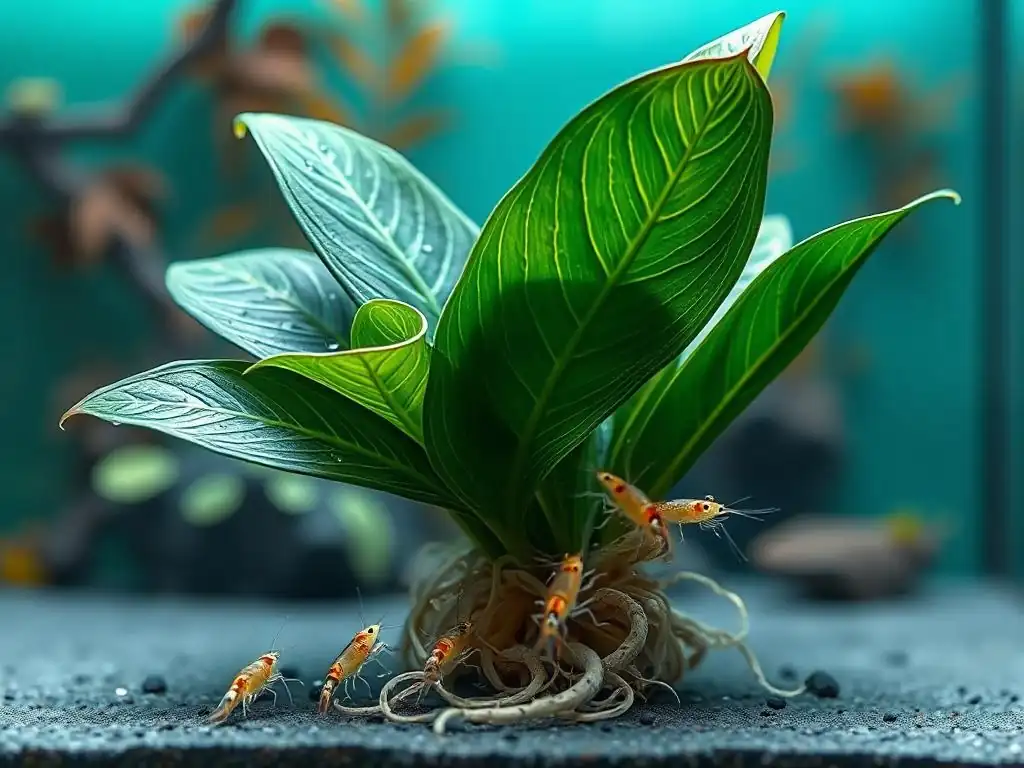
Rooted aquarium plants play a crucial role in natural aquarium cleaning by contributing to the health and cleanliness of the substrate. Plants with extensive root systems, such as Amazon Swords (Echinodorus spp. ), Cryptocorynes (Cryptocoryne spp. ), and various types of Valisneria (Vallisneria spp. ), actively draw nutrients directly from the substrate. As they grow, their roots penetrate the gravel or sand, preventing the buildup of anaerobic pockets and helping to break down accumulated detritus and waste particles.
This process not only cleans the substrate but also makes nutrients available to the plants that might otherwise fuel nuisance algae in the water column. For example, a large Amazon Sword can develop a root system several inches deep, significantly aerating and metabolizing waste within its immediate vicinity. By anchoring themselves and drawing nutrients from below, these plants contribute to a more stable and biologically active substrate, reducing the need for aggressive substrate vacuuming and enhancing the overall natural aquarium cleaning process.
How Plants Contribute to a Balanced Ecosystem
Beyond their direct role in nutrient absorption, aquarium plants contribute profoundly to creating a balanced and resilient ecosystem, which is foundational to effective natural aquarium cleaning. Through photosynthesis, plants release oxygen into the water, which is vital for fish respiration and the health of beneficial aerobic bacteria that break down waste. A well-oxygenated environment supports robust biological filtration, preventing the accumulation of toxic ammonia and nitrite.
Furthermore, plants provide crucial hiding spots and refuge for fish fry, shy species, and your natural aquarium cleaning crew like shrimp and snails, reducing stress and promoting natural behaviors. The intricate network of leaves and stems also offers additional surface area for beneficial nitrifying bacteria to colonize, further enhancing the tank's natural filtration capacity. This multifaceted contribution ensures that plants are not just aesthetic additions but active participants in maintaining a stable, self-sustaining, and naturally clean aquarium.
Maintaining Plant Health for Optimal Cleaning Performance
Proper Lighting and Fertilization for Aquarium Plants
To ensure your aquarium plants perform optimally in their natural aquarium cleaning roles, providing proper lighting and fertilization is essential. Plants require adequate light intensity and spectrum to photosynthesize efficiently and absorb nutrients effectively. For most common aquarium plants, a light intensity of 15-30 PAR (Photosynthetically Active Radiation) is a good starting point, with high-tech setups often exceeding 50 PAR. The duration of lighting, typically 8-10 hours per day, also plays a critical role in healthy growth.
In addition to light, plants need a balanced supply of macro and micronutrients. Macronutrients like nitrogen (N), phosphorus (P), and potassium (K) are absorbed from the water column or substrate. While fish waste provides some nitrogen and phosphorus, supplemental fertilization with liquid fertilizers or root tabs might be necessary, especially in heavily planted tanks. Micronutrients such as iron, manganese, and boron are also vital. Ensuring these elements are available allows plants to thrive, outcompete algae, and efficiently remove pollutants, thereby maximizing their contribution to natural aquarium cleaning.
Pruning and Removing Dead Plant Matter
Regular pruning and the prompt removal of dead or decaying plant matter are crucial steps in maintaining plant health and ensuring their continued effectiveness in natural aquarium cleaning. As plants grow, older or shaded leaves may begin to yellow and decay. If left in the tank, this decaying organic material breaks down, releasing nutrients back into the water column and potentially contributing to ammonia and nitrate spikes, counteracting the very purpose of having plants.
Pruning not only removes decaying matter but also encourages bushier growth and directs the plant's energy towards new, healthy growth, maximizing nutrient uptake. For fast-growing stem plants, this might involve trimming tops and replanting them. For rooted plants, removing yellowed or older leaves at the base is sufficient. Regularly inspecting your plants and promptly removing any dead leaves or stems prevents them from becoming a source of pollution, ensuring your natural aquarium cleaning system remains efficient and effective.
Integrating Invertebrates and Plants for Synergistic Cleaning
Creating a Balanced Ecosystem for Natural Cleaning
Creating a balanced ecosystem for natural aquarium cleaning involves carefully integrating invertebrates and plants so their individual strengths complement each other, forming a synergistic cleaning crew. This means selecting species that target different types of waste and occupy different niches within the aquarium. For instance, Nerite snails excel at surface algae, while Malaysian Trumpet snails clean the substrate. Amano shrimp tackle tougher algae, and Cherry shrimp handle general detritus.
Simultaneously, a diverse array of plants, including fast-growers for nitrate absorption and rooted plants for substrate aeration, should be incorporated. This multi-layered approach ensures that various forms of waste, from dissolved nutrients to solid detritus and different types of algae, are continuously addressed. The combined action of these natural cleaners reduces the overall organic load, stabilizes water parameters, and significantly lessens the need for manual intervention, embodying a truly self-sustaining natural aquarium cleaning system.
Preventing Overpopulation of Invertebrates
While invertebrates are essential for natural aquarium cleaning, preventing their overpopulation is a key aspect of maintaining tank balance. The primary driver for snail and some shrimp (like Cherry shrimp) population booms is an abundance of food. Overfeeding fish leads to excess uneaten food and detritus, which provides a rich food source for these prolific breeders. Therefore, the most effective strategy to control their numbers is strict portion control when feeding your fish. Feed only what your fish can consume within a few minutes, once or twice a day.
Another method is to avoid feeding specific foods directly to the invertebrates unless absolutely necessary. In a well-established tank with healthy algae and detritus levels, supplemental feeding for snails and shrimp is often not required. In cases where overpopulation does occur, manual removal can be effective. Some aquarists also introduce specific fish species that naturally prey on snails (like Assassin snails for pest snails) or small shrimp, though this should be approached with caution to ensure compatibility with other tank inhabitants and overall tank goals.
Monitoring Water Parameters and Adjusting as Needed
Continuous monitoring of water parameters is crucial for the success and sustainability of a natural aquarium cleaning system. Even with a robust team of invertebrates and plants, regular testing for ammonia, nitrite, and nitrate levels is essential to ensure the ecosystem remains balanced. While plants and clean-up crews reduce these compounds, they do not eliminate the need for routine checks. A sudden spike in nitrates, for example, might indicate overfeeding, insufficient plant mass, or an imbalance in the cleaning crew.
Based on test results, adjustments can be made. If nitrates are consistently high despite healthy plant growth, increasing the frequency or volume of water changes, or adding more fast-growing plants, might be necessary. If algae persists despite a strong snail and shrimp presence, it could suggest a nutrient imbalance (e.g., lack of CO2 for plants, or excess phosphates) or too much light. Regular monitoring empowers the aquarist to make informed decisions, ensuring the natural aquarium cleaning process remains effective and responsive to the tank's evolving needs.
Troubleshooting Common Issues with Natural Aquarium Cleaning
Addressing Algae Blooms Despite Clean-Up Crew
Even with a dedicated natural aquarium cleaning crew of snails, shrimp, and plants, algae blooms can occasionally occur, signaling an underlying imbalance in the aquarium. If algae persists or intensifies, the first step is to reassess the tank's nutrient levels. High nitrates and phosphates, often resulting from overfeeding, insufficient water changes, or decaying organic matter, are primary culprits. Test your water parameters to confirm these levels.
Beyond nutrient availability, light intensity and duration play a critical role. Excessive light, either too bright or on for too long (over 10 hours), can fuel algae growth, especially if plants aren't robust enough to outcompete it. Consider reducing lighting duration or intensity. Finally, ensure your clean-up crew is appropriately stocked and healthy. If your tank is large or has a persistent algae issue, you might need to increase the number of Amano shrimp or Nerite snails to match the algae load, while also addressing the root cause of the nutrient imbalance.
Dealing with Invertebrate Deaths
Invertebrate deaths in a natural aquarium cleaning setup can be a distressing sign that something is amiss in the tank environment. The most common cause of sudden snail or shrimp mortality is the presence of copper, even in trace amounts, often introduced through certain fish medications or tap water from copper pipes. Always test new water sources and avoid any product containing copper.
Another significant factor is unstable or inappropriate water parameters. Rapid fluctuations in pH, temperature, or high levels of ammonia, nitrite, or nitrate are highly toxic. Ensure your tank is fully cycled before introducing invertebrates, and maintain consistent parameters through regular, appropriately sized water changes. Lack of sufficient calcium can also lead to molting issues in shrimp and shell erosion in snails. If deaths persist, carefully review all tank inputs and maintenance practices, including food sources, to pinpoint the exact cause and rectify it promptly, preserving your natural aquarium cleaning team.
Identifying and Correcting Plant Deficiencies
Identifying and correcting plant deficiencies is vital for their role in natural aquarium cleaning, as unhealthy plants cannot effectively absorb nutrients or outcompete algae. Common signs of deficiencies include yellowing leaves (often nitrogen or iron deficiency), stunted growth (various nutrient issues), holes in leaves (potassium deficiency), or pale new growth (iron deficiency). Observing these symptoms helps pinpoint the missing nutrient.
Once a deficiency is identified, the correction involves targeted fertilization. For broad yellowing or slow growth, a complete liquid fertilizer providing macro and micronutrients might be needed. For specific issues like iron deficiency (common in red plants turning green), a chelated iron supplement can be added. Ensure your lighting is adequate for the plant species you keep, as insufficient light can mimic nutrient deficiencies. Regular water parameter testing, including for nitrates and phosphates, combined with consistent observation of plant health, allows for proactive adjustments, ensuring your plants remain robust contributors to your natural aquarium cleaning efforts.
Maintaining a Naturally Clean Aquarium: A Long-Term Strategy
Regular Water Changes and Substrate Vacuuming
Even with a highly effective natural aquarium cleaning crew, regular water changes and occasional light substrate vacuuming remain foundational elements of a long-term maintenance strategy. While snails and shrimp consume detritus and algae, and plants absorb nutrients, they do not remove all dissolved organic compounds or the accumulation of fish waste and uneaten food entirely. Water changes dilute pollutants, replenish essential minerals, and remove nitrates that plants might not fully absorb.
For most community tanks, a 20-30% partial water change weekly or bi-weekly is a good baseline, though this can vary based on stocking density and feeding habits. Light substrate vacuuming, especially in areas where detritus visibly accumulates and where rooted plants are not heavily present, helps to remove larger waste particles before they break down and contribute to water quality issues. This combined approach ensures that your natural aquarium cleaning system is supported by consistent manual intervention for optimal long-term health.
Avoiding Overfeeding to Reduce Waste
Avoiding overfeeding is perhaps the single most impactful long-term strategy for maintaining a naturally clean aquarium. Excess food that goes uneaten quickly decomposes, releasing ammonia and nitrite, and eventually nitrates and phosphates into the water column. This directly fuels algae blooms and puts an unnecessary burden on your biological filter and natural aquarium cleaning crew. Overfeeding is a primary cause of poor water quality and rapid invertebrate population booms.
Train yourself and your fish to consume all food within 2-3 minutes. If food remains after this time, you are likely overfeeding. Observe your fish; they should appear eager for food but not ravenous. Adjusting feeding portions to match your fish's actual consumption significantly reduces the organic load in the tank, allowing your snails, shrimp, and plants to more effectively manage the remaining waste. This simple habit is the cornerstone of preventing waste accumulation and fostering a truly clean and balanced aquatic environment.
Emerging Trends in Natural Aquarium Cleaning
The field of natural aquarium cleaning is continuously evolving, with emerging trends focusing on even more holistic and sustainable approaches. One notable trend is the increasing interest in "dirted" tanks or Walstad method tanks, which utilize a layer of organic soil beneath the substrate. This soil acts as a long-term nutrient source for plants and a living filter, promoting robust plant growth that outcompetes algae and further reduces the need for external filtration and cleaning.
Another developing area is the exploration of diverse microbial communities and beneficial bacteria strains that can further enhance the breakdown of organic waste and improve water clarity. This includes products designed to boost nitrifying and denitrifying bacteria populations, as well as those that target specific types of organic sludge. These trends underscore a broader movement towards creating self-sustaining, low-maintenance aquatic ecosystems that rely predominantly on natural biological processes for their long-term cleanliness and stability.
Frequently Asked Questions
How do snails and shrimp contribute to a natural aquarium cleaning process?
Snails and shrimp act as detritivores and algae eaters, consuming organic waste and unwanted algae. This helps to reduce the buildup of harmful substances and maintain a cleaner environment. They are essential for a balanced ecosystem.
What types of snails and shrimp are most effective for cleaning a freshwater aquarium?
Some popular choices include Nerite snails for algae control and Amano shrimp for their voracious appetite for detritus and algae. Always research specific species to ensure compatibility with your existing tank inhabitants.
Can plants help with aquarium cleaning, and if so, how?
Yes, aquatic plants contribute by absorbing nitrates and other waste products from the water. They act as natural filters, improving water quality and reducing the need for frequent water changes.
What are the potential risks of over-relying on snails and shrimp for aquarium cleaning?
Over-reliance can lead to inadequate waste removal if the population isn't balanced with the tank size and fish load. It's crucial to maintain a regular cleaning schedule alongside their efforts.
How do I ensure my natural aquarium cleaning crew (snails, shrimp, and plants) thrives in my aquarium?
Provide a stable environment with appropriate water parameters, a balanced diet (if needed), and avoid copper-based medications harmful to invertebrates. Proper acclimation is also crucial for their survival.
Final Reflection: Embracing Harmony in Miniature Ecosystems
The principles of natural aquarium cleaning extend far beyond the glass walls of a tank. They represent a fundamental shift in perspective, urging us to move away from artificial solutions and embrace the power of symbiotic relationships. Understanding how snails, shrimp, and plants can work together to maintain a balanced ecosystem in a small aquarium offers valuable lessons applicable to larger environmental challenges we face today.
This journey into the world of natural aquarium keeping has profoundly influenced how I view the delicate balance of nature. It's a constant reminder that even the smallest actions can have a significant impact, and that true sustainability lies in understanding and respecting the interconnectedness of all living things. Look deep into nature, and then you will understand everything better.
- Albert Einstein. This quote perfectly encapsulates the core message: by observing and learning from natural systems, we can find more effective and sustainable solutions for our own lives and the world around us.
Now, I invite you to reflect on the lessons learned from this exploration of natural aquarium cleaning. Consider how you can apply the principles of balance, symbiosis, and mindful intervention in your own life. Just as a healthy aquarium thrives on the collaboration of its inhabitants, so too can our communities and our planet flourish when we embrace the power of working in harmony with nature. Let's strive to create our own miniature ecosystems of positive change, nurturing a future where sustainability is not just a concept, but a way of life.
Rediscover the Joy of a Crystal-Clear Aquarium!
Thanks for diving into the world of natural aquarium cleaning with us! We hope you've gained some valuable insights into creating a self-sustaining ecosystem. Ready to take the next step?
- Introduce a small team of Nerite snails to your aquarium – they are algae-cleaning champions!
- Share your unique aquarium cleaning tips and tricks with fellow enthusiasts on social media using #AquariumMastery.
- Experiment with different combinations of aquatic plants to observe their impact on water quality and overall aquarium health.
What's one innovative method you'll try in your aquarium this week to achieve a pristine, balanced environment?