
Aquarium Algaecides: When to Use Them, How to Choose, and What to Watch Out For

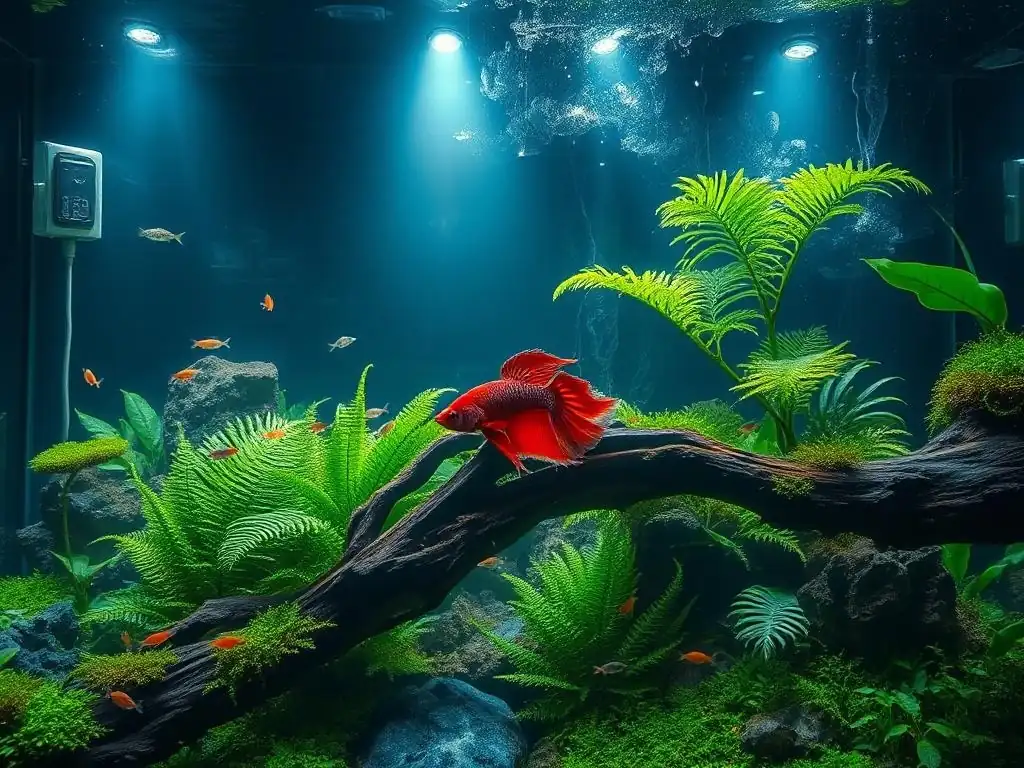
Welcome to Aquarium Mastery!
Ever feel like you're battling an endless green invasion in your aquarium? You're not alone! But before you reach for just any solution, understanding the best algae control methods is crucial. Dive into our detailed guide on aquarium algaecides: learn when they're truly necessary, how to choose the right one for your tank, and most importantly, the potential pitfalls to avoid. Ready to reclaim your crystal-clear water and thriving ecosystem? Let's get started!
- Aquarium Algae Control: A Practical Guide
- Understanding Algae in Aquariums: Maintaining a Healthy Ecosystem
- Selecting the Appropriate Algae Control Method
- Integrating Algae Control Methods for Optimal Results
- Potential Risks Associated with Algae Control Treatments
- Safe and Effective Application of Algae Control Products
- Alternative Algae Control Strategies: Creating a Balanced Environment
- Case Studies: Practical Examples of Algae Control in Different Aquariums
- Long-Term Algae Prevention: Sustaining a Healthy Aquarium
-
Frequently Asked Questions
- What are the best algae control methods for my aquarium, besides algaecides?
- When should I consider using algaecides in my aquarium?
- How do I choose the right algaecide for my specific algae problem?
- What are the potential risks of using algaecides in a fish tank?
- How can I prevent algae growth in my aquarium to avoid needing algaecides altogether?
- Final Reflection: Navigating the Murky Waters of Algae Control
- Unleash a Crystal-Clear Aquarium!
Aquarium Algae Control: A Practical Guide
Understanding Algae in Aquariums: Maintaining a Healthy Ecosystem
The Role of Algae in a Balanced Aquarium Environment
Algae are a natural and often beneficial component of any aquatic ecosystem, including a well-maintained aquarium. At low, controlled levels, they contribute to the overall health and stability of the tank. These simple photosynthetic organisms convert light energy into organic matter, effectively consuming dissolved nutrients like nitrates and phosphates that could otherwise accumulate to harmful levels.
Furthermore, algae serve as a food source for numerous aquatic inhabitants. Many fish species, snails, and invertebrates graze on algae and the biofilm it creates, providing them with essential nutrients and a natural foraging behavior. In a truly balanced aquarium, a light, even film of green algae on surfaces is often considered a sign of maturity and stability, indicating a healthy nutrient cycle where algae biomass remains minimal, typically covering less than 5% of visible surfaces.
Recognizing When Algae Control Measures Are Needed
While a minimal presence of algae is normal, an uncontrolled bloom indicates an imbalance within the aquarium ecosystem, necessitating effective algae control methods. Signs that algae have become problematic include rapid, widespread growth that obscures tank views, smothers plants, or coats decor. Common indicators are large mats of hair algae, thick green or brown films on glass that require daily scraping, or a sudden onset of green water that reduces visibility to less than 12 inches.
Such excessive growth can lead to several issues beyond aesthetics. Algae compete directly with desirable aquatic plants for light and nutrients, potentially stunting plant growth. During the night, large algal masses consume significant amounts of oxygen through respiration, which can dangerously deplete oxygen levels for fish and invertebrates. A sudden drop in pH overnight can also be observed due to increased CO2 production by algae, signaling an urgent need for intervention and the implementation of the best algae control methods.
Selecting the Appropriate Algae Control Method
Identifying Common Aquarium Algae Types
Effective algae control methods begin with correctly identifying the specific type of algae plaguing your aquarium, as different types respond to different strategies. Green algae, for instance, often manifest as small, circular green spot algae on glass and slow-growing plant leaves, or as long, filamentous hair algae that can grow several inches long and form unsightly mats. Green water, another common green algae issue, consists of microscopic, suspended algae that turn the water murky. These types are typically fueled by excess light and nitrates.
Diatom algae, commonly known as brown algae, are prevalent in new tanks or those with high silicate levels. They form a dusty, brownish film that easily wipes off surfaces and can cover a new 10-gallon tank in just a few days.
Black Beard Algae (BBA) or Brush Algae, on the other hand, appears as tough, dark grey to black tufts, often on plant edges, rocks, and equipment, and is notoriously difficult to remove, often thriving in tanks with fluctuating CO2 levels or poor circulation. Lastly, Blue-Green Algae (Cyanobacteria) is not true algae but a bacterial colony, forming slimy, dark green to black mats with an earthy smell, often indicative of high phosphate and low nitrate levels.
Algae Control Options: Chemical, Biological, and Physical
When faced with an algae problem, aquarists have several broad categories of algae control methods at their disposal: chemical treatments, biological control, and physical removal. Each approach has its strengths and weaknesses, and the best results are often achieved by combining them. Chemical treatments offer a rapid solution to severe outbreaks but do not address the underlying cause. Biological control utilizes natural predators to consume algae, providing a more sustainable, long-term solution. Physical removal is a crucial first step for immediate relief and ongoing maintenance.
Understanding when and how to apply each of these categories is key to developing a comprehensive algae management plan. For instance, a heavy green water bloom might benefit from a chemical algaecide initially, followed by light reduction and nutrient management. Conversely, a persistent BBA issue might require spot treatment with a liquid carbon product combined with improved CO2 stability and increased water flow to prevent recurrence, highlighting the multi-faceted nature of the best algae control methods.
Chemical Treatments: Considerations and Best Practices
Chemical algaecides can offer a quick solution to severe algae outbreaks, but they should be used judiciously and are typically considered a temporary measure rather than a long-term cure. Products containing glutaraldehyde (often marketed as liquid carbon supplements like Seachem Flourish Excel) can effectively spot-treat or reduce various algae types, including Black Beard Algae, by disrupting their cellular processes. Other algaecides may use ingredients like poly(oxyethylene)dimethylimino)ethylene(dimethylimino)ethylene dichloride, which directly targets algal cells.
It is crucial to follow dosage instructions precisely, as overdosing can be harmful to fish, invertebrates, and beneficial bacteria. For example, exceeding a recommended dose by even 1.5 times can lead to visible stress in sensitive fish species or cause significant invertebrate casualties, particularly with copper-based treatments which can be lethal to snails and shrimp at concentrations as low as 0.2 ppm. Always remove activated carbon from your filter before treatment, as it will absorb the active ingredient, rendering the treatment ineffective.
Biological Control: Utilizing Algae Eaters
Biological control, employing specific species of fish, snails, and invertebrates that consume algae, is one of the most natural and sustainable algae control methods. In freshwater aquariums, Otocinclus catfish are excellent for consuming diatoms and soft green algae, while Amano shrimp are renowned for their voracious appetite for hair algae and biofilm; a single Amano shrimp can significantly clear a 10-gallon tank of moderate hair algae in 3-5 days.
Nerite snails are highly effective at grazing green spot algae and diatoms from hard surfaces. For stubborn Black Beard Algae, Siamese Algae Eaters (SAE) can be effective, with adult SAEs capable of consuming significant amounts of this tough algae.
In saltwater setups, various snails like Turbo, Trochus, and Nassarius snails, along with hermit crabs and Emerald crabs, form the backbone of a cleanup crew, targeting different types of algae. Tangs and other herbivorous fish can also be excellent grazers for larger algae growths. While biological control is highly effective for ongoing maintenance, it's important to remember that these animals are not a complete solution for severe outbreaks; they are best integrated as part of a broader strategy to maintain a balanced environment and prevent algae from taking hold.
Interpreting Product Labels: Dosage and Safety Information
Carefully reading and understanding product labels is paramount when using any aquarium chemical, especially algaecides. The label provides critical information regarding the active ingredients, the types of algae it targets, and, most importantly, precise dosage instructions. For instance, a common algaecide might recommend 1 ml per 10 gallons of water, with a maximum of two doses in a 7-day period, while emphasizing the need for good aeration during treatment.
Beyond dosage, pay close attention to warnings regarding specific fish species, invertebrates, or plants that might be sensitive to the product. Some algaecides are lethal to shrimp and snails, even at recommended doses. The label will also advise on water change recommendations before or after treatment, the product's shelf life, and proper storage. Ignoring these details can lead to ineffective treatment, harm to aquatic life, or even a complete crash of your aquarium's biological filter, making careful interpretation a key component of the best algae control methods.
Integrating Algae Control Methods for Optimal Results
Balancing Water Parameters to Inhibit Algae Growth
Maintaining stable and appropriate water parameters is fundamental to inhibiting algae growth and achieving long-term success with algae control methods. High levels of nitrates (typically above 20 ppm) and phosphates (often above 0.5 ppm) are primary fuel sources for most algae types. Regular water testing with reliable kits can reveal parameter imbalances; for example, if your nitrate test consistently reads 30 ppm, it indicates a need for more frequent water changes or an increase in live plant biomass to consume these excess nutrients, aiming for levels between 5-10 ppm in planted tanks.
Beyond nutrient levels, ensuring stable pH, general hardness (GH), and carbonate hardness (KH) can also contribute to a healthy environment where beneficial bacteria and plants outcompete algae. For instance, consistent pH levels (e.g., 6.5-7.5 for many freshwater setups) support the nitrification process, which helps keep ammonia and nitrite at bay and maintains a robust bacterial population. Addressing these underlying water chemistry issues is a proactive and sustainable approach to the best algae control methods.
Manual Algae Removal Techniques
Manual algae removal is a critical first step and an ongoing component of any effective algae control strategy. This physical removal immediately reduces the algal biomass in the tank, providing instant visual improvement and lessening the immediate burden on the ecosystem. Techniques include scraping algae from glass with specialized blades or magnetic cleaners, siphoning algae from the substrate, and scrubbing decor items like rocks and driftwood.
A thorough manual cleaning session can remove a significant amount of visible algae biomass, often 70-80% in a single effort, depending on the severity of the bloom. For instance, aggressively scrubbing a patch of Black Beard Algae from a piece of driftwood before a water change can dramatically reduce its presence. Regular, consistent manual removal, perhaps during weekly water changes, prevents algae from becoming firmly established and spreading, making it an indispensable part of the best algae control methods.
Light Management for Algae Reduction
Light is a critical factor influencing algae growth, and proper light management is one of the most effective and non-invasive algae control methods. Excessive light duration or intensity can fuel rapid algae blooms. Most aquariums, especially freshwater planted tanks, thrive on 8-10 hours of light per day; extending this duration beyond 12 hours frequently leads to green water or hair algae outbreaks.
Adjusting light intensity, either by using a dimmer or raising the light fixture higher above the tank, can also significantly reduce algae growth without necessarily harming plants. Some aquarists successfully employ a "siesta period," where lights are on for 4-5 hours, off for 2-3 hours, and then on again for another 4-5 hours. This brief dark period disrupts the photosynthetic cycle of algae more effectively than it does for most aquatic plants, which can store energy more efficiently, thereby inhibiting algae without affecting plant health.
Live Plants: Competing with Algae for Resources
Integrating live plants, particularly fast-growing species, is a highly effective biological strategy among the best algae control methods. Live plants directly compete with algae for essential nutrients such as nitrates, phosphates, and carbon dioxide. A densely planted aquarium, with 50-70% plant coverage, can significantly outcompete algae for these resources, effectively starving them out.
Species like Water Sprite, Hornwort, Anacharis, and various stem plants are excellent choices because of their rapid growth rates and high nutrient uptake capabilities. For example, adding a handful of Hornwort to a tank experiencing a green water bloom can quickly absorb excess nutrients, helping to clear the water. Ensure that your plants receive adequate fertilization (including trace elements and iron) and appropriate CO2 levels to support their robust growth, as healthy plants are the best defense against unwanted algae.
Potential Risks Associated with Algae Control Treatments
Impact on Fish, Invertebrates, and Beneficial Bacteria
While chemical algaecides can be effective, they carry significant risks to the delicate balance of an aquarium ecosystem. Many algaecides are broad-spectrum and can negatively impact fish, invertebrates, and the beneficial bacteria crucial for the nitrogen cycle. For instance, copper-based treatments, while effective against some algae, are highly toxic to most invertebrates like shrimp and snails, often causing mass casualties at therapeutic doses.
Even algaecides marketed as "safe for fish" can cause stress or oxygen depletion if a large amount of algae dies off rapidly, leading to a sudden decrease in dissolved oxygen. Furthermore, a significant concern is the potential harm to nitrifying bacteria (Nitrosomonas and Nitrobacter) that colonize your filter media. A severe die-off of these bacteria can crash the biological filter, leading to dangerous spikes in ammonia and nitrite, which can reach levels of 2-3 ppm within 24 hours, posing an immediate threat to all aquatic life.
Preventing Algae Resistance to Treatments
The improper or overuse of chemical algaecides can lead to the development of algae strains resistant to treatment, similar to antibiotic resistance in bacteria. If algaecides are used too frequently, at incorrect dosages (especially underdosing), or without addressing the underlying causes of the algae bloom, the surviving algae may adapt and develop tolerance to the chemical compounds. This can render future treatments with the same product ineffective.
To prevent resistance, algaecides should be used as a last resort for severe outbreaks, not as a routine preventative measure. It is crucial to follow dosage instructions precisely and to combine chemical treatment with fundamental husbandry practices that address the root cause of the algae, such as nutrient control, light management, and increased water changes. Relying solely on chemicals without tackling the environmental imbalance will inevitably lead to recurring and increasingly difficult-to-treat algae problems, undermining the effectiveness of even the best algae control methods.
Effects on the Biological Filtration System
One of the most significant risks associated with chemical algae control products is their potential detrimental impact on the aquarium's biological filtration system. This system relies on colonies of beneficial bacteria that convert toxic ammonia into nitrite, and then nitrite into less harmful nitrate. Many algaecides, particularly those designed for rapid algae removal, can inadvertently kill or severely inhibit these essential bacteria.
When the biological filter is compromised, the aquarium's ability to process fish waste and decaying organic matter is severely diminished. This can lead to rapid and dangerous spikes in ammonia (NH3) and nitrite (NO2), which are highly toxic to fish and invertebrates. A crashed filter can take anywhere from 2 to 4 weeks to fully re-establish, during which period daily water testing and frequent, small water changes become critical to keep the aquatic inhabitants alive. Therefore, preserving the biological filter should always be a top priority when considering algae control methods.
Safe and Effective Application of Algae Control Products
Preparing the Aquarium for Treatment
Proper preparation of the aquarium before applying any chemical algaecide is crucial for maximizing effectiveness and minimizing risks. First, manually remove as much visible algae as possible through scraping, siphoning, or scrubbing. This reduces the overall algal biomass, allowing the algaecide to work more efficiently and preventing excessive oxygen depletion from decaying algae.
Next, perform a substantial water change, typically 25-50%, to reduce existing nutrient levels and dilute any potential toxins. Before adding the algaecide, remove activated carbon or other chemical filtration media from your filter, as these will absorb the active ingredients and render the treatment ineffective. Finally, increase aeration in the tank by adding an air stone or lowering the water level slightly to increase surface agitation. This is vital because rapidly dying algae can consume significant amounts of oxygen, potentially suffocating fish.
Calculating and Administering the Correct Dosage
Accurate dosage calculation and careful administration are paramount for the safe and effective use of algaecides. Never "eyeball" the dosage; always use a precise measuring device like a syringe for smaller tanks or a dedicated measuring cup for larger volumes. An overdose of even 10% can be detrimental to sensitive fish or invertebrates, while an underdose may lead to ineffective treatment and potentially foster resistant algae strains.
Most product labels provide clear instructions, often stating a specific volume per gallon or liter (e.g., "Add 5 ml per 50 gallons every other day for three doses"). It is often beneficial to dilute the measured algaecide in a small cup of tank water before slowly adding it to the aquarium, distributing it evenly across the tank. This prevents concentrated pockets of the chemical that could harm local inhabitants. Adhering to these steps ensures that the chosen algae control methods are applied safely.
Post-Treatment Monitoring and Water Quality Management
After applying an algaecide, continuous and diligent monitoring of the aquarium is essential to ensure the safety of your aquatic inhabitants and the success of the treatment. Observe your fish and invertebrates closely for any signs of stress, such as rapid breathing, gasping at the surface, clamped fins, or lethargy. These behaviors can indicate adverse reactions or low oxygen levels.
Daily testing of water parameters, specifically ammonia, nitrite, nitrate, and pH, is critical. If ammonia or nitrite levels begin to spike, perform small, frequent water changes (e.g., 10-20% daily) to dilute the toxins. Once the treatment period is complete and the algae begin to recede, reintroduce activated carbon to your filter to remove any residual chemicals from the water. This comprehensive post-treatment care is vital for maintaining a healthy environment and ensuring the long-term effectiveness of your chosen algae control methods.
Alternative Algae Control Strategies: Creating a Balanced Environment
Nutrient Management: Reducing Excess Nutrients
Effective nutrient management is perhaps the most crucial long-term strategy for preventing algae, making it one of the best algae control methods. Algae thrive on excess nutrients, primarily nitrates and phosphates. Overfeeding is a common culprit; ensure fish consume all food within 2-3 minutes, as uneaten food quickly breaks down into these algae-fuelling compounds.
Regular substrate vacuuming removes trapped detritus, uneaten food, and fish waste before they can fully decompose and release nutrients into the water column. Utilizing proper filtration, including mechanical media like filter floss or sponges to trap particulate matter, and chemical media such as phosphate removers (e.g., PhosGuard) or nitrate-absorbing resins, can further reduce nutrient loads. For tanks with persistent issues, using RO/DI (reverse osmosis/deionized) water for all water changes and top-offs can eliminate silicates, nitrates, and phosphates often present in tap water, thereby cutting off a major algae food source.
Optimizing Water Circulation and Flow
Poor water circulation and flow create "dead spots" within the aquarium where detritus, uneaten food, and fish waste can accumulate. These stagnant areas become prime breeding grounds for various types of algae, particularly Black Beard Algae and diatoms, as nutrients become concentrated and water flow is insufficient to dislodge nascent algal growth.
Optimizing water circulation involves strategically positioning filter outputs and adding powerheads to ensure water movement throughout the entire tank, including behind decor and in corners. A general guideline is to aim for a total flow rate of 5-10 times the tank volume per hour for freshwater aquariums, and 10-20 times for saltwater setups, to prevent the formation of these problematic dead spots. Adequate flow not only prevents nutrient accumulation but also helps distribute CO2 and nutrients to live plants, further enhancing their ability to outcompete algae, making it a critical aspect of effective algae control methods.
Routine Aquarium Maintenance for Algae Prevention
Consistency in routine aquarium maintenance is the cornerstone of long-term algae prevention and one of the most effective algae control methods. Regular weekly water changes, typically 25-30% of the tank volume, are vital for removing dissolved organic compounds and nutrients that fuel algae growth. For example, a 25% weekly water change in a 50-gallon tank removes 12.5 gallons of nutrient-rich water, significantly reducing the algae's food source.
Coupled with water changes, routine gravel vacuuming is essential to remove detritus and uneaten food trapped in the substrate. Monthly filter cleaning—rinsing sponges and filter media in old tank water to preserve beneficial bacteria—maintains optimal flow and prevents the buildup of organic matter within the filter itself. Lastly, regular glass cleaning, even if just a quick wipe, prevents algae from becoming established and forming stubborn films. A consistent maintenance schedule can reduce the frequency and severity of algae outbreaks by over 90% in well-established tanks.
Case Studies: Practical Examples of Algae Control in Different Aquariums
Treating a Green Water Algae Bloom in a Freshwater Tank
Scenario: A 55-gallon freshwater community tank, three months old, suddenly developed a severe green water algae bloom, reducing visibility to less than six inches. The owner had been leaving the aquarium lights on for 14 hours a day, and the tank was lightly planted.
Action:
- Light Reduction: The lighting schedule was immediately reduced to 8 hours per day, with a 2-hour siesta period introduced in the middle of the day (4 hours on, 2 hours off, 4 hours on) to disrupt the algae's photosynthetic cycle.
- Water Change: A 50% water change was performed to reduce the immediate nutrient load and dilute the suspended algae.
- UV Sterilizer: A 9-watt UV sterilizer, appropriately sized for a 55-gallon tank, was installed and run continuously for 72 hours. UV sterilization is one of the best algae control methods for green water as it directly kills free-floating algal cells.
- Plant Mass Increase: Fast-growing stem plants like Anacharis (Egeria densa) and Hornwort (Ceratophyllum demersum) were added to the tank to outcompete the algae for nutrients in the long term.
- Feeding Adjustment: Fish feeding was reduced by 20% to minimize the introduction of excess nutrients.
Result: Within 48 hours, the water clarity noticeably improved, with visibility increasing to over 24 inches. By the fifth day, the water was crystal clear. The UV sterilizer rapidly cleared the suspended algae, while the light reduction, increased plant mass, and reduced feeding addressed the underlying causes, preventing recurrence.
Managing Black Beard Algae in a Planted Aquarium with Shrimp
Scenario: A 20-gallon planted aquarium housing Cherry Shrimp (Neocaridina davidi) and a few small fish developed stubborn Black Beard Algae (BBA) on decor, filter intake, and the edges of slower-growing plant leaves. The tank's CO2 injection system had been inconsistent, and there were noticeable low-flow areas.
Action:
- Spot Treatment: A glutaraldehyde-based liquid carbon product (e.g., Seachem Flourish Excel) was used for spot treatment. With the filter turned off for 15 minutes, 1 ml per 10 gallons was precisely measured and applied directly to affected BBA patches using a syringe. This was repeated daily for three consecutive days.
- CO2 Optimization: The CO2 regulator was calibrated to ensure a consistent bubble count (e.g., 1 bubble per second) and the diffuser was cleaned to provide finer mist, improving CO2 distribution and stability, which is crucial for plant health and BBA prevention.
- Flow Improvement: A small, adjustable powerhead was added to the tank, aimed at the low-flow areas and near the filter output, to ensure robust water movement throughout the tank, preventing detritus accumulation.
- Biological Assist: Five Amano shrimp were introduced to the tank. While not primary BBA eaters, they assisted in consuming decaying algae and other detritus, contributing to the overall cleanup.
Result: Within one week, the BBA turned from black to reddish-grey, indicating that it was dying. The shrimp then began to consume the decaying algae. New plant growth remained free of BBA. The combination of targeted chemical treatment, improved CO2 consistency, and optimized flow proved to be one of the best algae control methods for this persistent type of algae.
Preventing Diatom Algae in a New Saltwater Aquarium
Scenario: A new 40-gallon saltwater reef tank, two weeks into its nitrogen cycle, developed a widespread brown film (diatom algae) covering the sand bed, live rock, and glass. The initial tank fill and subsequent top-offs had been done using tap water.
Action:
- Water Source Change: The owner immediately switched from tap water to RO/DI (reverse osmosis/deionized) water for all subsequent water changes and top-offs. This eliminated silicates and phosphates, which are common impurities in tap water and major fuel sources for diatoms.
- Cleanup Crew Introduction: Once the tank completed its nitrogen cycle and water parameters stabilized (ammonia and nitrite at 0 ppm, nitrates below 10 ppm), a small cleanup crew was introduced, consisting of three Turbo snails and two Nassarius snails, known for their excellent diatom grazing abilities.
- Manual Siphoning: During weekly 10-gallon water changes, the owner meticulously siphoned the diatom film directly from the sand bed and rock surfaces, physically removing the algae.
- Flow Optimization: Existing powerheads were repositioned to ensure optimal water flow across all areas of the live rock and sand bed, preventing dead spots where diatoms could easily settle and proliferate.
Result: The diatom bloom gradually receded over the next 2-3 weeks as the tank matured and the cleanup crew actively grazed. Within a month, the tank was largely diatom-free, with only minimal, easily manageable brown film. Switching to RO/DI water was the most critical preventative measure, effectively cutting off the primary nutrient source for diatoms, illustrating a highly effective long-term algae control method for new saltwater setups.
Long-Term Algae Prevention: Sustaining a Healthy Aquarium
Regular Water Testing and Parameter Adjustments
For long-term algae prevention, consistent monitoring of water parameters is indispensable. Establishing a routine of testing nitrates and phosphates weekly, and ammonia and nitrite whenever any signs of stress or imbalance appear, provides crucial insights into your tank's health. For example, if weekly nitrate tests consistently show levels above 15 ppm in a freshwater tank, it indicates an excess nutrient problem that will inevitably lead to algae.
Based on these test results, adjustments can be made to your maintenance routine. This might involve increasing the frequency or volume of water changes, reducing feeding amounts, or adding more fast-growing live plants to consume excess nutrients. Maintaining nitrates below 15 ppm and phosphates below 0.2 ppm significantly reduces the fuel available for algae, making regular testing and proactive adjustments a cornerstone of the best algae control methods.
Routine Gravel Vacuuming and Filter Cleaning
Routine gravel vacuuming and filter cleaning are essential mechanical algae control methods that directly remove organic waste before it can decompose and fuel algae growth. Weekly or bi-weekly gravel vacuuming, depending on stocking levels and substrate type, removes uneaten food, fish waste, and decaying plant matter that accumulate in the substrate. For example, a 5-gallon bucket of siphoned water from a 50-gallon tank can reveal surprising amounts of organic detritus.
Similarly, cleaning filter media monthly is crucial for maintaining efficient filtration and preventing the buildup of trapped organic material within the filter itself. Always rinse filter sponges and mechanical media in old tank water removed during a water change, rather than tap water, to preserve the beneficial bacterial colonies. Replacing chemical media like activated carbon or phosphate removers as per manufacturer's recommendations (typically every 3-4 weeks for carbon) also helps to continuously strip the water of dissolved organics and nutrients.
Selecting Appropriate Algae-Eating Livestock
Integrating appropriate algae-eating livestock into your aquarium is an excellent long-term biological strategy among the best algae control methods, but it must be done thoughtfully. These animals are not a magical solution for existing algae problems but rather a supplementary tool for ongoing maintenance. When selecting algae eaters, consider your tank size, water parameters, compatibility with existing inhabitants, and the specific types of algae they consume.
For example, for a 20-gallon freshwater tank, 3-5 Nerite snails or 5-7 Amano shrimp can be excellent long-term algae managers, effectively grazing on green spot algae, diatoms, and hair algae. In saltwater environments, a common recommendation is one Turbo snail per 10-15 gallons for general grazing. Always research the specific dietary needs of any algae eater; some species, like many plecos, often outgrow smaller tanks or prefer prepared foods over algae as they mature.
Frequently Asked Questions
What are the best algae control methods for my aquarium, besides algaecides?
The best non-algaecide methods include reducing light exposure, maintaining proper water parameters, and introducing algae-eating creatures like snails or shrimp. Regular water changes are also crucial.
When should I consider using algaecides in my aquarium?
Algaecides should only be considered as a last resort, after other methods have failed to control persistent algae blooms. They are useful in severe cases where other approaches aren't effective.
How do I choose the right algaecide for my specific algae problem?
Identify the type of algae you're dealing with (e.g., green water, hair algae, black beard algae). Then, select an algaecide specifically formulated to target that type, following the manufacturer's instructions carefully.
What are the potential risks of using algaecides in a fish tank?
Algaecides can harm or kill beneficial bacteria, invertebrates, and even fish if not used correctly. They can also cause oxygen depletion as algae die off, so monitor your tank closely.
How can I prevent algae growth in my aquarium to avoid needing algaecides altogether?
Prevention is key! Maintain a balanced ecosystem by controlling nutrients, providing adequate filtration, and performing regular maintenance. Overfeeding is a common cause, so avoid overstocking and overfeeding.
The information presented throughout this article highlights the delicate balance required in maintaining a healthy aquarium ecosystem. Effective algae control is not simply about eradication, but about understanding the underlying causes and choosing the most responsible and sustainable methods. Ignoring this crucial point can lead to more harm than good, disrupting the very environment we strive to create.
The pursuit of crystal-clear water often leads aquarists down a path of quick fixes, but true mastery lies in understanding the long-term consequences of our actions. My own journey in aquascaping has taught me that patience and observation are far more valuable than any chemical solution. The best algae control is a healthy aquarium,
a sentiment echoed by countless experienced aquarists, underscores the importance of preventative measures and a holistic approach.
As you navigate the complexities of aquarium keeping, remember that every decision has a ripple effect. Consider the long-term health of your aquatic inhabitants and the overall balance of your ecosystem. Choose wisely, research thoroughly, and strive to create a thriving environment where both plants and animals can flourish. Let's all commit to responsible aquarium keeping, ensuring the beauty and wonder of our underwater worlds for generations to come.
Unleash a Crystal-Clear Aquarium!
Thank you for diving into the world of algae control! Now that you're equipped with the knowledge to tackle those unwanted blooms, let's turn that understanding into action and create a truly thriving aquatic environment.
Here's how you can make waves:
- Start Today: Carefully assess your algae issue: and identify the root cause. Then, if necessary, cautiously test a recommended algaecide in a small, controlled section of your tank before widespread use.
- Explore innovative solutions: Research natural algae-eating creatures, like snails or shrimp, that could add a beneficial and sustainable element to your aquarium's ecosystem.
- Share your successes (and struggles!): Join our Aquarium Mastery community forum and exchange tips, tricks, and observations with fellow aquarists to refine your algae-control strategies.
Ready to show off your sparkling clean aquarium? What before-and-after photos will you share with the community?