
Blue Tetra Schooling: A Flash of Electric Blue in Your Planted Aquarium

Welcome to Aquarium Mastery!
Ever wondered how to bring a dazzling splash of life to your freshwater aquarium? Dive in and discover the secrets to successfully keeping a thriving school of Blue Tetras. This article unlocks the key to their vibrant health and captivating schooling behavior. Ready to transform your tank into a mesmerizing underwater spectacle? Let's explore the essentials of Blue Tetra schooling care and create the perfect environment for these shimmering jewels!
- Introduction to Blue Tetra Schooling Behavior and Care
- Blue Tetra Profile: Characteristics and Identification
- Optimal Aquarium Setup for Thriving Blue Tetras
- Blue Tetra Schooling Dynamics and Social Behavior
- Blue Tetra Diet and Feeding Guide
- Blue Tetra Tank Mates: Compatibility and Community Options
- Maintaining a Healthy Blue Tetra Aquarium
- Breeding Blue Tetras: A Guide to Success
- Troubleshooting Common Blue Tetra Issues
- Enhancing Blue Tetra Colors and Schooling
- Conclusion: Mastering Blue Tetra Schooling Care
-
Frequently Asked Questions
- What is the ideal tank size for a school of Blue Tetras?
- What are the key water parameters to maintain for Blue Tetras?
- What type of plants are best suited for a Blue Tetra aquarium?
- What should I feed my Blue Tetras to ensure they stay healthy and vibrant?
- How many Blue Tetras should I keep in a school to promote natural behavior?
- Final Reflection: The Enduring Dance of Blue
- Ignite Your Aquarium's Sparkle!
Introduction to Blue Tetra Schooling Behavior and Care
Understanding the Allure of Blue Tetras in a Community Tank
Blue Tetras, scientifically known as Boehlkea fredcochui, are a captivating addition to any freshwater community aquarium, primarily due to their striking iridescent blue coloration and graceful schooling behavior. Their ability to form tight, synchronized groups creates a mesmerizing visual spectacle, transforming a static tank into a dynamic aquatic landscape. This vibrant display makes them highly sought after by aquarists looking to add both color and movement to their setups, highlighting the aesthetic benefits of proper Blue tetra schooling care.
Beyond their visual appeal, Blue Tetras are generally peaceful and relatively easy to care for, making them suitable for both novice and experienced aquarists. Their adaptability to a range of water conditions, provided they are stable, contributes to their popularity. The lively energy they bring to a tank, often darting through plants and open spaces, is a testament to a healthy and well-maintained environment, underscoring the importance of understanding their specific needs for successful Blue tetra schooling care.
Why Blue Tetra Schooling Behavior Makes Them Popular Aquarium Fish
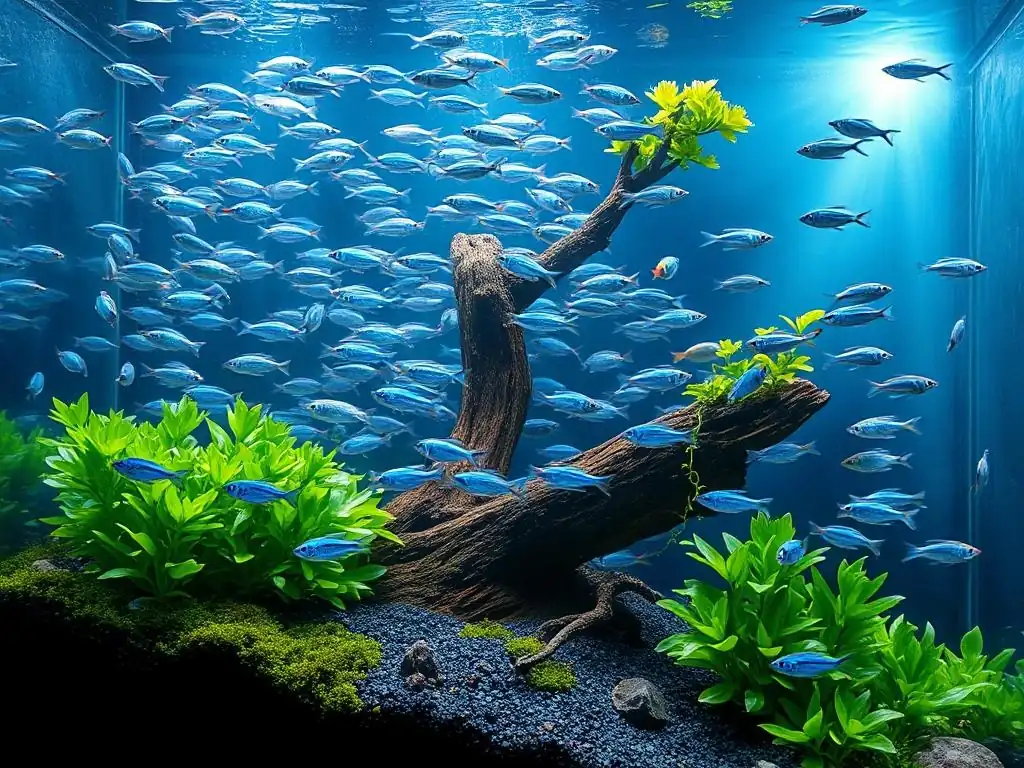
The inherent schooling instinct of Blue Tetras is a primary reason for their widespread popularity. When kept in sufficient numbers, typically six or more, these fish exhibit their natural schooling behavior, moving as a single, coordinated unit. This not only provides a stunning visual effect but also serves a crucial biological purpose, offering a sense of security and reducing individual stress levels within the group. Observing this natural behavior is one of the most rewarding aspects of keeping these fish.
This strong schooling tendency also makes Blue Tetras excellent candidates for larger community tanks where their cohesive movement can be fully appreciated. Unlike solitary fish that may hide or become stressed, a well-formed school of Blue Tetras confidently explores its surroundings, adding a vibrant layer of activity to the aquarium. Effective Blue tetra schooling care focuses on facilitating this natural behavior, ensuring the fish feel secure and display their most brilliant colors and active patterns.
Blue Tetra Profile: Characteristics and Identification
Identifying the Boehlkea fredcochui: Key Features
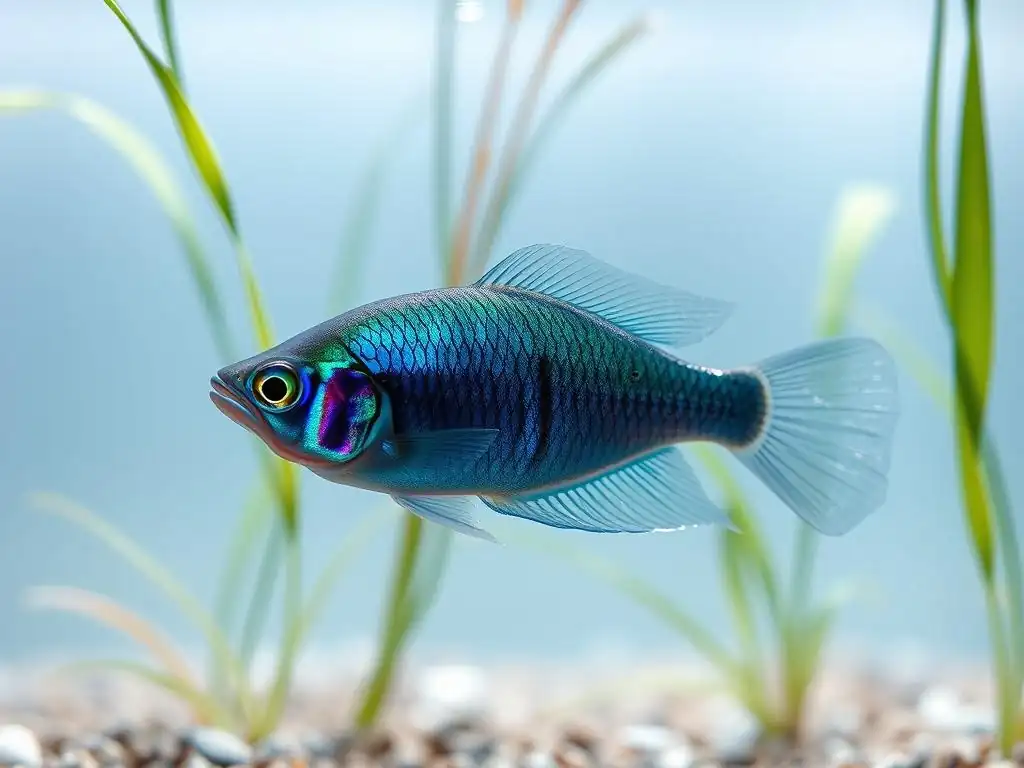
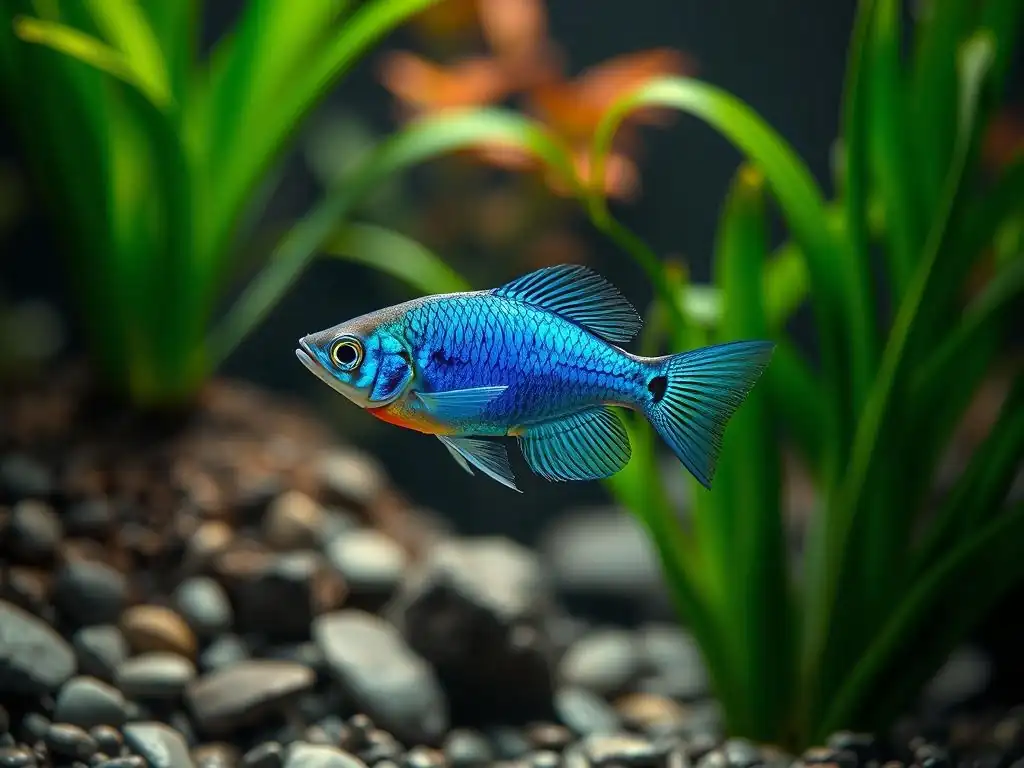
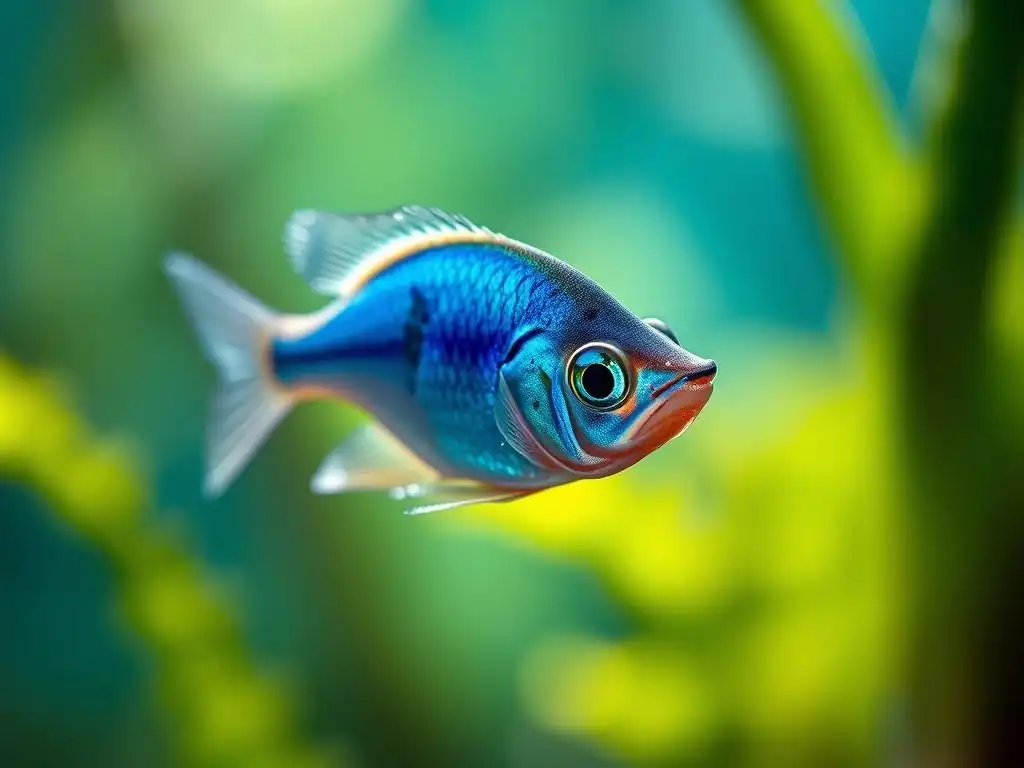
The Blue Tetra, Boehlkea fredcochui, is distinguished by its sleek, torpedo-shaped body and, most notably, its brilliant iridescent blue coloration that shimmers under proper lighting. This blue hue often extends from the head to the caudal fin, sometimes with a more intense glow along the lateral line. They typically possess clear or slightly tinted fins, with the caudal fin often having a faint reddish or yellowish tint near its base, though this can vary.
Their average size in captivity is about 1.5 to 2 inches (3.8 to 5 cm) when fully grown, making them a perfect fit for moderately sized planted aquariums. They have relatively large eyes in proportion to their head, which aids in their schooling and foraging activities. The overall streamlined appearance and the constant shimmer of their blue scales make them easily identifiable and a standout species in any freshwater collection, reflecting the benefits of good Blue tetra schooling care.
Distinguishing Male and Female Blue Tetras
Distinguishing between male and female Blue Tetras can be subtle, especially when they are young. However, mature females tend to be noticeably fuller and rounder in the belly area, particularly when they are gravid with eggs. This difference is most apparent when viewed from above or during breeding season.
Males, on the other hand, often appear more slender and may exhibit slightly more intense coloration, especially during courtship displays. While not as pronounced as in some other tetra species, observant aquarists can typically identify these subtle morphological differences as the fish mature, a detail often noted by those practicing advanced Blue tetra schooling care.
Blue Tetra Size and Lifespan in Captivity
Blue Tetras typically reach an adult size of approximately 1.5 to 2 inches (3.8 to 5 cm) in length. This modest size makes them suitable for a range of aquarium dimensions, though larger tanks are always recommended for optimal schooling behavior and overall well-being. Their compact size also means they contribute minimally to the bioload, making tank maintenance more manageable.
With proper Blue tetra schooling care, including stable water parameters, a balanced diet, and a stress-free environment, Blue Tetras can live for an average of 3 to 5 years in captivity. Some well-cared-for individuals have been known to exceed this lifespan, reaching up to 6 years. Providing excellent environmental conditions is paramount to achieving their full potential lifespan and maintaining their vibrant health.
Optimal Aquarium Setup for Thriving Blue Tetras
Tank Size Requirements for Blue Tetra Schools
For a healthy and thriving school of Blue Tetras, a minimum tank size of 20 gallons (approximately 75 liters) is recommended for a group of 6 to 8 individuals. This size provides adequate swimming space for their active schooling behavior and helps dilute waste products, maintaining stable water quality. While they are small fish, their need to school and move cohesively necessitates more horizontal swimming room than vertical depth.
For larger schools, which are highly encouraged for optimal Blue tetra schooling care and to fully appreciate their natural dynamics, a 30-gallon (113 liters) or even 40-gallon (150 liters) tank would be ideal. A larger tank offers more stability in water parameters, reduces aggression among tank mates, and provides ample open space for their characteristic synchronized swimming patterns, creating a more natural and less stressful environment for the entire group.
Essential Water Parameters for Blue Tetra Health
Maintaining precise and stable water parameters is crucial for the long-term health and vibrancy of Blue Tetras. These fish thrive in conditions that mimic their natural South American habitats, which are typically soft and acidic. Regular testing of water parameters is a fundamental aspect of effective Blue tetra schooling care.
Key parameters to monitor include temperature, pH, and water hardness, all of which directly impact their metabolism, immune system, and overall well-being. Sudden fluctuations in these parameters can cause significant stress, leading to susceptibility to diseases and a diminished display of their characteristic blue coloration and schooling behavior.
Temperature, pH, and Water Hardness for Blue Tetras
Blue Tetras prefer a water temperature range of 72-78°F (22-26°C). Maintaining a consistent temperature within this range is vital, as rapid temperature swings can stress the fish and weaken their immune system. An accurate aquarium heater with a reliable thermostat is essential to prevent fluctuations.
Regarding pH, these fish thrive in slightly acidic to neutral water, with an ideal pH range of 6.0-7.0. While they can tolerate a slightly wider range (e.g., 5.5 to 7.5), stability is more important than hitting an exact number. Water hardness (GH) should be soft to moderately hard, ideally between 5-12 dGH (89-214 ppm). Regular water changes with properly conditioned water help maintain these parameters consistently, ensuring optimal conditions for Blue tetra schooling care.
Substrate and Decoration Ideas to Mimic Their Natural Habitat
Creating an environment that closely resembles the Blue Tetra's natural habitat enhances their comfort, encourages natural behaviors, and brings out their best colors. Their native waters in South America are often characterized by dense vegetation and soft, dark substrates. Incorporating these elements into the aquarium setup is a key component of successful Blue tetra schooling care.
Thoughtful decoration not only provides visual appeal but also offers essential hiding spots and visual breaks for the fish, reducing stress. A well-designed aquascape can also highlight their iridescent blue, making them pop against a natural backdrop.
Planted Tank Setup for Blue Tetras: Creating a Natural Environment
Blue Tetras flourish in heavily planted aquariums that offer plenty of cover and shaded areas. Tall, stem plants like Rotala, Ludwigia, and Cabomba provide vertical structure and swimming lanes, while broad-leafed plants such as Anubias and Java Fern offer resting spots and visual barriers. Floating plants like Frogbit or Dwarf Water Lettuce can also be beneficial, diffusing light and creating a sense of security from above, which is highly appreciated by schooling fish.
The presence of live plants also contributes to water quality by absorbing nitrates and providing oxygen, creating a more stable and healthy ecosystem. Aim for a balance between densely planted areas for cover and open swimming spaces in the front or middle of the tank where their schooling behavior can be observed. This balance is crucial for effective Blue tetra schooling care in a planted setup.
Suitable Substrates for Blue Tetra Aquariums
For Blue Tetras, a dark-colored substrate is often recommended. This not only helps to accentuate their vibrant blue coloration by providing a strong contrast but also mimics the dark, tannin-stained waters of their natural environment. Fine-grained sand or small-grade gravel are excellent choices. Sand allows for easy plant rooting and prevents food from getting trapped and decaying, which can compromise water quality.
If using live plants, a nutrient-rich plant substrate capped with sand or fine gravel can provide an excellent foundation for plant growth while still offering the aesthetic benefits of a dark substrate. Avoid sharp or coarse substrates that could potentially injure the fish's delicate fins. A smooth, dark substrate is a simple yet effective way to improve the visual appeal and comfort for fish under Blue tetra schooling care.
The Importance of School Size for Blue Tetra Wellbeing
The schooling behavior of Blue Tetras is not merely an aesthetic preference; it is a fundamental aspect of their survival and well-being. Keeping them in insufficient numbers, typically fewer than six individuals, can lead to increased stress, shyness, and even aggression towards other tank mates. A small group may not exhibit their characteristic vibrant schooling patterns and might spend more time hiding.
A minimum school size of 6 to 8 individuals is crucial for Blue Tetras to feel secure and display their natural behaviors. In larger schools of 10 or more, their synchronized movements become even more pronounced and mesmerizing. This larger group size also distributes potential stress or minor aggression among more individuals, reducing the impact on any single fish. Prioritizing school size is a cornerstone of responsible Blue tetra schooling care.
Within a school of Blue Tetras, a subtle social hierarchy can sometimes be observed, though it is generally not as pronounced or aggressive as in some other cichlid or larger fish species. Usually, there might be a dominant individual or a small group that leads the school's movements, especially during feeding times or when exploring new areas. This hierarchy helps maintain order and cohesion within the group.
Occasionally, minor chasing or fin nipping might occur, particularly if the school size is too small or if there is insufficient space. However, in a well-established, adequately sized school with plenty of swimming room and hiding spots, these interactions are typically fleeting and do not result in significant harm. Understanding these subtle dynamics is part of advanced Blue tetra schooling care, ensuring a harmonious environment.
Observing Natural Schooling Patterns in the Aquarium
Observing the natural schooling patterns of Blue Tetras is one of the most rewarding aspects of keeping these fish. In a properly set up aquarium, they will typically move together in a tight, coordinated formation, especially when they feel threatened, are exploring new areas, or are simply swimming through open spaces. This synchronized movement is a natural defense mechanism against predators in the wild.
You'll notice them darting and turning almost as one, with their iridescent blue scales flashing under the aquarium lights. Providing open swimming areas combined with dense plant cover encourages this behavior, allowing them to retreat quickly if startled. The consistency and vibrancy of their schooling are excellent indicators of their overall health and comfort, reflecting successful Blue tetra schooling care.
Blue Tetra Diet and Feeding Guide
What Do Blue Tetras Eat in the Wild?
In their natural habitats in the Amazon basin, Blue Tetras are primarily omnivores, with a diet that consists of a variety of small invertebrates, insect larvae, tiny crustaceans, and some plant matter. They are opportunistic feeders, foraging for whatever small food sources are available in the water column or on submerged vegetation. This diverse diet contributes to their health and vibrant coloration in the wild.
Their natural feeding behaviors involve actively searching for food particles, often pecking at plants or sifting through detritus. Replicating this diverse diet in the aquarium is crucial for their long-term health and to maintain their brilliant blue hues. Understanding their natural diet is a key step in providing comprehensive Blue tetra schooling care.
Recommended Diet for Optimal Color and Health in Captivity
To ensure optimal health, vibrant coloration, and robust immunity for Blue Tetras in captivity, a varied and balanced diet is essential. Relying solely on one type of food can lead to nutritional deficiencies over time. A combination of high-quality flakes, small pellets, and various live or frozen foods is highly recommended.
Feeding small amounts multiple times a day, rather than one large meal, also mimics their natural foraging behavior and prevents overfeeding, which can lead to water quality issues. A well-rounded diet is a cornerstone of effective Blue tetra schooling care, directly impacting their vitality and visual appeal.
High-Quality Flake Food, Live and Frozen Foods for Blue Tetras
For daily feeding, a high-quality flake or micro-pellet food specifically formulated for small tropical fish should form the base of their diet. Look for brands that list fish meal, spirulina, and other beneficial ingredients as primary components. Supplementing this staple with live and frozen foods two to three times a week significantly enhances their diet.
Excellent choices for supplemental foods include frozen or live bloodworms, brine shrimp, daphnia, and cyclops. These provide essential proteins, fats, and micronutrients that are often less concentrated in dry foods, contributing to stronger immune systems and more intense coloration. Offering this variety is a vital part of comprehensive Blue tetra schooling care.
Feeding Frequency and Portion Control to Prevent Overfeeding
Blue Tetras have relatively small stomachs, so it's better to feed them small amounts multiple times a day rather than one large meal. A good feeding strategy is to offer food 2-3 times per day, providing only what they can consume within 2-3 minutes. This prevents uneaten food from decaying and fouling the water, which can lead to elevated ammonia and nitrite levels.
Overfeeding is a common mistake that can lead to digestive issues in fish and significantly degrade water quality, fostering algae growth and promoting bacterial blooms. Observing their feeding behavior will help you adjust portions accordingly. Consistent portion control is a critical aspect of maintaining a healthy environment and effective Blue tetra schooling care.
Blue Tetra Tank Mates: Compatibility and Community Options
Ideal Tank Mates for Peaceful Coexistence
Blue Tetras are generally peaceful fish, making them excellent candidates for a community aquarium, provided their tank mates are also non-aggressive and of a similar size. The best tank mates are other small, peaceful schooling fish that won't outcompete them for food or nip at their fins.
Good companions include other small tetra species such as Neon Tetras, Cardinal Tetras, Ember Tetras, and Rummy-Nose Tetras. Other suitable options are Rasboras (e.g., Harlequin Rasboras), peaceful bottom-dwellers like Corydoras catfish, and small, peaceful livebearers like Guppies or Endler's Livebearers. Ensuring compatible tank mates is a crucial part of holistic Blue tetra schooling care.
Fish to Avoid Keeping with Blue Tetras
While Blue Tetras are peaceful, certain fish species should be avoided to prevent stress, injury, or predation. Any large, aggressive, or predatory fish are unsuitable tank mates. This includes large cichlids (e.g., Oscar, Jack Dempsey), aggressive barbs (e.g., Tiger Barbs, unless in very large schools in a spacious tank), or any fish known for fin nipping, such as some species of Danios if not kept in large schools themselves.
Fish with long, flowing fins, like Betta fish, should also be approached with caution, as Blue Tetras, especially if their school is too small, might occasionally nip at their fins. Researching potential tank mates thoroughly is essential to prevent conflicts and ensure the well-being of your Blue Tetras, a key consideration in Blue tetra schooling care.
Invertebrate Tank Mates: Shrimp and Snails
Blue Tetras can generally coexist peacefully with most invertebrate tank mates, particularly snails and certain types of shrimp. Snails, such as Nerite Snails, Mystery Snails, or Malaysian Trumpet Snails, are excellent tank cleaners and pose no threat to Blue Tetras. They can help control algae and consume uneaten food, contributing to a cleaner tank environment.
When it comes to shrimp, Amano Shrimp are typically safe and beneficial, as they are too large for Blue Tetras to consider as prey. However, smaller dwarf shrimp species like Cherry Shrimp fry might be seen as a snack, especially if the Blue Tetras are hungry. While adult dwarf shrimp are generally safe, breeding colonies might experience some losses. Therefore, careful consideration of shrimp size is part of comprehensive Blue tetra schooling care.
Maintaining a Healthy Blue Tetra Aquarium
Regular Water Changes and Aquarium Maintenance
Regular water changes are arguably the single most important aspect of maintaining a healthy Blue Tetra aquarium. A weekly water change of 20-30% of the tank volume helps to remove accumulated nitrates, phosphates, and other pollutants that can build up over time. Always use a dechlorinator or water conditioner to neutralize chlorine and chloramines in tap water before adding it to the tank.
Beyond water changes, routine maintenance includes cleaning the substrate to remove detritus, wiping down the aquarium glass to remove algae, and checking filter media for clogging. Performing these tasks consistently prevents the deterioration of water quality, which is paramount for the long-term health and vibrancy of your Blue Tetras, reflecting diligent Blue tetra schooling care.
Recognizing and Preventing Common Blue Tetra Diseases
Blue Tetras, like all aquarium fish, can be susceptible to various diseases, especially if water quality is poor, they are stressed, or new fish are introduced without proper quarantine. Common diseases include Ich (white spot disease), fin rot, fungal infections, and bacterial infections. Early recognition of symptoms is crucial for successful treatment.
Prevention is always better than cure. Maintaining pristine water conditions, providing a balanced diet, avoiding overcrowding, and managing stress levels are the most effective preventive measures. Regular observation of your fish for any changes in behavior or appearance is key to early detection, which is a vital component of effective Blue tetra schooling care.
Identifying Symptoms of Ich, Fin Rot, and Other Common Ailments
Ich, or Ichthyophthirius multifiliis, presents as small white spots resembling grains of salt scattered over the fish's body and fins. Fish affected by Ich may also flash (rub against objects) due to irritation. Fin rot is characterized by frayed, ragged, or disintegrating fins, often accompanied by red or inflamed edges. It's typically caused by poor water quality or bacterial infections.
Fungal infections appear as cotton-like growths on the body or fins, usually secondary to injury or stress. Bacterial infections can manifest in various ways, including lethargy, clamped fins, bloating, or red streaks on the body. Prompt identification of these symptoms allows for quick intervention, which is essential for successful Blue tetra schooling care and overall fish health.
Quarantine Procedures for New Blue Tetras
Implementing a quarantine procedure for all new fish, including Blue Tetras, is a non-negotiable practice for responsible aquarists. A separate quarantine tank, ideally 5-10 gallons, should be set up with a heater, filter, and basic decor. New fish should be kept in this tank for at least 2-4 weeks before being introduced to the main display aquarium.
During the quarantine period, observe the new Blue Tetras closely for any signs of disease, parasites, or unusual behavior. Perform regular water changes and consider prophylactic treatments if necessary. This practice significantly reduces the risk of introducing pathogens into your established community tank, protecting your existing fish and ensuring the long-term success of your Blue tetra schooling care efforts.
Breeding Blue Tetras: A Guide to Success
Setting Up a Breeding Tank for Blue Tetras
Breeding Blue Tetras can be a rewarding experience, though it requires specific conditions. A dedicated breeding tank, typically 5-10 gallons, is ideal. It should be dimly lit and contain fine-leaved plants like Java Moss or spawning mops, which provide a substrate for egg laying. A bare bottom is preferred for easy egg collection and cleaning.
A sponge filter or a very gentle air stone is recommended to provide aeration without creating strong currents that could harm eggs or fry. The breeding tank water should be very soft (1-5 dGH) and acidic (pH 5.5-6.5), mimicking their natural spawning grounds. Preparing such a tank is the first step in successful Blue tetra schooling care with a breeding focus.
Water Parameters and Conditions for Spawning
To encourage Blue Tetras to spawn, the water parameters in the breeding tank must be precisely controlled. The temperature should be slightly elevated to 75-78°F (24-26°C). The pH should be acidic, ideally between 5.5 and 6.5, and the water hardness should be very soft, typically 1-5 dGH. Using reverse osmosis (RO) water remineralized to the desired parameters is often necessary to achieve these conditions.
A small, frequent water change (e.g., 10-20% daily) with very soft, slightly cooler water can sometimes trigger spawning activity, simulating rainfall in their natural habitat. Introducing a well-conditioned pair or a small group (one female to two males) into this optimized environment increases the likelihood of successful spawning, a specialized aspect of Blue tetra schooling care.
Caring for Blue Tetra Eggs and Fry
Blue Tetras are egg scatterers and typically lay their eggs among fine-leaved plants. The eggs are clear and very small. Once spawning has occurred, it's crucial to remove the adult fish promptly, as they will readily consume their own eggs. The eggs usually hatch within 24-36 hours, depending on the temperature.
The newly hatched fry are tiny and will survive on their yolk sac for the first 2-3 days. After this, they require microscopic food sources. Infusoria, liquid fry food, or specialized powdered fry food are suitable initial diets. As they grow, they can be transitioned to newly hatched brine shrimp or micro worms. Maintaining pristine water quality with gentle filtration is paramount for fry survival, marking the most delicate phase of Blue tetra schooling care in breeding.
Troubleshooting Common Blue Tetra Issues
Addressing Fin Nipping and Aggression
While generally peaceful, Blue Tetras can occasionally exhibit fin nipping or minor aggression, especially if their school size is too small (fewer than 6 individuals) or if they are housed with slow-moving, long-finned tank mates. The most common solution is to increase the school size to at least 8-10 individuals. A larger school helps distribute any aggression and makes the fish feel more secure, reducing stress-induced nipping.
Ensure the tank is adequately sized for the entire community, providing ample swimming space and visual breaks with plants and decor. If a specific tank mate is being targeted, consider rehousing either the Blue Tetras or the victimized fish. Addressing these issues promptly is vital for maintaining a harmonious community and effective Blue tetra schooling care.
Dealing with Faded Colors and Loss of Schooling Behavior
Faded colors and a reluctance to school are often clear indicators of stress or poor environmental conditions in Blue Tetras. Stress can stem from inadequate water quality (high nitrates, ammonia, or nitrites), incorrect water parameters (temperature, pH, hardness outside optimal range), overcrowding, or incompatible tank mates.
To address this, first test your water parameters immediately and perform a significant water change (e.g., 50%) if any parameters are off. Review your tank setup to ensure it meets their needs for space, plants, and appropriate tank mates. A balanced, high-quality diet also plays a crucial role in maintaining vibrant coloration. Persistent issues may require a thorough re-evaluation of all aspects of your Blue tetra schooling care.
Preventing and Treating Diseases Effectively
Preventing diseases in Blue Tetras largely hinges on maintaining excellent water quality, providing a nutritious diet, and minimizing stress. Regular water changes, appropriate filtration, and avoiding overcrowding are fundamental. Quarantining new fish, as discussed, is also a critical preventive measure to avoid introducing pathogens.
If a disease does manifest, prompt diagnosis and treatment are essential. Isolate affected fish in a hospital tank if possible to prevent spread and administer appropriate medications. Always follow dosage instructions carefully. Understanding common symptoms (e.g., white spots for Ich, frayed fins for fin rot) allows for early intervention, which significantly increases the chances of successful recovery and highlights the importance of proactive Blue tetra schooling care.
Enhancing Blue Tetra Colors and Schooling
Optimizing Lighting for Vibrant Colors
Optimal lighting plays a significant role in showcasing the iridescent blue of Boehlkea fredcochui. While Blue Tetras don't have specific high-intensity light requirements, a full-spectrum LED light with adjustable intensity or a balanced white and blue spectrum can greatly enhance their natural shimmer. Avoid overly bright lighting that can cause stress or encourage excessive algae growth.
Dimmer, more diffused lighting can also bring out their colors, especially if combined with a dark substrate and plenty of plant cover. Some aquarists find that a slightly bluer light setting can intensify their iridescent sheen. Experiment with your aquarium lighting to find the balance that best highlights their electric blue while maintaining a comfortable environment, a nuanced aspect of Blue tetra schooling care.
Plant Recommendations for Color Enhancement
Heavily planted aquariums not only provide security and natural habitat for Blue Tetras but can also significantly enhance their coloration. The contrast between their vibrant blue and the lush green of aquatic plants makes their colors pop. Plants like Anubias, Java Fern, and various types of Cryptocoryne offer broad leaves and shaded areas that fish appreciate.
Tall, stem plants such as Rotala, Ludwigia, and Valisneria create natural swimming lanes and provide excellent visual breaks. The presence of plants also helps to maintain stable water parameters by absorbing nitrates, contributing to overall fish health and vibrancy. Creating a thriving planted environment is an excellent way to practice holistic Blue tetra schooling care.
Water Conditioners or Supplements for Color Improvement
While a balanced diet and stable, pristine water parameters are the primary drivers of vibrant coloration in Blue Tetras, some aquarists use specific water conditioners or supplements to further enhance their colors. Products designed to replicate blackwater conditions, containing humic acids and tannins, can slightly lower pH and tint the water. This mimics their natural environment, which can reduce stress and intensify their natural hues.
However, it's crucial to understand that these supplements are not a substitute for proper husbandry. They should only be used in conjunction with regular water changes and a high-quality diet. Always research and choose reputable brands, and monitor your fish's reaction to any new additives. Consulting with experienced aquarists can also provide valuable insights into advanced Blue tetra schooling care techniques.
Conclusion: Mastering Blue Tetra Schooling Care
The Joys of Keeping a School of Blue Tetras
Keeping a healthy, thriving school of Blue Tetras is an incredibly rewarding experience for any aquarist. Their captivating iridescent blue coloration, combined with their synchronized schooling behavior, creates a dynamic and visually stunning centerpiece in a planted aquarium. Observing their natural interactions and graceful movements provides endless hours of enjoyment and a peaceful ambiance.
Beyond their aesthetic appeal, Blue Tetras are a testament to the benefits of proper aquarium husbandry. Their active nature and resilience, when provided with optimal conditions, highlight the success of diligent Blue tetra schooling care. They truly bring a flash of electric blue to the aquatic world, enriching the lives of those who keep them.
Further Resources for Blue Tetra Keepers
For aquarists looking to deepen their knowledge and enhance their Blue tetra schooling care practices, a wealth of resources is available. Reliable aquarium forums and online communities offer platforms to connect with experienced hobbyists, share insights, and troubleshoot issues. Reputable aquarium books and scientific journals provide in-depth information on fish physiology, water chemistry, and species-specific care.
Additionally, local fish stores with knowledgeable staff can be invaluable sources of advice and high-quality supplies. Continuous learning and engagement with the broader aquarist community are key to mastering the art of keeping Blue Tetras and ensuring their long-term health and vibrancy.
Frequently Asked Questions
What is the ideal tank size for a school of Blue Tetras?
Blue Tetras are small but active fish that need room to swim. A minimum tank size of 20 gallons is recommended to comfortably house a school of six or more individuals, allowing them ample space to display their natural schooling behavior.
What are the key water parameters to maintain for Blue Tetras?
Blue Tetras thrive in soft, slightly acidic water. Maintaining a pH between 6.0 and 7.0, a water hardness between 2-12 dGH, and a temperature range of 72-78°F (22-26°C) is crucial for their health.
What type of plants are best suited for a Blue Tetra aquarium?
Blue Tetras appreciate a well-planted aquarium that mimics their natural habitat. Consider using plants like Amazon Swords, Java Fern, and Anubias to provide hiding places and create a visually appealing environment.
What should I feed my Blue Tetras to ensure they stay healthy and vibrant?
Blue Tetras are omnivores and readily accept a variety of foods. A balanced diet of high-quality flake food, supplemented with small live or frozen foods like daphnia or bloodworms, will keep them healthy and display their best coloration.
How many Blue Tetras should I keep in a school to promote natural behavior?
Blue Tetras are schooling fish and feel most secure in groups. Keeping a minimum of six Blue Tetras will encourage natural schooling behavior and reduce stress, resulting in healthier and more active fish.
Final Reflection: The Enduring Dance of Blue
The delicate balance of a planted aquarium, mirroring the intricate ecosystems of the natural world, finds a vibrant expression in the synchronized movement of a Blue Tetra school. Their electric blue flashes, more than just aesthetic appeal, represent a thriving, healthy environment, a testament to the aquarist's dedication and understanding of their needs. This understanding, as we've explored, is paramount to witnessing the full splendor of their schooling behavior.
The mesmerizing dance of these tiny fish has captivated aquarists for years, and its influence continues to shape our approach to aquarium keeping. This journey into understanding Blue Tetra schooling care has reinforced the profound connection we share with these creatures, highlighting the responsibility we bear in providing them with optimal conditions. In the end, we will conserve only what we love; we will love only what we understand; and we will understand only what we are taught.
- Baba Dioum. This quote resonates deeply, reminding us that knowledge is the key to appreciation and, ultimately, to conservation.
As you gaze into your own aquarium, perhaps now with a newfound appreciation for the nuances of Blue Tetra schooling, consider the ripple effect of your choices. Cultivating a thriving environment for these fish is not just about providing food and water; it's about creating a miniature world where they can flourish, displaying their natural behaviors and enriching your life in return. Embrace the challenge, continue to learn, and let the electric blue flash of your Blue Tetras inspire you to create a haven of beauty and balance, both within your aquarium and beyond.
Ignite Your Aquarium's Sparkle!
Thank you for exploring the captivating world of Blue Tetras with us! We hope you've gained a deeper appreciation for these dazzling fish and their potential to transform your planted aquarium. Now, it's time to bring that knowledge to life!
Here's how you can take the next steps:
- Prioritize obtaining at least six Blue Tetras to witness their stunning schooling behavior and ensure their well-being. This is crucial for their happiness and the full display of their iridescent beauty.
- Delve deeper into aquatic plant compatibility and explore creative aquascaping techniques to create the ideal habitat for your Blue Tetras, focusing on plants with fine leaves.
- Share your newfound Blue Tetra enthusiasm! Post a picture of your Blue Tetra aquarium setup on social media using #AquariumMasteryBlueTetra and inspire others to embrace the beauty of these fish.
What unique plant combinations are you considering to create a mesmerizing underwater paradise for your Blue Tetras?