
Dwarf Cichlids in a Walstad Method Tank: A Natural Approach

Welcome to Aquarium Mastery!
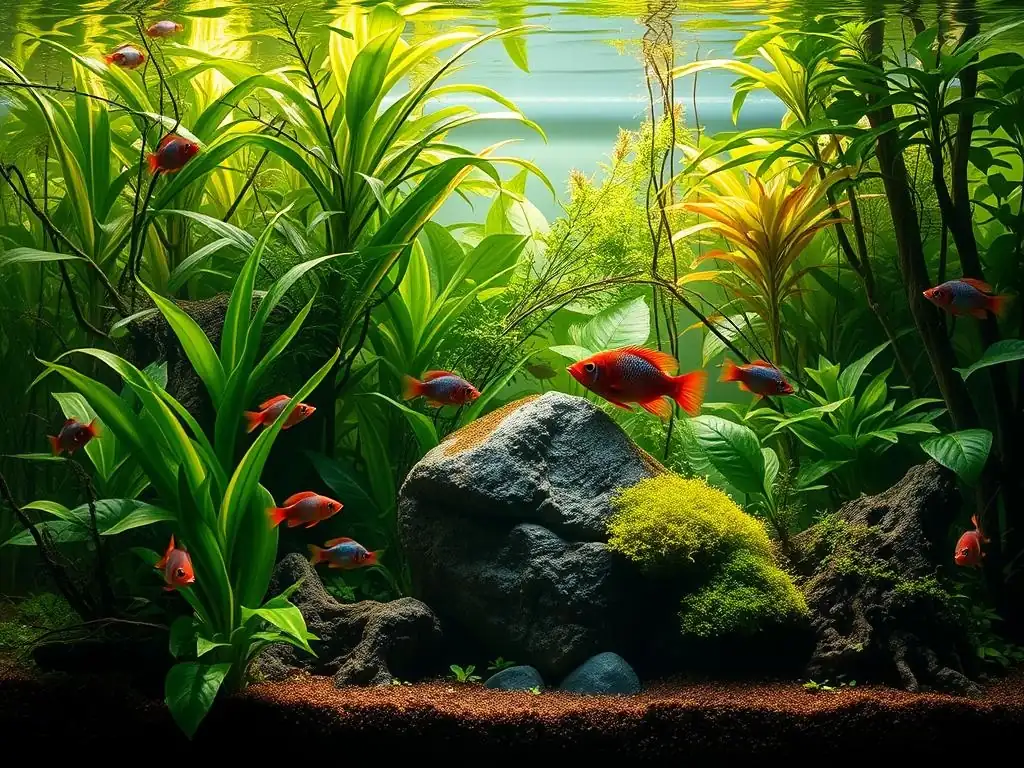
Ever wondered if you could create a thriving, low-maintenance aquarium ecosystem for your delicate dwarf cichlids? Dive into our comprehensive guide on the Walstad method, and discover how to cultivate a naturally balanced environment where these vibrant fish can truly flourish. Intrigued? Keep reading to unlock the secrets to a stunning and sustainable Walstad tank for your dwarf cichlids!
- Understanding the Walstad Method for Aquarium Keeping
- Dwarf Cichlids: An Ideal Choice for Natural Aquariums
- Setting Up Your Walstad Tank for Dwarf Cichlids
- Water Parameters and Chemistry in a Walstad Method Aquarium
- Introducing Dwarf Cichlids to Your Walstad Aquarium
- Feeding Dwarf Cichlids in a Walstad Tank
- Maintaining a Healthy Walstad Ecosystem for Dwarf Cichlids
- Troubleshooting Common Issues in Walstad Tanks with Dwarf Cichlids
- Walstad Method Dwarf Cichlid Tank Mates
- Breeding Dwarf Cichlids in a Walstad Aquarium
- The Long-Term Success of Walstad Method Dwarf Cichlid Tanks
-
Frequently Asked Questions
- Can I keep dwarf cichlids in a Walstad aquarium?
- What are the best dwarf cichlid species for a Walstad tank?
- How does the Walstad method benefit dwarf cichlids?
- What considerations are important when introducing dwarf cichlids to a Walstad tank?
- What are some common problems to watch for when keeping dwarf cichlids in a Walstad tank?
- Final Reflection: Harmony in Miniature Ecosystems
- Dive Deeper into Your Walstad Wonder!
Understanding the Walstad Method for Aquarium Keeping
What is a Walstad Tank and How Does it Work?
The Walstad Method, pioneered by Diana Walstad, is an approach to freshwater aquarium keeping that emphasizes a heavily planted, low-tech setup designed to mimic natural aquatic ecosystems. Unlike conventional aquariums that rely heavily on mechanical and biological filtration, the Walstad tank's primary filtration is performed by living plants and the microbial community within the substrate. This method typically foregoes CO2 injection, high-intensity lighting, and often even traditional power filters, relying instead on the inherent biological processes of a balanced system.
At its core, a Walstad tank utilizes a soil substrate layer capped with gravel or sand, which provides a rich source of nutrients for aquatic plants. These plants, under moderate lighting, rapidly absorb nutrients, including nitrogenous waste products (ammonia, nitrite, nitrate) from fish and decaying organic matter. This robust plant growth, coupled with the activity of beneficial bacteria in the soil and water column, creates a stable and self-sustaining environment. Water changes are significantly reduced, often to just a minimal top-off for evaporation, as the plants efficiently purify the water.
The Benefits of a Walstad Aquarium for Fish and Plants
The Walstad method offers numerous advantages for both aquatic flora and fauna. For fish, particularly sensitive species like Walstad method dwarf cichlids, the stable water parameters and natural environment reduce stress, leading to more vibrant colors and healthier behavior. The presence of dense plant cover provides security, hiding spots, and surfaces for foraging on microfauna, mimicking their natural habitats. The reduced need for equipment also means less current and fewer disturbances, which can be beneficial for fish that prefer calmer waters.
From a plant perspective, the soil substrate provides a continuous and balanced supply of macronutrients (nitrogen, phosphorus, potassium) and micronutrients, promoting vigorous growth without the need for additional fertilizers. The heavy planting outcompetes algae for nutrients, significantly reducing or eliminating common algae issues. Furthermore, the reliance on natural processes means lower operating costs due to minimal equipment and reduced maintenance, making it an environmentally friendly and sustainable option for aquarists.
Dwarf Cichlids: An Ideal Choice for Natural Aquariums
Why Choose Dwarf Cichlids for a Walstad Setup?
Dwarf cichlids are an excellent choice for a Walstad setup due to their size, behavioral characteristics, and natural habitat preferences. Most dwarf cichlid species, such as Apistogramma or Mikrogeophagus (Rams), originate from South American blackwater or clearwater environments, which are often characterized by dense vegetation, leaf litter, and stable, soft, acidic water. A Walstad tank, with its naturally acidic tendencies from the soil and decaying organic matter, and its capacity for dense plant growth, closely replicates these conditions.
Their relatively small size, typically ranging from 2 to 4 inches (5 to 10 cm), means they have a lower bioload compared to larger cichlids, making them suitable for the less intensely filtered Walstad system. These fish appreciate the numerous hiding spots and territorial boundaries provided by abundant plants and driftwood. The rich microfauna that naturally develops in the soil and plant detritus of a Walstad tank also serves as a valuable supplementary food source, contributing to the overall health and well-being of Walstad method dwarf cichlids.
Popular Dwarf Cichlid Species Suitable for Walstad Tanks (e.g., Rams, Apistos, Kribensis)
Several popular dwarf cichlid species thrive in Walstad method setups. German Blue Rams ( Mikrogeophagus ramirezi) and Bolivian Rams ( Mikrogeophagus altispinosus) are highly sought after for their vibrant colors and relatively peaceful demeanor. They prefer warm, soft, acidic water (pH 5.5-7.0, GH 2-8 dGH), which a well-established Walstad tank can naturally maintain. Rams are known to appreciate the stable conditions and the presence of fine substrate for sifting.
Apistogramma species, such as Apistogramma cacatuoides (Cockatoo Dwarf Cichlid) or Apistogramma agassizii, are another excellent fit. These diverse cichlids come in a wide array of colors and patterns and are typically found in heavily vegetated, slow-moving waters. They are often more sensitive to water quality fluctuations than Rams, making the inherent stability of a Walstad system particularly beneficial. Kribensis cichlids ( Pelvicachromis pulcher) are hardier and more adaptable, tolerating a slightly broader range of water parameters (pH 6.0-8.0, GH 5-15 dGH), making them a robust choice for beginners exploring Walstad method dwarf cichlids.
Setting Up Your Walstad Tank for Dwarf Cichlids
Choosing the Right Tank Size and Dimensions for Dwarf Cichlids
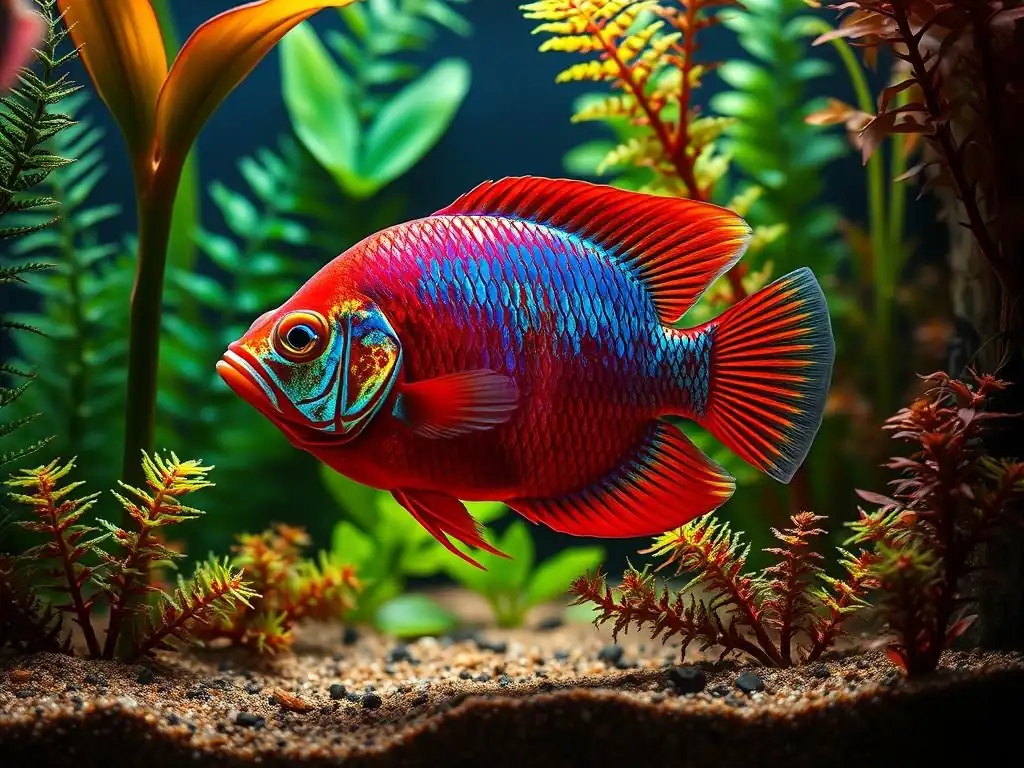
Selecting the appropriate tank size is crucial for the well-being of Walstad method dwarf cichlids. While some smaller species or a single pair might tolerate a 10-gallon (approximately 38-liter) tank, a minimum of 20 gallons (approximately 75 liters) is generally recommended for a pair of most dwarf cichlids to establish territory and reduce aggression. A 20-gallon long aquarium (approximately 30 inches L x 12 inches W x 12 inches H) is often preferred over a taller tank of similar volume, as it provides a greater footprint for swimming, foraging, and establishing multiple territories among plants.
For keeping multiple pairs of certain species or a small community of dwarf cichlids with compatible tank mates, a 30-gallon (approximately 114-liter) or 40-gallon breeder (approximately 150-liter) tank offers ample space. These larger tanks allow for more complex aquascaping with driftwood, rocks, and dense plant groupings, which are essential for providing visual barriers and reducing stress among territorial fish. The increased water volume also contributes to greater stability in water parameters, benefiting the sensitive nature of many dwarf cichlid species.
Substrate Selection: Soil and Gravel Layers for a Thriving Ecosystem
The substrate is the heart of a Walstad aquarium, providing both nutrients for plants and a habitat for beneficial bacteria and microfauna. The base layer should consist of 1 to 2 inches (2.5 to 5 cm) of organic potting soil.
It is critical to choose a soil that is free of pesticides, fungicides, and excessive amounts of perlite or vermiculite, as these can float or release unwanted chemicals. A standard organic topsoil or potting mix is generally suitable, with many hobbyists opting for brands like Miracle-Gro Organic Choice Potting Mix (ensure it's the plain, unfertilized version if possible, or rinse thoroughly).
This nutrient-rich soil layer is then capped with 1 to 2 inches (2.5 to 5 cm) of inert gravel or sand. The capping layer serves several purposes: it prevents the soil from clouding the water, provides a clean surface for fish to forage on, and creates an anaerobic zone in the lower soil layer, which is beneficial for denitrification (the conversion of nitrates to nitrogen gas). A grain size of 2-3 mm for gravel or fine sand is ideal, as it allows plant roots to penetrate easily while being too small for most dwarf cichlids to disturb extensively.
Plant Selection: Best Plant Species for a Walstad Tank with Dwarf Cichlids (Low-Tech Plants)
Heavy planting is paramount in a Walstad setup, ideally covering 70-80% of the substrate surface area. The best plants for a Walstad tank are generally fast-growing, low-light, and undemanding species that can efficiently absorb nutrients from the soil and water column. Excellent choices include various stem plants such as Hygrophila polysperma, Ludwigia repens, and Rotala rotundifolia, which grow quickly and help consume excess nutrients, preventing algae.
Root-feeding plants are particularly beneficial as they draw nutrients directly from the soil layer. Examples include various Cryptocoryne species (e.g., Cryptocoryne wendtii, Cryptocoryne undulata), Echinodorus (Amazon Sword plants), and Vallisneria. Additionally, floating plants like Frogbit ( Limnobium laevigatum) or Dwarf Water Lettuce ( Pistia stratiotes) are highly effective at nutrient export and can provide shaded areas that Walstad method dwarf cichlids appreciate. Epiphytes like Java Fern ( Microsorum pteropus) and Anubias species can be attached to driftwood or rocks, adding further structure and hiding spots.
Water Parameters and Chemistry in a Walstad Method Aquarium
Maintaining Optimal Water Quality for Dwarf Cichlids in a Walstad Tank
One of the primary advantages of a Walstad tank for Walstad method dwarf cichlids is its inherent ability to maintain stable water parameters. The robust plant growth acts as a natural filtration system, constantly absorbing nitrogenous wastes and excess nutrients. This significantly reduces the need for frequent large water changes typical of conventional aquariums. For most dwarf cichlids, the ideal pH range is between 6.0 and 7.0, with very soft to moderately soft water (General Hardness, GH, between 2 and 8 dGH).
While the Walstad method minimizes intervention, it's still prudent to monitor key parameters periodically, especially during the initial cycling phase (the first 4-8 weeks). Regular testing (e.g., bi-weekly) for pH, GH, and nitrates can confirm the tank's stability. In a well-established and heavily planted Walstad system, nitrate levels are typically very low or undetectable, a clear indicator of efficient nutrient cycling and clean water for your dwarf cichlids.
The Role of Plants in Nitrogen Cycle and Water Purification
In a Walstad aquarium, plants are the primary drivers of the nitrogen cycle and water purification. Unlike traditional setups where nitrifying bacteria in filters are solely responsible for converting ammonia to nitrite and then to nitrate, plants in a Walstad tank directly absorb all forms of nitrogen (ammonia, ammonium, nitrite, and nitrate) as essential nutrients for their growth. This direct uptake bypasses the accumulation of nitrates, which can be harmful to fish in high concentrations.
This active absorption by plants means that waste products from Walstad method dwarf cichlids and decaying organic matter are quickly processed, preventing toxic build-ups. The dense plant mass also releases oxygen into the water during photosynthesis, contributing to a healthy, oxygenated environment. This symbiotic relationship between fish, plants, and the microbial community creates a robust and self-regulating ecosystem where water quality remains consistently high, reducing stress on the inhabitants.
Natural Buffering Capacity and pH Levels in a Walstad System
The soil substrate in a Walstad tank plays a significant role in establishing and maintaining the water's natural buffering capacity and pH levels. Organic matter within the soil, combined with the decomposition processes and microbial activity, releases humic and fulvic acids. These substances gently lower the pH and soften the water over time, mimicking the blackwater conditions found in the natural habitats of many dwarf cichlids like Apistogramma and Ram species.
This natural buffering system provides a more stable pH compared to tanks reliant on chemical additives or frequent water changes. While the pH may not remain absolutely constant, the fluctuations are usually gradual and within a range that fish can easily tolerate, typically settling into the slightly acidic range (pH 6.0-7.0) that Walstad method dwarf cichlids prefer. This stability is crucial for sensitive species, as rapid pH swings can cause significant stress and health issues.
Introducing Dwarf Cichlids to Your Walstad Aquarium
Acclimation Process for Dwarf Cichlids in a Walstad Environment
Proper acclimation is crucial when introducing new Walstad method dwarf cichlids to your established Walstad tank, as they can be sensitive to sudden changes in water parameters. The drip acclimation method is highly recommended for these species. Begin by floating the sealed bag in the tank for 15-20 minutes to equalize temperature. Then, open the bag, secure it to the side of the tank, and use airline tubing to slowly drip tank water into the bag at a rate of about 1-2 drops per second.
Continue this process until the volume of water in the bag has quadrupled, which typically takes 1-2 hours. This gradual mixing allows the fish to slowly adjust to the tank's specific pH, temperature, and hardness. Once acclimated, gently net the fish and release them into the tank, discarding the bag water, which may contain high nitrates or other undesirable substances from the transport.
Monitoring Fish Behavior and Adjusting to the New Environment
After introduction, observe your new dwarf cichlids closely for the first few days. Healthy fish should explore their new environment, display natural colors, and begin to forage. Signs of stress include clamped fins, rapid breathing, hiding excessively, loss of color, or remaining motionless at the bottom or surface. It's normal for fish to be a bit shy initially, but prolonged stress indicates a problem.
Ensure the tank has ample hiding spots and visual barriers provided by plants and decor, as this helps shy Walstad method dwarf cichlids feel secure. Dimming the tank lights for the first 24 hours after introduction can also help reduce initial stress. If stress persists, re-check your water parameters (pH, temperature, GH, nitrates) to ensure they are stable and within the preferred range for your specific dwarf cichlid species. Avoid overfeeding during this initial period, as uneaten food can quickly degrade water quality.
Feeding Dwarf Cichlids in a Walstad Tank
Natural Food Sources in a Walstad Aquarium
A significant advantage of a Walstad aquarium is its ability to cultivate a rich ecosystem that provides natural food sources for its inhabitants. The soil substrate and dense plant growth foster a thriving microfauna, including copepods, daphnia, ostracods, and various infusoria. These tiny organisms constantly reproduce within the tank and serve as an excellent, live food supplement for Walstad method dwarf cichlids, especially for fry and juvenile fish.
Dwarf cichlids are natural foragers, and they will actively sift through the substrate and peck at plant leaves and decor in search of these microscopic food items. The presence of decaying plant matter and leaf litter (such as Indian Almond Leaves) further enriches the tank with detritus and biofilm, which also harbor beneficial microbes and small invertebrates that the cichlids will graze upon. This natural food availability contributes significantly to their health, color, and natural behaviors.
Supplementing Diet with Appropriate Food for Dwarf Cichlids
While natural food sources are beneficial, they are typically not sufficient to meet all the nutritional needs of Walstad method dwarf cichlids. Therefore, supplementing their diet with high-quality prepared foods is essential. Offer small, sinking pellets or flakes specifically formulated for cichlids, ensuring they contain a good balance of protein and vegetable matter. Feeding small amounts multiple times a day (e.g., 2-3 times) is preferable to one large feeding, as it mimics their natural foraging behavior and prevents overfeeding, which can foul the water.
Frozen foods are an excellent supplement and can significantly enhance their diet. Offer frozen bloodworms, brine shrimp, daphnia, and mysis shrimp 2-3 times a week. Live foods, such as blackworms or grindal worms, can also be offered periodically, especially when conditioning fish for breeding, as they are highly nutritious and stimulate natural hunting instincts. Always ensure any live food comes from a reliable, disease-free source.
Maintaining a Healthy Walstad Ecosystem for Dwarf Cichlids
Regular Water Changes and Maintenance Tasks
One of the hallmarks of the Walstad Method is its significantly reduced need for frequent, large water changes. In a well-established and heavily planted Walstad tank housing Walstad method dwarf cichlids, the plants effectively absorb nitrates and other waste products, creating a stable environment. Therefore, water changes are often limited to topping off evaporated water, or perhaps a small 10-20% water change once a month or even less frequently, depending on the bioload and plant density.
Beyond minimal water changes, routine maintenance tasks in a Walstad tank are straightforward. These include wiping down the front glass to remove any algae, gently siphoning any visible detritus from the surface of the substrate (taking care not to disturb the soil layer below), and occasionally cleaning any circulation pump or heater if used. Regularly observing your fish and plants for any signs of distress or imbalance is also a key part of maintenance.
Plant Trimming and Pruning for Optimal Growth
Regular trimming and pruning are essential for maintaining the health and balance of a Walstad aquarium. Fast-growing stem plants, in particular, will need frequent trimming to prevent them from shading out slower-growing plants and to ensure adequate light penetration to the lower reaches of the tank. Trimming stems above a node encourages bushier growth, creating more dense cover for Walstad method dwarf cichlids and increasing the plant's nutrient uptake capacity.
It is also important to remove any yellowing, decaying, or dead leaves promptly. While decaying plant matter contributes to the soil's nutrient cycle, excessive decay can release nutrients too quickly into the water column, potentially leading to algae issues. By removing unhealthy plant material, you ensure that the plants remain efficient at nutrient export and maintain the aesthetic appeal of your Walstad dwarf cichlid tank.
Monitoring and Addressing Potential Problems (Algae Blooms, Nutrient Imbalances)
Even in a balanced Walstad ecosystem, occasional issues like algae blooms or signs of nutrient imbalances can arise. Algae growth typically indicates an imbalance between light and nutrients. If you notice excessive algae, first consider reducing your light duration (e.g., from 10 hours to 6-8 hours) or intensity. Increasing the mass of fast-growing plants can also help outcompete algae for available nutrients.
Nutrient imbalances in plants might manifest as stunted growth, yellowing leaves (nitrogen deficiency), or holes (potassium deficiency). While the soil aims to provide all necessary nutrients, in very old Walstad tanks (several years), or if plants are extremely demanding, the soil's reserves might diminish. In such rare cases, supplementing with root tabs near heavy root feeders or a very dilute liquid micronutrient fertilizer might be considered, but generally, the robust ecosystem supports the Walstad method dwarf cichlids and plants without external intervention.
Troubleshooting Common Issues in Walstad Tanks with Dwarf Cichlids
Dealing with Algae Growth in a Walstad Setup
Algae growth, while less common in established Walstad tanks due to heavy planting, can still occur. Persistent green spot algae might indicate a lack of phosphates, while green dust algae often points to excess light or nutrients. Brown diatoms are common in newly set up tanks and usually resolve on their own as silicates are depleted. The primary strategy for algae control in a Walstad tank is to optimize plant growth to outcompete algae.
If algae becomes problematic, manually remove as much as possible. Reduce the photoperiod to 6-8 hours, potentially splitting it with a midday siesta (e.g., 4 hours on, 2 hours off, 4 hours on). Ensure that your plant mass is sufficient; if not, add more fast-growing plants. Introducing algae-eating invertebrates like Nerite snails or Amano shrimp can also help manage surface algae without disturbing the delicate balance of your Walstad method dwarf cichlid tank.
Addressing Common Dwarf Cichlid Diseases in a Natural Aquarium
While the stable and clean environment of a Walstad tank generally promotes robust health in Walstad method dwarf cichlids, they can still contract common aquarium diseases, particularly if stressed or introduced from poor conditions. Common ailments include Ich (white spot disease), fin rot, or bacterial infections. The best defense is prevention: always quarantine new fish for 2-4 weeks in a separate tank before introducing them to your main Walstad setup.
If disease strikes, consider the least invasive treatments first. For Ich, a gradual increase in tank temperature (if the fish and tank mates tolerate it, to about 82-84°F or 28-29°C) combined with increased aeration can often be effective. Adding natural remedies like Indian Almond Leaves can release beneficial humic substances with mild antibacterial and antifungal properties, which can aid in recovery and reduce stress. Avoid harsh chemical medications, as they can severely disrupt the beneficial bacterial colonies and harm sensitive plants in a Walstad system.
Resolving Water Parameter Imbalances
Water parameter imbalances are rare in a well-established Walstad tank but can occur. A sudden drop or rise in pH, for instance, might signal an issue with the soil layer being disturbed, or an extreme change in source water. If pH fluctuates significantly, perform a series of small, daily water changes (e.g., 10% for 3-5 days) using aged, dechlorinated water with known parameters to gently stabilize the system.
Unexpected rises in nitrate levels, though uncommon, could indicate overfeeding, insufficient plant mass, or excessive decaying organic matter. In such cases, reduce feeding, perform a small water change, and assess your plant density. Ensure there's adequate surface agitation for gas exchange, even if minimal. The overall principle is to identify the root cause of the imbalance and address it through natural means, reinforcing the self-sustaining nature of the Walstad method dwarf cichlid ecosystem.
Walstad Method Dwarf Cichlid Tank Mates
Suitable Tank Mates for Dwarf Cichlids in a Walstad Aquarium
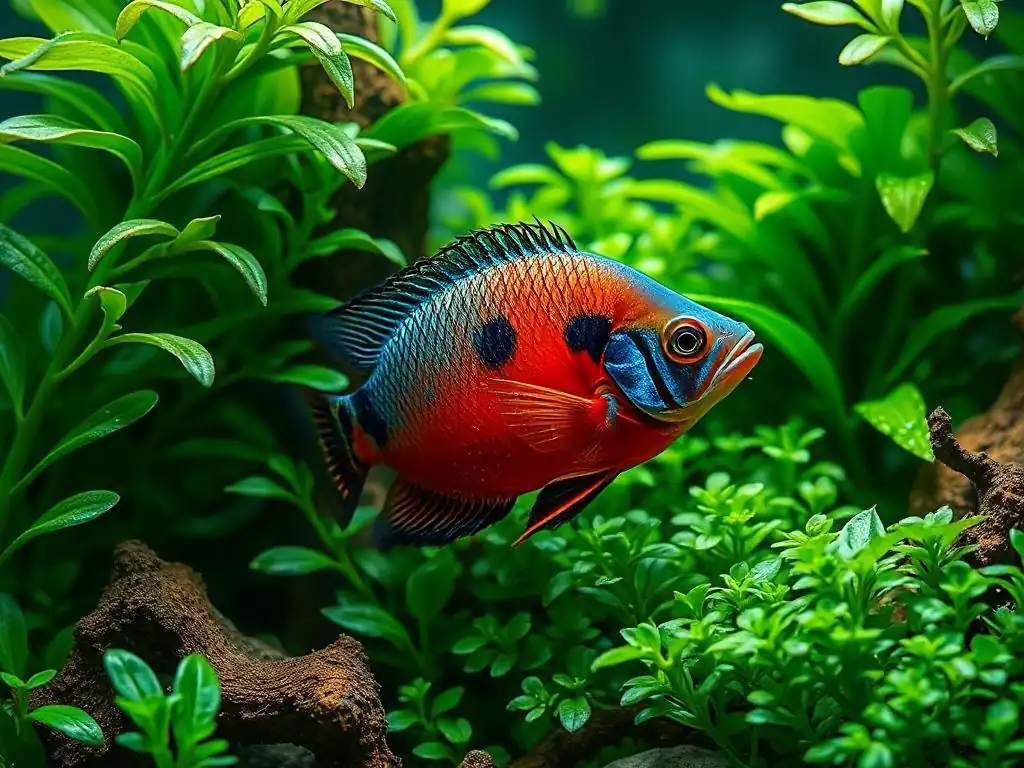
Choosing appropriate tank mates is crucial for a peaceful and thriving Walstad method dwarf cichlid tank. Ideal companions are small, peaceful, schooling fish that prefer similar water parameters (soft, acidic water) and won't outcompete or stress the cichlids. Excellent choices include small schooling tetras such as Neon Tetras ( Paracheirodon innesi), Cardinal Tetras ( Paracheirodon axelrodi), Ember Tetras ( Hyphessobrycon amandae), or Rummy-Nose Tetras ( Hemigrammus bleheri).
Small Rasbora species, like Harlequin Rasboras ( Trigonostigma heteromorpha) or Chili Rasboras ( Boraras brigittae), are also suitable due to their small size and peaceful nature. For bottom dwellers, peaceful, small Corydoras species (e.g., Pygmy Corydoras, Corydoras pygmaeus) can be considered, provided there is enough open substrate area for them to forage without disturbing the soil layer. Otocinclus catfish are excellent algae eaters and remain small, making them a perfect addition.
Invertebrates and Other Fish That Complement the Ecosystem
Invertebrates can be valuable additions to a Walstad method dwarf cichlid tank, contributing to the ecosystem's cleanliness and balance. Amano shrimp ( Caridina multidentata) are highly effective algae eaters and detritivores, constantly scavenging for leftover food and decaying plant matter. Nerite snails are also excellent for controlling film algae on glass and decor. Both are generally safe with dwarf cichlids, although very small dwarf cichlid fry might be at risk from hungry shrimp.
Other peaceful, small fish that complement the Walstad ecosystem include various species of micro-rasboras or small species of pencilfish. These fish tend to occupy different water columns than dwarf cichlids, reducing direct competition. When selecting tank mates, always prioritize species that have similar environmental requirements and a calm temperament to ensure a harmonious community for your Walstad dwarf cichlids.
Avoiding Aggressive or Incompatible Species
To ensure the well-being of your Walstad method dwarf cichlids, it is critical to avoid aggressive, fin-nipping, or excessively boisterous tank mates. Larger cichlids, even other dwarf cichlid species, can become territorial and overly aggressive if the tank is too small or lacks sufficient hiding spots and visual barriers. Fish like Tiger Barbs or certain larger Gouramis can nip at fins or outcompete slower-moving dwarf cichlids for food, causing undue stress.
Additionally, avoid species that require significantly different water parameters or flow rates. For example, fish that prefer high current or very hard, alkaline water would not thrive in the soft, acidic, low-flow environment typical of a Walstad setup. Also, be wary of introducing too many bottom-dwelling species that might constantly disturb the soil layer, leading to cloudy water and potential nutrient release.
Breeding Dwarf Cichlids in a Walstad Aquarium
Creating a Suitable Breeding Environment in a Natural Tank
A Walstad aquarium naturally provides many of the ideal conditions for breeding Walstad method dwarf cichlids. The stable, soft, and often acidic water parameters, combined with a rich array of hiding spots and visual barriers provided by dense planting, mimic their natural spawning grounds. To further encourage breeding, offer specific spawning sites that cater to your chosen species.
For cave spawners like many Apistogramma species or Rams, provide small caves made from coconut shells, terracotta pots, or driftwood. Flat rocks or broad-leafed plants (e.g., Cryptocoryne species, Amazon Swords) can serve as spawning surfaces for open spawners. Dim lighting and plenty of cover make the breeding pair feel secure, which is crucial for successful spawning. Adding Indian Almond Leaves can also help by releasing humic substances that soften the water and provide antibacterial properties, often acting as a breeding trigger.
Recognizing Breeding Behavior in Dwarf Cichlids
Observing the specific breeding behaviors of Walstad method dwarf cichlids is fascinating. Typically, the male will display intensified colors and engage in courtship rituals, such as flaring his fins, vibrating, and performing a "dance" to entice the female. The female, if receptive, will become plumper with eggs and may join the male in cleaning a chosen spawning site, such as the inside of a cave or a flat leaf surface.
Once eggs are laid, one or both parents will diligently guard them, fanning them with their fins to ensure oxygenation and remove debris. After the eggs hatch (usually within 2-4 days, depending on temperature), the parents will continue to protect the tiny, free-swimming fry. You will notice them herding the fry around the tank, often into dense plant thickets for protection.
Raising Fry in a Walstad Setup
One of the unique advantages of breeding Walstad method dwarf cichlids in a Walstad tank is the natural food source available for the fry. The established ecosystem, with its soil substrate and dense plant growth, cultivates a continuous supply of infusoria and other microscopic organisms. These tiny food particles are perfect for newly hatched fry, providing crucial nutrition during their most vulnerable stage.
As the fry grow and become free-swimming, typically within 5-7 days after hatching, their diet needs to be supplemented. Offer specialized fry foods like newly hatched brine shrimp or microworms several times a day. The dense planting in a Walstad tank also provides excellent cover, significantly increasing the survival rate of the fry by offering protection from potential predators (even peaceful tank mates) and allowing them to forage safely.
The Long-Term Success of Walstad Method Dwarf Cichlid Tanks
Maintaining a Balanced Ecosystem Over Time
The long-term success of a Walstad method dwarf cichlid tank hinges on maintaining the delicate balance within its self-sustaining ecosystem. This involves a harmonious relationship between the fish, the plants, the substrate, and the microbial community. With minimal intervention, the system tends to stabilize over time, leading to consistently healthy fish and vibrant plant growth.
As the tank matures, the soil nutrients may gradually deplete, but the constant decomposition of plant matter, fish waste, and added leaf litter typically replenishes these nutrients sufficiently. However, after several years (e.g., 3-5 years), if plants show consistent signs of severe nutrient deficiency despite optimal conditions, a targeted root tab application near heavy root feeders might be considered. Regular observation of both fish behavior and plant health is key to ensuring the ecosystem remains balanced and thriving.
The Beauty and Sustainability of a Natural Aquarium
A well-established Walstad tank is a testament to the beauty and resilience of natural aquatic ecosystems. The lush, vibrant plant growth provides a stunning backdrop for the naturally behaving Walstad method dwarf cichlids, creating a captivating and serene display that mimics a slice of a wild habitat. The aesthetic appeal is often described as more organic and dynamic than traditional high-tech setups.
Beyond its beauty, the Walstad Method stands out for its sustainability. Its reliance on natural processes means significantly reduced energy consumption (no powerful filters, CO2 systems), minimal water waste (fewer water changes), and lower ongoing costs. This environmentally conscious approach makes it an attractive and responsible choice for aquarists seeking a more natural and self-sufficient way to keep dwarf cichlids.
Advanced Tips for Walstad Aquarium Management with Dwarf Cichlids
For those looking to refine their Walstad method dwarf cichlid tank, several advanced tips can enhance the ecosystem. Consider periodically adding natural leaf litter, such as Indian Almond Leaves ( Terminalia catappa) or Guava leaves. These leaves slowly decompose, releasing beneficial humic substances that soften the water, lower pH, and provide a natural food source for microfauna, further mimicking the blackwater conditions preferred by many dwarf cichlids.
Experimenting with a "siesta" lighting schedule can also be beneficial. Instead of a continuous 8-hour photoperiod, try a 4-hour on, 2-hour off, 4-hour on schedule. This break in the middle of the day can help reduce algae growth by disrupting its photosynthetic cycle, while still providing ample light for plant growth. Finally, understanding the specific needs of your chosen Walstad method dwarf cichlid species, such as their preferred current or social dynamics, will allow for fine-tuning the aquascape and stocking to ensure their optimal long-term health and breeding success.
Frequently Asked Questions
Can I keep dwarf cichlids in a Walstad aquarium?
Yes, dwarf cichlids can be kept in a Walstad tank. The key is choosing species that are compatible with the natural, low-tech environment and ensuring adequate space.
What are the best dwarf cichlid species for a Walstad tank?
Some good options include Apistogramma species and shell-dwelling cichlids. These species tend to be less demanding and thrive in the stable water parameters of a Walstad setup.
How does the Walstad method benefit dwarf cichlids?
The Walstad method provides a naturally balanced ecosystem that can reduce stress for dwarf cichlids. The live plants offer hiding places and contribute to water quality.
What considerations are important when introducing dwarf cichlids to a Walstad tank?
Acclimation is crucial to minimize stress. Ensure the tank is well-established and has a stable nitrogen cycle before introducing dwarf cichlids.
What are some common problems to watch for when keeping dwarf cichlids in a Walstad tank?
Monitor for signs of disease or aggression. Maintaining proper plant health is essential to prevent water quality issues that can affect dwarf cichlids.
Final Reflection: Harmony in Miniature Ecosystems
The journey into creating a thriving Walstad method tank for dwarf cichlids reveals more than just a successful aquascape; it underscores the profound connection between sustainable practices and the well-being of our aquatic companions. The principles of balance and self-regulation, so central to the Walstad method, resonate deeply with our growing understanding of the delicate ecosystems we strive to recreate within our homes.
This exploration has highlighted how the Walstad method, when thoughtfully applied, can not only simplify aquarium maintenance but also foster a more natural and enriching environment for these captivating fish. Witnessing the vibrant colors and intricate behaviors of dwarf cichlids thriving in a self-sustaining ecosystem has been a truly rewarding experience, reinforcing the importance of mindful aquascaping. Look deep into nature, and then you will understand everything better.
- Albert Einstein. This quote perfectly encapsulates the essence of the Walstad method, urging us to observe and learn from the natural world to create harmonious aquatic environments.
As you consider the possibilities of a Walstad method tank for your own dwarf cichlids, remember that patience and observation are key. Embrace the natural processes, learn from the ecosystem's responses, and allow the beauty of balance to unfold. By integrating these principles into your aquascaping journey, you're not just creating a beautiful tank; you're cultivating a miniature world where both plants and fish can thrive in perfect harmony.
Dive Deeper into Your Walstad Wonder!
Thanks for exploring the natural harmony of dwarf cichlids and Walstad tanks with us. Now that you're armed with this knowledge, it's time to bring your underwater vision to life! Here's how to take the next steps:
- Commit to Cycle: Set up your Walstad tank for success by meticulously following the initial cycling process. Careful monitoring is key!
- Explore Complementary Companions: Research ideal tank mates for your dwarf cichlids, considering species that thrive in similar conditions and promote a balanced ecosystem.
- Share Your Success:Document your journey! Post pictures and videos of your Walstad tank's progress on social media, inspiring others to embrace natural aquarium keeping.
What's the first plant you'll introduce into your Walstad dwarf cichlid paradise?