
Kissing Gourami Tank Mates: Navigating Compatibility with This Unique Species

Welcome to Aquarium Mastery!
Ever wondered if your community tank is the perfect match for a Kissing Gourami? These fascinating fish can be a joy to keep, but choosing the right tank mates is crucial for a harmonious aquarium. Dive into our comprehensive guide on Kissing Gourami tank compatibility and unlock the secrets to creating a thriving environment where everyone gets along swimmingly. Ready to discover which fish make the best neighbors? Let's explore!
- Understanding Kissing Gouramis: An Overview for Successful Tank Keeping
- Ideal Tank Mates for Kissing Gouramis: Creating a Harmonious Community
- Problematic Tank Mates: Fish to Avoid with Kissing Gouramis
- Tank Size and Setup: Crucial Factors for Kissing Gourami Compatibility
- Feeding Considerations: Ensuring All Tank Mates Get Enough Food
- Monitoring and Adjusting: Observing Tank Mate Interactions
- Compatible Species: A Quick Reference Guide
- Final Thoughts: Achieving Kissing Gourami Tank Compatibility for a Thriving Aquarium
-
Frequently Asked Questions
- What are the key considerations when determining Kissing Gourami tank compatibility?
- What types of fish are generally not recommended as tank mates for Kissing Gouramis?
- Are there any specific fish species that are known to be compatible with Kissing Gouramis?
- How can I minimize aggression issues between my Kissing Gourami and other fish?
- What should I do if my Kissing Gourami is constantly bullying its tank mates?
- Final Reflection: Harmony in the Aquarium
- Ignite Your Gourami's Happy Home!
Understanding Kissing Gouramis: An Overview for Successful Tank Keeping
Kissing Gourami Behavior: What to Expect in Your Aquarium
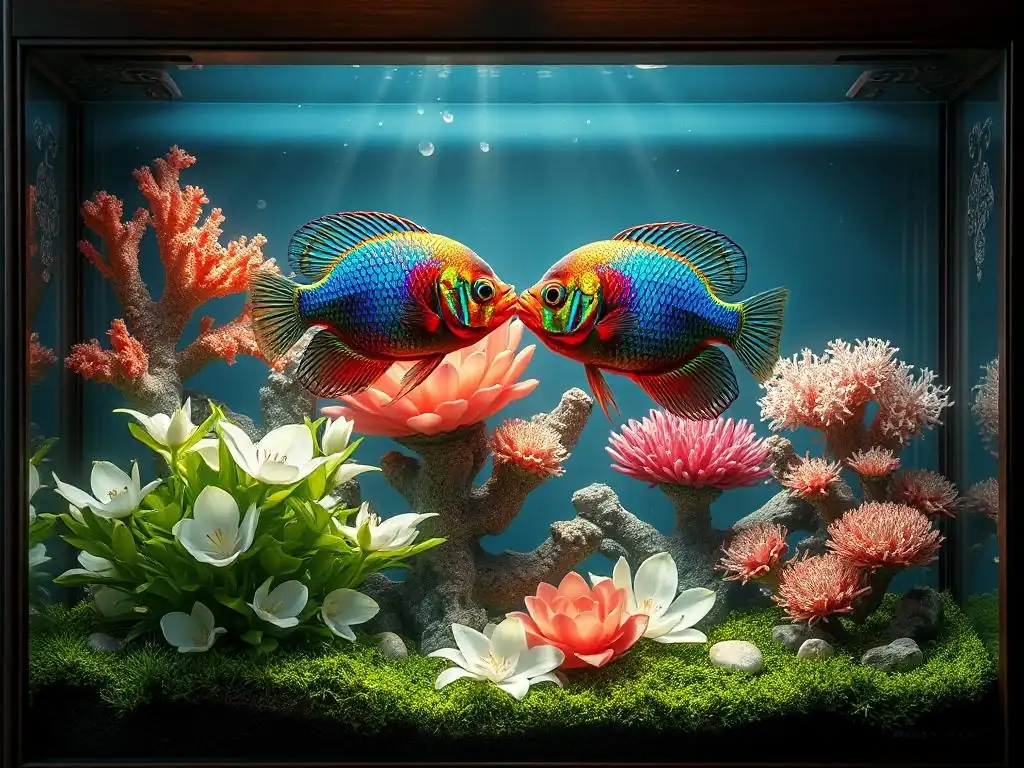
Kissing Gouramis (Helostoma temminckii) are renowned for their distinctive "kissing" behavior, where two individuals appear to lock mouths. This unique interaction is not a sign of affection but rather a display of dominance or territorial sparring, particularly common between males or when establishing a pecking order within a group. While generally considered peaceful, especially when young, they can become semi-aggressive or territorial as they mature and grow, sometimes harassing smaller or slower tank mates. Their large size and occasional assertiveness are key factors when considering Kissing Gourami tank compatibility.
These fish are slow-moving and graceful, typically inhabiting the mid to upper levels of the aquarium. They can grow quite large, often reaching an impressive 10-12 inches (25-30 cm) in length in a well-maintained environment, with some individuals even exceeding this. Their lifespan can range from 5 to 7 years, and sometimes even longer with optimal care. Due to their potential adult size, providing ample swimming space is paramount to prevent stress and aggression, which directly impacts the overall harmony of the tank and the success of Kissing Gourami tank compatibility.
Key Considerations Before Adding Tank Mates to a Kissing Gourami Tank
Before introducing any tank mates, the primary consideration must be the Kissing Gourami's adult size. A single adult Kissing Gourami requires a minimum tank size of 50-75 gallons (approximately 190-285 liters) to thrive. For a pair or a small group, or when aiming for a diverse community, a tank of 100 gallons (378 liters) or more is highly recommended. Overcrowding is a significant stressor that can lead to increased aggression, poor health, and severely compromise Kissing Gourami tank compatibility. Ensure the tank is adequately cycled and stable before adding any fish.
Water parameters are another critical factor for their well-being and the compatibility of their tank mates. Kissing Gouramis prefer slightly acidic to neutral pH levels, typically ranging from 6.5 to 7.5. They thrive in soft to moderately hard water, with a general hardness (dGH) between 5 and 15. The ideal temperature range for these tropical fish is 75-82°F (24-28°C). Consistency in water quality is more important than hitting exact numbers, but maintaining these parameters within the acceptable range is vital for minimizing stress and ensuring a healthy environment for all inhabitants.
Ideal Tank Mates for Kissing Gouramis: Creating a Harmonious Community
Peaceful Community Fish: Safe Choices for Kissing Gourami Tanks
When selecting tank mates for Kissing Gouramis, the goal is to choose species that are similar in size or slightly larger, possess a peaceful temperament, and are not known fin-nippers. Excellent choices include larger Tetras such as Congo Tetras (Phenacogrammus interruptus), which can reach 3-4 inches and display vibrant colors, or Diamond Tetras (Moenkhausia pittieri), known for their shimmering scales.
Various Rainbowfish species, like the Boeseman's Rainbowfish (Melanotaenia boesemani) reaching up to 4 inches or Praecox Rainbowfish (Melanotaenia praecox) at 2-3 inches, are also ideal due to their active nature and schooling behavior, which can distract from the Gouramis and promote a balanced environment.
Other suitable options include certain peaceful Barbs, such as Cherry Barbs (Puntius titteya) or Gold Barbs (Puntigrus semifasciolatus), which are active but generally non-aggressive. Larger, peaceful Gourami species, provided ample space, can sometimes coexist, though careful observation is required due to potential inter-species territoriality. Angelfish (Pterophyllum scalare) can also be considered in very large tanks (100 gallons+) as they are similar in size and temperament, though their long fins might occasionally be targeted if the Kissing Gouramis become overly territorial. Establishing clear lines of sight with decor can help maintain peaceful Kissing Gourami tank compatibility.
Bottom Dwellers That Can Coexist: Keeping the Tank Clean and Balanced
Peaceful bottom-dwelling fish are excellent additions to a Kissing Gourami tank, as they occupy a different water column and typically do not compete directly for swimming space or food. Corydoras Catfish are a prime example, with species like the Bronze Corydoras (Corydoras aeneus) or Panda Corydoras (Corydoras panda) being active scavengers that remain relatively small (2-3 inches) and pose no threat. Bristlenose Plecos (Ancistrus sp.) are also highly recommended; they are efficient algae eaters, reach a manageable size (4-5 inches), and are generally peaceful, making them a great choice for maintaining tank cleanliness.
Other suitable bottom dwellers include Kuhli Loaches (Pangio kuhlii), slender, eel-like fish that grow to about 4 inches and are shy, nocturnal scavengers. Otocinclus Catfish (Otocinclus affinis) are another small, peaceful option for algae control, typically reaching only 1.5-2 inches.
It is crucial to avoid bottom dwellers that are overly aggressive or highly territorial, such as some larger Pleco species (e.g., Common Pleco, which can grow over 18 inches and become destructive) or certain Loaches that might nip fins. Providing plenty of caves and driftwood for these bottom dwellers ensures they have safe retreats, contributing positively to Kissing Gourami tank compatibility.
Problematic Tank Mates: Fish to Avoid with Kissing Gouramis
Aggressive Fish Species: Preventing Bullying and Stress
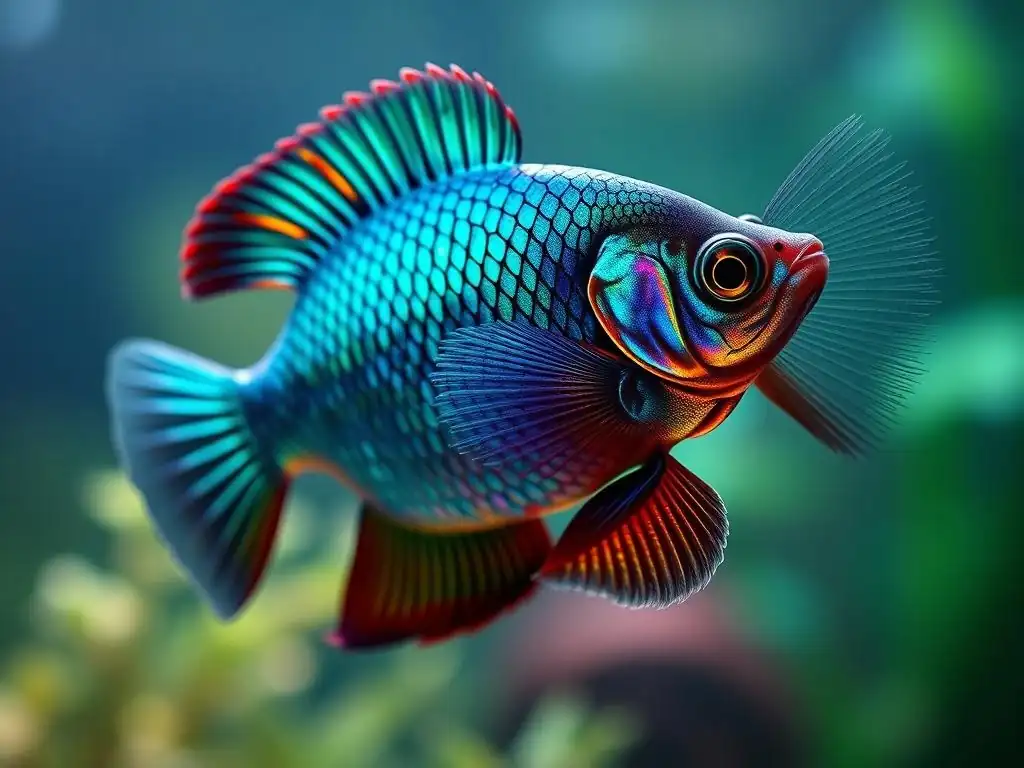
Certain aggressive or highly territorial fish species are entirely unsuitable as tank mates for Kissing Gouramis. Their boisterous nature and propensity for violence can quickly lead to stress, injury, or even death for the Gouramis. Prime examples include Tiger Barbs (Puntigrus tetrazona), notorious fin-nippers that will relentlessly harass the slower-moving Gouramis, often leading to shredded fins and secondary infections.
Many larger, aggressive Cichlid species, such as Oscars (Astronotus ocellatus), Jack Dempseys (Rocio octofasciata), or Green Terrors (Andinoacara rivulatus), are also highly incompatible. These fish are often predatory and will view the Gouramis as either food or competitors for territory, regardless of tank size.
Even species like Red Tail Sharks (Epalzeorhynchos bicolor), while visually appealing, can become highly territorial and aggressive as they mature, particularly towards other bottom dwellers or fish with similar body shapes. Their constant chasing and nipping can cause significant stress to Kissing Gouramis. The key issue with these species is a fundamental mismatch in temperament and aggression levels. Introducing such fish into a Kissing Gourami tank community dramatically increases the risk of conflict, making successful Kissing Gourami tank compatibility virtually impossible and compromising the well-being of all inhabitants.
Small Fish: Minimizing the Risk of Being Eaten
While Kissing Gouramis are not typically predatory hunters, their large adult size and opportunistic feeding habits mean that very small fish species are at risk of being accidentally or intentionally consumed. The general rule of thumb is: if a fish can fit into the Gourami's mouth, it might eventually become a meal.
This makes popular aquarium fish like Neon Tetras (Paracheirodon innesi), Cardinal Tetras (Paracheirodon axelrodi), Guppies (Poecilia reticulata), and Endler's Livebearers (Poecilia wingei) problematic choices. These species are typically less than 2 inches long and can easily be mistaken for food, especially as the Gouramis grow to their full size of 10-12 inches.
Even if not immediately eaten, the constant presence of a much larger fish can cause chronic stress to smaller species, leading to weakened immune systems, faded colors, and a reluctance to feed. Over time, this stress can significantly shorten their lifespan. Therefore, for the safety and well-being of all potential tank inhabitants, it is best to avoid fish that are significantly smaller than the Kissing Gourami's adult mouth size. Prioritizing appropriately sized tank mates is crucial for achieving stable and humane Kissing Gourami tank compatibility.
Tank Size and Setup: Crucial Factors for Kissing Gourami Compatibility
Minimum Tank Size for Kissing Gouramis and Their Tank Mates
The minimum tank size for a single adult Kissing Gourami is approximately 50-75 gallons (190-285 liters). This seemingly large volume is necessary to accommodate their impressive adult size, which can reach up to 12 inches (30 cm), and to provide adequate swimming space.
For a pair or a small group of Kissing Gouramis, or when planning a diverse community with other compatible species, a tank of 100 gallons (378 liters) or more is strongly recommended. A longer tank, such as a 4-foot or 6-foot aquarium, is generally preferred over a taller, narrower one, as it provides more horizontal swimming space and larger territories.
Beyond just volume, the dimensions of the tank are critical. A larger footprint allows for more stable water parameters, dilutes waste products more effectively, and provides ample territory for each fish, which is crucial for reducing aggression and stress. In a 100-gallon tank, for instance, a group of 3-4 Kissing Gouramis could potentially coexist peacefully with a selection of appropriate tank mates, given sufficient territory and hiding spots. Providing generous space significantly improves the chances of successful Kissing Gourami tank compatibility, promoting a healthier and more harmonious aquatic environment.
Creating a Suitable Environment: Plants, Hiding Places, and Water Parameters
A well-decorated aquarium is essential for the comfort and well-being of Kissing Gouramis and their tank mates. Dense planting, particularly along the back and sides of the tank, provides security and breaks up lines of sight, which is crucial for reducing potential territorial disputes among Gouramis and other fish. Hardy plants like Amazon Swords (Echinodorus amazonicus), Java Fern (Microsorum pteropus), and Anubias species are excellent choices. While providing ample cover, ensure there is still plenty of open swimming space in the front and middle of the tank for the Gouramis to navigate.
In addition to plants, incorporating various hiding places such as caves, driftwood, and rock formations offers retreats for all tank inhabitants, especially shy bottom dwellers or fish needing a break from more active species. Proper water parameters are paramount: maintain a pH between 6.5-7.5, water hardness of 5-15 dGH, and a stable temperature of 75-82°F (24-28°C). Consistent water quality is more vital than hitting exact numbers, but remaining within these ranges minimizes stress and supports the immune systems of all fish, directly contributing to positive Kissing Gourami tank compatibility.
Maintaining Water Quality: Essential for a Healthy Community Tank
Maintaining pristine water quality is non-negotiable for a healthy Kissing Gourami community tank. Given their size and the bioload of multiple fish, a robust filtration system is essential. This typically means using a powerful external canister filter or a combination of hang-on-back filters that provide excellent mechanical, chemical, and biological filtration. Good mechanical filtration removes particulate matter, chemical filtration addresses dissolved pollutants, and biological filtration converts harmful ammonia and nitrite into less toxic nitrate. Over-filtering is always preferable to under-filtering in a large community setup.
Regular and consistent water changes are another cornerstone of water quality management. A general guideline is to perform weekly water changes of 25-30% of the tank volume, but this may need to be adjusted based on stocking density, feeding habits, and the results of water tests. Regularly testing water parameters, including ammonia, nitrite, and nitrate levels, is crucial for monitoring the tank's health.
Ammonia and nitrite should always be zero, while nitrate should be kept below 20 ppm (parts per million). Diligent water quality management prevents disease outbreaks, reduces stress, and ensures a thriving environment conducive to long-term Kissing Gourami tank compatibility.
Feeding Considerations: Ensuring All Tank Mates Get Enough Food
Kissing Gourami Diet: What They Eat and How to Feed Them
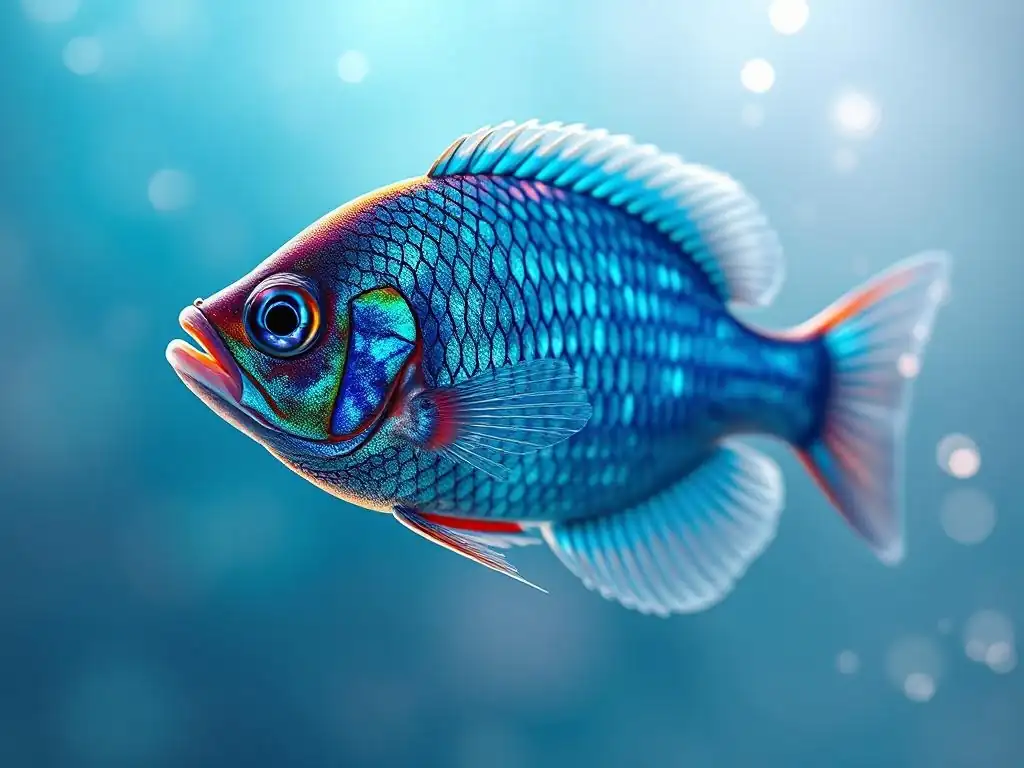
Kissing Gouramis are omnivores with a hearty appetite and are not particularly picky eaters, making them relatively easy to feed in a community setting. Their diet should consist of high-quality flakes or pellets as a staple, supplemented with a variety of frozen or live foods. Excellent supplementary foods include brine shrimp, bloodworms, daphnia, and spirulina flakes.
Offering a varied diet ensures they receive all necessary nutrients for optimal health, vibrant coloration, and strong immune systems. Feed them small amounts two to three times a day, only what they can consume within a few minutes, to prevent overfeeding and maintain water quality.
A unique aspect of their feeding behavior is their specialized mouth structure, which they use to scrape algae and detritus from surfaces like rocks, plants, and tank glass. While they do graze on algae, it is important to understand that this alone is not sufficient to sustain them. They require supplemental feeding to meet their nutritional needs. Overfeeding should be avoided as it leads to excess waste, contributing to poor water quality, which can stress all tank inhabitants and negatively impact Kissing Gourami tank compatibility.
Feeding Strategies: Preventing Food Competition Among Tank Mates
In a community tank with Kissing Gouramis and various tank mates, effective feeding strategies are essential to ensure all fish receive adequate nutrition and to prevent aggressive competition. Since Kissing Gouramis typically feed at the mid to upper levels, and bottom dwellers feed on the substrate, it's wise to use a combination of food types. Offer slow-sinking pellets or flakes for the Gouramis and mid-water fish, and simultaneously drop sinking wafers or pellets for bottom dwellers like Corydoras or Plecos. This multi-zone feeding approach minimizes direct competition.
If you observe that certain fish are being outcompeted, consider feeding at multiple points in the tank. For instance, drop food on one side for the more dominant fish and on the other side for shyer or slower eaters. Feeding slightly larger quantities, spread out over the tank, can also help ensure everyone gets a share.
In some cases, feeding the bottom dwellers after the main lights are out can be effective, as many are nocturnal feeders and this prevents competition from more active daytime species. Thoughtful feeding practices are crucial for maintaining peace and ensuring the nutritional well-being of every fish, thereby promoting long-term Kissing Gourami tank compatibility.
Monitoring and Adjusting: Observing Tank Mate Interactions
Signs of Stress or Aggression: What to Watch Out For
Diligent observation of your aquarium inhabitants is crucial for maintaining a harmonious community, especially when dealing with Kissing Gouramis and their tank mates. Be vigilant for signs of stress or aggression. Common indicators include fin nipping (torn or ragged fins), constant chasing or harassing of one fish by another, excessive hiding, or conversely, unusual lethargy and lack of activity. Rapid breathing, faded coloration (stress stripes or dullness), clamped fins, and a loss of appetite are also significant red flags. Pay particular attention during feeding times, as competition for food can often reveal underlying aggression.
While the "kissing" behavior is normal for Gouramis, observe if one fish is consistently being bullied or if the "kissing" is prolonged and aggressive, indicating heightened territoriality or stress. If a fish is constantly being driven away from prime spots, food, or hiding places, it's a clear sign of incompatibility. Early detection of these behaviors allows for timely intervention, which is critical for preventing serious injury or chronic stress that can lead to disease. Understanding these cues is paramount for ensuring successful Kissing Gourami tank compatibility.
Adjusting Tank Setup or Removing Fish: Maintaining Harmony in the Aquarium
If signs of stress or aggression are observed, immediate action is necessary. The first step is often to adjust the tank environment. This could involve adding more hiding spots (caves, dense plants, driftwood) to provide safe retreats, or rearranging existing decor to break up lines of sight and establish new territories. Sometimes, increasing the number of schooling fish (if the tank size allows) can diffuse aggression by spreading it out among more individuals. For example, if a Gourami is targeting one specific fish, adding more of that species might dilute the aggression.
If environmental adjustments do not resolve the issue, or if the aggression is severe and persistent, the difficult decision to remove either the aggressor or the targeted fish may be necessary. It's important to understand that even with careful planning, some fish simply may not be compatible due to individual temperament variations. Rehoming a fish or setting up a separate tank (a "hospital" or "time-out" tank) is preferable to risking the health and well-being of the entire community. Prioritizing the welfare of all fish is key to achieving and maintaining successful Kissing Gourami tank compatibility.
Compatible Species: A Quick Reference Guide
Compatible and Incompatible Species
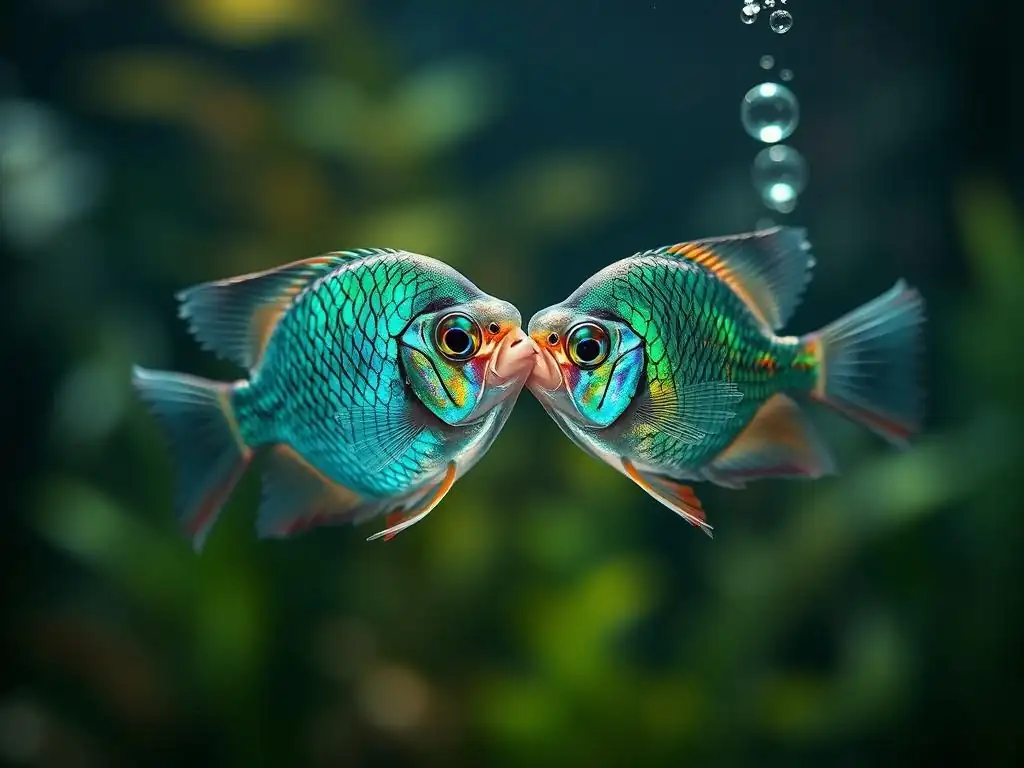
To aid in planning your Kissing Gourami community, here is a quick reference guide of species commonly considered compatible or incompatible:
Compatible Species (Generally Peaceful & Suitable):
- Large Tetras: Congo Tetras, Diamond Tetras, Emperor Tetras
- Rainbowfish: Boeseman's Rainbowfish, Praecox Rainbowfish, Turquoise Rainbowfish
- Peaceful Barbs: Cherry Barbs, Gold Barbs, Rosy Barbs (avoid Tiger Barbs)
- Corydoras Catfish: Bronze Corydoras, Panda Corydoras, Albino Corydoras (various species)
- Bristlenose Plecos: (Ancistrus sp.)
- Kuhli Loaches: (Pangio kuhlii)
- Otocinclus Catfish: (Otocinclus affinis)
- Dwarf Cichlids: Ram Cichlids (Mikrogeophagus ramirezi), Bolivian Rams (Mikrogeophagus altispinosus) - with caution and ample space, observe for breeding aggression.
- Angelfish: (Pterophyllum scalare) - with caution, in very large tanks (100+ gallons), and observe for fin nipping or territoriality.
- Other Gouramis: Pearl Gouramis (Trichopodus leerii), Moonlight Gouramis (Trichopodus microlepis) - with caution, ample space, and observation for inter-Gourami aggression.
Incompatible Species (Generally Problematic & Should Be Avoided):
- Aggressive Barbs: Tiger Barbs (Puntigrus tetrazona), Rosy Barbs (if too nippy)
- Large, Aggressive Cichlids: Oscars (Astronotus ocellatus), Jack Dempseys (Rocio octofasciola), Green Terrors (Andinoacara rivulatus), Arowanas
- Highly Territorial Fish: Red Tail Sharks (Epalzeorhynchos bicolor), Rainbow Sharks (Epalzeorhynchos frenatum)
- Very Small, Delicate Fish: Neon Tetras (Paracheirodon innesi), Cardinal Tetras (Paracheirodon axelrodi), Guppies (Poecilia reticulata), Endler's Livebearers (Poecilia wingei) - risk of being eaten.
- Known Fin-Nippers: Serpae Tetras (Hyphessobrycon eques)
- Overly Large/Destructive Bottom Dwellers: Common Pleco (Hypostomus plecostomus) - can grow too large and be destructive.
This guide serves as a starting point; individual fish personalities and tank conditions can influence actual Kissing Gourami tank compatibility.
Final Thoughts: Achieving Kissing Gourami Tank Compatibility for a Thriving Aquarium
Achieving successful Kissing Gourami tank compatibility requires careful planning, diligent observation, and a deep understanding of the species' needs and behaviors. By selecting appropriate tank mates that share similar water parameter requirements and temperament, providing a generously sized aquarium, and furnishing it with ample hiding spots and visual barriers, you lay the groundwork for a harmonious community. Regular water quality maintenance and thoughtful feeding strategies further ensure the well-being of all inhabitants.
Remember that while guidelines exist, every fish has its own personality, and interactions can vary. Continuous monitoring for signs of stress or aggression is crucial, allowing for timely adjustments to the tank setup or, if necessary, the rehoming of incompatible fish. When these factors are meticulously managed, the reward is a vibrant, thriving aquarium where Kissing Gouramis and their companions coexist peacefully, creating a captivating and rewarding display for any aquarist.
Frequently Asked Questions
What are the key considerations when determining Kissing Gourami tank compatibility?
The most important consideration is tank size. Kissing Gouramis can grow quite large, requiring a large aquarium to accommodate them and their tank mates. Also, consider their semi-aggressive nature; they can be territorial and bully smaller, docile fish.
What types of fish are generally not recommended as tank mates for Kissing Gouramis?
Generally, smaller, slow-moving, or long-finned fish are not good tank mates. Kissing Gouramis may harass or injure these fish. Avoid species that are easily stressed by boisterous tank mates.
Are there any specific fish species that are known to be compatible with Kissing Gouramis?
Larger, more robust fish that can hold their own are often suitable. Some examples include certain types of larger tetras, barbs, or catfish. However, individual temperament always plays a role.
How can I minimize aggression issues between my Kissing Gourami and other fish?
Provide ample hiding places, such as plants and decorations, to allow fish to escape if they feel threatened. Adequate tank space is crucial to reduce territorial disputes.
What should I do if my Kissing Gourami is constantly bullying its tank mates?
If bullying persists, consider rehoming the Kissing Gourami or the bullied fish. Another option is to rearrange the tank decor to disrupt established territories.
Final Reflection: Harmony in the Aquarium
The journey of understanding Kissing Gourami tank compatibility, as we've explored, isn't just about avoiding conflict; it's about fostering a thriving ecosystem within the glass walls of our aquariums. The delicate balance we strive for mirrors the interconnectedness of nature itself, where each species plays a vital role. Neglecting this balance can lead to stress, disease, and ultimately, a diminished quality of life for our aquatic companions.
This exploration into Kissing Gourami compatibility has profoundly influenced my perspective on responsible fishkeeping. It's a constant reminder that our choices directly impact the lives of these creatures, and that diligent research and thoughtful planning are paramount. The best way to observe a fish is to become a piece of the bank.
– Jacques Cousteau. This quote encapsulates the patience and dedication required to truly understand the needs of our fish and create an environment where they can flourish.
Now, I invite you to reflect on your own aquariums and the communities you've built within them. Are you truly considering the needs of each species, ensuring a harmonious and enriching environment? Let this article serve as a catalyst for further learning and a commitment to providing the best possible care for your Kissing Gourami and all your aquatic friends. Let's strive to create not just tanks, but thriving ecosystems where beauty and balance coexist.
Ignite Your Gourami's Happy Home!
Thanks for diving into the world of Kissing Gouramis! We hope you found this exploration of tank mate compatibility insightful. Now, it's time to put that knowledge into action and create the perfect aquatic environment for your finned friends.
Here are a few ways to take your Kissing Gourami's care to the next level:
- Commit to observing your Kissing Gourami with any existing or new potential tankmates for at least one hour per day, during peak activity times, for the first two weeks after introduction, carefully documenting any signs of aggression or stress.
- Explore alternative tank setups that mimic the Gourami's natural habitat, like adding more densely planted areas or driftwood to break up sightlines, and share your innovative designs with other enthusiasts on our Aquarium Mastery forum.
- Surprise us: suggest an unusual, peaceful fish species not currently mentioned in the article that you believe could be a successful tank mate, and explain your reasoning in the comments!
What's the first innovative step you're going to take to enhance your Kissing Gourami's tank environment?