
Raising Danio Fry: From Egg to Thriving Juvenile Fish

Welcome to Aquarium Mastery!
Ever wondered how to successfully raise those tiny, shimmering Danio fry into vibrant, healthy fish? Unlocking the secrets to their delicate early stages can feel like a true achievement. Dive in to discover essential Danio fry care tips and learn how to nurture your precious offspring, transforming them from fragile eggs to thriving juveniles. Are you ready to embark on this rewarding journey?
- Raising Zebra Danio Fry: From Egg to Thriving Juvenile Fish
- Understanding Zebra Danio Fry Development: A Comprehensive Guide
-
Zebra Danio Fry Care Tips: Essential Strategies for Success
- Water Quality Management for Zebra Danio Fry: Maintaining a Pristine Environment
- Feeding Zebra Danio Fry: Nutritional Needs and Feeding Schedules
- Maintaining Optimal Water Parameters for Zebra Danio Fry Growth
- pH and Water Hardness for Zebra Danio Fry
- Preventing and Treating Common Zebra Danio Fry Diseases
- Safe Treatment Options for Zebra Danio Fry Diseases
- Optimizing Growth and Survival Rates: Advanced Zebra Danio Fry Care
- Troubleshooting Common Zebra Danio Fry Care Issues
- From Fry to Juvenile: Recognizing Key Developmental Milestones
- Conclusion: Mastering Zebra Danio Fry Care for a Vibrant Aquarium
- Frequently Asked Questions
- Final Reflection: Nurturing New Life and Sharing Knowledge
- Nurture Your Tiny Swimmers: Help Them Thrive!
Raising Zebra Danio Fry: From Egg to Thriving Juvenile Fish
Understanding Zebra Danio Fry Development: A Comprehensive Guide
The Zebra Danio Life Cycle: From Spawning to Juvenile Stage
The life cycle of a Zebra Danio begins with spawning, an often energetic process where the female scatters non-adhesive eggs, typically in the early morning light. A healthy, well-conditioned female Zebra Danio can lay anywhere from 200 to 500 eggs in a single spawning event, depending on her size and age. These eggs are then fertilized externally by the male. At an optimal water temperature of around 78°F (25.5°C), the translucent eggs will hatch within approximately 48 to 72 hours, revealing tiny, almost invisible fry.
Upon hatching, the newly emerged fry are known as "sac-fry" because they still possess a visible yolk sac, which provides their initial nutritional needs. During this period, which usually lasts for another 24 to 48 hours, the fry remain largely immobile, often clinging to surfaces or resting on the bottom.
Once the yolk sac is fully absorbed, typically around 4-5 days post-hatch, the fry become "free-swimming" and actively seek out microscopic food. From this free-swimming stage, they gradually grow, developing their characteristic stripes and becoming miniature versions of their parents by roughly 3-4 weeks of age, marking their transition into the juvenile stage.
Identifying Zebra Danio Eggs: What to Look For
Zebra Danio eggs are remarkably small, typically measuring about 1 millimeter in diameter, making them quite discreet. Healthy, viable eggs will appear clear and translucent, resembling tiny glass beads. They are often slightly adhesive, allowing them to stick to fine-leaved plants, spawning mops, or the tank substrate. It's crucial to distinguish these healthy eggs from infertile or fungused ones, which rapidly turn opaque white and may develop a fuzzy, mold-like growth within 12-24 hours if not removed.
These delicate eggs are often scattered among dense vegetation or a spawning mop, as Zebra Danios are egg-scattering fish that do not exhibit parental care. To maximize fry survival, it is essential to remove the parents immediately after spawning, as they will readily consume their own eggs. Observing the spawning setup closely in the early morning is key to identifying and collecting these tiny, precious eggs before they are predated upon or succumb to fungal infections.
Setting Up a Dedicated Fry Tank: Ensuring Optimal Growth
A dedicated fry tank is paramount for maximizing the survival and growth rates of Zebra Danio fry. For a batch of several hundred fry, a 5 to 10-gallon aquarium is often sufficient for the initial grow-out phase, providing ample space without making feeding and cleaning overly difficult. The tank should ideally have a bare bottom or a very thin layer of fine sand to facilitate easy cleaning and prevent uneaten food from accumulating, which can rapidly foul the water. Maintaining a stable water temperature, typically between 76-80°F (24.5-26.5°C), is crucial for consistent development and metabolic function.
Filtration in a fry tank must be gentle yet effective. A sponge filter, powered by an air pump, is the ideal choice. It provides both mechanical and biological filtration without creating strong currents that could stress or injure the tiny fry, nor does it pose a risk of sucking them up. Moderate lighting, mimicking a natural day-night cycle of 10-12 hours, is beneficial for the fry's development and can also support the growth of beneficial microorganisms. A secure lid is also advisable to prevent any accidental escapes, as young Danios can be surprisingly jumpy.
Zebra Danio Fry Care Tips: Essential Strategies for Success
Water Quality Management for Zebra Danio Fry: Maintaining a Pristine Environment
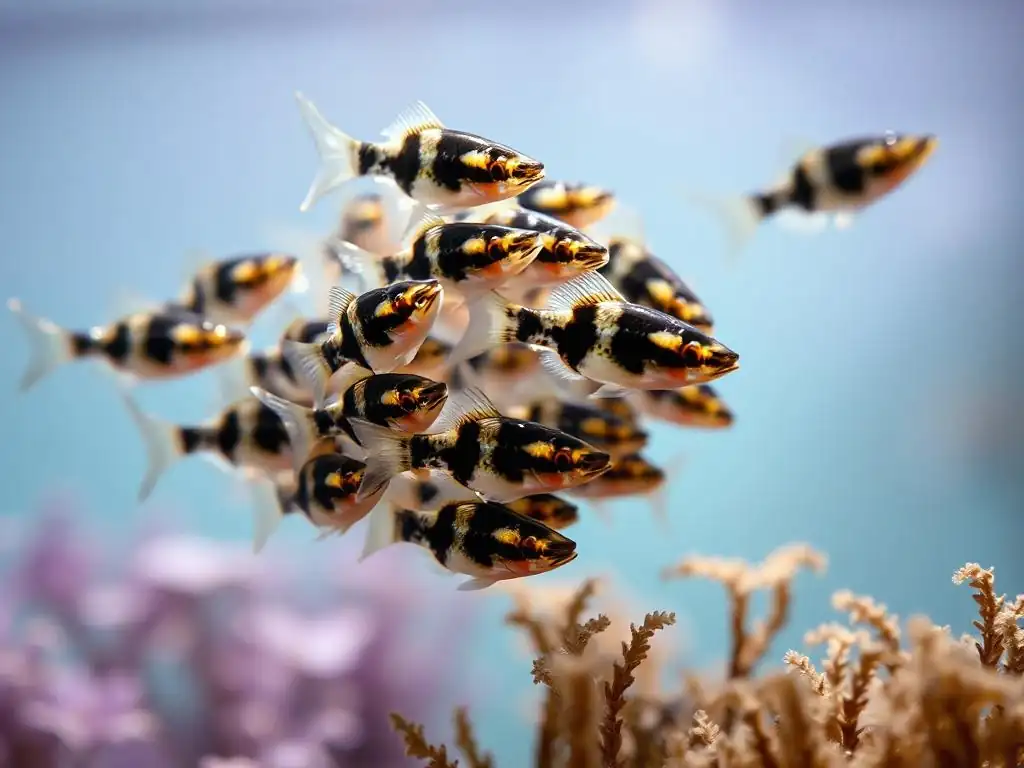
Maintaining impeccable water quality is perhaps the most critical aspect of Zebra Danio fry care tips, as these delicate creatures are extremely sensitive to fluctuations and pollutants. Their undeveloped immune systems and high metabolic rates mean they produce waste rapidly, and even trace amounts of ammonia or nitrite can be lethal. Therefore, a pristine environment with stable parameters is non-negotiable for their survival and healthy development. This meticulous attention to water chemistry forms the backbone of successful Danio fry care.
Regular testing of ammonia, nitrite, and nitrate levels using a reliable liquid test kit is highly recommended. Ammonia and nitrite should always read 0 ppm. While nitrates are less toxic, keeping them below 10-20 ppm is ideal. Always use dechlorinated water for changes, and ideally, allow it to age for 24 hours to ensure stable temperature and off-gassing of any residual chemicals. Consistency in water parameters is far more important than achieving specific 'perfect' numbers, as sudden shifts can cause significant stress to the fry.
The Importance of Sponge Filtration for Fry Tanks
Sponge filtration is indispensable for Zebra Danio fry tanks due to its unique combination of gentle operation and effective biological filtration. Unlike power filters or hang-on-back filters that can create strong currents or suck in tiny fry, sponge filters operate by drawing water through a porous sponge using an air pump, providing robust mechanical filtration without disturbance. More importantly, the large surface area of the sponge provides an ideal substrate for beneficial nitrifying bacteria to colonize, breaking down harmful ammonia and nitrites into less toxic nitrates.
To maintain optimal performance, sponge filters should be cleaned regularly, typically once a week during a water change. This is done by gently squeezing the sponge in a bucket of discarded tank water, never tap water, to avoid killing the beneficial bacterial colony. This simple maintenance ensures the filter remains efficient, contributing significantly to stable water parameters and overall fry health, which is a core component of effective Danio fry care tips.
Water Change Best Practices for Zebra Danio Fry
Frequent, small water changes are fundamental to successful Danio fry care, far outweighing the benefits of larger, less frequent changes. For fry tanks, a daily or every-other-day water change of 10-20% of the tank volume is often necessary, especially during periods of heavy feeding. This frequent replenishment helps dilute accumulated waste products and uneaten food, preventing ammonia and nitrite spikes that are detrimental to fry. Using a small airline tubing or a turkey baster allows for precise control, enabling you to siphon out debris from the bottom without disturbing or accidentally siphoning up the tiny fry.
When performing water changes, it is absolutely critical that the fresh water matches the temperature of the tank water as closely as possible, ideally within 1-2°F (0.5-1°C). Sudden temperature shifts can severely stress the delicate fry, leading to illness or mortality. Adding the new water slowly, perhaps via a drip method or a very gentle pour, further minimizes stress. Always ensure the new water is properly dechlorinated and has been allowed to sit for a few hours to off-gas, contributing to a stable and healthy environment for your growing Zebra Danio fry.
Feeding Zebra Danio Fry: Nutritional Needs and Feeding Schedules
Proper nutrition is a cornerstone of effective Danio fry care, directly influencing growth rates and survival. Zebra Danio fry have incredibly tiny mouths, necessitating microscopic food sources in their initial stages. Their rapid growth demands frequent feeding with high-quality, easily digestible food. A consistent feeding schedule, often 3-5 times a day, is crucial to ensure a continuous supply of nutrients for their fast metabolism.
As the fry grow, their dietary needs evolve, requiring a gradual transition to larger, more complex food sources. This progression ensures they receive all necessary vitamins, minerals, and proteins for robust development. Overfeeding, however, is a common pitfall that can quickly degrade water quality, highlighting the delicate balance required in their feeding regimen.
First Foods for Zebra Danio Fry: Infusoria, Liquid Fry Food, and More
Once Zebra Danio fry become free-swimming, typically 4-5 days post-hatch, their yolk sacs are absorbed, and they immediately require external food sources. For the first 3-7 days, their mouths are too small for anything but infusoria – microscopic organisms found naturally in established aquariums or culturable from vegetable matter. Infusoria are essential for this initial stage, providing a vital first meal that is perfectly sized for their tiny mouths. Culturing infusoria at home using banana peels or hay is a common practice among breeders.
Alternatively, commercial liquid fry foods or finely powdered dry fry foods, such as Hikari First Bites or finely ground spirulina powder, can be used. These are typically suspended in the water column, making them accessible to the fry. Regardless of the choice, these initial foods must be offered multiple times a day, often every 3-4 hours, in very small quantities. The goal is to provide a constant supply of food without overfeeding, which would quickly foul the water and hinder your Danio fry care efforts.
Gradually Introducing Larger Food Sources: Baby Brine Shrimp and Microworms
Around 5-7 days after becoming free-swimming, Zebra Danio fry will have grown sufficiently to accept slightly larger food items. This is the ideal time to introduce live baby brine shrimp (Artemia nauplii), which are highly nutritious and stimulate the fry's natural hunting instincts. Hatching baby brine shrimp at home from cysts is a straightforward process, ensuring a constant supply of fresh, wiggling food that is eagerly consumed. Their jerky movements attract the fry and provide excellent protein for rapid growth.
Concurrently or shortly after, microworms can also be introduced. These small nematodes are another excellent live food source, easy to culture and highly nutritious. The transition should be gradual; continue offering infusoria or powdered foods alongside the new, larger live foods for a few days. As the fry grow, you can gradually increase the proportion of baby brine shrimp and microworms, eventually phasing out the initial, smaller foods entirely by the time they are about two weeks old. This progressive feeding strategy is a key Danio fry care tip for robust development.
Avoiding Overfeeding: Preventing Water Quality Issues
Overfeeding is one of the most common and detrimental mistakes in Zebra Danio fry care, often leading to rapid water quality degradation and subsequent fry mortality. Uneaten food quickly decomposes, releasing ammonia and nitrites, which are highly toxic to the sensitive fry. This can also lead to unsightly and harmful bacterial blooms or algae outbreaks, further compromising the delicate aquatic environment. The rule of thumb for feeding fry is to offer only what they can consume within 2-3 minutes.
It is far better to feed smaller amounts more frequently (e.g., 4-5 times a day) than large amounts less often. After each feeding, observe the tank closely for any uneaten food accumulating on the bottom or clinging to plants. If you see significant residue, you are likely overfeeding. Adjusting the feeding amount and ensuring consistent, small water changes will mitigate these risks, maintaining the pristine conditions essential for healthy Zebra Danio fry development.
Maintaining Optimal Water Parameters for Zebra Danio Fry Growth
Maintaining a stable and optimal temperature is a critical aspect of Zebra Danio fry care, directly influencing their metabolic rate, growth, and overall health. For rapid and healthy development, Zebra Danio fry thrive in a consistent temperature range of 76-80°F (24.5-26.5°C). Within this range, their metabolic processes are efficient, leading to faster growth rates and better food conversion. A reliable submersible heater, appropriately sized for the fry tank, coupled with an accurate thermometer, is essential to ensure temperature stability and prevent dangerous fluctuations.
Sudden or significant temperature swings can cause immense stress to the delicate fry, weakening their immune systems and making them highly susceptible to diseases like Ich (white spot disease). Consistent temperature also ensures that food organisms, especially live ones like baby brine shrimp, remain active and nutritious. Monitoring the temperature daily and making minor adjustments to the heater as needed is a simple yet vital Danio fry care tip that significantly impacts the survival and vitality of your young fish.
pH and Water Hardness for Zebra Danio Fry
While Zebra Danios are renowned for their adaptability, maintaining stable and appropriate pH and water hardness levels is still crucial for the healthy development of their fry. Zebra Danio fry generally thrive in a pH range of 6.5 to 7.5, which is slightly acidic to neutral. For water hardness, they prefer soft to moderately hard water, typically between 5-15 dGH (degrees of General Hardness). The key emphasis, however, is on stability; sudden shifts in either pH or hardness can be more detrimental than slightly suboptimal but consistent parameters.
Regularly testing your fry tank's pH and hardness using accurate liquid test kits allows you to monitor these parameters. If your tap water falls outside these ranges, or if it fluctuates significantly, consider using reverse osmosis (RO) water remineralized to appropriate levels, or a combination of RO and tap water. Avoiding chemical buffers or pH adjusters unless absolutely necessary is advised, as they can cause rapid and dangerous shifts. Consistency in these water parameters is a foundational element of effective Danio fry care tips, minimizing stress and promoting robust growth.
Preventing and Treating Common Zebra Danio Fry Diseases
Early detection of illness is paramount in Zebra Danio fry care, as their small size and delicate nature make them highly vulnerable to rapid disease progression. Vigilant daily observation is key. Look for behavioral changes such as lethargy, reduced appetite, unusual swimming patterns (e.g., spiraling, darting erratically, or struggling to swim), or isolating themselves from the group. Healthy fry are typically active, constantly grazing, and exhibit schooling behavior.
Physical signs of illness might include clamped fins (fins held close to the body), visible white spots (Ich), fuzzy growths (fungus), fin erosion, discolored patches on the body, or bloating. Any deviation from their normal active and transparent appearance should raise a red flag. Prompt identification allows for immediate intervention, which could be as simple as an increased water change, significantly increasing the chances of successful recovery and minimizing mortality rates among your precious Zebra Danio fry.
Safe Treatment Options for Zebra Danio Fry Diseases
Treating diseases in Zebra Danio fry requires extreme caution, as many common aquarium medications are too potent for their delicate systems and can cause more harm than good. The first line of defense should always be environmental improvement: increased frequency of small water changes, ensuring optimal temperature, and reducing any potential stressors. For minor issues like a slight fungal growth, a gentle salt bath (non-iodized aquarium salt, 1 teaspoon per gallon for a short dip, or 1/2 teaspoon per 5 gallons as a prolonged bath, carefully monitored) can sometimes be effective.
If medication becomes absolutely necessary, opt for treatments specifically labeled as 'fry-safe' or 'half-strength' for sensitive fish. For instance, methylene blue can be used in very dilute solutions for fungal infections or as a general antiseptic. Avoid strong antibiotics or harsh parasitic treatments unless guided by an experienced aquarist or veterinarian, as these can easily overwhelm the fry's undeveloped organs. It's often best to isolate sick fry in a separate hospital container if possible, to prevent contamination of the main fry tank and to allow for targeted, gentle treatment without affecting healthy individuals.
Optimizing Growth and Survival Rates: Advanced Zebra Danio Fry Care
The Role of Lighting in Zebra Danio Fry Development
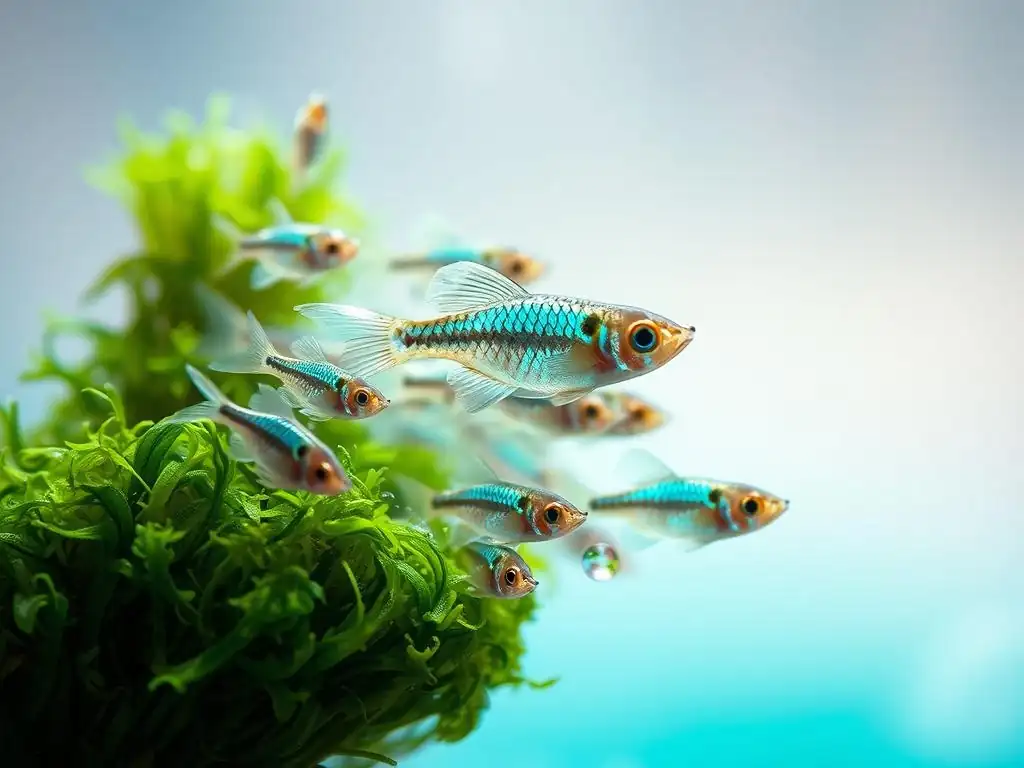
Lighting plays a surprisingly significant role in the overall development and well-being of Zebra Danio fry, extending beyond simple visibility. A consistent lighting cycle, typically 10-12 hours of light followed by 12-14 hours of darkness, is crucial for establishing a natural circadian rhythm for the fry. This consistent cycle helps regulate their metabolism, activity levels, and feeding patterns, promoting healthy growth. Avoiding constant light or prolonged darkness is important, as both can induce stress and negatively impact development.
Moderate intensity lighting is generally preferred. Excessive brightness can stress the fry, causing them to hide more and potentially impacting their ability to find food. Conversely, insufficient light can hinder their visual hunting for microscopic food particles. Furthermore, appropriate lighting supports the growth of beneficial microorganisms and, if present, live plants within the fry tank, contributing to a more stable and enriching environment, which are crucial elements in advanced Danio fry care tips.
Promoting Healthy Growth with Live Plants in the Fry Tank
Incorporating live plants into a Zebra Danio fry tank offers numerous benefits that significantly contribute to healthy growth and survival rates. Plants like Java moss, Anacharis, or Hornwort provide excellent hiding places and a sense of security for the tiny fry, reducing stress. Beyond shelter, these plants also act as a natural source of infusoria and other microscopic organisms, offering a continuous supply of supplemental food for the fry, especially in their earliest stages.
Furthermore, live plants help maintain water quality by absorbing harmful nitrates and other waste products produced by the fry and their food. They also contribute to oxygenation through photosynthesis, creating a more stable and pristine environment. When introducing plants, ensure they are thoroughly rinsed and free of any pests, snails, or unwanted organisms that could harm the fry. The presence of live plants is a valuable, yet often overlooked, advanced Danio fry care tip for fostering a thriving aquatic nursery.
Gradual Acclimation to the Main Tank: Preparing Fry for Community Life
The transition from the dedicated fry tank to the main community aquarium is a critical phase for young Zebra Danios, requiring careful preparation to minimize stress and ensure their survival. This move should only occur when the fry have reached a sufficient size, typically around 1 to 1.5 inches in length, which usually takes about 6-8 weeks, depending on their growth rate. At this size, they are large enough to not be perceived as food by adult tank mates and are robust enough to handle the dynamics of a larger, more complex environment.
Before introducing the fry, ensure the main tank is well-established, with stable water parameters and compatible inhabitants. Avoid aggressive or predatory fish that might view the young Danios as prey. Providing ample hiding spots, such as dense plant cover, rock caves, or driftwood, will give the transitioning fry a sense of security and places to retreat if they feel threatened. This thoughtful preparation is key to a successful integration into community life.
Introducing Fry to the Main Tank Safely
Introducing Zebra Danio fry to the main tank requires a slow and careful acclimation process to prevent shock from differences in water parameters, temperature, or chemical composition. The drip acclimation method is highly recommended: place the fry in a small container with their current fry tank water, then slowly drip water from the main tank into the container using airline tubing. This process should take at least 1-2 hours, gradually equalizing the water parameters.
Once acclimated, carefully net the fry and release them into the main tank, ideally with the main tank lights dimmed or off. This reduces immediate stress and allows them to explore their new surroundings and find hiding spots without being instantly scrutinized by existing inhabitants. Monitor them closely for the first few hours and days, ensuring they are actively swimming, eating, and showing no signs of stress or harassment. This meticulous approach is a vital Danio fry care tip for their long-term well-being in a community setting.
Troubleshooting Common Zebra Danio Fry Care Issues
Addressing Slow Growth Rates in Zebra Danio Fry
Slow growth rates in Zebra Danio fry are a common concern and often indicate underlying issues in their care. The primary culprits typically include insufficient feeding, poor nutritional quality of food, overcrowding, or suboptimal water parameters. If fry are not receiving enough food, or if the food lacks essential proteins and nutrients, their development will be stunted. Similarly, an overcrowded tank leads to competition for resources and higher waste production, negatively impacting growth.
To address slow growth, first assess your feeding regimen: ensure you are feeding high-quality, diverse foods (like baby brine shrimp and microworms) multiple times a day. Increase the frequency and quantity if necessary, while still avoiding overfeeding. Next, evaluate your water change schedule; more frequent and larger water changes (e.g., 20% daily) can significantly improve water quality. Finally, consider the stocking density; if the tank seems too crowded, moving some fry to another grow-out tank can provide the space needed for optimal development, a crucial aspect of advanced Danio fry care tips.
Preventing and Managing Fry Mortality
Despite best efforts, some level of fry mortality is inevitable, but high mortality rates signal significant issues in Zebra Danio fry care. The leading causes of death among fry are poor water quality (due to ammonia/nitrite spikes), starvation (due to insufficient or inappropriate food), disease, and, less commonly, predation by larger fry or remaining parents. Prevention is always the best strategy.
To manage and prevent high mortality:
- Maintain pristine water: Perform daily 10-20% water changes and ensure effective, gentle filtration (sponge filter).
- Ensure adequate nutrition: Feed high-quality, appropriately sized foods 3-5 times a day.
- Avoid overcrowding: Provide sufficient space for the number of fry you are raising.
- Monitor for disease: Remove any sick or dead fry immediately to prevent the spread of pathogens.
- Temperature stability: Keep the water temperature consistently within the optimal range of 76-80°F (24.5-26.5°C). Addressing these core areas will dramatically improve survival rates for your Zebra Danio fry.
Dealing with Algae Blooms in the Fry Tank
Algae blooms, particularly green water or hair algae, are a common nuisance in fry tanks and can be indicative of imbalances in the aquatic environment. The main causes are typically excessive light duration or intensity, overfeeding leading to high nutrient levels (nitrates and phosphates), and insufficient water changes. While some algae can provide a minor food source for very young fry, a dense bloom can reduce visibility, compete for oxygen, and signal poor water quality.
To effectively deal with algae blooms without harming the delicate fry:
- Reduce lighting: Shorten the light cycle to 6-8 hours a day, or reduce the intensity if possible. Avoid direct sunlight.
- Control feeding: Ensure you are not overfeeding, and promptly siphon out any uneaten food after each meal.
- Increase water changes: Perform more frequent, small water changes (e.g., 20% daily) to remove excess nutrients.
- Manual removal: For hair algae, gently swirl a clean toothbrush or a thin stick to gather and remove it. For green water, a few days of blackout (covering the tank completely) can often clear it, followed by a large water change. Avoid chemical algaecides, as they can be harmful to fry and beneficial bacteria.
From Fry to Juvenile: Recognizing Key Developmental Milestones
Monitoring Growth and Development: Key Indicators of Health
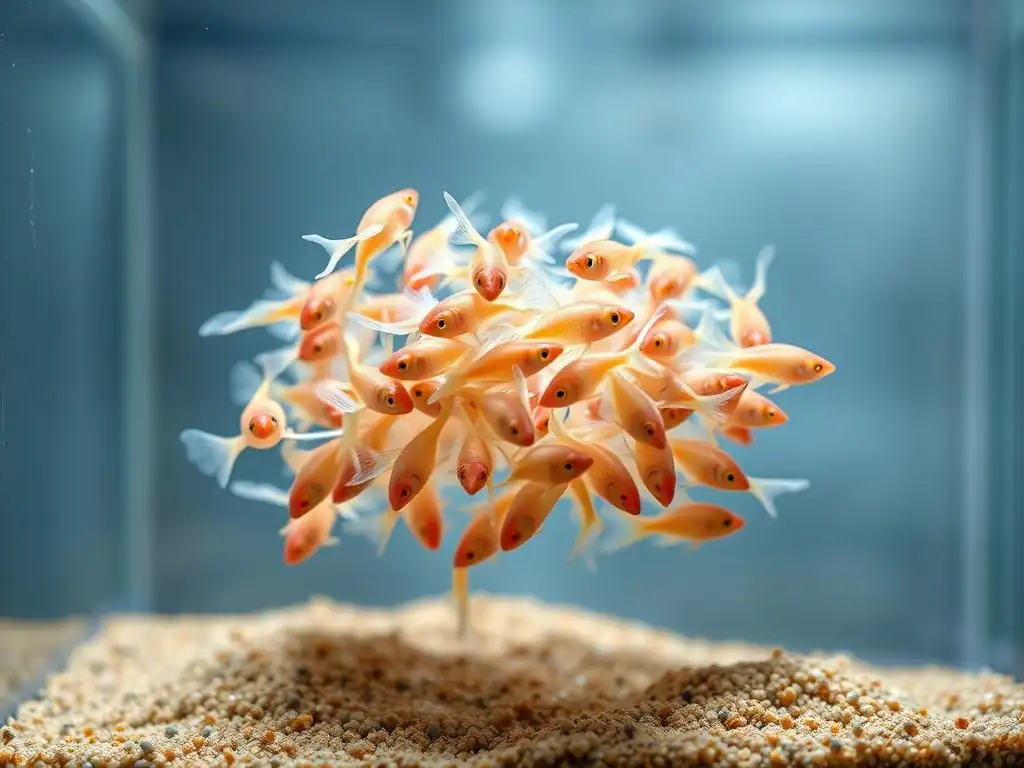
As Zebra Danio fry progress towards the juvenile stage, monitoring their growth and development provides crucial indicators of their overall health and the effectiveness of your Danio fry care efforts. Healthy fry will exhibit consistent growth, visibly increasing in size each week. For instance, by 3-4 weeks post-hatch, they should typically reach about 1 cm in length, with their characteristic horizontal stripes becoming more defined. Their body shape will gradually elongate, transitioning from a more rounded, larval form to a miniature version of an adult Danio.
Beyond physical size, observe their behavior. Healthy juveniles are active, constantly exploring, and exhibiting more pronounced schooling behavior. Their fins should be clear and undamaged, and their eyes bright and alert. Any signs of stunted growth, listlessness, clamped fins, or unusual swimming patterns are red flags indicating potential issues such as inadequate nutrition, poor water quality, or disease. Regular observation allows for timely intervention, ensuring your fry develop into robust, vibrant juvenile fish.
Preparing for the Transition to Adult Food
The transition from specialized fry foods to adult flakes or pellets is another significant developmental milestone for Zebra Danio juveniles. This typically begins around 4-6 weeks of age, when their mouths are large enough to comfortably consume finely crushed flake food or micro-pellets. It's crucial to introduce these new food sources gradually, alongside their existing diet of baby brine shrimp and microworms.
Start by offering a small amount of finely crushed high-quality flake food once a day, in addition to their regular feedings. Observe their interest and consumption. As they become accustomed to the new food, you can gradually increase the proportion of flakes/pellets while slowly reducing the frequency of live/frozen fry foods. The goal is to ensure they are readily accepting and consuming the adult food before completely phasing out the smaller, more labor-intensive fry diets. This measured approach ensures continuous nutrition and prevents any dietary shock during this critical transition.
Maintaining a Healthy Zebra Danio School: Optimal Number of Danios
Zebra Danios are quintessential schooling fish, and their well-being and natural behaviors are profoundly enhanced when kept in appropriate group sizes. For a healthy and thriving school, it is generally recommended to keep at least 6-8 individuals together. In groups smaller than this, Danios can become stressed, shy, or even aggressive towards each other, as they lack the security and social structure of a larger school.
For a standard 10-gallon aquarium, a school of 6-8 Zebra Danios is a suitable number, considering their active swimming nature. For larger tanks, such as a 20-gallon or more, a school of 10-15 or even more Danios is ideal, allowing them ample space to dart and chase in unison, displaying their full range of natural behaviors. Providing adequate space per fish, roughly accounting for their adult size (around 1.5-2 inches), ensures that even a vibrant school remains healthy and stress-free in your aquarium.
Conclusion: Mastering Zebra Danio Fry Care for a Vibrant Aquarium
Frequently Asked Questions
How soon after spawning do Danio eggs hatch?
Danio eggs typically hatch within 24 to 36 hours after spawning, depending on water temperature. It's crucial to maintain a stable temperature for optimal hatching rates.
What is the best first food to feed Danio fry?
The ideal first food for Danio fry is infusoria or commercially available liquid fry food. These options provide the tiny nutrients the fry need in their initial stages.
What size tank is recommended for raising Danio fry?
A small, dedicated tank, around 5-10 gallons, is recommended for raising Danio fry. This helps ensure they can easily find food and prevents them from being eaten by adult fish.
How often should I perform water changes in a Danio fry tank?
Perform small, frequent water changes, around 10-20% every other day. This helps maintain optimal water quality and prevents the buildup of harmful substances.
What water parameters are important for Danio fry survival?
Maintaining a stable temperature between 72-78°F (22-26°C) and a pH of around 6.5-7.5 is crucial. Also, ensure there is good filtration but gentle water flow.
Final Reflection: Nurturing New Life and Sharing Knowledge
The journey from a tiny, almost invisible egg to a vibrant, swimming Danio fry is a testament to the delicate balance of nature and the power of informed care. Understanding the nuances of Danio fry care is not just about keeping fish alive; it's about fostering a deeper appreciation for the intricacies of aquatic life and the responsibility we hold as custodians of these miniature ecosystems. The tips and techniques shared in this article are intended to empower aquarists, both novice and experienced, to successfully navigate the challenges and celebrate the triumphs of raising these captivating creatures.
This seemingly niche topic has a surprisingly profound impact on the broader aquarium hobby and even touches upon themes of sustainability and responsible pet ownership. Witnessing the growth and development of these tiny fish firsthand fosters a sense of connection and responsibility that extends beyond the confines of the aquarium. It reminds us of the interconnectedness of all living things and the importance of providing optimal conditions for their well-being. The greatness of a nation and its moral progress can be judged by the way its animals are treated.
- Mahatma Gandhi. This quote, though often applied to larger animals, resonates deeply with the dedication required to nurture even the smallest of lives, like Danio fry.
Now, as you embark on your own journey of raising Danio fry, remember that patience, observation, and a willingness to learn are your greatest allies. Let the knowledge shared here serve as a foundation, but allow your own experiences and intuition to guide you. Embrace the challenges, celebrate the successes, and most importantly, share your newfound wisdom with others. By doing so, you contribute to a community of passionate aquarists who are dedicated to preserving the beauty and wonder of the aquatic world, one tiny Danio fry at a time.
Nurture Your Tiny Swimmers: Help Them Thrive!
Thanks for diving into the fascinating world of Danio fry! We hope you've gained valuable insights into successfully raising these little dynamos. Now, it's time to put that knowledge into action and witness the magic unfold.
Here's how you can help your Danio fry thrive:
- Immediately Implement a Feeding Schedule: Start a rigorous feeding routine with infusoria or commercially available fry food at least three times a day. Consistent nutrition is crucial for their early development.
- Share Your Success: Post photos and videos of your growing Danio fry in online aquarium communities! Inspire others and get valuable feedback from experienced breeders.
- Experiment with Enrichment: Introduce tiny pieces of aquatic plants (like Java moss) into the fry tank. This provides shelter, promotes natural foraging behavior, and helps maintain water quality.
What fascinating behaviors have you observed in your Danio fry so far? Share your observations and questions in the comments below!