
Live Foods for Aquariums: Boosting Health, Vitality, and Natural Behaviors

Welcome to Aquarium Mastery!
Ever wondered how to unlock the secret to vibrant colors, boundless energy, and fascinating natural behaviors in your freshwater fish? Forget the flakes for a moment, and dive into the fascinating world of freshwater fish live foods. This article unveils everything you need to know about boosting your aquarium's health and vitality with these natural delicacies. Ready to witness the difference? Let's explore!
- Why Choose Live Foods for Your Freshwater Fish?
- Popular Types of Freshwater Fish Live Foods
- Culturing Your Own Live Foods: A Step-by-Step Guide
- Feeding Live Foods to Your Aquarium Fish: Best Practices
- Sourcing Live Foods: Buying vs. Culturing
- Potential Risks and Mitigation Strategies
- Live Food for Specific Freshwater Fish Species
- The Future of Live Foods in the Aquarium Hobby
- Troubleshooting Common Live Food Problems
-
Frequently Asked Questions
- What are live foods and why are they beneficial for freshwater fish?
- How do live foods contribute to the health and vitality of freshwater fish?
- What are some common types of live foods suitable for freshwater aquariums?
- How do I properly store and culture live foods for my aquarium fish?
- What are the risks associated with feeding live foods and how can I mitigate them?
- Final Reflection: Cultivating Thriving Aquatic Ecosystems
- Ignite Your Aquarium: Embrace the Live Food Revolution!
Why Choose Live Foods for Your Freshwater Fish?
Enhanced Nutrition and Natural Feeding Instincts
Live foods offer a superior nutritional profile compared to many processed dry foods, providing essential proteins, fats, vitamins, and minerals in their most bioavailable form. For instance, newly hatched brine shrimp nauplii are packed with protein (around 60%) and essential fatty acids, crucial for the development and overall health of young freshwater fish. This natural composition supports robust growth, vibrant coloration, and a stronger immune system, leading to healthier and more resilient aquatic inhabitants.
Beyond nutrition, offering freshwater fish live foods stimulates their innate hunting instincts. Observing fish actively chasing, striking, and consuming live prey replicates their natural environment, reducing stress and boredom often associated with a monotonous diet. This increased activity and mental stimulation contribute significantly to the fish's overall well-being, promoting more natural schooling behaviors and reducing aggressive tendencies sometimes seen in confined spaces.
Promoting Breeding Behavior with Live Food Diets
A diet rich in live foods is often the key to successfully conditioning freshwater fish for breeding. The high protein and lipid content, combined with the natural stimulation of hunting, signals to fish that environmental conditions are optimal for reproduction. For example, feeding daphnia or blackworms to species like guppies, mollies, or even some dwarf cichlids can significantly increase their readiness to spawn, often leading to larger clutches of eggs or more vigorous fry.
Many professional breeders report a noticeable increase in spawning frequency and fry viability when live foods are incorporated into the conditioning diet. The added energy from these highly nutritious sources allows the parent fish to allocate more resources towards egg production and the development of healthy gametes. This makes freshwater fish live foods an indispensable tool for aquarists aiming to propagate their favorite species.
Live Food as a Solution for Picky Eaters
Some freshwater fish species, particularly wild-caught specimens or those with specific dietary requirements, can be notoriously difficult to feed with conventional flakes or pellets. Their natural instincts often prevent them from recognizing motionless, processed foods as edible. Live foods, with their inherent movement and palatability, can effectively entice even the most finicky eaters, encouraging them to feed and ensuring they receive vital nutrients.
Consider species like wild-caught cardinal tetras or certain dwarf cichlids such as Apistogramma species, which may initially reject dry foods. Introducing live foods like brine shrimp, daphnia, or small blackworms can quickly trigger a feeding response. Once they are actively feeding on live prey, it often becomes easier to gradually introduce high-quality frozen or even dry foods by mixing them in, transitioning them to a more varied and accessible diet.
Popular Types of Freshwater Fish Live Foods
Daphnia: The Versatile Micro-Crustacean
Daphnia, commonly known as water fleas, are small freshwater crustaceans ranging from 0.2 to 5 millimeters in size. They are an excellent source of protein and contain beneficial carotenoids, which can enhance the natural coloration of fish. Their jerky swimming motion makes them highly attractive to a wide range of freshwater fish, from small tetras to larger cichlids, and they are particularly valuable for conditioning breeding pairs.
Furthermore, daphnia are filter feeders, meaning they can be "gut-loaded" by feeding them nutrient-rich algae or spirulina powder before being offered to fish. This process effectively transfers the beneficial nutrients directly to your aquarium inhabitants. They are relatively easy to culture at home, making them a sustainable and reliable source of live food for many aquarists.
Brine Shrimp: Hatching and Feeding Instructions
Brine shrimp ( Artemia salina) are one of the most widely used live foods in the aquarium hobby, especially their newly hatched nauplii. These tiny crustaceans, typically 0.4 to 0.5 millimeters long, are a powerhouse of nutrition, rich in protein (up to 60%) and essential unsaturated fatty acids. They are an ideal first food for the fry of many freshwater fish species due to their small size and high digestibility.
Hatching brine shrimp involves mixing brine shrimp eggs with saltwater (specific gravity around 1.020-1.025, or approximately 2 tablespoons of non-iodized salt per liter) in a conical container with vigorous aeration. Optimal hatching occurs at temperatures between 25-28°C, typically within 24-36 hours. Before feeding, it is crucial to thoroughly rinse the hatched nauplii with fresh, dechlorinated water to prevent introducing salt into your freshwater aquarium.
Bloodworms: Nutritional Value and Considerations
Bloodworms are the larvae of non-biting midge flies (Chironomidae) and are highly prized for their nutritional content, particularly their high iron and protein levels. They typically range from 1 to 2.5 centimeters in length, making them an excellent live food option for medium to large freshwater fish, including many cichlids, gouramis, and larger tetras. Their bright red color and wriggling motion are irresistible to most predatory and omnivorous fish.
While fresh bloodworms are highly sought after, they are also commonly available in frozen or freeze-dried forms in pet stores. When feeding live bloodworms, it's important to monitor the quantity to prevent uneaten worms from dying and fouling the water. Although nutritious, bloodworms should not be the sole component of a fish's diet, as they are relatively low in certain vitamins and fats compared to other live foods.
Microworms: Culturing and Feeding Small Fry
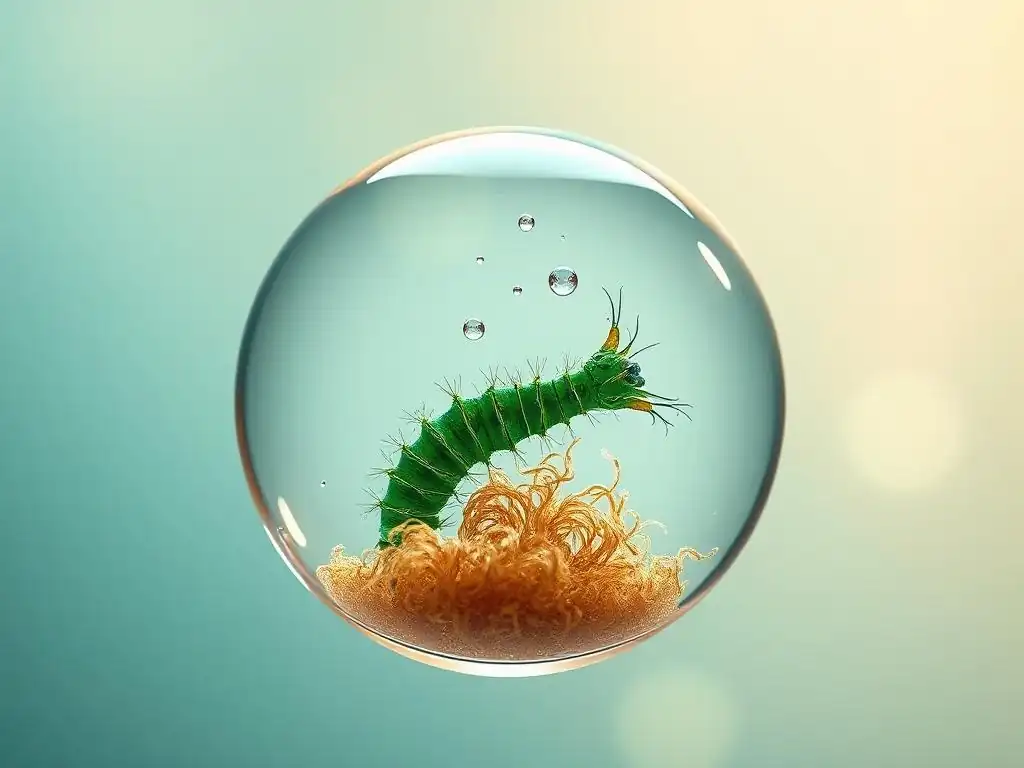
Microworms ( Panagrellus redivivus) are tiny nematodes, typically ranging from 1 to 3 millimeters in length, making them an excellent first food for the smallest freshwater fish fry, such as those of bettas, guppies, or even some characins, that are too small to consume newly hatched brine shrimp. Their constant wriggling motion stimulates a strong feeding response in young fish.
Culturing microworms is remarkably simple and requires minimal space and equipment. They are typically grown on a substrate of oatmeal or a similar grain paste. A starter culture is introduced, and within a few days, the worms will begin to crawl up the sides of the culture container, from where they can be easily collected and rinsed before feeding to fry. While high in protein, it's advisable to supplement a microworm diet with other foods as fry grow to ensure a complete nutritional profile.
Vinegar Eels: An Easy-to-Culture First Food
Vinegar eels ( Turbatrix aceti) are another excellent microscopic live food, even smaller than microworms, typically measuring between 0.5 and 2 millimeters. Their minute size and continuous swimming motion make them an ideal first food for the tiniest freshwater fish fry, particularly those with very small mouths. They are especially useful for species where even microworms might be too large initially.
These nematodes are incredibly easy to culture and maintain, living indefinitely in a mixture of apple cider vinegar and water (usually a 1:1 ratio) with an apple slice or two for nutrients. Unlike many other live foods, vinegar eel cultures require no aeration and little maintenance once established. While their nutritional value is somewhat lower than brine shrimp or microworms, their ease of culture and suitability for the smallest fry make them a valuable addition to a breeding setup.
Grindal Worms: A Larger Alternative to Microworms
Grindal worms ( Enchytraeus buchholzi) are small white annelid worms, typically growing up to 10 millimeters in length. They are larger than microworms but smaller than blackworms, making them an excellent intermediate live food for growing freshwater fish fry and small to medium-sized adult fish. They are particularly favored for conditioning adult fish for breeding and for providing a rapid growth boost to juveniles.
These worms are relatively easy to culture indoors on substrates like coco fiber, peat, or even shredded paper, fed with small amounts of dog kibble, bread, or oatmeal. Grindal worms are rich in protein and fat, making them a highly nutritious option. Their prolific breeding rate ensures a steady supply of fresh, clean live food for your aquarium, contributing to the health and vitality of your freshwater fish live foods.
Culturing Your Own Live Foods: A Step-by-Step Guide
Setting Up a Daphnia Culture: Essential Tips
Establishing a successful daphnia culture requires a few key elements to ensure a continuous supply of these beneficial freshwater fish live foods. Begin with a simple, unchlorinated water container, such as a 5 to 10-gallon tank or a plastic tub, placed in an area with indirect light. The ideal temperature range for daphnia is between 18-24°C (65-75°F). Avoid using any filtration, as daphnia can be easily sucked into filters.
Once you have your dechlorinated water, introduce a starter culture of daphnia. Their primary food source can be green water (algae-rich water), baker's yeast mixed with a small amount of spirulina powder, or a commercial daphnia food. Feed sparingly, typically a few drops or a pinch every 1-2 days, observing the water clarity. Overfeeding is the most common cause of culture crashes, as decaying food quickly fouls the water. Perform small, partial water changes (10-20%) weekly to maintain water quality and replenish minerals.
Hatching Brine Shrimp at Home: Equipment and Procedure
Hatching brine shrimp is a straightforward process that provides highly nutritious freshwater fish live foods for fry and small fish. You'll need a conical hatchery (or an inverted plastic bottle), an air pump, an air stone, non-iodized salt (aquarium salt or rock salt), and brine shrimp eggs (cysts). Maintain the water temperature between 25-28°C (77-82°F) for optimal hatch rates, which can be achieved with a small submersible heater.
To begin, prepare a saltwater solution by dissolving 1 to 2 tablespoons of salt per liter of dechlorinated water, aiming for a specific gravity of around 1.020-1.025. Add 1 to 2 grams of brine shrimp eggs per liter of solution to your hatchery. Insert the air stone and provide vigorous aeration; this keeps the eggs suspended and ensures proper oxygenation.
After 24-36 hours, turn off the air pump and allow the shells and unhatched eggs to float to the top or sink. The orange nauplii will congregate at the bottom, from where they can be siphoned out, rinsed thoroughly with fresh water, and fed to your fish.
Culturing Microworms: The Simple Method
Culturing microworms is one of the easiest ways to produce live food for freshwater fish fry. You'll need a small, shallow plastic container with a lid (like a deli cup), a substrate, and a starter culture. The most common substrate is a thick paste made from oatmeal and water, often with a pinch of yeast added to kickstart the culture. Ensure the paste is not too wet, or it will become moldy quickly.
Spread the oatmeal paste about 1-2 cm thick on the bottom of the container. Introduce your starter culture by smearing a small amount onto the paste. Punch a few small holes in the lid for ventilation, but keep it mostly sealed to maintain humidity. Place the culture in a dark spot at room temperature (20-25°C or 68-77°F).
Within a few days, you'll see worms crawling up the sides of the container. To harvest, simply scrape them off with a cotton swab or a clean finger, rinse them in a small amount of dechlorinated water, and feed them to your fry. The culture will last several weeks to months before needing to be refreshed with a new batch.
Maintaining a Healthy Bloodworm Culture: Challenges and Solutions
Culturing bloodworms (midge fly larvae) at home can be more challenging than culturing other freshwater fish live foods, primarily due to their specific habitat requirements and the potential for odor. These larvae typically thrive in stagnant, oxygen-poor water with a substrate of decaying organic matter and mud or silt. Replicating these conditions in a controlled, hygienic manner is key.
One common method involves using shallow trays filled with a mix of garden soil and decaying leaves, kept consistently moist with dechlorinated water. Adult midge flies (which are harmless and non-biting) will lay eggs on the water surface, and the larvae will burrow into the substrate. Challenges include maintaining the correct balance of organic matter without creating excessive odors or attracting unwanted pests. Solutions often involve using sealed containers with small air holes and ensuring the culture doesn't dry out. Due to the complexity, many aquarists opt to purchase live or frozen bloodworms rather than culturing them extensively.
Feeding Live Foods to Your Aquarium Fish: Best Practices
Determining the Right Amount of Live Food to Feed
When feeding freshwater fish live foods, it's crucial to provide an appropriate amount to prevent overfeeding, which can quickly lead to water quality issues. A good rule of thumb is to offer only what your fish can consume within 5 to 10 minutes. Observe your fish carefully during feeding; if a significant amount of live food remains uneaten after this time, you are likely feeding too much.
Start with smaller quantities and gradually increase if your fish consume everything rapidly. The ideal amount will vary depending on the size and number of fish, their metabolic rate, and the type of live food. For instance, tiny fry will need very small, frequent feedings of microworms, while larger cichlids might consume a substantial portion of bloodworms in one go. Consistency in observation will help you fine-tune the perfect feeding regimen.
Preventing Overfeeding and Water Quality Issues
Overfeeding freshwater fish live foods can have detrimental effects on aquarium water quality. Uneaten live organisms, particularly those that die quickly in freshwater (like brine shrimp if not rinsed or left too long), will decompose rapidly, releasing ammonia and nitrites into the water. This can lead to dangerous spikes in toxic compounds, stressing fish and potentially causing illness or death.
To mitigate these risks, consider using a feeding ring or a turkey baster to target-feed live foods directly to your fish, minimizing scatter. Regularly test your water parameters (ammonia, nitrite, nitrate) and be prepared to perform extra partial water changes if you notice any spikes after feeding. A robust filtration system is also essential to process any excess organic matter.
Combining Live Foods with Other Food Types
While freshwater fish live foods offer unparalleled nutritional benefits and natural enrichment, they should ideally be part of a varied diet rather than the sole food source. A balanced diet often includes high-quality flakes, pellets, and frozen foods to ensure a complete spectrum of vitamins, minerals, and trace elements that might be less abundant in certain live food types.
A common practice is to offer live foods 2-3 times a week as a supplement to the daily staple diet of dry or frozen foods. For example, you might feed flakes in the morning and a small portion of daphnia in the evening, or dedicate specific days of the week for live food treats. This rotational feeding strategy ensures your fish receive diverse nutrients, promotes better health, and keeps them engaged with their feeding routine.
Sourcing Live Foods: Buying vs. Culturing
Advantages and Disadvantages of Purchasing Live Foods
Purchasing freshwater fish live foods offers convenience and immediate availability, especially for aquarists who lack the time or space for culturing. You can often find a wide variety of live foods, such as blackworms, bloodworms, or even feeder guppies, at local fish stores or online suppliers. This allows for instant gratification and provides dietary diversity without the initial setup and ongoing maintenance commitment.
However, purchasing live foods comes with significant disadvantages. Cost can accumulate over time, making it an expensive long-term solution. More critically, there's an inherent risk of introducing parasites or diseases into your aquarium. Unless you source from highly reputable breeders who maintain strict hygiene protocols, purchased live foods can carry pathogens like Ich, Camallanus worms, or various bacterial infections, jeopardizing the health of your entire tank.
Building a Sustainable Live Food Culture System
Culturing your own freshwater fish live foods, despite the initial effort, offers numerous long-term advantages, making it a highly sustainable and cost-effective approach. Once established, cultures like daphnia, microworms, or grindal worms provide a continuous, free supply of food. This allows for precise control over the cleanliness and nutritional content of the food, as you can "gut-load" them with specific supplements before feeding.
Building a sustainable live food culture system involves setting up multiple, easy-to-manage cultures. Starting with one or two simple cultures and gradually expanding as you gain experience is advisable. This approach not only provides a consistent and safe food source but also reduces your reliance on external suppliers, ensuring your fish always have access to fresh, high-quality live food, even in emergencies.
Potential Risks and Mitigation Strategies
Introducing Parasites or Diseases with Live Foods
One of the most significant risks associated with feeding freshwater fish live foods is the potential introduction of parasites or diseases into your main aquarium. Wild-caught live foods, in particular, can harbor a wide array of pathogens, from external parasites like Ich to internal worms such as Camallanus. Even commercially bred live foods, if not raised in stringent, sterile environments, can pose a risk.
To mitigate this, always source live foods from reputable suppliers who prioritize health and cleanliness. More importantly, consider culturing your own live foods at home, as this gives you complete control over their environment and health. If purchasing, implement a quarantine procedure for newly acquired live foods before introducing them to your display tank, which will be discussed in the next section.
Maintaining Water Quality When Feeding Live Foods
Feeding freshwater fish live foods, while beneficial, can sometimes lead to rapid water quality degradation if not managed properly. Uneaten live organisms, especially those that die quickly in the aquarium environment, will decompose, leading to spikes in ammonia and nitrites. For instance, if large quantities of brine shrimp are added without being consumed, their rapid decomposition can quickly foul the water.
To maintain pristine water quality, feed live foods sparingly, only offering what your fish can consume within a few minutes. Use feeding dishes or turkey basters to deliver food precisely and prevent it from scattering and settling in inaccessible areas. Regularly monitor your aquarium's water parameters (ammonia, nitrite, nitrate) and be prepared to perform more frequent or larger partial water changes after heavy live food feedings to dilute any accumulating waste products.
Quarantine Procedures for Newly Acquired Live Foods
Implementing a quarantine procedure for newly acquired freshwater fish live foods is a critical step in preventing the introduction of diseases or parasites into your established aquarium. Even if purchased from a seemingly reputable source, it's always safer to assume they might carry unwanted guests. This simple precaution can save your entire fish collection from potential outbreaks.
Upon receiving new live foods, place them in a separate, clean container with dechlorinated water for at least 24-48 hours. During this period, observe them closely for any signs of illness, unusual behavior, or the presence of visible parasites. If possible, you can "gut-load" them during this quarantine period by feeding them a nutrient-rich diet, ensuring they are not only pathogen-free but also packed with beneficial nutrients before being offered to your main tank inhabitants.
Live Food for Specific Freshwater Fish Species
Live Food Recommendations for Betta Fish
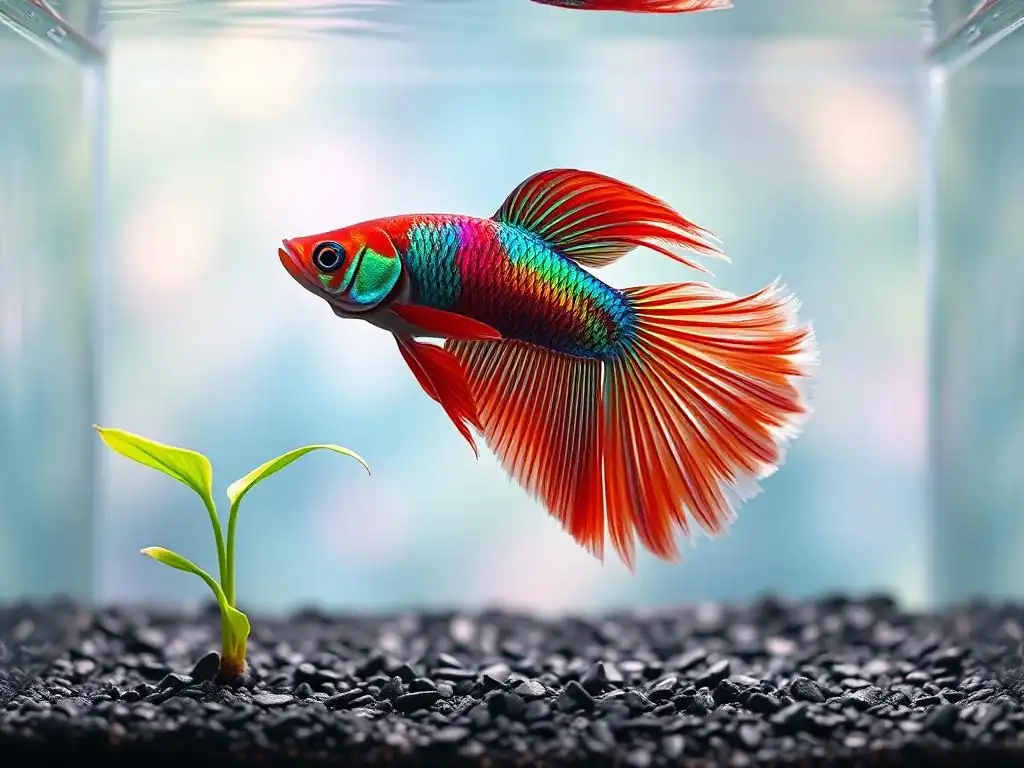
Betta fish ( Betta splendens) are primarily carnivorous and thrive on a protein-rich diet, making freshwater fish live foods an excellent addition to their regimen. Bloodworms (both live and frozen), daphnia, and brine shrimp are highly recommended for Bettas. Their natural hunting instincts are stimulated by the movement of live prey, leading to more active and vibrant fish.
Feeding live foods to Bettas can significantly enhance their coloration, improve fin health, and encourage natural behaviors like flaring. Offer these live treats 2-3 times a week as a supplement to their high-quality pellet or flake diet. For Betta fry, newly hatched brine shrimp and microworms are perfect first foods due to their small size and high nutritional value, promoting rapid growth.
Live Food Recommendations for Guppies
Guppies ( Poecilia reticulata) are omnivores, but they greatly benefit from the inclusion of freshwater fish live foods in their diet, especially for breeding and maintaining their vibrant colors. Daphnia are an excellent choice for adult guppies, providing essential nutrients and encouraging active foraging. For guppy fry, microworms and newly hatched brine shrimp are ideal, as their small size is perfectly suited for tiny mouths.
Incorporating live foods into a guppy's diet can boost their fertility and increase the survival rates of their fry. Grindal worms are also a fantastic option for conditioning adult guppies prior to breeding, providing a rich source of protein and fat. Regular feeding of these live options contributes to stronger immune systems and overall vigor in these popular livebearers.
Live Food Recommendations for Cichlids
The dietary needs of cichlids vary widely depending on the species, ranging from herbivorous African cichlids to predatory South American giants. However, many omnivorous and carnivorous freshwater cichlids greatly benefit from various live foods. For instance, South American cichlids like Angelfish ( Pterophyllum scalare) and Discus ( Symphysodon) thrive on bloodworms, brine shrimp, and blackworms, which provide the high protein content they require for growth and vibrant coloration.
Smaller dwarf cichlids such as Apistogramma species appreciate a diet including daphnia, microworms, and small grindal worms. For larger, more predatory cichlids, options like live feeder fish (though caution is advised due to disease risk) or larger blackworms can be considered, always ensuring the food source is clean and healthy. Always research the specific dietary requirements of your cichlid species to ensure the live foods offered are appropriate and beneficial.
The Future of Live Foods in the Aquarium Hobby
Innovative Live Food Culturing Techniques
The future of freshwater fish live foods in the aquarium hobby is trending towards more efficient, sustainable, and technologically advanced culturing methods. Innovations are emerging in automated systems that control environmental parameters like temperature, light, and feeding schedules for cultures such as daphnia or spirulina algae. Photobioreactors, for instance, are becoming more accessible for culturing microalgae, which in turn can be used to gut-load other live foods.
Furthermore, research into nutrient enrichment techniques is advancing, allowing aquarists to precisely control the nutritional profile of live foods before they are fed to fish. This involves feeding the live organisms specific supplements, vitamins, or fatty acids to enhance their value. These innovations aim to make live food culturing less labor-intensive, more consistent in quality, and accessible to a wider range of aquarists.
Sustainable and Ethical Live Food Sourcing
As environmental awareness grows, there is an increasing emphasis on sustainable and ethical sourcing of freshwater fish live foods. The hobby is moving away from wild collection, which can deplete natural populations and introduce unknown pathogens, towards captive breeding and commercial aquaculture of live food organisms. This shift ensures a more reliable and environmentally responsible supply chain.
Commercial farms are developing more advanced, closed-loop systems for culturing live foods like bloodworms, blackworms, and various crustaceans, minimizing their environmental impact. Aquarists are also becoming more conscious consumers, seeking out suppliers who adhere to ethical breeding practices and provide transparent information about their live food origins. This collective effort contributes to the long-term health of both aquatic ecosystems and the aquarium hobby itself.
Troubleshooting Common Live Food Problems
My Daphnia Culture Crashed: Possible Causes and Solutions
A common frustration for aquarists culturing freshwater fish live foods is a sudden crash in their daphnia culture. Several factors can lead to this. The most frequent cause is overfeeding, which rapidly fouls the water with decaying organic matter, leading to toxic ammonia spikes that are lethal to daphnia. Other causes include underfeeding, sudden temperature fluctuations (outside the 18-24°C ideal range), low oxygen levels, or the introduction of contaminants like chlorine.
To revive or prevent a crash, first, reduce or temporarily stop feeding. Perform a small, gentle water change (10-20%) using aged or dechlorinated water. Ensure the culture is in a stable temperature environment and has adequate surface agitation for oxygen exchange if the container is deep. If the crash is severe, it's often best to discard the fouled water, clean the container, and restart with a fresh starter culture and meticulous feeding practices.
My Brine Shrimp Aren't Hatching: Troubleshooting Steps
Failure of brine shrimp eggs to hatch is a common issue when preparing freshwater fish live foods. Several factors can contribute to poor hatch rates. The most common culprits include old or non-viable eggs (check expiration dates), incorrect salinity (too low or too high, optimal is 1.020-1.025 specific gravity), insufficient aeration, or an unsuitable temperature. Extremely high or low pH can also inhibit hatching.
To troubleshoot, first, verify the age of your brine shrimp eggs; older eggs have significantly reduced hatch rates. Next, accurately measure your salt solution using a hydrometer to ensure the correct specific gravity. Confirm that your air pump is providing vigorous, continuous aeration, keeping all eggs suspended. Maintain the water temperature within the optimal range of 25-28°C (77-82°F) using a heater. If your water source tends to be acidic, a small pinch of baking soda can sometimes help buffer the pH into a more favorable range for hatching.
Dealing with Infestations in Live Food Cultures
Live food cultures, especially those of worms or crustaceans, can sometimes develop unwanted infestations of other organisms, such as fungus gnats, mites, rotifers, or even undesirable algae. These "pests" can compete for food, contaminate the culture, or become a nuisance, potentially affecting the quality of your freshwater fish live foods.
For flying insects like fungus gnats (common in worm cultures), ensure your culture containers have tight-fitting lids with only small, fine-mesh ventilation holes. For mites, which can sometimes appear in microworm or grindal worm cultures, maintaining cleanliness and ensuring the substrate isn't too dry or wet can help deter them. In cases of severe infestations, particularly with microscopic organisms like rotifers that can outcompete your desired live food, it's often best to discard the entire contaminated culture. Thoroughly clean and sterilize the container, then restart with fresh, sterile substrate and a new, clean starter culture to prevent recurrence.
Frequently Asked Questions
What are live foods and why are they beneficial for freshwater fish?
Live foods are living organisms used as food for aquarium fish. They offer benefits such as enhanced nutrition and stimulating natural hunting behaviors, leading to healthier and more vibrant fish.
How do live foods contribute to the health and vitality of freshwater fish?
Live foods provide a more complete nutritional profile than many processed foods, including essential vitamins and minerals. This can lead to improved growth, stronger immune systems, and enhanced coloration in freshwater fish.
What are some common types of live foods suitable for freshwater aquariums?
Popular options include bloodworms, daphnia, brine shrimp, and microworms. The best choice depends on the size and dietary needs of your specific freshwater fish species.
How do I properly store and culture live foods for my aquarium fish?
Storage varies depending on the food type. Many require refrigeration or specific culture conditions. Research the individual needs of each live food to ensure freshness and viability.
What are the risks associated with feeding live foods and how can I mitigate them?
Potential risks include introducing parasites or diseases into the aquarium. Mitigate this by sourcing live foods from reputable suppliers and quarantining them before feeding.
Final Reflection: Cultivating Thriving Aquatic Ecosystems
The exploration of freshwater fish live foods reveals more than just a feeding strategy; it unveils a pathway to enriching the lives of our aquatic companions. Understanding the nutritional benefits and behavioral enhancements these foods provide is not merely academic, but a practical step towards creating healthier, more vibrant aquarium ecosystems that mirror the natural world. The principles discussed are particularly relevant today, as aquarists increasingly seek sustainable and ethical practices in their hobby.
The impact of incorporating live foods extends far beyond the immediate health of individual fish. It fosters a deeper connection with the natural processes that govern aquatic life, allowing us to appreciate the intricate dance between predator and prey, and the vital role of biodiversity. This understanding is crucial, especially as we grapple with the challenges of preserving aquatic environments globally. In nature, nothing exists alone.
- Rachel Carson. This quote perfectly encapsulates the interconnectedness that live foods help us recreate within our own aquariums, reminding us of our responsibility to protect these delicate ecosystems.
Now, consider the lessons learned about the power of natural nutrition and behavioral enrichment. How can you apply these principles to your own aquarium, or even to other aspects of your life? Embrace the opportunity to experiment with different live food cultures, observe the positive changes in your fish, and share your knowledge with fellow aquarists. By actively engaging with these practices, you contribute to a more sustainable and enriching future for the aquarium hobby and, ultimately, a greater appreciation for the wonders of the aquatic world.
Ignite Your Aquarium: Embrace the Live Food Revolution!
Thank you for diving into the world of live foods and their incredible benefits for your aquarium inhabitants! We hope you've gained valuable insights into how to enhance your aquatic pets' health and happiness. Now, let's put that knowledge into action.
Here's how you can elevate your aquarium experience:
- Start Cultivating! Begin with an easy-to-culture live food like daphnia or microworms. This is the single best thing you can do to immediately improve your fish's diet.
- Explore and Observe: Research a new live food that you've never tried before (perhaps banana worms or walter worms?) and meticulously observe how your fish react when introduced to it, noting any changes in behavior or coloration.
- Share Your Success: Post photos or videos of your fish enjoying their live food feast on your favorite aquarium forum or social media platform and tag #AquariumMastery to inspire others!
What's one unique live food you're excited to try, and why? Let us know in the comments!