
Dealing with Stubborn Algae in Oscar and Severum Tanks: A Clean Sweep Guide

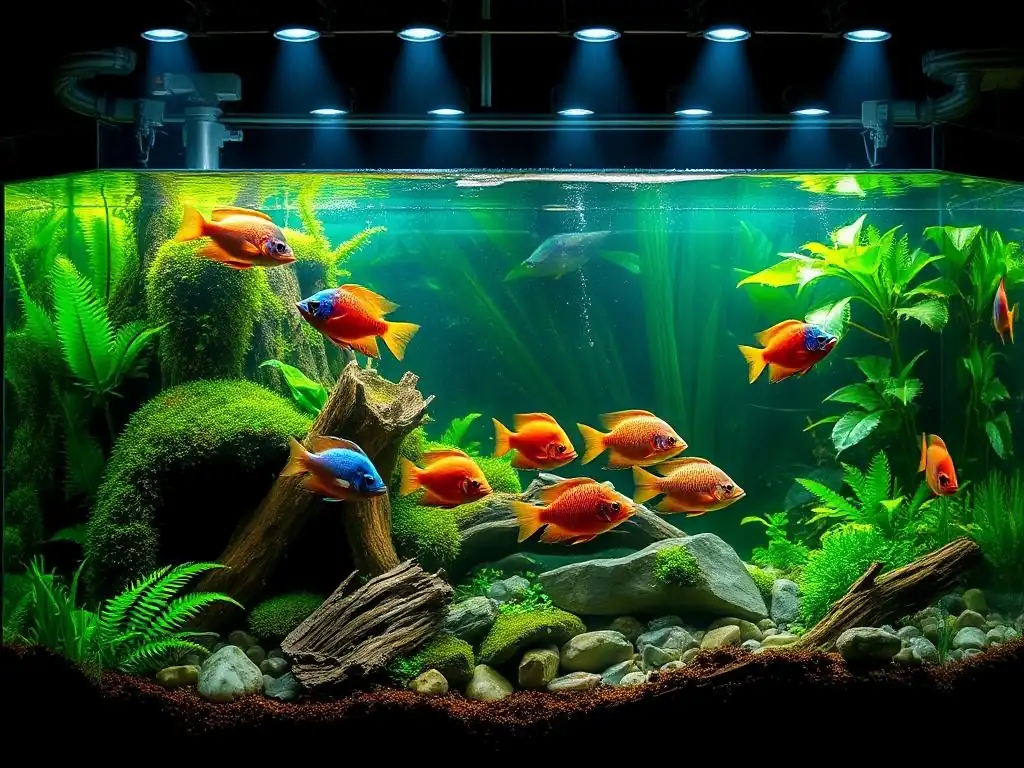
Welcome to Aquarium Mastery!
Ever wonder how to maintain pristine water clarity in your Oscar and Severum tank, battling that stubborn algae? You're not alone! Dive into our comprehensive guide on Oscar severum algae control and discover proven techniques to keep your freshwater aquarium thriving. Get ready to wave goodbye to green nuisances and say hello to a sparkling clean environment for your beloved fish. Let's explore the secrets to a balanced and beautiful aquarium, shall we?
- Understanding Algae Growth in Oscar and Severum Aquariums
- Preventing Algae Issues in Your Oscar and Severum Tank
- Effective Algae Control Methods for Oscar and Severum Tanks
- Algae-Eating Tank Mates for Oscar and Severum Aquariums: A Balanced Approach
- Step-by-Step Guide to Cleaning an Algae-Infested Oscar or Severum Tank
- Long-Term Algae Management Strategies for Oscar and Severum Keepers
- Troubleshooting Common Algae Problems in Oscar and Severum Tanks
- Maintaining a Pristine Oscar and Severum Aquarium: Final Tips and Best Practices
-
Frequently Asked Questions
- How do Oscars and Severums contribute to algae growth in aquariums?
- What are the best algae-eating fish to safely introduce to an Oscar or Severum tank for algae control?
- What specific water parameters should I monitor to prevent excessive algae growth in my Oscar and Severum aquarium?
- What lighting schedule is optimal for an Oscar and Severum tank to minimize algae blooms?
- Besides algae eaters, what are some effective non-biological methods for algae control in Oscar and Severum tanks?
- Final Reflection: The Enduring Battle Against the Green Tide
- Ignite Your Tank's Sparkle: Take Action Now!
Understanding Algae Growth in Oscar and Severum Aquariums
Why Algae Thrives in Cichlid Tanks
Oscar and Severum cichlids are known for their impressive size and robust appetites, which inevitably leads to a significant bioload in their aquariums. This high bioload translates directly into elevated levels of nitrates and phosphates, two primary nutrients that fuel algae growth. Their messy eating habits, coupled with substantial waste production, mean that even with diligent maintenance, these nutrients can accumulate quickly if not actively managed.
Furthermore, the large tank sizes typically required for these magnificent fish—often 75 gallons for a single Oscar and 50 gallons for a Severum, increasing significantly for pairs or groups—present a larger surface area for algae to colonize. Maintaining consistent water parameters in such large volumes can be more challenging, and any fluctuations or lapses in routine can create opportune conditions for algae to proliferate, especially in setups that might not be heavily planted, leaving more open surfaces for algae to attach.
Common Types of Algae Found in Oscar and Severum Setups
Several types of algae commonly plague Oscar and Severum tanks, each with unique characteristics and underlying causes. Green spot algae, for instance, appears as small, hard, dark green spots on glass and slow-growing plant leaves, often indicating high light intensity or low phosphate levels. Green dust algae, conversely, forms a powdery, light green film that coats surfaces and can be easily wiped away, frequently linked to excess nutrients and prolonged lighting.
More tenacious varieties include hair algae, which manifests as long, stringy, filamentous strands, typically signaling an imbalance of nutrients and light. Black beard algae (BBA) is particularly stubborn, appearing as dark, fuzzy tufts on decor, equipment, and plant edges; its presence often points to fluctuating CO2 levels in planted tanks or unstable nutrient conditions.
Diatoms, or brown algae, are common in newer setups, forming a slimy, brown film, usually a result of high silicates in the water or substrate, though they often resolve as the tank matures. Effective Oscar severum algae control requires identifying the specific type of algae present.
Factors Contributing to Algae Blooms: Light, Nutrients, and Water Parameters
Three primary factors contribute to algae blooms in Oscar and Severum tanks: light, nutrients, and water parameters. Excessive light duration, often exceeding 8-10 hours daily, provides ample energy for algae photosynthesis. The intensity of the lighting, especially in large, deep tanks, can also be a culprit if it's too strong for the specific setup or if there aren't enough plants to utilize the light effectively. Using a timer to regulate light cycles is a fundamental step in Oscar severum algae control.
Nutrient imbalances are equally critical. High levels of nitrates, often above 20-40 ppm, and phosphates, exceeding 0.5-1 ppm, are direct food sources for algae. These accumulate from overfeeding, decaying organic matter (uneaten food, fish waste), and insufficient water changes. Furthermore, unstable water parameters such as fluctuating pH, inconsistent CO2 levels (in planted tanks), or rapid temperature swings can stress beneficial bacteria and plants, giving opportunistic algae an advantage in the ecosystem.
Preventing Algae Issues in Your Oscar and Severum Tank
Optimizing Lighting for Planted and Non-Planted Cichlid Aquariums
Optimizing lighting is a crucial step in proactive Oscar severum algae control. For non-planted Oscar and Severum aquariums, limiting light duration to 6-8 hours per day is generally sufficient for fish health and viewing, while significantly reducing the window for algae growth. Utilizing an automated timer is highly recommended to ensure consistent light cycles and prevent accidental overexposure. If algae persists, consider slightly reducing the light intensity, especially with powerful LED fixtures.
In planted cichlid tanks, balancing light intensity with available CO2 and nutrients is key. While Oscars and Severums can be tough on plants, choosing robust species like Anubias or Java Fern can help. High-intensity lighting without adequate CO2 and nutrient uptake by plants will invariably lead to algae. Adjustable LED fixtures allow for fine-tuning intensity and spectrum, enabling aquarists to provide sufficient light for plant growth without inadvertently fueling an algae outbreak.
Balancing Nutrients: Nitrate and Phosphate Control
Effective nutrient management is paramount for Oscar severum algae control. Regular testing of nitrates and phosphates is essential, with target levels typically below 20 ppm for nitrates and under 0.5 ppm for phosphates. Overfeeding is a common cause of nutrient excess, as uneaten food breaks down and releases these compounds. Similarly, decaying plant matter and accumulated fish waste contribute significantly to the nutrient load.
Strategies to balance nutrients include reducing feeding portions and frequency, ensuring all food is consumed within 2-3 minutes. Prompt removal of any uneaten food is also vital. Implementing chemical filtration media such as nitrate-absorbing resins or granular ferric oxide (GFO) can effectively strip phosphates from the water. For planted tanks, healthy, fast-growing plants will naturally consume nitrates and phosphates, effectively outcompeting algae for these resources.
The Importance of Regular Water Changes for Algae Prevention
Regular water changes are arguably the most effective and fundamental practice for Oscar severum algae control. Large cichlids like Oscars and Severums produce a substantial amount of waste, leading to a rapid accumulation of nitrates, phosphates, and other dissolved organic compounds. Performing weekly water changes of 25-50% for a typical Oscar or Severum tank helps dilute these accumulated nutrients, preventing them from reaching levels that trigger algae blooms.
Consistency is key; sporadic water changes allow nutrient levels to fluctuate wildly, which can stress fish and promote algae. Always use a high-quality dechlorinator to neutralize chlorine and chloramines in tap water, and ensure the new water is temperature-matched to the aquarium water to prevent thermal shock to your fish. Regular water changes not only help prevent algae but also maintain overall water quality, contributing to healthier, more vibrant fish.
Choosing the Right Filtration System for Algae Management
Selecting an appropriate filtration system is critical for managing the high bioload of Oscar and Severum tanks and, consequently, for Oscar severum algae control. Canister filters and large hang-on-back (HOB) filters are highly recommended due to their superior capacity for mechanical, biological, and chemical filtration. Mechanical filtration, through sponges or filter floss, removes particulate matter like uneaten food and detritus before it breaks down and releases nutrients.
Biological filtration, facilitated by ceramic rings or bio-balls, converts toxic ammonia and nitrite into less harmful nitrate, a crucial step in the nitrogen cycle. Furthermore, incorporating chemical filtration media such as activated carbon, Purigen, or GFO (granular ferric oxide) directly addresses algae-promoting nutrients by removing dissolved organics and phosphates from the water column. Regular cleaning and replacement of filter media, as per manufacturer guidelines, ensures optimal performance and prevents the filter itself from becoming a source of decaying organic matter.
Effective Algae Control Methods for Oscar and Severum Tanks
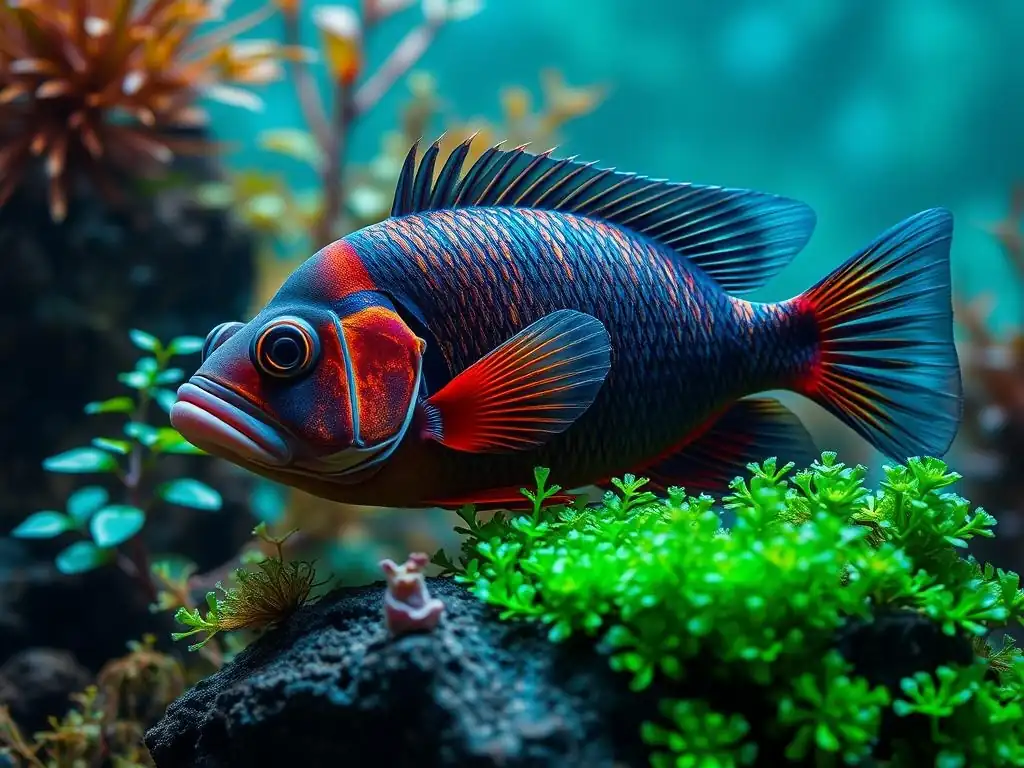
Manual Algae Removal: Scraping, Siphoning, and Scrubbing Techniques
Manual algae removal is the most immediate and often most effective method for Oscar severum algae control. For glass surfaces, magnetic scrapers or algae pads are excellent for daily or weekly wipe-downs. For stubborn spots on glass, a dedicated aquarium razor blade can be used with caution. Always perform manual removal just before a water change to ensure any dislodged algae or debris is siphoned out of the tank.
When cleaning the substrate, a gravel vacuum is indispensable for siphoning out accumulated detritus, uneaten food, and fish waste, all of which are nutrient sources for algae. Rocks, driftwood, and other decorations can be removed from the tank and scrubbed with a dedicated brush under running water (or old tank water to preserve beneficial bacteria) to remove algae. Never use household soaps or detergents, as these are toxic to fish.
Chemical Algae Treatments: When and How to Use Them Safely
Chemical algae treatments should generally be considered a last resort in Oscar severum algae control, as they can sometimes stress fish, particularly sensitive species, and may harm beneficial bacteria in the filter. If used, it is paramount to follow the manufacturer's instructions precisely, paying close attention to dosage recommendations based on tank volume. Overdosing can have severe, even fatal, consequences for your fish.
It's also important to be aware of potential side effects. Some algaecides can lead to a rapid die-off of a large algae bloom, which consumes oxygen as it decomposes, potentially causing oxygen depletion in the tank. Always ensure good aeration (e.g., with an air stone) when using chemical treatments. Some products are more effective against specific types of algae, so identifying the algae type beforehand can help in choosing the right treatment. Always remove activated carbon from your filter before adding chemical treatments, as it will absorb the medication.
Natural Algae Control: Introducing Algae-Eating Tank Mates
Introducing algae-eating tank mates can be a sustainable and natural approach to Oscar severum algae control, but it requires careful consideration of compatibility. Oscars and Severums are large, potentially aggressive cichlids, and many common algae eaters are too small or delicate to coexist safely. The success of this method hinges on selecting species that are robust enough to withstand potential aggression and large enough not to be considered a meal.
While not a complete solution for severe algae outbreaks, appropriate algae eaters can significantly reduce the need for manual scrubbing by grazing on surfaces. This method contributes to a more balanced ecosystem within the aquarium. However, it's crucial to research the specific needs and temperament of any potential algae eater to ensure they are a good fit for your cichlid community and that the tank size can accommodate the additional bioload.
Algae-Eating Tank Mates for Oscar and Severum Aquariums: A Balanced Approach
Understanding Compatibility: Temperament and Tank Size Considerations
When considering algae-eating tank mates for Oscar and Severum aquariums, compatibility is paramount. Both Oscar and Severum cichlids are large, robust, and can exhibit territorial or predatory behaviors. Any potential tank mate must be too large to be considered food and possess a temperament that can tolerate the presence of these dominant cichlids. A single Oscar typically requires a minimum of 75 gallons, while a Severum needs at least 50 gallons; adding tank mates necessitates even larger aquariums to ensure adequate space and reduce aggression.
It is crucial to research the adult size and temperament of any prospective algae eater. Avoid small, slow-moving, or long-finned species, as they are highly susceptible to becoming prey or targets of fin-nipping. Ensure the tank offers sufficient hiding spots and open swimming areas for all inhabitants, which helps mitigate stress and potential conflicts. The goal is to create a harmonious environment where the algae eater can perform its function without being overly stressed or predated upon.
Recommended Algae Eaters: Snails, Shrimp, and Fish
For Oscar and Severum tanks, the choice of algae eaters is somewhat limited due to the cichlids' nature. Snails: Large Nerite snails (e.g., Zebra, Horned) are excellent algae grazers and their hard shells offer some protection, though Oscars may still try to pick at them. Large Mystery snails might also be considered, but again, caution is advised. Smaller snails like Ramshorn or Malaysian Trumpet snails are likely to become expensive snacks.
Fish: The Bristlenose Pleco (Ancistrus spp.) is often the top recommendation. These armored catfish are peaceful, reach a manageable size (4-6 inches), and are highly effective algae eaters.
They require plenty of driftwood for rasping and hiding spots. Siamese Algae Eaters (SAE) can also be effective, but ensure they are true SAEs, as look-alikes like Chinese Algae Eaters can become aggressive and stop eating algae as they mature. Smaller shrimp species are generally not suitable as they will almost certainly be eaten by Oscars or Severums unless the tank is exceptionally large and heavily planted, offering ample, dense hiding spots.
Avoiding Overcrowding: Maintaining a Healthy Ecosystem
While introducing algae-eating tank mates can be beneficial for Oscar severum algae control, it is vital to avoid overcrowding. Every additional fish, regardless of its primary role, contributes to the overall bioload of the aquarium. For instance, adding a 6-inch Bristlenose Pleco to a 75-gallon tank already housing a mature Oscar significantly increases the waste production and nutrient accumulation.
Overcrowding not only exacerbates nutrient issues, potentially leading to more algae, but also stresses the fish, making them more susceptible to disease and aggression. Ensure your filtration system is robust enough to handle the total bioload of all inhabitants. A well-filtered and appropriately stocked tank is far more stable and less prone to algae outbreaks than an overcrowded one, even with the presence of algae eaters. Prioritize the health and well-being of your fish by providing ample space for all.
Step-by-Step Guide to Cleaning an Algae-Infested Oscar or Severum Tank
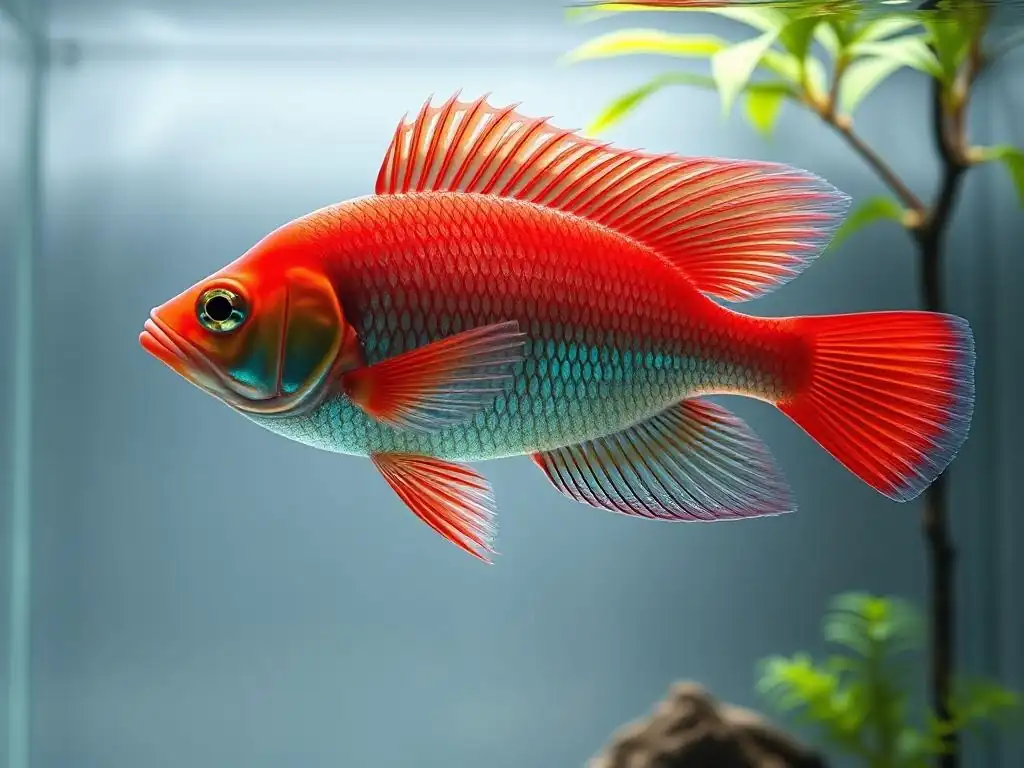
Preparation: Gathering Supplies and Setting Up a Temporary Holding Tank
Before embarking on a major tank cleaning to combat an algae infestation, thorough preparation is crucial. Gather all necessary supplies: an algae scraper (magnetic or blade), a gravel vacuum, multiple clean buckets (at least two, one for dirty water, one for new water), a siphon hose, a dechlorinator, and clean towels. For severe infestations, or if a significant amount of decor needs scrubbing outside the tank, consider setting up a temporary holding tank or a large, clean container (e.g., a new, dedicated plastic storage bin) for your Oscar or Severum.
This temporary holding tank should be filled with water from the main aquarium to match current parameters (temperature, pH) and ideally include an air stone for aeration to minimize stress on the fish during their temporary relocation. Having everything ready before you start will streamline the process and reduce stress for both you and your fish, contributing to effective Oscar severum algae control.
Cleaning the Tank: Glass, Substrate, and Decorations
Begin by carefully scraping algae from all glass surfaces. For stubborn spots, a razor blade scraper designed for aquariums can be highly effective. Next, using a gravel vacuum, thoroughly clean the substrate. Focus on removing accumulated detritus, uneaten food, and fish waste, which are significant nutrient sources for algae. Work systematically across the entire substrate surface, siphoning out dirty water into a designated bucket.
Remove any heavily encrusted decorations, rocks, or driftwood from the tank. Scrub these items outside the aquarium using a dedicated brush and either old tank water or dechlorinated tap water. Avoid using any soaps, detergents, or household cleaners, as these are highly toxic to fish. Rinse all cleaned items thoroughly before returning them to the tank. This comprehensive physical removal is a cornerstone of Oscar severum algae control.
Water Change and Re-Acclimation Process
After manually cleaning the tank surfaces, substrate, and decorations, proceed with a large water change. For a severely algae-infested tank, a 50-70% water change is often recommended to significantly reduce the nutrient load. Siphon out the dirty water, ensuring you also remove any dislodged algae particles floating in the water column.
Once drained, slowly refill the tank with dechlorinated water that is temperature-matched to the aquarium's current temperature. Rapid temperature changes can shock your fish. If your fish were moved to a temporary holding tank, re-acclimate them slowly back into the main tank. This can be done by gradually adding small amounts of the main tank water to their holding container over 20-30 minutes before gently releasing them back. This process minimizes stress and helps re-establish a healthy environment.
Monitoring Water Parameters After Cleaning
Following a major tank cleaning, it is crucial to closely monitor your water parameters for several days. Test for ammonia, nitrite, nitrate, and pH immediately after the cleaning and then daily for the next 3-5 days. Large-scale cleaning, especially if accompanied by extensive filter maintenance, can sometimes temporarily disrupt the beneficial bacterial colonies responsible for the nitrogen cycle, leading to spikes in ammonia or nitrite.
If ammonia or nitrite levels rise, perform smaller, more frequent water changes (e.g., 20% daily) until parameters stabilize. This vigilance is key to preventing further stress on your fish and ensuring the tank quickly returns to a healthy, balanced state. Consistent monitoring helps identify any lingering issues that could contribute to future algae growth, making it a critical part of long-term Oscar severum algae control.
Long-Term Algae Management Strategies for Oscar and Severum Keepers
Regular Maintenance Schedule: Water Changes, Filter Cleaning, and Algae Removal
Establishing and strictly adhering to a regular maintenance schedule is the cornerstone of long-term Oscar severum algae control. For these large, high-bioload fish, a weekly or bi-weekly routine is essential. This schedule should include a 25-30% water change, thorough substrate vacuuming to remove detritus, and a quick wipe-down of the tank glass to remove any nascent algae growth. Consistency is far more effective than sporadic, large-scale cleanings.
Beyond the visible aspects, filter maintenance is equally critical. Clean filter media regularly by rinsing sponges and mechanical filtration components in old tank water (never tap water, which contains chlorine that can kill beneficial bacteria). This prevents the filter from becoming clogged and ensures efficient removal of waste and dissolved organics, thereby reducing the nutrient load that fuels algae. A well-maintained filter is your primary defense against algae recurrence.
Testing Water Quality: Identifying and Addressing Imbalances
Regularly testing water quality is not just a reactive measure but a proactive strategy for long-term Oscar severum algae control. Routine monitoring of nitrate and phosphate levels is particularly important. If these nutrients are consistently high (e.g., nitrates above 20 ppm or phosphates above 0.5 ppm) despite regular water changes, it indicates an underlying issue. This might necessitate adjusting feeding habits, increasing water change frequency, or integrating chemical filtration media like GFO or Purigen into your filter to specifically target these compounds.
Furthermore, monitoring pH and alkalinity (KH) helps ensure water stability. Wild fluctuations in these parameters can stress fish and any live plants, making the environment more conducive to algae growth. By understanding your tank's specific nutrient consumption and waste production rates through consistent testing, you can fine-tune your maintenance regimen to prevent imbalances before they lead to significant algae outbreaks.
Adjusting Feeding Habits: Reducing Excess Nutrients
One of the most common contributors to excess nutrients and, consequently, algae blooms in Oscar and Severum tanks is overfeeding. These fish are voracious eaters, but providing more food than they can consume quickly leads to uneaten pellets or flakes decaying in the substrate, releasing nitrates and phosphates directly into the water column. To combat this, feed high-quality pellets or sticks specifically formulated for cichlids.
Adjust your feeding habits to provide only what your fish can consume completely within 2-3 minutes, once or twice daily. Avoid the temptation to "top off" the tank with extra food. Promptly remove any uneaten food after feeding sessions using a net or siphon. Additionally, incorporating occasional fasting days (e.g., 1-2 times per week) can improve your fish's digestion and further reduce overall waste production, significantly aiding in Oscar severum algae control.
Considering CO2 Injection for Planted Tanks
For Oscar and Severum keepers who manage to maintain a heavily planted aquarium (a challenging feat given these fish's penchant for digging and uprooting), CO2 injection can be a powerful tool for long-term algae management. Healthy, robust plant growth is the most effective competitor against algae for available nutrients and light. By providing supplemental CO2, plants can photosynthesize more efficiently, leading to faster growth and greater nutrient uptake.
However, CO2 injection is an advanced strategy and not typically the first step for Oscar severum algae control. It requires careful monitoring of CO2 levels and water parameters to avoid stressing fish. While it significantly boosts plant growth, which in turn suppresses algae, it also demands a deeper understanding of planted tank dynamics. For most Oscar and Severum setups, which are often sparsely planted, focusing on light, nutrient, and water change management will be more practical and effective.
Troubleshooting Common Algae Problems in Oscar and Severum Tanks
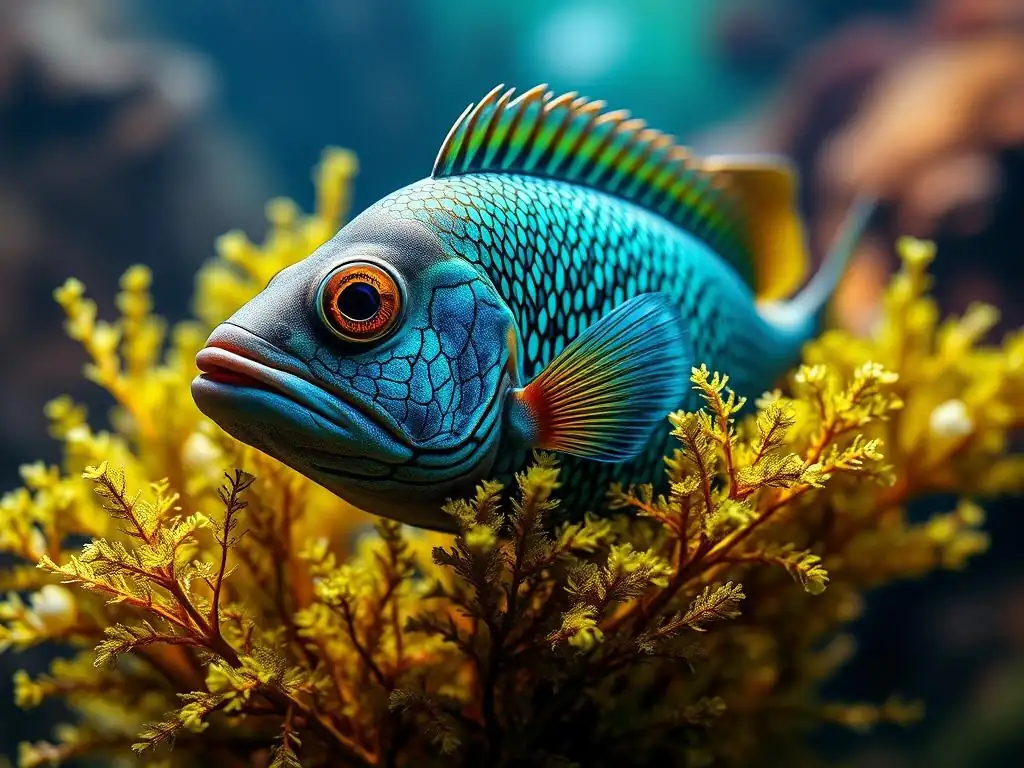
Dealing with Green Water Algae Blooms
Green water, caused by a bloom of free-floating phytoplankton, often makes the aquarium appear cloudy and murky. This common issue is typically triggered by a combination of excess nutrients (high nitrates and phosphates) and too much light. To combat it, begin by performing a large water change (50% or more) to dilute the nutrient concentration. Following this, implement a complete blackout of the tank for 3-5 days by covering it completely with blankets or black plastic to block all light. During this period, avoid feeding your fish.
If green water persists after the blackout, or for a more immediate solution, consider investing in a UV sterilizer. A properly sized and installed UV sterilizer will effectively kill the free-floating algae cells as water passes through it, usually clearing the water within a few days. Ensure proper water flow through the UV unit for maximum effectiveness. Ongoing Oscar severum algae control for green water involves regular water changes and careful feeding.
Removing Stubborn Black Beard Algae (BBA)
Black Beard Algae (BBA), or Red Algae, is notoriously stubborn and appears as dark, fuzzy tufts on decor, equipment, and plant leaves. It often indicates fluctuating CO2 levels (in planted tanks) or inconsistent nutrient levels. Manual removal is crucial: vigorously scrub affected decorations outside the tank, and carefully trim any heavily infected plant leaves. For BBA on equipment or glass, a razor blade scraper can be effective.
For persistent BBA, spot treatment with liquid carbon products containing glutaraldehyde can be highly effective. Using a syringe, carefully squirt the product directly onto the BBA tufts while the filter is off for 10-15 minutes. This direct application often causes the BBA to turn red, then white, and eventually disappear. Addressing the root cause, such as ensuring stable CO2 levels or consistent nutrient management, is essential for long-term Oscar severum algae control against BBA.
Controlling Hair Algae Growth
Hair algae, characterized by long, stringy, green filaments, is a common nuisance that thrives in conditions of excess nutrients (nitrates and phosphates) and/or too much light. The most immediate method of control is manual removal: use a toothbrush or a similar tool to "twirl" the hair algae around it, effectively pulling large clumps out of the tank. Siphoning can also remove detached strands.
To prevent recurrence, address the underlying causes. Increase the frequency and volume of your water changes to dilute nutrient levels. Reduce feeding portions and ensure all food is consumed. Review your lighting schedule and intensity, ensuring it's not excessive for your tank. Introducing fast-growing, hardy plants (if compatible with your cichlids) can also help by outcompeting the algae for available nutrients, contributing to natural Oscar severum algae control.
Addressing Diatom (Brown Algae) Issues
Diatoms, commonly known as brown algae, form a slimy, brownish film on glass, substrate, and decorations. They are particularly common in new aquariums during the first few months as the tank matures, often due to the presence of silicates leaching from the substrate, rocks, or even present in tap water. Fortunately, diatoms are usually self-limiting and tend to disappear as the tank's ecosystem stabilizes and silicate levels naturally deplete.
While waiting for them to recede, manual removal is straightforward as diatoms wipe off surfaces easily. Ensure good water flow throughout the tank, as stagnant areas can encourage their growth. Bristlenose Plecos are excellent at grazing on diatoms and can be a helpful addition if compatible with your Oscar or Severum. If diatoms persist in a mature tank, testing your tap water for silicate levels might be necessary, and considering a silicate-removing filter media could be an option.
Maintaining a Pristine Oscar and Severum Aquarium: Final Tips and Best Practices
Preventing Algae Recurrence: Proactive Measures
Preventing algae recurrence in an Oscar and Severum aquarium hinges on a proactive and consistent approach rather than reactive measures. The most effective strategy is to establish and rigorously adhere to a strict maintenance schedule, including regular water changes, filter cleaning, and manual algae removal. Regularly testing water parameters—especially nitrates and phosphates—allows you to identify and address imbalances before they escalate into full-blown algae blooms.
Equally important is adjusting feeding habits; feeding high-quality food in appropriate quantities and promptly removing uneaten portions significantly reduces nutrient input. Monitor your lighting duration and intensity, ensuring it's optimized for your tank's specific needs. Understanding your unique tank's ecosystem and being vigilant for subtle changes will allow you to implement Oscar severum algae control measures before problems become severe, saving time and effort in the long run.
The Role of Plants in Algae Control and Water Quality
While keeping live plants with Oscars and Severums can be challenging due to their digging and sometimes destructive nature, hardy, fast-growing plant species can play a significant role in algae control and overall water quality. Plants like Anubias, Java Fern (which can be attached to driftwood or rocks), and robust floating plants such as Hornwort or Water Lettuce actively absorb excess nitrates and phosphates from the water column. This nutrient uptake directly competes with algae, effectively starving it of its primary food source.
Beyond nutrient competition, plants contribute to a healthier aquarium environment by oxygenating the water through photosynthesis, which is particularly beneficial in high-bioload tanks. They also offer natural enrichment and hiding spots for your cichlids, reducing stress and promoting more natural behaviors. Even a few strategically placed, robust plants can make a noticeable difference in maintaining a cleaner, more balanced Oscar and Severum aquarium.
Enjoying a Healthy and Beautiful Cichlid Tank.
The ultimate reward for diligent Oscar severum algae control and consistent aquarium maintenance is a healthy, vibrant, and aesthetically pleasing cichlid tank. A clean, algae-free environment not only looks magnificent, showcasing the impressive colors and personalities of your Oscars and Severums, but it is also fundamentally healthier for your fish. Reduced algae means lower nutrient levels, more stable water parameters, and a generally less stressful environment for your aquatic inhabitants.
Healthy fish display more vivid coloration, exhibit natural behaviors, are more active, and are less susceptible to disease. The satisfaction derived from observing these magnificent New World cichlids thriving in a pristine habitat is immense. By implementing the strategies outlined, you can ensure your Oscar and Severum aquarium remains a source of pride and enjoyment, a testament to effective Oscar severum algae control and dedicated fishkeeping.
Frequently Asked Questions
How do Oscars and Severums contribute to algae growth in aquariums?
Oscars and Severums are messy eaters and produce a lot of waste. This increased bioload elevates nutrient levels like nitrates and phosphates, which fuel algae growth. They also disturb the substrate, releasing trapped organics.
What are the best algae-eating fish to safely introduce to an Oscar or Severum tank for algae control?
Introducing algae eaters to an Oscar or Severum tank can be tricky. Bristlenose Plecos and Siamese Algae Eaters can be compatible, but always consider your tank size and the temperament of your existing fish as Oscar and Severum can be aggressive.
What specific water parameters should I monitor to prevent excessive algae growth in my Oscar and Severum aquarium?
Regularly test your water for nitrates, phosphates, and ammonia. Aim to keep nitrates below 20 ppm and phosphates as close to zero as possible. Maintaining a stable pH between 6.5 and 7.5 is also important.
What lighting schedule is optimal for an Oscar and Severum tank to minimize algae blooms?
Limit the light exposure to 8-10 hours per day. Consider using a timer to maintain a consistent schedule. Excess light can directly contribute to algae growth, even with proper water parameters.
Besides algae eaters, what are some effective non-biological methods for algae control in Oscar and Severum tanks?
Regular water changes (25-50% weekly) are crucial to reduce nutrient buildup. Manual removal of algae with a scraper or brush, and adequate filtration with mechanical and chemical media are also effective strategies.
Okay, here's a final reflection crafted to fit your article "Dealing with Stubborn Algae in Oscar and Severum Tanks: A Clean Sweep Guide," focusing on the keyword "Oscar severum algae control" and following your specified structure:
Final Reflection: The Enduring Battle Against the Green Tide
The insights shared throughout this guide on Oscar severum algae control are not merely about maintaining aesthetically pleasing aquariums; they are about preserving the delicate balance of a thriving ecosystem within our homes. The challenges of algae blooms, as we've explored, are persistent and demand a proactive approach, reminding us that responsible fishkeeping is an ongoing commitment to the well-being of our aquatic companions.
This constant vigilance against algae underscores a broader truth: our actions, however small, have a significant impact on the environments we create and inhabit. The dedication required for effective Oscar severum algae control mirrors the dedication needed to address larger environmental concerns. As the renowned aquarist George S. Myers once said: The aquarium is a microcosm of the world, and its care a reflection of our responsibility to the planet.
Now, armed with the knowledge and techniques outlined in this guide, I encourage you to reflect on your own practices and consider how you can further refine your approach to Oscar severum algae control. Let this be more than just a clean sweep; let it be a renewed commitment to creating a healthy, vibrant, and sustainable aquatic environment for your beloved fish. Embrace the challenge, observe the results, and share your experiences – together, we can conquer the green tide and ensure our Oscar and Severum tanks remain a testament to the beauty of responsible fishkeeping.
Ignite Your Tank's Sparkle: Take Action Now!
Thank you for diving deep into the secrets of battling stubborn algae in your Oscar and Severum tanks. We hope you've gained valuable insights and are ready to restore your aquarium to its pristine glory. Now, let's turn that knowledge into action!
Here are a few practical steps you can take today:
- Implement a 25% water change, focusing on gravel vacuuming to remove algae spores and debris. This is the quickest way to reduce the nutrient load fueling the algae bloom!
- Consider adding a small, algae-eating snail team (Nerite or Mystery snails are good choices) to your clean-up crew. Remember to monitor your tank inhabitants so your new crew can do their job safely.
- Share your best algae-fighting tip in the comments below! Let's learn from each other and create a thriving aquarium community.
What single, actionable step will you implement first to reclaim your tank from algae?