
Automatic Fish Feeders: Are They a Blessing or a Curse for Your Aquarium?

Welcome to Aquarium Mastery!
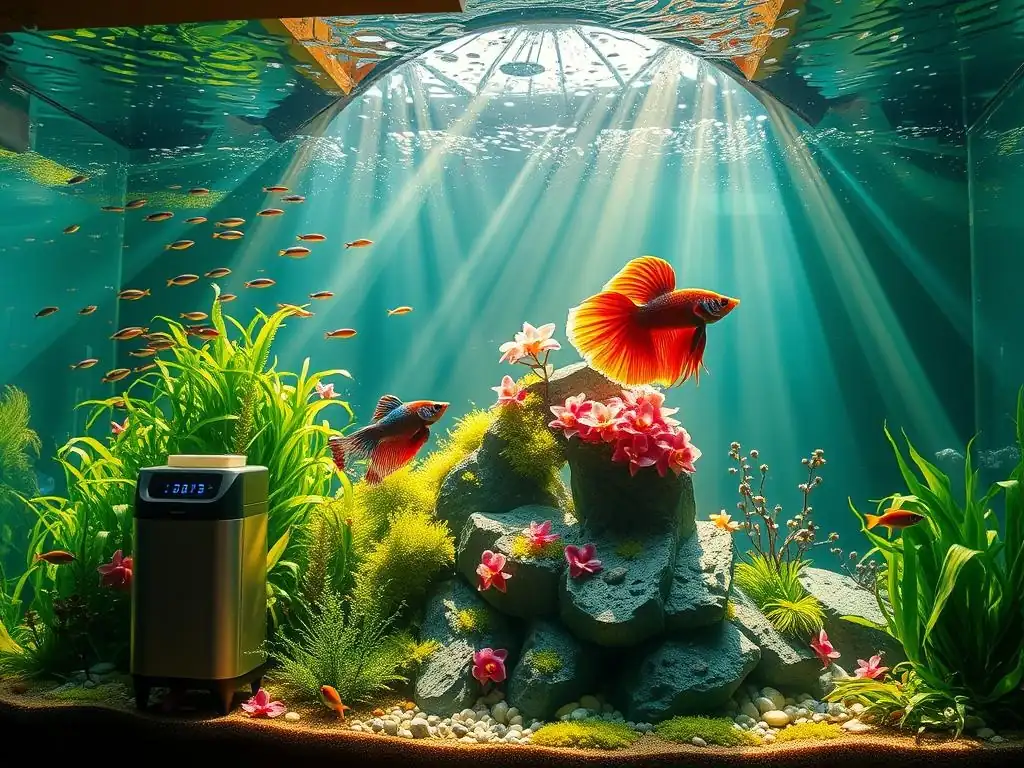
Ever wondered if you could truly automate the feeding process in your aquarium and finally take that worry off your plate? Dive into our latest article and discover whether a best automatic fish feeder is the perfect solution for your finned friends or a potential pitfall to avoid. Could this be the secret to a healthier, happier aquarium, or are there hidden downsides you need to know? Let's explore the pros and cons together!
- Introduction: Simplifying Aquarium Feeding with Automatic Feeders
- Understanding Automatic Fish Feeders: How They Work
- The Pros of Using Automatic Fish Feeders in Your Aquarium
- The Cons of Using Automatic Fish Feeders: Potential Drawbacks
- Choosing the Best Automatic Fish Feeder for Your Needs
- Optimizing Automatic Fish Feeder Use for a Healthy Aquarium
- Troubleshooting Common Automatic Fish Feeder Problems
- Are Automatic Fish Feeders Right for You? A Balanced Perspective
- Conclusion: Mastering Automatic Fish Feeding for a Thriving Aquarium
- Frequently Asked Questions
- Final Reflection: Balancing Convenience and Care
- Transform Your Tank: Embrace Smart Feeding!
Introduction: Simplifying Aquarium Feeding with Automatic Feeders
For many aquarists, the daily ritual of feeding fish is a cherished moment, a chance to observe their aquatic inhabitants up close. However, modern lifestyles often make consistent manual feeding a challenge, leading to the rise of automatic fish feeders. These devices promise convenience and regularity, potentially transforming a daily chore into a hands-off operation. The question then arises: are these automated solutions truly the best automatic fish feeder option, or do they introduce new complications into aquarium care?
This article delves into the functionality, benefits, and potential drawbacks of automatic fish feeders, providing a balanced perspective to help you determine if they are the right choice for your aquarium. We will explore their various types, key features, and offer guidance on optimizing their use to maintain a healthy and thriving aquatic environment, ultimately helping you decide if an automatic feeder is a blessing or a curse for your specific setup.
Understanding Automatic Fish Feeders: How They Work
Automatic fish feeders are designed to dispense precise amounts of food into your aquarium at pre-set intervals, eliminating the need for manual feeding. At their core, these devices combine a food reservoir, a timer mechanism, and a dispensing system. The timer activates at programmed times, triggering the dispenser to release a measured portion of dry fish food—typically flakes, pellets, or crisps—into the water. This automation ensures consistency, which is crucial for the health and well-being of your fish.
Most models operate on batteries, providing flexibility in placement and protection against power outages for short durations. More advanced units may feature AC power adapters or even Wi-Fi connectivity for remote control. The internal mechanism varies, with some using a rotating drum to expose a food compartment, while others employ an auger or screw system to push food out, each designed to handle different food types and dispense quantities with varying degrees of precision.
Types of Automatic Fish Feeders Available
The market offers several types of automatic fish feeders, each with distinct advantages for different aquarium setups and food types. Drum feeders, for instance, are among the most common and recognizable designs. They feature a rotating drum with one or more adjustable openings through which food falls. These feeders are generally well-suited for flakes and smaller pellets, offering simplicity and reliability. Brands like Eheim and Tetra produce popular drum feeders, often capable of dispensing food up to four times daily, making them a staple for many home aquarists due to their ease of use and affordability.
Another prevalent type is the auger or screw feeder. These devices use a rotating screw mechanism to push food out of a sealed container, offering greater precision, especially for larger pellets, sticks, or even freeze-dried foods.
Auger feeders are often praised for their ability to prevent food clumping and for dispensing more consistent, smaller portions, which is ideal for fish that require frequent, precise feeding. Some advanced models, such as those from Fish Mate, allow for very granular control over portion size and can be programmed for up to 14 individual meals, catering to specialized feeding schedules or multiple food types throughout the day.
Key Features to Consider When Choosing an Automatic Fish Feeder
When selecting the best automatic fish feeder, programmability and flexibility are paramount. Look for models that allow you to set multiple feeding times per day (e.g., 2 to 4 times, which is common for most fish) and adjust portion sizes with precision. Some feeders offer fine-tuning of the dispensing aperture or the number of rotations, ensuring your fish receive just the right amount of food.
Features like a manual feed button for on-demand feeding and clear digital displays for easy programming enhance user experience. Battery life is also a practical consideration; many models can operate for 6 to 12 months on a single set of AA batteries, providing long-term reliability.
Food capacity and compatibility with different food types are equally important. A feeder's reservoir size, typically ranging from 100ml to 300ml for standard models, determines how long it can operate without refilling, which is crucial for extended absences like vacations. Ensure the feeder can accommodate your preferred fish food—whether it's flakes, pellets, crisps, or even a mix.
Crucially, consider moisture protection; humidity is a common enemy of dry fish food, leading to clumping and spoilage. Feeders with sealed hoppers, built-in fans, or connections for air pumps can significantly extend food freshness and prevent dispensing issues, ensuring reliable operation for your aquatic companions.
The Pros of Using Automatic Fish Feeders in Your Aquarium
Automatic fish feeders offer several compelling advantages that can significantly enhance aquarium management and fish health. From ensuring consistent feeding routines to providing peace of mind during absences, their benefits often outweigh the initial investment for many aquarists.
Consistent Feeding Schedules: Maintaining a Healthy Routine for Your Fish
One of the primary benefits of using an automatic fish feeder is the ability to maintain an unwavering feeding schedule. Fish thrive on consistency; predictable meal times reduce stress, promote efficient digestion, and support robust growth. Unlike manual feeding, which can be subject to human forgetfulness or varying daily routines, an automated system ensures that food is dispensed precisely at the programmed intervals, whether it's twice a day or multiple small feedings.
This regularity mimics the natural foraging patterns of many fish species, contributing to their overall vitality and immune system strength. For instance, juvenile fish and fry, which require frequent, small meals for optimal development, can benefit immensely from a feeder that dispenses food every few hours. Consistent feeding can lead to noticeable improvements in fish coloration and activity levels, and in some species, it has been observed to accelerate growth rates by as much as 15-20% compared to irregular, single-daily feeding.
Convenience for Busy Aquarists: Automating Your Fish Feeding
For individuals with demanding schedules, frequent travel, or simply a desire to simplify their daily routines, an automatic fish feeder is a game-changer. It frees up valuable time and mental energy that would otherwise be dedicated to remembering and executing daily feedings. This automation allows aquarists to focus on other crucial aspects of tank maintenance, such as water changes, filter cleaning, or plant care, without the added pressure of adhering to a strict feeding timetable.
Consider a professional who works 10-12 hours a day, often leaving before sunrise and returning after sunset. Manually feeding fish at consistent times becomes a significant challenge, potentially leading to missed meals or rushed, overfed portions. An automatic feeder ensures that fish are fed promptly at, for example, 8:00 AM and 6:00 PM, regardless of the owner's presence, preventing hunger-induced stress or aggression among tank inhabitants. This convenience is a key factor when considering the best automatic fish feeder for a modern lifestyle.
Vacation Feeding Made Easy: Ensuring Your Fish are Fed While You're Away
One of the most common anxieties for aquarists planning a vacation is how to ensure their fish are properly fed. Traditional solutions, such as slow-dissolving feeder blocks, can often pollute the water, provide inadequate nutrition, or fail to cater to all fish in the tank. Automatic fish feeders offer a far more reliable and precise alternative, granting peace of mind when you're away from home.
Instead of relying on a potentially inexperienced neighbor who might overfeed or forget entirely, an automatic feeder dispenses exact portions at pre-set times for the duration of your absence. For a typical two-week vacation, a feeder with a 200ml capacity can often hold sufficient food for a medium-sized community tank, eliminating the risk of nutrient spikes from decomposing feeder blocks or, conversely, starved fish upon your return. This capability makes an automatic feeder an indispensable tool for any aquarist who travels, solidifying its position as a top consideration for the best automatic fish feeder for travel.
Controlled Portion Sizes: Preventing Overfeeding and Waste
Overfeeding is a pervasive problem in the aquarium hobby, often leading to detrimental consequences such as poor water quality, algae blooms, and fish health issues. It's remarkably easy to accidentally dispense too much food when feeding manually, especially with enthusiastic fish. Automatic feeders, however, eliminate this human error by dispensing only the pre-programmed amount.
By precisely controlling portion sizes, automatic feeders significantly reduce the amount of uneaten food that decays in the tank, thereby preventing spikes in ammonia and nitrite levels (e.g., keeping ammonia at 0 ppm instead of potential spikes to 0.5 ppm). This also curtails excessive nutrient availability that fuels unsightly algae growth, potentially reducing the need for algae scraping by 30-40%. Properly calibrated, an automatic feeder can dispense as little as 0.2 grams of flakes per feeding, minimizing waste and maintaining stable water parameters, which is crucial for a healthy aquatic ecosystem.
The Cons of Using Automatic Fish Feeders: Potential Drawbacks
While automatic fish feeders offer significant advantages, they are not without their potential downsides. Relying solely on automation can introduce new challenges, ranging from mechanical failures to a reduced connection with your aquarium.
Potential for Malfunctions: What Happens When They Fail?
Like any electronic device, automatic fish feeders are susceptible to malfunctions. Mechanical failures, such as jammed gears, or electrical issues, like sudden battery drainage or internal circuit faults, can lead to critical problems. A feeder might stop dispensing food altogether, leaving fish unfed, or conversely, it could jam open, dumping its entire contents into the tank.
The consequences of such failures can be severe. If a feeder jams open and releases a large quantity of food, the sudden influx of organic matter can cause a rapid and dangerous ammonia spike (e.g., from 0 ppm to a lethal 5 ppm within hours), deplete oxygen levels, and potentially lead to a complete tank crash, resulting in widespread fish loss. Conversely, a feeder that fails to dispense food for several days, especially when the owner is away, can lead to starved, weakened fish more susceptible to disease, or even mortality, particularly for species that require consistent, frequent meals.
Over-Reliance and Neglect: Losing Touch with Your Aquarium
One subtle but significant drawback of automatic feeders is the potential for aquarists to develop an over-reliance on the device, leading to reduced hands-on interaction and observation. The daily ritual of manual feeding often serves as a crucial opportunity to closely inspect fish for signs of disease, injury, or unusual behavior, and to assess the overall health of the tank.
When feeding becomes automated, aquarists might spend less time observing their aquatic inhabitants. This reduced vigilance can result in missing early warning signs of problems, such as the onset of Ich spots, fin rot, or a fish becoming lethargic, for several days. By the time these issues are noticed during routine maintenance, the condition may have progressed significantly, requiring more intensive and challenging treatment. This detachment can hinder an aquarist's ability to respond promptly to emerging issues, impacting the long-term health of the aquarium.
Food Quality and Degradation: Keeping Fish Food Fresh
The food stored within an automatic fish feeder is continuously exposed to air and, often, the humid environment immediately above the aquarium water. This prolonged exposure can lead to the degradation of food quality over time, especially for sensitive nutrients like vitamins. Humidity can also cause dry foods, particularly flakes, to clump together, leading to dispensing issues.
For example, flake food can lose a significant portion of its essential Vitamin C content—up to 50% within a month—once its container is opened and it's exposed to air and moisture. Stale or damp food not only provides diminished nutritional value but can also become unpalatable to fish, leading to food refusal, or worse, encourage the growth of mold or bacteria within the feeder, which can then be introduced into the tank. This makes selecting the best automatic fish feeder with good moisture protection critical for long-term food freshness.
Initial Investment and Maintenance: Costs Associated with Automatic Feeders
While the convenience of an automatic fish feeder is attractive, it does come with an initial financial outlay and ongoing maintenance considerations. A basic, reliable automatic feeder can range from approximately $20 to $60, while more advanced models with Wi-Fi connectivity, precise programming, or larger capacities can cost upwards of $100 to $150. This upfront expense is a factor, especially for new aquarists on a budget.
Beyond the purchase price, there are ongoing costs. Most battery-operated feeders require replacement batteries, typically 2-4 AA batteries every 6 to 12 months, which adds a few dollars to the annual operating cost. Regular cleaning is also essential to prevent clogs and maintain hygiene, requiring time and potentially mild cleaning solutions. In some cases, if a feeder malfunctions beyond repair, a complete replacement may be necessary, adding to the long-term investment in maintaining the device.
Choosing the Best Automatic Fish Feeder for Your Needs
Selecting the best automatic fish feeder involves more than just picking a popular model; it requires careful consideration of your specific aquarium setup, the types of fish you keep, and their unique feeding requirements.
Factors to Consider: Tank Size, Fish Species, and Feeding Habits
Your tank size directly influences the required food capacity of the feeder. A small 10-gallon nano tank with a few guppies might only need a feeder holding 50ml of flakes to last for weeks, whereas a large 100-gallon community tank with active eaters like cichlids or barbs would benefit from a feeder with a 300ml or larger capacity to avoid frequent refills.
The species of fish you keep dictates the type of food they eat (flakes, pellets, crisps, sticks) and their feeding frequency. Carnivorous fish might thrive on fewer, larger meals, while herbivorous grazers or juvenile fish may require multiple small feedings throughout the day.
Consider the specific feeding habits of your fish. Surface feeders will readily consume floating flakes, but bottom dwellers like Corydoras catfish or plecos require sinking pellets, which some feeders handle better than others. For certain sensitive species, such as Discus, consistency is paramount, necessitating a feeder with highly precise and frequent dispensing capabilities. Additionally, evaluate your tank's environment; open-top tanks or those with high humidity levels (e.g., near sumps) will benefit from feeders equipped with active drying systems or well-sealed hoppers to prevent food clumping and spoilage.
Top Automatic Fish Feeder Brands and Models
When searching for the best automatic fish feeder, several brands consistently receive high marks for reliability and functionality. The Eheim Everyday Feeder is a perennial favorite, known for its robust build, adjustable feeding times (up to four times daily), and a unique ventilation system that keeps food dry. It's an excellent all-rounder for flakes and pellets, typically retailing for $40-$60. For those on a tighter budget, the Tetra My Aquarium Automatic Fish Feeder offers a simple, effective solution for basic needs, usually available for $20-$30.
For more specialized needs, the Fish Mate F14 Automatic Fish Feeder stands out with its ability to program up to 14 individual meals, making it ideal for precise portioning or dispensing different food types over time; this unit typically costs $70-$90. In the realm of advanced technology, Wi-Fi enabled feeders like the PetSafe Healthy Pet Simply Feed (priced around $100-$150) offer unparalleled convenience through smartphone control, allowing for detailed scheduling and monitoring from anywhere. These top models cater to a wide range of aquarist needs, from basic automation to comprehensive smart control.
Setting Up and Programming Your Automatic Fish Feeder: A Step-by-Step Guide
Setting up your automatic fish feeder correctly is crucial for its effective operation. First, install fresh, high-quality batteries (if applicable) or connect the AC adapter. Then, securely mount the feeder to your tank's rim or hood, ensuring it's positioned directly over the water surface to prevent food from falling outside the aquarium. Carefully fill the food chamber with your chosen fish food, taking care not to overfill, as this can impede the dispensing mechanism.
Next, proceed with programming. Set the current time on the feeder's clock. Then, input your desired feeding times; for example, 8:00 AM and 6:00 PM. The most critical step is adjusting the portion size. It's recommended to perform a test dispense into your hand or a small container to gauge the quantity.
For drum feeders, this involves adjusting the aperture opening; for auger feeders, it might involve setting the number of rotations. For the first few days, closely observe your fish's consumption after each automated feeding. If food remains uneaten after 2-3 minutes, reduce the portion. If fish appear constantly hungry or thin, slightly increase the amount. This fine-tuning ensures optimal feeding and prevents both overfeeding and underfeeding.
Optimizing Automatic Fish Feeder Use for a Healthy Aquarium
While automatic fish feeders offer immense convenience, they are most effective when integrated thoughtfully into a comprehensive aquarium maintenance routine. Merely setting it and forgetting it can lead to problems; active monitoring and maintenance are key to unlocking their full potential.
Monitoring Food Consumption: Ensuring Your Fish are Eating Properly
Even with an automatic feeder, consistent observation of your fish remains paramount. The feeder ensures the food is dispensed, but it doesn't guarantee your fish are eating it, or that they are eating enough. After setting up your feeder, dedicate time to watch your fish during and immediately after the scheduled feeding times. Observe if all the dispensed food is consumed within a few minutes (ideally 2-3 minutes). Uneaten food indicates overfeeding, which can quickly degrade water quality.
For the first week, make it a point to check the tank 5-10 minutes after each scheduled feeding. Look for any food settling on the substrate or floating untouched on the surface. If consistently present, reduce the portion size incrementally. Conversely, if your fish appear unusually listless, constantly scavenging, or show signs of weight loss, it might indicate underfeeding, and a slight increase in portion size or frequency is warranted. This ongoing adjustment, based on direct observation, is vital for maintaining a healthy and well-fed fish population.
Regular Maintenance and Cleaning: Preventing Malfunctions and Food Spoilage
To ensure the long-term reliability and hygiene of your automatic fish feeder, regular maintenance and cleaning are indispensable. Food residue, especially from flakes or sticky pellets, can build up within the dispensing mechanism, leading to clogs, jams, or even promoting mold growth within the food chamber. Neglecting cleaning can compromise the feeder's functionality and the quality of the food it dispenses.
Aim to clean the food container and dispensing components at least once a month. Most feeders allow for easy disassembly of these parts. Clean them thoroughly with warm water, without soap or detergents, to remove any accumulated residue. Ensure all components are completely dry before reassembling and refilling the food chamber to prevent moisture-related issues. Proactive battery replacement, perhaps every 6-9 months for battery-operated units, rather than waiting for them to die, can prevent unexpected feeder failures and ensure consistent operation of your best automatic fish feeder.
Supplementing with Manual Feeding: Maintaining a Balanced Approach
While automatic feeders excel at providing consistent daily meals, relying solely on them can limit the variety in your fish's diet and reduce your direct interaction with your aquarium. Supplementing automated feedings with occasional manual feeding offers significant benefits for both your fish and your connection to the hobby.
Manual feeding sessions provide an excellent opportunity to introduce a wider variety of foods, such as live or frozen bloodworms, brine shrimp, daphnia, or blanched vegetables like zucchini slices. These supplementary foods offer essential nutrients, vitamins, and roughage that may not be present in dry staple foods, leading to improved vitality, coloration, and overall health.
For instance, feeding live brine shrimp once or twice a week can significantly boost the immune system and enhance the natural colors of many tropical species. Moreover, these manual sessions allow for closer observation, helping you detect subtle changes in fish behavior or health that might be missed with purely automated feeding.
Troubleshooting Common Automatic Fish Feeder Problems
Even the best automatic fish feeder can encounter issues. Knowing how to troubleshoot common problems can save you stress and ensure your fish remain well-fed.
Dispensing Issues: Addressing Clogging and Jamming
One of the most frequent problems with automatic fish feeders is food not dispensing properly, often due to clogging or jamming. This is commonly caused by humidity clumping the food, oversized food particles getting stuck, or general mechanical wear. If your feeder isn't dispensing, first check the food itself. Is it clumping? If so, ensure the food is completely dry before loading it into the feeder, and consider using a feeder with a built-in fan or desiccant pack to combat humidity.
For jammed mechanisms, gently tap the feeder to dislodge any stuck particles. If the issue persists, carefully disassemble the food chamber and dispensing parts (if your model allows) and clean them thoroughly to remove any sticky residue or foreign objects. Sometimes, using a different food type or a slightly smaller pellet size can resolve recurring jamming issues. Some auger-style feeders are inherently less prone to clogging than drum types when handling uniform pellet sizes.
Power Failures: Backup Options and Prevention
Power-related issues, such as battery drainage or power outages for AC-powered units, can leave your fish unfed. To prevent this, always use fresh, high-quality batteries and replace them proactively, perhaps every 6 months for battery-only units, rather than waiting for them to die. Keep a spare set of batteries on hand.
For AC-powered feeders, unexpected power outages can be a concern. If you live in an area prone to blackouts, consider connecting your feeder to an Uninterruptible Power Supply (UPS), which can provide several hours of backup power. For extended absences, especially vacations, it's wise to have a small, manual feeder or a quality vacation feeder block as a last-resort backup plan, or arrange for a trusted person to check on your tank.
Food Spoilage: Keeping Food Dry and Fresh
Food spoilage within the feeder is a common problem, exacerbated by humidity, heat, and prolonged exposure to air. Spoiled food loses nutritional value and can introduce harmful bacteria or mold into your tank. To mitigate this, store your bulk fish food in airtight containers in a cool, dark place, away from direct sunlight or aquarium heaters.
When filling the feeder, only add enough food for 1-2 weeks at a time to minimize the duration of its exposure to ambient air and humidity. Choose feeders with sealed hoppers or active ventilation systems (e.g., small internal fans) that circulate air to keep the food dry. Some advanced models even include compartments for desiccant packets to absorb moisture. For instance, a feeder with an integrated fan can reduce the humidity within the food compartment by up to 30%, significantly extending the freshness of sensitive flakes and crisps.
Are Automatic Fish Feeders Right for You? A Balanced Perspective
Deciding whether an automatic fish feeder is a beneficial addition to your aquarium setup requires a thoughtful assessment of your personal needs, lifestyle, and fishkeeping philosophy. It's a tool, and like any tool, its value depends on how well it fits your specific situation.
Assessing Your Needs and Lifestyle
Consider your daily routine and commitments. Do you travel frequently for work or leisure? Are your work hours unpredictable, making consistent manual feeding a challenge? Do you sometimes forget to feed your fish, or find yourself rushing through it? If your lifestyle often prevents you from adhering to a strict feeding schedule, or if you value the convenience of hands-off operation during absences, an automatic feeder could be an invaluable asset.
Furthermore, evaluate your fishkeeping goals. Are you breeding fish that require multiple small feedings daily for optimal growth? Do you keep particularly sensitive species that stress easily from inconsistent feeding times? An automatic feeder can support these specialized feeding regimens more reliably than manual methods. However, if you genuinely enjoy the daily interaction of feeding your fish by hand, have a consistent schedule, and are diligent about observation, then a manual approach might be perfectly sufficient and more enjoyable for you.
Weighing the Pros and Cons
On one hand, the benefits of automatic fish feeders are compelling: they ensure consistent feeding schedules, provide unparalleled convenience for busy aquarists, simplify vacation feeding, and precisely control portion sizes, thereby preventing overfeeding and improving water quality. These advantages are strong arguments for many hobbyists seeking to optimize their aquarium care.
On the other hand, the potential drawbacks cannot be ignored: the risk of mechanical malfunctions, the possibility of fostering over-reliance and reducing hands-on observation, the potential for food degradation, and the initial investment cost. These factors necessitate careful product selection, regular monitoring of your fish, and diligent maintenance of the feeder itself to mitigate risks. Ultimately, the decision hinges on whether the significant benefits of automation outweigh these potential challenges for your specific aquarium setup, your personal level of commitment, and your desire for convenience. The best automatic fish feeder is one that aligns perfectly with these individual considerations.
Conclusion: Mastering Automatic Fish Feeding for a Thriving Aquarium
Automatic fish feeders have undeniably transformed aquarium maintenance, offering a blend of convenience and consistency that was once unimaginable. They serve as powerful tools for modern aquarists, ensuring that fish receive regular, precise meals, even when human presence is limited. However, their true value is realized not through blind reliance, but through informed selection, thoughtful integration, and diligent oversight.
Achieving the Best Results with Automatic Fish Feeders
When chosen wisely and maintained meticulously, an automatic fish feeder becomes an invaluable asset, significantly contributing to the health and vitality of your aquatic inhabitants. They are designed to be aids, not replacements for attentive aquarism. To achieve the best automatic fish feeder results, research thoroughly to find a model that perfectly matches your tank size, fish species, and feeding habits.
Integrate it thoughtfully into your routine, using it to ensure consistency while still reserving time for direct observation and supplementary manual feedings. Commit to regular cleaning and proactive maintenance of the feeder, and continuously monitor your fish's consumption. This balanced, hands-on approach ensures you harness the full power of automation while maintaining a thriving, vibrant, and healthy aquarium ecosystem.
Frequently Asked Questions
How does an automatic fish feeder work?
An automatic fish feeder typically uses a timer and a dispenser to release a pre-set amount of food into your aquarium at specific intervals. This ensures your fish are fed consistently, even when you're away.
What are the benefits of using an automatic fish feeder?
The main benefits include consistent feeding schedules, which can improve fish health and behavior. They're also incredibly useful for vacations or busy periods when you can't manually feed your fish.
What types of food can I use in an automatic fish feeder?
Most automatic fish feeders are designed for dry foods like flakes, pellets, and granules. Avoid using frozen or live food as they can spoil and clog the feeder.
What are some potential drawbacks of using an automatic fish feeder?
Potential issues include overfeeding, which can lead to poor water quality, and malfunctions that could result in no food being dispensed. Regular monitoring is crucial.
How do I choose the best automatic fish feeder for my aquarium?
Consider the size of your aquarium, the type of food you use, and the reliability of the feeder. Look for models with adjustable dispensing amounts and reliable timers.
Final Reflection: Balancing Convenience and Care
The exploration of automatic fish feeders, while seemingly focused on the practicality of automated feeding, ultimately reveals a deeper conversation about responsible pet ownership in our increasingly busy lives. The convenience these devices offer is undeniable, yet the potential pitfalls – from overfeeding to mechanical failures – underscore the importance of mindful engagement with our aquariums. This isn't just about finding the best automatic fish feeder; it's about understanding the delicate ecosystem we're responsible for maintaining.
The impact of technology on our hobbies and passions is undeniable, and the aquarium hobby is no exception. My own experience with aquariums has taught me that the most rewarding moments come from observing and understanding the subtle nuances of the aquatic environment. The best aquarium is not just a tank full of water, but a carefully crafted ecosystem that reflects the dedication and understanding of its keeper.
This quote encapsulates the idea that technology should enhance, not replace, the human element of care and attention.
Ultimately, the decision to use an automatic fish feeder is a personal one, but it should never come at the expense of your fish's well-being. As you consider incorporating this technology into your aquarium routine, remember that the best approach is one that prioritizes observation, understanding, and a genuine commitment to the health and happiness of your aquatic companions. Let's strive to be informed and engaged aquarists, using technology as a tool to enhance our care, not replace it.
Transform Your Tank: Embrace Smart Feeding!
Thanks for diving into the world of automatic fish feeders! We hope you've gained a clearer understanding of whether one of these gadgets is right for your finned friends. Now, let's put that knowledge into action!
- Investigate the best automatic feeder for your aquarium's specific needs and budget. Consider fish type, tank size, and food requirements.
- Share this article with fellow aquarium enthusiasts to spark a conversation about their experiences with automatic feeders.
- Brainstorm some creative ways to supplement automatic feeding with live or frozen foods for optimal fish health and enrichment.
What innovative feeding strategies will you implement to keep your aquarium thriving?