
Algae Annihilators: How Tangs Keep Your Reef Tank Spotless Naturally

Welcome to Aquarium Mastery!
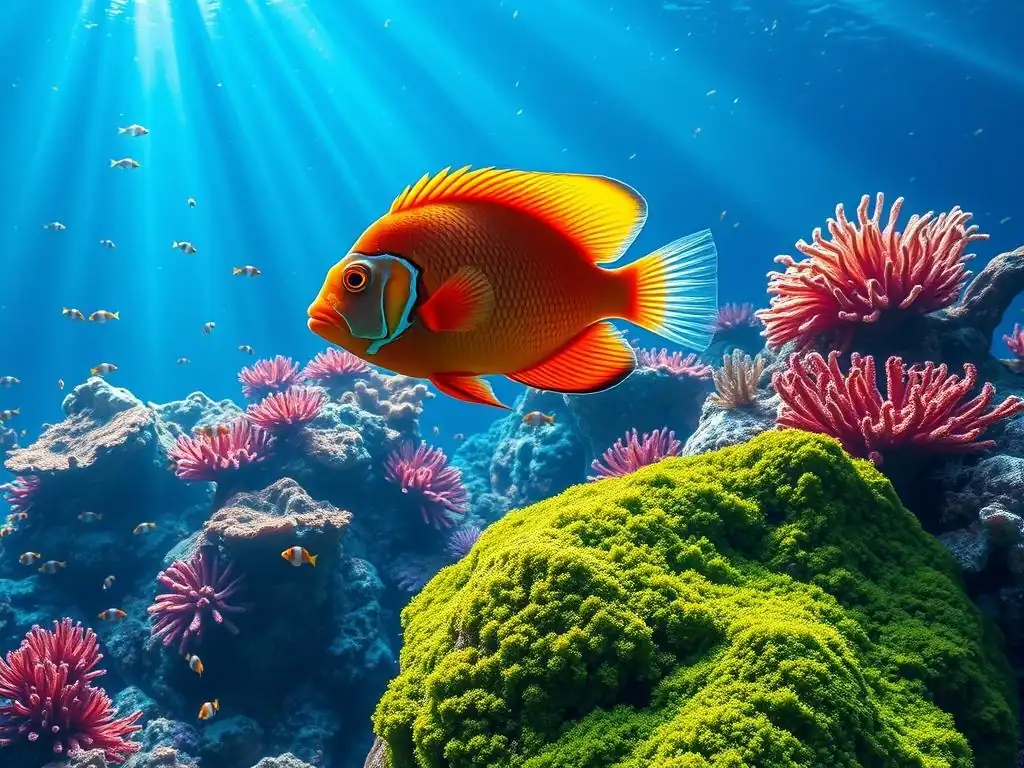
Ever wondered how to achieve a pristine reef tank without constant scrubbing? Dive into the fascinating world of tangs and discover how these vibrant fish become natural algae control experts. Prepare to unlock the secrets to a beautifully balanced ecosystem and learn everything you need to know about these remarkable reef inhabitants. Ready to meet your algae-annihilating allies? Let's explore!
- Understanding Tangs: Natural Algae Control Experts in Reef Aquariums
- Selecting the Right Tang Species for Algae Grazing in Your Reef Tank
- Optimizing Your Reef Tank for Tang Algae Control
- Tang Nutrition Beyond Algae: Supplementing Their Diet for Optimal Health
- Preventing and Addressing Common Tang Health Issues
- Responsible Tang Ownership and Sustainable Practices
- Maximizing Algae Control with Tangs: A Comprehensive Guide
-
Frequently Asked Questions
- What types of tangs are most effective at controlling algae in a reef tank?
- How many tangs can I safely keep in my reef tank to control algae?
- What other factors besides tangs are important for controlling algae in a reef tank?
- Are there any risks to using tangs for algae control?
- What should I do if my tangs aren't eating enough algae to control the problem?
- Final Reflection: The Living Symphony of Balance
- Ignite Your Reef: Unleash the Tang Power!
Understanding Tangs: Natural Algae Control Experts in Reef Aquariums
What are Tangs and Why are They Popular for Algae Management?
Tangs, also known as Surgeonfish, belong to the family Acanthuridae and are renowned for their vibrant colors and distinctive scalpel-like spines near their tails. These marine fish are primarily herbivores, with their natural diet consisting largely of various forms of macroalgae and microalgae found on coral reefs. Their specialized mouths, often equipped with comb-like teeth, are perfectly adapted for scraping algae from rocks, coral skeletons, and other surfaces. This natural grazing behavior makes them highly sought after by reef aquarists looking for effective, biological solutions to nuisance algae.
Their popularity in the hobby is largely due to their dual benefit: aesthetic appeal and functional algae control. A healthy Tang can actively graze throughout the day, significantly reducing the buildup of unsightly algae that can quickly overrun a reef tank. For instance, a medium-sized Yellow Tang (Zebrasoma flavescens) can spend over 70% of its active hours grazing, demonstrating a constant effort to keep surfaces clean. This consistent consumption is a key reason why many hobbyists believe Tangs control reef algae more effectively than many other methods.
The Role of Tangs in a Healthy Reef Ecosystem
In their natural habitat, Tangs play a critical ecological role as primary grazers. They prevent algal overgrowth on coral reefs, which is essential for the health and survival of corals. Without sufficient herbivory, fast-growing algae can outcompete and smother corals, leading to reef degradation. Tangs act as natural lawnmowers, maintaining a delicate balance by keeping algal populations in check, thereby allowing corals to thrive and recruit. This grazing pressure helps maintain biodiversity and the structural integrity of the reef.
This vital role translates directly into the home aquarium environment. By introducing Tangs, aquarists replicate a natural process that helps maintain a balanced, thriving reef ecosystem within their glass box. For example, in a well-stocked reef tank, the presence of active grazers like Tangs can reduce the incidence of nuisance algae blooms by as much as 40-60%, compared to tanks without such herbivores. This biological control prevents algae from consuming essential nutrients and light, which would otherwise be vital for coral growth and health.
Tangs as a Biological Algae Solution: A Natural Approach
Utilizing Tangs for algae control represents a biological and sustainable approach, contrasting sharply with chemical treatments or excessive manual removal. Chemical algaecides can be harsh on a sensitive reef ecosystem, potentially harming corals, invertebrates, or beneficial bacteria. Manual scrubbing, while necessary to some extent, is time-consuming and often only a temporary fix if the underlying nutrient issues persist. Tangs, on the other hand, offer a continuous, proactive solution.
As a living part of the ecosystem, Tangs offer a long-term strategy for managing algae. They consume algae as part of their natural feeding behavior, effectively converting nuisance growth into beneficial biomass. This natural method not only reduces the need for constant human intervention but also contributes to a more stable and resilient aquarium environment. A single healthy Tang in a appropriately sized tank can reduce the frequency of glass cleaning by up to 75% and significantly diminish the presence of filamentous algae on rockwork, proving that Tangs control reef algae efficiently and naturally.
Selecting the Right Tang Species for Algae Grazing in Your Reef Tank
Best Tang Species for Controlling Hair Algae
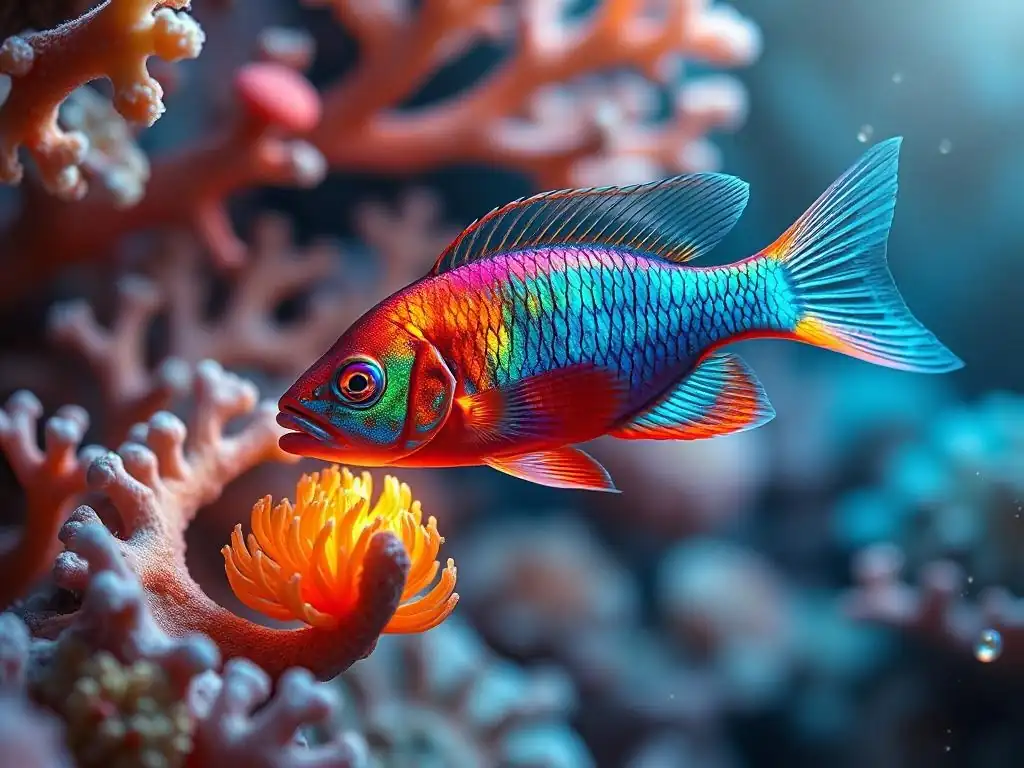
Hair algae (filamentous green algae) is a common nuisance in reef tanks, often forming unsightly green strands that can smother corals. Several Tang species are particularly effective at controlling this type of algae due to their feeding habits and mouth structures.
The Yellow Tang (Zebrasoma flavescens) is perhaps the most famous and widely utilized for this purpose; their constant grazing and ability to navigate through rockwork make them highly efficient at cropping down hair algae. Another excellent choice is the Sailfin Tang (Zebrasoma veliferum or desjardinii), which, despite growing much larger, exhibits similar strong grazing habits on longer strands of algae.
Bristletooth Tangs, such as the Kole Tang (Ctenochaetus strigosus) and Tomini Tang (Ctenochaetus tominiensis), are also highly regarded for their ability to consume hair algae, though their effectiveness might vary depending on the length and density of the algae. These species possess specialized bristle-like teeth that are adept at scraping algae from various surfaces. For example, a mature Yellow Tang in a 100-gallon tank can keep several square feet of rockwork relatively free of hair algae, provided nutrient levels are also managed. Their continuous grazing pressure is key to preventing widespread outbreaks.
Tangs That Excel at Eating Film Algae and Diatoms
Beyond hair algae, reef tanks are often plagued by film algae (a thin, green or brown layer on glass and rocks) and diatoms (brownish, dusty coatings). Certain Tang species are particularly well-suited to tackling these more subtle forms of algal growth. Bristletooth Tangs, including the Kole Tang and Tomini Tang, are exceptionally good at consuming film algae and diatoms. Their unique mouthparts, which act like a brush or scraper, allow them to efficiently clean flat surfaces like aquarium glass and smooth rockwork. Unlike some other Tangs that prefer longer strands, Bristletooth Tangs specialize in the microscopic layers.
Another species known for its film algae and diatom grazing is the Chevron Tang (Ctenochaetus hawaiiensis), though it is less commonly available and can be more expensive. These Tangs are constantly "picking" at surfaces, ensuring that biofilm and diatom layers are kept minimal. For instance, a single Kole Tang can noticeably reduce the frequency of manual glass cleaning in a 75-gallon tank, often keeping the front pane nearly spotless from film algae. Their effectiveness makes them invaluable for maintaining crystal-clear viewing panes and pristine rockscapes.
Choosing Tangs Based on Tank Size and Algae Type
Selecting the appropriate Tang species is paramount, with tank size being a primary consideration alongside the specific type of algae you aim to control. Most Tangs are active swimmers and grow to a considerable size, requiring ample space. For example, a Yellow Tang, which reaches about 8 inches, typically needs a minimum of 75-100 gallons, with a tank length of at least 4 feet to allow for adequate swimming room.
Larger species like the Sailfin Tang (which can exceed 12 inches) or Naso Tangs (which can grow over 18 inches) demand tanks of 180 gallons or more, ideally with lengths of 6 feet or greater. Placing a large Tang in a small tank will lead to stress, stunted growth, aggression, and poor health, ultimately diminishing its effectiveness in algae control.
Furthermore, match the Tang's known dietary preference to your predominant algae problem. If you primarily battle green hair algae, a Zebrasoma species like a Yellow or Sailfin Tang might be ideal. If diatoms and film algae are your main concern, a Bristletooth Tang such as a Kole or Tomini Tang would be more effective.
Researching the adult size and specific grazing habits of each species is crucial to ensure both the fish's well-being and successful algae management. An undersized tank for a Tang will result in a stressed fish that is less likely to graze effectively and more prone to disease.
Considerations for Compatibility with Other Reef Inhabitants
Beyond size and algae preference, the compatibility of Tangs with other reef inhabitants is a critical factor. Many Tang species, particularly those from the Acanthurus genus (e.g., Powder Blue Tang, Blue Tang), can be territorial and aggressive, especially towards other Tangs or fish with similar body shapes. Introducing multiple Tangs often requires a very large aquarium (e.g., 300+ gallons) and careful planning, such as introducing them simultaneously or arranging rockwork to break up lines of sight. Zebrasoma Tangs, while generally more peaceful, can still exhibit aggression towards conspecifics or similar-looking species.
It is also important to consider their compatibility with corals and other invertebrates. While Tangs are primarily herbivorous, some species might occasionally nip at LPS (Large Polyp Stony) corals or clam mantles if underfed or if natural algae sources are insufficient. However, the majority of commonly kept Tangs, especially Yellow and Bristletooth Tangs, are considered reef-safe and pose minimal threat to corals. Always research the specific species' temperament and dietary quirks to ensure a harmonious and healthy reef environment for all inhabitants.
Optimizing Your Reef Tank for Tang Algae Control
Maintaining Ideal Water Parameters for Healthy Tangs and Effective Algae Consumption
Maintaining stable and ideal water parameters is paramount for the health of Tangs, directly impacting their activity levels and, consequently, their effectiveness in algae consumption. Tangs thrive in stable marine conditions typical of a reef environment.
Key parameters include salinity (specific gravity) between 1.023 and 1.026, a stable temperature range of 75-80°F (24-27°C), and a pH level between 8.1 and 8.4. Additionally, low levels of nitrates (ideally below 10 ppm) and phosphates (below 0.03 ppm) are essential, as high nutrient levels can stress fish and fuel nuisance algae growth that even the most diligent Tangs might struggle to keep in check.
Stress from fluctuating parameters can suppress a Tang's immune system, making it more susceptible to diseases like Ich, and reduce its natural grazing drive. For example, a sudden drop in pH by even 0.2 units can cause respiratory distress in Tangs, leading to lethargy and reduced feeding. Regular water testing (at least weekly for nitrates, phosphates, and alkalinity, and daily for temperature and salinity) and consistent maintenance practices are crucial. Providing a stable environment ensures that Tangs remain active, healthy, and dedicated to their primary role of algae control.
Providing Adequate Space and Swimming Room for Tangs
Tangs are highly active fish that require ample swimming space to thrive. Their natural behavior involves constant patrolling and grazing across wide areas of a reef. Confining them to an undersized tank can lead to chronic stress, stunted growth, aggression towards tank mates, and a reduced appetite for algae.
For instance, a Yellow Tang, which can reach 8 inches in length, needs a tank with a minimum of 75-100 gallons and at least 4 feet of linear swimming space. Larger species like Naso Tangs (up to 18 inches) require tanks well over 180 gallons, often needing lengths of 6 feet or more.
The aquascape should also be designed to accommodate their needs. While Tangs appreciate rockwork for hiding and grazing, large open areas are equally important for their constant movement. Overly cluttered tanks can restrict their swimming, leading to stress. Providing sufficient space not only promotes their physical health but also encourages their natural grazing behavior, making them more effective algae controllers. A Tang that can swim freely and feels secure is more likely to exhibit its full potential in keeping your reef tank spotless.
Ensuring Proper Lighting to Encourage Algae Growth (for Tangs to Graze On)
While the goal is to control nuisance algae, Tangs require a consistent source of algae to graze on as part of their natural diet. This means maintaining proper lighting conditions that encourage the growth of healthy, desirable microalgae and biofilm on your tank's surfaces. A typical reef tank lighting schedule of 10-12 hours per day, with appropriate spectrum and intensity for corals, will also foster the growth of these beneficial algal films. These films provide a continuous food source for your Tangs, ensuring they remain well-fed and active grazers.
However, it's a delicate balance; excessive lighting or nutrient imbalances can lead to an explosion of undesirable, fast-growing algae that even Tangs cannot fully manage. The idea is to have a consistent, low-level growth of edible algae rather than rampant outbreaks. If your tank is too "clean" due to very low nutrients or insufficient lighting, your Tangs might not find enough natural food, necessitating increased supplemental feeding. A healthy ecosystem with moderate, controllable algae growth ensures your Tangs have a constant supply of their preferred food, making them the best choice when Tangs control reef algae.
Tang Nutrition Beyond Algae: Supplementing Their Diet for Optimal Health
The Importance of a Varied Diet for Tangs in Captivity
While Tangs are renowned for their algae-eating prowess, relying solely on the algae naturally growing in a captive reef tank is often insufficient for their long-term nutritional needs. In the wild, Tangs consume a diverse array of algal species, along with detritus and small invertebrates that live within the algal mat.
This varied natural diet provides a broad spectrum of vitamins, minerals, and other essential nutrients that might not be fully replicated by the limited types and quantities of algae available in a home aquarium. A diet exclusively based on tank algae can lead to nutritional deficiencies, weakening the fish and making it more susceptible to disease.
Therefore, supplementing their diet with high-quality, marine-based greens is crucial. This includes offering dried marine algae sheets (nori or spirulina) several times a week, secured with a veggie clip. These provide essential fiber, vitamins, and pigments necessary for vibrant coloration and robust health. While some Tangs are strict herbivores, certain species, particularly from the Acanthurus genus, may also consume small amounts of meaty foods in the wild. Ensuring a varied diet mimics their natural feeding patterns and guarantees they receive all necessary dietary components for optimal health and continued effective algae control.
Recommended Food Supplements for Tangs: Vitamins and Minerals
To ensure Tangs receive a complete nutritional profile, specific food supplements are highly recommended. High-quality dried marine algae, such as nori or spirulina sheets, should be a staple. Look for products specifically designed for marine herbivores, as these are often fortified with additional vitamins. Beyond these, Tangs particularly benefit from vitamin C supplementation. Head and Lateral Line Erosion (HLLE), a common and often disfiguring disease in Tangs, is strongly linked to dietary deficiencies, particularly a lack of vitamin C, improper lighting, and poor water quality.
Foods enriched with spirulina, chlorella, and various vitamins (especially vitamin C, typically in amounts of 200-500 mg per kilogram of food) can significantly reduce the risk of HLLE and other deficiency-related ailments. These can be in the form of high-quality marine pellets or flakes, which should be offered alongside the algae sheets. Some aquarists also soak their dried foods in liquid vitamin supplements before feeding. This comprehensive approach to nutrition supports the Tang's immune system, enhances their natural coloration, and ensures they remain energetic and effective in their role as algae annihilators.
Avoiding Overfeeding and Maintaining Water Quality
While supplementing a Tang's diet is vital, it's equally important to avoid overfeeding, as this can quickly lead to deteriorated water quality. Uneaten food breaks down, releasing nitrates and phosphates into the water column. These nutrients act as fertilizer for nuisance algae, potentially negating the very purpose of having Tangs. Therefore, a balance must be struck: provide enough food to keep your Tangs healthy and active, but not so much that it contributes to an algae problem.
Feed small amounts frequently, allowing the Tangs to consume all offerings within a few minutes. For instance, offering a small piece of nori once or twice a day, supplemented with a pinch of high-quality pellets, is often sufficient. Regularly observe your Tangs' body condition; they should look full and active, not emaciated or lethargic.
Consistent water changes, efficient protein skimming, and adequate biological filtration will help manage nutrient levels, ensuring that the food provided contributes to the Tang's health rather than to an algae outbreak. This disciplined feeding strategy is crucial for effective long-term algae control where Tangs control reef algae.
Preventing and Addressing Common Tang Health Issues
Recognizing Signs of Malnutrition and Disease in Tangs
Early detection of health issues is crucial for Tangs, as they can be susceptible to various ailments, particularly if stressed or malnourished. Recognizing the signs allows for prompt intervention, significantly improving the chances of recovery. Signs of malnutrition often include faded coloration, a pinched or sunken belly, and reduced activity or grazing. A healthy Tang should exhibit vibrant colors, a full body, and be actively swimming and grazing for the majority of its waking hours.
Symptoms of disease can vary but commonly include white spots on the body and fins (Ich), cloudy eyes, clamped fins, rapid breathing, body lesions or sores, and excessive mucus production. Behavioral changes like hiding more than usual, rubbing against rocks, or refusing food are also strong indicators of distress or illness. For example, a Tang constantly scratching against rocks or exhibiting small white specks resembling salt grains is likely suffering from Ich. Observing your Tangs daily for these subtle changes is the first line of defense in maintaining their health.
Common Tang Diseases and Treatments: Ich, HLLE, and More
Tangs are particularly prone to certain diseases, with Ich (Cryptocaryon irritans), a parasitic infection, being one of the most common. Ich manifests as white spots on the fish's body and fins and can be highly contagious and lethal if not treated swiftly. Treatments often involve transferring the fish to a quarantine tank for copper-based medication or hyposalinity (reduced salinity) treatment.
Head and Lateral Line Erosion (HLLE) is another prevalent issue, characterized by pitting and erosion around the head and along the lateral line. While not directly fatal, it can lead to secondary infections and is primarily linked to poor nutrition (especially lack of Vitamin C), inadequate water quality, and improper lighting. Addressing HLLE requires improving diet and water parameters.
Other issues include bacterial infections (e.g., fin rot, bacterial sores), often secondary to stress or injury, and internal parasites. Bacterial infections can be treated with broad-spectrum antibiotics, often in a hospital tank. Prevention is always better than cure; maintaining pristine water quality, providing a balanced diet rich in vitamins, and minimizing stress are the most effective ways to keep Tangs healthy. For instance, a well-fed Tang with a strong immune system is significantly less likely to succumb to an Ich outbreak compared to a stressed, malnourished one.
Quarantine Procedures for New Tangs to Prevent Disease Introduction
Implementing a strict quarantine procedure for all new Tangs is arguably the most critical step in preventing disease introduction into your main display tank. Many diseases, particularly Ich, can be carried by seemingly healthy fish and then spread rapidly throughout an established aquarium, potentially wiping out an entire collection. A dedicated quarantine tank (QT) should be set up with basic filtration (sponge filter, small power filter), a heater, and PVC pipes for hiding, but no substrate or elaborate rockwork, which can harbor parasites.
New Tangs should be housed in the QT for a minimum of 4-6 weeks. During this period, they should be observed closely for any signs of illness. Many aquarists opt for prophylactic treatment, even if no symptoms are present, to ensure any latent parasites or bacteria are eradicated.
For example, a common protocol involves a 30-day observation period, with potential treatments for Ich (e.g., copper sulfate or Chloroquine Phosphate) and a broad-spectrum antibiotic if needed. This rigorous approach, though requiring initial effort, can save hundreds, if not thousands, of dollars in lost livestock and immense frustration, safeguarding your entire reef system from potential pathogens that could undermine the efforts of Tangs to control reef algae.
Responsible Tang Ownership and Sustainable Practices
Ethical Considerations When Purchasing Tangs
Responsible Tang ownership begins at the point of purchase. The vast majority of Tangs available in the aquarium trade are wild-caught, which raises ethical considerations regarding their collection methods and impact on natural reef ecosystems. When purchasing, it's crucial to choose a reputable fish store or vendor that prioritizes sustainable and ethical collection practices. Inquire about their sourcing and whether they work with collectors who use non-destructive methods (e.g., hand-netting rather than cyanide fishing). Cyanide fishing, for example, stuns fish but often kills surrounding corals and other marine life, and the fish themselves may suffer long-term health issues.
Additionally, consider the size of the Tang you are purchasing relative to your tank's capacity. Avoid impulse buys of large Tangs for smaller tanks, as this leads to stress, stunted growth, and premature death for the fish. A responsible aquarist understands the long-term commitment required for these active, long-lived fish. Choosing a healthy, active specimen that shows no signs of disease or stress at the point of sale also contributes to ethical practices, as it reduces the demand for unhealthy or poorly handled fish.
Supporting Sustainable Aquaculture and Reef Conservation Efforts
Supporting sustainable aquaculture is a significant step towards responsible Tang ownership and reef conservation. While aquacultured Tangs are not as widely available as their wild-caught counterparts, their availability is slowly increasing, particularly for species like the Yellow Tang. Purchasing aquacultured fish reduces the pressure on wild populations and minimizes the environmental impact of collection. Aquacultured fish are also often hardier and less prone to disease, as they are accustomed to captive life and have not endured the stresses of wild capture and transport.
Beyond individual purchases, supporting organizations dedicated to marine conservation and sustainable aquaculture initiatives is vital. Groups like the Marine Aquarium Council (MAC) or local reef conservation programs work to promote responsible collection, trade, and propagation of marine ornamental species.
Donating to or volunteering with such organizations helps protect the very reefs from which these magnificent fish originate. By consciously choosing sustainable options and supporting conservation, aquarists contribute to the long-term health of our oceans, ensuring that future generations can also enjoy the beauty of Tangs in their natural habitats and continue to observe how Tangs control reef algae in their home aquariums.
Alternatives to Tangs for Algae Control if Necessary
While Tangs are exceptional algae grazers, they are not suitable for every reef tank due to their size requirements, potential aggression, or specific care needs. In such cases, several effective alternatives can help manage algae. Various species of snails are excellent detritivores and algae eaters, with Turbo Snails and Trochus Snails being particularly effective at consuming film algae and diatoms from rocks and glass.
A general guideline is to have one snail per 10-15 gallons of tank volume, though this can vary. Hermit crabs, such as the Blue Leg or Scarlet Hermit, also contribute by consuming detritus and small amounts of algae.
For specific algae types, other fish or invertebrates can be beneficial. Lawnmower Blennies (Salarias fasciatus) are renowned for their ability to consume hair algae and are suitable for smaller tanks (e.g., 30+ gallons) where Tangs would be too large.
Sea urchins, like the Tuxedo Urchin (Mespilia globulus), are voracious algae eaters that can tackle even tough coralline algae overgrowth. Ultimately, the most effective algae control strategy often combines these biological grazers with good husbandry practices, such as regular water changes, proper filtration, and nutrient export methods like protein skimming and GFO (Granular Ferric Oxide) use, ensuring a holistic approach to a spotless reef tank.
Maximizing Algae Control with Tangs: A Comprehensive Guide
Combining Tangs with Other Algae-Eating Invertebrates
While Tangs are highly effective algae grazers, a truly comprehensive algae control strategy often involves combining them with a diverse cleanup crew of algae-eating invertebrates. Different species specialize in different types of algae or prefer certain surfaces, creating a synergistic effect that leaves fewer untouched areas for algae to thrive.
For instance, Tangs excel at grazing broad surfaces and longer strands of algae, but snails like Turbo Snails (e.g., Turban Snails) are superb at cleaning glass, smooth rock surfaces, and even inside small crevices. A typical 100-gallon reef tank might benefit from 5-10 Turbo Snails and 5-8 Trochus Snails to complement a Tang's grazing.
Hermit crabs, such as the Scarlet Hermit Crab (Paguristes cadenati) or Blue Leg Hermit Crab (Clibanarius tricolor), contribute by consuming detritus and smaller algae patches, often reaching areas that fish cannot. Sea urchins, particularly the Tuxedo Urchin, are powerful grazers that can tackle stubborn patches of hair algae or even some forms of nuisance coralline algae. By assembling a varied team of grazers, you create a multi-layered defense against algae, ensuring that all surfaces and algae types are regularly targeted, thus maximizing the effectiveness of how Tangs control reef algae.
Regular Tank Maintenance and Algae Removal Techniques
Even with a dedicated team of Tangs and other grazers, regular manual tank maintenance remains an indispensable part of comprehensive algae control. Biological solutions significantly reduce, but rarely eliminate, the need for human intervention. Consistent routines like weekly water changes (e.g., 10-20% of tank volume) are crucial for exporting dissolved nutrients like nitrates and phosphates, which are primary fuel sources for algae growth. If phosphate levels are consistently above 0.03 ppm, consider using phosphate-removing media like GFO.
Manual algae removal, such as scraping algae from the glass with a magnetic cleaner or blade, and siphoning detritus from the substrate, should be performed regularly. For example, glass cleaning might be reduced from daily to every 2-3 days with effective Tangs, but it's still necessary. Brushing algae off rockwork with a toothbrush or siphoning off hair algae during water changes prevents it from becoming established in areas even Tangs struggle to reach. This proactive approach ensures that any algae that escapes your Tangs' efforts is quickly addressed, maintaining a pristine environment.
Monitoring Algae Growth and Adjusting Strategies as Needed
Effective algae control is an ongoing process that requires continuous monitoring and strategic adjustments. Regularly observe your tank for the types and locations of algae growth. If you notice a particular type of algae (e.g., long strands of green hair algae, patches of bubble algae, or extensive diatom blooms) becoming more prevalent despite your Tangs' efforts, it indicates an imbalance that needs addressing. For instance, a sudden surge in green hair algae might point to an increase in phosphates or nitrates, requiring more frequent water changes, reduced feeding, or the addition of nutrient export media.
If your Tangs appear to be struggling to keep up with algae growth, consider their diet and health first. Are they getting enough varied greens? Are water parameters stable? Sometimes, adding another compatible algae-eating fish or invertebrate, or adjusting lighting schedules, might be necessary. Conversely, if algae is consistently minimal, you might be able to slightly reduce supplemental feeding or extend cleaning intervals. By actively monitoring and adapting your strategies based on your tank's specific needs, you can ensure that your Tangs remain effective algae annihilators, keeping your reef tank spotless and healthy.
Frequently Asked Questions
What types of tangs are most effective at controlling algae in a reef tank?
Several tangs are known for their algae-eating habits, but the Yellow Tang and Kole Tang are often cited as particularly effective. They graze constantly, helping to keep algae growth in check.
How many tangs can I safely keep in my reef tank to control algae?
The number of tangs depends heavily on your tank size. Overcrowding can lead to stress and aggression. A general rule is to provide ample swimming space and consider the adult size of the tangs you choose.
What other factors besides tangs are important for controlling algae in a reef tank?
While tangs are helpful, they're not a complete solution. Maintaining proper water parameters, adequate filtration, and appropriate lighting are all crucial for preventing algae blooms.
Are there any risks to using tangs for algae control?
Yes, tangs can sometimes become aggressive towards other fish, especially if they are overcrowded or lack sufficient food. They also require a specialized diet beyond just algae.
What should I do if my tangs aren't eating enough algae to control the problem?
Supplement their diet with seaweed sheets or nori attached to a clip in the tank. Also, review your tank's lighting, nutrient levels, and water flow to identify and address the root cause of the excessive algae growth.
Final Reflection: The Living Symphony of Balance
The delicate balance within a reef aquarium, as we've explored, hinges significantly on the role of natural algae control. Understanding how Tangs, those vibrant and active grazers, contribute to this ecosystem is not merely about aesthetics; it's a testament to the power of biodiversity and the interconnectedness of life within a closed environment, a principle that resonates far beyond the glass walls of our tanks.
This journey into the world of Tangs and their algae-eating prowess has underscored the importance of responsible reef keeping. It's a reminder that our actions, even within the confines of a hobby, have real consequences for the delicate ecosystems we strive to replicate. In nature, nothing exists alone.
- Rachel Carson. This quote perfectly encapsulates the symbiotic relationships that define a healthy reef, and the crucial role Tangs play in maintaining that harmony.
As you consider the information presented, I encourage you to reflect on the broader implications of our actions and choices. How can we apply the principles of balance and natural control, learned from the humble reef tank, to other aspects of our lives and the world around us? Let us strive to be conscientious stewards, not just of our aquariums, but of the planet itself, embracing the power of natural solutions and fostering a deeper appreciation for the intricate web of life that sustains us all.
Ignite Your Reef: Unleash the Tang Power!
Thank you for diving into the world of tangs and their algae-eating prowess! We hope you've gained valuable insights into how these magnificent fish can help maintain a pristine reef tank. Now, let's put that knowledge into action.
Here's how you can leverage the power of tangs to keep your aquarium sparkling:
- Start with research: Thoroughly research tang species suitable for your tank size and existing inhabitants before introducing any new fish. This is the single most important step!
- Share your wisdom: Share this article with fellow reefing enthusiasts to help them discover the natural algae-control benefits of tangs.
- Think outside the box: Experiment with offering different types of algae or seaweed to your tangs to see which they prefer, ensuring a balanced diet.
What innovative algae-control strategy are you eager to test out in your reef tank?