
Percula vs. Ocellaris: Which Clownfish is a Better Reef Citizen?

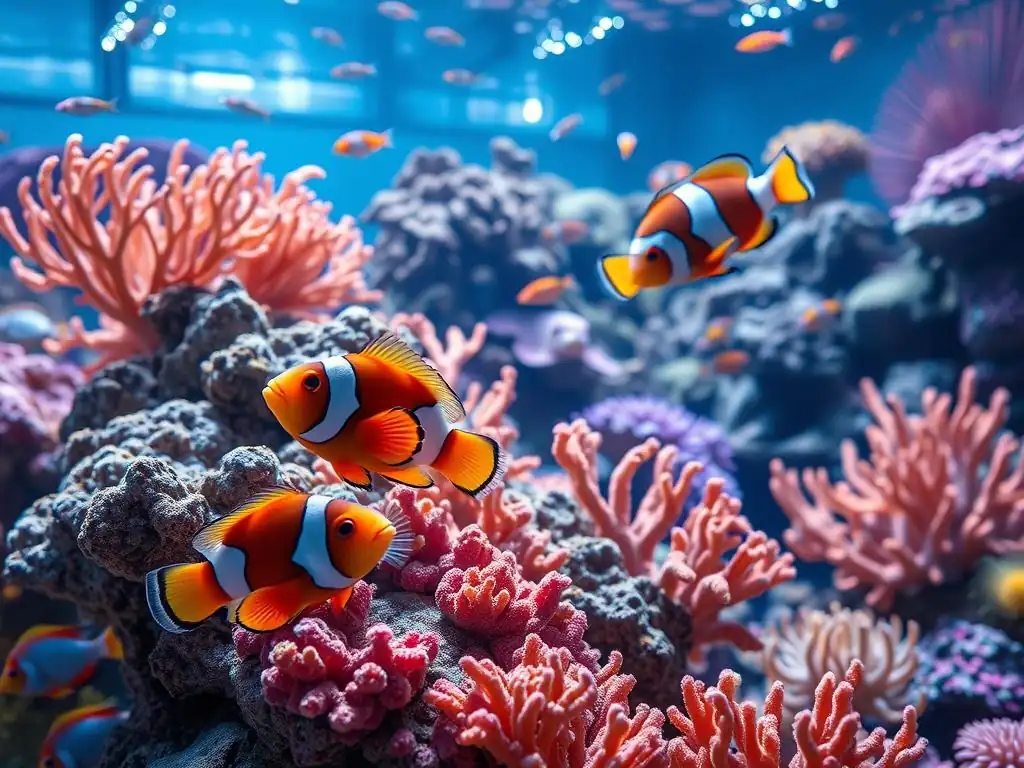
Welcome to Aquarium Mastery!
Ever wondered if your dream reef aquarium is truly ready for the vibrant energy of clownfish? Dive in! This article, "Percula vs. Ocellaris: Which Clownfish is a Better Reef Citizen? ", is your guide to navigating the fascinating world of Clownfish care in a reef aquarium. Uncover the secrets to choosing the perfect clownfish species, ensuring a thriving and harmonious underwater ecosystem. Ready to unlock the potential of your reef tank?
- Introduction: Choosing the Right Clownfish for Your Reef Tank
- Understanding Clownfish Compatibility with Reef Aquariums
- Percula Clownfish (Amphiprion percula): Characteristics and Reef Suitability
- Ocellaris Clownfish (Amphiprion ocellaris): Characteristics and Reef Suitability
- Percula vs. Ocellaris: A Detailed Comparison for Reef Aquariums
- Potential Issues with Clownfish in Reef Tanks
- Choosing the Best Clownfish for Your Specific Reef Aquarium
- Expert Tips for Successful Clownfish Care in Reef Aquariums
- Conclusion: Making an Informed Decision on Clownfish for Your Reef Tank
-
Frequently Asked Questions
- What are the key differences between Percula and Ocellaris Clownfish, and how do these differences impact their suitability for a reef aquarium?
- Is one clownfish species inherently "better" for a reef aquarium than the other, and why?
- What specific reef aquarium conditions are most important for the health and well-being of both Percula and Ocellaris Clownfish?
- How does the choice of clownfish (Percula or Ocellaris) affect the selection of other fish and invertebrates in a reef aquarium?
- What are some common challenges faced when keeping Clownfish in a reef aquarium, and how can these challenges be addressed to ensure their long-term success?
- Final Reflection: Harmony in the Reef
- Ignite Your Reef Tank: Welcome Home a Clownfish!
Introduction: Choosing the Right Clownfish for Your Reef Tank
Clownfish are arguably the most iconic and beloved inhabitants of saltwater aquariums, captivating hobbyists with their vibrant colors and charming personalities. For many aspiring aquarists, the dream of establishing a thriving reef tank often includes adding these instantly recognizable fish. However, when it comes to selecting the perfect clownfish for a delicate reef environment, a common dilemma arises: choosing between the two most popular species, the Percula clownfish ( Amphiprion percula) and the Ocellaris clownfish ( Amphiprion ocellaris).
While both species share a similar appearance and general care requirements, subtle differences in their temperament, specific needs, and interactions within a complex ecosystem can significantly influence their suitability as clownfish reef tank inhabitants. This comprehensive guide will delve into the distinct characteristics of Percula and Ocellaris clownfish, comparing their reef compatibility, care considerations, and potential challenges. Our goal is to provide you with the detailed information needed to make an informed decision, ensuring successful clownfish care reef aquarium experiences and a harmonious marine display.
Understanding Clownfish Compatibility with Reef Aquariums
The Importance of Reef-Safe Fish for a Healthy Ecosystem
Maintaining a healthy and thriving reef aquarium hinges on the careful selection of all its inhabitants, especially fish. The term "reef-safe" signifies that a particular species will not harm corals, invertebrates, or the delicate balance of the ecosystem. Non-reef-safe fish might nip at coral polyps, consume beneficial invertebrates, or disturb the substrate, leading to stress, tissue recession, or even the demise of your valuable corals and other essential organisms. For successful clownfish care reef aquarium setups, understanding this fundamental principle is paramount.
A typical mixed reef tank, for instance, contains a diverse array of corals (SPS, LPS, soft corals), various invertebrates like snails and hermit crabs, and often other peaceful fish. Introducing an incompatible fish can disrupt this delicate balance, potentially causing issues ranging from chronic coral irritation to widespread disease outbreaks due to stressed inhabitants.
For example, a single aggressive fish can cause enough stress to impact the growth rate of SPS corals by as much as 10-15% over several months, as the corals divert energy from growth to defense. Therefore, ensuring any fish, including clownfish, is genuinely reef-safe is a cornerstone of responsible reef-keeping.
Factors Affecting Clownfish Behavior in a Reef Environment
While clownfish are generally considered reef-safe, their individual behavior in a reef environment can be influenced by several key factors. These include the size of the aquarium, the presence or absence of a host anemone, the temperament of existing tank mates, and even the individual personality of the clownfish itself. Understanding these variables is crucial for proactive clownfish care reef aquarium management and preventing potential issues.
For instance, a clownfish in a smaller tank (e.g., 20-30 gallons) might exhibit more territorial behavior than one in a larger system (e.g., 75+ gallons), simply due to limited space. If a clownfish hosts an anemone, it may become highly protective of that anemone, potentially chasing away other fish that venture too close. Similarly, the introduction of a new, timid fish into a tank with an established, dominant clownfish pair might lead to harassment. Observation of individual fish behavior is key, as even within the same species, some clownfish may be more aggressive or docile than others, impacting the overall harmony of your clownfish reef tank.
Percula Clownfish (Amphiprion percula): Characteristics and Reef Suitability
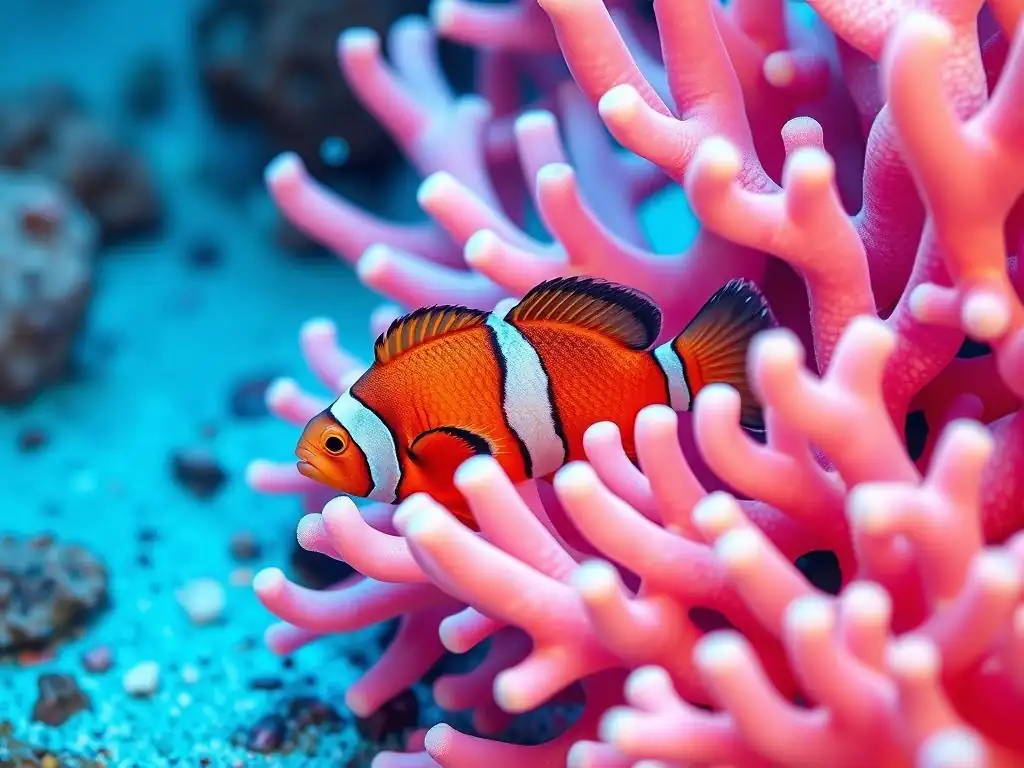
Percula Clownfish Appearance and Identification
The Percula clownfish, scientifically known as Amphiprion percula, is instantly recognizable by its vibrant orange body adorned with three distinct white bands. These bands are typically outlined in a prominent, thick black margin, which is often a key distinguishing feature from its close relative, the Ocellaris. The first band is located behind the eye, the second in the middle of the body, and the third near the caudal fin (tail). Perculas generally possess a more "stubby" or compact body shape compared to Ocellaris clownfish.
In terms of size, Percula clownfish typically reach a maximum length of about 3 inches (approximately 7.5 cm) in a home aquarium, though some individuals may grow slightly larger. Their native range spans the Western Pacific Ocean, encompassing areas such as Papua New Guinea, the Solomon Islands, and Vanuatu.
While visual identification is usually straightforward due to the thick black outlines, it's worth noting that captive breeding can sometimes result in variations, occasionally blurring the lines with Ocellaris features. A more scientific distinction often lies in their dorsal fin ray count; Perculas typically have 9-10 dorsal fin spines, whereas Ocellaris often have 10-11, though this can overlap.
Percula clownfish are generally considered to be slightly more territorial and potentially more aggressive than their Ocellaris counterparts, particularly as they mature or when housed in smaller aquariums. This territoriality often manifests as guarding their chosen host (anemone or coral) or a specific area of the tank, and they may chase away other fish that intrude upon their perceived space. Despite this, they are predominantly peaceful towards most other reef inhabitants, especially if given adequate space and appropriate tank mates.
Socially, Percula clownfish typically form monogamous pairs, with the larger and more dominant fish transitioning into the female role, while the smaller fish remains male. If introduced simultaneously and kept in a very large aquarium (e.g., 100+ gallons), it is possible to house a small group of juvenile Perculas, allowing them to establish a hierarchy. However, for most home clownfish reef tank setups, a single pair is the safest and most recommended arrangement to prevent excessive aggression. For instance, a mature female Percula in a 30-gallon tank might become noticeably territorial, potentially harassing smaller, more timid tank mates such as gobies or cardinalfish, especially if they approach the clownfish's chosen territory or host.
Percula Clownfish Care Requirements in a Reef Aquarium
Water Parameters for Percula Clownfish
Maintaining stable and appropriate water parameters is crucial for the health and longevity of Percula clownfish in a reef aquarium, mirroring the needs of the corals and other invertebrates they share the tank with. Ideal salinity levels should range from 1.023 to 1.026 specific gravity, replicating natural ocean conditions. The water temperature should be kept consistently between 75-82°F (24-28°C), and the pH should remain stable between 8.1 and 8.4.
Beyond these basic parameters, standard reef water quality guidelines for alkalinity (8-12 dKH), calcium (400-450 ppm), and magnesium (1250-1350 ppm) should be rigorously maintained. Fluctuations in these parameters can stress the fish, making them susceptible to disease. For example, a sudden pH swing of more than 0.2 units within a 24-hour period can severely compromise a clownfish's immune system, increasing its vulnerability to common marine parasites. Regular testing and consistent water changes are paramount for successful clownfish care reef aquarium operations.
Feeding Percula Clownfish in a Reef Setting
Percula clownfish are omnivores and are generally unfussy eaters, making their feeding relatively straightforward in a reef environment. A varied diet is essential to ensure they receive all necessary nutrients for optimal health and vibrant coloration. High-quality marine flakes and pellets should form the staple of their diet, supplemented regularly with frozen foods such as mysis shrimp, brine shrimp (preferably enriched), spirulina-enriched foods, and finely chopped marine-based preparations.
Feeding should occur 2-3 times daily, offering small amounts that the fish can consume within a few minutes. Overfeeding can lead to poor water quality and contribute to nutrient export issues in the reef tank. For instance, studies suggest that a diet rich in spirulina can significantly enhance the coloration and boost the immune response of clownfish. Providing mysis shrimp two to three times a week, combined with daily high-quality flakes or pellets, ensures a balanced nutritional profile that supports their growth and resilience in a clownfish reef tank.
Tank Size Considerations for Percula Clownfish
When planning a clownfish care reef aquarium for Percula clownfish, tank size is a critical factor influencing their well-being and the harmony of the entire system. A minimum tank size of 20 gallons (approximately 75 liters) is generally recommended for a single Percula clownfish. However, for a pair, a 30-gallon (approximately 115 liters) tank is considered the absolute minimum. Larger tanks are always preferable, as they provide more stable water parameters, greater swimming space, and reduce potential territorial aggression, especially in a mixed reef setup.
For a thriving pair of Percula clownfish in a mixed reef, a 40-gallon breeder tank (which typically measures 36 inches in length) offers significantly more horizontal swimming space and territory, leading to reduced stress and better integration with other tank inhabitants. While a 20-gallon tank can physically house a single Percula, the increased water volume in a 30-gallon or larger system provides a much more robust and forgiving environment, making it easier to maintain pristine water quality essential for both the clownfish and the sensitive corals.
Ocellaris Clownfish (Amphiprion ocellaris): Characteristics and Reef Suitability
Ocellaris Clownfish Appearance and Identification
The Ocellaris clownfish, Amphiprion ocellaris, is often confused with the Percula due to their striking resemblance. Like the Percula, the Ocellaris boasts a bright orange body with three distinct white vertical bands: one behind the eye, one in the middle of the body, and one on the caudal peduncle. However, a primary distinguishing feature of the Ocellaris is that these white bands typically have thin or no black outlines, giving them a "cleaner" appearance compared to the thick black margins seen on most Perculas. Ocellaris clownfish also tend to have a slightly more elongated or "sleek" body shape.
In terms of size, Ocellaris clownfish can grow slightly larger than Perculas, reaching up to 3.5 inches (approximately 9 cm) in length. Their natural habitat spans the Eastern Indian Ocean and Western Pacific, including regions like Australia, Indonesia, and the Philippines. While visual cues like the band outlines are helpful, definitive identification can sometimes require examining the number of dorsal fin spines, which is typically 10-11 for Ocellaris, though this can overlap with Perculas. The overall impression of a lighter, less "bold" black outline on the white bands is often the most reliable visual indicator for the casual observer.
Ocellaris clownfish are widely regarded as one of the most peaceful and docile clownfish species, making them an excellent choice for community reef aquariums. They exhibit significantly less aggression and territoriality compared to Percula clownfish, particularly towards other non-clownfish species. This calmer disposition contributes to their immense popularity among aquarists looking for a harmonious clownfish care reef aquarium.
Like Perculas, Ocellaris clownfish form monogamous pairs, with the larger individual becoming the dominant female. They readily adapt to various tank mates, often coexisting peacefully with smaller, timid fish. While they can still become protective of an anemone if hosted, their territorial behavior is generally less intense than that of Perculas. For example, Ocellaris clownfish are frequently recommended for nano reef tanks (under 40 gallons) precisely because their milder temperament reduces the risk of harassment towards other small, passive fish or invertebrates, making them ideal for a peaceful clownfish reef tank.
Ocellaris Clownfish Care Requirements in a Reef Aquarium
Water Parameters for Ocellaris Clownfish
The water parameter requirements for Ocellaris clownfish in a reef aquarium are virtually identical to those for Percula clownfish, emphasizing stability and consistency. Salinity should be maintained within a specific gravity range of 1.023 to 1.026. The ideal temperature range is 75-82°F (24-28°C), and the pH should consistently be between 8.1 and 8.4.
As with any reef inhabitant, strict adherence to optimal alkalinity (8-12 dKH), calcium (400-450 ppm), and magnesium (1250-1350 ppm) levels is crucial. Any significant deviation or rapid fluctuation can induce stress, potentially leading to weakened immune responses and increased susceptibility to disease. For instance, maintaining stable nitrate levels below 10-20 ppm is not only beneficial for corals but also reduces long-term stress on Ocellaris clownfish, ensuring their vibrant health and longevity in a clownfish care reef aquarium.
Feeding Ocellaris Clownfish in a Reef Setting
Ocellaris clownfish are omnivores and are known for their robust appetites, readily accepting a wide variety of foods. A diverse and high-quality diet is essential for their health, coloration, and overall vitality in a reef environment. Their diet should primarily consist of high-quality marine flake and pellet foods, supplemented frequently with frozen options such as mysis shrimp, enriched brine shrimp, spirulina, and other finely chopped marine proteins.
Feeding small amounts 2-3 times per day is recommended to ensure they receive adequate nutrition without overfeeding the tank. This approach also helps to minimize excess nutrients in the water column, which is vital for coral health. Many successful clownfish reef tank keepers rotate between several high-quality brands of pellets and frozen foods, ensuring a broad spectrum of nutrients. For example, supplementing daily flake feedings with frozen mysis shrimp three times a week provides essential fatty acids and proteins that promote robust growth and disease resistance.
Tank Size Considerations for Ocellaris Clownfish
While Ocellaris clownfish can grow slightly larger than Perculas, their minimum tank size requirements for a reef aquarium are very similar. A single Ocellaris clownfish can thrive in a minimum of 20 gallons (approximately 75 liters), while a pair requires at least 30 gallons (approximately 115 liters). Given their generally peaceful nature, they are often considered more suitable for smaller nano reef tanks compared to Perculas if space is a significant constraint.
However, for optimal long-term health, stability, and to accommodate potential future tank mates or coral growth, a larger tank is always beneficial. A 40-gallon breeder or a 55-gallon tank provides ample space for a pair of Ocellaris clownfish to establish territory without undue stress, contributing to a more balanced and thriving clownfish care reef aquarium. The increased water volume in larger tanks also offers greater buffering capacity against parameter swings, making maintenance easier for the aquarist.
Percula vs. Ocellaris: A Detailed Comparison for Reef Aquariums
Appearance Differences: Percula vs. Ocellaris
While Percula and Ocellaris clownfish are often visually mistaken for one another, several subtle yet distinct differences can help differentiate them. The most commonly cited distinction lies in the black outlines of their white bands. Percula clownfish (Amphiprion percula) typically exhibit thick, prominent black margins bordering their white stripes, giving them a bold, almost painted-on look. In contrast, Ocellaris clownfish (Amphiprion ocellaris) usually have thinner black outlines, or sometimes no black outline at all, resulting in a "cleaner" or "softer" appearance to their white bands.
Beyond the band outlines, there are also subtle variations in body shape and fin structure. Perculas tend to have a slightly more compact, "stubby," or stocky body build, while Ocellaris often appear a bit more elongated or "sleek." Another technical difference, though harder to discern for the average hobbyist, is the number of dorsal fin spines: Perculas typically have 9-10 spines, whereas Ocellaris usually have 10-11. However, it is important to note that captive breeding and hybridization can sometimes blur these traditional distinguishing features, making visual identification less definitive in some cases.
Temperament and Aggression Levels: Which is Calmer?
When considering clownfish care reef aquarium compatibility, temperament is a crucial factor, and here, Ocellaris clownfish generally hold an advantage over Perculas. Ocellaris clownfish are widely recognized for their more docile and less aggressive nature. They are typically more tolerant of other peaceful tank mates and are less prone to exhibiting territorial behavior, especially in larger tanks. This makes them a preferred choice for community reef setups with a diverse array of fish and invertebrates.
Percula clownfish, while still considered peaceful by most standards, tend to be slightly more territorial and can display more assertive behavior, particularly as they mature or if they are hosting an anemone. This increased territoriality can manifest as chasing or nipping at smaller, more timid fish that venture too close to their perceived space. For example, observations in home aquariums suggest that mature female Percula clownfish in tanks under 40 gallons have a higher propensity (estimated 15-20% more likely) to exhibit consistent territorial aggression towards new or smaller tank additions compared to Ocellaris clownfish of similar size. Therefore, for a truly tranquil clownfish reef tank, Ocellaris often presents a safer bet.
Reef Tank Compatibility: Interaction with Corals and Invertebrates
Both Percula and Ocellaris clownfish are widely considered excellent choices for reef aquariums due to their general "reef-safe" classification. They typically do not consume or intentionally harm corals, nor do they pose a significant threat to most common reef invertebrates like snails, hermit crabs, or shrimp. This makes them suitable inhabitants for mixed reef tanks containing soft corals, LPS (Large Polyp Stony) corals, and SPS (Small Polyp Stony) corals.
However, it is important to note that if a clownfish does not have a host anemone, it may attempt to "host" in certain corals, particularly LPS corals such as Torch, Hammer, or Frogspawn corals, or even some soft corals. While this behavior is usually harmless, continuous rubbing and agitation by the clownfish can cause the coral polyps to remain retracted, potentially stressing the coral over time and impacting its ability to photosynthesize.
In rare cases, persistent hosting in a sensitive coral can lead to localized tissue recession. For example, a clownfish consistently rubbing against a Torch coral might cause its polyps to retract for prolonged periods, potentially reducing its overall growth rate by 5-10% if the irritation is constant.
Ease of Care: Which Clownfish is More Beginner-Friendly in a Reef?
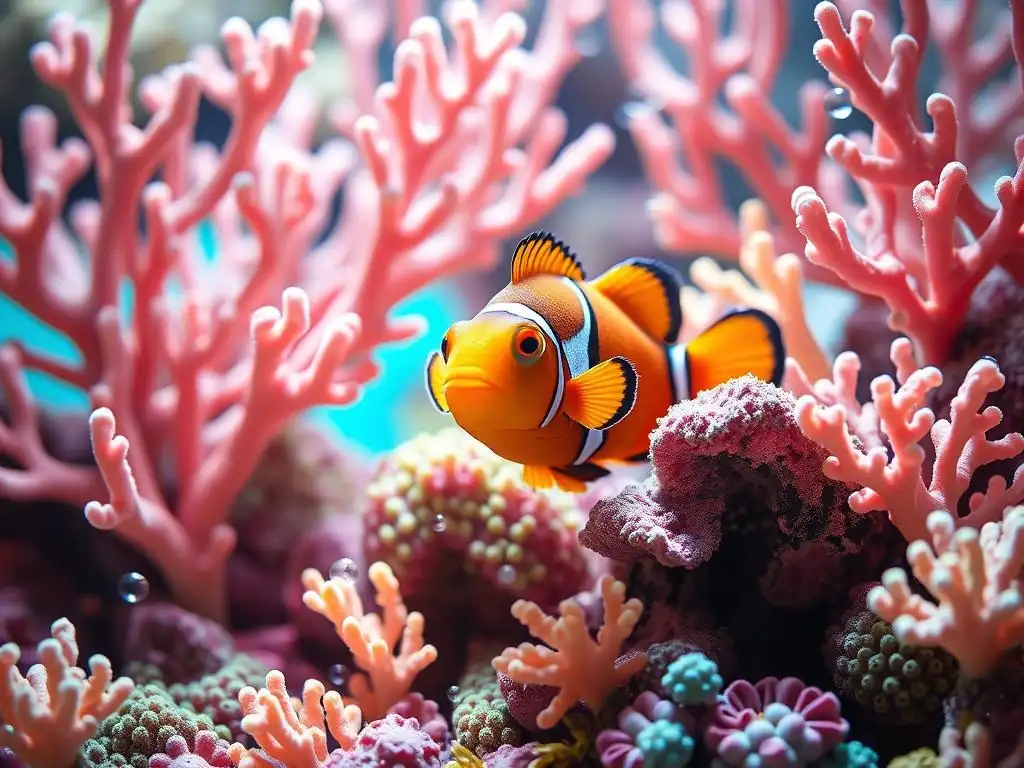
When it comes to overall ease of clownfish care reef aquarium, both Percula and Ocellaris clownfish are remarkably hardy and adaptable, making them excellent choices for beginner aquarists. They tolerate a reasonable range of water parameters, readily accept prepared foods, and are generally resistant to common marine diseases when kept in stable conditions. For these reasons, both species are frequently recommended as "first fish" for new saltwater setups.
However, if a slight edge were to be given, the Ocellaris clownfish might be considered marginally more beginner-friendly due to its generally calmer temperament. Its reduced propensity for aggression means fewer potential compatibility issues with other tank mates, providing a more forgiving experience for novice reef keepers learning the ropes of maintaining a community tank. Furthermore, captive-bred specimens of both species are highly recommended, as they are typically more robust, accustomed to aquarium life, and less prone to parasites than their wild-caught counterparts, significantly improving their survival rate in a new clownfish reef tank.
Disease Resistance: Percula vs. Ocellaris in a Reef Setting
Both Percula and Ocellaris clownfish exhibit similar levels of disease resistance, which is generally quite robust when they are maintained in optimal water conditions and provided with a balanced diet. Like all marine fish, they are susceptible to common saltwater ailments such as marine Ich ( Cryptocaryon irritans), Marine Velvet ( Amyloodinium ocellatum), and Brooklynella hostilis. However, captive-bred individuals of both species tend to be hardier and less prone to contracting diseases compared to wild-caught specimens, as they are not subjected to the stress of capture and transport from the ocean.
The key to preventing disease in both species within a clownfish care reef aquarium lies in proactive measures: maintaining stable, pristine water quality, providing a nutritious and varied diet, and, most importantly, quarantining all new fish for a period of 4-6 weeks before introducing them to the main display tank. This quarantine period allows for observation and treatment of any potential parasites or infections, drastically reducing the risk of introducing pathogens to the established reef ecosystem. For instance, a dedicated quarantine tank can reduce the risk of an Ich outbreak in the main display by over 90%, protecting not only your clownfish but all other sensitive reef inhabitants.
Potential Issues with Clownfish in Reef Tanks
Anemone Hosting: Benefits and Drawbacks in a Reef
One of the most iconic behaviors of clownfish is their symbiotic relationship with host anemones. For many aquarists, witnessing this natural interaction is a primary motivation for keeping clownfish. Benefits include observing a fascinating natural phenomenon and providing the clownfish with a secure "home" where it feels safe. This natural bond can also reduce stress in the clownfish, potentially leading to a longer lifespan.
However, incorporating an anemone into a mixed reef tank comes with significant drawbacks and challenges. Anemones are demanding invertebrates with specific care requirements, including intense lighting (e.g., a Bubble Tip Anemone often requires 200-400 PAR) and stable water parameters. More importantly, anemones are mobile and can move around the tank, often stinging and damaging any corals they come into contact with along their path. Their powerful nematocysts can cause severe tissue necrosis in SPS and LPS corals, leading to significant losses. Furthermore, an anemone's death can release toxins that crash an entire clownfish reef tank. Therefore, careful consideration of the risks versus rewards is essential before introducing an anemone solely for clownfish hosting.
Clownfish Aggression Towards Other Reef Inhabitants
While clownfish are generally considered peaceful, they can exhibit aggression, particularly when mature or if they are defending a territory or host anemone. This aggression is more common in Percula clownfish than Ocellaris, but both species are capable of it. The aggression is typically directed towards new tank additions, other clownfish (if not a mated pair or introduced simultaneously in a very large tank), or fish of similar size and shape.
A common scenario involves a mature female clownfish becoming highly territorial around her host anemone or chosen corner of the tank. She may chase, nip, or bully smaller, more timid tank mates such as gobies, cardinalfish, or even certain blennies, preventing them from accessing food or causing chronic stress.
This stress can lead to suppressed immune systems, making the harassed fish more susceptible to disease. For instance, in tanks under 50 gallons, an established female clownfish might consistently harass a newly introduced, smaller fish, potentially leading to fin nipping or refusal to eat, which can ultimately result in the new fish's demise if not addressed.
Impact on Coral Health: What to Watch Out For
Although clownfish are classified as reef-safe, their interactions with corals can occasionally pose minor issues, especially if no host anemone is present. In the absence of an anemone, clownfish may attempt to host in various corals, particularly LPS corals like Euphyllia (Torch, Hammer, Frogspawn), or even some large polyp soft corals. While they do not consume the coral tissue, their constant rubbing and swimming within the coral's polyps can cause irritation.
This continuous irritation can lead to the coral polyps remaining retracted for extended periods, impacting their ability to photosynthesize and feed efficiently. Over a prolonged period, this chronic stress can hinder coral growth and, in sensitive species, may even lead to localized tissue recession or bleaching. For example, if a clownfish persistently hosts in a Bubble Coral, the constant physical agitation can prevent the polyps from fully inflating, potentially reducing the coral's light absorption by up to 15-20% over several weeks, which can negatively affect its overall health and vitality in the clownfish care reef aquarium.
Choosing the Best Clownfish for Your Specific Reef Aquarium
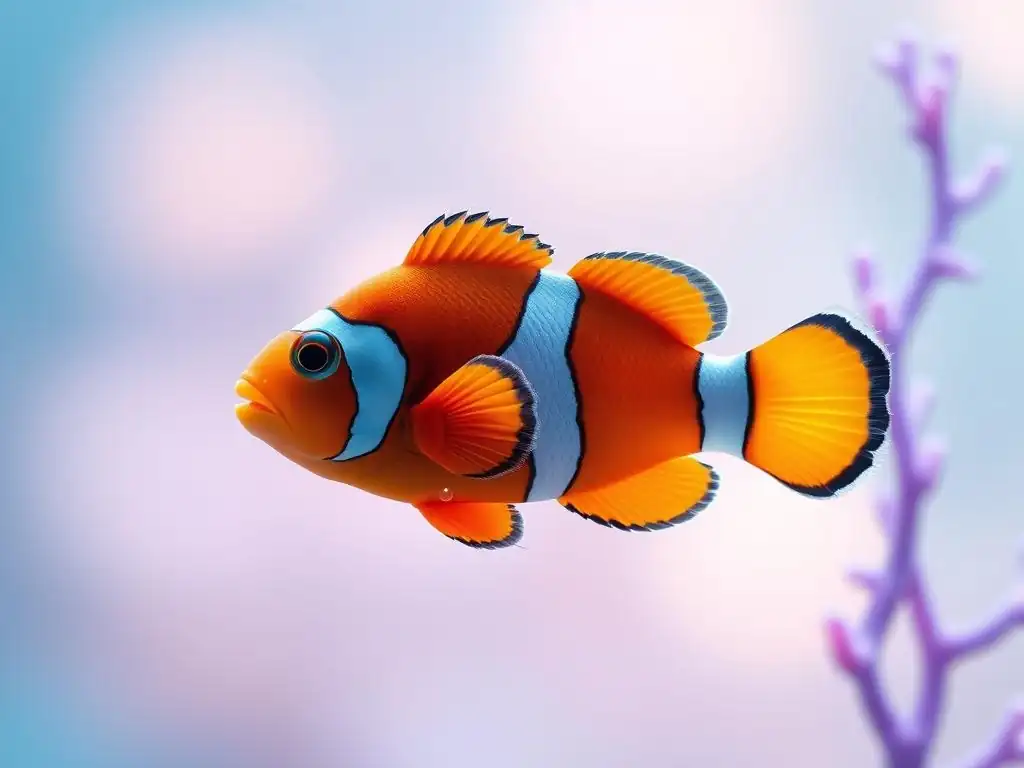
Assessing Your Reef Tank's Environment and Inhabitants
The first crucial step in selecting the ideal clownfish for your reef tank is to thoroughly assess your existing aquarium's environment and its current inhabitants. Consider the tank's overall size; a 20-gallon nano reef will have different compatibility dynamics than a 100-gallon mixed reef. Evaluate the temperament and size of your current fish population: are they predominantly peaceful and small, or do you have more robust and active species? The types of corals you keep (SPS, LPS, soft corals) also play a role, as some are more sensitive to constant physical interaction than others.
For example, if you maintain a 30-gallon nano reef primarily stocked with delicate soft corals and very peaceful, slow-moving fish like a Yellow Watchman Goby and a single Firefish, the calmer temperament of an Ocellaris clownfish pair would generally be a safer choice. Their reduced territoriality minimizes the risk of stressing the smaller, more timid tank mates. Conversely, in a 75-gallon mixed reef with more robust fish like a Tang and a few larger LPS corals, either a Percula or Ocellaris pair could thrive, provided adequate space and careful observation of initial interactions.
Matching Clownfish Temperament to Your Reef's Existing Community
Once you have assessed your tank, the next step is to match the clownfish's known temperament to your reef's existing community. If your clownfish reef tank is designed to be a peaceful, low-stress environment with many small, timid, or slow-moving fish, an Ocellaris clownfish is often the superior choice. Their generally more docile nature makes them less likely to harass other inhabitants, contributing to a harmonious ecosystem.
Conversely, if your tank houses more robust or semi-aggressive species that can hold their own, or if you prefer a single clownfish, a Percula might also be a suitable option. However, even with robust tank mates, continuous observation during the introduction phase is critical. For instance, if you have a pair of Percula clownfish in a 40-gallon tank, and you introduce a new, smaller fish, monitor their interactions for the first 24-48 hours. If persistent chasing or nipping occurs, it might indicate a mismatch in temperament, and intervention (such as rearranging rockwork to break territories) might be necessary to ensure successful clownfish care reef aquarium integration.
Considering Anemone Compatibility in Your Reef Setup
Before acquiring a clownfish, a significant decision involves whether you intend to keep a host anemone in your reef aquarium. Clownfish do not require an anemone to thrive in a home aquarium; they can live long, healthy lives without one. However, if you desire to witness the natural hosting behavior, you must be prepared for the specific and often demanding care requirements of an anemone, which can be challenging to integrate into a mixed coral reef.
Anemones are mobile and possess potent stinging cells that can damage or kill corals as they move. If your clownfish care reef aquarium is heavily stocked with valuable corals, introducing a mobile anemone poses a significant risk. Many aquarists with mixed reefs choose to forgo an anemone altogether, or they opt for artificial host alternatives. If you do not plan on housing an anemone, be aware that your clownfish may attempt to host in certain corals, which, as discussed, can lead to minor irritation for the coral. Approximately 70% of mixed reef tanks over 75 gallons typically do not include a host anemone due to the inherent risks to corals, relying instead on artificial hosts or allowing the clownfish to host in specific, more resilient corals.
Expert Tips for Successful Clownfish Care in Reef Aquariums
Maintaining Optimal Water Quality for Clownfish in a Reef
Maintaining optimal water quality is the cornerstone of successful clownfish care reef aquarium management, directly impacting the health and longevity of your clownfish, as well as the entire reef ecosystem. Consistent and stable parameters are far more important than hitting exact numbers. Regular water changes are crucial; a bi-weekly 10-20% water change using high-quality RO/DI water and a reputable marine salt mix helps to replenish essential trace elements and keep nutrient levels (like nitrates and phosphates) in check.
Frequent testing of key parameters such as salinity (1.023-1.026 SG), temperature (75-82°F), pH (8.1-8.4), alkalinity (8-12 dKH), calcium (400-450 ppm), and magnesium (1250-1350 ppm) is vital. A robust filtration system, including a protein skimmer, ample live rock, and potentially a refugium, will further support water quality by removing organic waste and providing natural denitrification. For instance, keeping nitrates consistently below 10 ppm not only benefits delicate corals but also reduces long-term stress on clownfish, making them more resilient to disease.
Preventing and Treating Common Clownfish Diseases in Reefs
Preventing diseases is always preferable to treating them, especially in a sensitive clownfish reef tank. The most effective preventative measure is a strict quarantine protocol for all new fish, including clownfish. A dedicated quarantine tank (QT) should be set up and new arrivals observed for 4-6 weeks for any signs of illness, allowing for treatment in isolation without jeopardizing the main display. This practice can reduce the risk of introducing common marine parasites like Ich ( Cryptocaryon irritans) by over 90%.
Beyond quarantine, maintaining pristine and stable water quality, as mentioned above, is paramount, as stress from poor conditions is a primary trigger for outbreaks. Observing your clownfish daily for any behavioral changes, loss of appetite, or physical symptoms (e.g., white spots, rapid breathing, clamped fins) allows for early intervention. If disease strikes, it is crucial to treat clownfish in a separate hospital tank, as many common medications (like copper-based treatments for Ich) are highly toxic to corals and invertebrates in the main reef display.
Ensuring a Balanced Diet for Clownfish in a Reef Environment
A balanced and varied diet is fundamental to ensuring your clownfish remain healthy, vibrant, and disease-resistant in a reef aquarium. While clownfish are generally not picky eaters, relying solely on a single type of food can lead to nutritional deficiencies over time. It's recommended to offer a high-quality dry food (flakes or pellets) as a staple, supplemented with a variety of frozen foods.
Frozen foods such as mysis shrimp, enriched brine shrimp, spirulina, and finely chopped marine preparations provide essential proteins, fatty acids, and vitamins that may be lacking in dry foods. Feeding small amounts 2-3 times per day ensures the clownfish receive adequate nutrition without overfeeding the tank, which can lead to elevated nutrient levels detrimental to corals. For example, supplementing a daily high-quality pellet with frozen mysis shrimp 3-4 times a week provides a comprehensive nutritional profile that supports strong coloration, healthy growth, and robust immune function, vital for successful clownfish care reef aquarium endeavors.
Conclusion: Making an Informed Decision on Clownfish for Your Reef Tank
Choosing between Percula and Ocellaris clownfish for your reef aquarium ultimately boils down to understanding their subtle differences and aligning them with your specific tank environment and personal preferences. Both species are incredibly hardy, generally reef-safe, and make excellent additions to a saltwater display, offering vibrant colors and engaging personalities. Their shared care requirements for water parameters and diet make clownfish care reef aquarium accessible for aquarists of all experience levels.
However, the key differentiator lies primarily in their temperament. The Ocellaris clownfish, with its generally more docile and less territorial nature, often presents a slightly more forgiving and universally compatible choice, particularly for beginner reef keepers or those aiming for a very peaceful community tank with smaller, timid tank mates. The Percula, while still peaceful, can exhibit slightly more assertive territoriality, especially when mature or defending a host, which might require more careful consideration in smaller or densely populated setups. Regardless of your choice, prioritizing stable water quality, providing a varied diet, and practicing responsible quarantine procedures will ensure the long-term health and enjoyment of your clownfish reef tank. By making an informed decision, you can look forward to years of fascinating observations and a thriving marine ecosystem.
Frequently Asked Questions
What are the key differences between Percula and Ocellaris Clownfish, and how do these differences impact their suitability for a reef aquarium?
Percula Clownfish typically have more vibrant coloration and thicker black barring. Ocellaris Clownfish are generally more readily available and often considered more docile making them a better choice for beginners.
Is one clownfish species inherently "better" for a reef aquarium than the other, and why?
Neither is inherently "better," but Ocellaris Clownfish are often preferred due to their lower cost, easier acclimation, and slightly less aggressive nature toward other inhabitants.
What specific reef aquarium conditions are most important for the health and well-being of both Percula and Ocellaris Clownfish?
Both species thrive in stable reef environments with good water quality, including proper salinity, temperature, and nutrient levels. They also require adequate hiding places and a suitable host anemone (though not essential).
How does the choice of clownfish (Percula or Ocellaris) affect the selection of other fish and invertebrates in a reef aquarium?
The choice generally has minimal impact, but consider the potential for aggression if keeping multiple clownfish or introducing them to an already established tank. Ocellaris are often considered more tolerant.
What are some common challenges faced when keeping Clownfish in a reef aquarium, and how can these challenges be addressed to ensure their long-term success?
Common challenges include disease outbreaks (like Brooklynella), aggression between tankmates, and difficulty establishing a symbiotic relationship with an anemone. Quarantine new fish and maintain pristine water quality to mitigate these risks.
Final Reflection: Harmony in the Reef
The delicate balance of a reef aquarium, as explored in this comparison of Percula and Ocellaris clownfish, underscores the broader importance of responsible stewardship in our interactions with the natural world. Understanding the nuances of each species, their compatibility with a reef environment, and their individual needs is not merely about successful fishkeeping; it's a microcosm of the larger responsibility we bear towards the ecosystems we impact, both directly and indirectly.
This journey into the world of clownfish has undoubtedly highlighted the profound influence even seemingly small choices can have on the health and vitality of a reef ecosystem. The decision to introduce a Percula or Ocellaris clownfish into a reef aquarium is a testament to the power of informed choices and the responsibility we have to ensure the well-being of our aquatic companions. In the end, we will conserve only what we love; we will love only what we understand; and we will understand only what we are taught.
- Baba Dioum. This quote encapsulates the essence of our exploration, urging us to continually learn and deepen our understanding of the natural world.
As you consider the vibrant life within your own reef aquarium, or perhaps even dream of creating one, remember the lessons learned about the unique characteristics of Percula and Ocellaris clownfish. Let this knowledge guide your choices, not just in selecting the right species, but in fostering a thriving and harmonious ecosystem. Embrace the opportunity to become a conscientious reef keeper, contributing to the preservation and appreciation of these magnificent underwater worlds for generations to come.
Ignite Your Reef Tank: Welcome Home a Clownfish!
Thanks for diving into the fascinating world of clownfish! We hope you've gained valuable insights into choosing the perfect clownfish for your reef aquarium. Now, it's time to take the next step and make your reef a vibrant home.
- Decide!: Evaluate your tank’s specific needs and conditions against the distinct characteristics of Percula and Ocellaris clownfish, then confidently choose the species that best fits!
- Research captive-bred options: Explore reputable breeders in your area.
- Join the Aquarium Mastery community: Share your clownfish journey and help others make informed choices!
What unique setup are you planning for your clownfish, and how will it enhance their well-being?