
Venezuelan Corydoras (C. venezuelanus): Vibrant Orange and Black Beauties

Welcome to Aquarium Mastery!
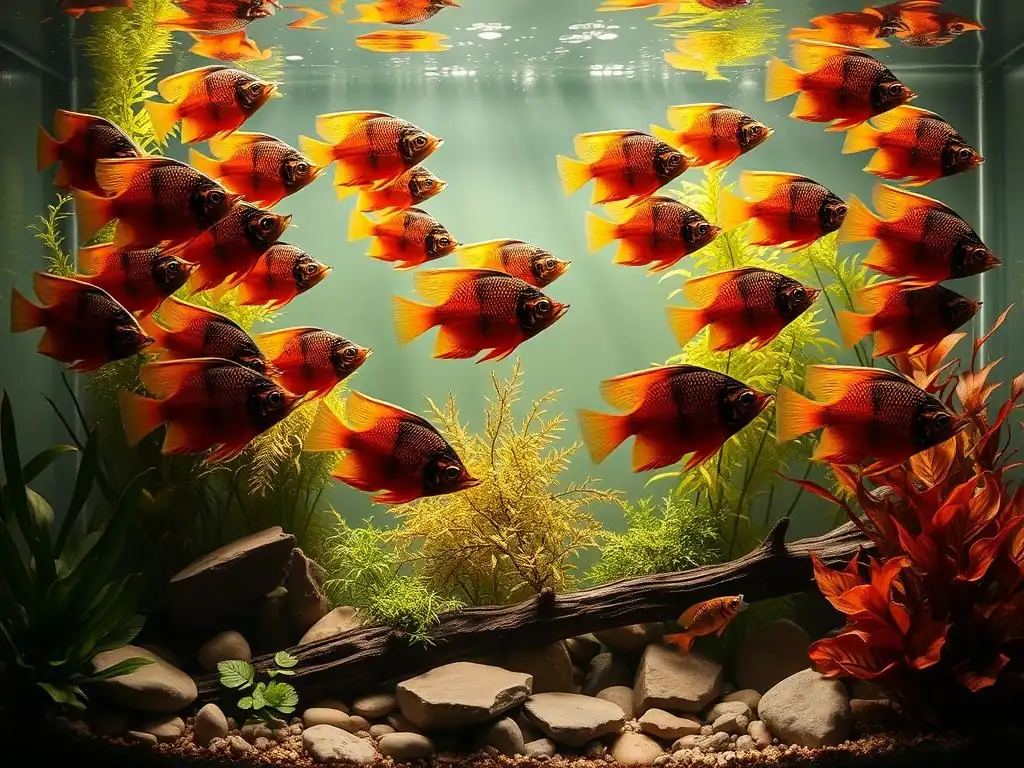
Ever wondered how to unlock the secrets to a thriving aquarium teeming with vibrant life? Dive in and discover the captivating world of the Venezuelan Corydoras, also known as the Orange Corydoras. Get ready to explore our comprehensive guide on Orange Corydoras tank care, and find out everything you need to know to keep these stunning little fish happy and healthy. Curious to learn more about their unique needs and how to create the perfect environment for them? Let's get started!
- Pygmy Corydoras (Corydoras pygmaeus): Tiny Schooling Catfish
- Understanding Pygmy Corydoras: An Overview
- Pygmy Corydoras Tank Care: Creating the Ideal Environment
- Diet and Feeding: Keeping Your Pygmy Corydoras Healthy and Well-Fed
- Choosing Tank Mates for Pygmy Corydoras: Community Tank Compatibility
- Breeding Pygmy Corydoras: A Comprehensive Guide
- Common Health Issues and Prevention in Pygmy Corydoras
- Where to Buy Pygmy Corydoras: Finding Healthy Specimens
- Maintaining the Health of Your Pygmy Corydoras: Long-Term Care Tips
-
Frequently Asked Questions
- What are the ideal water parameters for Orange Corydoras (Venezuelan Corydoras)?
- How many Orange Corydoras should I keep together in a tank?
- What size tank is recommended for a group of Orange Corydoras?
- What type of substrate is best for Orange Corydoras tank care?
- What should I feed my Orange Corydoras to ensure optimal health?
- Final Reflection: Appreciating the Miniature Wonders of the Aquarium
- Ignite Your Aquarium with Venezuelan Corydoras!
Pygmy Corydoras (Corydoras pygmaeus): Tiny Schooling Catfish
Understanding Pygmy Corydoras: An Overview
Introducing Corydoras pygmaeus: The Dwarf Cory
Corydoras pygmaeus, commonly known as the Pygmy Cory or Dwarf Cory, is a captivating and highly sought-after freshwater fish for nano and community aquariums. Originating from the Amazon basin, particularly tributaries in Brazil and Peru, these diminutive catfish are celebrated for their peaceful demeanor and fascinating schooling behaviors.
Unlike larger Corydoras species or the more vibrantly colored orange corydoras, C. pygmaeus stands out due to its remarkably small size, typically reaching an adult length of only 1 inch (2.5 cm). This makes them an ideal choice for aquarists with limited space or those looking to add active bottom-dwellers without overwhelming their tank.
Their popularity stems not only from their size but also their unique swimming style. While many Corydoras species primarily forage along the substrate, Pygmy Cories often spend a significant portion of their time swimming actively in the mid-water column, especially when schooling. This behavior adds a dynamic visual element to the aquarium, distinguishing them from their more bottom-bound relatives. Their adaptability and relatively easy pygmy corydoras tank care requirements further contribute to their widespread appeal among both novice and experienced aquarists.
Distinguishing Features: Identifying Pygmy Corydoras
Pygmy Corydoras possess a distinct appearance that helps differentiate them from other dwarf Corydoras species like Corydoras hastatus or Corydoras habrosus. Their body is slender and torpedo-shaped, adorned with a horizontal black stripe that runs from the tip of their snout, through the eye, along the lateral line, and ends at the base of the caudal fin.
Above this stripe, their dorsal area typically exhibits a light brown or olive hue, while their belly is a pale white or silvery color. This subtle coloration allows them to blend effectively with their natural surroundings, offering a stark contrast to the more pronounced patterns seen in some other corydoras varieties.
A key identifying feature is the small, dark spot often visible at the base of their caudal fin, which is less prominent in other similar species. Unlike the striking orange corydoras, C. pygmaeus lacks bright pigmentation, relying instead on its sleek, camouflaged appearance. Their fins are generally translucent, and like all Corydoras, they possess barbels around their mouths, which they use to sift through substrate in search of food. Observing these specific markings and their characteristic mid-water schooling behavior is crucial for accurate identification, ensuring you provide the correct pygmy corydoras tank care.
Natural Habitat: Where to Find Corydoras pygmaeus in the Wild
In their natural environment, Corydoras pygmaeus are endemic to the slow-moving, heavily vegetated tributaries and floodplains of the Amazon River basin, primarily in Brazil and Peru. These areas are characterized by soft, acidic water with abundant leaf litter and submerged root systems. The water is often stained with tannins from decaying organic matter, creating a "blackwater" environment that provides both shelter and a rich source of microfauna for foraging. The dense vegetation, including aquatic plants and overhanging riparian foliage, offers crucial hiding spots from predators and a sense of security for these tiny fish.
They are typically found in large shoals, sometimes numbering in the hundreds, which is a vital survival strategy in the wild. This strong schooling instinct translates directly to their behavior in the home aquarium, emphasizing the importance of keeping them in groups of at least six, but preferably ten or more, for their well-being.
Understanding their natural habitat is fundamental to replicating optimal conditions in an aquarium, ensuring proper pygmy corydoras tank care. Recreating a similar environment with appropriate substrate, plenty of hiding places, and stable water parameters will help these fascinating fish thrive, allowing them to exhibit their natural behaviors.
Pygmy Corydoras Tank Care: Creating the Ideal Environment
Aquarium Size for Pygmy Corydoras: How Much Space Do They Need?
Despite their diminutive size, Pygmy Corydoras thrive in tanks that offer ample swimming space and allow for their natural schooling behavior. While a minimum tank size of 5 gallons (approximately 19 liters) is often cited for a small group of 6-8 individuals, a 10-gallon (38-liter) aquarium or larger is highly recommended. This increased volume provides greater stability for water parameters and more horizontal swimming room, which is crucial for a species that spends significant time schooling in the mid-water column, unlike some bottom-dwelling orange corydoras.
For larger schools of 10-15 Pygmy Cories, a 15 to 20-gallon (57-76 liter) tank would be even more beneficial, allowing them to form impressive shoals and reduce any potential stress from overcrowding. Remember, while each fish is small, their combined bioload and need for territory add up. Providing adequate space is a cornerstone of effective pygmy corydoras tank care, directly impacting their health, activity levels, and overall longevity in the aquarium. Overcrowding can lead to increased stress, susceptibility to disease, and stunted growth, so always err on the side of providing more space rather than less.
Water Parameters for Optimal Health: Temperature, pH, and Hardness
Maintaining stable and appropriate water parameters is paramount for the health and longevity of Pygmy Corydoras. These fish prefer soft, slightly acidic to neutral water, mimicking their Amazonian origins. The ideal temperature range for Corydoras pygmaeus is between 72°F and 80°F (22°C to 27°C). Consistent temperature is more important than hitting an exact number within this range; sudden fluctuations can cause significant stress.
Regarding pH, a range of 6.0 to 7.5 is generally suitable, with 6.5 to 7.0 being optimal. While they can tolerate slightly harder water, a general hardness (GH) between 2 to 10 dGH (35 to 175 ppm) and carbonate hardness (KH) between 1 to 5 dKH (18 to 90 ppm) is ideal.
Regular testing with a reliable test kit is essential to monitor these parameters and ensure they remain stable. Unlike some robust species, Pygmy Cories are sensitive to sudden changes in water chemistry, emphasizing the importance of diligent pygmy corydoras tank care practices such as consistent water changes and careful acclimation.
Substrate Selection: Choosing the Right Bottom for Your Corydoras
The choice of substrate is a critical aspect of Pygmy Corydoras tank care, directly impacting their well-being and natural behaviors. Like all Corydoras species, Pygmy Cories are bottom-dwellers that use their delicate barbels to sift through the substrate in search of food. Therefore, a soft, fine-grained substrate is absolutely essential to prevent injury to their sensitive barbels. Ideal choices include fine sand, such as play sand or specialized aquarium sand, or very smooth, small-grain gravel.
Coarse or sharp gravel can easily damage their barbels, leading to infections and hindering their ability to forage effectively. This is a common issue that can severely impact their health. If using gravel, ensure it is smooth and small enough for them to comfortably move through.
Many aquarists opt for a bare bottom tank with small, smooth river stones or leaf litter to replicate their natural environment and make cleaning easier, especially for dedicated pygmy corydoras tank care. Regardless of the choice, regular siphoning of the substrate is vital to remove uneaten food and waste, preventing the build-up of harmful ammonia and nitrites.
Filtration and Water Changes: Maintaining Pristine Water Quality
Effective filtration and consistent water changes are cornerstones of successful pygmy corydoras tank care. These small fish, while having a low bioload individually, still require excellent water quality to thrive. A good quality sponge filter or a small hang-on-back (HOB) filter with adjustable flow is recommended. Sponge filters are particularly advantageous for Pygmy Cories as they provide gentle filtration, preventing the fish from being buffeted by strong currents, and offer a large surface area for beneficial bacteria to colonize. They also pose no risk of sucking up tiny fry if you plan to breed.
Regular partial water changes are crucial for diluting nitrates and replenishing essential minerals. A weekly water change of 20-30% is generally recommended for a well-maintained tank. For instance, in a 10-gallon tank, this would mean changing 2-3 gallons each week. Always use a reliable water conditioner to neutralize chlorine and chloramines in tap water before adding it to the aquarium. Consistent water maintenance is key to preventing common health issues and ensuring your Pygmy Cories remain vibrant and active, contributing significantly to their long-term well-being in the aquarium.
Diet and Feeding: Keeping Your Pygmy Corydoras Healthy and Well-Fed
What Do Pygmy Corydoras Eat? A Balanced Diet
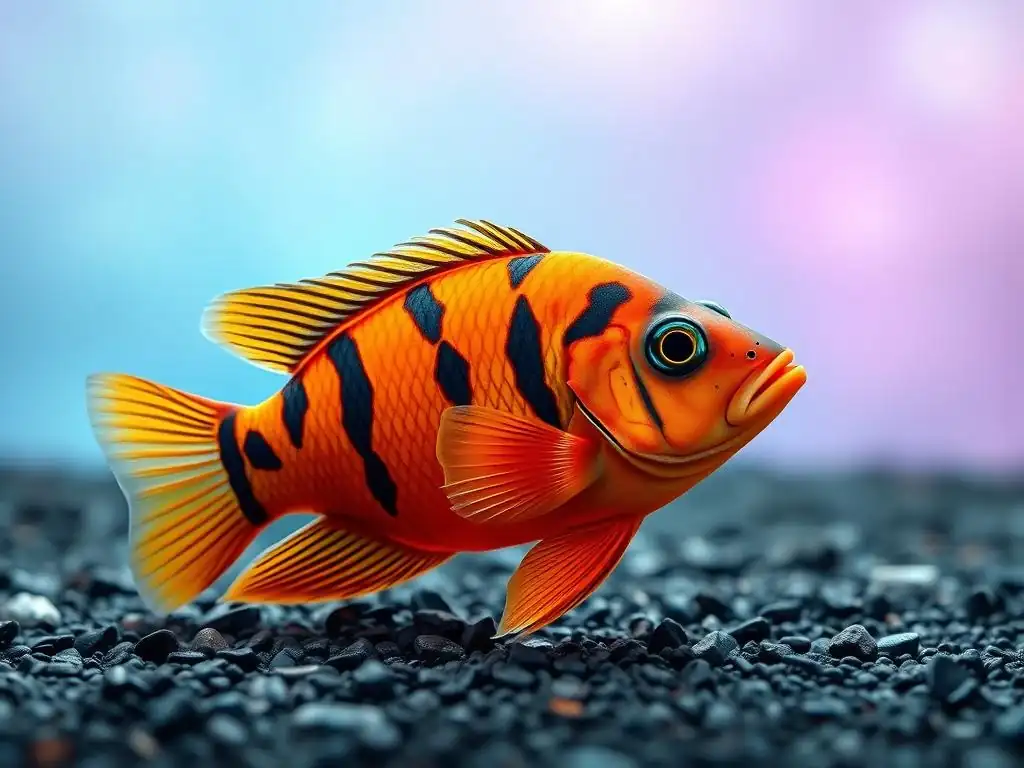
Pygmy Corydoras are omnivores with a preference for small, sinking foods that they can forage from the substrate. A balanced diet is crucial for their health, coloration, and active behavior. Their primary diet should consist of high-quality sinking pellets or wafers specifically designed for Corydoras or other bottom-feeding fish. These foods are formulated to provide the necessary proteins, vitamins, and minerals.
Supplementing their staple diet with a variety of live or frozen foods is highly beneficial and encourages natural foraging behaviors. Excellent choices include:
- Brine shrimp nauplii: Small enough for their mouths, highly nutritious.
- Microworms: Ideal for their size, especially for juveniles.
- Daphnia: Provides essential roughage and nutrients.
- Bloodworms (chopped finely): A protein-rich treat.
- Tubifex worms (sparingly): Can be offered but ensure they are from a clean source.
Providing a varied diet not only ensures they receive all necessary nutrients but also stimulates their natural instincts, making for a more engaging display. This comprehensive feeding strategy is a vital component of optimal pygmy corydoras tank care.
Feeding Schedule: How Often to Feed Your Corydoras
Establishing a consistent feeding schedule is important for the well-being of your Pygmy Corydoras. Generally, feeding them once or twice a day is sufficient. If feeding once, provide enough food that can be consumed within a few minutes. If feeding twice, offer smaller portions at each feeding. It's crucial to ensure that the food reaches the bottom of the tank, as Pygmy Cories primarily feed from the substrate.
Observe your fish during feeding times. If food remains uneaten after 5-10 minutes, you are likely overfeeding, which can lead to water quality issues. Pygmy Cories, unlike some larger fish, have small mouths, so ensure the food particles are appropriately sized for them to consume easily. For instance, a small sinking pellet should be no larger than 1-2mm. A consistent feeding routine, combined with appropriate food types and portion sizes, is key to excellent pygmy corydoras tank care and preventing common issues like poor water quality or nutrient deficiencies.
Preventing Overfeeding: Maintaining Water Quality Through Proper Feeding
Overfeeding is one of the most common mistakes in aquarium keeping and can have detrimental effects on water quality, leading to health issues for all tank inhabitants, including Pygmy Corydoras. Excess food decomposes, releasing ammonia and nitrites, which are highly toxic to fish. It also provides a breeding ground for harmful bacteria and can lead to unsightly algae blooms.
To prevent overfeeding:
- Feed small amounts: It's better to underfeed slightly than to overfeed. You can always add a little more if needed.
- Observe consumption: Ensure all food is eaten within a few minutes. If not, reduce the portion next time.
- Consider a "fasting day": Some aquarists choose to skip feeding one day a week, which can help clean up the tank and benefit the fish's digestive system.
- Use a feeding dish: A small, shallow dish placed on the substrate can help contain food and make it easier to remove uneaten portions.
- Regular substrate cleaning: Even with careful feeding, some food will inevitably fall into the substrate. Regular vacuuming is essential.
Proper feeding practices are a critical aspect of pygmy corydoras tank care, directly contributing to stable water parameters and a healthy environment for these delicate fish. This diligence will pay off in the vibrancy and longevity of your tiny schooling catfish.
Choosing Tank Mates for Pygmy Corydoras: Community Tank Compatibility
Compatible Fish Species: Peaceful Coexistence in the Aquarium
Pygmy Corydoras are renowned for their exceptionally peaceful and non-aggressive nature, making them excellent candidates for a community aquarium. Their small size and gentle temperament mean they will not bother other fish, nor are they typically bothered by them, provided their tank mates are equally peaceful and appropriately sized. The key to successful pygmy corydoras tank care in a community setting is selecting fish that won't view them as food and won't outcompete them for food resources.
Ideal tank mates include:
- Other small, peaceful schooling fish: Examples include Neon Tetras, Ember Tetras, Celestial Pearl Danios, Harlequin Rasboras, and Lambchop Rasboras. These fish occupy the mid to upper water column, leaving the bottom free for the Pygmy Cories.
- Small, peaceful top-dwellers: Such as Guppies (male only to prevent overpopulation), Endler's Livebearers, and Dwarf Gouramis.
- Otocinclus Catfish: These algae eaters are similarly small and peaceful, coexisting well.
- Small, docile bottom-dwellers: Other dwarf Corydoras species like C. habrosus or C. hastatus can sometimes be housed together, though ensuring enough space and food is vital.
Always introduce new fish slowly and observe interactions to ensure compatibility. The goal is to create a harmonious environment where all inhabitants can thrive.
Fish to Avoid: Aggressive Tank Mates that Can Stress Corydoras
When planning a community tank for Pygmy Corydoras, it is crucial to avoid any fish species that are known for aggression, fin-nipping, or predation. Due to their small size and lack of defensive mechanisms, Pygmy Cories are highly vulnerable to larger, more boisterous, or carnivorous tank mates. Housing them with unsuitable species can lead to chronic stress, injury, or even death, significantly undermining your pygmy corydoras tank care efforts.
Species to absolutely avoid include:
- Large Cichlids: Such as Oscars, Jack Dempseys, or even larger Angelfish, which will see Pygmy Cories as food.
- Aggressive Barbs: Tiger Barbs, for instance, are notorious fin-nippers and can stress out peaceful fish.
- Large, predatory catfish: Like Plecos (some species can be aggressive or grow too large), or larger Synodontis species.
- Betta fish (male): While some Betta splendens can be peaceful, many are territorial and may harass or attack the small Pygmy Cories.
- Fin-nippers: Any fish known for nipping fins, as this can cause stress and open wounds, leading to infection.
Even seemingly harmless large fish can accidentally injure a Pygmy Corydoras during feeding frenzies or sudden movements. Prioritizing peaceful, appropriately sized tank mates is paramount for the safety and well-being of your Pygmy Cories.
Invertebrates as Tank Mates: Snails and Shrimp with Pygmy Corydoras
Pygmy Corydoras generally coexist very well with most peaceful aquarium invertebrates, making them excellent companions for a planted tank or a dedicated shrimp tank. Their gentle nature ensures they will not harm snails or shrimp, and conversely, these invertebrates typically pose no threat to the Cories. This compatibility enhances the biodiversity of the aquarium and contributes to a more natural ecosystem, which is beneficial for overall pygmy corydoras tank care.
Compatible invertebrates include:
- Freshwater Snails:
- Nerite Snails: Excellent algae eaters, peaceful, and won't overpopulate.
- Mystery Snails: Larger, but equally peaceful and active.
- Ramshorn Snails and Bladder Snails: Small, often reproduce readily, but good scavengers.
- Freshwater Shrimp:
- Cherry Shrimp (Neocaridina davidi): Extremely popular, colorful, and prolific. Pygmy Cories will not predate on adult shrimp, though they might occasionally snack on very tiny shrimplets if given the chance.
- Amano Shrimp: Larger, effective algae eaters, and very peaceful.
- Ghost Shrimp: Affordable and good scavengers.
- Sunkist Orange Dwarf Shrimp: A beautiful orange variety that adds a splash of color, similar to the vibrancy of an orange corydoras, yet completely peaceful.
When introducing shrimp, ensure the tank is well-established with plenty of hiding spots and that water parameters are stable for both the fish and the invertebrates. The presence of invertebrates can also help clean up uneaten food, further contributing to good water quality.
Breeding Pygmy Corydoras: A Comprehensive Guide
Setting Up a Breeding Tank: Creating the Ideal Spawning Environment
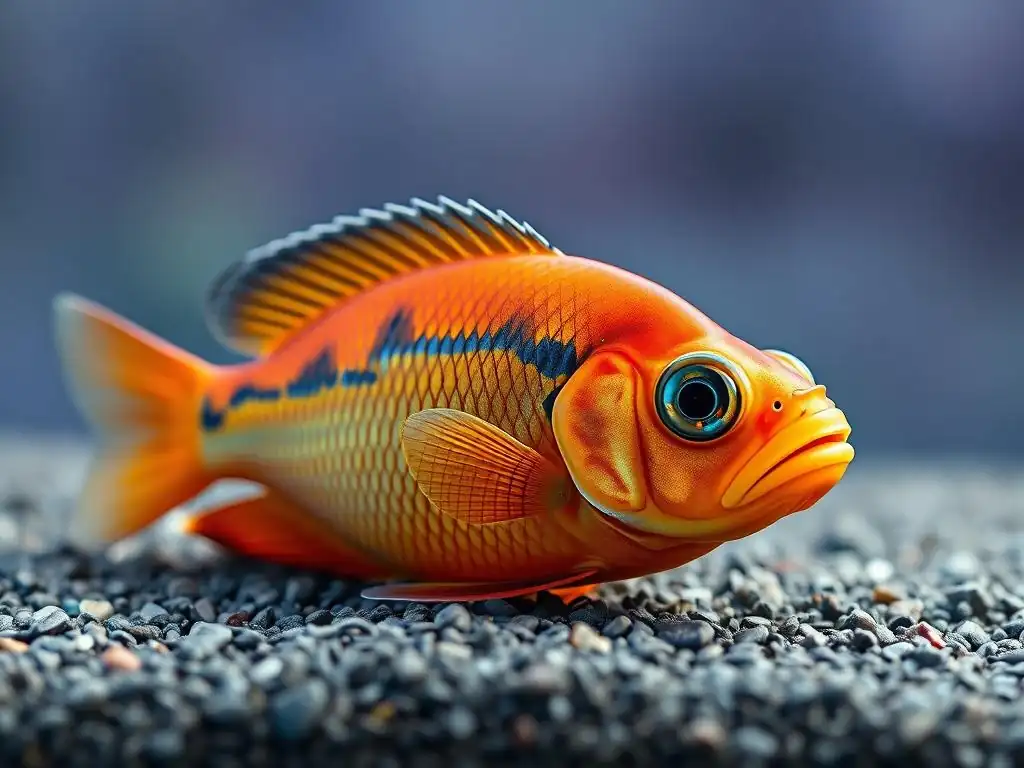
Breeding Pygmy Corydoras can be a rewarding experience, though it requires specific conditions to encourage spawning and ensure the survival of the fry. A dedicated breeding tank, rather than a community tank, significantly increases success rates. A 5 to 10-gallon (19-38 liter) tank is sufficient for a breeding group of 6-8 individuals, with a ratio of two males to one female often recommended.
The breeding tank setup should include:
- Substrate: A bare bottom is preferred for easy cleaning and fry collection, though a thin layer of fine sand can also be used.
- Decorations: Provide plenty of spawning sites. This can include broad-leafed plants like Anubias or Cryptocoryne, java moss, spawning mops (made from synthetic yarn), or even simply a piece of PVC pipe or flat rocks. Pygmy Cories often lay eggs on vertical surfaces or in dense plant thickets.
- Filtration: A gentle sponge filter is ideal, as it provides biological filtration without creating strong currents or posing a risk to tiny fry.
- Water Parameters: Soft, slightly acidic water (pH 6.0-6.8, GH 2-6 dGH) is generally preferred. Temperature should be kept at the lower end of their preferred range, around 72-74°F (22-23°C), initially.
Optimal pygmy corydoras tank care for breeding involves mimicking seasonal changes that trigger spawning in their natural habitat.
Triggering Spawning: Water Changes and Temperature Adjustments
To encourage Pygmy Corydoras to spawn, you need to simulate the conditions of their natural breeding season, which typically coincides with the onset of the rainy season in the Amazon basin. This involves a combination of water changes, temperature adjustments, and conditioning with high-quality foods.
Steps to trigger spawning:
- Conditioning: For 1-2 weeks prior to attempting to trigger spawning, feed the breeding group a rich diet of live and frozen foods such as brine shrimp, daphnia, and microworms. This ensures the females are gravid and the males are ready.
- Large, Cool Water Changes: Perform daily or every-other-day partial water changes of 25-50% using water that is 2-5°F (1-3°C) cooler than the tank water. For instance, if the tank is at 74°F, change with water at 70-72°F. This simulates the influx of cool rainwater.
- Increased Aeration: Ensure good aeration in the tank, as increased oxygen levels are also associated with rainy season conditions.
- Mimic Rainfall: Some aquarists find success by letting the new water trickle into the tank slowly, mimicking rainfall, or using a spray bar to agitate the surface.
Spawning often occurs in the morning after a cool water change. The fish will become very active, with males chasing the female, often forming a "T-position" where the male clasps the female's barbels. The female will then lay a small clutch of sticky eggs, usually 1-5, on a chosen surface, which the male fertilizes. This process is repeated until all eggs are laid, often totaling 20-50 eggs, though sometimes more. Diligent pygmy corydoras tank care during this period is essential for successful breeding.
Egg Care and Hatching: Protecting the Corydoras Fry
Once spawning has occurred, the immediate care of the eggs is crucial for maximizing fry survival. Pygmy Corydoras eggs are small, typically about 1mm in diameter, and are adhesive, usually laid on plants, glass, or spawning mops.
Steps for egg care:
- Remove Adults: After spawning is complete, it is highly recommended to remove the adult fish from the breeding tank. While Pygmy Cories are generally not prolific egg eaters, they may consume some eggs or fry, especially if food is scarce.
- Prevent Fungus: Corydoras eggs are susceptible to fungal infections, especially if any are unfertilized. A very small dose of methylene blue or an antifungal agent can be added to the water, or a single drop of hydrogen peroxide per gallon can help. Alternatively, ensure excellent water flow around the eggs to prevent stagnant conditions.
- Maintain Water Quality: Keep the water clean and well-oxygenated. Gentle aeration from the sponge filter is usually sufficient.
- Hatching Time: Pygmy Corydoras eggs typically hatch within 3-5 days, depending on the water temperature. Higher temperatures (within the safe range) will result in faster hatching.
Observing the tiny, translucent eggs and anticipating the emergence of the fry is a truly rewarding aspect of pygmy corydoras tank care for breeders.
Raising Corydoras Fry: Feeding and Maintaining a Healthy Environment
Raising Pygmy Corydoras fry requires dedication and specific feeding strategies to ensure their survival and healthy growth. Once hatched, the fry are incredibly small, often appearing as tiny specks with yolk sacs. They will absorb their yolk sacs for the first 2-3 days, during which they do not need to be fed.
Feeding the Fry:
- First Foods: After their yolk sacs are absorbed, the fry need microscopic foods. Infusoria is an excellent first food, followed by microworms and newly hatched brine shrimp nauplii.
- Frequency: Feed small amounts multiple times a day (3-5 times) to ensure constant access to food, as their digestive systems are very active.
- Progression: As they grow, typically after 2-3 weeks, they can be transitioned to finely crushed flake food, finely ground high-quality sinking pellets, and larger frozen foods like finely chopped bloodworms.
Maintaining the Fry Environment:
- Water Quality: Pristine water quality is paramount. Perform daily, small water changes (10-20%) using temperature-matched, dechlorinated water. Siphon carefully to avoid sucking up fry.
- Substrate: A bare bottom tank makes cleaning easier and reduces the risk of food decaying in the substrate.
- Filtration: Continue to use a gentle sponge filter.
- Temperature: Maintain the temperature at the higher end of their range, around 76-78°F (24-26°C), to promote faster growth.
Raising Pygmy Corydoras fry is a testament to meticulous pygmy corydoras tank care, providing a unique insight into the life cycle of these fascinating fish.
Common Health Issues and Prevention in Pygmy Corydoras
Identifying Common Diseases: Symptoms and Treatments
While Pygmy Corydoras are generally hardy, they are susceptible to common freshwater fish diseases, often exacerbated by poor water quality or stress. Early identification of symptoms is crucial for successful treatment and preventing the spread of illness. Unlike some fish with vibrant orange coloration that might mask subtle changes, the Pygmy Cory's more subdued hues can sometimes make early detection challenging.
Common diseases and their symptoms include:
- Ich (White Spot Disease): Small, white spots resembling grains of salt on the body and fins. Fish may scratch against objects. Caused by a parasite.
- Treatment: Increase water temperature gradually to 82-84°F (28-29°C) (if no sensitive tank mates), add aquarium salt, or use an Ich medication.
- Fin Rot: Frayed, ragged, or disintegrating fins, sometimes with a red or white edge. Often caused by bacterial infection due to poor water quality.
- Treatment: Improve water quality with daily partial water changes, use antibacterial medication.
- Columnaris (Cottonmouth Disease): White, cotton-like growths around the mouth, gills, or body. Rapidly progressing bacterial infection.
- Treatment: Strong antibacterial medication, often requires immediate action.
- Bloat/Dropsy: Swollen abdomen, often with scales protruding (pinecone appearance). Can be caused by internal bacterial infection or organ failure.
- Treatment: Difficult to treat. Isolation, Epsom salt baths, and broad-spectrum antibiotics may help in early stages.
Any deviation from normal behavior, such as lethargy, loss of appetite, clamped fins, or unusual swimming patterns, warrants immediate investigation. Prompt action is a key aspect of pygmy corydoras tank care.
Preventing Diseases: Maintaining Optimal Water Quality and Diet
Prevention is always better than cure, especially when it comes to the delicate nature of Pygmy Corydoras. The vast majority of health issues in aquarium fish, including these dwarf catfish, stem from suboptimal living conditions. Consistent, proactive pygmy corydoras tank care is the most effective defense against disease.
Key preventive measures include:
- Stable Water Parameters: Regularly test and maintain temperature, pH, ammonia, nitrite, and nitrate levels within their ideal ranges. Ammonia and nitrite should always be zero. Nitrates should be kept below 20 ppm.
- Regular Water Changes: Perform weekly 20-30% partial water changes to dilute pollutants and replenish essential minerals.
- Proper Filtration: Ensure your filter is adequately sized and maintained, providing both mechanical and biological filtration. Clean filter media regularly but avoid sterilizing the beneficial bacteria.
- Balanced Diet: Feed a varied diet of high-quality sinking foods, including live and frozen options, to boost their immune system. Avoid overfeeding.
- Appropriate Tank Mates: Only house Pygmy Cories with peaceful, non-aggressive fish that won't stress them or outcompete them for food.
- Quarantine New Fish: Always quarantine new fish for at least 2-4 weeks before introducing them to your main display tank. This prevents the introduction of diseases.
- Clean Substrate: Regularly vacuum the substrate to remove uneaten food and waste, preventing the build-up of harmful bacteria.
By adhering to these fundamental principles of pygmy corydoras tank care, you significantly reduce the risk of disease and ensure your fish lead long, healthy lives.
Quarantine Procedures: Protecting Your Existing Fish Stock
Implementing a strict quarantine procedure for all new fish, including Pygmy Corydoras, is perhaps the single most important preventative measure against introducing diseases into your established aquarium. Even seemingly healthy fish can carry parasites, bacteria, or viruses that may not manifest symptoms until they are stressed or introduced to a new environment. A quarantine tank acts as a safe isolation ward, protecting your existing fish stock.
Setting up a Quarantine Tank:
- Size: A 5-10 gallon (19-38 liter) tank is usually sufficient for a small group of Pygmy Cories.
- Equipment: Simple setup including a heater, a gentle sponge filter (seeded with beneficial bacteria from your main tank or run for a few weeks prior), and an air stone. Avoid substrate or elaborate decorations to make cleaning easy.
- Duration: Quarantine new fish for a minimum of 2-4 weeks. During this period, observe them closely for any signs of illness, such as white spots, fin rot, abnormal swimming, or changes in appetite.
- Water Changes: Perform daily small water changes (10-20%) to maintain pristine water quality, as the tank is uncycled or lightly cycled.
- Treatment (if necessary): If signs of disease appear, treat them in the quarantine tank. This prevents medicating your main tank and potentially harming sensitive invertebrates or plants.
This diligent approach to pygmy corydoras tank care not only safeguards your entire aquarium but also allows new fish to acclimate to your water parameters and recover from the stress of transportation before joining their new community.
Where to Buy Pygmy Corydoras: Finding Healthy Specimens
Choosing a Reputable Seller: Selecting Healthy Fish
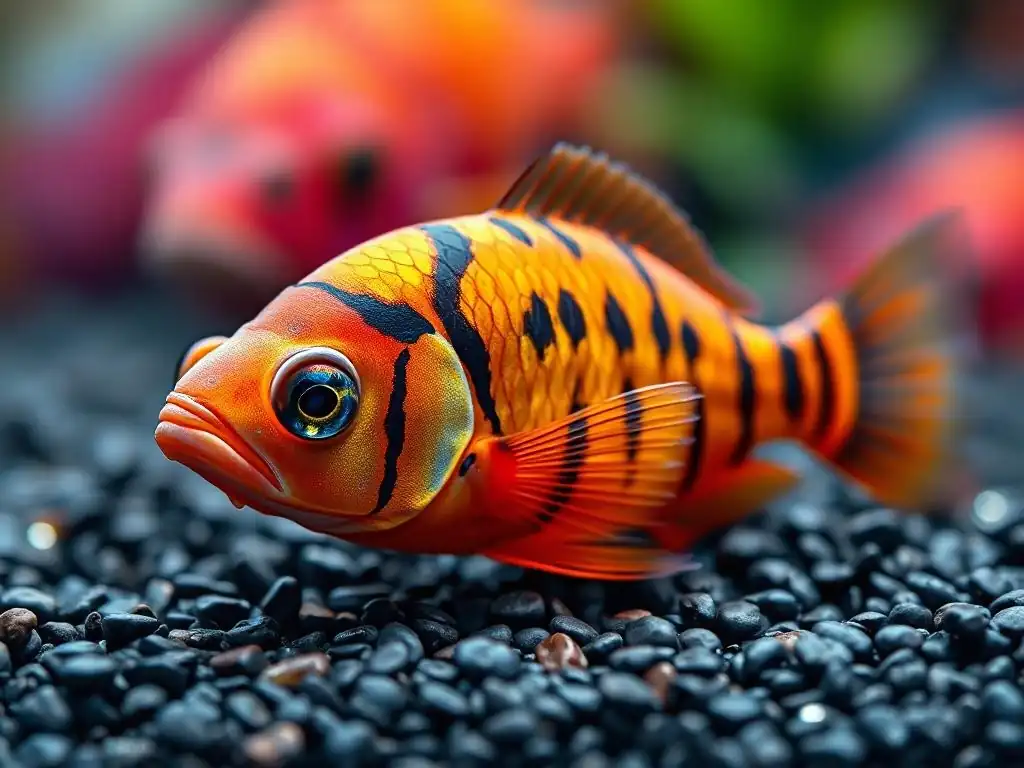
When acquiring Pygmy Corydoras, or any aquarium fish, selecting a reputable seller is paramount to ensuring you bring home healthy specimens. A good seller prioritizes the well-being of their fish and maintains excellent husbandry practices. While the striking appearance of an orange corydoras might catch the eye, for Pygmy Cories, you are looking for subtle signs of vitality.
Look for the following indicators of a reputable seller and healthy fish:
- Clean Tanks: The store's aquariums should be clean, well-maintained, and free of excessive algae, dead fish, or visible debris.
- Active and Alert Fish: The Pygmy Cories should be actively swimming, ideally schooling, and exploring their environment. Avoid fish that are listless, gasping at the surface, or hiding excessively (unless it's their natural behavior, which for Pygmy Cories, is less common in a healthy group).
- Clear Eyes and Intact Fins: Their eyes should be clear and bright, and their fins should be fully extended, without any signs of tearing, fraying, or white spots.
- Full Body Condition: The fish should appear well-fed, not emaciated or bloated.
- Knowledgeable Staff: Staff should be able to answer your questions about the fish's origin, diet, and specific pygmy corydoras tank care requirements.
- Quarantine Practices: Inquire if the store quarantines new arrivals. While not all do, it's a good sign of responsible practice.
Avoid impulse purchases from tanks with obvious signs of sick fish, even if the Pygmy Cories themselves appear healthy, as diseases can spread rapidly.
Acclimation Process: Introducing New Corydoras to Your Tank
Proper acclimation is a critical step in introducing new Pygmy Corydoras to your aquarium, minimizing stress and preventing shock from sudden changes in water parameters. This process should be done slowly and carefully, allowing the fish to gradually adjust to the temperature and chemistry of their new home.
Follow these steps for optimal acclimation:
- Dim Lights: Turn off your aquarium lights and dim the room lights. This reduces stress on the new fish.
- Float the Bag: Place the sealed bag containing the Pygmy Cories into your aquarium for 15-20 minutes. This allows the water temperature in the bag to slowly equalize with your tank water.
- Drip Acclimation (Recommended): This method is superior for sensitive fish like Pygmy Cories.
- Open the bag and pour the fish and their water into a clean bucket or container.
- Using an airline tubing and an air valve, start a slow drip of your aquarium water into the bucket. Aim for 1-2 drips per second.
- Allow the water volume in the bucket to double over 30-60 minutes.
- Carefully net the Pygmy Cories from the bucket and place them into your aquarium. Discard the water from the bucket; do not add it to your tank.
- Observe: Once the fish are in the tank, keep the lights dim for a few hours to allow them to settle. Observe them closely over the next few days for any signs of stress or illness.
Proper acclimation is a fundamental aspect of pygmy corydoras tank care, setting the stage for their long-term health and integration into your aquatic community.
Maintaining the Health of Your Pygmy Corydoras: Long-Term Care Tips
Regular Observation: Monitoring for Signs of Stress or Illness
Consistent and diligent observation of your Pygmy Corydoras is perhaps the most important long-term pygmy corydoras tank care practice. These tiny fish can hide signs of stress or illness effectively, so regular, careful inspection can help you catch problems early, often before they become severe. Dedicate a few minutes each day to simply watch your fish.
Look for the following indicators:
- Behavioral Changes: Are they schooling actively? Are they foraging normally? Lethargy, hiding more than usual, erratic swimming, or gasping at the surface are red flags.
- Physical Appearance: Check for any changes in coloration, white spots, frayed fins, bloating, or unusual growths. Their barbels should be intact and healthy.
- Appetite: Are they eating enthusiastically during feeding times? A sudden loss of appetite is a common sign of illness.
- Breathing Rate: Observe their gill movements. Rapid breathing can indicate stress, poor water quality, or oxygen deficiency.
- Interaction with Tank Mates: Are they being bullied or are they showing signs of aggression (unlikely for Pygmy Cories, but possible if stressed)?
Early detection allows for prompt intervention, whether it's a water change, a parameter adjustment, or medication, significantly increasing the chances of recovery and maintaining the overall health of your aquarium.
Recommended Foods and Products: Ensuring Optimal Health
Beyond a varied diet, certain products and ongoing food choices contribute significantly to the optimal long-term health of your Pygmy Corydoras. Investing in high-quality items designed for small bottom-dwellers is a crucial part of effective pygmy corydoras tank care.
Recommended Foods:
- High-Quality Sinking Pellets/Wafers: Look for brands with a high protein content (e.g., spirulina, insect meal) and low fillers. Examples include Hikari Sinking Wafers, New Life Spectrum H2O Stable Wafers, or Tetra Cory Wafers.
- Frozen Foods: Stock up on frozen bloodworms (finely chopped), brine shrimp, and daphnia. These provide essential nutrients and mimic natural prey.
- Live Foods: If possible, occasionally offer live microworms, baby brine shrimp, or daphnia. They stimulate hunting instincts and are highly nutritious.
Recommended Products for Tank Care:
- Water Test Kit: A liquid test kit (API Freshwater Master Test Kit is popular) is indispensable for monitoring ammonia, nitrite, nitrate, and pH.
- Water Conditioner: Always use a reliable conditioner to neutralize chlorine/chloramines during water changes. Seachem Prime is a highly concentrated option.
- Aquarium Siphon/Gravel Vacuum: Essential for regular substrate cleaning and water changes.
- Heater: A reliable, appropriately sized heater to maintain stable temperatures.
- Thermometer: To monitor tank temperature accurately.
Consistent use of these products and a diverse, high-quality diet will support the immune system and overall vitality of your Pygmy Corydoras, ensuring they remain vibrant and active members of your aquatic family.
Enjoying Your Tiny Schooling Catfish: A Rewarding Aquarium Experience
Keeping Pygmy Corydoras is a truly rewarding experience for any aquarist. Their captivating schooling behavior, peaceful nature, and endearing foraging antics bring a unique charm to any freshwater aquarium, especially nano setups. Watching a tight shoal of these tiny catfish navigate through plants or dart through the mid-water column is a testament to their social instincts and a constant source of fascination.
By diligently adhering to the principles of pygmy corydoras tank care—providing ample space, maintaining pristine water quality, offering a varied and nutritious diet, and selecting appropriate tank mates—you ensure these delightful fish not only survive but truly thrive. Their relatively easy care requirements, combined with their active and engaging personalities, make them an excellent choice for both beginners and seasoned hobbyists looking to add dynamic life to the lower and mid-levels of their tank.
The joy derived from a healthy, active school of Pygmy Corydoras is a highlight of the aquarium hobby, proving that even the smallest inhabitants can bring immense pleasure and a vibrant touch to your aquatic world.
Frequently Asked Questions
What are the ideal water parameters for Orange Corydoras (Venezuelan Corydoras)?
Orange Corydoras thrive in slightly acidic to neutral water, with a pH between 6.0 and 7.5. The ideal water temperature ranges from 72°F to 79°F (22°C to 26°C). Maintaining stable water parameters is crucial for their health.
How many Orange Corydoras should I keep together in a tank?
Orange Corydoras are social fish and should be kept in groups of at least six. This allows them to exhibit their natural schooling behavior and feel more secure in their environment. A larger group is always better.
What size tank is recommended for a group of Orange Corydoras?
A tank of at least 20 gallons is recommended for a small group (6-8) of Orange Corydoras. A larger tank is preferable if you plan to keep more fish or other tankmates. They need space to forage and swim.
What type of substrate is best for Orange Corydoras tank care?
A smooth substrate, such as sand or fine gravel, is ideal for Orange Corydoras. This helps prevent damage to their delicate barbels as they forage for food. Avoid sharp or coarse substrates.
What should I feed my Orange Corydoras to ensure optimal health?
Orange Corydoras are omnivores and will accept a variety of foods. Offer them a balanced diet of sinking pellets, flakes, and occasional treats like bloodworms or daphnia. Ensure food reaches the bottom of the tank.
Final Reflection: Appreciating the Miniature Wonders of the Aquarium
The vibrant world of the Corydoras venezuelanus, or Orange Corydoras, extends far beyond the confines of a meticulously maintained aquarium. These miniature catfish, with their striking orange and black markings, serve as a potent reminder of the beauty and biodiversity that exists within our planet's aquatic ecosystems. Understanding their specific needs, as detailed in this guide, is not merely about successful fishkeeping; it's about fostering a deeper appreciation for the delicate balance of nature and our responsibility to protect it.
The allure of the Orange Corydoras lies not only in its aesthetic appeal but also in its gentle nature and fascinating behavior, characteristics that have undoubtedly contributed to its popularity in the aquarium hobby. My own experience observing these fish has instilled in me a profound respect for their resilience and adaptability. In the end, we will conserve only what we love; we will love only what we understand; and we will understand only what we are taught.
- Baba Dioum. This quote perfectly encapsulates the importance of sharing knowledge and fostering a connection with these creatures, ensuring their continued presence in both our aquariums and their natural habitats.
Now, I invite you to reflect on your own role in the aquarium hobby and beyond. Consider how you can contribute to the responsible care and conservation of aquatic life, whether through meticulous tank maintenance, supporting sustainable practices, or simply sharing your passion with others. Let the vibrant Orange Corydoras serve as a constant reminder of the beauty and fragility of our natural world, inspiring you to become a steward of its future.
Ignite Your Aquarium with Venezuelan Corydoras!
Thank you for diving into the world of Venezuelan Corydoras with us! We hope you’ve gained a newfound appreciation for these vibrant and peaceful bottom-dwellers. Ready to bring their captivating beauty into your own aquarium?
Here are a few ways to take your passion for Venezuelan Corydoras to the next level:
- Boldly begin your journey: Acquire a small group (6+) of Venezuelan Corydoras from a reputable breeder or local fish store to ensure their health and well-being.
- Delve deeper: Research compatible tank mates and replicate their natural habitat with fine substrate, driftwood, and plants.
- Spread the Cory Cat love: Share this article with fellow aquarists and inspire them to discover the charm of Venezuelan Corydoras!
What unique aquascaping ideas do you have to showcase the stunning colors of Venezuelan Corydoras in your tank?