
Moonlight Gourami Majesty: Care and Keeping of This Silvery Giant

Welcome to Aquarium Mastery!
Ever been captivated by the shimmering, ethereal beauty of a fish that seems to glow from within? Then you've come to the right place. Dive in and unlock the secrets to successfully keeping the stunning Moonlight Gourami. Our comprehensive Moonlight Gourami care requirements guide is just the beginning. Curious about creating the perfect environment for these silvery giants? Let's explore!
- Understanding the Moonlight Gourami: An Introduction to Trichogaster microlepis
- Moonlight Gourami Care Requirements Guide: Creating the Ideal Environment
- Feeding Your Moonlight Gourami: A Balanced Diet for Optimal Health
- Moonlight Gourami Tank Mates: Compatibility and Social Behavior
- Moonlight Gourami Health and Disease Prevention
- Breeding Moonlight Gouramis: A Comprehensive Guide
- Troubleshooting Common Moonlight Gourami Issues
- The Allure of the Moonlight Gourami: A Recap on Care and Appreciation
-
Frequently Asked Questions
- How large do Moonlight Gouramis typically grow, and what size tank is recommended?
- What are the ideal water parameters for a Moonlight Gourami aquarium?
- What type of diet do Moonlight Gouramis need to thrive in an aquarium?
- Are Moonlight Gouramis generally peaceful, and what tankmates are suitable?
- What are some common health issues to watch out for with Moonlight Gouramis?
- Final Reflection: Embracing the Gentle Giants
- Unveil the Secrets to a Thriving Moonlight Gourami!
Understanding the Moonlight Gourami: An Introduction to Trichogaster microlepis
Identifying Features of the Moonlight Gourami: A Silvery Beauty
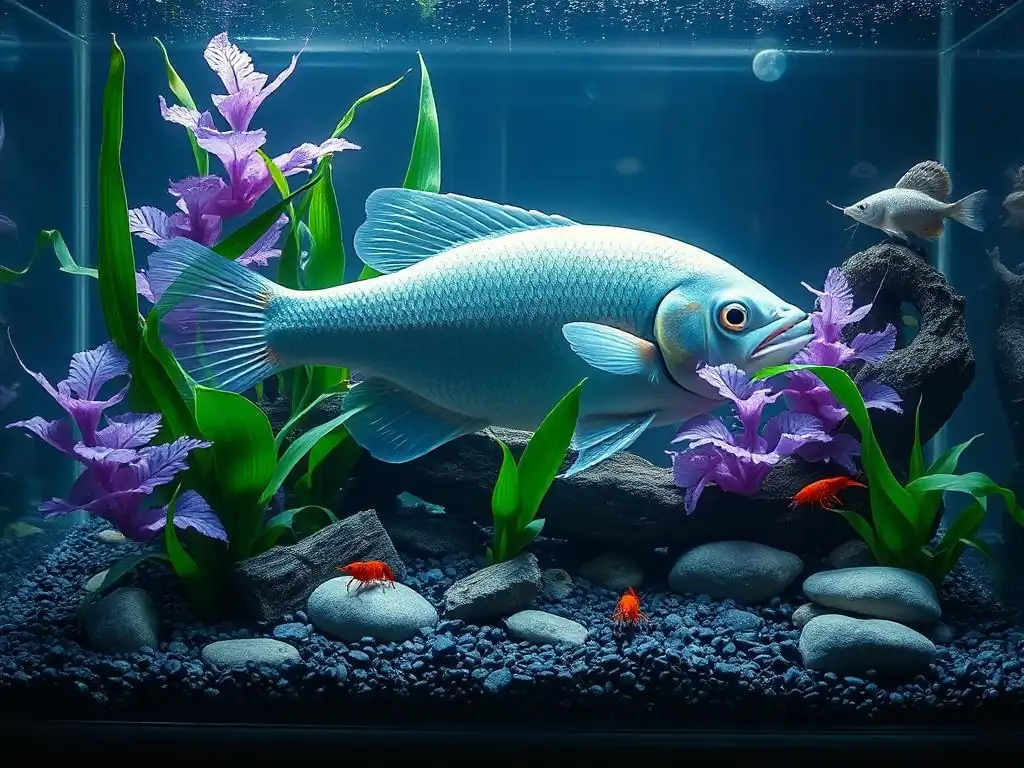
The Moonlight Gourami ( Trichogaster microlepis) is distinguished by its striking, uniform silvery-white to light blue coloration, which lacks any prominent patterns or markings. This reflective sheen is what gives the fish its common name, allowing it to subtly shimmer under aquarium lights. A defining characteristic is its pair of long, thread-like pelvic fins, which are highly sensitive and used to explore their surroundings, acting much like feelers. In captivity, these elegant fish typically reach an adult size of 4 to 6 inches (10-15 cm), though some well-cared-for individuals can grow up to 8 inches (20 cm).
Beyond its unique coloration and filamentous fins, the Moonlight Gourami possesses a laterally compressed, oval-shaped body, typical of many gourami species. It has a small, upturned mouth and relatively large eyes that contribute to its serene expression. The scales are fine and highly reflective, enhancing its "moonlight" appearance, often exhibiting a subtle iridescence under certain lighting conditions. Its graceful movements and calm demeanor further add to its aesthetic appeal, making it a popular choice for freshwater aquariums.
Natural Habitat and Behavior of Moonlight Gouramis
Moonlight Gouramis originate from the slow-moving, heavily vegetated waters of Southeast Asia, specifically found throughout the Mekong River basin in countries such as Cambodia, Laos, Thailand, and Vietnam. Their natural habitats include flooded forests, swamps, rice paddies, and clearings within dense aquatic vegetation. These environments are typically characterized by calm to sluggish currents, abundant submerged roots, leaf litter, and a canopy of plants that diffuse light, providing plenty of cover.
As an anabantoid fish, the Moonlight Gourami possesses a specialized labyrinth organ, which allows it to breathe atmospheric air directly from the surface. This adaptation enables them to survive in oxygen-poor waters, a common feature of their natural swampy habitats. In the wild, they are generally peaceful and somewhat shy, preferring to inhabit the middle to upper water columns. While they can be found in small groups, they are not strictly schooling fish and often exhibit solitary or pair-bonding behaviors, which influences their social dynamics in an aquarium setting.
Why Choose a Moonlight Gourami for Your Freshwater Aquarium?
Choosing a Moonlight Gourami for a freshwater aquarium offers numerous benefits, primarily due to their exceptionally peaceful temperament and elegant appearance. Their serene swimming style and stunning silvery coloration provide a calming and beautiful focal point in a community tank, contrasting well with more brightly colored fish. They are generally non-aggressive towards other species, making them excellent candidates for peaceful community setups, and their unique "feeler" fins add an interesting behavioral dimension as they explore their environment.
Furthermore, Moonlight Gouramis are relatively hardy fish once established, making them a suitable choice for intermediate aquarists looking to expand their experience beyond beginner species. With proper care, they boast a respectable lifespan, often living for 4 to 6 years, and sometimes even up to 8 years in optimal conditions. Their ability to breathe atmospheric air also adds a layer of resilience. Adhering to a comprehensive Moonlight Gourami care requirements guide ensures these beautiful fish can thrive and become a long-term, captivating addition to any suitable freshwater aquarium.
Moonlight Gourami Care Requirements Guide: Creating the Ideal Environment
Aquarium Size and Setup for Moonlight Gouramis
When considering a Moonlight Gourami, tank size is a critical component of any effective Moonlight Gourami care requirements guide. A single Moonlight Gourami requires a minimum of a 20-gallon (approximately 75 liters) aquarium to provide adequate swimming space and maintain stable water parameters. For a pair or a small group of 3-4 individuals, a 30-gallon (approximately 115 liters) or larger tank is highly recommended. This larger volume is essential given their adult size, typically reaching 4-6 inches (10-15 cm), and allows for sufficient horizontal swimming room.
The setup of the aquarium should aim to replicate their natural, densely vegetated habitat while also providing open swimming areas. Incorporate plenty of live or artificial plants, such as Anubias, Java Fern, or Amazon Swords, to create hiding spots and break up lines of sight. Floating plants like Water Lettuce or Frogbit are particularly beneficial as they diffuse light and provide surface cover, which makes the Gouramis feel secure and can encourage breeding. A tightly fitting lid is also crucial, as Moonlight Gouramis are known jumpers, especially when startled or stressed.
Essential Water Parameters for Healthy Moonlight Gouramis: Temperature, pH, and Hardness
Maintaining precise and stable water parameters is paramount for the health and longevity of Moonlight Gouramis. The optimal water temperature range for these fish is between 75-82°F (24-28°C). Consistent temperature is vital, as sudden fluctuations can cause significant stress and compromise their immune system. A reliable aquarium heater with a thermostat is indispensable for maintaining this stability.
Regarding pH, Moonlight Gouramis thrive in slightly acidic to neutral water, with an ideal range of 6.0-7.5, though 6.5-7.0 is often considered optimal. Water hardness should be soft to moderately hard, typically between 5-15 dGH (approximately 89-268 ppm). It is crucial to emphasize that stability in these parameters is more important than achieving exact numbers. Regular testing with accurate aquarium test kits is a fundamental practice outlined in any thorough Moonlight Gourami care requirements guide, ensuring these conditions are consistently met.
Substrate and Decoration: Replicating the Moonlight Gourami's Natural Habitat
The choice of substrate for a Moonlight Gourami aquarium should prioritize the fish's comfort and health. A fine to medium-grained sand or smooth gravel is suitable, as it prevents injury to their delicate fins and sensitive barbels if they forage near the bottom. Many aquarists opt for darker substrates, which not only enhance the silvery coloration of the Moonlight Gouramis but also help to reduce stress by simulating the shaded, natural environments they inhabit in the wild.
Beyond the substrate, decorations play a vital role in creating a stimulating and secure environment. Incorporate driftwood, smooth rocks, and caves to provide ample hiding spots and to break up the visual landscape of the tank, which is especially beneficial if keeping multiple gouramis to mitigate potential territoriality. Live plants are highly recommended; species like Anubias, Java Fern, Amazon Swords, and various floating plants (e.g., Water Lettuce, Frogbit, Dwarf Water Lettuce) provide essential cover, diffuse light, and contribute to overall water quality. Ensure all decorations are free of sharp edges to prevent fin damage.
Filtration and Water Changes: Maintaining Pristine Conditions
Effective filtration is a cornerstone of maintaining pristine water conditions for Moonlight Gouramis. A good quality filter, such as a hang-on-back, canister, or even a sponge filter, is essential, but it must provide a gentle to moderate flow. Moonlight Gouramis naturally inhabit calm waters, so strong currents can cause stress and inhibit their graceful swimming. The filtration system should offer robust biological and mechanical filtration to efficiently process fish waste and maintain water clarity.
In addition to filtration, regular partial water changes are absolutely crucial for the long-term health of Moonlight Gouramis. A weekly water change of 25-30% is generally recommended to remove accumulated nitrates and other dissolved organic compounds that filtration alone cannot eliminate. Always use a reliable water conditioner to neutralize chlorine, chloramines, and heavy metals from tap water before adding it to the aquarium. This consistent maintenance routine is a non-negotiable aspect of any comprehensive Moonlight Gourami care requirements guide, ensuring a clean and stable environment.
Feeding Your Moonlight Gourami: A Balanced Diet for Optimal Health
What Do Moonlight Gouramis Eat? Natural Diet and Aquarium Options
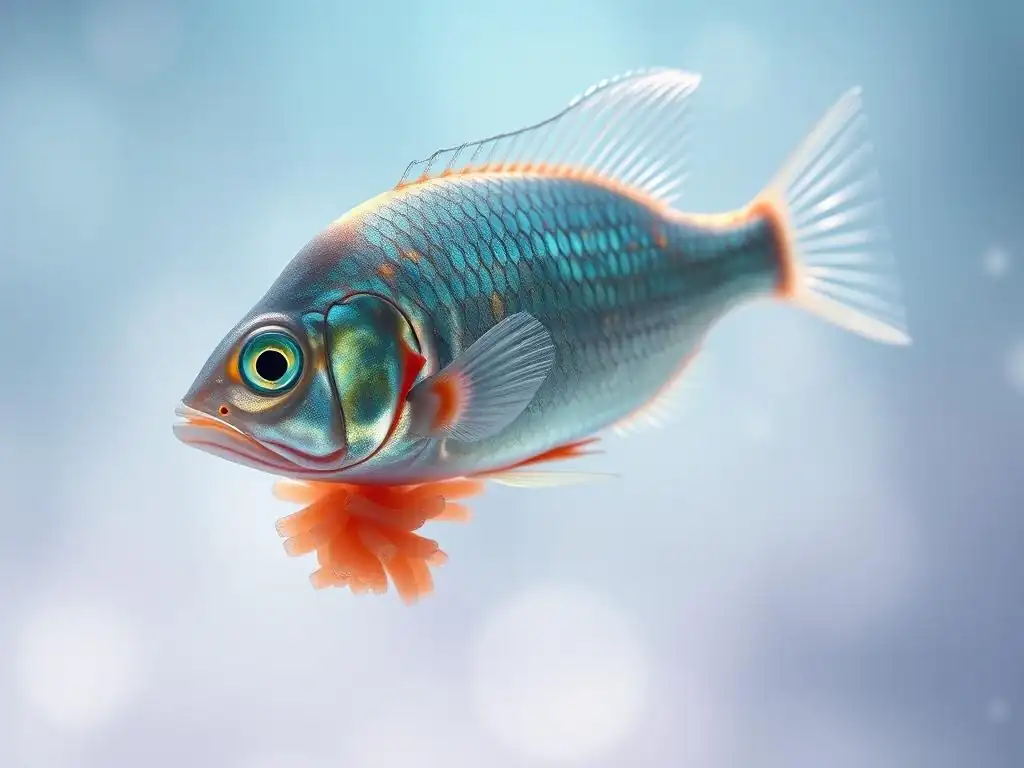
In their natural Southeast Asian habitats, Moonlight Gouramis are omnivores, exhibiting a diet that includes both animal and plant matter. Their primary food sources consist of small invertebrates, various insect larvae, and zooplankton, which they skillfully forage from the water column or from among dense vegetation. They are also known to consume some amount of filamentous algae and other plant detritus, demonstrating their opportunistic feeding behavior in the wild.
Translating this natural diet to the aquarium, Moonlight Gouramis readily accept a variety of prepared foods, making them relatively easy to feed. High-quality flake foods and small pellets formulated for omnivorous tropical fish should form the staple of their diet. However, for optimal health, vibrant coloration, and to stimulate their natural feeding instincts, it is highly beneficial to supplement their diet with a diverse range of frozen and occasional live foods, mimicking the variety they would encounter in their native environment.
Recommended Foods for Moonlight Gouramis: Flakes, Pellets, and Live Foods
For the daily diet of Moonlight Gouramis, a high-quality tropical flake food or small sinking pellets designed for omnivores should be the primary offering. Look for products that list a good protein content and are fortified with essential vitamins and minerals to ensure complete nutrition. To provide dietary variety and enhance their overall health, regularly supplement these staples with frozen foods. Excellent choices include frozen bloodworms, brine shrimp, daphnia, and mysis shrimp, which can be offered two to three times a week.
Occasional offerings of live foods can further stimulate their natural hunting behaviors and provide additional nutritional benefits. Small live mosquito larvae, daphnia, or newly hatched brine shrimp are highly relished. When offering live foods, ensure they are sourced from reputable suppliers to minimize the risk of introducing parasites or diseases into your aquarium. This diverse feeding strategy is a vital component of a thorough Moonlight Gourami care requirements guide, contributing significantly to their vitality and immune strength.
Feeding Schedule and Portion Control: Preventing Overfeeding
Establishing a consistent feeding schedule and practicing strict portion control are crucial for the health of Moonlight Gouramis and the overall water quality of their aquarium. It is generally recommended to feed Moonlight Gouramis 1 to 2 times daily. The key is to offer only an amount of food that they can completely consume within 2 to 3 minutes. This prevents uneaten food from decaying in the tank, which is a common cause of elevated ammonia and nitrite levels.
Overfeeding is a prevalent issue in aquariums and can lead to several problems, including poor water quality, algae blooms, and health issues for the fish, such as swim bladder disorders or digestive problems. After each feeding period, it is important to observe if any food remains on the substrate or floating at the surface and remove it promptly. Regularly observing your gouramis' activity levels and body condition—a slightly rounded belly indicates sufficient feeding, while an overly bloated appearance suggests overfeeding—will help you fine-tune the feeding amounts for optimal health.
Ideal Tank Mates for Moonlight Gouramis: Peaceful Community Fish
Moonlight Gouramis are renowned for their peaceful and placid nature, making them excellent candidates for a well-maintained community aquarium. Ideal tank mates are other similarly sized, docile freshwater fish that prefer similar water parameters and do not exhibit fin-nipping tendencies. Good choices include various species of tetras, such as Neon Tetras, Rummy-nose Tetras, or Cardinal Tetras, which are active yet peaceful. Rasboras, like Harlequin Rasboras, are also excellent companions.
Other suitable tank mates include peaceful bottom-dwellers such as Corydoras catfish, Otocinclus catfish, and certain peaceful loaches like Kuhli Loaches. Peaceful barbs, such as Cherry Barbs, can also coexist well. While generally peaceful, it's possible to house them with other non-aggressive gourami species like Pearl Gouramis or even some Dwarf Gouramis, provided the tank is sufficiently large to allow for individual territories and space, and careful observation is maintained to prevent any potential territorial disputes.
Fish to Avoid: Incompatible Tank Mates for Moonlight Gouramis
When planning a community aquarium for Moonlight Gouramis, it is crucial to avoid certain types of fish that can cause stress, aggression, or pose a threat. Highly aggressive or fin-nipping species should be excluded. This includes notorious fin-nippers like Tiger Barbs, which can damage the Moonlight Gourami's delicate, filamentous pelvic fins. Similarly, most cichlids, with the exception of very small and exceptionally peaceful dwarf species, are generally not suitable due to their territorial and aggressive nature.
Furthermore, large, predatory fish that could view the relatively slender Moonlight Gourami as prey should never be housed with them. Extremely boisterous or fast-moving fish can also be problematic, as their constant activity might stress the calm and graceful Moonlight Gourami, leading to timidity and reduced feeding. Lastly, avoid housing them with very small or overly delicate fish that could be easily intimidated or outcompeted for food. A thorough Moonlight Gourami care requirements guide emphasizes careful selection of tank mates to ensure a harmonious environment.
While Moonlight Gouramis are largely peaceful, observing their social interactions within a community tank is important to ensure their well-being. Individual gouramis, especially males, can occasionally display mild territoriality, particularly during feeding times or if the tank space is perceived as limited. This might manifest as subtle chasing or posturing, though rarely results in actual harm to other peaceful species. Providing ample hiding spots, dense plant cover, and breaking up lines of sight with decor can significantly mitigate any potential territorial disputes.
If keeping multiple Moonlight Gouramis, a larger tank size is even more critical. It is often beneficial to keep them in a small group (e.g., 3-5 individuals) rather than just a pair, as this can help diffuse any aggression that might arise, preventing one individual from being constantly bullied. A higher ratio of females to males can also help reduce male-on-male aggression. Consistent observation of their behavior ensures a harmonious environment and allows for prompt intervention if signs of stress or aggression become apparent.
Moonlight Gourami Health and Disease Prevention
Common Diseases Affecting Moonlight Gouramis and Their Symptoms
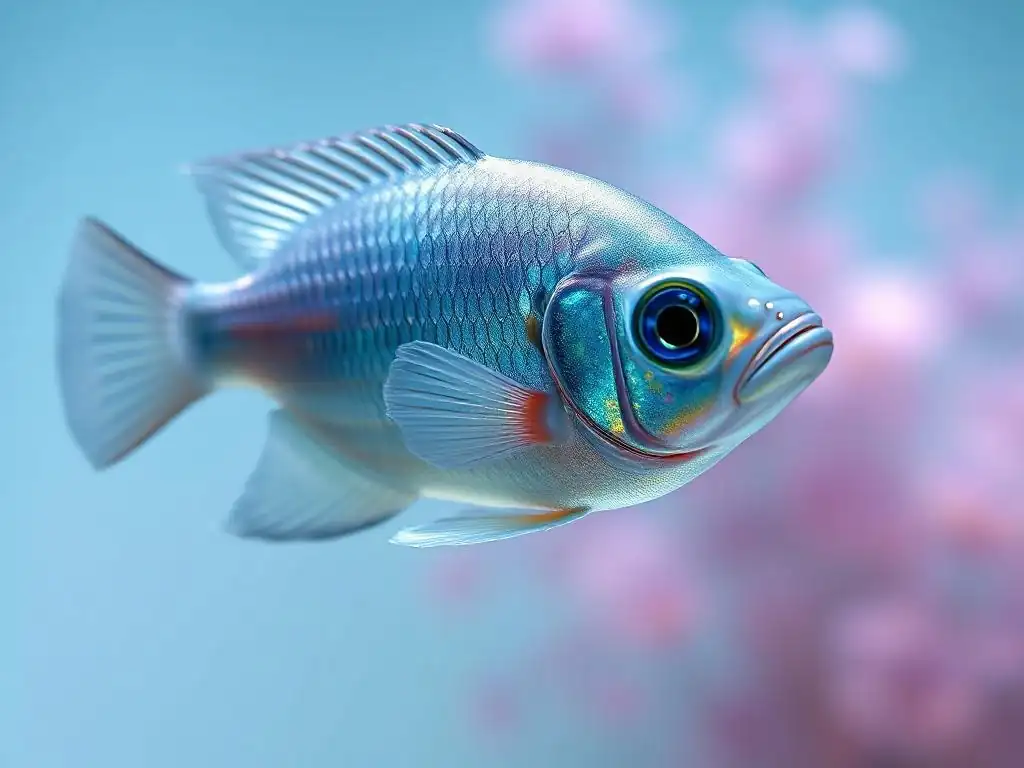
Moonlight Gouramis, while generally hardy, can be susceptible to common freshwater fish diseases, particularly when subjected to poor water quality, stress, or inadequate nutrition. Among the most frequently encountered ailments are Ich (White Spot Disease), Fin Rot, Columnaris (often mistaken for a fungal infection), and Dropsy. Ich manifests as small, white spots resembling grains of salt scattered across the body and fins, accompanied by flashing or rubbing against tank objects.
Fin Rot is characterized by the deterioration and fraying of the fins, often with a white or reddish edge, caused by bacterial infection. Columnaris, or "Cotton Mouth," presents as white, cotton-like growths around the mouth, gills, or body, sometimes with ulcerations. Dropsy, a symptom rather than a disease itself, indicates internal organ failure and is recognized by a severely swollen body and scales protruding outwards, giving a "pinecone" appearance. Early detection of these symptoms is vital for effective treatment.
Preventing Fish Diseases: Quarantine and Water Quality Management
The most effective strategy for preventing diseases in Moonlight Gouramis, as detailed in any comprehensive Moonlight Gourami care requirements guide, is maintaining consistently excellent water quality. This involves regular testing of parameters like ammonia, nitrite, and nitrate, coupled with routine partial water changes to keep nitrate levels low and remove dissolved organic compounds. Overfeeding should be strictly avoided, as it directly contributes to water degradation.
Another crucial preventive measure is quarantining all new fish for a minimum of 2-4 weeks in a separate tank before introducing them to the main display aquarium. This practice helps ensure that no diseases, parasites, or external pathogens are introduced to the established community. Providing a stable environment with appropriate temperature, gentle filtration, and a balanced diet further minimizes stress, thereby strengthening the fish's immune system and increasing their natural resistance to illness.
Treating Sick Moonlight Gouramis: Medications and Care
Upon detecting symptoms of illness in a Moonlight Gourami, prompt action significantly improves the chances of recovery. The first step is to isolate the affected fish in a hospital tank to prevent the potential spread of disease to other inhabitants and to facilitate targeted treatment. Accurately identifying the specific disease is critical for administering the correct medication. For bacterial infections such as Fin Rot or Columnaris, broad-spectrum antibacterial medications formulated for aquarium use are typically recommended.
For parasitic infections like Ich, specific Ich treatments containing ingredients like malachite green or formalin are effective. It is often beneficial to also gradually raise the water temperature to the upper end of the gourami's preferred range (e.g., 82-86°F or 28-30°C) during Ich treatment, as this accelerates the parasite's life cycle, making it more vulnerable to medication. Always meticulously follow the medication manufacturer's instructions, remove activated carbon from the filter during treatment (as it absorbs medication), and maintain pristine water quality in the hospital tank to support the fish's recovery.
Breeding Moonlight Gouramis: A Comprehensive Guide
Setting Up a Breeding Tank for Moonlight Gouramis
To successfully breed Moonlight Gouramis, setting up a dedicated breeding tank is highly recommended. A 20-gallon (approximately 75 liters) aquarium is generally sufficient for a breeding pair. The tank should feature very calm water, ideally with a gentle sponge filter to prevent the delicate fry from being sucked in. Providing ample floating plants, such as Water Sprite, Riccia fluitans, or even plastic plant leaves, is crucial as the male will use these to construct his bubble nest. Lowering the water level slightly, to about 8-10 inches (20-25 cm), during the spawning period can also be beneficial.
Water parameters in the breeding tank should be meticulously stable: a temperature of 80-82°F (27-28°C), a slightly acidic pH of 6.0-6.5, and very soft water (2-5 dGH). A bare bottom tank or one with a very fine sand substrate is preferable for easy cleaning and better visibility of the fry. Conditioning the prospective breeding pair with a rich diet of live and frozen foods for several weeks prior to introduction will significantly enhance their readiness to spawn and improve breeding success.
Identifying Male and Female Moonlight Gouramis: Sexual Dimorphism
Identifying the sex of Moonlight Gouramis, while subtle, is a key step for successful breeding, a critical detail often covered in an advanced Moonlight Gourami care requirements guide. Sexual dimorphism is most apparent in adult fish. Males generally tend to be slightly larger and more slender than females. Their most distinguishing feature is their dorsal fin, which is typically longer and more pointed, extending further back towards the caudal fin. The male's anal fin is also noticeably longer and more pointed compared to the female's.
In contrast, female Moonlight Gouramis are usually rounder and plumper in body shape, especially when they are gravid (carrying eggs). Their dorsal fin is shorter and more rounded, lacking the extended, pointed appearance seen in males. While these differences are not as stark as in some other fish species, careful observation of multiple individuals, particularly comparing the shape of their dorsal and anal fins, will allow for accurate sexing, essential for setting up a breeding pair.
The Breeding Process: Spawning and Fry Care
Once a conditioned male and female Moonlight Gourami are introduced to the breeding tank, the male will begin constructing a bubble nest at the water surface, typically anchored among floating plants. He will then initiate courtship, enticing the female beneath the nest through elaborate displays. Spawning involves the male embracing the female, often in a characteristic "hug," during which eggs and milt are released. The eggs, being lighter than water, float upwards into the meticulously built bubble nest.
A single spawning event can last for several hours, with the female releasing hundreds, sometimes even up to 500-1000, tiny eggs. After spawning is complete, the female should be carefully removed from the breeding tank, as the male will become highly territorial and may aggressively guard the nest. The male will diligently tend to the eggs, ensuring they remain within the nest and fanning them to provide oxygen. The eggs typically hatch within 24-36 hours, depending on the water temperature.
Raising Moonlight Gourami Fry: Feeding and Water Quality
Once Moonlight Gourami fry are free-swimming, usually about 3-5 days after hatching, the male should also be removed from the breeding tank to prevent him from consuming them. For their initial days, the fry will consume their yolk sacs. After this, their minuscule size dictates the need for extremely fine foods. Infusoria is an ideal first food for the first week, followed by newly hatched brine shrimp or micro-worms as they grow slightly larger.
Maintaining pristine water quality is critical for fry survival. Perform very small, frequent water changes (e.g., 10% daily) using an air line tube to gently siphon out any debris without disturbing the delicate fry. Consistency in water parameters and temperature is paramount. As the fry grow, gradually transition them to finely crushed high-quality flake foods. A crucial developmental stage occurs around 3-4 weeks when their labyrinth organ develops; during this period, ensure the air above the water surface is warm and humid to prevent damage to their newly forming breathing apparatus.
Troubleshooting Common Moonlight Gourami Issues
Fin Rot
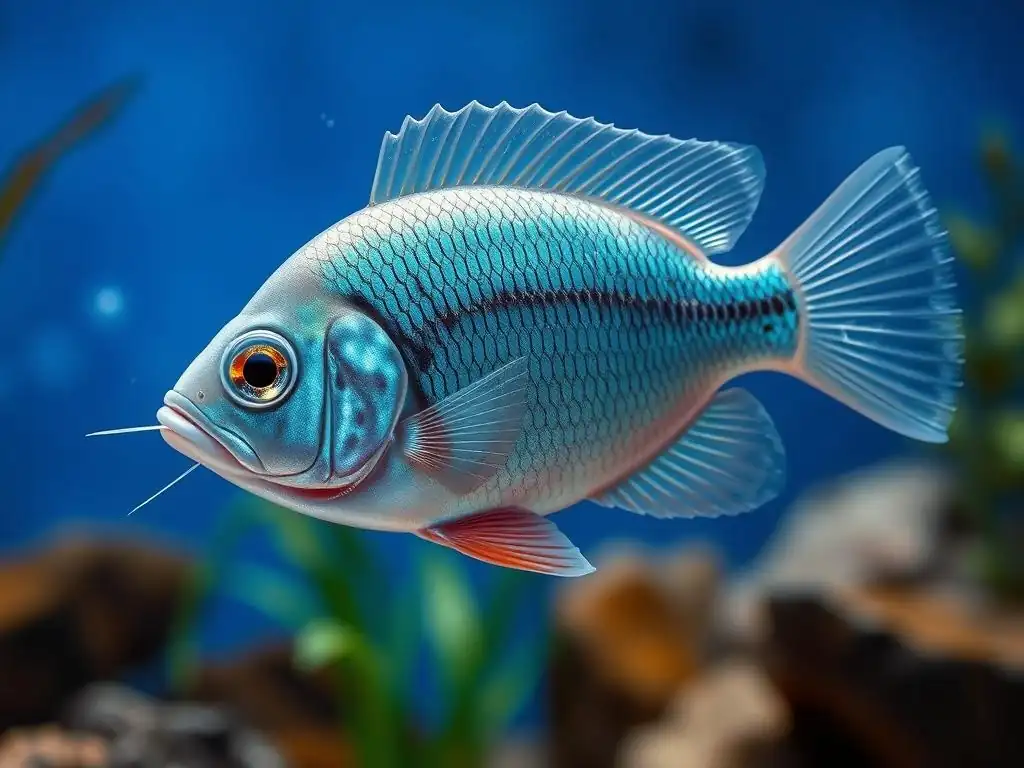
Fin Rot is a prevalent bacterial infection that commonly affects Moonlight Gouramis, often manifesting as frayed, ragged, or deteriorating fins. The edges of the affected fins may appear discolored, typically white or reddish, and the damage can progressively shorten the fins over time. This condition is primarily triggered by poor water quality, significant environmental stress, or physical injury, underscoring the vital importance of maintaining a clean and stable environment as part of comprehensive Moonlight Gourami care.
If left untreated, Fin Rot can lead to more severe secondary infections, compromising the fish's overall health and potentially leading to death. It is also a contagious condition that can spread to other fish in the aquarium. Early detection and prompt intervention are therefore crucial to prevent the disease from advancing, ensuring the fish retains its ability to swim and maintain proper balance, which are essential for its survival and well-being.
Treatment for Fin Rot
The initial and most critical step in treating Fin Rot in Moonlight Gouramis involves a dramatic improvement in water quality. Immediately perform a large partial water change, typically 50% or more, and thoroughly clean the aquarium substrate. Ensure that the filtration system is functioning optimally and that all water parameters, including ammonia, nitrite, nitrate, pH, and temperature, are within the ideal range for Moonlight Gouramis. Consistent water changes in the following days are also beneficial.
For moderate to severe cases, or if water quality improvement alone does not halt the progression, the use of a broad-spectrum antibacterial medication specifically formulated for aquarium fish is recommended. Products containing active ingredients such as erythromycin or furan-2 are often effective. Always follow the manufacturer's dosage instructions precisely, and remember to remove activated carbon from the filter during treatment, as it can absorb the medication. Continue to monitor the fish closely and maintain pristine water conditions throughout the recovery period.
Ich (White Spot Disease)
Ichthyophthirius multifiliis, universally known as Ich or White Spot Disease, is a highly common and contagious parasitic infection that frequently affects freshwater fish, including Moonlight Gouramis. Its hallmark symptom is the appearance of small, distinct white spots resembling grains of salt sprinkled across the fish's body and fins. Infected Moonlight Gouramis may also display signs of irritation, such as "flashing" (rubbing their bodies against tank decorations or substrate) or exhibiting rapid gill movements due to respiratory distress.
This pervasive parasite thrives in unstable water conditions and when fish are stressed, making it a frequent issue in aquariums with inconsistent maintenance routines. The Ich parasite has a complex life cycle that includes a free-swimming stage, during which it is most vulnerable to treatment, and a protected stage embedded within the fish's skin. Understanding this life cycle is key to effective eradication, a crucial aspect of any Moonlight Gourami care requirements guide that addresses disease.
Treatment for Ich
Effective treatment for Ich in Moonlight Gouramis typically involves a multi-pronged approach. First, gradually raise the water temperature to 82-86°F (28-30°C) over a 24-hour period, provided this temperature range is safe for all other tank inhabitants. Higher temperatures accelerate the parasite's life cycle, forcing it into its free-swimming stage more quickly, where it becomes susceptible to medication.
Concurrently, administer an Ich-specific medication containing active ingredients such as malachite green or formalin, adhering strictly to the dosage instructions provided by the manufacturer. It is imperative to remove activated carbon from the filter during treatment, as it will absorb the medication, rendering it ineffective. Continue the treatment for several days even after all visible white spots have disappeared, typically a minimum of 7-10 days, to ensure all parasites in their free-swimming stage are eradicated. Regular partial water changes are also beneficial throughout the treatment period to help remove dead parasites and maintain water quality.
The Allure of the Moonlight Gourami: A Recap on Care and Appreciation
Maintaining a Thriving Moonlight Gourami Aquarium: Key Takeaways
To ensure a thriving and captivating Moonlight Gourami aquarium, several key principles must be consistently applied. Paramount among these is the unwavering commitment to stable and pristine water quality, achievable through regular testing and consistent partial water changes. Providing an appropriately sized aquarium, ideally 20 gallons for a single fish and larger for groups, with ample hiding spots and dense floating vegetation, is crucial to mimic their natural, calm environment and reduce stress.
A balanced and varied diet, comprising high-quality flakes and pellets supplemented with frozen and occasional live foods, is essential for their vibrant coloration, robust health, and strong immune system. Careful selection of peaceful tank mates and diligent observation of social interactions will prevent stress and aggression, fostering a harmonious community. Adhering to this comprehensive Moonlight Gourami care requirements guide will undoubtedly lead to a long-lived, healthy, and visually stunning display of these majestic silvery giants.
Resources for Further Learning About Moonlight Gouramis
For aquarists seeking to deepen their understanding of Moonlight Gouramis beyond a general Moonlight Gourami care requirements guide, numerous resources are available. Exploring scientific journals and ichthyological databases can provide advanced insights into the specific biology, behavior, and physiological adaptations of Trichogaster microlepis and other anabantoid fish. These academic sources often contain detailed research on their natural habitats, dietary preferences, and reproductive strategies.
Online forums and dedicated communities for freshwater aquarists are invaluable platforms for practical knowledge. Here, experienced hobbyists often share nuanced tips, troubleshoot common issues, and discuss successful breeding techniques specific to Moonlight Gouramis, offering real-world perspectives. Additionally, reputable aquarium books and specialized guides focusing on gourami species can provide comprehensive information on advanced care techniques, detailed disease diagnostics, and species-specific nuances that enhance the appreciation and long-term well-being of these elegant fish.
Frequently Asked Questions
How large do Moonlight Gouramis typically grow, and what size tank is recommended?
Moonlight Gouramis can reach up to 8 inches in length. A tank size of at least 30 gallons is recommended to provide them with ample swimming space and reduce stress.
What are the ideal water parameters for a Moonlight Gourami aquarium?
Moonlight Gouramis prefer slightly acidic to neutral water, with a pH between 6.0 and 7.5. The temperature should be maintained between 77°F and 86°F (25°C to 30°C) for optimal health.
What type of diet do Moonlight Gouramis need to thrive in an aquarium?
They are omnivores and require a varied diet. Offer them a mix of high-quality flake food, supplemented with live or frozen foods like brine shrimp and bloodworms for optimal nutrition.
Are Moonlight Gouramis generally peaceful, and what tankmates are suitable?
Yes, they are generally peaceful fish. Suitable tankmates include other peaceful community fish of similar size and temperament, such as tetras, rasboras, and Corydoras catfish.
What are some common health issues to watch out for with Moonlight Gouramis?
Keep an eye out for signs of fin rot or ich (white spot disease). Maintaining good water quality through regular water changes is crucial for preventing these issues.
Final Reflection: Embracing the Gentle Giants
The journey of understanding and caring for the Moonlight Gourami, as we've explored, is more than just mastering tank parameters and feeding schedules; it's about appreciating the delicate balance of an ecosystem and the responsibility we undertake when bringing such a majestic creature into our homes. The knowledge shared in this guide serves not only as a practical resource but also as a reminder of the interconnectedness of life and the importance of informed decision-making in the aquarium hobby.
The subtle beauty and peaceful nature of the Moonlight Gourami have captivated aquarists for decades, influencing the design and philosophy behind countless home aquariums. My own fascination with these shimmering fish began with a single glimpse in a local fish store, sparking a lifelong passion for understanding their needs and sharing that knowledge with others. In nature, nothing exists alone.
- Rachel Carson. This quote perfectly encapsulates the essence of responsible fishkeeping: recognizing that each creature is part of a larger web of life, and our actions have ripple effects that extend far beyond the confines of our tanks.
Now, as you embark on your own journey with the Moonlight Gourami, or perhaps simply contemplate the beauty of these gentle giants, I encourage you to reflect on the principles of responsible stewardship we've discussed. Consider how you can contribute to a more sustainable and ethical aquarium hobby, ensuring that future generations can also marvel at the Moonlight Gourami's silvery majesty. Let your aquarium be not just a display of beauty, but a testament to your commitment to the well-being of all living things.
Unveil the Secrets to a Thriving Moonlight Gourami!
Thanks for diving into the world of Moonlight Gouramis with us! We hope you've gained valuable insights into caring for these fascinating fish. Now it's time to put that knowledge into action and create the perfect environment for your own silvery giant.
Here are a few things you can do next:
- Start designing your dream tank! Focus on creating a calm, planted environment with plenty of open swimming space.
- Share this guide with fellow aquarium enthusiasts who might be interested in keeping Moonlight Gouramis. Let's spread the knowledge!
- Document your journey! Start a fish-keeping journal to track your Moonlight Gourami's growth, behavior, and water parameters. This will help you become a true Moonlight Gourami master!
What's the first plant you'll add to your Moonlight Gourami's new home?