
Maximizing Barb Lifespan: Secrets to Long, Healthy Lives for Your Cyprinids

Welcome to Aquarium Mastery!
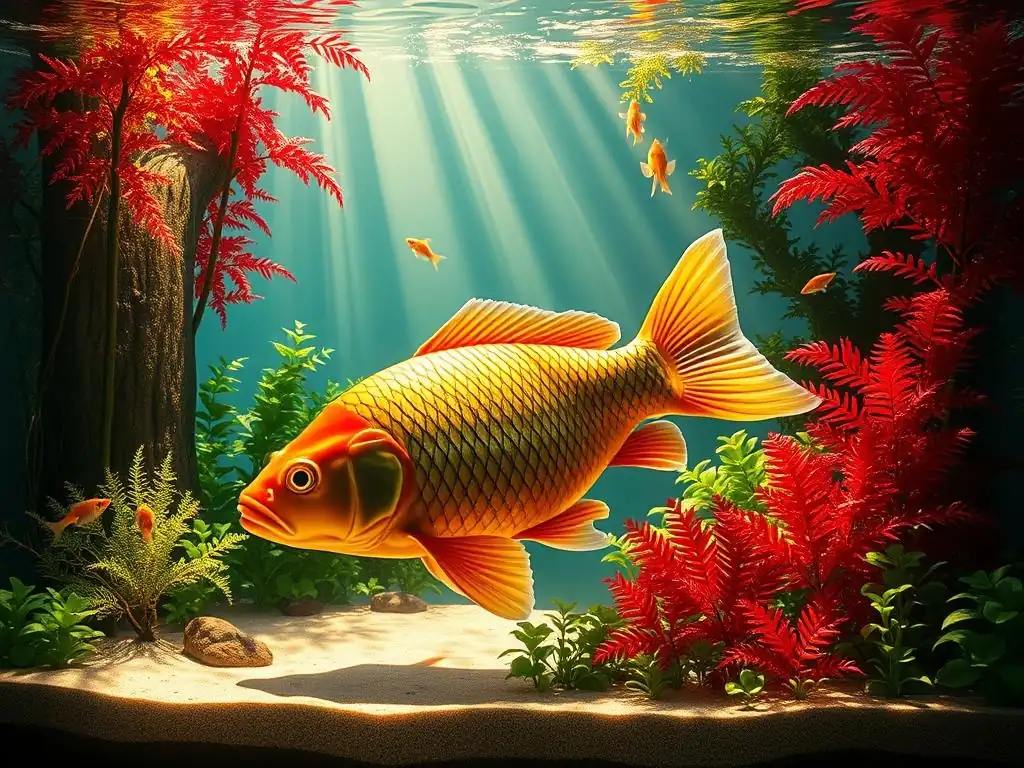
Ever wondered how to ensure your vibrant barbs thrive for years to come? Dive into our comprehensive guide to Long Lifespan Cyprinid Care and unlock the secrets to creating a thriving environment for these fascinating freshwater fish. Ready to discover the key to a longer, healthier life for your beloved barbs? Let's begin!
- Understanding Barb Lifespans: Key Factors for Long-Lived Cyprinids
- Essential Water Quality for Extended Barb Life
- Nutritional Strategies for Promoting Barb Longevity
- Creating the Ideal Barb Habitat for a Longer Life
- Preventing and Treating Diseases to Extend Barb Lifespan
- Social Dynamics and Tank Mates for Barb Well-being
- Advanced Barb Care Techniques for Maximizing Lifespan
- Common Mistakes That Shorten Barb Lifespans (and How to Avoid Them)
- Conclusion: Achieving Long Lifespan Cyprinid Care Through Holistic Practices
-
Frequently Asked Questions
- How long do Barbs typically live in a home aquarium?
- What are the most crucial aspects of water chemistry for maximizing Barb lifespan?
- How does diet impact the longevity of Barbs in an aquarium?
- What are some common diseases that shorten Barb lifespan, and how can they be prevented?
- Are there specific Barb species known for exceptionally long lifespans, and what unique care requirements do they have?
- Final Reflection: The Enduring Beauty of Barb Lifespans
- Unlock the Secrets: Nurture Thriving Barb Fish!
Understanding Barb Lifespans: Key Factors for Long-Lived Cyprinids
Average Lifespan of Popular Barb Species
The lifespan of barb species can vary significantly depending on their specific type and the quality of care they receive. For instance, popular species like the Tiger Barb ( Puntigrus tetrazona) typically live for 5 to 7 years in a well-maintained aquarium.
Cherry Barbs ( Puntius titteya) often reach 4 to 6 years, while the robust Rosy Barb ( Pethia conchonius) can live for 5 to 7 years. The highly sought-after Denison Barb ( Sahyadria denisonii), also known as the Red-line Torpedo Barb, can surprisingly live even longer, often reaching 5 to 8 years, with some dedicated aquarists reporting individuals living over 10 years.
These figures represent the potential under optimal conditions, underscoring that with proper long lifespan cyprinid care, these vibrant fish can be enjoyed for many years. Unfortunately, many barbs in home aquariums do not reach their full potential lifespan due to suboptimal environments, highlighting the importance of understanding and implementing best practices for their care.
Factors Influencing Barb Longevity in Aquariums
Several critical factors directly influence how long barbs will thrive in an aquarium environment. Paramount among these is consistent water quality, which includes stable pH, zero ammonia and nitrite, and low nitrate levels. A nutritious and varied diet, appropriate tank size that prevents overcrowding, and compatible tank mates also play significant roles. Stress, often induced by poor water conditions, inadequate schooling numbers (especially for species like Tiger Barbs that prefer groups of 6-8 or more), or aggressive tank mates, is a major contributor to shortened lifespans.
Beyond environmental factors, the genetic predisposition of individual fish, while less controllable by the hobbyist, can also influence longevity. However, even with good genetics, a barb will not reach its full potential without diligent long lifespan cyprinid care. Providing a stable, clean, and enriching environment minimizes stress and boosts the fish's immune system, making them more resilient to disease and promoting a truly long lifespan for your cyprinids.
Essential Water Quality for Extended Barb Life
Maintaining Optimal Water Parameters for Cyprinid Health
The Importance of pH, Ammonia, Nitrite, and Nitrate Levels
Maintaining precise and stable water parameters is non-negotiable for achieving long lifespan cyprinid care. For most common barb species, a pH range between 6.0 and 7.5 is generally ideal, though specific species like the Tiger Barb prefer slightly acidic conditions around pH 6.0-7.0, while Denison Barbs thrive closer to pH 6.5-7.5.
Crucially, ammonia (NH3/NH4+) and nitrite (NO2-) levels must always be at 0 parts per million (ppm), as even trace amounts are highly toxic, causing gill damage and inhibiting oxygen uptake. Nitrate (NO3-), the end product of the nitrogen cycle, should be kept below 20 ppm, ideally closer to 10 ppm, as chronic exposure to high nitrates can suppress immune function and cause long-term health issues.
Regular testing with a reliable liquid test kit (not strips, which can be less accurate) is essential to monitor these parameters weekly. Sudden fluctuations in pH or temperature can be more detrimental than slight deviations within an acceptable range, stressing the fish and making them susceptible to illness. Consistent monitoring and proactive adjustments are fundamental pillars of successful long lifespan cyprinid care.
Regular Water Changes: A Cornerstone of Long Lifespan Cyprinid Care
Regular partial water changes are arguably the single most impactful practice for extending barb lifespan. They serve to dilute and remove accumulated nitrates, phosphates, and other dissolved organic compounds that filtration alone cannot completely eliminate. These changes also replenish essential trace minerals and electrolytes that barbs utilize for their metabolic processes. For a moderately stocked barb aquarium, a weekly water change of 25-30% of the tank volume is a widely recommended standard.
Neglecting water changes leads to a gradual decline in water quality, resulting in chronically high nitrate levels that weaken a barb's immune system, stunt growth, and increase susceptibility to diseases. For example, a 50-gallon tank with 10 Tiger Barbs that only receives monthly 10% water changes will inevitably experience significantly shorter lifespans compared to a tank receiving weekly 25% changes, demonstrating the direct link between water maintenance and long lifespan cyprinid care.
Choosing the Right Filtration System for Barb Health
An effective filtration system is indispensable for maintaining the pristine water conditions necessary for barb longevity. A robust filter should incorporate mechanical, chemical, and biological filtration components. Mechanical filtration (e.g., filter floss, sponges) removes particulate matter, keeping the water clear. Chemical filtration (e.g., activated carbon) adsorbs dissolved organic pollutants and odors. Biological filtration, provided by porous media that houses beneficial bacteria, is the most critical aspect, as it converts toxic ammonia and nitrite into less harmful nitrate.
For barb aquariums, canister filters are often preferred for larger tanks (55 gallons and up) due to their superior capacity for media and flow rates, handling the bioload of active barb schools. Hang-on-back (HOB) filters are excellent for smaller to medium tanks (10-50 gallons), and sponge filters can provide supplemental biological filtration or serve as primary filtration in very small setups or quarantine tanks.
Choosing a filter rated for a tank size larger than your actual aquarium (e.g., a filter rated for 50 gallons on a 30-gallon tank) provides an extra buffer, ensuring optimal water quality and contributing significantly to long lifespan cyprinid care.
Nutritional Strategies for Promoting Barb Longevity
The Best Barb Food for Optimal Health and Lifespan
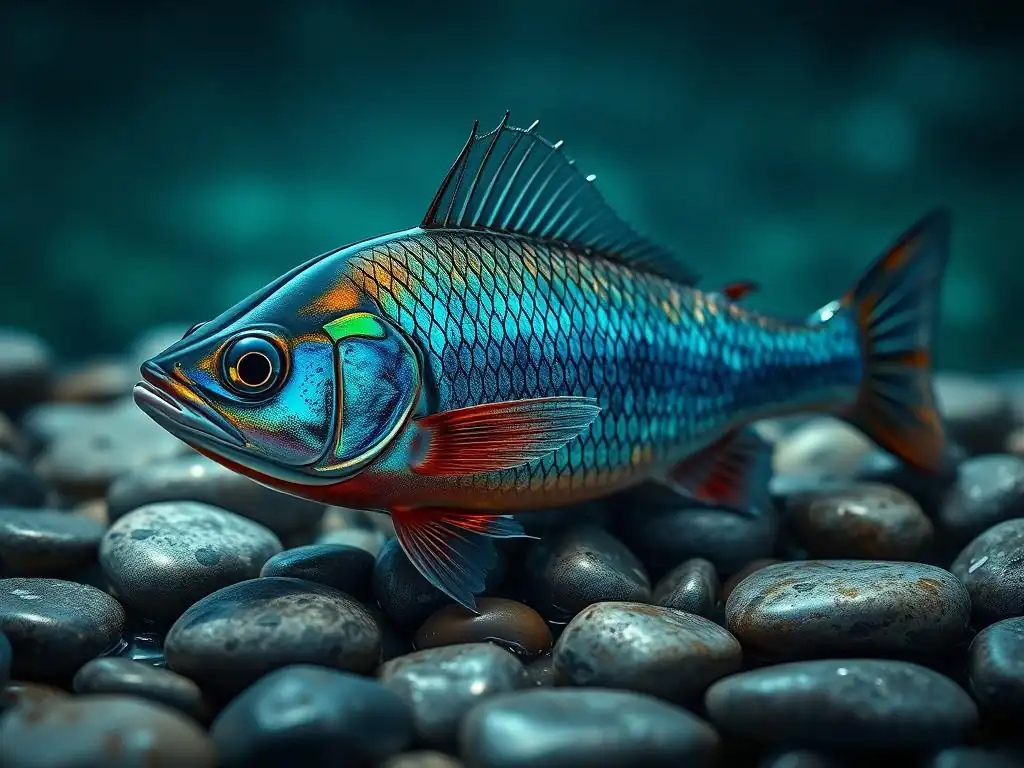
Providing a high-quality, varied diet is crucial for promoting the health and longevity of your barbs. The cornerstone of their diet should be a premium flake or pellet food specifically formulated for tropical fish, rich in fish meal, spirulina, and essential vitamins (such as Vitamin C for immune support). Reputable brands like Hikari, Omega One, or Fluval Bug Bites offer balanced nutrition that supports vibrant colors and robust health. Look for protein content generally between 35-45% for active cyprinids, along with healthy fats and digestible carbohydrates.
Avoid generic, low-cost foods that often contain excessive fillers and insufficient nutritional value. Such diets can lead to nutrient deficiencies, weakened immune systems, and digestive problems over time, directly hindering efforts to achieve long lifespan cyprinid care. A barb fed consistently on a poor diet might develop stunted growth or faded colors within months, contrasting sharply with a well-nourished fish's vitality.
Feeding Frequency and Portion Control for Cyprinids
Proper feeding frequency and portion control are vital to prevent both underfeeding and, more commonly, overfeeding. Barbs are active fish and benefit from two small feedings per day, typically enough food that they can consume entirely within 2 to 3 minutes. This approach ensures they receive adequate nutrition without leaving excess food to decay in the tank.
Overfeeding is a prevalent mistake that severely undermines long lifespan cyprinid care. Uneaten food quickly breaks down, leading to dangerous spikes in ammonia and nitrite, and contributing to high nitrate levels. Furthermore, chronic overfeeding can cause internal issues in barbs, such as fatty liver disease, obesity, and digestive blockages, making them sluggish and susceptible to secondary infections. For example, a 20-gallon tank with six Tiger Barbs fed a pinch of flakes twice daily will maintain far better water quality than one fed a large scoop once a day.
Supplementing Your Barb's Diet for Enhanced Vitality
While a high-quality staple food is essential, supplementing your barb's diet with a variety of live or frozen foods significantly enhances their vitality and contributes to long lifespan cyprinid care. Offer items like bloodworms, brine shrimp, and daphnia 2-3 times per week. These foods provide essential proteins, fats, and micronutrients that may be less abundant in processed foods, and they also stimulate natural foraging behaviors.
Additionally, some barb species, such as Rosy Barbs, benefit from vegetable matter. Blanched spinach, zucchini, or specialized vegetable-based flakes can be offered periodically. This dietary diversity boosts their immune systems, improves digestion, and ensures a complete nutritional profile, directly supporting robust health and allowing your cyprinids to reach their maximum potential lifespan.
Creating the Ideal Barb Habitat for a Longer Life
Tank Size and Setup for Happy, Healthy Barbs
Appropriate tank size is fundamental for the well-being and long lifespan of barbs, especially given their active and often schooling nature. For a school of 6-8 Tiger Barbs, a minimum tank size of 20 gallons (specifically a 20-gallon long to provide ample swimming space) is recommended. Cherry Barbs can thrive in a 10-gallon tank for a similar school size, while the larger and more active Denison Barbs require at least a 55-gallon tank for a group of 6-8 individuals. Providing sufficient space reduces stress, aggression, and the accumulation of waste products.
Barbs are schooling fish, and keeping them in proper group sizes (typically 6 or more, ideally 8-10 for Tiger Barbs) is crucial for their social dynamics and overall health. A school spreads out any aggression among themselves rather than directing it at other tank inhabitants, leading to a more natural and less stressful environment.
For example, a single Tiger Barb in a 10-gallon tank will be perpetually stressed and aggressive, likely leading to a significantly reduced lifespan compared to a thriving school in a 20-gallon long. This emphasis on proper schooling and space is a key component of long lifespan cyprinid care.
Choosing the Right Substrate and Decorations
The choice of substrate and decorations contributes to both the aesthetic appeal and the functional health of a barb aquarium. A fine gravel or sand substrate is generally suitable, as it is easy to clean and gentle on barb barbels (if present). Avoid sharp-edged gravel that could injure the fish. Decorations should include smooth rocks, driftwood, and caves or ceramic tubes to provide hiding spots and visual breaks. These elements mimic the natural habitats of many barb species, offering security and areas for retreat, which reduces overall stress levels.
When arranging decorations, ensure there are ample open swimming areas, as barbs are very active. However, also provide plenty of cover and visual barriers. For instance, creating distinct territories with driftwood or rock formations can help diffuse potential aggression among Tiger Barbs. A well-designed aquascape that balances open space with secure hiding places fosters a more harmonious environment, directly supporting the goal of long lifespan cyprinid care.
The Importance of Plants in a Barb Aquarium
Live plants are an invaluable addition to a barb aquarium, significantly contributing to the overall health and longevity of your cyprinids. Plants, through photosynthesis, absorb nitrates and other nitrogenous compounds from the water, helping to maintain excellent water quality and reduce the frequency of large water changes. They also release oxygen into the water, further benefiting the fish.
Beyond their water purification role, plants provide crucial psychological benefits for barbs. They offer natural hiding places and visual barriers, which can reduce stress and aggression, particularly in species like Cherry Barbs, which appreciate the cover. Densely planted areas give timid barbs a sense of security, while active species like Tiger Barbs enjoy darting through the foliage. Hardy plants such as Java Fern, Anubias, and various Cryptocoryne species are excellent choices for barb tanks, contributing to a stable, enriched environment essential for long lifespan cyprinid care.
Preventing and Treating Diseases to Extend Barb Lifespan
Recognizing Common Barb Diseases and Symptoms
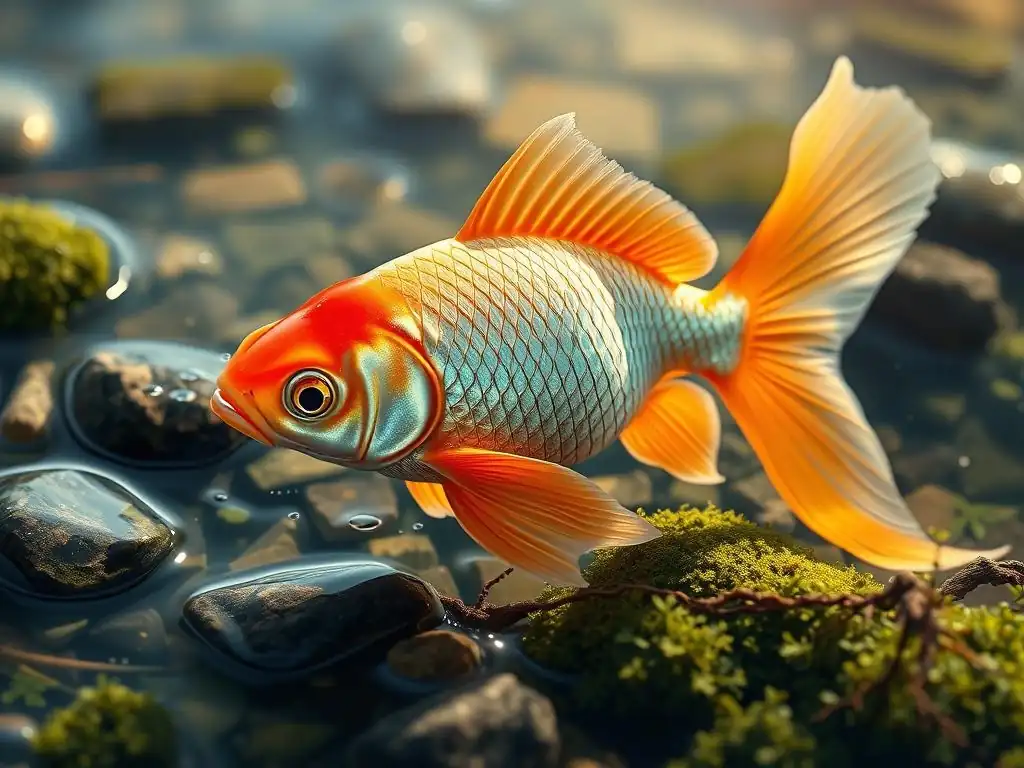
Vigilant observation of your barbs is crucial for early detection and treatment of diseases, significantly extending their lifespan. Common barb ailments include Ich (white spots resembling salt grains), Fin Rot (frayed, discolored fins), Velvet (a fine, gold-dust like coating on the body), and Dropsy (swollen body with scales protruding, often a symptom of internal organ failure). Symptoms can also be behavioral, such as lethargy, clamped fins, rapid breathing, flashing (rubbing against objects), loss of appetite, or abnormal swimming patterns.
Most diseases in barbs are triggered by poor water quality, stress, or the introduction of infected new fish. For instance, an ammonia spike can quickly lead to bacterial infections like Fin Rot. Regularly inspecting your fish for any changes in appearance or behavior, especially during feeding times, allows for prompt intervention. Early recognition is a cornerstone of effective long lifespan cyprinid care, as it drastically improves the chances of successful treatment.
Quarantine Procedures for New Fish
Implementing a strict quarantine procedure for all new fish before introducing them to your main display tank is one of the most effective strategies for preventing disease outbreaks and ensuring long lifespan cyprinid care for your existing inhabitants. A dedicated quarantine tank, typically 10-20 gallons, should be set up with a heater, filter, and minimal decorations. New barbs should be housed in this tank for at least 2 to 4 weeks.
During the quarantine period, observe the new fish closely for any signs of illness. It's often recommended to proactively treat with a broad-spectrum anti-parasitic and anti-bacterial medication during the first week, even if no symptoms are visible, as a preventative measure. This simple step, while requiring an extra tank, prevents the introduction of pathogens like Ich or Velvet that could decimate your entire established barb population, making it an invaluable practice for preserving the health and extending the lifespan of your cyprinids.
Effective Treatment Options for Sick Cyprinids
When a barb falls ill, prompt and appropriate treatment is essential for recovery. The specific treatment depends on the diagnosed disease. For common external parasites like Ich, elevating the tank temperature (if suitable for all inhabitants and gradual, e.g., to 82-84°F for Ich) and using over-the-counter medications like malachite green or formalin-based products (e.g., Ich-X) are effective. Bacterial infections like Fin Rot often respond to antibiotics such as erythromycin or nitrofurazone.
Always follow the medication dosage instructions precisely and complete the full course of treatment, even if symptoms improve quickly. Crucially, address the underlying cause of the illness, which is often poor water quality or stress. Performing a significant water change (30-50%) before and during treatment can help reduce the pathogen load and improve the fish's ability to recover. Consulting a reliable fish health guide or an experienced aquarist can provide tailored advice for effective long lifespan cyprinid care.
Compatibility and Schooling Behavior for Optimal Barb Health
Understanding the social dynamics and schooling behavior of barbs is paramount for their well-being and long lifespan. Most barb species, especially Tiger Barbs, are schooling fish and thrive when kept in groups of at least 6-8 individuals, ideally more. A larger school helps to diffuse aggression, as the fish will nip at each other rather than focusing on other tank mates. For example, a school of 10 Tiger Barbs in a 55-gallon tank will exhibit far less aggression towards other species than a small group of 3-4 in a 20-gallon tank.
Proper schooling reduces stress, encourages natural behaviors, and contributes to stronger immune systems. When barbs feel secure within their group, they are less prone to stress-related illnesses that can shorten their lives. This fundamental aspect of their care directly supports the goal of long lifespan cyprinid care, allowing these active fish to display their full vibrant personalities.
Avoiding Stressful Tank Mate Combinations
Careful selection of tank mates is critical to prevent stress and aggression within a barb aquarium. While barbs are generally robust, some species, particularly Tiger Barbs, are notorious fin-nippers. Therefore, they should not be housed with slow-moving, long-finned fish such as Angelfish, Bettas, or many Gourami species, as their fins will inevitably be shredded, leading to stress, injury, and potential infections.
Instead, opt for active, similarly sized, and robust fish that can hold their own. Good tank mate choices for Tiger Barbs include other fast-moving cyprinids like Danios, Rainbowfish, or even certain Loaches. Cherry Barbs and Rosy Barbs are generally more peaceful and can coexist with a wider variety of community fish, provided their tank mates are not overly aggressive. Thorough research into species compatibility is a non-negotiable step in creating a harmonious environment that promotes long lifespan cyprinid care.
Creating a Harmonious Environment for Your Cyprinids
Beyond compatible tank mates, the physical layout of the aquarium can significantly contribute to a harmonious environment for your barbs. Providing ample space, as discussed earlier, is the first step. Additionally, incorporating plenty of visual breaks using plants, driftwood, and rock formations can help to reduce territorial disputes and diffuse aggression. These elements allow fish to establish their own territories or retreat when needed.
Introducing all fish to the tank simultaneously, or adding new fish after existing ones have settled, can also help minimize aggression. For instance, adding a school of Tiger Barbs to an empty tank allows them to establish their pecking order without external stressors. A balanced social structure, combined with a well-designed habitat, ensures that your barbs feel secure and unstressed, which is vital for their long-term health and the overall success of your long lifespan cyprinid care efforts.
Advanced Barb Care Techniques for Maximizing Lifespan
Monitoring Barb Behavior for Early Signs of Problems
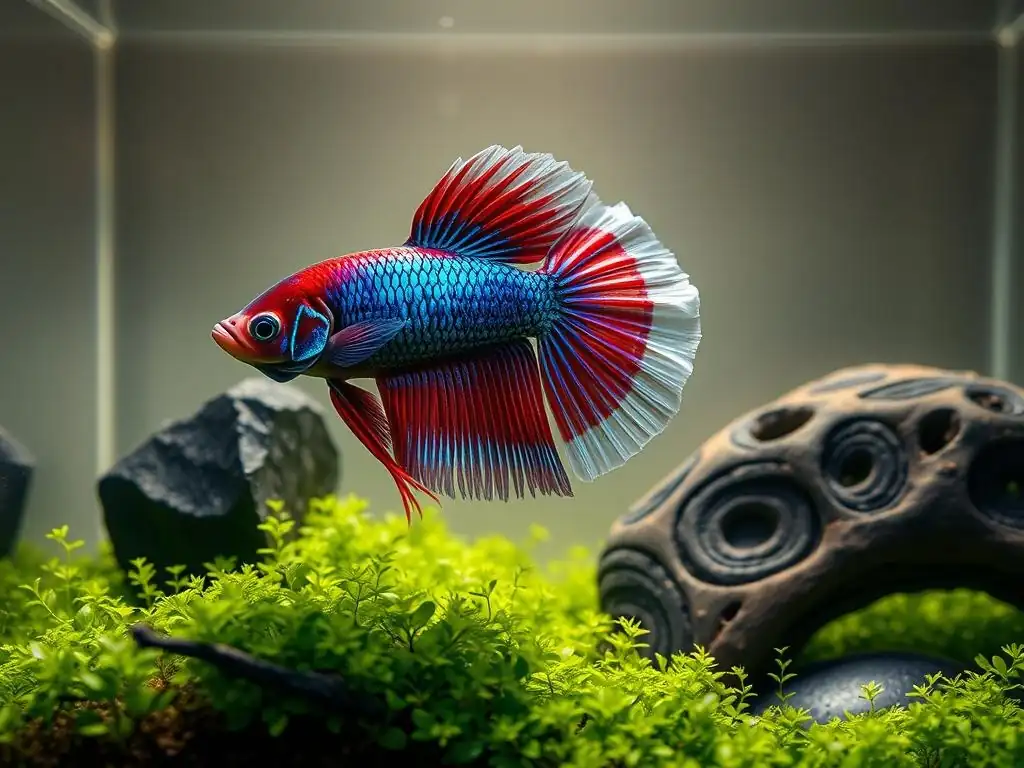
Beyond routine water testing, consistently monitoring your barbs' behavior is an advanced yet simple technique for detecting problems early and ensuring long lifespan cyprinid care. Healthy barbs are typically active, curious, and exhibit vibrant colors. Any deviation from their normal behavior should be a red flag. Watch for changes in swimming patterns (e.g., lethargy, listlessness, flashing against objects), labored breathing (rapid gill movement), clamped fins, hiding excessively, or a sudden loss of appetite.
Even subtle changes, such as a slight dulling of color or reduced interaction with the school, can indicate underlying stress or the onset of illness. For example, a Tiger Barb that suddenly isolates itself from the school and hovers near the surface might be experiencing oxygen deprivation or a severe internal issue. Prompt observation and intervention based on these behavioral cues can significantly improve the outcome for a sick fish, often preventing minor issues from escalating into life-threatening conditions and truly maximizing barb lifespan.
Utilizing UV Sterilizers and Ozone Generators
For aquarists seeking to achieve the absolute pinnacle of long lifespan cyprinid care, advanced equipment like UV sterilizers and ozone generators can be considered. A UV sterilizer works by passing aquarium water through a chamber containing a UV-C lamp, which effectively kills free-floating algae, bacteria, viruses, and parasites in the water column. This dramatically reduces the pathogen load, leading to clearer water and a significantly lower risk of disease outbreaks. For instance, a 9-watt UV sterilizer can effectively treat a 50-gallon aquarium, reducing common pathogens by over 90% in a single pass.
Ozone generators, while more complex and requiring careful monitoring (typically with an ORP controller), introduce ozone (O3) into the water. Ozone is a powerful oxidizer that breaks down organic waste, improves water clarity, and can neutralize harmful bacteria and parasites. While effective for maintaining pristine water quality, over-ozonation can be harmful to fish, so precise control is essential. These tools are not replacements for regular maintenance but can provide an extra layer of protection, particularly in heavily stocked tanks or those prone to persistent health issues, contributing to the ultimate long lifespan cyprinid care.
Administering Medicated Food and Dips
For internal infections or to minimize stress on the main display tank, advanced aquarists often utilize medicated food or short-term medicated dips. Medicated foods, such as flakes infused with antibiotics (e.g., Metronidazole for internal parasites) or antiparasitics, ensure that the medication is ingested directly by the sick fish. This method is particularly effective when fish are still eating but suffer from internal bacterial infections or flagellates, bypassing the need to treat the entire tank and potentially harming beneficial bacteria.
Medicated dips involve briefly placing a sick fish in a separate container with a concentrated dose of medication (e.g., a salt dip for external parasites, or a short bath with a specific anti-bacterial agent). This provides a quick, high-impact treatment that can be very effective for severe external infections or when rapid intervention is needed, without exposing the entire tank ecosystem to strong chemicals. Both techniques require careful attention to dosage and fish response but offer targeted and effective ways to treat ailments, supporting long lifespan cyprinid care.
Common Mistakes That Shorten Barb Lifespans (and How to Avoid Them)
Overcrowding and Its Impact on Cyprinid Health
One of the most pervasive mistakes in aquarium keeping, which drastically shortens barb lifespans, is overcrowding. Placing too many fish in a tank, or fish that are too large for the tank volume, leads to a rapid accumulation of waste, resulting in chronically high nitrate levels and potentially dangerous ammonia and nitrite spikes. For example, attempting to house a school of 15 adult Tiger Barbs in a 20-gallon tank is severe overcrowding that will inevitably lead to health problems.
Overcrowding also increases stress due to limited swimming space and heightened aggression, as fish cannot establish territories or escape dominant individuals. This constant stress weakens their immune systems, making them highly susceptible to diseases like Ich and Fin Rot. Stunted growth, faded colors, and lethargy are common signs of an overcrowded tank. Adhering to the "one inch of fish per gallon" rule (though often conservative for active species) and researching specific barb needs for schooling and space are crucial for avoiding this pitfall and promoting true long lifespan cyprinid care.
Overfeeding and Its Consequences
Overfeeding is another common error with severe consequences for barb longevity. While it might seem harmless, feeding your barbs more than they can consume within 2-3 minutes directly leads to a cascade of problems. Uneaten food quickly decays, releasing ammonia into the water, which is highly toxic. Even if ammonia is processed by the filter, the resulting nitrates will accumulate rapidly, necessitating more frequent and larger water changes.
Beyond water quality degradation, chronic overfeeding can cause internal health issues in barbs, including fatty liver disease, digestive blockages, and obesity. An obese fish is sluggish, less active, and has a compromised immune system, making it highly vulnerable to infections and stress. This directly contradicts the principles of long lifespan cyprinid care. Sticking to small, frequent feedings and occasionally skipping a day can significantly improve water quality and the overall health of your barbs.
Neglecting Water Quality and Maintenance
Perhaps the most critical mistake that shortens barb lifespans is the neglect of consistent water quality and maintenance. This includes infrequent water changes, neglecting filter cleaning, and failing to regularly test water parameters. When water changes are sporadic (e.g., once a month for a moderately stocked tank), nitrates build up to toxic levels (e.g., over 40 ppm), leading to chronic stress, gill damage, and suppressed immunity.
A clogged or unmaintained filter cannot effectively process waste, leading to elevated ammonia and nitrite. Inconsistent temperature or pH, caused by inadequate heating or large, infrequent water changes with unconditioned water, also stresses fish immensely. Poor water quality is the leading cause of disease and premature death in aquarium fish. A proactive and consistent maintenance schedule, including weekly water changes and regular filter checks, is not just a recommendation but an absolute requirement for achieving truly long lifespan cyprinid care and ensuring your barbs thrive for years.
Conclusion: Achieving Long Lifespan Cyprinid Care Through Holistic Practices
Maximizing the lifespan of your barbs is a rewarding endeavor that stems from a holistic approach to their care. It encompasses far more than just providing food; it demands a deep understanding of their needs and a commitment to maintaining an optimal environment. From ensuring pristine water parameters and providing a balanced, varied diet to creating a spacious, well-decorated habitat that supports their social dynamics, every aspect contributes to their long-term health.
Preventing diseases through rigorous quarantine procedures and prompt treatment, coupled with avoiding common pitfalls like overcrowding and overfeeding, are equally vital. By diligently applying these comprehensive strategies, you empower your barbs to live full, vibrant lives, often reaching or even exceeding their typical lifespan. The dedication to long lifespan cyprinid care not only fosters healthy, active fish but also enriches the entire aquarium experience, transforming your tank into a thriving, beautiful aquatic ecosystem.
Frequently Asked Questions
How long do Barbs typically live in a home aquarium?
Barbs, being cyprinids, generally have a lifespan ranging from 4 to 8 years, depending on the species and the quality of their care. Factors like water quality and diet significantly influence their longevity.
What are the most crucial aspects of water chemistry for maximizing Barb lifespan?
Maintaining stable water parameters is essential. Specifically, regular testing and adjustments to keep ammonia and nitrite levels at zero and nitrates low are vital for Barb health.
How does diet impact the longevity of Barbs in an aquarium?
A varied and balanced diet is key. Providing high-quality flake food, supplemented with live or frozen foods like brine shrimp or bloodworms, ensures they receive the necessary nutrients for a long life.
What are some common diseases that shorten Barb lifespan, and how can they be prevented?
Ich (white spot disease) and fin rot are common. Prevention involves maintaining pristine water conditions, quarantining new fish, and avoiding overcrowding to minimize stress and disease outbreaks.
Are there specific Barb species known for exceptionally long lifespans, and what unique care requirements do they have?
While general Barb care is similar, some species, like Rosy Barbs, may live slightly longer. Researching the specific needs of your chosen Barb species is crucial to tailoring their care for optimal health and lifespan.
Final Reflection: The Enduring Beauty of Barb Lifespans
The journey through understanding and maximizing the lifespan of our beloved barbs culminates in a powerful realization: responsible aquascaping and dedicated care are not just about keeping fish alive, but about enriching their existence. The principles of water quality, appropriate tankmates, and a varied diet, as discussed, are more than just guidelines; they are the cornerstones of a thriving aquatic ecosystem where these vibrant cyprinids can flourish for years to come.
This exploration into long lifespan cyprinid care has profoundly underscored the interconnectedness of our actions and the well-being of these creatures. It's a reminder that we are not merely keepers, but stewards of their lives, entrusted with creating environments where they can express their natural behaviors and reach their full potential. The greatness of a nation and its moral progress can be judged by the way its animals are treated.
- Mahatma Gandhi. This quote, while broad, resonates deeply with the specific responsibility we bear towards the barbs in our care.
Now, as you close this article, consider the impact you can have. Are you providing the optimal environment for your barbs to thrive? Are you actively seeking knowledge to improve their lives? Let this be a call to action: embrace the principles of long lifespan cyprinid care, and witness the enduring beauty and vibrant personalities of these remarkable fish for many years to come.
Unlock the Secrets: Nurture Thriving Barb Fish!
Thank you for exploring the world of barb fish and learning how to extend their lifespan. Now, let's turn that knowledge into action!
- Commit to Optimizing Your Tank: Re-evaluate your tank parameters—water quality, temperature, and tank mates—to create the ideal habitat for your barbs and ensure maximum longevity.
- Delve deeper into specific barb species needs: Conduct targeted research on the unique requirements of your particular barb varieties for a truly tailored care plan.
- Share your newfound wisdom: Spark conversations with fellow aquarists and spread the word about responsible barb keeping.
Ready to transform your aquarium into a barb paradise? What specific adjustment will you make this week to improve your barbs' environment and promote a longer, healthier life?