
Mickey Mouse Platy Fun: Caring for This Adorable Aquarium Favorite

Welcome to Aquarium Mastery!
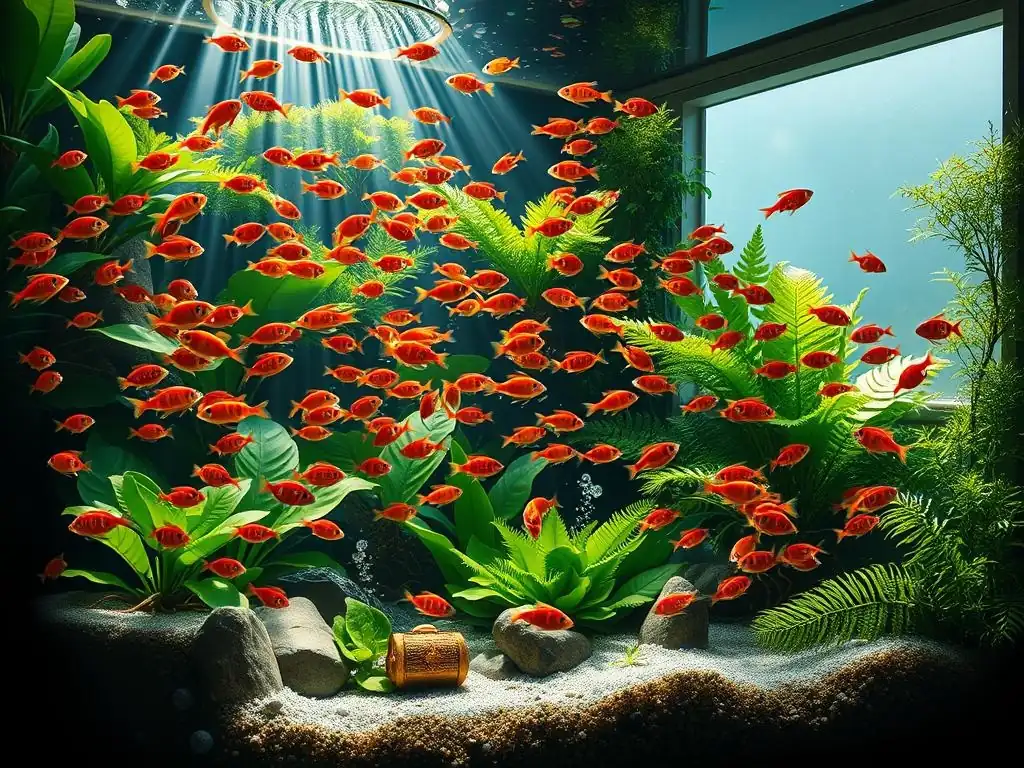
Ever wondered how to keep those adorable Mickey Mouse Platies thriving in your aquarium? Unlock the secrets to their vibrant colors and playful personalities! Dive in to discover essential Mickey Mouse Platy care tips and learn how to create the perfect environment for these freshwater favorites. Get ready to make your aquarium the happiest place for your Mickey Mouse Platies!
- Introduction to Mickey Mouse Platies: A Guide for Aquarium Keepers
- Mickey Mouse Platy Care: Essential Tips for a Thriving Aquarium
- Mickey Mouse Platy Tank Mates: Creating a Peaceful Community
- Mickey Mouse Platy Breeding: A Beginner's Guide
- Common Mickey Mouse Platy Diseases and Prevention
- Maintaining a Pristine Aquarium for Your Mickey Mouse Platies
- Troubleshooting Common Mickey Mouse Platy Problems
- The Joys of Keeping Mickey Mouse Platies: A Rewarding Experience
- Conclusion: Mastering Mickey Mouse Platy Care
-
Frequently Asked Questions
- What are some key considerations when setting up a tank for Mickey Mouse Platies?
- What are the best tank mates for Mickey Mouse Platies in a community aquarium?
- What is the ideal diet for Mickey Mouse Platies to ensure their health and vibrant colors?
- How can I prevent common diseases in my Mickey Mouse Platy aquarium?
- How can I encourage breeding in my Mickey Mouse Platy aquarium and protect the fry?
- Final Reflection: The Enduring Charm of Tiny Treasures
- Dive Deeper into the World of Mickey Mouse Platies!
Introduction to Mickey Mouse Platies: A Guide for Aquarium Keepers
Why Choose Mickey Mouse Platies for Your Freshwater Aquarium?
Mickey Mouse Platies (Xiphophorus maculatus) are a fantastic choice for both novice and experienced freshwater aquarium keepers due to their peaceful temperament, vibrant colors, and relatively small size, typically reaching an adult length of 1.5 to 2 inches (3.8 to 5 cm). These active and curious fish add a dynamic splash of life to any community tank, making them a popular staple in the aquarium hobby. Their hardiness and adaptability to a range of water conditions also make them forgiving for those new to fish keeping, offering an enjoyable entry point into the world of livebearers.
Beyond their ease of care, Mickey Mouse Platies are prolific breeders, providing a unique opportunity for aquarists to observe the life cycle of fish firsthand. Witnessing the birth and growth of their fry can be an incredibly rewarding experience, adding another layer of engagement to the hobby. Their generally non-aggressive nature ensures they coexist well with a variety of other peaceful fish species, contributing to a harmonious and bustling aquatic environment.
Understanding the Appeal of the Mickey Mouse Tail Pattern
The defining characteristic of the Mickey Mouse Platy, and indeed its namesake, is the distinct black marking on its caudal (tail) fin that strikingly resembles the silhouette of Mickey Mouse's head. This unique and charming pattern makes them instantly recognizable and contributes significantly to their widespread appeal among aquarists. This natural "tattoo" is a genetic trait that reliably appears across generations, ensuring the iconic look.
This distinctive pattern is often paired with a stunning array of body colors, including brilliant reds, sunny golds, crisp whites, and even captivating blues, making each Mickey Mouse Platy a miniature work of art. The combination of the playful tail marking and the diverse color palette ensures these fish stand out in any aquarium, providing a focal point of beauty and interest. It's this blend of uniqueness and visual appeal that solidifies the Mickey Mouse Platy's status as a beloved aquarium favorite, enhancing the aesthetic value of community tanks.
Mickey Mouse Platy Care: Essential Tips for a Thriving Aquarium
Optimal Tank Setup for Mickey Mouse Platies
Proper tank setup is paramount for ensuring the health and happiness of your Mickey Mouse Platies. A well-established aquarium, thoroughly cycled to develop beneficial bacteria, provides a stable environment crucial for their well-being. This foundational step helps prevent the accumulation of toxic ammonia and nitrites, which are detrimental to fish health and can lead to stress and disease.
In addition to a cycled tank, attention to lighting, filtration, and heating is vital. A gentle filtration system, such as a sponge filter or a hang-on-back filter with adjustable flow, is ideal to prevent strong currents that can stress these small fish. Adequate lighting, typically 8-10 hours per day, supports plant growth and a natural day-night cycle. A reliable heater is also essential to maintain stable water temperatures, a key aspect of comprehensive Mickey Mouse Platy care.
Tank Size Recommendations for Mickey Mouse Platies
- Minimum Tank Size: For a small group of 3-5 Mickey Mouse Platies, a 10-gallon (approximately 38 liters) aquarium is the absolute minimum recommended size. This allows for adequate swimming space and helps dilute waste products, contributing to better water quality.
- Optimal Tank Size for Community: For a thriving community tank with platies and other compatible species, a 20-gallon long (approximately 76 liters) or larger tank is highly recommended. Larger tanks offer more stability in water parameters, reduce aggression among fish, and provide ample room for exploration and growth.
Substrate and Decor Choices for Platy Happiness
- Substrate: Fine gravel or sand is suitable as a substrate. These materials are gentle on their delicate barbels if they forage near the bottom and allow for easy cleaning. A darker substrate can also help their vibrant colors pop.
- Decor: Incorporate plenty of live plants, such as Java Fern, Anubias, Hornwort, or floating plants like Water Sprite. These provide essential hiding spots, especially for fry, and contribute to water oxygenation. Driftwood and smooth rocks can also be added to create visual interest and additional shelter, ensuring there are no sharp edges that could injure the fish.
Water Parameters for Healthy Mickey Mouse Platies
Maintaining stable and appropriate water parameters is one of the most critical aspects of Mickey Mouse Platy care. Sudden fluctuations in temperature, pH, or hardness can cause significant stress to fish, compromising their immune systems and making them susceptible to various diseases. Consistency is often more important than hitting exact numbers, though staying within the recommended ranges is vital.
Regular testing of your aquarium water is indispensable. Using a reliable freshwater test kit (e.g., a liquid reagent kit like the API Freshwater Master Test Kit) to monitor ammonia, nitrite, nitrate, pH, and hardness levels weekly will help you identify and address any issues before they become severe. Proactive monitoring ensures a healthy environment and contributes significantly to the longevity and vibrancy of your Mickey Mouse Platies.
Maintaining Ideal Water Temperature for Platies
- Temperature Range: Mickey Mouse Platies thrive in tropical water temperatures ranging from 72-78°F (22-26°C). Maintaining a consistent temperature within this range is crucial for their metabolism, activity levels, and overall health.
- Equipment: A submersible aquarium heater with a thermostat is essential to keep the temperature stable. Always use an accurate thermometer to monitor the water temperature, ensuring the heater is functioning correctly and preventing dangerous temperature swings.
pH and Water Hardness Considerations
- pH Level: These fish prefer slightly alkaline water, with an ideal pH range of 7.0 to 8.0. While they can tolerate a slight deviation, maintaining stability within this range is key. Drastic pH swings should be avoided at all costs.
- Water Hardness (GH): Mickey Mouse Platies, like most livebearers, prefer moderately hard to hard water, with a General Hardness (GH) range of 10-25 dGH. Hard water contains essential minerals that benefit their health and scale development. If your tap water is very soft, you might need to use a remineralizer or incorporate materials like crushed coral into your filter or substrate to gradually increase hardness.
Mickey Mouse Platy Diet and Feeding Guide
A well-balanced and varied diet is fundamental to ensuring the vibrant colors, robust health, and active behavior of your Mickey Mouse Platies. As omnivores, they require a mix of both plant-based and protein-rich foods to meet their nutritional needs. A diet rich in essential nutrients supports their immune system, promotes healthy growth, and enhances their natural coloration.
Neglecting diet can lead to dull colors, stunted growth, and increased susceptibility to illness. Therefore, offering a diverse range of foods, rather than relying solely on one type, is a crucial aspect of responsible Mickey Mouse Platy care. This variety also mimics their natural foraging behavior and provides mental stimulation, contributing to their overall well-being.
What to Feed Your Mickey Mouse Platies: A Balanced Diet
- Staple Foods: A high-quality flake food specifically formulated for tropical fish should form the basis of their diet. Look for flakes that list fish meal, spirulina, and other plant-based ingredients among the first few ingredients.
- Supplemental Foods:
- Protein: Supplement with frozen or live foods such as bloodworms, brine shrimp, daphnia, or mosquito larvae once or twice a week. These provide essential protein for growth and vitality.
- Vegetable Matter: Offer blanched vegetables like zucchini, peas (deshelled), or spirulina flakes. Platies enjoy grazing on soft plant matter, which aids digestion.
- Specialty Foods: Consider specialized micro-pellets designed for small omnivorous fish.
Feeding Frequency and Portion Control for Platies
- Frequency: Feed your Mickey Mouse Platies 2 to 3 times a day. This helps maintain stable water quality by preventing large amounts of food from decaying.
- Portion Control: Offer only what your fish can consume completely within 2-3 minutes. Overfeeding is a common mistake that leads to excess waste, deteriorating water quality, and potential health issues like bloating or swim bladder problems. Uneaten food quickly breaks down, contributing to ammonia and nitrite spikes, which are highly toxic to fish.
Mickey Mouse Platy Tank Mates: Creating a Peaceful Community
Compatible Fish for a Mickey Mouse Platy Tank
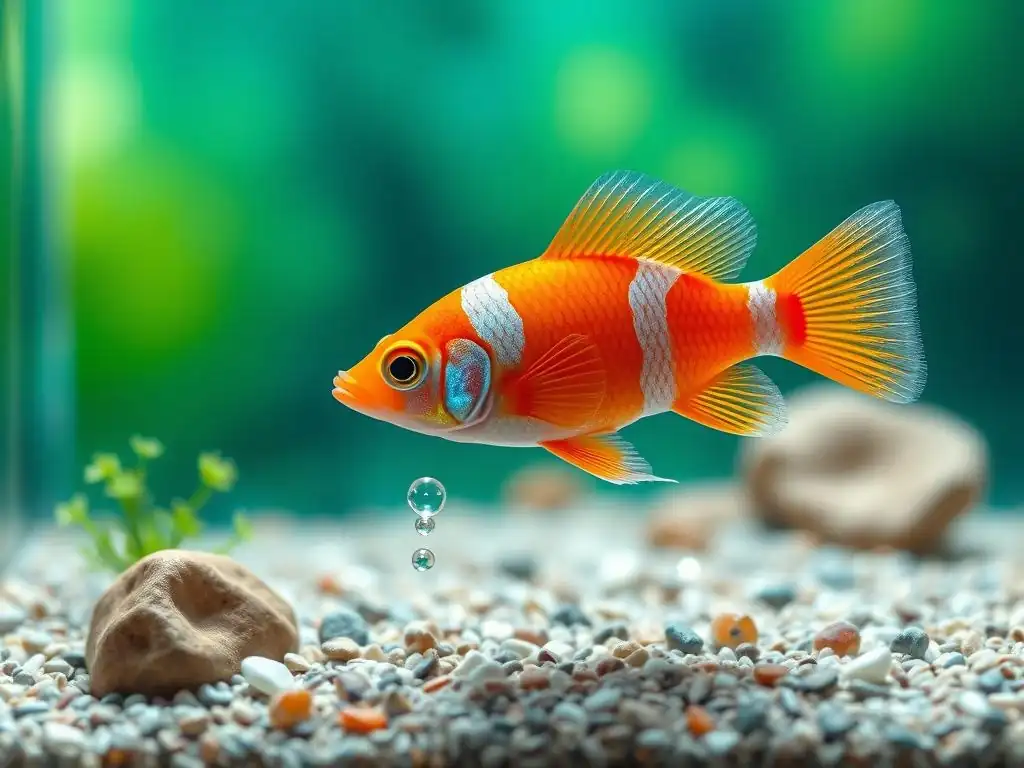
Mickey Mouse Platies are known for their peaceful and sociable nature, making them excellent candidates for a community aquarium. When selecting tank mates, prioritize fish of similar size and temperament to ensure a harmonious environment. Ideal companions should also prefer similar water parameters to the platies, specifically moderately hard to hard water and a pH between 7.0 and 8.0.
Good choices for compatible tank mates include other popular livebearers such as Guppies, Mollies, and Swordtails, though be mindful of potential overpopulation due to their prolific breeding. Other excellent options are small, peaceful schooling fish like Neon Tetras, Cardinal Tetras, Harlequin Rasboras, and various species of Corydoras catfish. For instance, a school of 6-8 Neon Tetras can add a beautiful blue and red contrast to a 20-gallon tank housing 5-6 Mickey Mouse Platies and a small group of 3-4 Corydoras catfish, creating a balanced and active display.
Invertebrates That Can Coexist with Platies
Many invertebrate species can peacefully coexist with Mickey Mouse Platies and even offer beneficial services to the aquarium. Snails, such as Nerite Snails or Mystery Snails, are excellent algae eaters and scavengers, helping to keep the tank clean without posing a threat to the platies. They are generally too large for platies to bother and add an interesting element to the tank's ecosystem.
Certain types of shrimp can also be successful tank mates. Amano Shrimp are robust algae eaters that are too large for adult platies to consider as food, making them a safe and useful addition. While Cherry Shrimp can also be kept, be aware that very young or small shrimp fry may occasionally become a snack for curious platies. However, mature Cherry Shrimp are typically safe and can contribute to the tank's biodiversity.
Fish to Avoid Keeping with Mickey Mouse Platies
To maintain a peaceful and stress-free environment for your Mickey Mouse Platies, it's crucial to avoid introducing fish that are known to be aggressive, predatory, or prone to fin-nipping. Larger, predatory fish such as Oscars, Jack Dempseys, or other large cichlids will view platies as food and should never be housed together. Their size difference alone makes them incompatible.
Fin-nipping species, like certain types of Barbs (e.g., individual Tiger Barbs), can harass platies, causing stress and potentially leading to fin rot or other health issues. While a large, established school of Tiger Barbs (8 or more in a 30-gallon tank or larger) might keep their aggression directed towards each other, the risk to platies is generally not worth taking. Similarly, very boisterous or territorial fish can stress out the more docile platies, leading to clamped fins, hiding, and a decline in overall health. Always research the temperament and adult size of any potential tank mate before introducing them.
Mickey Mouse Platy Breeding: A Beginner's Guide
Identifying Male and Female Mickey Mouse Platies
Distinguishing between male and female Mickey Mouse Platies is relatively straightforward, a key aspect for those interested in breeding or controlling their population. Male platies are typically smaller and more slender than females and possess a modified anal fin called a gonopodium. This is a pointed, rod-like fin used for internal fertilization. Their colors can also appear more vibrant, especially during courtship.
Female platies, on the other hand, are generally larger and have a more rounded, fan-shaped anal fin. When a female is pregnant, she will develop a noticeable gravidity spot (a dark, often black, mark) near her anal fin. As the pregnancy progresses, her belly will become noticeably swollen and squared off, particularly in the days leading up to birth. These clear distinctions make identifying the sexes easy, even for beginner aquarists.
Setting Up a Breeding Tank for Platies
While Mickey Mouse Platies will readily breed in a community tank, setting up a dedicated breeding tank can significantly increase the survival rate of the fry. A 5-10 gallon (19-38 liter) tank is sufficient for this purpose. The breeding tank should be established with water parameters identical to the main tank to minimize stress for the pregnant female. Crucially, it must include an abundance of dense live plants, such as Java Moss, Anacharis, or Water Sprite, or artificial spawning mops.
These plants serve as vital hiding spots for the newly born fry, protecting them from being eaten by the mother or other tank inhabitants if she is returned to the main tank shortly after birth. While breeding boxes or nets can be used within the main tank, they often stress the pregnant female and are less ideal than a separate, well-planted breeding tank. Ensuring adequate filtration (a gentle sponge filter is perfect) and heating in the breeding tank will also contribute to a successful breeding effort.
Caring for Mickey Mouse Platy Fry
Mickey Mouse Platy fry are born fully formed and are immediately self-sufficient, a characteristic of livebearers. They are very small but will actively seek food and hiding places. For their first few days, they can consume finely crushed high-quality flake food, specialized fry foods, or live foods like newly hatched brine shrimp nauplii or micro-worms. Feeding them small amounts several times a day (3-5 times) will promote rapid growth.
Maintaining pristine water quality is paramount for the healthy development of platy fry. Perform small, frequent water changes (10-15% every 2-3 days) to prevent the buildup of nitrates and other pollutants, which can stunt growth or lead to illness. The fry grow relatively quickly, reaching sexual maturity and adult size in approximately 3-4 months, at which point they can be introduced to the main community tank, provided they are large enough to avoid predation by other fish.
Common Mickey Mouse Platy Diseases and Prevention
Recognizing Signs of Illness in Your Platies
Early detection of illness is crucial for successful treatment and preventing the spread of disease in your aquarium. Healthy Mickey Mouse Platies are active, display vibrant colors, and have a good appetite. Any deviation from this normal behavior should be a cause for concern. Common behavioral signs of illness include lethargy, hiding more than usual, rubbing against tank decorations (flashing), erratic swimming, clamped fins (fins held close to the body), or a noticeable loss of appetite.
Physical symptoms can also indicate specific diseases. Look for white spots resembling salt grains on the body and fins (Ich), fuzzy white or gray growths (fungus), frayed or ragged fins (fin rot), bloating with scales sticking out (dropsy), or discoloration. For instance, a platy that is constantly scratching itself against plants or gravel and has tiny white spots is highly likely suffering from Ich, requiring immediate attention. Observing your fish daily as part of your Mickey Mouse Platy care routine will help you spot these subtle changes quickly.
Preventing Common Platy Diseases
Prevention is always better than cure when it comes to fish diseases. The cornerstone of disease prevention for Mickey Mouse Platies lies in maintaining stable, pristine water quality. Regular water changes (25-30% weekly) and effective filtration are essential to keep ammonia, nitrite, and nitrate levels in check. Avoiding overfeeding is also critical, as excess food decomposes and degrades water quality.
Another vital preventative measure is quarantining new fish for 2-4 weeks in a separate tank before introducing them to your main aquarium. This allows you to observe them for any signs of illness and treat them if necessary, preventing the introduction of pathogens to your established community. Providing a balanced diet, minimizing stress (through proper tank size and compatible tank mates), and maintaining appropriate water parameters also significantly strengthen their immune systems, making them less susceptible to common ailments.
Treating Sick Mickey Mouse Platies: A Step-by-Step Guide
If you identify a sick Mickey Mouse Platy, prompt action is necessary. First, if possible, isolate the affected fish in a hospital tank (a separate tank with a heater and gentle filter) to prevent the spread of disease and to administer medication without affecting the main tank's inhabitants or beneficial bacteria. Second, accurately identify the disease based on the symptoms observed. For example, if you see white spots, it's likely Ich; if fins are rotting, it's probably fin rot.
Once identified, select the appropriate medication and follow the dosage instructions precisely. For Ich, common treatments involve raising the water temperature slowly to 82-84°F (28-29°C) (if compatible with other tank mates) and using an Ich-specific medication like malachite green or formalin-based treatments. For bacterial infections like fin rot, an antibacterial medication is required. Always remove activated carbon from your filter during treatment, as it will absorb the medication. After treatment, perform a large water change and gradually reintroduce carbon to remove any residual medication.
Maintaining a Pristine Aquarium for Your Mickey Mouse Platies
Regular Water Changes: A Key to Platy Health
Regular water changes are arguably the single most important aspect of maintaining a healthy and pristine environment for your Mickey Mouse Platies. Performing weekly water changes of 25-30% of the tank volume effectively removes accumulated nitrates, phosphates, and other dissolved organic compounds that can build up over time. These compounds, even in seemingly low concentrations, can stress fish, inhibit growth, and lead to algae blooms.
Using a gravel vacuum during water changes allows you to simultaneously remove uneaten food, fish waste, and other debris trapped in the substrate. This practice prevents the decomposition of organic matter, which can release harmful ammonia and nitrites into the water, thereby helping to maintain stable water chemistry crucial for comprehensive Mickey Mouse Platy care. Always use a dechlorinator to treat new tap water before adding it to the tank to neutralize chlorine and chloramines, which are toxic to fish.
Filtration and Aeration for a Healthy Aquarium Environment
An efficient and appropriately sized filtration system is vital for maintaining excellent water quality in a Mickey Mouse Platy tank. A good filter provides mechanical filtration (removing particulate matter), chemical filtration (removing dissolved pollutants and odors, often with activated carbon), and biological filtration (cultivating beneficial bacteria that convert toxic ammonia and nitrite into less harmful nitrate). A hang-on-back (HOB) filter or a sponge filter are excellent choices for platies, as they provide effective filtration without creating excessive current that could stress the fish.
Aeration is equally important, ensuring high levels of dissolved oxygen in the water. This is crucial for fish respiration and for supporting the aerobic beneficial bacteria in the filter. An air stone connected to an air pump or ensuring that the filter outflow adequately agitates the water surface can provide sufficient aeration. In a 20-gallon platy tank, for example, a small HOB filter rated for 20-30 gallons combined with surface agitation from its outflow is usually sufficient for both filtration and aeration.
Algae Control in a Mickey Mouse Platy Tank
Algae growth is a common issue in aquariums, but it can be managed effectively with proper husbandry. Excessive algae often indicates an imbalance in the tank, typically too much light or too many nutrients (from overfeeding or infrequent water changes). To control algae, limit the aquarium's light exposure to 8-10 hours per day using a timer. This mimics natural day-night cycles and helps prevent runaway algae growth.
Reducing overfeeding is another critical step, as uneaten food contributes significantly to nutrient buildup. Regular water changes, as mentioned, will also help export excess nitrates and phosphates that fuel algae. Introducing certain algae-eating tank mates, such as Nerite Snails or Amano Shrimp, can provide a natural and effective method of algae control. For instance, a pair of Nerite Snails in a 10-gallon platy tank can significantly reduce green spot algae on tank glass and decor.
Troubleshooting Common Mickey Mouse Platy Problems
Addressing Fin Rot in Platies
Fin rot is a common bacterial infection that manifests as frayed, ragged, or discolored fins, sometimes with a white or reddish edge. It's typically caused by poor water quality, stress, or injury, which weakens the fish's immune system, allowing opportunistic bacteria to take hold. If left untreated, it can lead to complete loss of fins and even death.
The primary step in treating fin rot is to immediately improve water quality. Perform a significant water change (e.g., 50%) and ensure your filtration is adequate. If the fin rot is mild, pristine water conditions alone may be enough for recovery.
For more severe cases, an antibacterial medication specific for fin rot (available at pet stores) should be used, following the manufacturer's instructions precisely. For instance, a 10-gallon tank with a platy showing early signs of fin rot might recover with daily 25% water changes for a week, while a severe case may require a 7-day course of an antibiotic like erythromycin in a hospital tank.
Dealing with Ich (White Spot Disease) in Platies
Ich, or White Spot Disease, is one of the most common and easily recognizable parasitic infections in freshwater aquariums. It presents as small, white spots resembling grains of salt scattered over the fish's body and fins. Infected fish may also exhibit flashing (rubbing against objects) and rapid breathing. Ich is highly contagious and can quickly spread throughout the tank if not addressed promptly.
Treatment for Ich typically involves a combination of methods. Slowly raise the water temperature to 82-84°F (28-29°C) over 24-48 hours (if compatible with other tank mates and plants), as higher temperatures speed up the parasite's life cycle, making it more vulnerable to medication. Simultaneously, use an Ich-specific medication containing ingredients like malachite green or formalin. Always remove activated carbon from your filter during treatment. Continue treatment for at least 7-10 days, even if the spots disappear, to ensure all stages of the parasite are eradicated.
Solving Swim Bladder Issues in Mickey Mouse Platies
Swim bladder disorder affects a fish's ability to control its buoyancy, leading to symptoms like difficulty swimming upright, floating upside down, sinking to the bottom, or struggling to maintain a normal position in the water column. This condition can be caused by various factors, including dietary issues (constipation from poor diet), internal bacterial infections, or sometimes congenital defects.
For suspected dietary causes, the primary treatment involves fasting the affected platy for 2-3 days. Following the fast, feed a small piece of blanched, deshelled pea. Peas act as a natural laxative and can help clear blockages. If the issue persists or if other symptoms like bloating are present, an internal bacterial infection might be the cause, requiring an antibacterial medication. Always ensure water quality is excellent, as poor conditions can exacerbate swim bladder problems. For example, a platy struggling to swim after overfeeding might recover fully after a 2-day fast and a single pea feeding.
The Joys of Keeping Mickey Mouse Platies: A Rewarding Experience
Observing the Unique Behavior of Your Platies
Keeping Mickey Mouse Platies offers a truly rewarding experience, largely due to their engaging and unique behaviors. These active fish are constantly exploring their environment, darting through plants, and interacting with their tank mates. Observing their curious nature and playful antics can provide hours of entertainment. Their schooling behavior, though not as strict as some other species, often sees them congregating and moving together, adding a dynamic visual element to the tank.
Beyond their general activity, the distinctive Mickey Mouse pattern on their tails makes them particularly enjoyable to watch. Each individual platy will have its own subtle variations in color and pattern, making it fun to identify and distinguish between them. For those interested in breeding, the excitement of watching tiny fry emerge and grow within the tank is a unique and deeply satisfying aspect of Mickey Mouse Platy care, fostering a deeper connection to the aquatic hobby.
Enhancing Your Aquarium with Mickey Mouse Platies
Mickey Mouse Platies are more than just easy-to-care-for fish; they are living jewels that can significantly enhance the aesthetic appeal and vibrancy of any freshwater aquarium. Their wide array of body colors—from brilliant reds and oranges to sunny yellows and even subtle blues—combined with their signature black tail pattern, creates a striking visual contrast against green plants and natural decor. This colorful diversity ensures they stand out, adding a lively focal point to your aquatic landscape.
Their peaceful disposition means they integrate seamlessly into most community tank setups, contributing to a harmonious and bustling environment. Whether you're a beginner looking for a hardy and beautiful first fish or an experienced aquarist seeking to add more color and activity to an existing setup, Mickey Mouse Platies are an excellent choice. Their hardiness and adaptability make them a reliable and delightful addition, ensuring your aquarium remains a source of joy and visual splendor.
Conclusion: Mastering Mickey Mouse Platy Care
Frequently Asked Questions
What are some key considerations when setting up a tank for Mickey Mouse Platies?
You should ensure the tank is at least 10 gallons to provide adequate swimming space. Ideal conditions include a pH of 6.8-7.8, a temperature of 72-78°F, and a well-filtered environment.
What are the best tank mates for Mickey Mouse Platies in a community aquarium?
Good tank mates include other peaceful community fish like tetras, guppies, and corydoras catfish. Avoid larger, aggressive species that might bully or harm the platies.
What is the ideal diet for Mickey Mouse Platies to ensure their health and vibrant colors?
Mickey Mouse Platies are omnivores and thrive on a varied diet. Offer them high-quality flake food, supplemented with live or frozen foods like brine shrimp and daphnia a few times a week.
How can I prevent common diseases in my Mickey Mouse Platy aquarium?
Maintain excellent water quality through regular water changes (25% weekly) and a properly cycled filter. Observe your fish for signs of illness, such as fin rot or ich, and quarantine any sick fish immediately.
How can I encourage breeding in my Mickey Mouse Platy aquarium and protect the fry?
Provide plenty of hiding places for the fry, such as dense plants or a breeding box. Separate the adults after birth to prevent them from eating the fry, and feed the fry specialized fry food or baby brine shrimp.
Okay, here's a final reflection designed to conclude your "Mickey Mouse Platy Fun: Caring for This Adorable Aquarium Favorite" article, optimized for emotional connection and reflection, and incorporating your specified structure:
Final Reflection: The Enduring Charm of Tiny Treasures
The journey of understanding and caring for the Mickey Mouse Platy, as we've explored, isn't merely about aquarium maintenance; it's about appreciating the delicate balance of life within a miniature ecosystem. These vibrant fish, with their iconic markings, remind us that even the smallest creatures can bring immense joy and wonder into our lives.
The enduring appeal of the Mickey Mouse Platy lies in its ability to connect us to the natural world, fostering a sense of responsibility and appreciation for biodiversity. My own experience with these playful fish has instilled in me a deeper understanding of the interconnectedness of all living things, and a renewed commitment to responsible pet ownership. In every walk with nature one receives far more than he seeks.
- John Muir. This quote perfectly encapsulates the quiet rewards of observing and caring for these little aquatic gems.
Now, as you close this article, consider the lessons learned about the Mickey Mouse Platy and their care. Let the knowledge you've gained inspire you to create a thriving environment for these delightful fish, and to share the joy of their presence with others. Embrace the opportunity to become a steward of these tiny treasures, and in doing so, enrich your own life with the simple beauty of the underwater world.
Dive Deeper into the World of Mickey Mouse Platies!
Thank you for exploring the fascinating world of Mickey Mouse Platies with us! We hope you’ve gained valuable insights into keeping these charming fish happy and healthy. Now, let's take that knowledge and put it into action!
Here are a few ways to further your Platy passion:
- Set up a Mickey Mouse Platy paradise! Use what you've learned to create the ideal aquarium environment for these playful fish.
- Share your Platy pics! Post photos or videos of your Mickey Mouse Platies on social media and tag Aquarium Mastery – we’d love to see them!
- Consider breeding your Platies to share the joy with others in the aquarium hobby.
What unique decoration are you planning to add to your Platy tank?