
Aquarium Mastery: Mastering Rotifer Culture for Insatiable Saltwater Larvae

Welcome to Aquarium Mastery!
Ever wondered how to ensure your delicate saltwater larvae get the perfect start in life? Dive into the fascinating world of saltwater larvae rotifer culture and unlock the secrets to raising healthy, thriving marine fry. Prepare to master the art of culturing these essential live foods – your journey to aquarium success starts here!
- Introduction to Saltwater Larvae Nutrition and the Role of Rotifers
- Setting Up Your Saltwater Larvae Rotifer Culture System
-
Starting and Maintaining a Thriving Rotifer Culture
- Selecting a Rotifer Strain: Considerations for Saltwater Larvae Feeding
- Introducing Rotifers to the Culture Vessel: Best Practices
- Feeding Rotifers: Optimizing Growth and Nutritional Value
- Monitoring Rotifer Density: Techniques and Tools
- Maintaining Water Quality in Rotifer Cultures: Preventing Crashes
- Enhancing Rotifer Nutritional Value for Saltwater Larvae
- Harvesting and Feeding Rotifers to Saltwater Larvae
- Troubleshooting Common Rotifer Culture Problems
- Scaling Up Your Rotifer Culture for Larger Saltwater Larval Broods
- Saltwater Larvae Rotifer Culture: Advanced Techniques
- Conclusion: Achieving Success in Saltwater Larval Rearing Through Rotifer Culture
-
Frequently Asked Questions
- What are rotifers and why are they important for saltwater larvae?
- How do I start a rotifer culture for my saltwater larvae?
- What are the ideal water parameters for rotifer culture?
- How often should I feed my rotifer culture?
- What are common problems in rotifer culture and how can I troubleshoot them?
- Final Reflection: Cultivating Life's Foundation
- Ignite Your Reef Tank: Cultivate a Thriving Ecosystem!
Introduction to Saltwater Larvae Nutrition and the Role of Rotifers
Why Rotifers are Essential for Successful Saltwater Larval Rearing
The initial stages of saltwater fish larvae development are incredibly delicate, marked by rapid growth and an extremely small mouth gape, often less than 100 microns for newly hatched species like clownfish. This physiological limitation means that traditional flake or pellet foods are entirely unsuitable. Rotifers, particularly the marine species Brachionus plicatilis and Brachionus rotundiformis, emerge as the indispensable live feed due to their ideal size range, typically between 50 and 200 microns. Their consistent availability and manageable culture requirements make them the cornerstone of successful saltwater larvae rearing programs worldwide.
Beyond their perfect size, rotifers offer a unique advantage: they are filter feeders, enabling them to be "gut-loaded" with essential nutrients. This process involves feeding the rotifers a highly nutritious diet rich in fatty acids and vitamins, which are then transferred directly to the larval fish upon consumption.
This ability to act as a nutrient delivery vehicle ensures that the insatiable saltwater larvae receive the precise nutritional profile required for healthy development, preventing common deficiencies that often lead to high mortality rates in aquaculture. For instance, species like dottybacks, seahorses, and many wrasses heavily rely on a consistent supply of properly enriched rotifers during their critical first weeks of life.
Understanding the Nutritional Needs of Saltwater Fish Larvae
Saltwater fish larvae undergo an astonishing rate of development, often growing by 10-20% of their body weight daily. This explosive growth demands a constant supply of highly digestible and bioavailable nutrients, far beyond what their yolk sac can provide for more than a few days post-hatch.
Key nutritional components include high-quality proteins for tissue development, and crucially, specific long-chain polyunsaturated fatty acids (HUFAs) like Docosahexaenoic Acid (DHA) and Eicosapentaenoic Acid (EPA), which are vital for neural, visual, and immune system maturation. Without these specific lipid profiles, larvae can suffer from swim bladder inflation issues, skeletal deformities, and compromised immune responses, leading to massive die-offs.
The transition from endogenous feeding (yolk sac) to exogenous feeding (consuming external food) is a highly vulnerable period. Many marine fish larvae lack the digestive enzymes to efficiently process complex carbohydrates or poorly digestible proteins found in inert feeds.
Live feeds like rotifers, with their soft bodies and high water content, are easily digestible and provide the necessary enzymatic precursors for the developing larval gut. This explains why even the most advanced commercial dry feeds often fail to support the initial feeding stages for many delicate saltwater larvae, making a robust saltwater larvae rotifer culture program absolutely non-negotiable for serious breeders.
Setting Up Your Saltwater Larvae Rotifer Culture System
Choosing the Right Culture Vessel for Rotifer Production
The selection of a suitable culture vessel is a fundamental step in establishing a productive saltwater larvae rotifer culture. Common choices range from simple 5-gallon buckets to more specialized conical-bottom tanks or carboys, each offering distinct advantages and disadvantages. Opaque buckets are inexpensive and readily available, but their design makes harvesting more challenging as rotifers tend to settle. Transparent or translucent vessels allow for easier visual monitoring of rotifer density and water clarity, which is crucial for managing feeding rates and preventing crashes.
For hobbyists or small-scale breeding efforts, a 5-gallon (approximately 20-liter) bucket can effectively support enough rotifers for a small batch of 100-200 clownfish larvae for their initial feeding period. However, for larger operations or continuous breeding, conical-bottom tanks ranging from 50 to 200 liters are often preferred. Their design facilitates easier harvesting of concentrated rotifers from the bottom drain, and the sloped sides help prevent dead spots where detritus can accumulate, promoting better water circulation and overall culture health.
Essential Equipment for Rotifer Culture: A Comprehensive Guide
A successful saltwater larvae rotifer culture relies on a few key pieces of equipment to maintain optimal conditions and facilitate management. Foremost is a reliable air pump paired with fine-bubble air stones, such as ceramic or limewood, to provide gentle yet consistent aeration. This aeration serves multiple purposes: it keeps rotifers suspended in the water column, prevents the settling of food and detritus, and ensures adequate oxygen levels, typically aiming for 0.5-1 liter of air per minute per 10 liters of culture volume to avoid damaging the delicate rotifers.
Other critical tools include a refractometer or hydrometer for precise salinity measurement, a pH meter or test kit to monitor acidity, and a thermometer to maintain the ideal temperature range for your chosen rotifer strain. Sieves with various mesh sizes (e.g., 50-75 microns for harvesting, and finer meshes for separating food particles if using live algae) are indispensable for concentrating rotifers. Finally, pipettes or syringes are useful for sampling the culture to estimate density, while a light source, preferably indirect, supports the growth of any accidental algae or helps with visual observation.
Preparing the Culture Water: Salinity, pH, and Temperature
The quality and parameters of the culture water are paramount for a thriving saltwater larvae rotifer culture. Salinity is a critical factor, with Brachionus plicatilis generally thriving in a range of 20-30 parts per thousand (ppt), corresponding to a specific gravity of 1.015-1.022. Consistency is key; sudden fluctuations can stress or kill the rotifers. It is advisable to use clean, aged saltwater, preferably reverse osmosis (RO) or deionized (DI) water mixed with a high-quality marine salt mix, and ensure it is free of chlorine or chloramines, which are highly toxic to rotifers.
Maintaining a stable pH between 7.5 and 8.5 is also vital. Rotifer metabolism and the breakdown of uneaten food can cause pH to drop over time, especially in dense cultures. Regular monitoring and occasional partial water changes help buffer the system and prevent pH crashes. Temperature significantly influences rotifer reproduction rates; Brachionus plicatilis often exhibits optimal growth at 25°C (77°F). Maintaining this temperature can lead to a doubling of the rotifer population in approximately 24-36 hours, significantly faster than the 48-72 hours observed at 20°C, directly impacting the yield for saltwater larvae feeding.
Starting and Maintaining a Thriving Rotifer Culture
Selecting a Rotifer Strain: Considerations for Saltwater Larvae Feeding
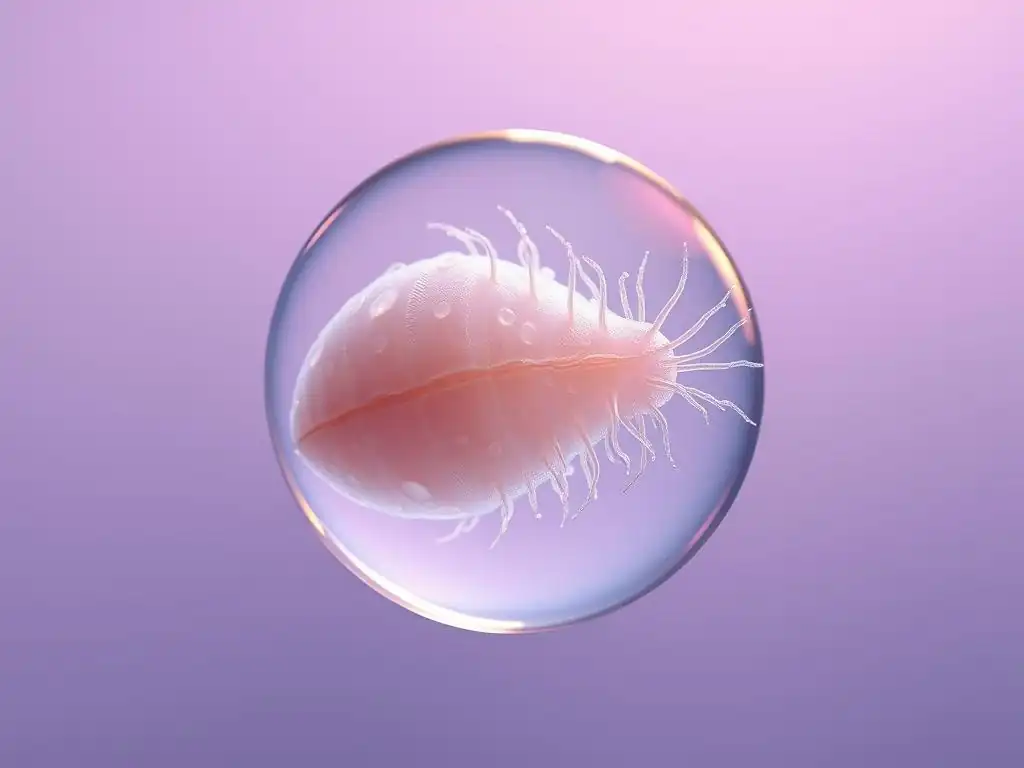
The choice of rotifer strain is crucial for a successful saltwater larvae rotifer culture, primarily dictated by the gape size of the target larval fish. The most commonly cultured marine rotifers belong to the genus Brachionus, with Brachionus plicatilis (L-type) and Brachionus rotundiformis (S-type and SS-type) being the dominant species.
These strains vary significantly in size: L-type rotifers typically range from 150-200 microns, S-type from 100-150 microns, and the smaller SS-type from 50-100 microns. For newly hatched larvae of many popular aquarium fish, such as clownfish, which are typically 3-4mm at hatching and require food particles less than 100 microns, the S-type or SS-type rotifers are often preferred due to their more suitable size.
Beyond size, considerations include the strain's reproductive rate under specific conditions and its ability to be effectively gut-loaded. Some strains may be more robust or tolerate a wider range of culture parameters. Acquiring a healthy, pathogen-free starter culture from a reputable source is paramount to avoid introducing contaminants that could jeopardize your saltwater larvae rotifer culture efforts. Understanding the specific needs of your target fish larvae will guide your selection, ensuring the rotifers are not only available but also appropriately sized for consumption.
Introducing Rotifers to the Culture Vessel: Best Practices
Once your culture vessel and water parameters are prepared, the introduction of the rotifer inoculum is a critical step. It is essential to acclimate the rotifers to the new water parameters gradually, especially if they are arriving from a different source with varying salinity or temperature. This can be done by slowly dripping your prepared culture water into the rotifer shipping bag or container over 30-60 minutes, bringing the parameters to equilibrium. Rapid changes can shock and kill a significant portion of your starter culture.
After acclimation, gently pour the rotifer inoculum into your prepared culture vessel. A healthy starting density is typically 50-100 rotifers per milliliter. This initial density allows the population to establish quickly without being overstressed by an immediate high demand for food. Under optimal conditions, a starting density of 100 rotifers per milliliter can achieve peak densities of 500-1000 rotifers/mL within 3-5 days, setting the stage for a productive saltwater larvae rotifer culture.
Feeding Rotifers: Optimizing Growth and Nutritional Value
Feeding is the most critical aspect of maintaining a thriving saltwater larvae rotifer culture, directly impacting both the rotifer population growth and, crucially, their nutritional value for the target larvae. The choice of food source significantly influences the success of your culture.
Selecting the Ideal Food Source: Algae, Yeast, or Commercial Feeds
Live microalgae, such as Nannochloropsis oculata or Tetraselmis chui, are considered the gold standard for feeding rotifers. They provide a complete nutritional profile, including essential fatty acids and vitamins, which are directly passed on to the rotifers and subsequently to the saltwater larvae. Nannochloropsis oculata, for example, boasts an excellent fatty acid profile, providing high levels of EPA (eicosapentaenoic acid), vital for rotifer enrichment. However, culturing live algae requires a separate, dedicated system, adding complexity.
Alternatively, enriched baker's yeast or specialized commercial liquid feeds offer more convenient options. While baker's yeast is inexpensive and readily available, it is nutritionally incomplete on its own and requires significant enrichment to be suitable for saltwater larvae. Commercial feeds, often a blend of dried algae, yeast, and enrichment products, are pre-formulated and easier to use, making them a popular choice for home aquarists and smaller operations seeking to simplify their saltwater larvae rotifer culture. Many successful breeders use a combination approach, leveraging the benefits of both live algae and commercial supplements.
Calculating Rotifer Feeding Rates for Maximum Production
Accurately calculating rotifer feeding rates is essential to optimize production and prevent culture crashes. Overfeeding leads to rapid water quality degradation, bacterial blooms, and oxygen depletion, while underfeeding starves the rotifers, causing population decline. The ideal feeding rate depends on the rotifer density, culture volume, and the specific food source's concentration. A general guideline is to feed based on the "green water" principle: the water should turn a light green (if using algae) or cloudy (if using yeast/commercial feeds) after feeding, and become clear again within 2-4 hours as the rotifers consume the food.
For a dense rotifer culture, a typical feeding rate might involve adding 0.5-1.0 mL of concentrated (e.g., 1 billion cells/mL) Nannochloropsis per liter of culture per day, split into multiple feedings (2-4 times daily) to ensure consistent food availability. If using commercial feeds, follow the manufacturer's instructions, adjusting based on visual observation of water clarity and rotifer activity. Consistent, small feedings are far superior to large, infrequent ones for maintaining a robust saltwater larvae rotifer culture.
Monitoring Rotifer Density: Techniques and Tools
Regularly monitoring rotifer density is crucial for managing the culture effectively and ensuring a consistent supply for saltwater larvae. The most accurate method involves using a microscope (compound or stereo) and a counting chamber, such as a Sedgwick-Rafter chamber. A small sample (e.g., 1 mL) is taken from the culture, placed in the chamber, and the rotifers are counted under magnification. This provides a precise count per milliliter, allowing you to track population growth, identify declines early, and calculate precise feeding amounts.
For those without a microscope, visual estimation of water turbidity can provide a rough idea, but it is far less accurate. A healthy, dense culture should appear uniformly cloudy or green. However, relying solely on visual cues can lead to overestimation or underestimation, impacting feeding strategies for your saltwater larvae. Implementing daily or every-other-day microscopic counts, even just a quick check, can significantly improve the management of your saltwater larvae rotifer culture, allowing you to make informed decisions about feeding, harvesting, and troubleshooting.
Maintaining Water Quality in Rotifer Cultures: Preventing Crashes
Maintaining pristine water quality is paramount to preventing catastrophic crashes in your saltwater larvae rotifer culture. Rotifers, like all aquatic organisms, produce waste, and uneaten food contributes to the organic load. Regular partial water changes are essential, typically 25-50% every 2-3 days, depending on culture density and feeding rates. This dilutes accumulated nitrates and other metabolic byproducts that can inhibit rotifer reproduction and health.
In addition to water changes, gently siphoning detritus and settled uneaten food from the bottom of the culture vessel daily helps remove organic matter before it decomposes and fouls the water. Ensuring consistent, gentle aeration prevents the formation of anaerobic zones where harmful bacteria can proliferate.
Regular cleaning of culture vessels between batches, or even during longer culture cycles, by scrubbing away biofilm and algae buildup, also contributes significantly to a stable and productive saltwater larvae rotifer culture environment. Neglecting these practices can lead to a rapid accumulation of ammonia, with levels as low as 0.5 ppm un-ionized ammonia being detrimental to rotifer health and reproduction.
Addressing Common Issues: Ammonia, Nitrites, and pH Fluctuations
Ammonia and nitrite spikes are common culprits behind rotifer culture crashes, typically stemming from overfeeding or insufficient water changes. When these nitrogenous compounds accumulate, they become toxic to rotifers, leading to reduced activity, reproductive failure, and ultimately death. If ammonia or nitrite levels are detected, immediate action is required: perform a significant water change (50-75%), reduce or temporarily stop feeding, and ensure vigorous aeration. A sudden pH drop below 7.0 in a rotifer culture often precedes a crash, indicating high organic load or insufficient buffering capacity.
pH fluctuations also pose a threat. A drop in pH is usually due to the accumulation of CO2 from respiration and organic acids from decaying matter. Increased aeration can help off-gas CO2, and regular water changes replenish buffering capacity. Conversely, a rise in pH is less common but can occur in cultures with dense live algae under intense light, leading to excessive photosynthesis. Consistent monitoring of these parameters and proactive adjustments are key to maintaining a stable and productive saltwater larvae rotifer culture.
Enhancing Rotifer Nutritional Value for Saltwater Larvae
Gut Loading Rotifers: Boosting Fatty Acids and Vitamins
Rotifers, while an ideal size, are only as nutritious as the food they consume. This makes gut loading a critical step in saltwater larvae rotifer culture. Gut loading is the process of feeding rotifers a highly concentrated, nutrient-rich diet just prior to feeding them to larval fish. Because rotifers have a very short gut retention time, typically 1-2 hours, they act as living capsules, delivering essential fatty acids, vitamins, and pigments directly to the delicate larvae. This targeted nutrient delivery is paramount for promoting robust growth, development, and survival rates in the vulnerable larval stages.
This enhancement process ensures that the saltwater larvae receive a profile of nutrients that might be lacking in the rotifers' base diet. For instance, if rotifers are fed only baker's yeast, their nutritional value will be poor. However, by exposing them to a specialized enrichment product for a few hours, their nutritional content can be dramatically boosted, making them an excellent food source. Studies have shown that rotifers can be enriched with essential fatty acids and vitamins within 2-4 hours of exposure to an enrichment diet, making them nutritionally superior to unenriched rotifers.
Essential Fatty Acids for Saltwater Larval Development: DHA and EPA
Docosahexaenoic Acid (DHA) and Eicosapentaenoic Acid (EPA) are two crucial long-chain polyunsaturated fatty acids (HUFAs) that are absolutely indispensable for the healthy development of saltwater fish larvae. Marine fish larvae have a limited or non-existent ability to synthesize these complex lipids themselves, making dietary intake through their live feed paramount. DHA is particularly vital for the proper development of the central nervous system, retina, and brain, directly impacting visual acuity and swimming behavior. EPA plays a significant role in membrane fluidity, eicosanoid production, and overall larval vitality.
Without adequate levels of DHA and EPA, larvae often exhibit higher mortality rates, reduced growth, poor pigmentation, and neurological abnormalities. This underscores why ensuring high levels of these fatty acids in your saltwater larvae rotifer culture is not merely beneficial, but essential for survival. Larvae fed rotifers with low DHA/EPA content often exhibit higher mortality rates, reduced growth, and pigment abnormalities, with DHA levels ideally comprising 1-2% of rotifer dry weight for optimal larval health.
Gut Loading Techniques: Emulsions and Enrichment Products
Gut loading rotifers involves exposing them to a concentrated enrichment diet for a specific period before feeding them to the larvae. Commercial enrichment products, such as those from brands like Selco, DHA Selco, or RotiGrow, are widely available and specifically formulated to provide high levels of DHA, EPA, and essential vitamins. These products are often lipid emulsions that are easily ingested by the rotifers.
A common technique involves concentrating the rotifers to a higher density (e.g., 500-1000 rotifers/mL) in a separate container with clean, aerated saltwater. Then, the appropriate amount of enrichment product is added (e.g., 0.5-1.0 mL of enrichment emulsion per liter of bath), and the rotifers are allowed to feed on it for 2-4 hours. This relatively short period is sufficient for the rotifers to ingest and incorporate the nutrients. After enrichment, the rotifers are ready to be harvested and fed to the saltwater larvae, ensuring they receive the vital nutrients necessary for their demanding developmental stages.
Measuring Rotifer Enrichment: Ensuring Optimal Nutritional Content
While large-scale aquaculture facilities might use sophisticated laboratory analyses like High-Performance Liquid Chromatography (HPLC) to precisely measure the fatty acid and vitamin content of their enriched rotifers, this is impractical for most home aquarists or small-scale breeders. For the hobbyist, relying on reputable commercial enrichment products and diligently following their instructions is the most accessible and reliable method to ensure optimal nutritional content in their saltwater larvae rotifer culture.
The ultimate measure of successful rotifer enrichment will be the health, growth, and survival rates of your larval fish. Observing robust larval development, active feeding behavior, and high survival rates (e.g., above 70% for clownfish) typically indicates that your rotifers are providing adequate nutrition. Consistency in your enrichment protocol – using the same product, concentration, and enrichment duration – is key to achieving repeatable success and ensuring that your saltwater larvae are consistently receiving the vital nutrients they need.
Harvesting and Feeding Rotifers to Saltwater Larvae
Harvesting Rotifers: Methods for Different Culture Volumes
Efficient harvesting is crucial to supply saltwater larvae with a continuous and clean food source. For smaller culture volumes, such as 5-gallon buckets, harvesting often involves siphoning a portion of the culture water through a fine-mesh sieve, typically 50-75 microns. The rotifers are retained on the sieve while the culture water passes through. This method allows for easy concentration and rinsing of the rotifers. A 20-liter culture can yield hundreds of thousands of rotifers in minutes using this technique, making it suitable for hobbyist breeding.
For larger, conical-bottom culture vessels, harvesting is even more streamlined. The conical shape naturally concentrates the rotifers at the bottom when aeration is paused. A drain valve at the very bottom allows for the direct collection of a dense rotifer slurry. This concentrated slurry is then passed through a sieve for final rinsing with clean, temperature-matched saltwater before being introduced to the larval rearing tank. This method minimizes stress on the rotifers and maximizes efficiency, which is vital for providing a continuous supply for insatiable saltwater larvae.
Determining the Correct Rotifer Density for Larval Feeding
Determining the correct rotifer density in the larval rearing tank is a critical factor for successful saltwater larvae rearing. The ideal density varies significantly depending on the larval species, their age, and the volume of the rearing tank. For newly hatched, very small larvae, an initial feeding density of 5-10 rotifers per milliliter is often recommended. As the larvae grow and their feeding capacity increases, this density may need to be gradually increased to 15-20 rotifers per milliliter or even higher.
Overfeeding can quickly foul the larval tank water, leading to bacterial blooms and oxygen depletion, which are detrimental to delicate larvae. Underfeeding, conversely, results in starvation and poor growth. Regular microscopic checks of the larval tank water can help ensure that a sufficient density of rotifers is present, allowing you to adjust feeding amounts accordingly. For example, newly hatched clownfish larvae often require an initial feeding density of 5-10 rotifers/mL, increasing to 15-20 rotifers/mL by day 5-7 post-hatch to support their rapid growth.
Feeding Strategies: Continuous vs. Batch Feeding
There are two primary strategies for feeding rotifers to saltwater larvae: continuous feeding and batch feeding. Continuous feeding involves a slow, steady drip of concentrated rotifers into the larval tank throughout the day and night, typically using a peristaltic or dosing pump. This method aims to maintain a constant, optimal food density, minimizing fluctuations and ensuring that larvae always have food available. While ideal for maximizing larval growth and survival, continuous feeding systems are more complex and require significant investment in automated equipment.
Batch feeding, on the other hand, is a more common and manageable strategy for home aquarists and smaller operations. This involves manually adding a calculated amount of rotifers to the larval tank multiple times throughout the day (e.g., 3-5 times).
The goal is to replenish the rotifers as they are consumed, ensuring larvae have access to food for most of their active feeding period. While it introduces some fluctuations in food density, batch feeding 3-4 times daily can maintain sufficient rotifer density for many larval species, minimizing fluctuations in food availability compared to single daily feedings and proving highly effective for a well-managed saltwater larvae rotifer culture.
Observing Larval Feeding Behavior: Ensuring Adequate Rotifer Consumption
Direct observation of larval feeding behavior is an invaluable tool for assessing the effectiveness of your rotifer feeding strategy. Healthy, actively feeding larvae should exhibit characteristic behaviors such as darting movements towards individual rotifers, and their bellies should appear visibly full and distended, often with a slight yellowish or greenish tint from the consumed rotifers. If larvae appear listless, are not actively pursuing food, or their bellies remain translucent, it may indicate insufficient rotifer density or an issue with the rotifers themselves (e.g., poor nutritional value).
Conversely, if rotifers are still visibly abundant and congregating at the bottom or sides of the larval tank 2-3 hours after feeding, it may indicate overfeeding or insufficient larval consumption. This situation can quickly lead to water quality degradation as uneaten rotifers die and decompose. Adjusting the feeding frequency and quantity based on these visual cues is crucial to prevent water quality issues and ensure that your saltwater larvae are receiving adequate rotifer consumption, optimizing their chances of survival and growth.
Troubleshooting Common Rotifer Culture Problems
Identifying and Addressing Rotifer Population Declines
A sudden and drastic decline in rotifer population, often termed a "culture crash," is a common and frustrating problem in saltwater larvae rotifer culture. Such crashes are typically caused by acute issues like severe overfeeding leading to rapid water quality degradation, sudden temperature or salinity shifts, or overwhelming contamination by protozoa or pathogenic bacteria. A rapid drop in rotifer density from 500 rotifers/mL to below 100 rotifers/mL within 24 hours often signals a culture crash, requiring immediate action or a restart.
Gradual declines, conversely, are usually indicative of chronic issues such as insufficient feeding, consistently poor water quality due to infrequent water changes, or an aging culture that has accumulated metabolic waste. Addressing these issues requires a systematic approach: first, perform a large water change (50-75%) with clean, fresh saltwater. Then, reduce feeding amounts, ensure optimal aeration, and meticulously check all parameters (salinity, pH, temperature). If the decline persists, it may be necessary to discard the ailing culture and restart with a fresh, healthy inoculum to ensure a reliable supply for your saltwater larvae.
Dealing with Contamination: Preventing and Treating Protozoa and Bacteria
Contamination by undesirable organisms, particularly protozoa (like ciliates) and opportunistic bacteria, poses a significant threat to saltwater larvae rotifer culture. Protozoa compete with rotifers for food and can actively prey on the rotifers themselves, leading to rapid population crashes. The presence of large, rapidly swimming ciliates (e.g., Euplotes) in a rotifer culture can decimate the population by 50% or more within 48 hours if left unchecked. Bacterial blooms, often caused by overfeeding or poor hygiene, can deplete oxygen, produce toxins, and stress rotifers, making them vulnerable.
Prevention is the best defense against contamination. This involves meticulous hygiene: using only sterilized or thoroughly cleaned equipment, filtering incoming water (e.g., through a 1-micron filter), and avoiding overfeeding. If a protozoan infestation occurs, a brief pH shock (lowering pH to 6.0-6.5 for 15-30 minutes, then slowly raising it back) can sometimes eliminate the protozoa without severely harming the rotifers. For bacterial issues, large water changes and a temporary reduction in feeding are often effective. In severe cases, restarting the saltwater larvae rotifer culture with a fresh, clean inoculum is the most reliable solution.
Optimizing Culture Parameters for Consistent Rotifer Production
Achieving consistent, high-yield rotifer production for saltwater larvae hinges on maintaining stable and optimal culture parameters. Fluctuations in temperature, salinity, or pH can stress rotifers, reduce their reproductive rates, and make them more susceptible to disease or crashes. For instance, consistent culture parameters within +/- 1°C temperature and +/- 0.001 specific gravity can increase rotifer production by 15-20% compared to fluctuating conditions.
Regular, ideally daily, monitoring of temperature, salinity, and pH is crucial. Adjustments should be made gradually to avoid shocking the culture. Beyond chemical parameters, consistent feeding on a schedule, coupled with routine partial water changes and meticulous removal of detritus, ensures a clean and nutrient-rich environment. Adequate and gentle aeration must also be maintained around the clock. By diligently adhering to these best practices, aquarists can significantly enhance the stability and productivity of their saltwater larvae rotifer culture, providing a reliable food source for their breeding efforts.
Scaling Up Your Rotifer Culture for Larger Saltwater Larval Broods
Increasing Culture Volume: Gradual Expansion Techniques
When faced with larger saltwater larval broods, simply increasing the size of a single rotifer culture can be risky. A more robust and reliable strategy involves establishing multiple, smaller culture vessels rather than one massive one. This "redundancy" ensures that if one culture crashes, you still have other active cultures to draw from, preventing a critical gap in food supply for your delicate larvae. For example, to support a brood of 1000 clownfish larvae, a daily harvest of 1-2 million rotifers is often required, necessitating 3-5 individual 20-liter culture vessels in rotation.
To expand, start new cultures by inoculating them with a portion of a healthy, thriving existing culture. This "seed" culture should be robust and free of contaminants. Gradually increase the number of active culture vessels, ensuring you have sufficient equipment (air pumps, heaters, sieves) to manage the increased volume. This phased expansion approach minimizes the risk of widespread culture failure and provides a more stable and scalable saltwater larvae rotifer culture system.
Automating Rotifer Culture: Considerations and Equipment
For serious breeders or commercial aquaculture operations, automating aspects of saltwater larvae rotifer culture can significantly reduce labor and improve consistency. Automation primarily focuses on feeding and water changes. Dosing pumps, specifically peristaltic pumps, are excellent for delivering precise, small amounts of concentrated algae or commercial feed to the rotifer cultures at regular intervals throughout the day and night. This ensures a constant food supply, which maximizes rotifer production. Automated dosing pumps can deliver precise amounts of algae feed, potentially reducing labor by up to 70% in large-scale rotifer production facilities.
Automated water changes can also be implemented using similar pumps to slowly drain old culture water and replace it with fresh, prepared saltwater. While automation requires a significant initial investment in equipment and careful calibration, it can lead to more stable culture parameters, reduced human error, and ultimately, a more consistent and productive supply of rotifers for demanding saltwater larvae. However, even with automation, regular human oversight and monitoring remain essential.
Maintaining Multiple Cultures: Ensuring a Constant Supply of Rotifers
Maintaining multiple, staggered rotifer cultures is a cornerstone of reliable live food production for larger saltwater larval broods. Instead of relying on a single large culture, breeders often operate several smaller cultures, starting a new one every few days. This staggered approach ensures that cultures are always at different stages of their growth cycle, providing a continuous supply of rotifers ready for harvest. Operating at least three separate rotifer cultures in rotation ensures a continuous supply, even if one culture experiences a temporary setback or crash, preventing supply gaps for critical larval stages.
Furthermore, having backup cultures is an essential contingency plan. In the event of a crash in a primary culture, a healthy backup can quickly be brought online or used to re-inoculate the main system. This strategy requires dedicated space, duplicate equipment, and a well-organized workflow, but the peace of mind and the assurance of a constant food source for the delicate saltwater larvae are invaluable. This multi-culture approach is a hallmark of professional-level saltwater larvae rotifer culture.
Saltwater Larvae Rotifer Culture: Advanced Techniques
Implementing Probiotics in Rotifer Cultures
The use of probiotics, beneficial bacteria, in saltwater larvae rotifer culture is an emerging advanced technique aimed at improving rotifer health, water quality, and potentially the nutritional transfer to larval fish. Introducing specific strains of beneficial bacteria (e.g., Bacillus species) to the rotifer culture can help maintain a stable microbial environment, outcompeting opportunistic pathogens and reducing the buildup of harmful compounds like ammonia. Studies have shown that adding specific probiotic strains can increase rotifer survival rates by 10-15% and improve resistance to opportunistic pathogens, leading to more robust cultures.
Beyond direct benefits to the rotifers, some research suggests that probiotics in the rotifer culture can also transfer to the larval gut, potentially enhancing their digestive health and immune response. This approach represents a move towards more natural and sustainable aquaculture practices, reducing the reliance on antibiotics or harsh chemicals to manage culture health. Integrating probiotics requires careful selection of strains and consistent application to be effective in a saltwater larvae rotifer culture.
Utilizing Different Rotifer Species for Varying Larval Stages
While Brachionus plicatilis (L-type, S-type, SS-type) is the most common rotifer used in saltwater larvae culture, advanced breeders sometimes diversify their live feed options to better match the evolving needs of growing larvae. As larvae develop, their mouth gape increases, allowing them to consume larger prey. For the initial feeding stages, the smaller S-type or SS-type Brachionus rotundiformis is often ideal due to its compact size.
However, for later larval stages of larger marine fish, transitioning to the larger L-type Brachionus plicatilis or even small copepods (e.g., Tisbe or Apocyclops species) can provide a more appropriate food size and potentially a different nutritional profile. For larger marine fish larvae like groupers or snappers, a transition from Brachionus rotundiformis to larger Brachionus plicatilis or even small copepods might be necessary after day 10-14 post-hatch. This strategy ensures that the saltwater larvae always have access to appropriately sized and nutritious live food throughout their critical developmental phases, optimizing growth and reducing stress.
Cryopreservation of Rotifers: Long-Term Storage Solutions
Cryopreservation, the long-term storage of living cells and tissues at ultra-low temperatures, is an advanced technique gaining traction in aquaculture for maintaining specific rotifer strains or for creating "seed banks" of rotifers. This process involves freezing rotifers in the presence of cryoprotectants (substances that protect cells from freezing damage) and storing them in liquid nitrogen. Successful cryopreservation protocols can achieve viability rates of 60-80% for Brachionus species, allowing for indefinite storage and reducing the need for continuous live cultures.
For the advanced aquarist or research facility, cryopreservation offers several benefits. It allows for the preservation of genetically distinct or particularly robust rotifer strains, ensures a backup in case of culture crashes, and simplifies the logistics of obtaining starter cultures when needed. While requiring specialized equipment and expertise, cryopreservation provides an unparalleled level of security and flexibility for serious saltwater larvae rotifer culture operations.
Conclusion: Achieving Success in Saltwater Larval Rearing Through Rotifer Culture
Key Takeaways for Optimizing Rotifer Production
Mastering saltwater larvae rotifer culture is not just about growing rotifers; it's about cultivating a highly nutritious, consistent, and reliable food source that underpins the success of marine fish breeding. The key takeaways for optimizing rotifer production revolve around meticulous attention to detail and unwavering consistency. This includes maintaining stable water parameters (salinity, pH, temperature) within optimal ranges, as even minor fluctuations can stress cultures and reduce yields. Adherence to consistent protocols can increase the daily yield of enriched rotifers by 25-30%, directly impacting larval survival rates.
Vigilant monitoring of rotifer density and water quality, coupled with precise feeding strategies, are paramount to prevent crashes and ensure maximum productivity. Furthermore, the critical step of gut loading rotifers with essential fatty acids like DHA and EPA cannot be overstated, as it directly impacts the health and development of the delicate saltwater larvae. By prioritizing hygiene, consistency, and nutritional enrichment, aquarists can transform their rotifer culture from a mere necessity into a powerful tool for achieving high survival rates and robust growth in their marine fish breeding endeavors.
The Future of Rotifer Culture in Saltwater Aquaculture
The field of saltwater larvae rotifer culture continues to evolve, driven by the increasing demand for sustainable aquaculture and the desire to breed more challenging marine species. The future promises further advancements in automation, making large-scale rotifer production more efficient and less labor-intensive. Innovations in novel feed sources, including microalgae strains with enhanced nutritional profiles, will further improve the quality of rotifers as live feed.
Genetic selection and improvement of rotifer strains for faster growth, higher nutritional content, and increased disease resistance are also on the horizon. Furthermore, the integration of rotifer culture with other live feeds, such as copepods, will provide a more comprehensive and diverse diet for various larval stages. Ultimately, these advancements will solidify the indispensable role of saltwater larvae rotifer culture as the foundation for successful and expanding marine fish aquaculture globally, paving the way for the consistent production of even the most challenging marine ornamental and food fish.
Frequently Asked Questions
What are rotifers and why are they important for saltwater larvae?
Rotifers are tiny aquatic invertebrates that serve as a crucial first food source for many saltwater larvae. They are easily cultured and provide essential nutrients.
How do I start a rotifer culture for my saltwater larvae?
You'll need a clean culture vessel, rotifer starter culture, algae paste or other feed, and appropriate lighting and aeration. Maintaining stable water parameters is crucial for success.
What are the ideal water parameters for rotifer culture?
Generally, rotifers thrive in salinity levels around 20-25 ppt, a pH of 7-8, and a temperature between 68-77°F (20-25°C). Monitoring and adjustment is necessary.
How often should I feed my rotifer culture?
Rotifers should be fed daily or even multiple times a day, depending on the density of the culture. The goal is to maintain a slight greenish tint in the water, indicating sufficient food.
What are common problems in rotifer culture and how can I troubleshoot them?
Common problems include culture crashes due to overfeeding, poor water quality, or temperature fluctuations. Regular water changes and careful monitoring can help prevent these issues.
Final Reflection: Cultivating Life's Foundation
The journey into saltwater larvae rotifer culture reveals more than just the technical aspects of feeding delicate organisms; it underscores the fundamental interconnectedness of life within our aquariums and beyond. What begins as a seemingly niche practice blossoms into a profound understanding of the delicate balance required to nurture life at its most vulnerable stage, a skill increasingly vital as we strive to preserve our planet's biodiversity.
This exploration has deeply influenced my perspective on the aquarium hobby, shifting it from simple observation to active participation in a miniature ecosystem. The ability to cultivate rotifers, the very building blocks of life for saltwater larvae, feels like holding the future of these species in my hands. The care of one life is the care of all life.
This quote resonates deeply, reminding us that even the smallest act of nurturing can have a ripple effect, contributing to the health and resilience of the entire aquatic environment.
Now, I invite you to consider the power you hold to shape the future of our oceans, one rotifer at a time. Embrace the challenge of mastering rotifer culture, not just as a means to raise saltwater larvae, but as a testament to your dedication to the preservation of marine life. Let your aquarium become a beacon of hope, a place where the cycle of life thrives under your watchful care.
Ignite Your Reef Tank: Cultivate a Thriving Ecosystem!
Thank you for diving into the world of rotifer culture and unlocking the secrets to raising healthy saltwater larvae. Now that you've gained the knowledge, let's turn that understanding into action and build a vibrant, self-sustaining ecosystem in your reef tank.
Here are a few things you can do right now:
- Initiate Your First Rotifer Culture: Don't delay! Order a starter culture of Brachionus rotifers and the necessary supplies. Starting small allows you to experiment and refine your technique without feeling overwhelmed.
- Share Your Enthusiasm: Spread the word about the importance of live feeds! Tell a fellow reef keeper about the benefits of rotifer culture and inspire them to embark on their own cultivation journey.
- Explore Alternative Live Feeds: Expand your horizons beyond rotifers. Research other suitable live feeds for saltwater larvae, such as copepods or newly hatched brine shrimp, and consider diversifying your feeding strategies.
What specific challenge are you most excited to tackle in your own rotifer culture setup, and how will you overcome it?