
Aquarium Mastery: Implementing Robust Biosecurity Protocols for the Advanced Breeder

Welcome to Aquarium Mastery!
Dive into the fascinating world of saltwater aquariums! Ever wondered how to truly safeguard your precious marine life, especially when venturing into breeding? This article unveils essential Saltwater aquarium biosecurity protocols designed to elevate your aquarium keeping to a new level. Discover how to protect your ecosystem and unlock the secrets to successful breeding, starting right here. Ready to ensure a thriving and healthy saltwater haven? Let's begin!
- Introduction to Saltwater Aquarium Biosecurity for Breeding Success
- Understanding Pathogen Risks in Saltwater Breeding Systems
-
Implementing a Comprehensive Saltwater Aquarium Biosecurity Plan
- Step 1: Establishing a Dedicated Quarantine System for Broodstock
- Step 2: Disinfection and Sterilization Procedures for Breeding Equipment
- Step 3: Water Quality Management and Monitoring for Disease Prevention
- Step 4: Implementing Strict Hygiene Practices
- Step 5: Feed and Supplement Management to Minimize Pathogen Introduction
- Advanced Biosecurity Measures for Saltwater Fish Breeding
- Monitoring and Evaluating Your Saltwater Aquarium Biosecurity Protocols
- Troubleshooting Common Biosecurity Challenges in Saltwater Breeding
- Conclusion: Achieving Long-Term Breeding Success Through Saltwater Aquarium Biosecurity
-
Frequently Asked Questions
- How critical are biosecurity protocols in a saltwater aquarium breeding setup?
- What are the key components of a strong biosecurity protocol for breeding saltwater fish?
- How long should new fish be quarantined before being introduced to a breeding saltwater aquarium?
- What specific cleaning agents are safe and effective for disinfecting aquarium equipment used in saltwater breeding?
- What steps should be taken if a disease outbreak occurs in a saltwater aquarium breeding facility, despite implementing biosecurity protocols?
- Final Reflection: Safeguarding Aquatic Life
- Elevate Your Breeding Success: Implement Biosecurity Now!
Introduction to Saltwater Aquarium Biosecurity for Breeding Success
Why Saltwater Aquarium Biosecurity Protocols are Crucial for Advanced Breeding
For the advanced saltwater fish breeder, the stakes are exceptionally high. Significant investments in time, resources, and often rare or difficult-to-breed species mean that a single disease outbreak can lead to devastating losses, wiping out entire cohorts of larvae or even valuable broodstock. Unlike general aquarium keeping where minor issues might be tolerated, successful advanced breeding hinges on maintaining pristine, pathogen-free environments. Robust saltwater aquarium biosecurity protocols are not merely a recommendation; they are the bedrock upon which consistent, high-yield production is built, mitigating the economic and emotional toll of disease.
The financial impact of disease can be substantial. For instance, a large-scale marine ornamental aquaculture facility might invest hundreds of thousands of dollars in broodstock, specialized equipment, and skilled labor. A virulent pathogen like Cryptocaryon irritans (marine ich) or Amyloodinium ocellatum (marine velvet) introduced without proper biosecurity can decimate larval tanks within days, leading to a complete loss of a production cycle estimated to be worth tens of thousands of dollars in potential sales. Implementing stringent saltwater aquarium biosecurity protocols drastically reduces this risk, safeguarding the breeder's investment and ensuring the long-term viability of their operation.
Defining Biosecurity in the Context of Saltwater Fish Breeding
Biosecurity, in its essence, refers to a set of preventative measures designed to reduce the risk of disease transmission from external sources and within a population. In the specialized context of saltwater fish breeding, this encompasses a comprehensive strategy aimed at preventing the introduction of pathogens into the breeding system and controlling their spread if they do manage to enter. It's a holistic approach that considers every potential vector for disease, from new fish arrivals and live food cultures to human handlers and shared equipment.
Effective saltwater aquarium biosecurity protocols involve layered defenses, including physical barriers, chemical treatments, rigorous hygiene, and meticulous monitoring. For example, a multi-stage quarantine system acts as a primary physical barrier, preventing new broodstock from directly introducing pathogens to the main breeding tanks. Furthermore, the systematic disinfection of all equipment after use, coupled with strict personnel hygiene, prevents cross-contamination between tanks or systems. This integrated approach ensures that every aspect of the breeding operation contributes to a fortified environment, minimizing the chances of disease taking hold and escalating.
Understanding Pathogen Risks in Saltwater Breeding Systems
Common Diseases Affecting Saltwater Fish Larvae and Fry
Saltwater fish larvae and fry are incredibly delicate, making them highly susceptible to a range of pathogens that might cause minimal harm to adult fish. Among the most common and devastating diseases are parasitic infections like Marine Ich ( Cryptocaryon irritans) and Marine Velvet ( Amyloodinium ocellatum), which can rapidly spread and cause mass mortalities due to the high density in larval rearing tanks. These parasites attach to the fish's skin and gills, causing respiratory distress and tissue damage, leading to death within a few days if untreated.
Bacterial infections, particularly those caused by Vibrio species, are also prevalent and can manifest as fin rot, systemic infections, or hemorrhagic septicemia. These bacteria often thrive in less-than-optimal water conditions or when fish are stressed, leading to rapid onset and high mortality rates in young fish.
Additionally, fungal infections, though less common in pure saltwater, can occur secondary to bacterial or parasitic damage, further compromising the immune system of already weakened fry. Viral diseases, such as Lymphocystis or Viral Nervous Necrosis (VNN), while less frequently observed by hobbyists, pose significant threats in commercial settings due to their highly contagious nature and lack of effective treatments, underscoring the critical need for robust saltwater aquarium biosecurity protocols.
Identifying Potential Sources of Contamination in Breeding Tanks
Contamination can originate from numerous sources, often subtle and easily overlooked, making vigilant adherence to saltwater aquarium biosecurity protocols essential. The most common entry point for pathogens is new fish, whether wild-caught broodstock or new additions from other breeders, which can carry dormant diseases or parasites. Similarly, live foods such as rotifers, copepods, or artemia nauplii, if not cultured under sterile conditions or properly disinfected, can introduce a wide array of bacteria, viruses, or even larval stages of parasites.
Beyond biological vectors, inanimate objects and environmental factors also pose significant risks. Shared equipment, including nets, siphons, heaters, or even buckets, if not thoroughly disinfected between uses or tanks, can act as fomites, transferring pathogens from one system to another. Airborne particles, dust, and even the hands or clothing of human handlers can carry spores, cysts, or bacteria. Furthermore, source water, if not adequately treated (e.g., through reverse osmosis and deionization, followed by UV sterilization), can introduce undesirable microorganisms or chemical contaminants that stress fish and weaken their immune response, creating an opportunistic environment for disease.
The Role of Quarantine in Preventing Disease Outbreaks
Quarantine is unequivocally the cornerstone of any effective saltwater aquarium biosecurity protocol, serving as the primary barrier against the introduction of pathogens into a breeding system. Its fundamental role is to isolate new aquatic life – broodstock, live food cultures, or even snails and cleanup crews – in a separate, dedicated system for a specified period. During this time, these new arrivals are carefully observed for any signs of disease, and prophylactic treatments can be administered without risking the health of established, valuable breeding populations.
The benefits of a rigorous quarantine protocol are multifaceted. Firstly, it prevents the direct introduction of external parasites like Cryptocaryon or Amyloodinium, which can decimate an entire breeding facility in days. Secondly, it allows for the detection and treatment of bacterial or fungal infections that might be latent in new arrivals.
A standard quarantine period often ranges from 4 to 6 weeks, providing sufficient time for the life cycles of most common external parasites to complete, allowing for effective treatment. Without this critical step, the entire investment in a breeding program remains vulnerable to a single, unchecked pathogen introduction, highlighting why robust saltwater aquarium biosecurity protocols always begin with quarantine.
Implementing a Comprehensive Saltwater Aquarium Biosecurity Plan
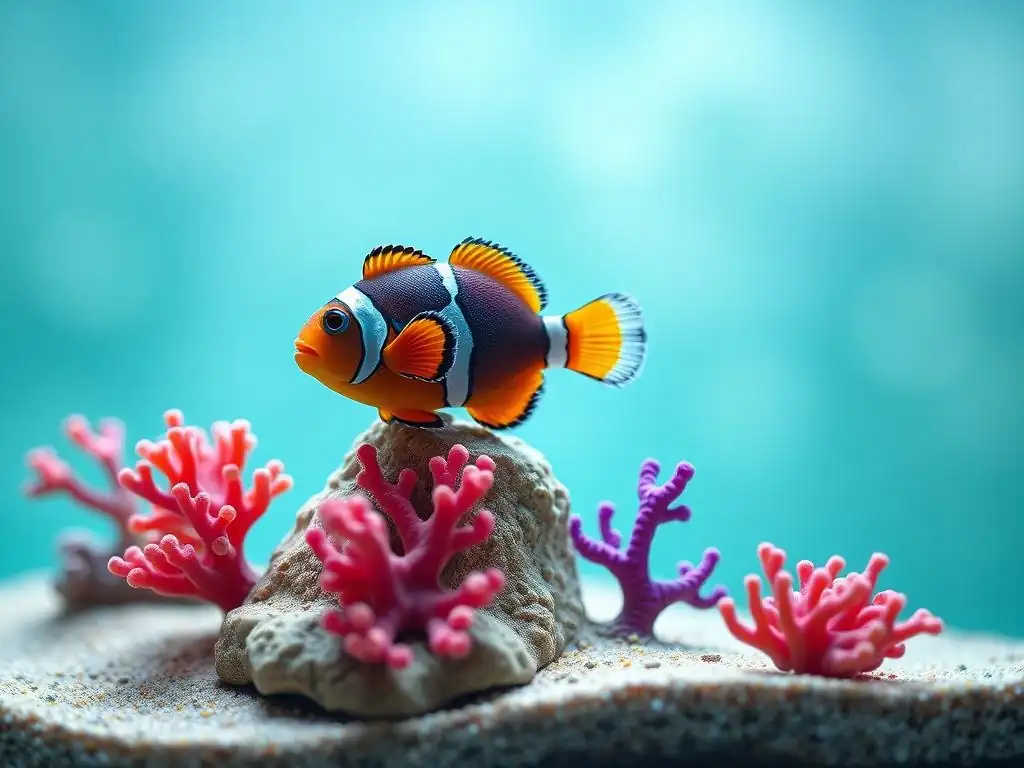
Step 1: Establishing a Dedicated Quarantine System for Broodstock
Quarantine Tank Setup and Water Parameter Management
A dedicated quarantine system for broodstock is an indispensable component of robust saltwater aquarium biosecurity protocols. This system should be entirely separate from the main breeding tanks, ideally in a different room or at least with dedicated equipment. Quarantine tanks are typically bare-bottom to facilitate cleaning and observation, equipped with minimal filtration (e.g., sponge filters or hang-on-back filters that can be easily disinfected) and a heater.
The simplicity of the setup reduces hiding spots for parasites and makes disinfection straightforward. For example, a 20-gallon long tank can serve as an effective quarantine unit for a pair of medium-sized clownfish broodstock.
Maintaining stable and optimal water parameters is critical during quarantine, as stress can suppress the immune system and allow latent diseases to manifest. Key parameters such as salinity (e.g., 1.020-1.023 specific gravity), temperature (e.g., 76-78°F or 24-25°C), pH (e.g., 8.0-8.3), ammonia, and nitrite must be meticulously monitored daily. Regular small water changes (e.g., 10-20% every 2-3 days) are recommended to maintain water quality, especially if medications are used. The use of separate test kits, siphons, and nets for the quarantine system further reinforces saltwater aquarium biosecurity protocols by preventing cross-contamination with the main breeding systems.
Observation and Treatment Protocols for New Arrivals
Upon arrival, new broodstock should be acclimated slowly to the quarantine tank's water parameters. A standard observation period of 4 to 6 weeks is generally recommended to allow for the full life cycle of common external parasites like Cryptocaryon irritans (which can have a life cycle of 7-28 days depending on temperature) to complete, and for any signs of bacterial or viral infections to become apparent.
During this period, fish should be visually inspected multiple times daily for symptoms such as white spots, cloudy eyes, fin rot, abnormal swimming, rapid breathing, or loss of appetite. Any unusual behavior or physical changes must be immediately noted in a logbook.
Prophylactic treatments are often employed during quarantine as part of comprehensive saltwater aquarium biosecurity protocols. A common approach involves a freshwater dip for 5-10 minutes (with aeration) upon arrival to dislodge external parasites, followed by a copper-based medication treatment (e.g., Chelated Copper at 0.2-0.3 ppm for 14-21 days) to eradicate Cryptocaryon and Amyloodinium.
Broad-spectrum antibiotics may also be considered if bacterial issues are suspected, but only after careful diagnosis. It is crucial to monitor water parameters and fish behavior closely throughout any treatment regimen, and to ensure medications are fully removed via carbon filtration and water changes before transferring fish to the main breeding system.
Step 2: Disinfection and Sterilization Procedures for Breeding Equipment
Choosing Effective Disinfectants for Aquarium Use
The selection of appropriate disinfectants is a critical aspect of saltwater aquarium biosecurity protocols, ensuring the elimination of pathogens from equipment without harming aquatic life. Common and highly effective disinfectants include household bleach (sodium hypochlorite), hydrogen peroxide, and specialized aquaculture disinfectants like Virkon S. Bleach, typically used at a 1:10 dilution with water (e.g., 1 part bleach to 9 parts water), is potent against bacteria, viruses, and parasites but requires thorough rinsing and neutralization (e.g., with a dechlorinator like sodium thiosulfate) to remove all residue.
Hydrogen peroxide, often used at 3% concentration, is a less toxic alternative that breaks down into water and oxygen, making it safer for equipment that is difficult to rinse extensively. Virkon S, a broad-spectrum disinfectant, is effective at low concentrations (e.g., 1% solution) and is often preferred in commercial settings due to its efficacy against a wide range of pathogens including viruses, bacteria, and fungi.
Regardless of the chosen disinfectant, understanding its proper dilution, contact time (e.g., 10-15 minutes for bleach solutions), and safety precautions (wearing gloves, eye protection) is paramount to ensure both effectiveness and user safety within stringent saltwater aquarium biosecurity protocols.
Proper Cleaning and Sterilization Techniques for Nets, Tanks, and Tubing
Effective cleaning and sterilization of all breeding equipment are non-negotiable elements of robust saltwater aquarium biosecurity protocols. For nets, tubing, and small tools, begin by physically removing any visible organic matter (algae, fish waste, mucus) by scrubbing under running water. Following this, immerse the items in the chosen disinfectant solution for the recommended contact time.
For instance, plastic nets and tubing can be soaked in a 1:10 bleach solution for 15 minutes, ensuring complete submersion. After disinfection, thorough rinsing with clean, dechlorinated water is essential to remove all chemical residues. A final soak in a strong dechlorinator solution for 10-15 minutes, followed by air drying, further ensures safety.
Larger items like empty breeding tanks require a similar multi-step approach. After draining and removing all substrate or decorations, scrub the tank walls vigorously to remove biofilm and detritus. Then, fill the tank with a disinfectant solution (e.g., a 1:20 bleach solution) and let it stand for several hours or overnight.
Drain the solution, rinse the tank thoroughly multiple times, and then fill it with clean water and a strong dechlorinator. Allow it to sit for a few hours, drain, and air dry completely. Dedicated equipment for each system (quarantine, broodstock, larval rearing) should be strictly enforced to prevent cross-contamination, reinforcing the strength of your saltwater aquarium biosecurity protocols.
Step 3: Water Quality Management and Monitoring for Disease Prevention
Maintaining Optimal Water Parameters for Larval Development
Maintaining optimal and stable water parameters is paramount for larval development and disease prevention within saltwater aquarium biosecurity protocols. Marine fish larvae are exceptionally sensitive to fluctuations in their environment. For instance, clownfish larvae thrive at a stable temperature of 78-80°F (25.5-26.7°C), a salinity of 1.024-1.026 specific gravity, and a pH of 8.0-8.3.
Ammonia and nitrite levels must be kept at undetectable levels (0 ppm), as even trace amounts can cause severe stress, gill damage, and mortality in delicate fry. Nitrate levels should also be maintained as low as possible, ideally below 5 ppm, to prevent chronic stress and immune suppression.
Beyond the primary parameters, alkalinity (8-12 dKH), calcium (400-450 ppm), and magnesium (1250-1350 ppm) are also crucial for the healthy development of larval skeletal structures and overall physiological function. Consistent stability is often more important than hitting exact numbers, as rapid shifts in any parameter can induce osmotic shock and compromise the larvae's nascent immune systems, making them highly susceptible to opportunistic pathogens. Implementing robust saltwater aquarium biosecurity protocols includes meticulous control over these parameters, providing a resilient foundation for larval health.
Regular Water Testing and Analysis
Regular and precise water testing is a non-negotiable element of effective saltwater aquarium biosecurity protocols, providing the data needed to proactively manage water quality and prevent disease. For larval rearing tanks, daily testing for ammonia, nitrite, and pH is essential due to the high bioload relative to water volume and the rapid accumulation of waste. Salinity and temperature should also be checked daily. For broodstock tanks, weekly testing for ammonia, nitrite, nitrate, pH, salinity, alkalinity, calcium, and magnesium is generally sufficient, though daily checks are advisable if any issues are suspected or during critical breeding phases.
Beyond basic liquid test kits, advanced breeders may utilize digital meters for pH, salinity (refractometers or conductivity meters), and ORP (Oxidation Reduction Potential) for real-time monitoring. Keeping meticulous records of all test results in a logbook or digital spreadsheet allows for the identification of trends, early detection of issues, and evaluation of the effectiveness of filtration and maintenance routines. For example, a creeping increase in nitrates might signal the need for more frequent water changes or enhanced biological filtration, preventing a chronic stressor that could weaken fish immunity and breach saltwater aquarium biosecurity protocols.
The Importance of Water Changes in Biosecurity
Water changes are a cornerstone of water quality management and a vital component of saltwater aquarium biosecurity protocols. Their primary function is to dilute and remove accumulated nitrates, phosphates, dissolved organic compounds, and potentially harmful pathogens or their byproducts that filtration alone cannot fully eliminate. For larval rearing tanks, where feeding is frequent and waste production is high, daily small water changes (e.g., 10-20% of total volume) are often necessary to maintain pristine conditions and minimize pathogen load. For broodstock tanks, larger weekly water changes (e.g., 25-50%) are typically sufficient.
Beyond nutrient export, regular water changes replenish essential trace elements and buffer capacity, contributing to a stable environment that reduces stress on fish and enhances their natural disease resistance. The new water used for changes must be meticulously prepared, ideally from an RO/DI (Reverse Osmosis/Deionization) unit mixed with a high-quality marine salt mix, and then heated and aerated to match the tank's parameters exactly. This ensures that the water being introduced is free of chlorine, chloramines, heavy metals, and other contaminants, further solidifying the preventative aspects of saltwater aquarium biosecurity protocols.
Step 4: Implementing Strict Hygiene Practices
Hand Washing and Personal Protective Equipment (PPE)
Strict personal hygiene is a critical, yet often underestimated, element of robust saltwater aquarium biosecurity protocols. Hands are a primary vector for transferring pathogens, bacteria, and parasites between tanks, systems, or even from outside environments into the breeding facility. Therefore, a rigorous hand-washing protocol must be enforced: hands should be thoroughly washed with soap and water for at least 20 seconds before and after touching any fish, equipment, or water, and especially when moving between different tanks or systems.
The use of Personal Protective Equipment (PPE) further enhances biosecurity. Disposable gloves should be worn when handling fish, performing tank maintenance, or dealing with live foods, and changed frequently between tanks. Dedicated lab coats or aprons and footwear (e.g., rubber boots) should be worn exclusively within the breeding area and not outside. This prevents the accidental introduction of pathogens from clothing or shoes that have been exposed to external environments, forming another vital layer in comprehensive saltwater aquarium biosecurity protocols.
Controlling Access to Breeding Areas
Controlling access to the breeding areas is an essential, often overlooked, aspect of maintaining stringent saltwater aquarium biosecurity protocols. Limiting entry to only essential, trained personnel significantly reduces the risk of external pathogen introduction. Every visitor or non-essential staff member represents a potential vector for disease, carrying microorganisms on their clothing, shoes, or skin from other aquariums, pet stores, or even natural bodies of water.
Implementation of access control can range from simple measures like requiring all visitors to sign in and out, and providing disposable shoe covers or dedicated footwear for entry, to more advanced systems involving secure entry points and dedicated changing areas. In commercial breeding facilities, a "clean" zone might be established where all personnel must change into disinfected uniforms and footwear upon entry. This physical and procedural barrier minimizes the chance of accidental pathogen transfer, reinforcing the overall effectiveness of the saltwater aquarium biosecurity protocols by controlling human-mediated contamination.
Step 5: Feed and Supplement Management to Minimize Pathogen Introduction
Selecting High-Quality, Disease-Free Food Sources
The food provided to broodstock and larvae is a significant potential vector for disease introduction, making careful selection and management a critical part of saltwater aquarium biosecurity protocols. For live foods such as rotifers, copepods, or artemia nauplii, it is imperative to either culture them in-house under highly controlled, sterile conditions or source them from reputable suppliers who guarantee pathogen-free cultures. Wild-caught live foods, while seemingly convenient, carry an extremely high risk of introducing parasites (e.g., flukes, trematodes) or bacterial pathogens.
For frozen and dry foods (pellets, flakes), selecting high-quality products from reputable manufacturers known for their stringent quality control and processing standards is essential. These foods should be free from artificial colors, fillers, and excessive binders. For example, some commercial frozen foods undergo pasteurization or flash-freezing processes designed to reduce bacterial loads. Always check expiration dates and inspect packaging for signs of damage or contamination. Prioritizing disease-free food sources significantly minimizes the risk of internal infections or water quality degradation that could breach saltwater aquarium biosecurity protocols.
Properly Storing and Handling Fish Food
Proper storage and handling of fish food are crucial to prevent spoilage, nutrient degradation, and the proliferation of harmful bacteria, thereby supporting saltwater aquarium biosecurity protocols. Dry foods like pellets and flakes should be stored in airtight containers in a cool, dark, and dry place to prevent moisture absorption, which can lead to mold growth and bacterial contamination. Refrigeration or freezing can extend the shelf life of some dry foods, though specific product recommendations should be followed.
Frozen foods require strict adherence to cold chain management. They should be kept at or below 0°F (-18°C) until immediately before feeding. When thawing, only thaw the amount needed for a single feeding to prevent nutrient loss and bacterial multiplication; never refreeze thawed food. Use dedicated, clean scoops or forceps for dispensing food, avoiding direct hand contact with the bulk supply to prevent cross-contamination from hands or other tanks. Overfeeding should also be avoided, as uneaten food quickly degrades water quality, creating an environment conducive to pathogen growth, which undermines even the most robust saltwater aquarium biosecurity protocols.
Supplementation Strategies to Boost Fish Immunity
Beyond providing a balanced diet, strategic supplementation can significantly boost fish immunity, making them more resilient to disease and reinforcing saltwater aquarium biosecurity protocols. Essential vitamins, particularly Vitamin C and Vitamin E, play a crucial role in immune function and stress reduction. For instance, Vitamin C acts as an antioxidant and is vital for collagen synthesis, wound healing, and enhancing resistance to bacterial infections. Many commercial fish foods are fortified with these vitamins, but their potency can degrade over time.
Enriching live foods (like rotifers or artemia) with highly unsaturated fatty acids (HUFAs), such as DHA and EPA, is also vital for larval development and immune system maturation. Products like Selco or phytoplankton concentrates can be used to gut-load live feeds before offering them to fry.
Furthermore, the inclusion of certain prebiotics (e.g., fructooligosaccharides, inulin) and specific immunostimulants (e.g., beta-glucans) in the diet can promote a healthy gut microbiome and activate the fish's non-specific immune responses. A strong immune system acts as an internal defense mechanism, reducing the likelihood of disease outbreaks even if a low level of pathogens is present, thereby complementing external saltwater aquarium biosecurity protocols.
Advanced Biosecurity Measures for Saltwater Fish Breeding
Ultraviolet (UV) Sterilization for Water Treatment
Understanding UV Sterilizer Types and Applications
Ultraviolet (UV) sterilization is an advanced biosecurity measure that significantly enhances water quality and reduces pathogen load in saltwater breeding systems. UV sterilizers work by exposing water to germicidal UV-C light, which damages the DNA of free-floating bacteria, viruses, algae, and protozoan parasites, rendering them unable to reproduce and infect. There are generally two main types: flow-through units, where water is pumped past a UV lamp enclosed in a quartz sleeve, and submersible units. Flow-through units are more common and effective for recirculating aquaculture systems (RAS) and dedicated breeding setups.
UV sterilizers are highly effective against waterborne pathogens like Cryptocaryon irritans tomonts (the infective stage), Amyloodinium ocellatum dinospores, and various bacterial species such as Vibrio. They do not add chemicals to the water and do not remove beneficial elements. However, their efficacy is dependent on several factors, including water clarity (turbidity reduces UV penetration), flow rate (slower flow allows for longer exposure), and lamp age (UV output degrades over time, typically requiring replacement every 6-12 months). Integrating a properly sized UV sterilizer into saltwater aquarium biosecurity protocols provides a continuous line of defense against waterborne disease transmission.
Calculating UV Sterilization Dosage for Effective Pathogen Control
Effective UV sterilization hinges on delivering a sufficient UV dosage, measured in microwatt-seconds per square centimeter (µWs/cm²), to inactivate target pathogens. The required dosage varies significantly by pathogen type; for instance, many common bacteria might be controlled at dosages between 30,000-50,000 µWs/cm², while highly resistant parasites like Cryptocaryon irritans (Ich) require significantly higher dosages, often exceeding 70,000 µWs/cm² for effective kill rates of their free-swimming stages. Viruses typically fall somewhere in between.
Calculating the appropriate UV sterilizer size involves considering the desired dosage, the system's total water volume, and the target flow rate through the sterilizer. Manufacturers provide specifications on UV output (watts) and recommended flow rates for various applications.
For example, a 25-watt UV sterilizer might effectively treat 200 gallons at a flow rate of 200 GPH for general clarification, but a much slower flow rate (e.g., 50-100 GPH) would be necessary to achieve the higher dosages required for parasitic control in a breeding system. Regular maintenance, including cleaning the quartz sleeve and replacing the bulb annually, is crucial to ensure the UV unit maintains its calculated effective dosage, thereby upholding stringent saltwater aquarium biosecurity protocols.
Ozone (O3) Treatment for Enhanced Water Quality and Disinfection
Ozone Generation and Delivery Systems
Ozone (O3) is a powerful oxidizing agent used in advanced saltwater aquarium biosecurity protocols for its superior ability to disinfect water and break down organic pollutants. It is generated by passing dry air or pure oxygen through an electrical discharge (corona discharge) or over a UV light, which splits oxygen molecules (O2) into individual oxygen atoms that then combine with other O2 molecules to form O3.
Once generated, ozone is typically introduced into the aquarium system via a protein skimmer, which provides excellent contact time between the ozone gas and the water, or through a dedicated reaction chamber for more controlled application.
The benefits of ozone in a breeding system are manifold: it effectively kills bacteria, viruses, fungi, and parasites by disrupting their cell membranes. It also significantly increases the Oxidation Reduction Potential (ORP) of the water, indicating a cleaner, more oxidative environment, and breaks down dissolved organic compounds that can fuel pathogen growth and reduce water clarity. However, ozone is highly reactive and toxic to aquatic life if not managed correctly. Therefore, its application must be precise and carefully monitored to ensure its benefits are realized without causing harm, a critical consideration in robust saltwater aquarium biosecurity protocols.
Monitoring and Controlling Ozone Levels in Saltwater Aquariums
Given ozone's potent oxidizing power and toxicity, precise monitoring and control are paramount when implementing it into saltwater aquarium biosecurity protocols. The most common method for monitoring ozone levels is through an ORP (Oxidation Reduction Potential) controller, which measures the water's oxidizing capacity in millivolts (mV). For general reef systems, target ORP levels typically range from 350-450 mV. In dedicated breeding setups where intense disinfection is desired, ORP levels might be allowed to briefly reach higher ranges (e.g., 450-500 mV) within a reaction chamber, but never directly in the display or larval tanks.
The ORP controller works by turning the ozone generator on or off based on a setpoint, preventing overdosing. It is crucial to have a fail-safe mechanism, such as an air pump that turns on if ORP exceeds the safe limit, or a carbon filter at the ozone effluent to remove any residual ozone before water returns to the main system. Activated carbon is highly effective at neutralizing ozone.
Regular calibration of the ORP probe is also necessary to ensure accurate readings. Mismanagement of ozone can lead to gill damage, burns, and ultimately death in fish, underscoring why its careful control is a non-negotiable aspect of advanced saltwater aquarium biosecurity protocols.
Probiotics and Prebiotics for Gut Health and Disease Resistance
Selecting Appropriate Probiotic Strains for Saltwater Fish
Probiotics, beneficial microorganisms administered to fish, are an increasingly recognized component of advanced saltwater aquarium biosecurity protocols, primarily by enhancing gut health and disease resistance. The effectiveness of probiotics is strain-specific; not all bacterial strains are beneficial, and some may even be detrimental. Research in aquaculture has identified several promising genera for marine fish, including Lactobacillus, Bacillus, Pseudomonas, and Vibrio (non-pathogenic strains). These strains typically work by colonizing the fish's gastrointestinal tract, outcompeting harmful bacteria for nutrients and attachment sites, and sometimes by producing antimicrobial compounds.
When selecting probiotic products, it is crucial to look for those specifically formulated for aquatic use or, ideally, for marine fish. For example, Bacillus subtilis and Bacillus licheniformis are common strains found in aquaculture probiotics, known for their ability to improve feed utilization and reduce pathogen loads in the gut. Some products also contain enzyme-producing bacteria that aid digestion. It is recommended to choose products with a high colony-forming unit (CFU) count, typically in the range of 10^6 to 10^9 CFU/g, to ensure a sufficient dose of beneficial bacteria for effective colonization and immune modulation.
Incorporating Probiotics and Prebiotics into Fish Diets
Incorporating probiotics and prebiotics into the diet is the most effective way to leverage their immune-boosting benefits within saltwater aquarium biosecurity protocols. Probiotics can be administered by top-dressing dry foods (pellets or flakes) with a liquid probiotic solution, allowing it to soak in before feeding. This ensures the beneficial bacteria are directly ingested by the fish. For larval rearing, enriching live foods like rotifers or artemia with probiotic strains before feeding them to fry is also a highly effective method, as it delivers the probiotics directly to the developing digestive system.
Prebiotics, which are non-digestible food ingredients that selectively stimulate the growth and/or activity of beneficial bacteria in the gut, work synergistically with probiotics. Common prebiotics include fructooligosaccharides (FOS), galactooligosaccharides (GOS), and inulin. These can be incorporated into fish feeds during manufacturing or added as supplements. By fostering a robust and diverse gut microbiome, probiotics and prebiotics enhance nutrient absorption, improve digestive efficiency, and significantly strengthen the fish's systemic immune response, making them less susceptible to common pathogens and reducing the need for chemical treatments, thereby bolstering saltwater aquarium biosecurity protocols from within.
Monitoring and Evaluating Your Saltwater Aquarium Biosecurity Protocols
Regular Health Checks and Visual Inspections of Broodstock and Fry
Consistent and diligent health checks are a cornerstone of effective saltwater aquarium biosecurity protocols. Broodstock and fry should undergo daily visual inspections, ideally multiple times a day. For adult fish, observe their swimming behavior, appetite, coloration, fin condition, and the presence of any lesions, spots, or abnormal growths. Changes in respiration rate (e.g., rapid gill movements) can indicate gill parasites or poor water quality. Any signs of lethargy, flashing (rubbing against objects), or abnormal feces should be immediately noted.
For larvae and fry, visual inspection requires even greater attention to detail due to their small size and fragility. Use a magnifying glass or even a microscope to examine fry for signs of disease such as external parasites, bacterial lesions, or developmental abnormalities. Observe their feeding response and schooling behavior. A sudden decrease in appetite or an increase in mortality rates are immediate red flags. Early detection through these routine observations allows for prompt intervention, preventing localized issues from escalating into widespread outbreaks that could compromise the entire breeding operation and undermine saltwater aquarium biosecurity protocols.
Diagnostic Testing for Early Disease Detection
Beyond visual inspections, diagnostic testing provides a more definitive means of identifying pathogens and evaluating the efficacy of saltwater aquarium biosecurity protocols. When signs of disease are observed, or even as a routine preventative measure, microscopic examination of skin scrapes, fin clips, or gill biopsies can quickly identify external parasites like Cryptocaryon irritans trophonts, Amyloodinium ocellatum, or various flukes. For internal issues, examining fecal samples can reveal intestinal parasites.
For bacterial infections, culturing water samples or tissue swabs on appropriate agar media can identify specific bacterial species and their sensitivity to various antibiotics, guiding targeted treatment. In advanced breeding facilities, Polymerase Chain Reaction (PCR) testing has become an invaluable tool for detecting viral pathogens such as Lymphocystis or Viral Nervous Necrosis (VNN), even in asymptomatic carriers. These molecular tests offer high sensitivity and specificity, allowing for early detection and isolation of infected individuals before a widespread outbreak occurs, thereby protecting the overall integrity of saltwater aquarium biosecurity protocols.
Keeping Accurate Records of Water Parameters, Treatments, and Disease Events
Meticulous record-keeping is an indispensable, yet often overlooked, component of robust saltwater aquarium biosecurity protocols. A detailed logbook or digital database should be maintained for every tank or system within the breeding facility. This includes daily entries for key water parameters (temperature, salinity, pH, ammonia, nitrite, nitrate), feeding schedules, water change dates and volumes, and any specific maintenance performed. Crucially, all observations of fish health, any signs of disease, treatments administered (including type, dosage, and duration), and the outcome of those treatments must be recorded.
These records serve multiple vital functions. They provide a historical overview of each system's health and performance, allowing breeders to identify subtle trends or recurring issues that might otherwise go unnoticed. For instance, a consistent slight elevation in nitrates might indicate a need for more frequent water changes, preventing chronic stress. Furthermore, accurate records are invaluable for troubleshooting unexpected disease outbreaks, helping to pinpoint potential breaches in saltwater aquarium biosecurity protocols or identify specific pathogens that have entered the system. This data-driven approach allows for informed decision-making and continuous improvement of biosecurity measures.
Adjusting Biosecurity Protocols Based on Monitoring Results
The effectiveness of saltwater aquarium biosecurity protocols is not static; it requires continuous evaluation and adaptation based on monitoring results. The data collected from regular health checks, diagnostic testing, and water parameter records provides critical insights into the strengths and weaknesses of the current biosecurity plan. For example, if recurring outbreaks of a specific parasite like Cryptocaryon are noted despite a quarantine protocol, it might indicate that the quarantine period is too short, the prophylactic treatment is insufficient, or there's an undetected vector of introduction (e.g., contaminated live food).
In such a scenario, adjustments might include extending the quarantine duration to 8 weeks, increasing the copper concentration slightly (within safe limits), or implementing an additional sterilization step for live foods. Conversely, if water quality consistently remains pristine and fish health is excellent, it might validate current practices. However, this doesn't mean complacency; rather, it allows for optimization, perhaps by fine-tuning feeding regimens or filtration. The iterative process of monitoring, evaluating, and adjusting is fundamental to maintaining dynamic and effective saltwater aquarium biosecurity protocols that evolve with the challenges of advanced breeding.
Troubleshooting Common Biosecurity Challenges in Saltwater Breeding
Addressing Algae Blooms and Bacterial Infections
Algae blooms and bacterial infections are common challenges in saltwater breeding, often signaling a lapse in saltwater aquarium biosecurity protocols, particularly related to water quality and nutrient management. Algae blooms, characterized by green or brown water, or excessive growth on surfaces, are typically caused by an imbalance of light and excess nutrients (nitrates, phosphates).
Addressing them involves identifying the root cause: reducing light intensity or duration, increasing water changes to export nutrients, improving mechanical filtration to remove particulate matter, and ensuring proper nutrient export (e.g., effective protein skimming). Ignoring algae can lead to oxygen depletion at night and provide a substrate for harmful bacteria.
Bacterial infections, often opportunistic, arise when fish are stressed by poor water quality, overcrowding, or pre-existing injuries. Common culprits include Vibrio species. Immediate steps involve a large water change (e.g., 50%) to reduce bacterial load and improve water quality, ensuring optimal oxygenation, and identifying and removing any obvious stressors. If a specific bacterial infection is diagnosed, targeted antibiotic treatment might be necessary in an isolated hospital tank to prevent further spread and minimize impact on the main system. Consistent adherence to water quality parameters and system hygiene is the best defense against these issues, reinforcing saltwater aquarium biosecurity protocols.
Managing Parasite Infestations in Breeding Tanks
Managing parasite infestations in sensitive breeding tanks, especially those housing larvae and fry, presents unique challenges due to the fragility of young fish and the potential for medications to harm them or beneficial bacteria. Common parasites like Cryptocaryon irritans (marine ich) and Amyloodinium ocellatum (marine velvet) can be devastating. If an outbreak occurs in a larval tank, options are limited.
Hyposalinity (gradually reducing salinity to 1.008-1.010 specific gravity for 2-3 weeks) can be effective against Cryptocaryon but may stress some larval species. Copper sulfate treatments (e.g., 0.2-0.3 ppm) are highly effective but can be lethal to invertebrates and pose risks to sensitive fry.
For broodstock tanks, a more aggressive approach might be feasible, such as a full system treatment with copper or formalin, or transferring broodstock to a hospital tank for treatment while the main tank is left fallow for 6-8 weeks to break the parasite life cycle. The key to successful management lies in rapid identification through regular observation and microscopy. Prevention, primarily through stringent quarantine protocols for all new arrivals and meticulous disinfection of equipment, remains the most effective strategy within comprehensive saltwater aquarium biosecurity protocols to avoid these challenging infestations.
Dealing with Unexpected Disease Outbreaks
Despite the most rigorous saltwater aquarium biosecurity protocols, unexpected disease outbreaks can occasionally occur, necessitating a rapid and systematic response to mitigate losses. The first step upon noticing an outbreak (e.g., sudden increase in mortality, widespread symptoms) is immediate isolation of affected individuals or, if the entire tank is compromised, isolating the entire tank. This prevents further spread to other systems. Concurrently, increase aeration and perform a large water change (e.g., 50%) to dilute potential pathogens and improve water quality, reducing stress on the fish.
The next critical step is accurate diagnosis. If possible, sacrifice a recently deceased or severely affected fish for microscopic examination of gills, skin, and internal organs, or send samples to a fish pathology lab. Do not administer broad-spectrum medications blindly, as this can worsen the situation or lead to drug resistance.
Once the pathogen is identified, implement a targeted treatment plan. Most importantly, conduct a thorough post-mortem analysis of your saltwater aquarium biosecurity protocols to identify the likely breach that allowed the outbreak. This could involve reviewing quarantine procedures, feed sourcing, or staff hygiene, ensuring lessons are learned to prevent future occurrences.
Conclusion: Achieving Long-Term Breeding Success Through Saltwater Aquarium Biosecurity
The Importance of Continuous Improvement and Adaptation
Achieving long-term success in advanced saltwater fish breeding is not a static endeavor; it is a dynamic process that fundamentally relies on the continuous improvement and adaptation of saltwater aquarium biosecurity protocols. The aquatic environment is constantly evolving, with new pathogen strains emerging and existing ones adapting. Therefore, a breeder's biosecurity plan must be a living document, regularly reviewed and updated based on new scientific research, personal experience, and the specific challenges encountered within their facility.
This involves an ongoing commitment to learning, staying informed about advancements in fish health and aquaculture practices, and being proactive rather than reactive. For instance, if a new viral threat emerges in the industry, evaluating and potentially upgrading filtration systems or disinfection methods might be necessary. Similarly, analyzing breeding records for recurring minor health issues can lead to fine-tuning feeding strategies or environmental parameters. Embracing this mindset of continuous improvement ensures that saltwater aquarium biosecurity protocols remain robust, effective, and capable of protecting valuable breeding populations against an ever-present array of threats, securing the future of the breeding operation.
Resources for Further Learning on Saltwater Fish Health and Biosecurity
For the dedicated saltwater fish breeder seeking to further refine their biosecurity knowledge and practices, a wealth of resources exists beyond general hobbyist information. Academic journals such as the Journal of Fish Diseases, Aquaculture, and Diseases of Aquatic Organisms publish peer-reviewed research on fish pathology, immunology, and biosecurity, offering insights into the latest scientific findings. University extension services specializing in aquaculture, often affiliated with marine or veterinary schools, frequently provide practical guides, workshops, and diagnostic services.
Online communities and forums dedicated to advanced marine aquaculture (e.g., forums hosted by large commercial breeding facilities or professional aquarist associations) can be invaluable for sharing experiences, troubleshooting common issues, and learning about emerging threats. Books specifically on marine fish diseases and breeding, written by experienced aquaculturists or veterinarians, offer comprehensive guides. Networking with other advanced breeders and attending industry conferences can also provide critical hands-on knowledge and foster a collaborative approach to enhancing saltwater aquarium biosecurity protocols across the community.
Frequently Asked Questions
How critical are biosecurity protocols in a saltwater aquarium breeding setup?
Biosecurity is absolutely critical. It minimizes the risk of introducing pathogens and parasites that can decimate entire breeding populations, protecting your investment and hard work.
What are the key components of a strong biosecurity protocol for breeding saltwater fish?
The key components involve quarantine procedures for new arrivals, strict hygiene practices with equipment, and regular water testing to monitor water parameters and identify potential issues early.
How long should new fish be quarantined before being introduced to a breeding saltwater aquarium?
New fish should typically be quarantined for at least 4-6 weeks. This allows ample time to observe them for signs of illness and administer necessary treatments before they can potentially infect the main tank.
What specific cleaning agents are safe and effective for disinfecting aquarium equipment used in saltwater breeding?
Bleach solutions (diluted) are commonly used, but require thorough rinsing. Alternatives include hydrogen peroxide and specialized aquarium disinfectants, always following manufacturer's instructions carefully.
What steps should be taken if a disease outbreak occurs in a saltwater aquarium breeding facility, despite implementing biosecurity protocols?
Immediately isolate the affected fish, implement aggressive treatment protocols, and review and revise your existing biosecurity measures to prevent future outbreaks.
Final Reflection: Safeguarding Aquatic Life
The intricacies of saltwater aquarium breeding, as we've explored, demand a level of precision and care that extends far beyond aesthetics. Implementing robust biosecurity protocols is no longer a mere suggestion, but an absolute necessity for the advanced breeder. The health and vitality of our aquatic ecosystems, even within the controlled environment of a home or commercial aquarium, depend on our unwavering commitment to these practices.
This journey into saltwater aquarium biosecurity has underscored the profound responsibility we bear as custodians of these delicate ecosystems. The ongoing success of our breeding efforts, and indeed the very survival of certain species in captivity, hinges on our ability to prevent the introduction and spread of disease. The best way to fight a disease is to prevent it from ever occurring.
This simple truth resonates deeply within the realm of aquarium keeping, reminding us that proactive measures are far more effective, and ultimately more humane, than reactive treatments.
As you close this article, consider the impact you can have on the future of saltwater aquarium breeding. Let the knowledge gained here inspire you to not only refine your own biosecurity protocols, but also to share your expertise with others. By embracing these principles, you contribute to a healthier, more sustainable future for the captivating world beneath the waves.
Elevate Your Breeding Success: Implement Biosecurity Now!
Thank you for exploring the crucial role of biosecurity in advanced aquarium breeding. By investing your time, you've taken a significant step toward protecting your valuable aquatic investments. Let's put that knowledge into action.
- Immediately review and document your current biosecurity protocols; identifying any gaps or areas for improvement is the first step towards a healthier, more productive breeding environment.
- Explore innovative biosecurity tools:research and trial a new sterilization method or quarantine tank setup to fortify your defenses against potential outbreaks.
- Share your biosecurity wisdom: connect with fellow breeders on forums or social media to discuss challenges and successes, building a stronger community.
What's one small, manageable biosecurity change you can realistically implement in your aquarium setup this week to ensure a healthier future for your breeding program?