
Tap Water Secrets: Making It Safe & Optimal for Your Aquarium Inhabitants

Welcome to Aquarium Mastery!
Ever wondered if your tap water could be the secret weapon – or the silent saboteur – in your aquarium's success? We're diving deep into tap water aquarium safety in this article, uncovering hidden risks and revealing simple solutions to ensure crystal-clear conditions for your finned friends. Read on to unlock the secrets to making tap water safe and optimal for your aquatic ecosystem!
- Aquarium Water: Understanding and Preparing Tap Water for Your Fish
- Introduction to Aquarium Water Quality
- Understanding Tap Water Composition
- Tap Water Testing: Essential Analysis
- Tap Water Treatment Methods for Aquariums
- Optimizing Water Parameters for Specific Aquarium Types
- Benefits of Aging Water Before Aquarium Use
- Best Practices for Tap Water Use in Aquariums
- Common Mistakes to Avoid
- Conclusion: Creating a Healthy Aquarium Environment
-
Frequently Asked Questions
- How can I make tap water safe for my aquarium?
- Is it safe to use tap water directly in my aquarium without treatment?
- What are the key parameters I should test in tap water before adding it to my aquarium?
- How often should I perform water changes using tap water?
- What is the difference between chlorine and chloramine in tap water, and how do I remove them both?
- Final Reflection: Unveiling the Potential in Every Drop
- Transform Your Tap Water: Unlock a Thriving Aquarium!
Aquarium Water: Understanding and Preparing Tap Water for Your Fish
Introduction to Aquarium Water Quality
Why Tap Water Often Requires Treatment for Aquariums
Tap water, while perfectly safe for human consumption, often contains a cocktail of chemicals and dissolved substances that are profoundly harmful to aquatic life. Municipal water treatment facilities typically add disinfectants like chlorine and chloramine to eliminate bacteria and viruses, ensuring public health. However, these same compounds, even at low concentrations, can severely damage fish gills, destroy the beneficial bacteria essential for the nitrogen cycle, and lead to chronic stress or even death for aquarium inhabitants.
Beyond disinfectants, tap water can also harbor heavy metals leached from plumbing, or elevated levels of nutrients like phosphates and nitrates from agricultural runoff or water treatment processes. These contaminants, while perhaps benign to humans, can inhibit fish immunity, promote aggressive algae growth, and generally compromise the delicate balance of an aquatic ecosystem. Therefore, understanding and treating tap water is a non-negotiable step to ensure optimal tap water aquarium safety and the well-being of your fish.
The Critical Role of Water Quality in Aquarium Health
The health and longevity of your aquarium inhabitants are inextricably linked to the quality and stability of their aquatic environment. Stable water parameters, including appropriate pH, hardness, and the absence of toxic compounds like ammonia, nitrite, and chlorine, are fundamental for fish to thrive, maintain strong immune systems, and exhibit natural behaviors. Poor water quality, conversely, is a leading cause of stress, disease outbreaks, and premature mortality in aquariums.
Furthermore, the beneficial bacteria responsible for the crucial nitrogen cycle—converting toxic ammonia and nitrite into less harmful nitrate—are extremely sensitive to contaminants found in untreated tap water. Introducing untreated tap water can decimate these bacterial colonies, leading to dangerous spikes in ammonia and nitrite, which are highly lethal to fish. Prioritizing proper tap water aquarium safety through meticulous water preparation is thus paramount for a thriving and resilient aquatic ecosystem.
Understanding Tap Water Composition
Common Tap Water Components and Their Effects on Aquariums
Tap water is not just pure H2O; it's a complex solution whose composition varies significantly by geographical location and municipal treatment practices. Understanding these common components is the first step in ensuring tap water aquarium safety. These substances, while often harmless or even beneficial to humans, can have detrimental effects on the delicate balance of an aquarium, impacting fish health, plant growth, and overall water quality.
Typical components include disinfectants like chlorine and chloramine, various heavy metals, and nutrients such as phosphates and nitrates. Each of these elements poses unique challenges that must be addressed before tap water can be safely introduced into an aquarium. Ignoring these components can lead to a range of issues, from immediate fish fatalities to chronic health problems and persistent algae blooms, underscoring the importance of informed preparation for tap water aquarium safety.
Chlorine and Chloramine: Immediate Dangers to Aquatic Life
Chlorine (Cl2) is a highly effective disinfectant used in municipal water supplies worldwide. While it effectively kills harmful bacteria and viruses, it is equally lethal to the beneficial bacteria in an aquarium's biological filter and directly corrosive to fish gills and skin. Even concentrations as low as 0.1 parts per million (ppm) can cause severe gill damage and respiratory distress in fish, leading to stress, disease, and eventually death if exposure is prolonged.
Chloramine (NH2Cl), a more stable compound of chlorine and ammonia, is increasingly used by water municipalities because it maintains disinfection longer in water lines. Unlike chlorine, which dissipates relatively quickly, chloramine is much more persistent and does not simply "gas off." When broken down by common dechlorinators, chloramine releases ammonia, which is also highly toxic to fish and must be neutralized or processed by a healthy biological filter. Both chlorine and chloramine pose an immediate and severe threat, making their complete removal a critical aspect of tap water aquarium safety.
Metals: Copper, Lead, and Zinc Concerns
Heavy metals like copper, lead, and zinc can find their way into tap water primarily from old plumbing systems, corroding pipes, or industrial runoff. Copper, even at very low concentrations (e.g., above 0.03 ppm), is highly toxic to invertebrates such as shrimp, snails, and corals, and can be detrimental to sensitive fish species. Lead is a cumulative toxin that can lead to long-term health issues and reproductive problems in fish.
Zinc, often found in galvanized pipes, can also be toxic at elevated levels. While municipal water standards ensure these metals are below human health thresholds, these levels are often too high for sensitive aquatic organisms. Regular testing for these contaminants is crucial, especially in older homes, as their presence can severely compromise tap water aquarium safety and the overall health of your aquatic ecosystem.
Nutrients: Phosphate and Nitrate Implications
Phosphates (PO4) can be present in tap water from various sources, including municipal water treatment (where they are used as corrosion inhibitors) or agricultural runoff. Nitrates (NO3), while a natural end-product of the nitrogen cycle, can also be present in source tap water, particularly in areas with agricultural activity or septic system leakage. Even low levels of phosphates, such as 0.5 ppm, can act as a primary fuel for aggressive and unsightly algae blooms, including green hair algae and diatoms, which compete with desirable plants for nutrients.
While nitrates are generally less toxic to fish than ammonia or nitrite, elevated levels (e.g., consistently above 20-40 ppm for sensitive species) can still cause chronic stress, suppress immune systems, and inhibit growth. If your tap water already contains significant levels of these nutrients, routine water changes can inadvertently increase their concentration in the aquarium over time, making it challenging to control algae and maintain optimal water quality. Addressing these nutrients is a vital component of comprehensive tap water aquarium safety.
Tap Water Testing: Essential Analysis
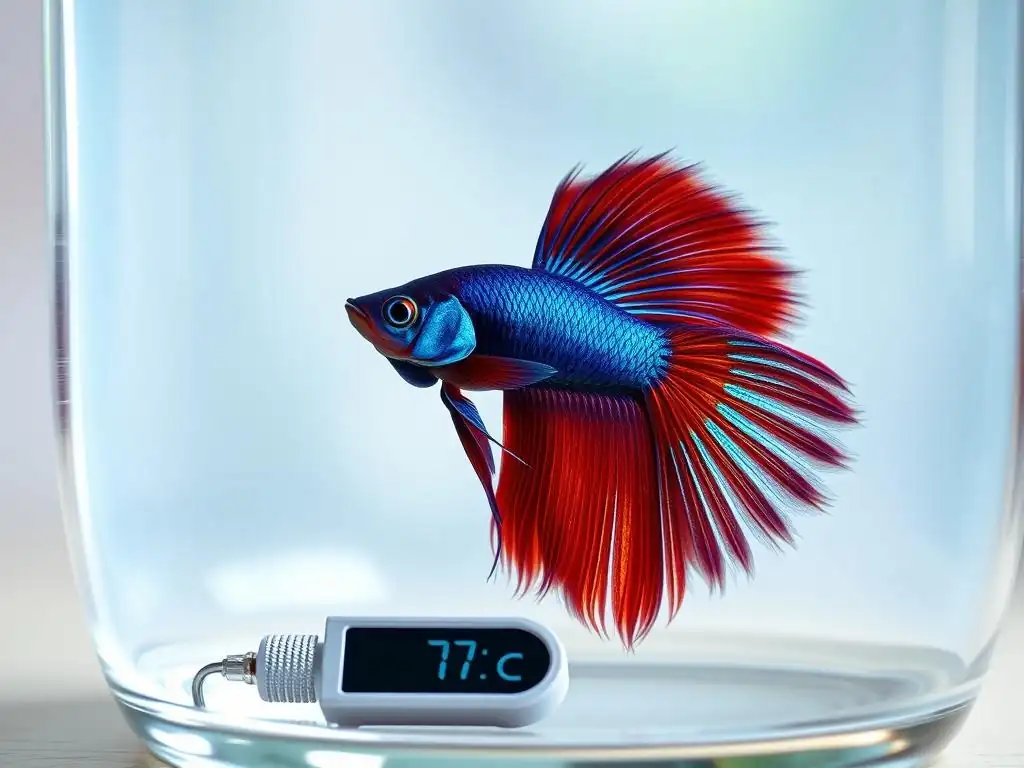
Selecting Appropriate Aquarium Water Test Kits
Accurate testing is the cornerstone of effective water management and ensures tap water aquarium safety. For a comprehensive understanding of your tap water's baseline parameters, it is essential to invest in reliable test kits. Liquid reagent test kits are generally preferred over test strips for their superior accuracy and precision. A good starting point is a master test kit that includes tests for pH, ammonia, nitrite, and nitrate, as these are fundamental to monitoring the nitrogen cycle.
Beyond these basics, specific tests for chlorine/chloramine are indispensable, as these contaminants are the most immediate threat. Additional tests for general hardness (GH), carbonate hardness (KH), and phosphates can provide a more complete picture of your tap water's suitability. While less common, heavy metal test kits (e.g., for copper) are advisable if you suspect old plumbing or have sensitive invertebrates. Reputable brands like API and Salifert offer reliable options that provide the critical data needed for informed tap water treatment.
Interpreting Tap Water Test Results for Aquarium Use
Interpreting your tap water test results involves comparing them against the ideal parameters for the specific fish and plant species you intend to keep. For instance, if your tap water tests show 0.2 ppm of chlorine, it unequivocally means the water must be treated before it touches your tank. Similarly, if your tap water has a baseline nitrate level of 10 ppm, frequent large water changes with this water could quickly push your aquarium's nitrate levels beyond the recommended 20 ppm for most freshwater tanks, making algae control a constant battle.
Consider pH and hardness: if your tap water has a pH of 8.0 and a general hardness (GH) of 200 ppm (approximately 11 dGH), it is ideal for hard water species like African Cichlids or livebearers. However, for soft water species such as Discus or Neon Tetras, which thrive in pH 6.0-6.5 and GH 50-100 ppm (3-6 dGH), significant conditioning or the use of reverse osmosis (RO) water would be necessary. Understanding these baseline numbers from your tap water is crucial for tailoring your water treatment strategy and ensuring proactive tap water aquarium safety.
Tap Water Treatment Methods for Aquariums
Dechlorination: Eliminating Chlorine and Chloramine
Chemical Dechlorinators: Advantages and Disadvantages
Chemical dechlorinators are by far the most common and effective method for neutralizing chlorine and chloramine in tap water, a critical step for tap water aquarium safety. These products, typically containing sodium thiosulfate or similar compounds (e.g., Seachem Prime, API Stress Coat), work by rapidly converting chlorine into harmless chloride ions. Many modern formulations also bind with chloramine, breaking it down and detoxifying the resulting ammonia and nitrite for a short period, allowing the biological filter to process them.
The primary advantage of chemical dechlorinators is their speed and efficiency; they work almost instantly, making them ideal for emergency water changes or routine maintenance. They are widely available and relatively easy to use, requiring only a few drops per gallon. However, disadvantages include their ongoing cost, especially for large tanks, and the fact that some products, while detoxifying ammonia from chloramine breakdown, do not remove it entirely, meaning your biological filter must still handle the load. Overdosing, while generally safe with most reputable brands, can occasionally strip beneficial trace elements or cause other minor imbalances.
Aeration: A Limited Chlorine Removal Technique
Aeration, which involves vigorously bubbling air through water or allowing it to sit in an open container, can facilitate the removal of chlorine through off-gassing. This method is based on chlorine's volatile nature, allowing it to escape into the atmosphere. For water treated solely with chlorine, aeration for 24-48 hours can effectively reduce chlorine levels to safe concentrations. This makes it a low-cost, natural method for chlorine removal.
However, aeration has significant limitations, particularly regarding tap water aquarium safety in modern contexts. It is largely ineffective at removing chloramine, which is a more stable compound and does not readily off-gas. Furthermore, aeration is a slow process, making it impractical for urgent water changes or for larger volumes of water. While it can contribute to gas exchange and temperature stabilization when aging water, it should never be relied upon as the sole method for treating tap water, especially if your municipal supply uses chloramine.
Heavy Metal Removal from Tap Water: Filtration Options
Activated Carbon: Binding Metal Contaminants
Activated carbon is a widely used filtration media in aquariums, valued for its ability to adsorb a broad spectrum of contaminants, including many heavy metals. Its porous structure provides an immense surface area where organic compounds, chlorine, and some dissolved metals like copper, lead, and zinc can bind. When used in a filter, activated carbon acts as a general-purpose purification agent, improving water clarity and removing odors.
While activated carbon is effective for general heavy metal reduction, it has a finite capacity and becomes saturated over time. Its effectiveness against specific metals varies, and it does not remove all types of dissolved solids or metals. For optimal performance in ensuring tap water aquarium safety, activated carbon typically needs to be replaced every 2-4 weeks, depending on the water quality and tank load. It serves as a good first line of defense but may not be sufficient for tap water with exceptionally high levels of specific metal contaminants.
Specialized Resins: Targeted Metal Removal
For tap water with known or suspected high levels of specific heavy metals, specialized ion-exchange resins offer a more targeted and effective solution. These resins are engineered to selectively bind to particular metal ions, such as copper, lead, or iron, through an exchange process. Products like Poly-Filter or specific heavy metal removal resins can be placed in media bags within a filter or sump, providing highly efficient contaminant removal.
The primary advantage of specialized resins is their high specificity and capacity for targeted metal removal, which is crucial for sensitive aquatic life. However, they can be more expensive than activated carbon and may require regeneration or regular replacement, depending on the product. Furthermore, some resins can inadvertently remove beneficial trace elements if used continuously in soft water setups. Using these resins is a precise method for enhancing tap water aquarium safety when specific metal concerns are identified through testing.
Phosphate and Nitrate Control: Preventing Algae Growth
Phosphate and Nitrate Removal Resins
Phosphate and nitrate removal resins are specialized media designed to adsorb or chemically bind these nutrients from the water column, preventing their accumulation and mitigating algae issues. Granular Ferric Oxide (GFO) is a common example for phosphate removal, working by chemically bonding with phosphates. Nitrate-specific resins, often made of anion-exchange polymers, selectively remove nitrates. These media are typically placed in a media reactor or a mesh bag within a filter.
These resins are highly effective at targeted nutrient reduction, making them valuable tools for aquarists struggling with algae fueled by nutrient-rich tap water. For instance, using GFO can reduce phosphate levels from 0.5 ppm to undetectable levels within hours. However, they have a finite absorption capacity and must be replaced or regenerated periodically, which can incur ongoing costs. While effective, they should be used as a supplement to, rather than a replacement for, regular water changes and source water treatment for comprehensive tap water aquarium safety.
Water Changes: Dilution as a Control Method
Regular, partial water changes are one of the most fundamental and effective methods for controlling phosphate and nitrate levels in an aquarium. By replacing a portion of the old, nutrient-laden water with fresh, properly treated tap water, you effectively dilute the concentration of accumulating nitrates and phosphates. For example, a 25% weekly water change can significantly reduce the build-up of these compounds, preventing them from reaching problematic levels that encourage algae growth.
However, the efficacy of water changes in controlling these nutrients is directly dependent on the quality of the source tap water. If your tap water itself contains significant levels of phosphates (e.g., >0.2 ppm) or nitrates (e.g., >10 ppm), then frequent water changes, while diluting existing tank nutrients, will also continuously introduce new nutrients, potentially exacerbating the problem over time. In such cases, pre-treating the tap water with specialized resins or using RO/DI water becomes essential for long-term tap water aquarium safety and effective nutrient management.
Optimizing Water Parameters for Specific Aquarium Types
pH Adjustment for Different Fish Species
Buffering for pH Stability
pH is a critical water parameter, influencing the health and well-being of aquarium inhabitants. Different fish species have specific pH requirements; for instance, South American Cichlids and Discus prefer acidic conditions (pH 6.0-6.5), while African Cichlids thrive in alkaline water (pH 7.8-8.5). Buffers are substances that help stabilize pH by increasing the water's buffering capacity, primarily its carbonate hardness (KH). They absorb excess acids or bases, preventing drastic pH swings.
Maintaining a stable pH is far more important than hitting an exact, specific number, as rapid pH fluctuations (even 0.2 pH units in a short period) can cause severe stress and even death for sensitive fish. For instance, if your tap water has a naturally low KH (below 4 dKH or 71.6 ppm) and you attempt to lower pH without sufficient buffering, the pH can crash unexpectedly. Using a suitable buffer system ensures that your tap water, once treated, provides a consistent and safe environment, which is paramount for long-term tap water aquarium safety.
Understanding General Hardness (GH) and Carbonate Hardness (KH)
Adjusting Hardness for Soft Water Fish
General Hardness (GH) measures the concentration of dissolved mineral ions, primarily calcium and magnesium, which contribute to the "hardness" of water. Carbonate Hardness (KH), also known as alkalinity, measures the concentration of carbonates and bicarbonates, which act as a buffer against pH fluctuations. Soft water fish, such as Neon Tetras, Discus, and many Rasboras, originate from environments with very low mineral content and typically thrive in water with a GH between 50-100 ppm (3-6 dGH).
If your tap water is naturally hard (e.g., GH > 150 ppm), it can be detrimental to these species, leading to osmotic stress and reduced longevity. To achieve softer water, aquarists often dilute their tap water with reverse osmosis (RO) water, deionized (DI) water, or even collected rainwater. For example, mixing 50% tap water with 50% RO water can halve the GH, turning a 200 ppm hard tap water into a more suitable 100 ppm. This precise adjustment of hardness is crucial for species-specific tap water aquarium safety.
Adjusting Hardness for Hard Water Fish
Conversely, many fish species, particularly African Cichlids, livebearers (like Guppies and Mollies), and some brackish water fish, originate from environments with high mineral content and require hard water to thrive. These species generally prefer water with a GH between 150-300 ppm (8-17 dGH) and a high pH. If your tap water is naturally soft (e.g., GH < 100 ppm), it can lead to osmotic imbalances and health issues for these fish. For example, Mollies kept in overly soft water are prone to a condition called "shimmies," where they rapidly twitch and rock due to stress.
To increase hardness, aquarists can add mineral supplements designed for hard water fish, use crushed coral or aragonite as substrate, or incorporate buffering agents that also raise GH and KH. For instance, adding specific mineral salts can increase GH by a measurable amount, transforming soft tap water into a suitable habitat. Ensuring the correct hardness for your specific fish types is as important as pH control in maintaining overall tap water aquarium safety.
Saltwater Aquarium Considerations: RO/DI Water Importance
The Necessity of RO/DI for Reef Tanks
For saltwater aquariums, particularly delicate reef tanks, the use of Reverse Osmosis/Deionization (RO/DI) water is not just recommended, but virtually mandatory. Tap water, even after dechlorination, contains a multitude of dissolved solids (TDS) such as silicates, phosphates, nitrates, and various heavy metals. While these might be negligible in freshwater contexts, in a sensitive reef environment, even trace amounts (e.g., silicates above 0.1 ppm) can fuel aggressive nuisance algae outbreaks (like diatoms, cyanobacteria, and hair algae) and introduce toxins that harm corals and invertebrates.
RO/DI systems work by pushing water through a semi-permeable membrane (RO) to remove up to 99% of dissolved impurities, followed by DI resins that polish the water to near-zero TDS. This provides a clean slate, allowing aquarists to precisely mix marine salt without introducing unwanted contaminants. The absolute purity achieved by RO/DI water is critical for maintaining stable water parameters, preventing algae blooms, and ensuring the long-term health and vibrant colors of corals and other sensitive reef inhabitants, making it the ultimate standard for tap water aquarium safety in marine setups.
Tap Water Use in Saltwater: Potential Risks
Attempting to use direct tap water, even if dechlorinated, for mixing saltwater or topping off a marine aquarium carries significant risks and is generally highly discouraged. The dissolved solids (TDS) present in tap water, including phosphates, nitrates, silicates, and various heavy metals, will inevitably accumulate in a saltwater system. Unlike freshwater tanks, the higher salinity in marine environments concentrates these impurities, exacerbating their negative effects.
The most common consequence of using tap water in saltwater tanks is explosive nuisance algae growth, such as green hair algae or diatoms, which can quickly overrun a tank, smother corals, and become incredibly difficult to eradicate. Furthermore, heavy metals and other contaminants can directly harm sensitive invertebrates and corals, leading to tissue necrosis, bleaching, or outright death. The ongoing battle against poor water quality and constant algae outbreaks makes the aquarium much harder to maintain and jeopardizes the entire ecosystem, highlighting the severe limitations of tap water for saltwater aquarium safety.
Benefits of Aging Water Before Aquarium Use
Improving Aquarium Stability Through Aging
Aging water, which involves letting treated tap water sit in an open container for 24-48 hours before use, offers several benefits that contribute to overall aquarium stability and fish well-being. Firstly, for water supplies that use only chlorine (not chloramine), aging allows the chlorine to off-gas naturally. More importantly, it allows the water to reach room temperature, minimizing the thermal shock to fish during water changes. A sudden temperature drop of even 5°F (2.8°C) during a water change can severely stress fish, compromising their immune systems and making them susceptible to disease.
Secondly, aging water facilitates gas exchange, allowing excess dissolved gases like nitrogen and oxygen to reach equilibrium with atmospheric levels. This prevents potential issues like "gas bubble disease" in fish, which can occur if water supersaturated with gases is introduced too rapidly. The process also helps stabilize the pH, as dissolved CO2 levels can fluctuate initially. This holistic approach to water preparation is a simple yet effective way to enhance tap water aquarium safety and reduce stress on your aquatic inhabitants.
A Step-by-Step Guide to Aging Aquarium Water
Aging tap water for aquarium use is a straightforward process that significantly enhances tap water aquarium safety. Begin by filling a clean, food-grade container (e.g., a large plastic barrel or bucket) with the desired volume of tap water. If your municipal water supply uses chloramine, or if you need immediate use, add a high-quality chemical dechlorinator at this stage to neutralize chlorine and chloramine.
Next, place a submersible heater in the container and set it to match your aquarium's temperature, allowing it to slowly warm the water. An air stone connected to an air pump is highly recommended; it promotes gas exchange, helps off-gas any remaining chlorine (if applicable), and ensures even temperature distribution. Loosely cover the container to prevent dust or debris from falling in, but allow for air circulation.
Let the water sit for at least 24 hours, or preferably 48 hours, before using it for water changes. This preparation ensures the water is stable, free of immediate toxins, and at the correct temperature, minimizing stress for your fish.
Best Practices for Tap Water Use in Aquariums
Regular Water Testing: Monitoring Water Quality
Regular water testing is not a one-time event but an ongoing commitment critical for maintaining tap water aquarium safety. It involves routinely testing both your aquarium water and, periodically, your source tap water. For established aquariums, weekly or bi-weekly tests for ammonia, nitrite, nitrate, and pH are standard to monitor the nitrogen cycle's health. Testing your tap water parameters (e.g., chlorine, pH, GH, KH, and even phosphates) quarterly, or whenever you notice changes in your municipal water supply, is crucial.
Monitoring allows you to detect potential issues early, before they escalate into serious problems. For example, if your tap water suddenly shows elevated nitrate levels, it informs your decision to use a nitrate-reducing resin or increase water change frequency to prevent accumulation in the tank. Without consistent testing, you are operating blindly, risking the health of your fish. This proactive approach to data collection is the foundation of effective tap water aquarium safety.
Gradual Water Changes: Minimizing Stress
Performing water changes gradually is a fundamental best practice that significantly minimizes stress on your aquarium inhabitants and enhances tap water aquarium safety. Instead of large, infrequent water changes (e.g., 50% once a month), opt for smaller, more frequent ones (e.g., 10-25% weekly). Smaller changes cause less fluctuation in water parameters like temperature, pH, and mineral content, which are critical for fish health.
When adding new, treated tap water, ensure its temperature closely matches that of the aquarium water, ideally within 1-2°F (0.5-1°C). Slowly introduce the new water over a period of 10-15 minutes, perhaps by siphoning it in or pouring it gently. This gradual introduction prevents osmotic shock and allows the fish to acclimate smoothly to the slightly altered chemistry. Minimizing sudden environmental shifts is key to preventing stress-related diseases and maintaining a robust immune system in your fish.
Selecting Appropriate Water Conditioners
Choosing the right water conditioner is a pivotal step in ensuring tap water aquarium safety. A high-quality conditioner should effectively neutralize both chlorine and chloramine. For water supplies containing chloramine, it's essential to select a product that also detoxifies the resulting ammonia and nitrite for a period, giving your biological filter time to process these compounds. Many premium conditioners also offer additional benefits, such as detoxifying heavy metals or providing a protective slime coat for fish, which aids in stress reduction and wound healing.
Always read the product label carefully to understand its specific capabilities and correct dosage. Reputable brands are generally reliable and offer concentrated formulas that are cost-effective in the long run. For example, a 100ml bottle of a concentrated conditioner might treat up to 1,000 gallons of water. Avoid using multiple different conditioners simultaneously unless specifically instructed, as this can lead to unintended chemical interactions or overdosing. A single, comprehensive conditioner is usually sufficient for most tap water treatment needs.
Common Mistakes to Avoid
Adding Untreated Tap Water
The most common and potentially devastating mistake an aquarist can make is adding untreated tap water directly to an aquarium. Even a small amount of untreated water can introduce lethal concentrations of chlorine or chloramine, which are instant toxins to fish gills and, crucially, to the beneficial bacteria that maintain the nitrogen cycle. For example, just 1 ppm of chlorine can be lethal to many fish species within hours.
Introducing untreated tap water can instantly wipe out the fragile bacterial colonies in a new or established tank, leading to a rapid and dangerous spike in ammonia and nitrite. This not only stresses fish, making them susceptible to disease, but can also cause immediate fatalities. This oversight is a direct violation of fundamental tap water aquarium safety principles and can undo weeks or months of careful tank cycling and maintenance.
Over-Treatment with Chemicals
While water conditioners and other additives are essential tools for tap water aquarium safety, over-treatment with chemicals can be as detrimental as under-treatment. Adding excessive amounts of dechlorinator, pH adjusters, hardness buffers, or multiple different chemical treatments simultaneously can lead to unforeseen chemical imbalances. For instance, an overdose of certain pH-lowering chemicals can cause a sudden and drastic pH crash, which is highly lethal to fish.
Similarly, continually adding various "fix-all" solutions without proper testing can strip beneficial trace elements essential for fish health and plant growth, or introduce unwanted compounds. It's crucial to follow product instructions precisely and use chemicals judiciously. A general rule is "less is more" and "test before you treat." Relying on precise measurements and understanding the specific needs of your water rather than guessing or over-dosing is key to maintaining a stable and healthy aquatic environment.
Neglecting Water Testing
Neglecting regular water testing is a critical oversight that can lead to chronic aquarium health issues. Many aquarists mistakenly assume their tap water is consistently safe or that their tank parameters remain stable without monitoring. However, municipal water sources can change seasonally, due to infrastructure work, or even from pipe corrosion in your own home, altering parameters like pH, hardness, or introducing new contaminants.
Without consistent testing of both your tap water and your aquarium water, problems like rising nitrates, accumulating phosphates, or the presence of chloramine go unnoticed until fish show signs of severe stress, disease, or even death. By then, it's often too late to easily remedy the situation. Regular testing (e.g., weekly for aquarium water, quarterly for tap water) provides actionable data, allowing you to proactively adjust your water treatment and maintenance routines, which is the cornerstone of proactive tap water aquarium safety.
Conclusion: Creating a Healthy Aquarium Environment
Transforming ordinary tap water into a safe and thriving habitat for your aquatic inhabitants is a cornerstone of successful fishkeeping. This comprehensive guide has illuminated the critical steps involved: understanding the composition of your tap water, meticulously testing its parameters, and applying appropriate treatment methods for chlorine, chloramine, heavy metals, and excess nutrients. By embracing these practices, you actively mitigate risks and cultivate a stable, healthy environment.
From the necessity of chemical dechlorination to the targeted removal of heavy metals and the precise adjustment of pH and hardness for specific species, every action contributes to the vitality of your aquarium. For saltwater enthusiasts, the imperative of RO/DI water underscores the meticulous demands of marine environments. By diligently implementing these tap water aquarium safety guidelines, you empower yourself to prevent common pitfalls, minimize stress on your fish, and ensure the long-term health and vibrancy of your aquatic world. The reward is a flourishing ecosystem, a testament to careful preparation and informed care.
Frequently Asked Questions
How can I make tap water safe for my aquarium?
Tap water often contains chlorine and chloramine, which are toxic to fish. Use a water conditioner specifically designed to remove these substances before adding the water to your tank.
Is it safe to use tap water directly in my aquarium without treatment?
No, using untreated tap water can be harmful or deadly to your aquarium inhabitants. Chlorine and chloramine can damage their gills and disrupt their biological processes.
What are the key parameters I should test in tap water before adding it to my aquarium?
You should test for pH, ammonia, nitrite, and nitrate levels. These parameters need to be within acceptable ranges for the species you intend to keep in your aquarium for optimal health.
How often should I perform water changes using tap water?
Regular water changes are crucial, but the frequency depends on your tank size and fish load. Typically, a 10-25% water change every 1-2 weeks is recommended using conditioned tap water.
What is the difference between chlorine and chloramine in tap water, and how do I remove them both?
Chlorine is relatively easy to remove, often by simply letting the water sit out for 24 hours. Chloramine is more stable and requires a water conditioner specifically designed to neutralize it.
Final Reflection: Unveiling the Potential in Every Drop
The journey to understanding tap water aquarium safety reveals more than just chemical compositions and treatment methods; it illuminates our responsibility as stewards of the delicate ecosystems we create within our homes. What began as a practical guide to preparing tap water for aquatic life has blossomed into a profound appreciation for the interconnectedness of our actions and their impact on the well-being of these creatures.
This exploration has underscored the vital importance of informed decision-making in aquarium keeping. It's not merely about filling a tank with water; it's about creating a thriving environment where life can flourish. The best way to predict the future is to create it.
This quote resonates deeply, reminding us that the health and vitality of our aquariums are directly proportional to the care and knowledge we invest in them.
As you consider the information presented, I encourage you to reflect on your own practices and the potential for improvement. Embrace the opportunity to become a more informed and responsible aquarist. By understanding the secrets hidden within every drop of tap water, you can unlock the potential for a healthier, more vibrant, and ultimately more rewarding aquarium experience for both you and your aquatic inhabitants.
Transform Your Tap Water: Unlock a Thriving Aquarium!
Thank you for diving into the world of tap water preparation for your aquarium! We hope you've gained valuable insights into ensuring a safe and healthy environment for your aquatic friends. Now, let's turn that knowledge into action:
- Invest in a high-quality water testing kit and analyze your tap water's parameters. This is the single most crucial step towards aquarium success!
- Explore unconventional filtration methods like adding beneficial bacteria cultures directly into your tap water before treating it to kickstart the nitrogen cycle.
- Share your tap water testing results and treatment strategies with fellow aquarists on the Aquarium Mastery forum to learn from their experiences.
What surprising element did you discover in your tap water that you're most eager to address for your aquarium inhabitants?