
Algae Eaters on Duty: Optimizing Your Catfish's Cleaning Performance

Welcome to Aquarium Mastery!
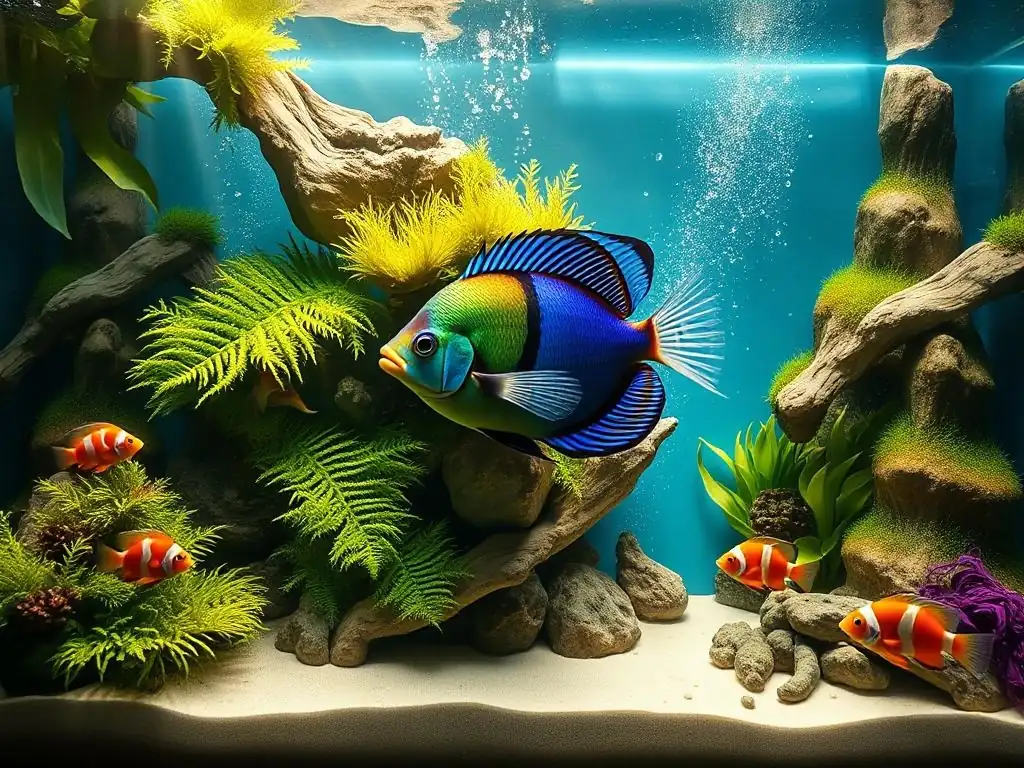
Ever wondered if your whiskered friend is really pulling their weight in the algae-eating department? Dive in to discover the secrets behind Catfish algae eating habits and unlock the full potential of these fascinating freshwater custodians. Get ready to optimize your aquarium's ecosystem and say goodbye to unwanted algae blooms! Ready to see how to get the most out of your algae-eating catfish?
- Understanding Catfish Algae Eating Habits for a Pristine Aquarium
- Identifying the Best Algae Eating Catfish Species
- Optimizing Your Catfish's Algae Consumption
- Troubleshooting Common Issues with Catfish Algae Control
- Maximizing the Effectiveness of Your Catfish Algae Eaters
- The Long-Term Benefits of Catfish Algae Management
-
Frequently Asked Questions
- What types of catfish are best known for their algae-eating habits?
- How can I encourage my algae-eating catfish to eat more algae?
- Are there any risks associated with relying solely on catfish to control algae?
- What water parameters are crucial for keeping algae-eating catfish healthy?
- How big do algae-eating catfish typically get, and how does that impact tank size requirements?
- Final Reflection: The Silent Guardians of Our Aquariums
- Supercharge Your Catfish's Algae-Busting Power!
Understanding Catfish Algae Eating Habits for a Pristine Aquarium
Why Choose Catfish for Algae Control in Your Freshwater Tank?
Catfish species are often the first choice for aquarists seeking natural algae control due to their inherent grazing behavior and efficiency. Unlike manual scrubbing, which can be time-consuming, or chemical treatments, which carry risks, many catfish species actively consume various forms of algae, turning a nuisance into a food source. This biological control method not only keeps tank surfaces clean but also contributes to a more stable and aesthetically pleasing aquarium.
Beyond just cleaning, these bottom-dwelling fish play a crucial role in reducing the overall bioload by consuming excess algae. This minimizes the accumulation of organic matter, which, if left unchecked, can lead to spikes in nitrates and phosphates. By integrating catfish into your maintenance routine, you can significantly reduce the frequency of manual cleanings and the reliance on potentially harmful chemical interventions, fostering a healthier habitat for all inhabitants.
The Role of Catfish in Maintaining a Balanced Aquarium Ecosystem
The catfish algae eating habits are fundamental to maintaining ecological balance within an aquarium. By continuously grazing on algae, these fish prevent the overgrowth of plant matter that competes with aquatic plants for nutrients and light. This selective removal of algae helps to prevent nutrient imbalances, ensuring that essential elements like nitrates and phosphates do not reach detrimental levels that could trigger widespread algae blooms or stress other fish species.
Furthermore, catfish contribute to the aquarium's natural waste management cycle. They process organic matter, converting nuisance algae into more manageable waste products that can then be processed by the filtration system or removed during routine water changes. This active participation in the ecosystem’s nutrient cycling reduces the overall organic load, leading to clearer water, improved oxygen levels, and a more robust environment, often reducing the need for drastic interventions.
Identifying the Best Algae Eating Catfish Species
Otocinclus Catfish: The Tiny Algae Grazers
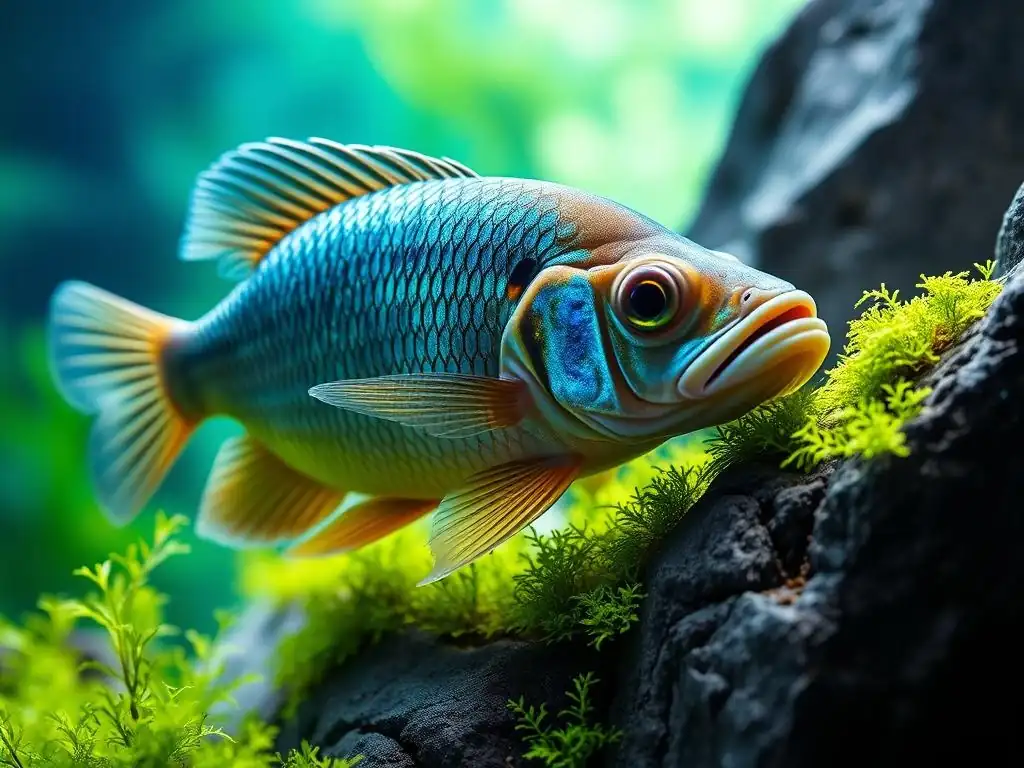
Otocinclus catfish, such as Otocinclus affinis or Otocinclus macrospilus, are highly prized for their diligent and thorough algae-eating capabilities. These diminutive fish typically reach only 1.5 to 2 inches in length, making them perfectly suited for smaller aquariums, even those as compact as 10 gallons. They are particularly effective at grazing on soft green algae, diatoms (brown algae), and biofilm that forms on glass, leaves, and decor, leaving surfaces remarkably clean.
For optimal performance and well-being, Otocinclus should be kept in groups of at least six individuals, as they are schooling fish. A well-established tank with plenty of natural surfaces for grazing is ideal, as they prefer to constantly forage. It's important to note their sensitivity to fluctuating water parameters, requiring stable water conditions—ideally a pH between 6.0-7.5 and temperatures around 72-78°F (22-26°C)—to thrive and exhibit their best catfish algae eating habits.
Plecostomus (Plecos): The Powerhouse Algae Eaters and Their Dietary Needs
Common Plecostomus, such as Hypostomus plecostomus, are widely known for their impressive size and initial reputation as powerful algae eaters. While juveniles aggressively graze on various algae types, effectively tackling even tougher green algae, their potential adult size (often exceeding 2 feet in length) makes them largely unsuitable for most home aquariums. Their sheer biomass and waste production can quickly overwhelm standard filtration systems.
As Plecos mature, their dietary preferences shift significantly from primarily algae to include a greater proportion of wood (for digestion) and protein. They become less reliant on algae as a primary food source and may even begin to consume aquarium plants if not adequately fed. Therefore, supplemental feeding with sinking algae wafers, spirulina flakes, and blanched vegetables like zucchini or cucumber is crucial to meet their nutritional needs and prevent them from becoming destructive to tank decor or plants.
Ancistrus Catfish (Bristlenose Plecos): A More Manageable Algae Cleaning Option
Bristlenose Plecos ( Ancistrus spp.) offer an excellent, more manageable alternative to the common Pleco for algae control in freshwater tanks. Reaching a maximum size of 4 to 6 inches, they are well-suited for tanks as small as 20 gallons. These catfish are highly efficient at consuming a wide range of algae, including green spot algae, diatoms, and even some types of stubborn hair algae, making them a top choice for aquarists.
Their distinctive bristly appendages, more prominent in males, are used to scrape algae and biofilm from surfaces. Bristlenose Plecos also benefit greatly from the presence of driftwood in the aquarium, as they rasp on it to aid digestion and provide essential fiber. They are generally hardy and peaceful, making them ideal tank mates for most community fish, and their consistent catfish algae eating habits make them invaluable members of a clean-up crew.
Corydoras Catfish: Bottom Feeders with Limited Algae Consumption
Corydoras catfish, encompassing numerous popular species like Corydoras aeneus (Bronze Cory) or Corydoras paleatus (Peppered Cory), are beloved for their peaceful nature and active scavenging behavior. While they are excellent at cleaning up uneaten food, detritus, and small invertebrates from the substrate, their contribution to algae control is minimal. They are not equipped with the specialized mouthparts for rasping algae like Plecos or Otocinclus.
Their primary role in the aquarium is as bottom feeders, sifting through the substrate for overlooked food particles. They are highly beneficial for maintaining overall tank cleanliness by preventing the buildup of decaying organic matter, which can otherwise fuel unwanted algae growth. However, aquarists should not rely on Corydoras for significant algae removal; their diet primarily consists of high-quality sinking pellets and occasional live or frozen foods.
Optimizing Your Catfish's Algae Consumption
Tank Setup for Optimal Algae Growth (and Catfish Grazing)
Providing Sufficient Lighting for Algae Development
To encourage the growth of the preferred soft green algae and diatoms that many algae-eating catfish species graze upon, a moderate and consistent photoperiod is essential. An ideal lighting schedule often ranges from 8 to 10 hours daily. Too little light will starve the algae, leaving your catfish without a food source, while excessive light can lead to rapid, undesirable algae blooms, such as green water or unsightly hair algae, which may be less palatable or manageable for your catfish.
The quality of lighting also plays a role. Full-spectrum LED lighting designed for aquariums can support both healthy aquatic plant growth (if present) and the development of a thin, grazeable biofilm of algae on tank surfaces. This provides a continuous, natural food supply for your catfish. Consistent light exposure, perhaps managed with an automated timer, ensures a stable environment that promotes the specific type of algae your catfish prefer to eat.
Substrate Color and Its Impact on Algae Growth
While substrate color itself does not directly influence the rate of algae growth—that's primarily determined by light and nutrients—it can indirectly affect how effectively your catfish graze. Darker substrates can make the presence of green or brown algae more visually apparent, potentially encouraging catfish to graze more thoroughly as they can easily identify their food source. This subtle visual cue might enhance their natural catfish algae eating habits.
More importantly, maintaining a clean and well-maintained substrate is crucial for preventing the buildup of detritus and organic waste. These decaying materials release nutrients that can fuel the growth of undesirable algae types, such as cyanobacteria (blue-green algae), which are often ignored by most algae-eating catfish. Regular gravel vacuuming, perhaps every 1-2 weeks, helps to remove these nutrient sources, ensuring that any algae present is the type beneficial for your catfish.
Ensuring a Healthy and Balanced Diet for Your Algae Eating Catfish
Supplemental Feeding: When Algae Isn't Enough
Even the most dedicated algae-eating catfish require supplemental feeding, especially in well-established or overly clean tanks where natural algae might be scarce or of an unpalatable type. Relying solely on naturally occurring algae can lead to malnutrition, which often manifests within 2-4 weeks as a sunken belly, lethargy, or dull coloration. This is particularly true for larger species or when the tank's bioload prevents sufficient algae growth.
To ensure their nutritional needs are met, provide high-quality sinking algae wafers or spirulina pellets. Additionally, blanched vegetables such as zucchini, cucumber, or spinach are excellent supplementary foods. For instance, a healthy 3-inch Bristlenose Pleco might require 1-2 algae wafers daily if algae is sparse, supplemented with a slice of blanched zucchini every few days to maintain optimal health and active catfish algae eating habits.
Vegetable-Based Supplements for Optimal Catfish Health
For many algae-eating catfish, particularly Plecos and Bristlenoses, a significant portion of their diet should consist of plant matter. Vegetable-based supplements provide essential fiber, vitamins, and minerals that algae alone might not supply in sufficient quantities. Foods like blanched zucchini, cucumber, romaine lettuce, or even shelled peas are highly beneficial and readily accepted by most species.
It is advisable to rotate the types of vegetables offered to ensure a broad spectrum of nutrients. For example, offering a thin slice of blanched zucchini one day, followed by a piece of blanched cucumber a few days later, provides dietary variety. These supplements not only contribute to the catfish's overall health and longevity but also encourage their natural foraging instincts, ensuring they remain active and effective members of the aquarium's clean-up crew.
Managing Algae Growth to Encourage Natural Foraging
Controlling Light Exposure to Regulate Algae Blooms
While some algae growth is necessary to provide food for your catfish, excessive light can quickly lead to out-of-control algae blooms that even the most diligent catfish may struggle to manage. Rapid growth of nuisance algae like green water, hair algae, or black beard algae often signifies an imbalance, and these types are often less palatable or too dense for effective grazing. Maintaining a consistent 8-hour photoperiod is typically ideal for balancing plant and algae growth.
Utilizing an automatic timer for your aquarium lighting is highly recommended to ensure precise and consistent light exposure. This prevents accidental over-illumination and helps regulate the algae cycle. In cases of severe algae blooms, a temporary blackout period of 2-3 days, where the tank is completely dark, can significantly reduce the algae. After the blackout, the remaining, weaker algae becomes a more manageable food source for your catfish.
Maintaining Nitrate Levels for Healthy Algae Growth
Nitrates are a primary nutrient for algae, and maintaining appropriate levels is key to encouraging healthy, grazable algae without promoting explosive blooms. While zero nitrates are often the goal for fish health, a complete absence can starve beneficial biofilm and soft algae that catfish rely on. Aim for nitrate levels between 5-20 ppm to strike a balance, providing enough nutrients for desirable algae growth without contributing to an overabundance.
Regular water changes, typically 25% weekly or bi-weekly depending on the tank's bioload, are crucial for managing nitrate levels and overall water quality. Consistent monitoring of water parameters with a reliable test kit, such as the API Freshwater Master Test Kit, allows for precise control. This approach ensures that there are sufficient nutrients for your catfish's natural food source while preventing the conditions that lead to rampant, undesirable algae blooms.
Troubleshooting Common Issues with Catfish Algae Control
Why Isn't My Catfish Eating Algae? Potential Causes
Insufficient Algae Growth
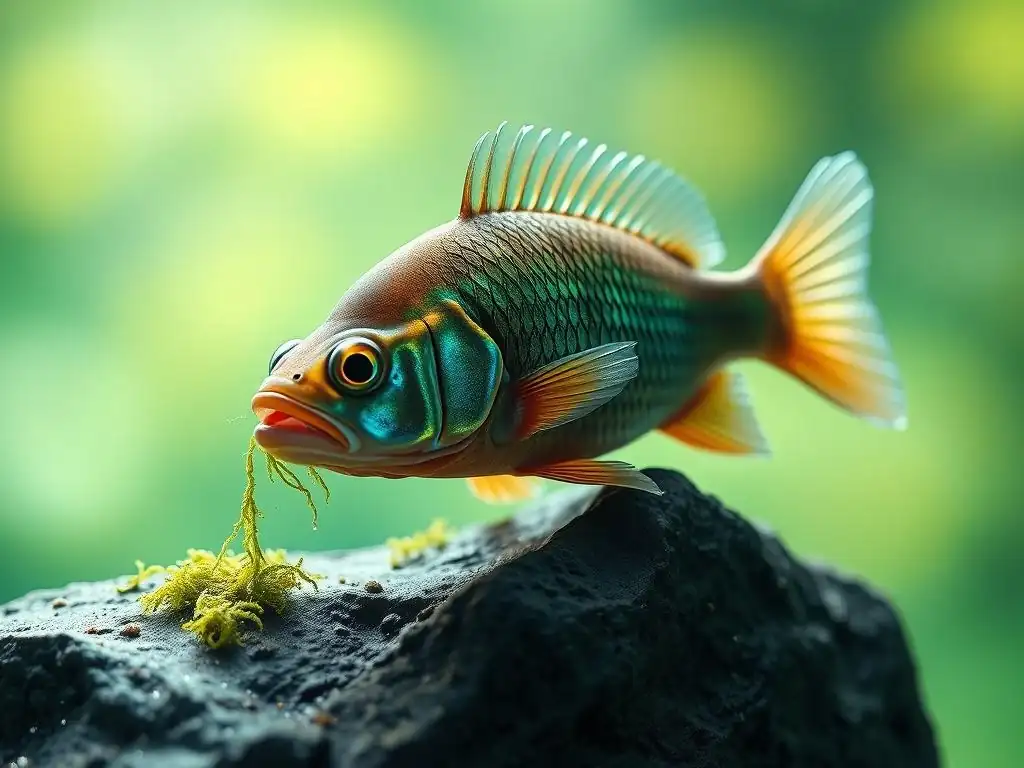
One of the most common reasons an algae-eating catfish might not be consuming algae is simply a lack of available food. In very clean or newly established aquariums, there may not be enough soft green algae or mature biofilm for the catfish to graze upon. Young tanks, in particular, often take several weeks to develop the stable biofilm layers that many catfish species prefer, leaving them with limited foraging options.
To remedy this, consider slightly reducing your manual algae cleaning for a short period, perhaps 1-2 weeks, to allow a thin layer of soft algae to develop on surfaces. You might also temporarily increase the lighting duration by an hour or two daily to encourage algae growth. However, monitor carefully to avoid an uncontrolled bloom. Providing supplemental algae wafers during this period will ensure your catfish remains well-fed while the natural food source establishes.
Overfeeding and Lack of Motivation
Overfeeding is a primary culprit when catfish neglect their natural algae-eating duties. If your catfish are consistently provided with an abundance of easy-to-access, nutrient-dense commercial foods like sinking pellets or flakes, they will naturally prefer these over the effort required to graze on algae. This reduces their motivation to forage, leading to a build-up of algae in the tank despite the presence of a dedicated algae eater.
To encourage their natural catfish algae eating habits, reduce supplemental feeding for a few days. Observe your catfish's behavior; a healthy, hungry catfish will actively seek out and graze on algae if other food sources are scarce. A good rule of thumb is to only feed what your fish can consume within 5-10 minutes, ensuring minimal leftover food that might satiate your algae eaters prematurely.
Poor Water Quality Affecting Catfish Appetite
Catfish, like all aquarium inhabitants, are highly sensitive to water parameters. Poor water quality, characterized by elevated levels of ammonia or nitrite, or significant fluctuations in pH and temperature, can cause severe stress, leading to a loss of appetite, lethargy, and a general disinterest in their surroundings, including their natural food sources. Stressed fish are less likely to exhibit active foraging behavior.
If your catfish stops eating algae, immediately test your water parameters using a reliable test kit. Ensure ammonia and nitrite levels are at 0 ppm, nitrates are below 20 ppm, and pH and temperature are within the ideal range for your specific catfish species (e.g., pH 6.5-7.5, temperature 72-78°F for most freshwater varieties). Perform partial water changes to rectify any issues, which will help alleviate stress and restore their appetite.
Dealing with Aggressive or Territorial Catfish
While many algae-eating catfish, especially species like Otocinclus and Bristlenose Plecos, are generally peaceful, some larger species or individual fish can become territorial as they mature. Common Plecos, for instance, are notorious for outgrowing tanks and becoming aggressive towards tank mates, particularly other bottom dwellers or fish of similar shape. This aggression can lead to stress for other fish and may even cause the territorial catfish to neglect its cleaning duties.
To mitigate aggression, ensure your aquarium is adequately sized for the adult potential of your chosen catfish species. Provide ample hiding spots, caves, and driftwood to break up lines of sight and establish distinct territories. For species like Bristlenose Plecos, having multiple caves can reduce competition. If severe aggression persists despite these measures, especially with large Plecos, rehoming the fish to a larger, more appropriate environment may be the only viable solution.
Recognizing Signs of Malnutrition in Algae Eating Catfish
Recognizing the signs of malnutrition early is crucial for the health and effectiveness of your algae-eating catfish. Common indicators include a noticeably sunken or pinched belly, dull or faded coloration, lethargy, and a general lack of activity or foraging. These symptoms often point to an insufficient food intake, whether from a lack of natural algae or inadequate supplemental feeding.
If you observe these signs, it's imperative to increase the quantity and variety of supplemental foods. Offer high-quality sinking algae wafers daily and introduce blanched vegetables, such as zucchini or cucumber, several times a week. Monitor their condition closely; a healthy Bristlenose Pleco, for example, should exhibit a full, rounded belly and active grazing behavior. Consistent and proper feeding ensures they remain robust and effective at their catfish algae eating habits.
Maximizing the Effectiveness of Your Catfish Algae Eaters
Combining Catfish with Other Algae Control Methods
Algae Scrubbers and Manual Removal
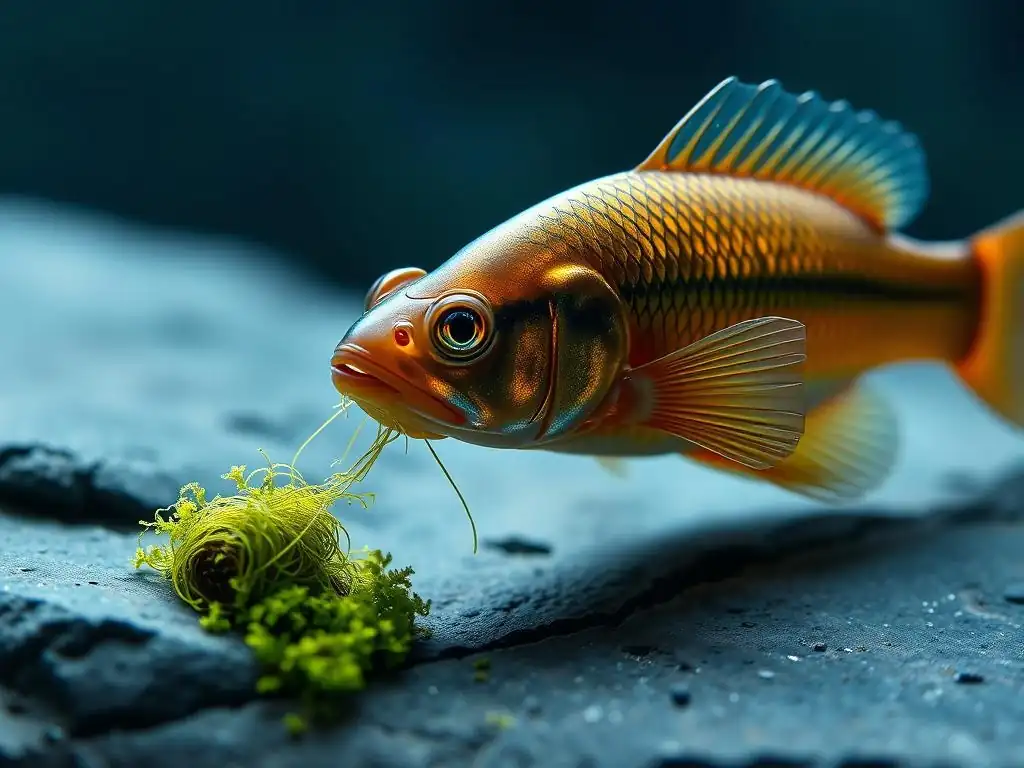
While catfish are exceptional allies in the battle against algae, they are part of a comprehensive algae management strategy, not a sole solution. Manual removal using an algae scrubber or scraper for the glass, and a brush for decor, should remain a regular part of your aquarium maintenance routine, perhaps performed weekly. Catfish may not reach every nook and cranny, or they might ignore certain types of stubborn algae like black beard algae.
Combining their biological grazing with your manual efforts ensures that all surfaces remain pristine. This dual approach tackles algae from multiple angles: the catfish continuously graze on palatable algae and biofilm, while manual cleaning addresses inaccessible areas or particularly persistent algae patches. This synergistic method leads to a cleaner, healthier tank and reduces the overall burden of algae control.
Chemical Algae Control: Risks and Alternatives
Chemical algaecides should always be considered a last resort in aquarium maintenance. While they can offer a quick fix for severe algae blooms, they carry significant risks. Many algaecides can stress fish and invertebrates, harm beneficial nitrifying bacteria in your filter, and often only provide a temporary solution by killing off existing algae without addressing the root cause, leading to recurrent and potentially worse blooms.
A more sustainable and healthier alternative lies in addressing the underlying issues that fuel algae growth, primarily excess light and nutrients. Relying on biological control with dedicated algae-eating catfish, coupled with consistent water changes, proper nutrient management, and balanced lighting, offers a safer and more effective long-term solution. This approach fosters a naturally balanced ecosystem that minimizes the need for harsh chemical interventions.
Maintaining Ideal Water Parameters for Optimal Catfish Health and Algae Consumption
Consistent and stable water quality is paramount for the health and activity of your algae-eating catfish. Fluctuations in temperature (ideally 72-78°F or 22-26°C for most freshwater species), pH (typically 6.5-7.5), and the presence of harmful compounds like ammonia and nitrite (always 0 ppm) can stress catfish, leading to reduced appetite and sluggish behavior. Stressed catfish are less likely to actively graze on algae.
Regular water testing and routine partial water changes—for example, 25% weekly to bi-weekly, depending on your tank's bioload—are the most effective ways to maintain these crucial parameters. Clean, stable water ensures that your catfish are not only healthy but also active and motivated to perform their natural catfish algae eating habits. A well-maintained environment directly translates to a more effective clean-up crew and a healthier, clearer aquarium.
The Long-Term Benefits of Catfish Algae Management
Creating a Sustainable and Thriving Aquarium Environment
By effectively incorporating catfish into your aquarium's maintenance strategy for algae control, you actively contribute to the creation of a more self-regulating and sustainable ecosystem. These fish continuously work to manage organic matter and nutrient imbalances, reducing the reliance on external interventions and promoting a natural balance where the tank's inhabitants actively contribute to its cleanliness.
A sustainable aquarium environment, characterized by robust catfish algae eating habits, means fewer algae problems, healthier fish, and a more enjoyable and less labor-intensive hobby. This natural method supports biodiversity within the tank and fosters a long-term stability that chemical solutions or frequent manual cleanings alone cannot achieve, leading to a truly thriving aquatic habitat.
Reducing the Need for Chemical Algae Treatments
One of the most significant long-term benefits of effective catfish algae management is the substantial reduction, or even elimination, of the need for potentially harmful chemical algaecides. By relying on the natural grazing behavior of catfish, aquarists can avoid introducing substances that can stress sensitive fish, invertebrates, and essential beneficial bacteria that underpin the aquarium's filtration system.
Avoiding chemicals contributes to a safer and more stable aquatic environment. It prevents the cycle of temporary fixes followed by recurrent algae issues that often arise when only the symptoms, rather than the root causes, are addressed. This approach supports the overall well-being of the aquarium's inhabitants and promotes a more harmonious and natural balance within the tank.
Reducing the Frequency of Water Changes
While catfish do produce their own waste, their consistent consumption of algae plays a valuable role in processing and "exporting" excess nutrients, particularly nitrates and phosphates that are bound within the algae biomass. By converting these problematic nutrients into more manageable forms of waste, the presence of active algae-eating catfish can, in some well-balanced systems, slightly extend the intervals between necessary water changes.
However, it is crucial to understand that catfish do not eliminate the need for water changes entirely. They are a beneficial component of the nutrient export process, helping to reduce the overall organic load and supporting healthy water parameters. Their continuous grazing helps to maintain water clarity and prevent nutrient spikes, ultimately contributing to a cleaner tank and potentially reducing the frequency of intensive maintenance tasks.
Frequently Asked Questions
What types of catfish are best known for their algae-eating habits?
Several catfish species are renowned for their algae-eating abilities. Some popular choices include Otocinclus catfish, Plecostomus catfish (though some get quite large!), and Bristlenose Plecos.
How can I encourage my algae-eating catfish to eat more algae?
Ensure that algae is readily available in your tank. Minimize other food sources and provide adequate lighting to promote algae growth. You can also introduce algae wafers as a supplement if needed.
Are there any risks associated with relying solely on catfish to control algae?
Yes, relying solely on catfish is not always effective. Algae control is multi-faceted. Overstocking can lead to issues, and some catfish may not consume all types of algae.
What water parameters are crucial for keeping algae-eating catfish healthy?
Maintaining stable water parameters is essential. Ensure proper pH, temperature, and ammonia/nitrite/nitrate levels. Regular water changes and proper filtration are non-negotiable for their health.
How big do algae-eating catfish typically get, and how does that impact tank size requirements?
The size varies greatly depending on the species. Some, like Otocinclus, remain small. Others, like Common Plecos, can grow very large. Research your chosen species to ensure your tank is appropriately sized.
Final Reflection: The Silent Guardians of Our Aquariums
The insights into catfish algae eating habits we've explored throughout this article are more than just aquarium maintenance tips; they represent a deeper understanding of symbiotic relationships within our miniature ecosystems. By optimizing our catfish's natural tendencies, we're not just cleaning glass; we're fostering a healthier, more balanced environment for all our aquatic inhabitants, reflecting a growing awareness of responsible aquarium keeping.
This journey into the world of algae-eating catfish has profoundly influenced my perspective on aquarium management. It's a reminder that even the smallest creatures play a vital role in maintaining harmony, and our understanding of their needs directly impacts the health and beauty of our underwater worlds. As the renowned aquarist Diana Walstad once said, The key to a healthy aquarium is to create a balanced ecosystem where plants and animals work together to maintain water quality.
This principle, so beautifully exemplified by our algae-eating catfish, underscores the importance of informed and conscientious care.
Now, as you observe your own catfish diligently at work, consider the broader implications of their silent contribution. Reflect on the delicate balance within your aquarium and how your choices can amplify the positive impact of these natural cleaners. Let's all strive to be more mindful aquarists, fostering environments where our catfish can thrive and continue their invaluable service, ensuring a vibrant and healthy aquatic world for years to come.
Supercharge Your Catfish's Algae-Busting Power!
Thanks for diving into the world of algae-eating catfish and learning how to maximize their cleaning potential. Now that you're armed with this knowledge, let's put it into action!
Here's how you can take the next steps:
- Strategically reposition decorations and plants within your tank this weekend to create better algae access for your catfish. Notice which spots they frequent and optimize those areas.
- Share your most successful catfish cleaning tips and before-and-after photos with other aquarists in our forum to inspire and support the community.
- Experiment with adding small amounts of zucchini or cucumber to your catfish’s diet as a supplementary food source, observing their preference and impact on algae consumption.
What surprising algae-eating behavior have you observed in your catfish, and how have you adapted your tank setup to capitalize on it?