
Acei Cichlid (Pseudotropheus acei): Schooling Mbuna for a Unique Display

Welcome to Aquarium Mastery!
Intrigued by the graceful beauty of schooling cichlids? Dive in and discover essential Acei Cichlid care tips to create a thriving and captivating aquarium. These unique Mbuna deserve a special touch, and we're here to guide you through every step. Ready to unlock the secrets to their vibrant health and stunning displays? Let's explore!
- Introduction to Acei Cichlids: A Peaceful Mbuna Option
- Acei Cichlid Care Tips: Creating the Ideal Environment
- Acei Cichlid Diet and Feeding: Ensuring Proper Nutrition
- Acei Cichlid Behavior and Compatibility
- Breeding Acei Cichlids: A Comprehensive Guide
- Common Acei Cichlid Health Issues and Prevention
- Maintaining a Healthy Acei Cichlid Aquarium: A Checklist
- Acei Cichlid Varieties and Color Morphs: Exploring the Options
- Troubleshooting Common Acei Cichlid Problems
- Conclusion: The Rewarding Experience of Keeping Acei Cichlids
-
Frequently Asked Questions
- What are the key considerations when setting up an aquarium for Acei cichlids?
- What is the ideal diet for Acei cichlids to ensure their health and vibrant colors?
- How can I effectively manage aggression in an Acei cichlid tank, especially with other Mbuna species?
- What are the common water chemistry parameters I need to monitor for Acei cichlids?
- What are some common health issues that Acei cichlids are prone to, and how can I prevent them?
- Final Reflection: Appreciating the Subtle Majesty of Acei Cichlids
- Unleash the Acei's Majesty in Your Aquarium!
Introduction to Acei Cichlids: A Peaceful Mbuna Option
Understanding the Appeal of Acei Cichlids in the Aquarium Hobby
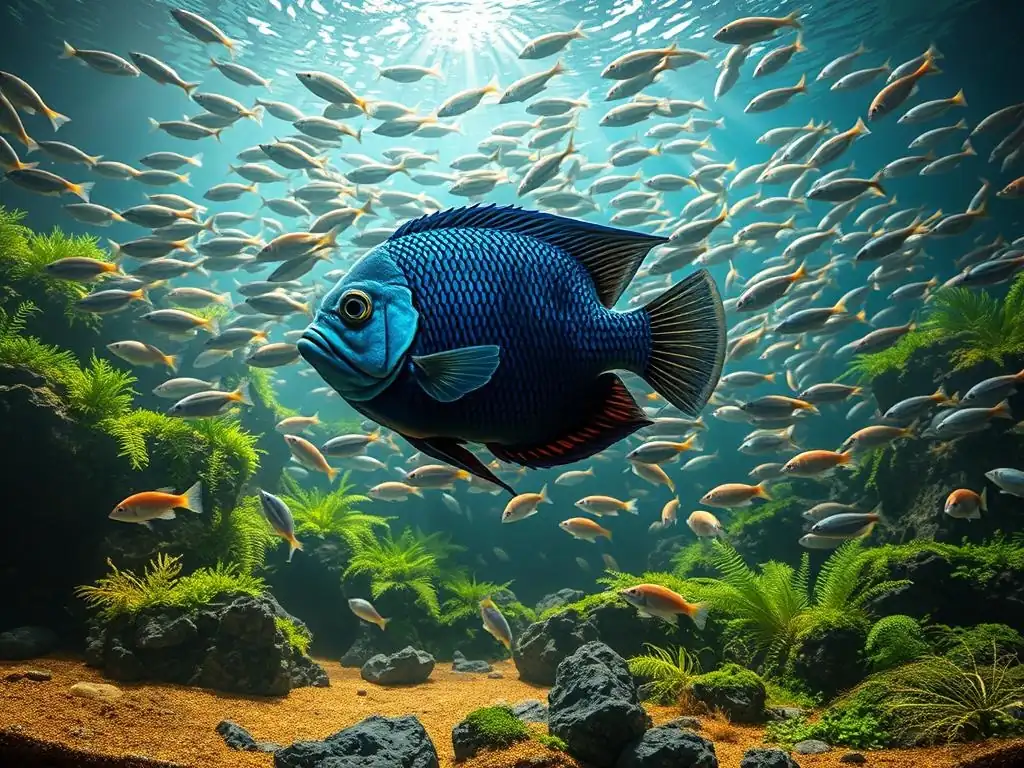
The Acei Cichlid, Pseudotropheus acei, stands out in the bustling world of African cichlids, particularly among the often-aggressive Mbuna group. Its unique appeal stems from its relatively peaceful temperament and distinct schooling behavior, a rare trait for Mbuna species that typically display territorial aggression. This characteristic allows aquarists to keep a larger group of these vibrant fish together, creating a dynamic and visually stunning display in a properly sized aquarium. Their hardiness and adaptability also make them an excellent choice for intermediate aquarists looking to delve into the fascinating realm of Lake Malawi cichlids.
Unlike many of their rock-dwelling Mbuna cousins, Acei cichlids are often found in the open water column, foraging for aufwuchs (algae and the small organisms living within it) on submerged logs and rock formations. This natural schooling habit translates well into the aquarium environment, where a group of 6 to 10 or more Acei cichlids will actively swim together, showcasing their striking colors and engaging social interactions. This behavior significantly reduces inter-species aggression compared to more solitary or highly territorial Mbuna, making them a cornerstone for many successful Lake Malawi community tanks.
Distinguishing Features of Pseudotropheus acei: Coloration and Morphology
Pseudotropheus acei possesses several distinguishing features that make it easily identifiable. The most prominent is its sleek, torpedo-shaped body, which can reach an adult size of approximately 5 to 7 inches (12 to 18 cm) in a well-maintained aquarium. Their base body color is typically a vibrant, deep purple-blue, which can intensify or lighten based on their mood, health, and lighting conditions. This rich body coloration contrasts beautifully with their bright fins.
There are two primary wild color morphs of Pseudotropheus acei recognized in the hobby: the "Yellow Tail" Acei (often from Msuli) and the "White Tail" Acei (typically from Luwala). The Yellow Tail variant displays striking yellow dorsal, anal, and caudal fins, creating a vivid contrast against its blue body. The White Tail variant, while sharing the same blue body, exhibits clean, bright white fins. Both morphs have distinct black margins on their fins, further enhancing their visual appeal. Males and females generally share similar coloration, though males may exhibit slightly more intense colors and grow marginally larger.
Acei Cichlid Care Tips: Creating the Ideal Environment
Tank Size and Setup for Acei Cichlids: Replicating Lake Malawi
Providing an appropriately sized aquarium is paramount among effective Acei cichlid care tips. While these fish are relatively peaceful for Mbunas, their active schooling nature and adult size necessitate ample swimming space. A minimum tank size of 55 gallons (approximately 208 liters) is recommended for a small group of 6-8 Acei cichlids. However, a 75-gallon (284-liter) or larger aquarium is ideal, especially if planning to keep a larger school or combine them with other compatible Mbuna species. The longer the tank, the better, as it allows for extensive horizontal swimming and helps diffuse potential territorial disputes.
The setup should aim to replicate their natural Lake Malawi habitat. While Acei cichlids are found near submerged wood and rocky areas, they require more open water than many other rock-dwelling Mbuna. Therefore, aquascaping should include a balance of open swimming lanes and plenty of rock formations with caves and crevices. These rock structures provide essential hiding spots and territorial markers, which are crucial for reducing stress and aggression within the group and among tank mates. Ensure all rocks are securely stacked to prevent collapses.
Water Parameters for Optimal Acei Cichlid Health: Temperature, pH, and Hardness
Maintaining stable and appropriate water parameters is one of the most critical Acei cichlid care tips for their long-term health and vibrancy. Acei cichlids thrive in warm, hard, and alkaline water, mirroring the conditions of Lake Malawi. The ideal water temperature range is between 76°F and 82°F (24°C to 28°C). Consistent temperature helps prevent stress and disease, so a reliable heater is essential.
The pH level should be maintained within a range of 7.8 to 8.6, with 8.0 to 8.4 being optimal. Fluctuations in pH can be highly detrimental, leading to stress and susceptibility to illness. Water hardness (GH) should be high, ideally between 10 to 20 dGH (degrees of General Hardness). Regular testing of these parameters using a reliable test kit is vital, at least weekly, to ensure they remain within the desired range. Using buffering substrates or commercially available cichlid salts can help maintain the necessary alkalinity and hardness.
Acei Cichlid Tank Mates: Compatible Species for a Community Tank
Selecting appropriate tank mates is a crucial aspect of Acei cichlid care tips to ensure a harmonious environment. Given their relatively peaceful nature for Mbunas, Acei cichlids do well with other similarly tempered and sized Lake Malawi cichlids. Good companions include other less aggressive Mbuna species such as Yellow Lab Cichlids ( Labidochromis caeruleus), Rusty Cichlids ( Iodotropheus sprengerae), and certain Peacock Cichlids ( Aulonocara species) that can tolerate the higher pH and diet of Mbunas.
It is generally recommended to avoid highly aggressive Mbuna species like Melanochromis or Maylandia species, which can easily bully the more docile Acei. Also, avoid keeping them with fish that are too small and delicate, as they may become targets, or fish with very different dietary needs. Overstocking slightly can sometimes help diffuse aggression among Mbunas by spreading it out, but this must be balanced with robust filtration and diligent water changes to maintain water quality. Always introduce all fish, especially a school of Acei, simultaneously to minimize territorial disputes.
Substrate and Decor for Acei Cichlids: Enhancing Their Natural Behavior
The choice of substrate and decor plays a significant role in enhancing the natural behavior and overall well-being of Acei cichlids. For substrate, fine sand or very fine gravel is highly recommended. Acei cichlids, like many Mbunas, enjoy sifting through the substrate, and a fine sand bottom mimics their natural environment, preventing injury to their mouths and gills. A substrate depth of at least 2-3 inches (5-7.5 cm) allows for natural digging behaviors and helps buffer the water.
In terms of decor, extensive rockwork is essential, but unlike some other Mbunas that require dense rock piles, Acei cichlids benefit from rock structures that create open caves and tunnels while leaving ample open swimming space. Large, smooth rocks, slate, or artificial rock formations can be used to build interesting structures.
While Acei cichlids are known to associate with submerged logs in the wild, adding driftwood to an African cichlid tank should be done with caution, as it can lower pH and release tannins, which may not be ideal for the high pH requirements of these fish. If used, ensure it is well-cured and monitor water parameters closely.
Acei Cichlid Diet and Feeding: Ensuring Proper Nutrition
What to Feed Acei Cichlids: A Balanced Diet for Vibrant Colors and Health
A proper diet is fundamental to Acei cichlid care tips, directly influencing their vibrant coloration, health, and longevity. Pseudotropheus acei are primarily herbivorous, grazing on algae and bio-film (aufwuchs) in their natural habitat. Therefore, their diet in the aquarium should predominantly consist of high-quality vegetable-based foods. Spirulina flakes or pellets should form the cornerstone of their daily meals. These are specifically formulated to meet the nutritional needs of herbivorous cichlids and help prevent common digestive issues like Malawi Bloat.
Supplementing their diet with blanched fresh vegetables is highly beneficial. Options include zucchini, spinach, romaine lettuce, and peas (shelled). These can be offered a few times a week. It is crucial to avoid feeding Acei cichlids high-protein foods such as bloodworms, tubifex worms, or beef heart, as their digestive systems are not equipped to process large amounts of animal protein. Such foods can lead to severe digestive problems, including the fatal Malawi Bloat, which is a common concern for Mbuna species.
Feeding Frequency and Quantity for Acei Cichlids: Preventing Overfeeding
Optimal feeding frequency and quantity are vital Acei cichlid care tips to prevent overfeeding, which is a common cause of poor water quality and health issues. Acei cichlids should be fed small meals, two to three times per day. The key is to offer only what they can consume completely within 1 to 2 minutes. Any uneaten food should be promptly removed from the tank to prevent it from decaying and fouling the water.
Overfeeding not only leads to excessive waste production, which stresses the filtration system and degrades water quality, but also puts direct strain on the fish's digestive system. A bloated appearance after feeding is normal to some extent, but persistent bloating or refusal to eat are signs of trouble. Consistent, small meals mimic their natural grazing behavior and ensure they receive adequate nutrition without the risks associated with large, infrequent feedings. Fasting them one day a week can also be beneficial for their digestive health.
Supplementing the Acei Cichlid Diet: Vitamins and Minerals
While a high-quality spirulina-based diet covers most of their nutritional requirements, occasional supplementation with vitamins and minerals can further enhance the health and vitality of Acei cichlids. Liquid vitamin supplements specifically designed for aquarium fish can be added to their food or directly to the tank water according to product instructions, usually once or twice a week. These supplements can boost their immune system, improve coloration, and aid in overall metabolism.
Furthermore, ensuring the water parameters, particularly hardness and alkalinity, are consistently within the optimal range for Lake Malawi cichlids contributes to their mineral intake. Some aquarists also use cichlid-specific mineral supplements or buffers that replenish essential trace elements often depleted in tap water or through filtration. These minerals are crucial for bone development, osmotic regulation, and enzyme functions. Always choose reputable brands and follow dosage instructions precisely to avoid overdosing.
Acei Cichlid Behavior and Compatibility
One of the most captivating aspects of Acei cichlids is their natural schooling behavior, a characteristic that sets them apart from many other Mbuna species. In the wild, Pseudotropheus acei are often observed in large groups, sometimes numbering in the hundreds, foraging together in the open water around submerged logs. This social dynamic translates directly to the aquarium; for them to truly thrive and exhibit their natural behaviors, they should be kept in groups. A minimum of 6 to 10 individuals is recommended to form a stable school.
Keeping Acei cichlids in appropriate group sizes helps to diffuse aggression, as any potential nipping or chasing is spread among many individuals rather than concentrated on one or two. When kept in insufficient numbers, they can become stressed, shy, or even more aggressive towards tank mates due to a lack of their natural social structure. Observing a large school of Acei cichlids gracefully moving together through the aquarium is a truly rewarding experience, showcasing their unique social interactions and vibrant colors.
Acei Cichlid Aggression Levels: Managing Potential Conflicts
While Acei cichlids are considered one of the more peaceful Mbuna species, it's crucial to remember that they are still cichlids and possess inherent territorial instincts. Their aggression level is generally moderate, significantly lower than that of species like Melanochromis auratus or Maylandia zebra. However, males can exhibit territoriality, particularly when establishing breeding territories or competing for females. This is why proper stocking density and tank size are vital Acei cichlid care tips.
Managing potential conflicts involves several strategies. Firstly, maintaining a suitable male-to-female ratio, such as one male to three or more females, can help reduce male-on-male aggression. Secondly, providing ample hiding spots and visual breaks with rockwork allows subdominant fish to escape aggression. Thirdly, overstocking slightly (while maintaining excellent filtration and water quality) can sometimes "diffuse" aggression by preventing any single fish from establishing a dominant territory. Lastly, carefully selecting tank mates that are similarly sized, robust, and share similar temperaments is paramount to a peaceful community.
Recognizing Acei Cichlid Body Language: Signs of Stress or Illness
Understanding Acei cichlid body language is an important Acei cichlid care tip for early detection of stress or illness. Healthy Acei cichlids are typically active, alert, and display vibrant coloration. They will swim confidently, often in a school, and show a keen interest in food. Their fins will be erect and spread, not clamped against their body.
Signs of stress or impending illness include:
- Clamped fins: Fins held close to the body, indicating discomfort or illness.
- Faded coloration: A dull or washed-out appearance, often a general sign of stress or poor health.
- Hiding excessively: Spending most of their time in caves or behind decor, avoiding open water.
- Rapid gilling/labored breathing: Indicating poor water quality or gill parasites.
- Loss of appetite: Refusing food or spitting it out.
- Abnormal swimming patterns: Erratic movements, darting, rubbing against decor, or listing to one side.
- Bloating or swelling: Particularly around the abdomen, a serious symptom often associated with Malawi Bloat.
- White spots or fuzzy patches: Indicating parasitic or fungal infections.
Observing these changes early allows for prompt intervention, significantly improving the chances of recovery.
Breeding Acei Cichlids: A Comprehensive Guide
Setting Up a Breeding Tank for Acei Cichlids
Breeding Acei cichlids can be a rewarding experience, and setting up a dedicated breeding tank can significantly increase success rates. While spawning can occur in a well-maintained community tank, the fry are unlikely to survive due to predation from other fish, including their parents. A separate breeding tank of at least 30 to 40 gallons (113-151 liters) is recommended. The setup should be simple: a heater to maintain stable temperatures (around 78-80°F or 25-27°C), a reliable sponge filter or gentle hang-on-back filter, and a few flat rocks or terracotta pots.
The substrate can be bare-bottom or a thin layer of fine sand. Bare-bottom tanks are easier to clean and maintain water quality, which is crucial for fry development. The flat rocks or pots provide suitable spawning sites for the female to deposit her eggs. Dim lighting can also help reduce stress on the breeding pair. Ensure the water parameters in the breeding tank match those of the main tank to avoid shocking the fish when transferring them.
Identifying Male and Female Acei Cichlids
Distinguishing between male and female Acei cichlids can be challenging, especially when they are young, as both sexes share similar coloration. As they mature, males often grow slightly larger and may display more intense coloration, particularly during breeding. However, these are not definitive indicators. The most reliable method for sexing Acei cichlids is through "venting," which involves examining their genital openings.
Males typically have two pores of similar size, while females have two pores of different sizes: a larger, more oval pore for egg deposition and a smaller, rounder pore for waste. This procedure requires careful handling of the fish and experience to correctly identify the vents. In a group setting, observing behavior can also provide clues; a male will often be more dominant, actively displaying to females and defending a small territory, while females will appear rounder when gravid with eggs.
The Acei Cichlid Breeding Process: Spawning and Incubation
Acei cichlids are maternal mouthbrooders, meaning the female carries the fertilized eggs and fry in her mouth until they are free-swimming. The breeding process typically begins with the male displaying to a receptive female, often flaring his fins and quivering. He will entice her to a chosen spawning site, usually a flat rock or a depression dug in the substrate. The female will then lay a small clutch of eggs, usually 5-10 at a time, and quickly pick them up into her mouth.
As she picks up the eggs, the male will display his egg spots (ocelli) on his anal fin, which resemble eggs. The female, attempting to pick up these "eggs," will mouth the male's anal fin, causing him to release sperm that fertilizes the eggs already in her mouth. This process repeats until all eggs (typically 20-50, depending on the female's size and age) are laid and fertilized. Once spawning is complete, the female will retreat to a secluded area, refusing to eat for the entire incubation period, which lasts approximately 21 to 28 days depending on water temperature.
Raising Acei Cichlid Fry: From Hatching to Independence
Once the Acei cichlid female has incubated the eggs for roughly three to four weeks, she will release fully formed, free-swimming fry. At this point, it is crucial to either remove the female to a separate "fry-raising" tank or, ideally, remove the female from the main tank once she is holding eggs and place her into a dedicated "holding" or "tumbling" tank.
This prevents the fry from being eaten by other tank inhabitants or even the stressed mother. If the female is isolated, she should be given a week or two to recover and begin eating again before being returned to the main tank.
Acei cichlid fry are relatively large at birth and can immediately consume finely crushed flake food (spirulina-based is best), newly hatched brine shrimp nauplii, or specialized fry food. They should be fed small amounts multiple times a day, 3-5 times, to ensure rapid growth. Excellent water quality is paramount; frequent small water changes (10-15% daily or every other day) are necessary to remove waste and maintain pristine conditions. With proper care, Acei cichlid fry grow quickly and can reach juvenile size within a few months.
Common Acei Cichlid Health Issues and Prevention
Recognizing Common Acei Cichlid Diseases: Malawi Bloat, Ich, and Dropsy
Despite their hardiness, Acei cichlids are susceptible to several common freshwater fish diseases, particularly those prevalent in African cichlids. Recognizing the symptoms early is a critical Acei cichlid care tip.
- Malawi Bloat: This is perhaps the most devastating and common disease in Mbuna cichlids, often caused by an improper diet (too much protein) or poor water quality. Symptoms include severe abdominal swelling, loss of appetite, white stringy feces, labored breathing, and lethargy. If left untreated, it is often fatal within days.
- Ich (White Spot Disease): Caused by the parasite Ichthyophthirius multifiliis, Ich manifests as small, white spots resembling grains of salt on the fish's body and fins. Affected fish may flash (rub against decor) due to irritation. It is often triggered by stress, sudden temperature changes, or poor water quality.
- Dropsy: Not a disease itself but a symptom of an underlying bacterial infection or organ failure (often kidney). It presents as a severely swollen body with scales protruding outwards, giving a "pinecone" appearance. Other symptoms include lethargy and loss of appetite. Dropsy is often difficult to treat successfully once severe.
Preventing Acei Cichlid Illnesses: Water Quality and Quarantine
Prevention is always better than cure, and several key Acei cichlid care tips can significantly reduce the risk of illness. Foremost among these is maintaining impeccable water quality. Regular weekly water changes (25-30% of tank volume) are essential to keep nitrate levels low and stable. Using a robust filtration system (mechanical, chemical, and biological) that is appropriately sized for the tank's bioload is equally important. Consistent monitoring of water parameters (pH, ammonia, nitrite, nitrate, temperature) helps detect issues before they become critical.
Another vital preventative measure is implementing a strict quarantine protocol for all new fish. Any new Acei cichlids or tank mates should be placed in a separate quarantine tank for a minimum of 2 to 4 weeks. During this period, observe them closely for any signs of disease, parasites, or unusual behavior. This prevents the introduction of pathogens into your established display tank, protecting your existing fish population. Additionally, providing a balanced, low-protein diet and avoiding overfeeding helps prevent Malawi Bloat and other digestive issues.
Treating Sick Acei Cichlids: Medication and Quarantine
When an Acei cichlid exhibits signs of illness, prompt and appropriate treatment is crucial. The first step is often to isolate the affected fish in a separate hospital tank. This prevents the spread of disease to other tank inhabitants and allows for targeted treatment without affecting the main aquarium's beneficial bacteria or other fish that may not require the same medication. The hospital tank should be set up with a heater, gentle filtration (like a sponge filter), and matched water parameters.
For specific diseases:
- Malawi Bloat: Treatment typically involves specialized medications like Metronidazole (often combined with other antibiotics) and a complete cessation of feeding for several days. Consulting with a veterinarian specializing in aquatic animals or an experienced aquarist is highly recommended for this severe condition.
- Ich: Can often be treated by gradually increasing the water temperature to 82-86°F (28-30°C) for several days (ensure adequate aeration, as warmer water holds less oxygen) and using an Ich-specific medication containing malachite green or formalin.
- Dropsy: Since it's a symptom, treatment is challenging. Broad-spectrum antibiotics (e.g., Furan-2, Maracyn 2) administered in a hospital tank may be attempted, but success rates are often low, especially if the internal damage is extensive. Always follow medication instructions precisely and remove carbon filtration during treatment.
Maintaining a Healthy Acei Cichlid Aquarium: A Checklist
Regular Water Changes for Acei Cichlids: Maintaining Water Quality
Regular water changes are arguably the single most important Acei cichlid care tip for maintaining a healthy and thriving aquarium. Lake Malawi cichlids are sensitive to accumulated nitrates and organic waste, which can lead to stress, disease, and poor coloration. It is recommended to perform a partial water change of 25% to 30% of the tank volume weekly. For heavily stocked tanks or those with less robust filtration, even more frequent or larger water changes may be necessary.
When performing water changes, always use a reliable dechlorinator or water conditioner to neutralize chlorine and chloramines present in tap water. It is also crucial to match the temperature of the new water as closely as possible to the tank water to prevent temperature shock, which can severely stress the fish. Using a gravel vacuum during water changes helps remove detritus and uneaten food from the substrate, further contributing to better water quality. Consistency is key to long-term success.
Aquarium Filtration for Acei Cichlids: Choosing the Right System
Effective filtration is paramount for Acei cichlids, as they produce a significant bioload, especially in a properly stocked Mbuna tank. Over-filtration is generally recommended. A combination of mechanical, biological, and chemical filtration is ideal.
- Mechanical Filtration: Removes physical particles like uneaten food and waste, preventing them from breaking down and polluting the water. Sponge filters, filter floss, and filter socks are examples. Regular cleaning or replacement of mechanical media is essential.
- Biological Filtration: The most crucial type for cichlids. It houses beneficial bacteria that convert toxic ammonia and nitrite into less harmful nitrate. Ceramic rings, bio-balls, and porous filter media provide ample surface area for these bacteria. Never clean biological media with chlorinated tap water, as it will kill the beneficial bacteria.
- Chemical Filtration: Removes dissolved organic compounds, odors, and discoloration. Activated carbon is a common chemical media, but it needs to be replaced regularly (e.g., monthly) as it becomes saturated.
Canister filters are often preferred for larger cichlid tanks due to their high capacity for media and strong flow rates. Large hang-on-back (HOB) filters can also be effective for smaller to medium-sized tanks. Consider running two filters on a larger tank for redundancy and increased filtration capacity.
Monitoring Water Parameters for Acei Cichlids: Testing and Adjustments
Consistent monitoring of water parameters is a non-negotiable Acei cichlid care tip. Regular testing (at least weekly) allows aquarists to track the health of their nitrogen cycle and ensure optimal conditions are maintained. Key parameters to test include:
- Ammonia (NH3/NH4+): Should always be 0 ppm. Any detectable ammonia indicates a problem with the biological filter or overstocking.
- Nitrite (NO2-): Should always be 0 ppm. Like ammonia, its presence indicates an incomplete nitrogen cycle.
- Nitrate (NO3-): Should be kept below 20-30 ppm. Regular water changes are the primary method to control nitrate accumulation.
- pH: Maintain within the 7.8-8.6 range. Sudden drops or spikes are detrimental.
- GH (General Hardness) and KH (Carbonate Hardness): GH should be high (10-20 dGH), and KH (buffering capacity) should also be high to ensure stable pH.
If tests reveal parameters outside the ideal range, immediate action is required. This may include performing a larger water change, reducing feeding, checking filter maintenance, or using buffering agents to adjust pH and hardness. Accurate test kits (liquid test kits are generally more reliable than strips) are a worthwhile investment for any serious aquarist.
Acei Cichlid Varieties and Color Morphs: Exploring the Options
Different Acei Cichlid Color Variations: Msuli, Luwala, Ngara
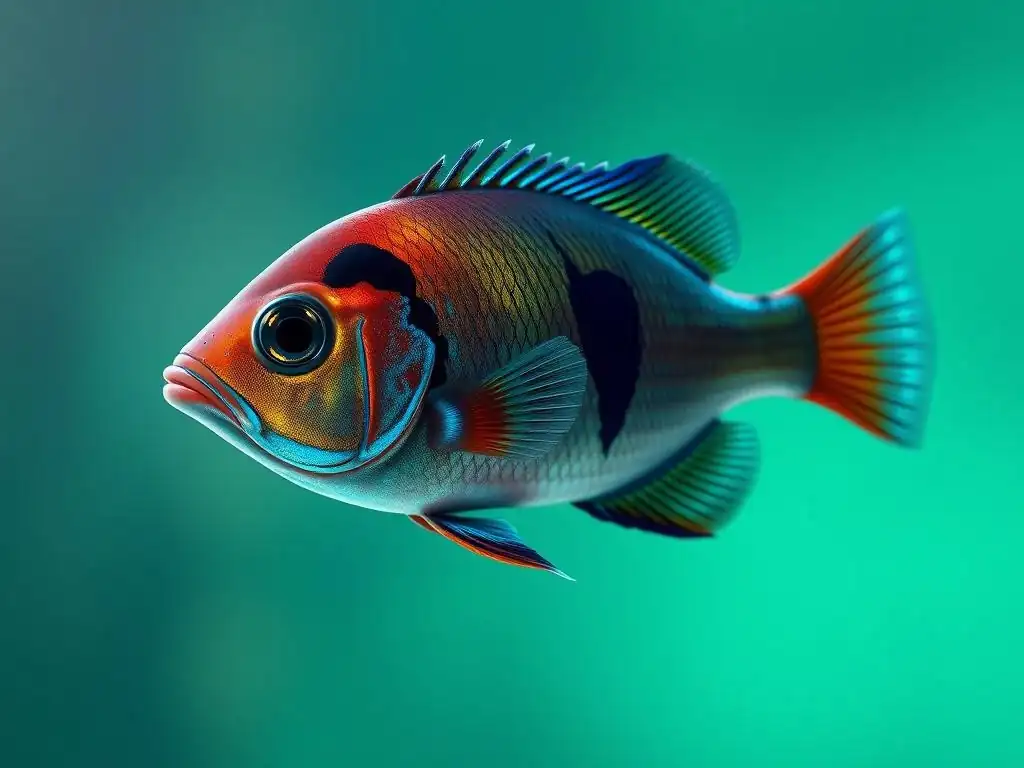
While Pseudotropheus acei generally shares a deep blue body coloration, distinct color variations exist based on their geographic collection points within Lake Malawi. The two most prominent and widely available in the aquarium hobby are the "Yellow Tail" and "White Tail" morphs.
- Yellow Tail Acei (Msuli): This variant is typically collected near Msuli Point in Lake Malawi. Its defining characteristic is its striking, vibrant yellow dorsal, anal, and caudal (tail) fins, which provide a beautiful contrast against the blue body. The intensity of the yellow can vary, from a bright lemon yellow to a deeper, almost orange-yellow. This morph is widely popular due to its eye-catching appearance and is often the first image that comes to mind when one thinks of an Acei cichlid.
- White Tail Acei (Luwala): Originating from the Luwala Reef area, this morph features pristine white fins (dorsal, anal, and caudal) against the same deep blue body. The white is often very clean and bright, creating a more subdued yet equally elegant contrast compared to the yellow-tailed variant. Some aquarists prefer the White Tail for its unique aesthetic and slightly rarer availability.
- Ngara Acei: Less commonly seen but occasionally available, the Ngara Acei is another location-specific variant. While similar to the Msuli, it may exhibit subtle differences in the hue of its blue body or the intensity of its yellow fins, reflecting minor genetic variations influenced by their specific microhabitat.
Choosing the Right Acei Cichlid Variant for Your Aquarium
When selecting an Acei cichlid variant for your aquarium, the primary consideration is often personal aesthetic preference. Both the Yellow Tail (Msuli) and White Tail (Luwala) variants exhibit the same desirable schooling behavior, relatively peaceful temperament, and similar Acei cichlid care tips requirements. Therefore, the choice largely comes down to which color combination you find most appealing or which would best complement your existing tank inhabitants or aquascape.
Availability can also be a factor. The Yellow Tail Acei is generally more common and widely available in local fish stores and from online breeders. The White Tail Acei may require a bit more searching, potentially through specialty cichlid retailers or dedicated cichlid forums. Regardless of the variant chosen, ensure you are acquiring healthy, active fish from a reputable source. Look for fish with clear eyes, vibrant colors, and no signs of disease or stress. Ensuring genetic purity by not mixing the two main variants in a breeding setup is also a consideration for serious breeders.
Troubleshooting Common Acei Cichlid Problems
Acei Cichlids Not Eating: Potential Causes and Solutions
When Acei cichlids stop eating, it's a significant cause for concern and a strong indicator that something is amiss. This is a crucial area for Acei cichlid care tips. Several factors can lead to a loss of appetite:
- Stress: New tank inhabitants, aggressive tank mates, poor water quality, or inadequate hiding spots can cause stress, leading to refusal to eat.
- Illness: Many diseases, including Malawi Bloat, internal parasites, or bacterial infections, can manifest with a loss of appetite.
- Incorrect Diet: Feeding too much protein or an unbalanced diet can lead to digestive issues and subsequent refusal to eat.
- Water Quality Issues: High levels of ammonia, nitrite, or nitrates, or incorrect pH/temperature, will quickly put fish off their food.
Solutions:
- Test Water Parameters Immediately: Perform a full suite of tests (ammonia, nitrite, nitrate, pH, temperature). If any parameters are off, conduct a partial water change (25-50%) and address the root cause.
- Observe for Illness Symptoms: Look for bloating, clamped fins, labored breathing, white spots, or unusual swimming. If detected, isolate the fish and begin appropriate treatment.
- Review Diet: Ensure you are feeding high-quality, spirulina-based foods. If you suspect dietary issues, fast the fish for 24-48 hours, then reintroduce small amounts of appropriate food.
- Assess Tank Environment: Check for overly aggressive tank mates or insufficient hiding spots. Rearrange decor or consider rehoming aggressive fish.
Acei Cichlids Hiding: Identifying the Reason and Addressing It
While Acei cichlids appreciate hiding spots, excessive hiding, especially for a schooling species, suggests a problem. This behavior is a clear sign of stress or discomfort.
- New Environment: Recently introduced fish often hide for a few days as they acclimate to their new surroundings.
- Aggressive Tank Mates: If one or more fish are constantly harassing the Acei, they will seek refuge.
- Lack of Hiding Spots: Paradoxically, if there aren't enough visual breaks or caves, dominant fish may claim the entire tank, leaving no safe space for subdominants.
- Illness: A sick fish will often become lethargic and hide more than usual.
- Overly Bright Lighting: Some fish can be sensitive to intense lighting, especially if they're new or stressed.
Solutions:
- Observe Tank Mates: Identify any bullies. If persistent, consider separating or rehoming the aggressor.
- Add More Decor: Increase the number of caves, rock piles, and visual breaks to provide more secure hiding places and break up lines of sight. Ensure structures are stable.
- Check Water Quality: Poor water parameters can cause stress and hiding. Test and correct as needed.
- Dim Lighting: Temporarily dim or shorten the lighting period to reduce stress, especially for new fish.
- Monitor for Illness: If hiding is accompanied by other symptoms like clamped fins or loss of appetite, check for disease and treat accordingly.
Acei Cichlid Color Loss: Causes and Prevention
Fading or dull coloration in Acei cichlids is a common problem that detracts from their beauty and often indicates underlying issues. Addressing this is an important part of Acei cichlid care tips.
- Stress: The most common reason. Stress can be caused by poor water quality, unsuitable tank mates, overcrowding, or an unstable environment.
- Poor Diet: A diet lacking essential nutrients, particularly spirulina and other plant matter, will prevent them from developing and maintaining vibrant colors.
- Dominance Hierarchy: Subdominant males or females may display duller colors to avoid confrontation with more dominant individuals.
- Illness: Many diseases can cause a general fading of colors as the fish's energy is diverted to fighting the illness.
- Inadequate Lighting: While not the primary cause, insufficient or incorrect spectrum lighting can make colors appear less vibrant.
Prevention and Solutions:
- Maintain Pristine Water Quality: Regular water changes and robust filtration are crucial to minimize stress from pollutants.
- Provide a Balanced Diet: Feed high-quality, spirulina-rich flakes or pellets daily, supplemented with blanched vegetables. Avoid high-protein foods.
- Optimize Tank Mates and Stocking: Ensure a harmonious community with appropriate tank mates and a suitable male-to-female ratio (e.g., 1 male to 3+ females) to reduce aggression and stress. A group of 6-10 Acei cichlids is ideal.
- Adequate Hiding Spots: Provide plenty of rockwork and caves to allow subdominant fish to retreat and feel secure.
- Monitor for Illness: If color loss is accompanied by other symptoms, investigate for disease and treat promptly.
- Appropriate Lighting: Use full-spectrum aquarium lighting that enhances fish colors. While not a cure for underlying issues, good lighting makes healthy colors pop.
Conclusion: The Rewarding Experience of Keeping Acei Cichlids
Why Acei Cichlids are a Great Choice for Intermediate Aquarists
Acei cichlids (Pseudotropheus acei) stand out as an excellent choice for intermediate aquarists looking to delve into the fascinating world of African cichlids, particularly the Mbuna group. Their relatively peaceful disposition, especially when compared to many other Mbuna species, makes them less challenging to house in a community setting. This temperament, combined with their unique schooling behavior, allows for the creation of a dynamic and visually engaging display that is truly captivating. Their hardiness and adaptability to a stable Lake Malawi setup also contribute to their suitability for those with some prior aquarium experience.
Furthermore, their striking coloration, whether the vibrant yellow-tailed Msuli or the elegant white-tailed Luwala variant, adds immense aesthetic appeal to any appropriately sized freshwater aquarium. The clear and actionable Acei cichlid care tips outlined, from tank setup and water parameters to diet and compatibility, make them a manageable species for aquarists ready to commit to their specific needs. Successfully maintaining a thriving group of Acei cichlids provides a rewarding experience, showcasing the beauty and complexity of these remarkable fish.
Further Resources for Acei Cichlid Keepers
For those committed to mastering Acei cichlid care tips and ensuring the optimal health and longevity of their fish, a wealth of information is available beyond this article. Reputable online forums dedicated to African cichlids, such as those found on major aquarium community websites, offer invaluable opportunities to connect with experienced aquarists, ask specific questions, and learn from shared experiences. These communities often provide real-world examples and troubleshooting advice for various scenarios.
Additionally, comprehensive books on Lake Malawi cichlids, written by ichthyologists and seasoned hobbyists, delve into greater detail regarding species-specific behaviors, advanced breeding techniques, and disease management. Visiting well-regarded local fish stores that specialize in cichlids can also provide access to knowledgeable staff who can offer personalized guidance and recommend high-quality products. Engaging with these resources will deepen your understanding and enhance your journey as an Acei cichlid keeper.
Frequently Asked Questions
What are the key considerations when setting up an aquarium for Acei cichlids?
Acei cichlids need a spacious tank (at least 75 gallons for a group), well-oxygenated water, and plenty of rockwork to simulate their natural habitat. Maintaining stable water parameters is also absolutely crucial.
What is the ideal diet for Acei cichlids to ensure their health and vibrant colors?
Acei cichlids are primarily herbivores, so their diet should consist mainly of high-quality spirulina flakes and vegetable-based foods. Supplement with occasional small amounts of protein-rich foods to maintain a balanced diet.
How can I effectively manage aggression in an Acei cichlid tank, especially with other Mbuna species?
Overcrowding the tank can help diffuse aggression. Also, avoid keeping them with overly aggressive Mbuna species. Providing plenty of hiding places with rocks is also key.
What are the common water chemistry parameters I need to monitor for Acei cichlids?
You should regularly test and maintain a pH between 7.8 and 8.6, ammonia and nitrite levels at 0 ppm, and nitrate levels below 20 ppm. Consistent water changes are essential.
What are some common health issues that Acei cichlids are prone to, and how can I prevent them?
Acei cichlids can be susceptible to Malawi bloat and Ich. Preventative measures include maintaining pristine water quality and providing a stress-free environment. Quarantine new fish before introducing them to the main tank to avoid disease outbreaks.
Final Reflection: Appreciating the Subtle Majesty of Acei Cichlids
The journey of understanding and caring for Acei cichlids, as we've explored, transcends mere aquarium maintenance; it's about fostering a miniature ecosystem and appreciating the subtle beauty within. The enduring popularity of these schooling Mbuna highlights a growing desire for aquariums that are not only visually stunning but also ethically and ecologically sound. This reflects a broader shift towards responsible pet ownership and a deeper connection with the natural world, even within the confines of our homes.
The Acei cichlid, with its peaceful temperament and striking coloration, offers a unique opportunity to observe complex social dynamics and appreciate the delicate balance of a thriving aquatic environment. My own experience observing their intricate interactions has instilled in me a profound respect for the interconnectedness of life, even on a small scale. In every walk with nature one receives far more than he seeks.
- John Muir. This quote perfectly encapsulates the rewarding experience of keeping Acei cichlids, as it's not just about providing care, but about receiving the gift of observing nature's artistry.
As you embark on, or continue, your journey with Acei cichlids, remember that each tank is a unique canvas, and each fish a brushstroke contributing to a living masterpiece. Let the knowledge shared here serve as a foundation, but allow your own observations and experiences to guide you. Embrace the challenge of providing optimal Acei cichlid care, and in doing so, you'll not only create a stunning display but also cultivate a deeper appreciation for the wonders of the aquatic world.
Unleash the Acei's Majesty in Your Aquarium!
Thank you for diving into the captivating world of Acei Cichlids! Now that you're equipped with the knowledge to care for these stunning fish, it's time to bring their vibrant energy into your own aquarium. Here are a few ways to get started:
- Begin planning your Acei Cichlid school: Carefully consider your tank size and design a scape that mimics their natural habitat to ensure their long-term health and happiness.
- Explore other schooling Mbuna options. Research which species would be compatible in a mixed Mbuna aquarium.
- Share your newfound Acei knowledge! Recommend this article to a friend who's looking for a unique and active addition to their aquarium.
What specific rock formations are you envisioning for your Acei Cichlid paradise, and what plants will you choose to complement their vibrant colors?