
Phosphate & Nitrate Control: Winning the War on Nuisance Algae in FW & SW Tanks

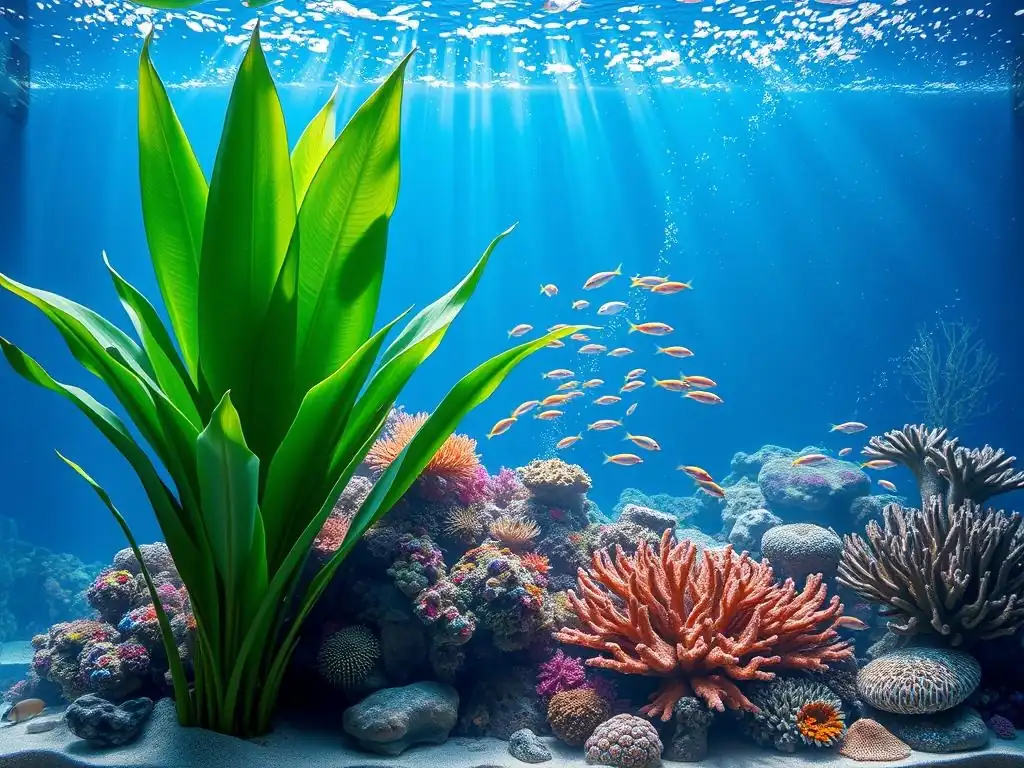
Welcome to Aquarium Mastery!
Ever feel like you're constantly battling a green (or brown!) invasion in your aquarium? You're not alone. Understanding phosphate nitrate algae control is key to a thriving, crystal-clear aquatic world. Dive into our comprehensive guide below to learn how to win the war on nuisance algae and unlock the secrets to a perfectly balanced ecosystem! Ready to conquer algae and achieve aquarium perfection? Let's get started!
- Understanding the Phosphate Nitrate Algae Connection in Aquariums
- Identifying the Culprits: Types of Nuisance Algae in Aquariums
- Testing Your Water: Accurately Measuring Phosphate and Nitrate Levels
- Phosphate Control Strategies for Freshwater and Saltwater Aquariums
- Nitrate Reduction Techniques for Thriving Aquarium Environments
- Comprehensive Algae Control: A Multifaceted Approach
- Preventing Future Algae Blooms: Proactive Tank Management
- Troubleshooting Common Phosphate Nitrate Algae Problems
- Advanced Techniques for Extreme Algae Control
-
Frequently Asked Questions
- What are the primary sources of phosphates and nitrates in aquariums?
- How do high levels of phosphates and nitrates contribute to algae growth?
- What are some common methods for controlling phosphate and nitrate levels in aquariums?
- How often should I test my aquarium water for phosphates and nitrates?
- What are some natural ways to reduce algae growth besides controlling phosphates and nitrates?
- Final Reflection: Mastering the Balance
- Conquer Algae & Cultivate Clarity: Your Aquarium Awaits!
Understanding the Phosphate Nitrate Algae Connection in Aquariums
The Role of Phosphate and Nitrate in Aquarium Ecosystems
Phosphates (PO4) are naturally occurring compounds that are essential nutrients for all plant life, including algae, in an aquarium ecosystem. However, in excess, they become a primary driver of nuisance algae blooms. Common sources of phosphates include uneaten fish food, fish waste, decaying plant matter, tap water (especially if treated with phosphate-based corrosion inhibitors), and even some aquarium additives or substrates. For sensitive reef aquariums, phosphate levels should ideally be below 0.03 ppm, while planted freshwater tanks might tolerate up to 0.1-0.2 ppm without significant issues, though lower is generally better.
Nitrates (NO3) are the final product of the nitrogen cycle, resulting from the breakdown of ammonia and nitrite by beneficial bacteria. While generally less toxic to fish than ammonia or nitrite, nitrates are another key nutrient that fuels algae growth. Their primary sources are the same as phosphates: fish waste, uneaten food, and decaying organic matter.
In freshwater aquariums, nitrate levels are often kept below 20 ppm, while in saltwater reef tanks, levels ideally remain under 5 ppm, with many advanced hobbyists aiming for 0-2 ppm to prevent issues with sensitive corals. Both phosphate and nitrate contribute significantly to the overall nutrient load, making their control crucial for a healthy, algae-free tank.
How Excess Nutrients Fuel Nuisance Algae Growth
When phosphate and nitrate levels are elevated, they act as a potent fertilizer for algae, leading to rapid and often overwhelming blooms. Algae, being opportunistic, quickly capitalize on abundant nutrients, outcompeting slower-growing desired plants or corals. For instance, if a tank consistently has nitrates above 20 ppm and phosphates above 0.1 ppm, it creates an environment where various nuisance algae, such as green hair algae or cyanobacteria, can proliferate explosively. This rapid growth can smother desirable organisms, reduce water clarity, and diminish the aesthetic appeal of the aquarium.
The combination of high phosphate and high nitrate is particularly problematic. Even if one nutrient is low, algae can still grow if the other is abundant, but the presence of both in excess provides all the necessary building blocks for exponential growth. This dynamic underscores why effective phosphate nitrate algae control is not just about reducing one parameter but managing the entire nutrient profile. The aim is to starve the nuisance algae of their primary food sources, allowing beneficial organisms to thrive and maintain ecological balance within the aquatic environment.
Differentiating Between Freshwater and Saltwater Aquarium Challenges
While both freshwater (FW) and saltwater (SW) aquariums face challenges with phosphate and nitrate leading to algae, the specifics and sensitivities differ. In freshwater tanks, nuisance algae is primarily an aesthetic issue and a sign of excess nutrients. Common problems include green water, green hair algae, or brown diatoms. While these are unsightly, they rarely pose an immediate threat to fish health unless the bloom is extremely severe and causes oxygen depletion. Nutrient control in FW often focuses on regular water changes, proper feeding, and maintaining a healthy plant mass to outcompete algae.
Saltwater, particularly reef aquariums, presents a far more delicate balance. Corals, especially stony corals (SPS), are highly sensitive to elevated phosphate and nitrate. For example, phosphate levels above 0.05 ppm can inhibit calcification in SPS corals, leading to slower growth or even tissue necrosis.
High nitrates, even at levels considered acceptable in FW (e.g., 10-20 ppm), can be toxic to many invertebrates and sensitive corals, causing stress and bleaching. Therefore, the precision required for phosphate nitrate algae control in saltwater systems is significantly higher, often necessitating specialized equipment like protein skimmers, refugiums, and GFO reactors to maintain ultra-low nutrient environments.
Identifying the Culprits: Types of Nuisance Algae in Aquariums
Green Hair Algae: Causes and Identification
Green hair algae, scientifically known by various genera such as Cladophora or Rhizoclonium, appears as long, stringy, bright green strands that resemble fine hair or threads. It can grow rapidly, forming dense mats on rocks, substrate, decorations, and even plant leaves or coral skeletons. This type of algae is a strong indicator of elevated phosphate and nitrate levels, often coupled with excessive light intensity or duration. It's particularly common in tanks with inconsistent maintenance, overfeeding, or insufficient nutrient export mechanisms.
While some herbivorous fish and invertebrates, like certain tangs in saltwater or Amano shrimp in freshwater, will graze on green hair algae, they are rarely sufficient to control a severe outbreak. Its tenacious grip and rapid reproduction rate mean that manual removal, combined with addressing the underlying nutrient imbalance through effective phosphate nitrate algae control, is essential for its eradication. Ignoring a green hair algae problem can lead to it smothering corals, blocking light from plants, and significantly detracting from the aquarium's appearance.
Brown Algae (Diatoms): Understanding the Bloom
Brown algae, more accurately termed diatoms, are microscopic, single-celled organisms with silica cell walls. They appear as a dusty, brownish film that coats all surfaces in the aquarium, including glass, substrate, rocks, and equipment. Diatom blooms are extremely common in newly set up aquariums during the cycling phase, typically appearing within the first few weeks to months. This is because they thrive on silicates, which are often present in tap water and leach from new substrates like sand or gravel, alongside available nitrates and phosphates.
In most cases, diatom blooms are self-limiting. As the available silicates are depleted and a stable biological filter establishes, beneficial bacteria and other algae types often outcompete them. However, a persistent brown algae problem in an established tank can indicate an ongoing source of silicates (e.g., from tap water or certain rock types) or consistently elevated nutrient levels. While generally harmless to fish, they are unsightly. Regular manual removal, coupled with addressing nutrient sources and ensuring proper water changes, can help manage diatoms.
Cyanobacteria (Blue-Green Algae): Not Technically Algae, But Still a Problem
Cyanobacteria, often mistakenly called blue-green algae (BGA), are actually photosynthetic bacteria. They form a slimy, dark green, blue-green, or sometimes reddish-purple mat that can quickly spread across substrate, rocks, and tank walls. Unlike true algae, cyanobacteria often have a distinct, earthy or musty smell. They thrive in conditions of low water flow, low oxygen, and high nutrient levels, particularly nitrates and organic waste. Some strains can even fix their own nitrogen, making them incredibly resilient even in low-nitrate environments.
Cyanobacteria can be particularly troublesome because they can quickly smother corals and plants, and some species may release toxins. They are a strong indicator of poor tank hygiene or an imbalance in the nutrient cycle. Effective control involves addressing the underlying conditions: increasing water flow in stagnant areas, performing thorough gravel/sand vacuuming to remove detritus, reducing nutrient inputs (especially nitrates, which often trigger blooms when they exceed 20-40 ppm), and sometimes using specific antibiotic treatments (like erythromycin) as a last resort. This is a complex aspect of phosphate nitrate algae control that requires a multi-faceted approach.
Other Common Algae Pests: Black Brush Algae (BBA), Green Spot Algae (GSA), Cladophora
Beyond the most common types, aquariums can host several other nuisance algae. Black Brush Algae (BBA), or Audouinella, appears as dark, tufted, almost black patches that firmly attach to plant leaves, driftwood, and equipment. It's notoriously difficult to remove manually and is often linked to fluctuating CO2 levels in planted tanks, but also thrives in tanks with high organic waste and phosphates. Its tough structure makes it unpalatable to most algae eaters.
Green Spot Algae (GSA), typically Chlorella, manifests as small, hard, dark green spots that adhere tightly to glass, slow-growing plant leaves (like Anubias), and decorations. It's often associated with low phosphate levels or inconsistent nutrient dosing in planted tanks, or simply excessive light intensity. While unsightly, it's generally slow-growing.
Cladophora, often called blanket weed or string algae, is a coarse, bright green, stringy algae that forms dense, tangled mats. It's particularly invasive and difficult to remove, thriving in high phosphate and nitrate conditions with abundant light. Managing these diverse algae types requires a nuanced understanding of their specific triggers and a comprehensive phosphate nitrate algae control strategy.
Testing Your Water: Accurately Measuring Phosphate and Nitrate Levels

Choosing the Right Test Kits: Liquid vs. Strips
Accurate measurement of phosphate and nitrate levels is the cornerstone of effective phosphate nitrate algae control. When choosing test kits, aquarists generally have two main options: liquid reagent kits or test strips. Liquid test kits, such as those from API, Salifert, Red Sea, or Hanna Instruments, are widely considered more accurate and reliable.
They involve adding specific reagents to a water sample and comparing the resulting color to a chart, or using a digital colorimeter for precise readings (e.g., a Hanna Checker for ultra-low range phosphates, which can detect levels as low as 0.01 ppm). These kits provide more precise numerical values, which are crucial for sensitive systems like reef tanks.
Test strips, on the other hand, offer convenience and speed. They are dipped directly into the aquarium water, and colors on the strip change to indicate various parameters, including nitrate and sometimes phosphate. While useful for quick, general checks, test strips are typically less accurate than liquid kits, often providing a broader range rather than a specific number (e.g., "0-10 ppm" instead of "4 ppm").
They can also be prone to user error or degradation over time. For precise phosphate nitrate algae control and detailed troubleshooting, particularly in saltwater or highly sensitive planted tanks, liquid reagent kits or digital testers are highly recommended.
Understanding Parts Per Million (PPM) and Reading Test Results
Most aquarium test kits report phosphate and nitrate levels in parts per million (ppm), which is equivalent to milligrams per liter (mg/L). Understanding this unit is crucial for interpreting your results and making informed decisions about nutrient management. For example, a nitrate reading of 10 ppm means there are 10 milligrams of nitrate per liter of water. When using liquid test kits, carefully follow the instructions, including reaction times and reading the color chart under consistent lighting, preferably natural daylight or a full-spectrum white light, to avoid misinterpretation.
Target levels for these nutrients vary significantly based on the type of aquarium. For general freshwater community tanks, nitrates are typically aimed to be below 20 ppm, while for planted tanks, some aquarists might allow slightly higher levels if plants are actively consuming them. Phosphates in freshwater are ideally kept under 0.5 ppm.
In stark contrast, sensitive saltwater reef tanks aim for nitrates below 5 ppm, ideally 0-2 ppm, and phosphates below 0.05 ppm, with many striving for undetectable levels (0.01-0.03 ppm) to prevent coral stress. These precise targets are vital for effective phosphate nitrate algae control in advanced setups.
Establishing Baseline Levels for Your Specific Aquarium Type
To effectively manage phosphate and nitrate, it is essential to establish a baseline for your specific aquarium. This involves regular, consistent testing to understand what "normal" levels are for your tank under its current maintenance routine and stocking. For instance, testing weekly or bi-weekly for the first few months, and then monthly once the tank is stable, allows you to track trends and identify any deviations quickly. Recording your results in a logbook or spreadsheet can help visualize these trends over time.
The "ideal" levels can vary. A heavily planted freshwater tank might naturally have lower nitrates due to plant uptake, while a lightly stocked fish-only tank might see nitrates slowly climb over time. Similarly, a high-bioload reef tank will require more aggressive nutrient export than a sparsely populated one. By understanding your tank's unique baseline and typical fluctuations, you can more accurately pinpoint when nutrient levels are becoming problematic and take targeted action for effective phosphate nitrate algae control, rather than reacting to every slight change.
Phosphate Control Strategies for Freshwater and Saltwater Aquariums
Chemical Phosphate Removers: Selecting and Using Granular Ferric Oxide (GFO)
Granular Ferric Oxide (GFO) is one of the most effective chemical media for removing phosphates from both freshwater and saltwater aquariums. GFO works by chemically binding with phosphate ions through a process called adsorption, essentially trapping them within its porous structure. It's typically used in a media reactor, where water is forced through the granules, ensuring maximum contact, or placed in a high-flow area within a mesh media bag. Popular brands like PhosGuard or RowaPhos are widely utilized by hobbyists.
When using GFO, it's crucial to rinse it thoroughly with RO/DI water before use to remove any fine particles that could otherwise cloud the tank. For initial use or in tanks with very high phosphate levels, it's advisable to start with a smaller recommended dose and gradually increase it over several days or a week.
This prevents a rapid drop in phosphate, which can sometimes shock sensitive corals or plants that have adapted to higher nutrient environments. GFO typically needs to be replaced every 2-4 weeks, or when phosphate test results indicate levels are beginning to rise again, making it a powerful tool for direct phosphate nitrate algae control.
Biological Phosphate Removal: Utilizing Plants and Macroalgae
Biological methods offer a natural and sustainable approach to phosphate removal. In freshwater aquariums, live aquatic plants are highly effective at absorbing phosphates (and nitrates) directly from the water column as essential nutrients for their growth. Fast-growing stem plants like Hornwort, Anacharis, or Water Wisteria are particularly efficient. The key to nutrient export is the regular trimming and removal of this plant biomass, which physically takes the absorbed phosphates out of the system.
Similarly, in saltwater aquariums, macroalgae (such as Chaetomorpha, Caulerpa, or Ulva) grown in a dedicated refugium or an algae scrubber actively consume phosphates. A well-lit refugium with a tumbling mass of Chaetomorpha, for example, can significantly lower phosphates in the main display tank. Like freshwater plants, the macroalgae must be regularly harvested (e.g., 25-50% every few weeks) to ensure the exported nutrients are truly removed from the system. This method provides continuous, natural phosphate nitrate algae control and can help stabilize water parameters.
Water Changes and Their Impact on Phosphate Levels
Regular water changes are a fundamental and highly effective strategy for reducing dissolved nutrients, including phosphates, in both freshwater and saltwater aquariums. By replacing a portion of the nutrient-rich tank water with fresh, clean water, the overall concentration of phosphates is immediately diluted and exported from the system. For a typical aquarium, a 25-30% water change weekly or bi-weekly is a common recommendation for general maintenance and nutrient management. In cases of severe algae outbreaks or very high phosphate readings, more frequent or larger water changes might be necessary.
It is crucial to test the source water used for water changes, especially tap water, as it can be a significant, often overlooked, source of phosphates. Many municipal water supplies contain phosphates as part of corrosion control or from agricultural runoff. Using reverse osmosis/deionization (RO/DI) water for saltwater tanks is almost universally recommended precisely because it removes these impurities, ensuring that you're adding water virtually free of phosphates and other undesirable contaminants. Consistent, high-quality water changes are a cornerstone of effective phosphate nitrate algae control.
Other Phosphate Reduction Methods: Aluminum-Based Removers, Lanthanum Chloride
Beyond GFO, other chemical phosphate removers are available. Aluminum-based phosphate removers work by precipitating phosphates out of the water column, forming an insoluble compound that can then be removed by mechanical filtration or protein skimming. These are often liquid additives that are dosed directly into the tank or into a high-flow area. While effective, caution must be exercised as high doses can potentially cause issues for some sensitive invertebrates or corals due to aluminum toxicity, so following manufacturer instructions carefully is paramount.
Lanthanum chloride is another powerful phosphate removal agent, particularly used in advanced or heavily loaded systems with very high phosphate levels. It works by binding with phosphate ions to form a fine, insoluble precipitate, which then needs to be physically removed from the water column via a protein skimmer or fine mechanical filtration (e.g., filter socks). This method requires careful, controlled dosing, often into a dedicated reactor or sump, to prevent the precipitate from settling in the display tank. Both aluminum-based removers and lanthanum chloride are potent tools for targeted phosphate nitrate algae control in specific situations.
Nitrate Reduction Techniques for Thriving Aquarium Environments

Deep Sand Beds (DSB) for Natural Nitrate Reduction
Deep Sand Beds (DSBs) are a biological method primarily used in saltwater aquariums, though the principle can apply to freshwater setups with very fine sand. A DSB typically consists of a layer of fine sand 4 to 6 inches (or more) deep. Within the lower, oxygen-depleted layers of this sand bed, anaerobic bacteria thrive. These specialized bacteria perform denitrification, a process where they convert nitrates (NO3) into harmless nitrogen gas (N2), which then off-gasses into the atmosphere. This provides a continuous, natural form of nitrate removal.
Establishing a fully functional DSB can take several months, as the anaerobic zones need time to develop. Once established, it's crucial to avoid disturbing the sand bed significantly, as this can release accumulated detritus and hydrogen sulfide, which can be toxic. A well-maintained DSB can be highly effective at keeping nitrates consistently low, reducing the reliance on frequent large water changes for nitrate export. It represents a long-term, passive strategy for phosphate nitrate algae control by addressing the nitrate component.
Denitrators: Specialized Equipment for Nitrate Removal
Denitrators are specialized pieces of equipment designed to create anoxic (extremely low oxygen) conditions that favor denitrifying bacteria, thereby promoting the conversion of nitrate into nitrogen gas. These units are often external reactors or self-contained systems that slowly circulate a small amount of tank water through a chamber filled with specific media (like sulfur beads or bio-balls) or a carbon source. The slow flow rate and sealed environment ensure oxygen levels drop sufficiently for anaerobic bacteria to flourish.
While highly effective, denitrators require careful monitoring and maintenance. If conditions become too anoxic, they can produce undesirable byproducts such as hydrogen sulfide, which is toxic. Therefore, precise control over the flow rate and sometimes the carbon dosing is necessary. Denitrators are typically employed in larger, more advanced saltwater or heavily stocked freshwater systems where maintaining ultra-low nitrates through conventional methods (like water changes) becomes challenging. They offer a powerful, targeted solution for advanced phosphate nitrate algae control.
Vodka Dosing and Other Carbon Source Methods
"Carbon dosing" is a popular method, particularly in reef aquariums, to reduce nitrates (and phosphates) by promoting the growth of heterotrophic bacteria. Common carbon sources include vodka (ethanol), vinegar (acetic acid), or sugar. These simple organic compounds serve as a food source for bacteria, causing them to multiply rapidly. As these bacteria grow, they consume nitrates and phosphates from the water column, incorporating them into their cell structures. The bacterial biomass is then primarily removed from the system by a protein skimmer.
This method requires precise and gradual dosing to avoid bacterial blooms (which can cause cloudy water or oxygen depletion) and to prevent the formation of bacterial films on corals. Typically, dosing starts with a very small amount (e.g., 0.1-0.2 ml per 25 gallons daily) and is slowly increased while monitoring nitrate and phosphate levels. A robust protein skimmer is essential for effectively exporting the nutrient-laden bacteria. When done correctly, carbon dosing is a highly efficient and widely used method for active phosphate nitrate algae control in saltwater systems.
The Importance of Anaerobic Bacteria in Nitrate Control
Anaerobic bacteria play a critical, often unseen, role in the final stage of the nitrogen cycle: denitrification. Unlike aerobic bacteria that convert ammonia to nitrite and then to nitrate (nitrification), anaerobic bacteria thrive in environments with little to no oxygen and are responsible for converting nitrate (NO3) into harmless nitrogen gas (N2), which then escapes the aquarium. This process is vital for completing the nutrient export cycle and preventing nitrate buildup.
Fostering these bacterial populations is a key biological strategy for long-term nitrate management. This can be achieved by providing suitable habitats such as deep sand beds, the porous interiors of live rock, specialized ceramic media with intricate pore structures, or dedicated denitrifying reactors. By supporting a robust population of anaerobic bacteria, aquarists can significantly enhance their tank's natural capacity for nitrate reduction, complementing mechanical and chemical methods in a comprehensive phosphate nitrate algae control strategy.
Comprehensive Algae Control: A Multifaceted Approach
Balancing Phosphate and Nitrate Levels: The Ideal Ratio
While the ultimate goal for most aquarists is to keep both phosphate and nitrate levels as low as safely possible to prevent nuisance algae, some advanced hobbyists and planted tank enthusiasts discuss maintaining a specific "Redfield Ratio." This theoretical ratio (roughly 106 Carbon : 16 Nitrogen : 1 Phosphorus) suggests an optimal balance for plant and coral growth, and imbalances can purportedly favor certain algae types.
However, for the average aquarist, the practical approach for phosphate nitrate algae control is to aim for undetectable or ultra-low levels of both nutrients, particularly in reef tanks (e.g., nitrates under 5 ppm, phosphates under 0.05 ppm).
It's important to note that stripping nutrients to absolute zero can also be detrimental, especially in planted freshwater tanks where plants need these nutrients to thrive, or in some coral systems where certain corals might show signs of nutrient deficiency (known as "nutrient poor water" or NPW issues). Such ultra-low nutrient environments can sometimes even trigger other problematic organisms like dinoflagellates. The key is finding a balance where desired organisms flourish, and nuisance algae are starved, rather than aiming for a strict, universal ratio.
Optimizing Lighting: Reducing Light Intensity and Duration
Light is a fundamental energy source for all photosynthetic organisms, including nuisance algae. Therefore, optimizing aquarium lighting is a crucial, yet often overlooked, component of phosphate nitrate algae control. Excessive light intensity or an overly long photoperiod can significantly fuel algae growth, even if nutrient levels are relatively controlled. For instance, leaving aquarium lights on for more than 8-10 hours a day for freshwater tanks, or 10-12 hours for saltwater tanks (depending on coral needs), can provide ample opportunity for algae to proliferate.
To combat algae, consider reducing your tank's photoperiod. For a new tank experiencing diatom blooms, a common recommendation is to start with 6-8 hours of light daily and gradually increase. For established tanks with persistent algae, reducing the duration by an hour or two can sometimes make a noticeable difference. Additionally, if your lighting system allows, lowering the light intensity or adjusting the spectrum (e.g., reducing red/green spectrum that algae often favor) can also help. Proper light management works in conjunction with nutrient control to create an environment less favorable for algae.
Mechanical Filtration: Skimmers and Filter Socks for Algae Removal
Mechanical filtration plays a direct role in algae control by removing particulate organic matter before it breaks down into dissolved nutrients like phosphate and nitrate. In saltwater aquariums, protein skimmers are indispensable. They work by creating a column of fine bubbles that attract and remove dissolved organic compounds (DOCs) from the water, effectively exporting potential nutrient sources before they can fuel algae growth. Regular cleaning of the skimmer cup (daily to every few days) is essential to ensure its efficiency.
For both freshwater and saltwater tanks, filter socks or sponges are highly effective mechanical filtration media. They physically trap uneaten food, fish waste, and other detritus that would otherwise decompose and release nutrients. It is crucial to clean or replace filter socks and sponges frequently (e.g., every few days to once a week). If left unchanged, these filters can become nutrient factories themselves, releasing phosphates and nitrates back into the water as the trapped organic matter decomposes. Consistent mechanical filtration is a proactive step in phosphate nitrate algae control.
Introducing Algae Eaters: Fish, Invertebrates, and Their Roles
Introducing certain fish and invertebrates that consume algae can be a helpful biological control measure, though they are rarely a standalone solution for significant algae problems. In freshwater tanks, popular algae eaters include Otocinclus catfish, Siamese Algae Eaters (SAE), Amano shrimp, and various species of Nerite snails. In saltwater environments, Turbo snails, Astrea snails, Trochus snails, Emerald crabs, and certain tangs (like Yellow Tangs for hair algae) are commonly employed members of the "clean-up crew."
It is important to remember that algae eaters are best used as a control measure to maintain low levels of algae, not to eradicate a major bloom caused by underlying nutrient issues. If nutrient levels are excessively high, algae will grow faster than any clean-up crew can consume it. Furthermore, over-reliance on algae eaters can lead to their starvation once the algae is gone, necessitating supplemental feeding. They are a valuable component of a multi-pronged approach to phosphate nitrate algae control, but they must be part of a larger strategy that addresses the root cause of nutrient accumulation.
Preventing Future Algae Blooms: Proactive Tank Management

Regular Water Changes: A Cornerstone of Aquarium Health
Regular water changes are arguably the single most effective proactive measure for preventing future algae blooms and maintaining overall aquarium health. By consistently replacing a portion of the tank's water (e.g., 20-30% every 1-2 weeks), you directly dilute and export accumulated nitrates, phosphates, and other dissolved organic compounds before they reach problematic levels. This consistent dilution prevents the gradual buildup of nutrients that often fuels chronic algae issues.
Furthermore, it is crucial to use high-quality source water for your water changes. For saltwater aquariums, using reverse osmosis/deionization (RO/DI) water is almost always recommended because it removes virtually all impurities, including phosphates and silicates, from the tap water. For freshwater tanks, thoroughly dechlorinated tap water is often sufficient, but it's wise to periodically test your tap water for nutrient levels, especially if you experience persistent algae. Consistent, high-quality water changes are the ultimate foundation for effective phosphate nitrate algae control.
Proper Feeding Practices: Avoiding Overfeeding
Overfeeding is one of the most common and significant contributors to excess nutrient levels in an aquarium, directly leading to phosphate and nitrate buildup and subsequent algae blooms. Uneaten food quickly breaks down, releasing these compounds into the water column. Even food that is consumed can contribute, as fish waste also contains high levels of nutrients. It is far better to feed small amounts multiple times a day than one large meal, ensuring that all food is consumed within a few minutes and none settles on the substrate.
Beyond quantity, the quality of fish food also matters. Some cheaper foods contain binders or ingredients that can contribute higher levels of phosphates. Opting for high-quality, easily digestible foods can reduce nutrient input. If you notice a sudden increase in algae, reducing feeding frequency or the amount offered should be one of your first steps. Implementing proper feeding practices is a simple yet profoundly impactful aspect of proactive phosphate nitrate algae control.
Maintaining a Healthy Biological Filter: The Nitrogen Cycle's Importance
A robust and healthy biological filter is absolutely essential for preventing algae blooms and maintaining stable water parameters. The biological filter, composed of beneficial bacteria residing on filter media, substrate, and live rock, is responsible for the crucial process of the nitrogen cycle. These bacteria convert highly toxic ammonia (from fish waste and decaying matter) into less toxic nitrite, and then into nitrate. An efficient nitrogen cycle ensures that these initial toxic compounds are processed quickly, preventing stress to fish and contributing to overall water quality.
If the biological filter is compromised (e.g., by over-cleaning filter media with chlorinated water, replacing too much media at once, or insufficient oxygenation), ammonia and nitrite can spike, stressing fish and leading to an imbalance that favors opportunistic algae. Ensuring adequate water flow through filter media and avoiding practices that might harm beneficial bacteria are vital. A stable and efficient nitrogen cycle is the foundational bedrock upon which all other phosphate nitrate algae control efforts are built.
Quarantine New Additions: Preventing Algae Introductions
Quarantining new fish, invertebrates, corals, or plants before introducing them to your display tank is a critical proactive step that can prevent a myriad of problems, including the accidental introduction of nuisance algae. Algae spores or even small patches of existing algae can hitchhike on new arrivals, potentially triggering a bloom in your main tank. A dedicated quarantine tank allows you to observe new additions and treat them if necessary, without risking your established ecosystem.
For new aquatic plants, a quick dip in a mild bleach solution (e.g., 1 part bleach to 19 parts water for 1-2 minutes, followed by thorough rinsing in dechlorinated water) can effectively kill off algae spores and snail eggs without harming most plants. Always research appropriate dip times for specific plant species. This simple, proactive measure helps maintain the pristine condition of your display tank and is an often-underestimated part of long-term phosphate nitrate algae control.
Troubleshooting Common Phosphate Nitrate Algae Problems
Algae Blooms After Water Changes: Causes and Solutions
It can be perplexing and frustrating to experience an algae bloom shortly after performing a water change, which is intended to reduce nutrients. This phenomenon often occurs if the source water itself contains significant levels of phosphates or nitrates. Many municipal tap water supplies contain measurable amounts of these compounds, either naturally or as part of water treatment processes (e.g., orthophosphates used for corrosion control). Effectively, you might be inadvertently "fertilizing" your tank with each water change.
The primary solution is to test your source water for both phosphate and nitrate levels. If tap water is the culprit, consider using a high-quality carbon filter or, for saltwater tanks, an RO/DI unit to purify the water before use. Another less common cause could be stirring up excessive detritus during the water change, which then settles and releases a concentrated burst of nutrients as it decomposes. To mitigate this, siphon detritus thoroughly from the substrate before and after water changes, and ensure your mechanical filtration (filter socks, sponges) are clean and efficient to capture any stirred-up particles.
Persistent Algae Issues: Investigating Underlying Problems
If you've consistently performed water changes, fed sparingly, and maintained your filtration, yet persistent algae issues plague your aquarium, it's time for a deeper investigation into underlying problems. Start by meticulously re-evaluating all potential nutrient sources. Is there decaying organic matter trapped deep within the substrate, under decorations, or in low-flow areas? Are your filter media old and saturated with detritus, effectively leaching nutrients back into the water? Could your substrate itself be slowly releasing phosphates? Sometimes, even dead snails or fish hidden from view can cause a significant nutrient spike.
Beyond nutrient sources, consider other environmental factors. Is your lighting too intense or on for too long? Even if the photoperiod is standard, an aging light bulb might shift its spectrum in a way that favors algae. Are there "dead spots" in your tank with insufficient water flow, allowing detritus to settle and cyanobacteria to thrive? Is your protein skimmer undersized or not cleaned frequently enough? Often, a combination of several subtle issues, rather than one glaring problem, creates the perfect environment for pervasive algae. Comprehensive phosphate nitrate algae control requires addressing every potential contributing factor.
When to Seek Expert Advice: Recognizing the Limits of DIY Solutions
While many common algae problems can be resolved with diligent maintenance and troubleshooting, there are times when persistent, severe algae issues defy all DIY solutions. If you have systematically gone through all standard troubleshooting steps—testing water, optimizing feeding, performing consistent water changes, checking filtration, adjusting lighting, and ensuring good flow—and the problem continues to worsen or remains intractable, it's a clear sign to seek expert advice.
Consulting an experienced aquarist, a knowledgeable local fish store expert, or engaging with an active online forum community can provide fresh perspectives. Experts may be able to identify overlooked issues, suggest advanced testing (e.g., ICP-OES water analysis for trace elements or unexpected contaminants), or recommend specialized equipment or treatments you haven't considered. Don't hesitate to leverage the collective knowledge of the aquarium community when your own phosphate nitrate algae control efforts are stalled; sometimes a different set of eyes is all it takes.
Advanced Techniques for Extreme Algae Control
Using UV Sterilizers to Control Algae Spores
Ultraviolet (UV) sterilizers are advanced pieces of equipment that can be highly effective in controlling free-floating algae spores and maintaining crystal-clear water. A UV sterilizer works by passing aquarium water through a chamber where it is exposed to strong ultraviolet-C (UV-C) light. This UV light damages the DNA of microscopic organisms, including algae spores, bacteria, and some parasites, preventing them from reproducing. For instance, a properly sized UV unit can quickly clear a green water (algae bloom) problem, often within 24-48 hours.
While UV sterilizers are excellent at preventing new algae blooms and maintaining water clarity, it's crucial to understand their limitations. They only affect organisms that pass through the unit; they do not directly remove nutrients (phosphate or nitrate) from the water, nor do they impact algae already attached to surfaces (like hair algae on rocks). Therefore, a UV sterilizer is a valuable tool to complement other phosphate nitrate algae control methods, working best as a preventative measure or a quick fix for green water, rather than a standalone solution for the root cause of algae.
Implementing Algae Scrubbers
Algae scrubbers are a highly effective, natural, and continuous method for phosphate nitrate algae control, particularly popular in saltwater reef tanks but also applicable to freshwater. An algae scrubber is essentially a device designed to intentionally grow a large amount of beneficial macroalgae (or even nuisance algae) on a highly illuminated surface, typically a screen or mat, over which tank water flows. As the algae grows on the scrubber, it actively absorbs phosphates, nitrates, and other dissolved organic compounds from the water, effectively "stripping" these nutrients from the display tank.
The key to an algae scrubber's effectiveness lies in the regular harvesting of the algae grown on the screen. By scraping off and removing this accumulated algae biomass (typically weekly or bi-weekly), the absorbed nutrients are physically exported from the aquarium system. This process mimics natural nutrient export mechanisms found in wild reef environments and can significantly reduce the need for chemical media or large water changes for nutrient control. When properly sized and maintained, an algae scrubber can be a powerful tool for maintaining ultra-low nutrient levels and preventing nuisance algae in a sustainable manner.
Frequently Asked Questions
What are the primary sources of phosphates and nitrates in aquariums?
The main sources are fish waste, uneaten food, and decomposing organic matter. Tap water can also sometimes contribute to phosphate levels.
How do high levels of phosphates and nitrates contribute to algae growth?
Phosphates and nitrates act as fertilizers for algae. They provide the essential nutrients algae needs to thrive, leading to blooms.
What are some common methods for controlling phosphate and nitrate levels in aquariums?
Effective methods include regular water changes, using phosphate-removing media, and maintaining a healthy biological filtration system.
How often should I test my aquarium water for phosphates and nitrates?
It's recommended to test at least once a week, especially in new or heavily stocked tanks, to monitor the effectiveness of your control methods.
What are some natural ways to reduce algae growth besides controlling phosphates and nitrates?
Introducing algae-eating invertebrates like snails and shrimp, and using aquarium plants to compete for nutrients can help.
Final Reflection: Mastering the Balance
The battle against nuisance algae, as we've explored, is fundamentally a quest for equilibrium in our aquatic ecosystems. Understanding and actively managing phosphate and nitrate levels isn't just about aesthetics; it's about fostering a thriving, healthy environment for all our aquatic inhabitants. The principles discussed are not merely theoretical; they are practical tools for achieving long-term success in both freshwater and saltwater aquariums.
This journey into phosphate and nitrate control has underscored the delicate interplay of biological and chemical processes within our tanks. It reminds us that responsible aquarists are not just hobbyists, but stewards of miniature ecosystems. We have a responsibility to understand and mitigate the impact of our actions. The key to a healthy aquarium is not just about adding things, but about understanding the balance and removing what disrupts it.
This quote encapsulates the essence of proactive algae control: a mindful approach to maintaining a harmonious environment.
Now, armed with this knowledge of phosphate nitrate algae control, I invite you to reflect on your own practices. Are you actively monitoring and managing these crucial parameters? Are you employing the strategies discussed to create a more balanced and resilient aquarium? The war on nuisance algae is winnable, but it requires diligence, understanding, and a commitment to creating a thriving aquatic world. Embrace the challenge, and witness the beauty that unfolds when balance is restored.
Conquer Algae & Cultivate Clarity: Your Aquarium Awaits!
Thank you for diving into the world of nutrient control! You've now unlocked the secrets to battling nuisance algae and maintaining pristine water conditions. It's time to translate that knowledge into a thriving aquatic ecosystem.
Here's how you can take immediate action:
- Immediately test your aquarium water for phosphate and nitrate levels. Knowing your baseline is the first step to victory!
- Explore alternative nutrient reduction methods, such as deep sand beds or refugiums, even if you currently use chemical filtration. This proactive approach can dramatically improve your long-term algae control.
- Share your algae-fighting strategies with the Aquarium Mastery community. What unique techniques have you found successful in your tank?
Ready to transform your aquarium from an algae farm to a masterpiece of aquatic beauty?