
Lighting for *Cyprichromis*: Showcasing Their Subtle Beauty

Welcome to Aquarium Mastery!
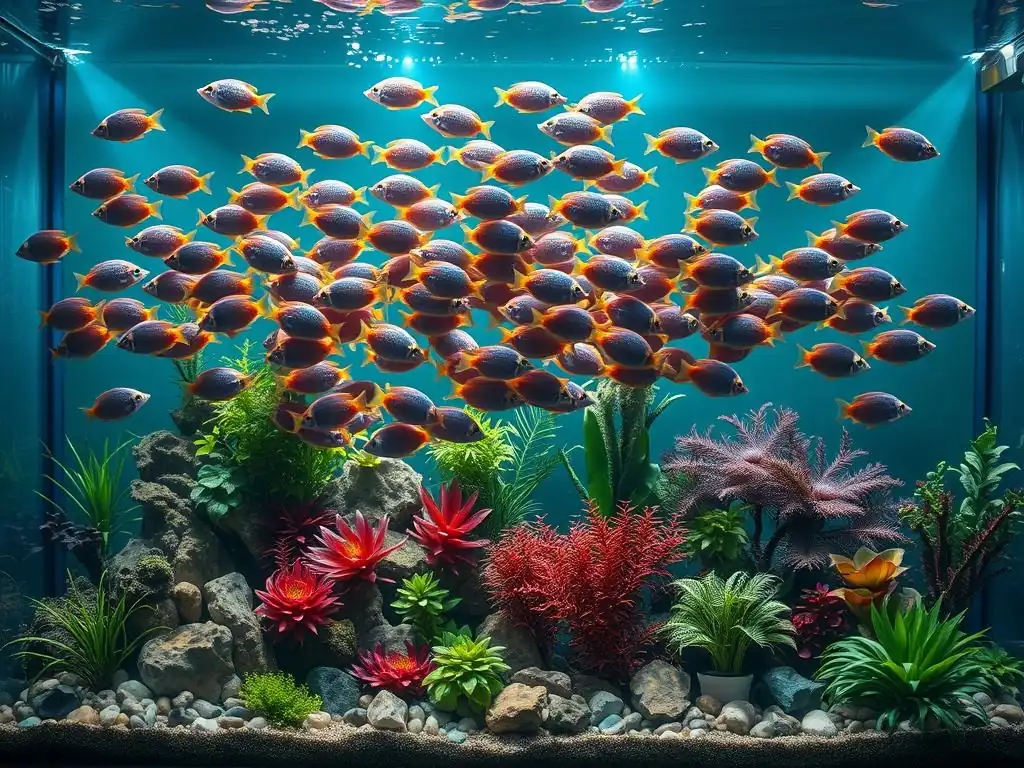
Ever wondered how to truly unlock the shimmering beauty of your Cyprichromis? This captivating fish deserves the perfect stage, and it all starts with light. Dive in to discover essential Cyprichromis lighting requirements tips and learn how to create a breathtaking display that not only enhances their colors but also promotes a thriving aquarium ecosystem. Ready to illuminate their world? Let's get started!
- Understanding Cyprichromis and Their Habitat
- Cyprichromis Lighting Requirements: A Detailed Guide
- Choosing the Right Lights for Your Cyprichromis Tank
- Cyprichromis Lighting Tips for Enhancing Color and Health
- Setting Up Your Cyprichromis Lighting System
- Troubleshooting Common Cyprichromis Lighting Issues
- Maintaining Your Cyprichromis Lighting System
- Cyprichromis and Planted Tanks: Balancing Light Needs
- Advanced Cyprichromis Lighting Techniques
- Conclusion: Mastering Cyprichromis Lighting for a Stunning Aquarium
-
Frequently Asked Questions
- What are the general lighting requirements for Cyprichromis species in an aquarium?
- How does lighting impact the coloration of Cyprichromis in an aquarium setting?
- What type of lighting spectrum is best for Cyprichromis aquariums to mimic their natural habitat?
- Are there any specific lighting systems or brands recommended for Cyprichromis tanks?
- How can I prevent algae growth while still providing adequate lighting for my Cyprichromis?
- Final Reflection: Illuminating the Depths
- Illuminate Their World: Rediscover *Cyprichromis*' Hidden Colors!
Understanding Cyprichromis and Their Habitat
The Natural Habitat of Cyprichromis in Lake Tanganyika
Cyprichromis species, often referred to as "featherfins," originate from the ancient and vast Lake Tanganyika in East Africa. This unique rift lake is characterized by its immense depth, stretching over 1,470 meters (4,820 feet) at its deepest point, making it the second deepest freshwater lake in the world.
The water is exceptionally clear, allowing light to penetrate to significant depths, but the intensity and spectrum of this light change dramatically as it travels deeper. Cyprichromis typically inhabit the open water column, often congregating in large schools at depths ranging from 5 to 30 meters (approximately 16 to 98 feet) or even deeper, depending on the specific species and local conditions.
At these depths, the light is significantly subdued and has a distinct blue-green cast due to the absorption of red and yellow wavelengths by the water. For instance, at 10 meters, roughly 75% of surface light intensity is lost, and by 30 meters, less than 10% of the surface light remains. This natural environment dictates that Cyprichromis are accustomed to lower light levels, which are crucial for their comfort and the display of their subtle, iridescent colors. Understanding these deep-water light conditions is fundamental to replicating their ideal Cyprichromis lighting requirements tips in a home aquarium.
Cyprichromis Behavior and Lighting Needs
The behavior of Cyprichromis in their natural habitat is directly influenced by light. They are pelagic cichlids, meaning they primarily live in the open water column, often forming large, dynamic schools. This shoaling behavior is a defense mechanism and also plays a role in their feeding, as they primarily consume zooplankton found in the water column. In their native environment, the diffused, lower intensity light allows them to feel secure and exhibit their natural schooling patterns without feeling exposed or stressed.
In an aquarium setting, providing appropriate Cyprichromis lighting requirements tips is vital for replicating these conditions. Harsh, direct, or excessively bright lighting can cause Cyprichromis to become stressed, leading to behaviors such as hiding, darting erratically, or losing their vibrant coloration. Their delicate fins, which give them their "featherfin" moniker, can also be more susceptible to nipping or stress-related issues if the lighting conditions are not optimal. A subdued, consistent light cycle encourages natural schooling, active swimming, and the confident display of their breeding rituals, where males showcase their stunning fin extensions and colors.
Cyprichromis Lighting Requirements: A Detailed Guide
Key Considerations for Cyprichromis Lighting
When designing the lighting for a Cyprichromis aquarium, the primary goal is to replicate the subdued, deep-water conditions of Lake Tanganyika. This means prioritizing lower light intensity over high-intensity setups often seen in planted tanks. Excessive brightness can cause significant stress to these delicate cichlids, leading to faded colors, reclusive behavior, and even health issues. The ideal lighting should be gentle, creating a calm environment that encourages their natural shoaling and display behaviors.
Furthermore, consistency in the light cycle is paramount. Abrupt changes from dark to bright can startle and stress Cyprichromis. A stable photoperiod, typically between 8 to 10 hours daily, is recommended. This duration allows for sufficient viewing time while preventing excessive algae growth, which can become a nuisance in tanks with minimal plant life. Thoughtful consideration of these Cyprichromis lighting requirements tips will contribute significantly to the well-being and vibrant appearance of your fish.
Optimal Light Spectrum for Cyprichromis
The light spectrum, measured in Kelvin (K), plays a crucial role in both the aesthetic appeal of your Cyprichromis and their overall health. In Lake Tanganyika's deep waters, the red and yellow wavelengths are absorbed, leaving a predominant blue-green hue. To mimic this, an optimal light spectrum for Cyprichromis typically falls within the 6,500K to 8,000K range. This color temperature provides a crisp, natural daylight appearance with a subtle blue bias, which is excellent for enhancing the iridescent blues, yellows, and oranges that many Cyprichromis species possess.
While full-spectrum lights are generally beneficial, a slight emphasis on the blue end of the spectrum can further accentuate their natural coloration and simulate their deep-water habitat. Avoid lights that are overly warm (low Kelvin) or excessively cool (high Kelvin with a strong white/purple cast), as these can distort the fish's natural colors and may not be conducive to their comfort. Adhering to these spectral Cyprichromis lighting requirements tips helps showcase their beauty accurately.
Light Intensity and Cyprichromis Tank Setup
Light intensity is perhaps the most critical factor for Cyprichromis lighting. Unlike many other aquarium fish or planted tank setups that thrive under high PAR (Photosynthetically Active Radiation) values, Cyprichromis prefer low to moderate light intensity. In their natural environment, they are accustomed to light levels significantly lower than those at the surface. For a typical aquarium, this translates to PAR values generally below 30-40 µmol·m⁻²·s⁻¹, measured at the substrate level.
Achieving this low intensity can involve several strategies, such as using lower wattage fixtures, dimmable LED lights, or increasing the distance between the light source and the water surface. The tank setup itself can also contribute to light management; tall rock structures or strategically placed décor can provide shaded areas where the fish can retreat if the light feels too intense. Considering these Cyprichromis lighting requirements tips for intensity ensures a comfortable and natural environment for your featherfins.
Choosing the Right Lights for Your Cyprichromis Tank
LED Lighting Options for Cyprichromis
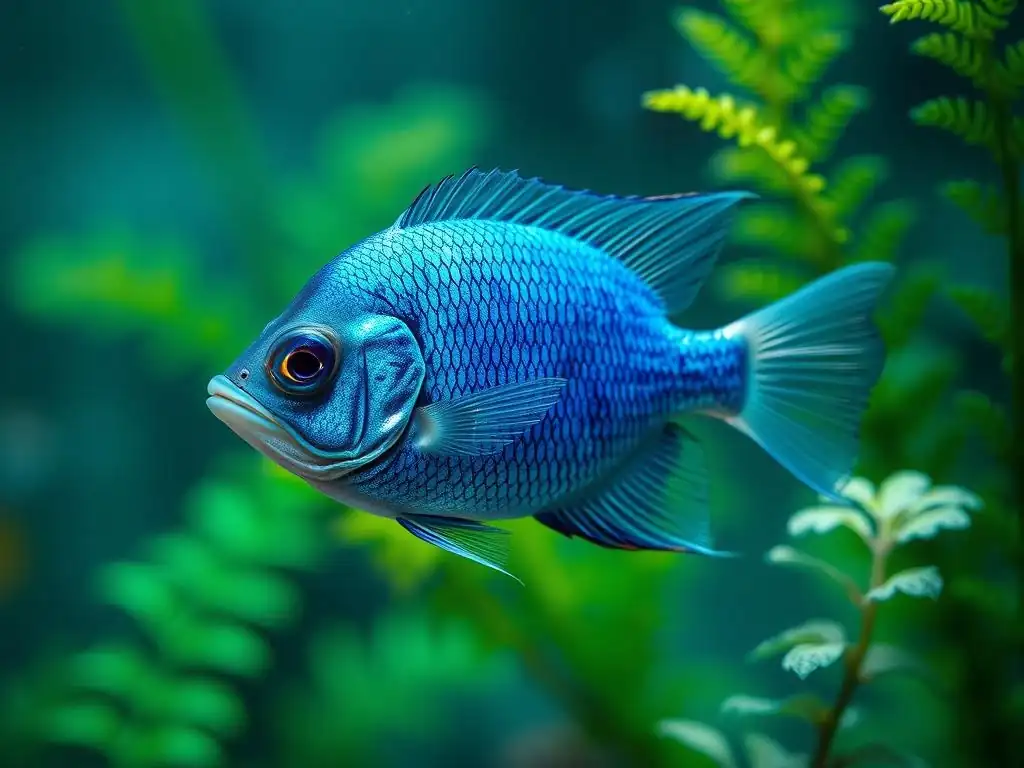
LED (Light Emitting Diode) lighting has become the preferred choice for many aquarists due to its energy efficiency, longevity, and versatility. For Cyprichromis tanks, LED fixtures offer significant advantages. Many modern LED units come with dimming capabilities, allowing aquarists to precisely control the light intensity, which is crucial for meeting the low-to-moderate Cyprichromis lighting requirements tips. Some advanced LED systems also offer independent control over different color channels (e.g., white, blue, red, green), enabling fine-tuning of the spectrum to enhance the fish's coloration while mimicking the subtle blue cast of their deep-water habitat.
Furthermore, LEDs produce less heat than traditional fluorescent bulbs, which can help maintain stable water temperatures in the aquarium. Their extended lifespan, often exceeding 50,000 hours, means fewer bulb replacements and consistent light quality over time. When selecting LEDs, look for fixtures with a color temperature range between 6,500K and 8,000K, and ensure they have a good dimming range to provide the subdued lighting Cyprichromis thrive under.
Fluorescent Lighting Considerations for Cyprichromis
While LEDs are increasingly popular, fluorescent lighting, particularly T5 HO (High Output) and T8 bulbs, can still be a viable option for Cyprichromis tanks, provided their limitations are understood. T5 HO bulbs offer higher intensity than T8s, which might necessitate raising the fixture further from the water surface or using a dimmer (if the ballast allows) to achieve the lower light levels preferred by Cyprichromis. T8 bulbs, with their generally lower output, might be more suitable without modification for smaller or shallower tanks.
When choosing fluorescent bulbs, select ones with a color temperature between 6,500K and 8,000K to simulate natural daylight. Mixing a daylight bulb (e.g., 6,500K) with a small actinic (blue) bulb can create a pleasing effect that enhances the Cyprichromis' colors. However, fluorescent bulbs have a shorter lifespan, typically requiring replacement every 6-12 months, as their spectrum shifts and output degrades over time. They also offer less control over intensity and spectrum compared to most LED systems, making it harder to fine-tune the Cyprichromis lighting requirements tips precisely.
Recommended LED Lighting for Cyprichromis
For optimal Cyprichromis lighting, dimmable LED fixtures with a broad spectrum and individual color channel control are highly recommended. Brands like Fluval Aquasky or Chihiros WRGB series, while often used for planted tanks, can be dialed down significantly to meet the lower intensity needs of Cyprichromis.
For instance, a Fluval Aquasky 2.0 (approximately 25 watts for a 36-48 inch tank) can be dimmed to operate at 20-30% of its full power, providing ample light without being overly harsh. Another excellent option is the Kessil A80 Tuna Blue, designed for nano reef tanks but highly adaptable due to its intense blue spectrum and precision dimming, allowing for very low, targeted intensity that highlights Cyprichromis blues.
Alternatively, more budget-friendly full-spectrum LED strips with a consistent 6,500K to 7,500K output, coupled with an external dimmer, can also provide suitable illumination. The key is the ability to adjust intensity to a low-to-moderate level and select a color temperature that enhances the fish's natural hues. Prioritizing dimmable features and a natural color rendition ensures that these Cyprichromis lighting requirements tips are met effectively.
Cyprichromis Lighting Tips for Enhancing Color and Health
Enhancing Cyprichromis Coloration with Proper Lighting
Proper lighting is not just about visibility; it's a critical factor in bringing out the true, vibrant coloration of your Cyprichromis. These fish exhibit a stunning array of iridescent blues, yellows, oranges, and purples, particularly the males during breeding displays. A light spectrum that mimics their natural deep-water environment, typically in the 6,500K to 8,000K range with a slight blue bias, will make these colors "pop." The blue wavelengths help to accentuate their iridescent scales, making them shimmer beautifully under the right conditions.
Crucially, subdued and consistent lighting also plays a vital role in reducing stress. Stressed fish often lose their vibrant coloration, appearing dull and faded. By providing a calm, low-intensity environment, Cyprichromis feel more secure, encouraging them to display their full spectrum of colors confidently. Observing the fish's natural vibrancy is one of the most rewarding Cyprichromis lighting requirements tips to monitor for success.
Promoting Algae Growth and Control Through Lighting
While Cyprichromis tanks are not typically heavily planted, proper lighting management is still essential for controlling algae growth. Excessive light intensity or an overly long photoperiod (e.g., more than 10 hours) can lead to nuisance algae blooms, such as green spot algae on glass or hair algae on décor. These can detract from the tank's aesthetics and, in severe cases, consume nutrients needed by the fish or beneficial bacteria.
To manage algae, adhere to the recommended low-to-moderate light intensity and a consistent photoperiod of 8-10 hours. If algae becomes a problem, consider reducing the photoperiod by an hour or two or slightly dimming the lights. Some beneficial algae, like a thin film of diatoms, can actually provide a natural food source for some Tanganyikan cichlids, but vigorous, unsightly growth should be avoided. Balancing these Cyprichromis lighting requirements tips is key to a clean and healthy display.
Reducing Stress in Cyprichromis Through Strategic Lighting
One of the most important Cyprichromis lighting requirements tips is to minimize stress. These fish are sensitive to sudden changes and harsh conditions. Strategic lighting involves not only choosing the right intensity and spectrum but also implementing a consistent routine. Abruptly turning lights on and off can startle Cyprichromis, leading to darting, hiding, or even jumping out of the tank. Using a timer to maintain a consistent photoperiod is fundamental.
Even better, employing a dimmable light fixture with a controller that simulates sunrise and sunset effects can significantly reduce stress. This gradual ramping up and down of light intensity over a period of 30-60 minutes mimics natural dawn and dusk cycles, allowing the fish to adjust slowly. Additionally, providing ample rockwork or tall décor that creates shaded areas within the tank gives the fish places to retreat if they feel the light is too intense, further contributing to their sense of security and well-being.
Setting Up Your Cyprichromis Lighting System
Positioning Lights for Optimal Coverage
Proper positioning of your lighting fixture is crucial for achieving optimal light distribution and meeting Cyprichromis lighting requirements tips. For most standard aquariums, placing the light centrally over the tank will provide even coverage.
However, if your tank is particularly wide or long, you might need multiple fixtures or a single, longer fixture to eliminate dark spots. Consider the depth of your tank as well; for deeper tanks (e.g., 24 inches or more), you might need a slightly more powerful fixture that can be dimmed down, or a fixture positioned closer to the water surface, keeping in mind the fish's preference for lower intensity.
Some aquarists prefer to position the light slightly towards the front of the tank. This can help reduce glare on the viewing pane and direct more light towards the fish and front décor, enhancing their visibility. Always ensure the light is securely mounted and positioned to prevent accidental water splashes from reaching the electrical components, which can be a safety hazard.
Automating Your Cyprichromis Lighting Schedule
Automating your Cyprichromis lighting schedule is one of the most impactful Cyprichromis lighting requirements tips for maintaining a stable and stress-free environment. A consistent photoperiod is vital for the biological rhythm of the fish and helps prevent algae outbreaks. The simplest method is to use a standard digital or mechanical timer. Set it to provide 8 to 10 hours of light per day, with a consistent on and off time. For example, if you want your lights on from 10 AM to 8 PM, set the timer accordingly.
For advanced control, smart aquarium controllers or dedicated light controllers offer features like gradual sunrise and sunset simulations. These devices can slowly ramp up the light intensity in the morning and dim it down in the evening over a period of 30-60 minutes. This mimics natural light cycles, significantly reducing stress on the fish compared to abrupt light changes, and encouraging more natural behavior.
Essential Lighting Equipment
To set up an effective Cyprichromis lighting system, you will need a few essential pieces of equipment. The primary component is the light fixture itself, whether it's an LED unit or a fluorescent fixture. For LEDs, look for models with dimming capabilities and a suitable Kelvin rating (6,500K-8,000K). For fluorescents, you'll need the fixture and appropriate bulbs.
Secondly, a timer is indispensable. A simple mechanical timer costs around $10-$15, while digital timers offer more precision and multiple programming options for about $20-$30. If you opt for advanced features like sunrise/sunset simulation, a dedicated light controller or a smart aquarium controller will be necessary. These can range from $50 to several hundred dollars, depending on their features and connectivity. Finally, ensure you have proper mounting hardware to securely position the light over your tank, and always use a drip loop for electrical cords to prevent water from traveling down to outlets.
Troubleshooting Common Cyprichromis Lighting Issues
Algae Blooms and Excessive Lighting
One of the most common issues encountered with aquarium lighting, especially in tanks with minimal plant growth like many Cyprichromis setups, is excessive algae growth. If you notice a rapid proliferation of green film on your glass, fuzzy hair algae on décor, or green water, it's often a direct indication that your lighting is too intense or your photoperiod is too long. For instance, a 12-hour photoperiod in a Cyprichromis tank can easily lead to significant algae issues.
To troubleshoot, first, reduce your photoperiod. Start by decreasing it to 8 hours daily. If algae persists, try reducing the light intensity using a dimmer, or raising the light fixture further from the water surface. Ensure your water parameters, particularly nitrates and phosphates, are within acceptable limits through regular water changes, as high nutrient levels combined with excessive light fuel algae. Monitoring these Cyprichromis lighting requirements tips helps prevent and resolve algae issues.
Stressed Cyprichromis and Lighting Adjustments
Signs of stressed Cyprichromis due to lighting can include hiding excessively, darting erratically when lights come on, clamped fins, faded coloration, or a general lack of activity and schooling. If your fish are displaying these behaviors shortly after lights are turned on or consistently throughout the day, it's a strong indicator that the light intensity is too high or the transition from dark to light is too abrupt.
To address this, immediately reduce the light intensity. If you have a dimmable fixture, lower the output significantly. If not, consider raising the fixture or even placing a layer of shade cloth or window screen between the light and the tank temporarily.
Implement a timer if you aren't already, and if possible, invest in a controller that simulates sunrise and sunset to provide a gradual transition. Providing plenty of rockwork or tall décor also offers shaded retreats for the fish, helping them feel more secure and less exposed under the light. These Cyprichromis lighting requirements tips are crucial for fish well-being.
Addressing Flickering or Malfunctioning Lights
Flickering or malfunctioning aquarium lights can be a nuisance and potentially stressful for your Cyprichromis. For fluorescent fixtures, flickering is often a sign of an aging bulb or a failing ballast. Fluorescent bulbs typically degrade over 6-12 months, losing intensity and shifting spectrum before outright failing. If your bulb is old, replacing it is usually the first step. If a new bulb still flickers, the ballast likely needs replacement.
For LED fixtures, flickering can indicate a problem with the LED driver (power supply), loose connections, or occasionally, water damage if the fixture isn't properly sealed. Always unplug the fixture before inspecting connections. Check that all cables are securely seated. If the driver is external, ensure it's not overheating or exposed to moisture. If water damage is suspected, the fixture may need to be replaced for safety reasons. Regular checks of your Cyprichromis lighting requirements tips include ensuring all electrical components are functioning correctly and safely.
Maintaining Your Cyprichromis Lighting System
Cleaning Your Aquarium Lights
Regular cleaning of your aquarium light fixture and its cover is an essential maintenance task that often gets overlooked. Over time, dust, water spots, and mineral deposits (especially if you have hard water or salt creep from evaporated water) can accumulate on the light's surface, significantly reducing its light output and altering its spectrum. A layer of grime can block as much as 20-30% of the light from reaching your aquarium, directly impacting the effectiveness of your Cyprichromis lighting requirements tips.
Aim to clean your light fixture at least once a month, or more frequently if you notice significant buildup. Always unplug the light before cleaning. Use a soft, damp cloth to gently wipe down the outside of the fixture and any protective covers. For stubborn water spots or mineral deposits, a diluted vinegar solution can be effective, but ensure no liquids drip into the electrical components. Never use harsh chemical cleaners, as their fumes can be harmful to your fish.
Bulb Replacement and Maintenance
For fluorescent lighting systems, bulb replacement is a crucial part of maintenance. Even if a fluorescent bulb still lights up, its spectrum and intensity degrade significantly over time, typically within 6 to 12 months of continuous use. This degradation can lead to algae issues, poor fish coloration, and ineffective light for any plants you might have. Marking your calendar for bulb replacement dates can be a helpful reminder.
LED lights have a much longer lifespan, often rated for 50,000 hours or more, meaning they rarely need "bulb" replacement in the traditional sense. However, the LED driver (power supply) can fail, or individual LEDs might dim or change color over many years. Monitor your LED fixture for consistent brightness and color. If you notice a significant drop in light output or a shift in color, it might be time to replace the entire fixture or its driver. Keeping spare parts or knowing where to source replacements ensures minimal downtime for your Cyprichromis lighting requirements tips.
Regular Lighting Performance Checks
Beyond cleaning and scheduled replacements, performing regular visual checks of your lighting system's performance is vital. Each week or bi-weekly, take a moment to observe your aquarium's lighting. Look for even light distribution across the tank – are there any noticeably dark or excessively bright spots? Is the color temperature consistent, or does it appear to be shifting?
More importantly, observe your Cyprichromis themselves. Are they exhibiting their vibrant colors? Are they schooling naturally and appearing active and unstressed? If you notice behaviors like hiding, faded colors, or excessive darting, it might indicate that the lighting conditions are no longer optimal. These observations, combined with an understanding of Cyprichromis lighting requirements tips, allow you to make timely adjustments to ensure your fish remain healthy and display their full beauty.
Cyprichromis and Planted Tanks: Balancing Light Needs
Selecting Plants Compatible with Cyprichromis Lighting
Integrating live plants into a Cyprichromis tank presents a unique challenge due to the fish's preference for low light intensity. Most aquatic plants require moderate to high light levels to thrive, which directly conflicts with the subdued Cyprichromis lighting requirements tips. However, it is possible to incorporate certain low-light plant species that can tolerate the dimmer conditions.
Excellent choices include Anubias species (e.g., Anubias barteri, Anubias nana), Java Fern ( Microsorum pteropus), and various Cryptocoryne species (e.g., Cryptocoryne wendtii, Cryptocoryne beckettii). These plants are known for their ability to survive and even slowly grow in low-light environments. They also benefit from being attached to driftwood or rockwork, which is common in a Tanganyikan setup, and don't require planting in a substrate, reducing the need for specialized plant substrates. Avoid high-light demanding plants like stem plants, glosso, or dwarf hairgrass, as they will simply melt away in a Cyprichromis-friendly light setup.
Nutrient Considerations in Planted Cyprichromis Tanks
When combining Cyprichromis with low-light plants, nutrient management becomes a delicate balance. Since the lighting is minimal, the plants' demand for nutrients will also be significantly lower compared to a high-tech planted tank. Cyprichromis themselves produce a fair amount of waste, which can serve as a primary source of nitrates and phosphates for the plants. This can help naturally control some nutrient buildup in the water column.
However, even low-light plants can benefit from occasional, very diluted liquid fertilization, particularly with micronutrients like iron. Care must be taken not to over-fertilize, as excess nutrients combined with even subdued light can still contribute to nuisance algae growth. It's often best to start with minimal to no additional fertilizers and only add small amounts if plants show signs of nutrient deficiency (e.g., yellowing leaves, stunted growth). Regular water changes, as part of standard Cyprichromis care, will also replenish trace elements and dilute excess nutrients, maintaining a healthy balance for both fish and plants.
Advanced Cyprichromis Lighting Techniques
Using Dimmers and Controllers for Dynamic Lighting
For aquarists seeking to provide the most natural and beneficial lighting environment for their Cyprichromis, advanced dimmers and controllers are invaluable tools. These devices move beyond simple on/off timers, offering precise control over light intensity and, in some cases, individual color channels. A high-quality dimmer allows you to fine-tune the light output from 100% down to 1% or less, ensuring that you can achieve the exact low-to-moderate intensity required by Cyprichromis.
Controllers, particularly those integrated with smart aquarium systems, take this a step further. They enable programmable schedules that can vary intensity throughout the day, mimic moonlight phases, or even simulate weather effects. This dynamic lighting not only enhances the visual appeal of the aquarium but also contributes significantly to the fish's well-being by avoiding static, unchanging light. Mastering these Cyprichromis lighting requirements tips can transform your tank.
Simulating Sunrise and Sunset for Cyprichromis
One of the most impactful advanced Cyprichromis lighting requirements tips is the simulation of natural sunrise and sunset. In the wild, light does not abruptly turn on and off; it gradually brightens and dims over a period of time. Reproducing this transition in the aquarium significantly reduces stress for Cyprichromis. Sudden changes in light can startle these fish, leading to darting, hiding, or even jumping out of the tank.
Dedicated lighting controllers or smart plugs with dimming capabilities can be programmed to gradually increase light intensity over 30 to 60 minutes in the morning, and similarly decrease it in the evening. This gentle ramp-up and ramp-down allows the fish to wake up and settle down naturally, promoting more confident behavior and reducing anxiety. Some advanced controllers also allow for a brief period of very dim "moonlight" during the night, which can be beneficial for nocturnal observations without disturbing the fish's sleep cycle.
Conclusion: Mastering Cyprichromis Lighting for a Stunning Aquarium
Key Takeaways for Optimal Cyprichromis Lighting
Mastering the lighting for your Cyprichromis aquarium is fundamental to showcasing their subtle beauty and ensuring their long-term health and well-being. The core principle revolves around replicating their natural deep-water habitat in Lake Tanganyika: low to moderate light intensity is paramount, ideally with PAR values below 40 µmol·m⁻²·s⁻¹.
The optimal light spectrum should range from 6,500K to 8,000K, providing a natural daylight look with a slight blue bias that enhances their iridescent colors. A consistent photoperiod of 8 to 10 hours, ideally managed with a timer or controller that simulates sunrise and sunset, is crucial for reducing stress and preventing algae.
Choosing the right equipment, such as dimmable LED fixtures, allows for precise control over intensity and spectrum. Regular maintenance, including cleaning and performance checks, ensures the system operates effectively. By carefully implementing these Cyprichromis lighting requirements tips, aquarists can create a serene, natural environment that encourages these magnificent cichlids to display their full vibrancy and natural behaviors, transforming your aquarium into a captivating underwater spectacle.
Resources for Cyprichromis Care
For those passionate about providing the best possible care for their Cyprichromis, continuous learning and access to reliable information are key. Aquarium Mastery, your comprehensive guide to freshwater and saltwater aquariums, offers a wealth of articles on various aspects of fish keeping, including detailed species profiles, water chemistry, tank setup, and troubleshooting common issues. Exploring sections dedicated to Tanganyikan Cichlids and Freshwater Fish will provide further insights into the specific needs of Cyprichromis, complementing the lighting requirements discussed here.
Engaging with experienced aquarists through online forums and local fish clubs can also provide invaluable practical advice and real-world examples. These communities often share specific Cyprichromis lighting requirements tips based on their own successful setups, offering a diverse range of perspectives and solutions. Remember, a thriving Cyprichromis aquarium is a testament to diligent research, careful planning, and a deep understanding of these captivating fish.
Frequently Asked Questions
What are the general lighting requirements for Cyprichromis species in an aquarium?
Cyprichromis prefer moderate lighting. Avoid overly bright lights which can cause stress. The focus should be on enhancing their natural colors, not blasting them with intense light.
How does lighting impact the coloration of Cyprichromis in an aquarium setting?
Proper lighting brings out the vibrant, subtle hues of Cyprichromis. Under the right spectrum, their blues, yellows, and oranges will be much more pronounced.
What type of lighting spectrum is best for Cyprichromis aquariums to mimic their natural habitat?
A spectrum around 6500K is ideal. This simulates the natural sunlight found in their native Lake Tanganyika environment, promoting optimal health and color.
Are there any specific lighting systems or brands recommended for Cyprichromis tanks?
While specific brands aren't crucial, LED lighting is generally favored for its energy efficiency and customizable spectrum. Look for options that allow you to adjust the intensity.
How can I prevent algae growth while still providing adequate lighting for my Cyprichromis?
Use a timer to regulate the photoperiod, typically 8-10 hours per day. Regularly monitor and adjust light intensity as needed to balance plant growth (if any) and algae control.
Final Reflection: Illuminating the Depths
The intricacies of lighting for Cyprichromis, as we've explored, are not merely about aesthetics; they are about fostering an environment where these fish can truly thrive and display their natural splendor. The principles discussed, from spectrum selection to intensity control, resonate far beyond the aquarium, highlighting the profound impact of environmental factors on the well-being and expression of living creatures. This understanding is particularly relevant today, as we become increasingly aware of the delicate balance within ecosystems, both natural and artificial.
This journey into the Cyprichromis' world has underscored the importance of mindful observation and the power of understanding the subtle nuances of an organism's needs. It's a reminder that true appreciation comes from a deeper connection, one fostered by knowledge and empathy. In the right light, at the right time, everything is extraordinary.
- Aaron Rose. This quote perfectly encapsulates the transformative effect of appropriate lighting, not just for Cyprichromis, but for enhancing our perception of the world around us.
Now, consider how you can apply these principles of mindful observation and environmental awareness in your own life. What "lighting" – be it literal or metaphorical – can you adjust to better support the flourishing of those around you, and indeed, yourself? Let the lessons learned from illuminating the depths of the Cyprichromis' world inspire you to create environments that nurture beauty, health, and well-being in all aspects of your life.
Thank you for exploring the fascinating world of Cyprichromis and learning how proper lighting can truly unlock their potential! Now it's time to bring those insights to life and see the difference for yourself.
Here are a few ways to take action:
- Experiment with different light spectrums! Observe how your Cyprichromis respond to varying color temperatures and intensities to find the perfect balance that highlights their unique beauty.
- Share your favorite Cyprichromis lighting setups on social media using #AquariumMasteryLighting and inspire others.
- Consider documenting your lighting journey with before-and-after photos to track the impact on your fish's coloration and overall health.
What subtle color nuances did you first notice in your Cyprichromis after adjusting your lighting?