
Reviving a "Stalled" Tetra Spawn: Aquarium Mastery's Advanced Troubleshooting

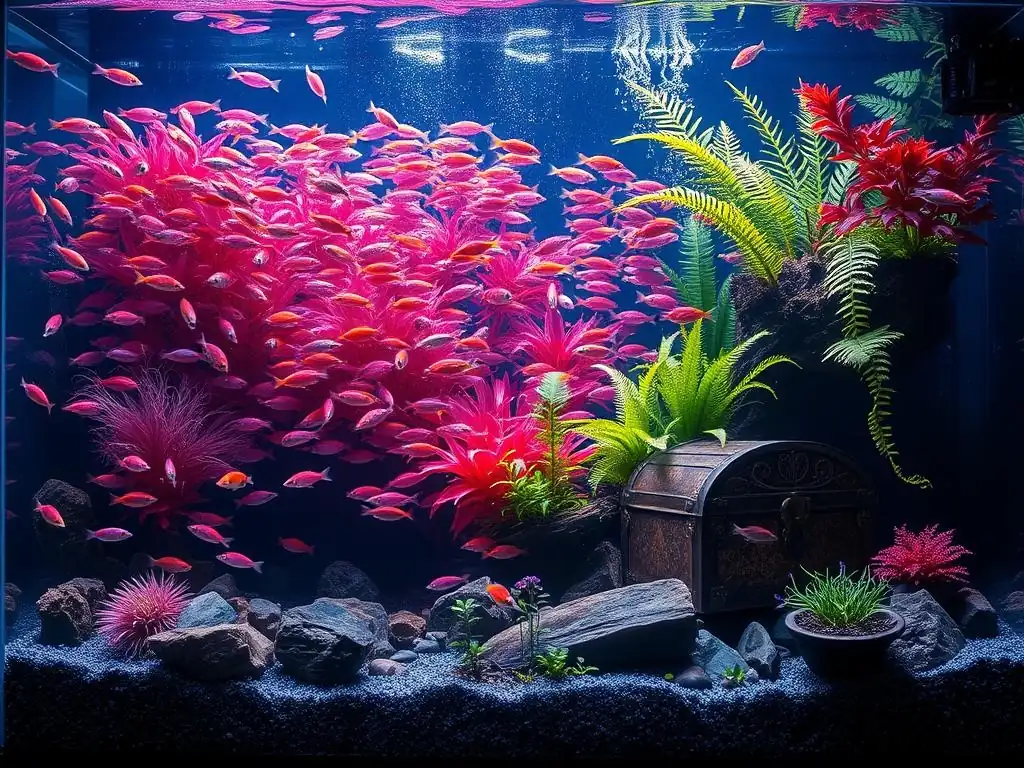
Welcome to Aquarium Mastery!
Ever feel like your Tetra spawn is stuck in neutral? You're not alone! Dive into our expert article, “Reviving a 'Stalled' Tetra Spawn: Aquarium Mastery's Advanced Troubleshooting,” and unlock the secrets to successful breeding. We'll help you diagnose the issue and get those little ones swimming. Ready to bring life to your aquarium? Let's get started!
- Reviving a Stalled Cardinal Tetra Spawn: Aquarium Mastery's Advanced Troubleshooting
- Understanding Cardinal Tetra Breeding Challenges and Spawn Stalling
- Advanced Troubleshooting Techniques for Stalled Cardinal Tetra Spawns
- Advanced Interventions for Rescuing a Stalled Cardinal Tetra Spawn
- Preventing Future Cardinal Tetra Spawn Stalling: Proactive Measures
- Conclusion: Mastering Cardinal Tetra Breeding Through Advanced Troubleshooting
- Frequently Asked Questions
- Final Reflection: The Persistence of Life
- Unleash the Breeding Power: Spark New Life in Your Tetra Tank!
Reviving a Stalled Cardinal Tetra Spawn: Aquarium Mastery's Advanced Troubleshooting
Understanding Cardinal Tetra Breeding Challenges and Spawn Stalling
Common Causes of Cardinal Tetra Spawn Stalling in Home Aquariums
Cardinal tetra breeding can be a rewarding, yet challenging endeavor, often complicated by the phenomenon of spawn stalling. This issue typically arises from environmental factors, particularly sudden or significant fluctuations in water parameters. For instance, a rapid change in pH from the ideal acidic range of 5.0-6.0 to a more neutral 7.0, or an increase in water hardness beyond 5 dGH, can inhibit fertilization or halt embryonic development. Similarly, temperature swings outside the optimal 78-82°F (25.6-27.8°C) range can lead to non-viable eggs or a complete cessation of spawning activity.
Beyond water chemistry, other factors contribute to Tetra spawn stalling troubleshooting. Nutritional deficiencies in the parent fish are a common culprit; a diet lacking essential vitamins and proteins can result in poor egg quality and reduced fertility. Stress, induced by overly bright lighting, inadequate hiding spots, or the presence of aggressive tank mates, can also prevent successful spawning or cause the parents to abandon their eggs. Even the subtle disturbance of a breeding tank can be enough to disrupt the delicate process, highlighting the need for a stable and calm environment.
Identifying a Stalled Cardinal Tetra Spawn: Key Indicators
Identifying a stalled cardinal tetra spawn involves observing key visual and behavioral indicators. Healthy cardinal tetra eggs are typically clear, translucent, and slightly adhesive, often appearing within fine-leaved plants or on spawning mops. If a spawn is stalling, the most prominent visual cue is the eggs turning opaque or white within 24-36 hours of being laid. This opaqueness is a clear sign of infertility or fungal infection, which often targets unfertilized eggs before spreading to viable ones. Unlike healthy eggs, which might show a tiny developing embryo, stalled eggs will remain featureless or develop a fuzzy, cotton-like growth.
Another indicator is the absence of expected embryonic development or hatching within the typical timeframe. Cardinal tetra eggs usually hatch within 3-5 days at an optimal temperature of 80°F (26.7°C). If, after this period, no fry are visible, or only a very small percentage of eggs have hatched, it strongly suggests a stalled spawn. Behavioral signs from the parent fish, such as abandoning the spawning site prematurely or even consuming the eggs, can also signal that the breeding attempt is not progressing as it should, prompting the need for Tetra spawn stalling troubleshooting.
The Importance of Water Parameters for Successful Cardinal Tetra Breeding
Precise water parameters are not merely recommendations but critical requirements for successful cardinal tetra breeding. These fish, native to the blackwater rivers of the Amazon basin, are highly adapted to very soft, acidic water. Deviations from these specific conditions significantly impact egg viability, fertilization rates, and subsequent embryonic development. For instance, an increase in pH above 6.0 can prevent the sperm from properly fertilizing the eggs, while hard water (above 3 dGH) can cause osmotic stress, leading to egg desiccation or failure to absorb water correctly, both of which are common causes of Tetra spawn stalling troubleshooting.
Specifically, cardinal tetras require a pH range of 5.0-6.0, with an ideal around 5.5, and extremely soft water with a General Hardness (GH) of 1-3 dGH and Carbonate Hardness (KH) below 1 dKH. The water temperature should be stable at approximately 80°F (26.7°C). These parameters closely mimic their natural habitat, where the water is stained by tannins and humic acids from decaying vegetation, creating an environment conducive to their delicate reproductive process. Maintaining these precise and stable conditions is foundational to preventing spawn stalling and fostering successful hatches.
Advanced Troubleshooting Techniques for Stalled Cardinal Tetra Spawns
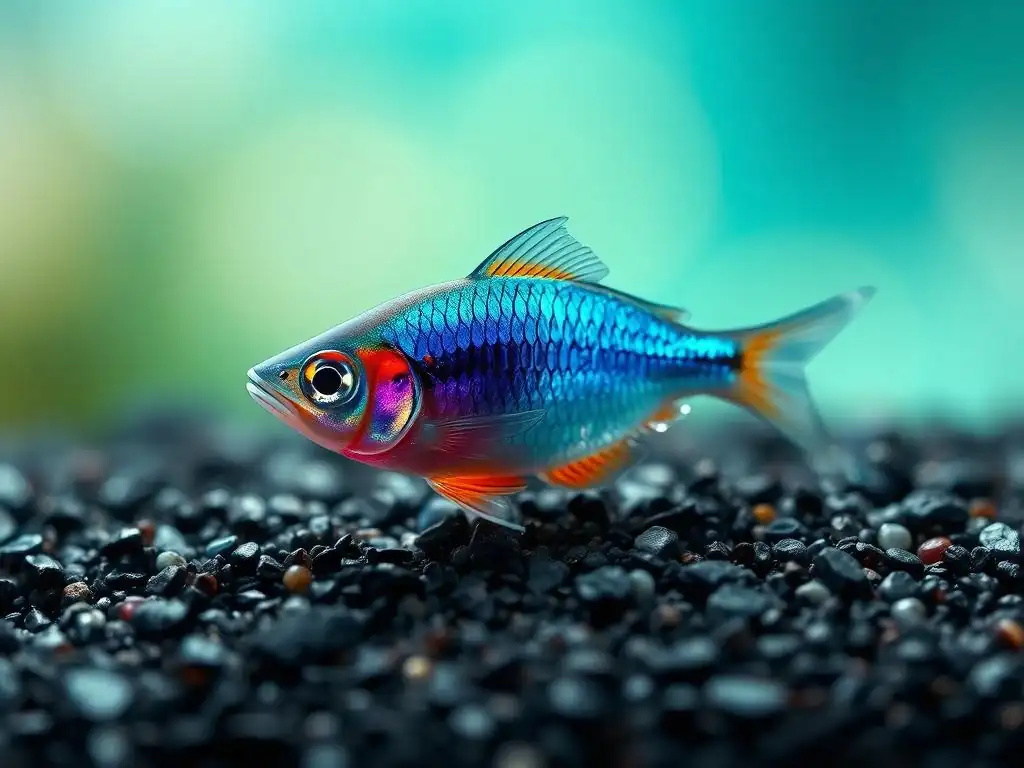
Optimizing Water Chemistry for Cardinal Tetra Egg Development
Maintaining Ideal pH Levels for Cardinal Tetra Spawn Success
The pH level is perhaps the most critical water parameter for cardinal tetra egg development. Their eggs are incredibly sensitive to pH fluctuations and require an acidic environment, ideally between pH 5.0 and 6.0.
A pH reading above 6.5 can significantly inhibit the fertilization process, as the sperm may not function effectively, and can also lead to improper embryonic development, manifesting as deformities or complete cessation of growth. To achieve and maintain this low pH, aquarists often employ methods such as using reverse osmosis (RO) water remineralized to target levels, filtering water through peat moss, or utilizing specialized blackwater extracts that mimic natural conditions.
It is not just the target pH that matters, but also its stability. Rapid pH swings, even within the acceptable acidic range, can be detrimental to delicate cardinal tetra eggs and developing embryos. For instance, a sudden drop from pH 6.0 to 5.0 might be as harmful as a rise to 7.0. Therefore, gradual adjustments and consistent monitoring with a reliable pH meter or liquid test kit are essential. Regular small water changes with pre-buffered water can help maintain the desired stability, reducing instances of Tetra spawn stalling troubleshooting related to pH imbalances.
Achieving Proper Water Hardness for Healthy Cardinal Tetra Embryos
Cardinal tetra eggs are notoriously sensitive to water hardness, requiring very soft conditions for successful incubation and hatching. The ideal General Hardness (GH) for breeding cardinal tetras is typically 1-3 dGH, with Carbonate Hardness (KH) ideally below 1 dKH. Hard water, which contains high concentrations of dissolved minerals like calcium and magnesium, can create an osmotic imbalance around the egg membrane. This prevents the developing embryo from properly absorbing water and nutrients, leading to dehydration, arrested development, or a failure to hatch.
To achieve this extreme softness, many experienced breeders exclusively use reverse osmosis (RO) or deionized (DI) water, which are virtually free of minerals. This purified water is then carefully remineralized using specific salts or commercial products designed for softwater fish, ensuring the GH and KH are precisely within the target range. Relying solely on tap water, unless naturally extremely soft, will almost certainly lead to Tetra spawn stalling troubleshooting due to high hardness. Consistent testing of GH and KH is vital to confirm these parameters remain stable throughout the incubation period.
The Role of Ammonia, Nitrites, and Nitrates in Spawn Stalling
Even minute concentrations of ammonia (NH3) and nitrite (NO2) are highly toxic to delicate fish eggs and newly hatched fry, making their presence a significant cause of spawn stalling. A reading of 0 ppm for both ammonia and nitrite is absolutely non-negotiable in a breeding tank. These compounds, produced from fish waste and decaying organic matter, can quickly suffocate or poison developing embryos, leading to widespread egg loss or the death of fry shortly after hatching. Therefore, a fully cycled and mature breeding tank is crucial, ensuring a robust biological filter that efficiently converts these harmful substances.
While nitrates (NO3) are generally less acutely toxic than ammonia or nitrite, high levels (typically above 10-20 ppm) can still contribute to overall poor water quality and stress on both parent fish and developing eggs. Elevated nitrates indicate that organic waste is accumulating, potentially leading to lower oxygen levels or an environment conducive to fungal growth. Regular, small water changes (e.g., 10-20% daily or every other day) with properly conditioned, soft, acidic water are essential to keep nitrate levels low and maintain pristine water conditions, thereby mitigating a common factor in Tetra spawn stalling troubleshooting.
Fine-Tuning Temperature and Lighting Conditions
Precise Temperature Control for Cardinal Tetra Egg Incubation
Temperature plays a crucial role in the incubation period and hatch rate of cardinal tetra eggs. The optimal temperature range for their development is typically between 78-82°F (25.6-27.8°C). Within this narrow window, eggs usually hatch within 3-5 days. Fluctuations outside this range can significantly impact the embryonic development. Lower temperatures prolong the incubation period, increasing the eggs' susceptibility to fungal infections and predation, while excessively high temperatures can stress the embryos or even lead to deformities and premature death.
To ensure precise temperature control, a high-quality, calibrated aquarium heater is indispensable. In dedicated breeding setups, some aquarists opt for multiple heaters or external heating systems to maintain absolute stability. Monitoring the temperature with a reliable thermometer at least twice daily is recommended to catch any deviations promptly. Maintaining this consistent warmth is vital for the metabolic processes within the egg, ensuring that the embryo develops at the correct rate and hatches successfully, thereby reducing the chances of Tetra spawn stalling troubleshooting.
Light Intensity and Photoperiod Adjustments for Optimal Development
Cardinal tetra eggs are notably light-sensitive, and improper lighting conditions can be a significant factor in spawn stalling. In their natural blackwater habitats, eggs are typically laid in dimly lit, heavily planted areas, away from direct light. Excessive light intensity can be detrimental to developing embryos, potentially causing stress, inhibiting proper development, and even promoting the growth of algae or unwanted fungal colonies on the egg surfaces. For the first 24-48 hours post-spawn, many breeders recommend keeping the incubation tank in complete darkness or under extremely dim, indirect light.
After this initial dark period, a very low-intensity light source can be introduced for a consistent photoperiod of 10-12 hours per day, mimicking the subdued light of their natural environment. This can be achieved with a weak LED light, or by simply placing the breeding tank in a room with ambient light, avoiding direct sunlight. The goal is to provide just enough light for observation without stressing the delicate eggs. Adjusting light intensity and photoperiod is a subtle yet effective strategy in Tetra spawn stalling troubleshooting, ensuring the embryos develop in conditions that closely replicate their natural habitat.
Addressing Potential Pathogens and Fungal Infections
Identifying Fungal Infections Affecting Cardinal Tetra Eggs
Fungal infections are a primary cause of Tetra spawn stalling troubleshooting and can quickly decimate an entire batch of cardinal tetra eggs. These infections typically appear as white, cottony growths on the surface of the eggs. They often begin on infertile or unfertilized eggs, which lack the natural protective mechanisms of viable embryos, but can rapidly spread to healthy, developing eggs if not addressed promptly. Infected eggs will lose their translucency, becoming opaque and milky white before being enveloped in the fuzzy fungal mycelia.
Early detection is crucial for preventing widespread loss. Daily, careful inspection of the eggs with a magnifying glass can help identify the first signs of fungal growth. Healthy eggs remain clear and vibrant, sometimes showing the faint outline of a developing embryo, whereas infected eggs will stand out due to their distinct opaque and fuzzy appearance. Prompt removal of any infected eggs using a fine pipette or a small baster is essential to prevent the fungus from spreading to the remaining viable eggs, thereby safeguarding the spawn.
Safe and Effective Treatments for Preventing Egg Loss
To combat fungal infections and prevent widespread egg loss, several safe and effective treatments can be employed. Methylene blue is a widely used antifungal agent for fish eggs, known for its efficacy in preventing fungal growth without harming viable embryos when used at appropriate concentrations. A common dosage is a very dilute solution, typically 1-2 parts per million (ppm), which can often be achieved by adding 1 drop of a standard 2.303% methylene blue solution per gallon of water in the incubation tank. This will tint the water blue, but the color will dissipate over time.
Another natural approach involves adding tannins to the water, which possess mild antifungal and antibacterial properties. This can be achieved by introducing Indian almond leaves (Terminalia catappa) or small pieces of sterilized peat to the incubation tank. These natural additives not only help prevent fungal outbreaks but also contribute to creating the soft, acidic, blackwater conditions that cardinal tetras thrive in, further supporting egg viability. While these treatments are effective, maintaining pristine water quality and immediately removing dead or fungused eggs remain the cornerstone of preventing egg loss and successful Tetra spawn stalling troubleshooting.
Dietary Considerations for Breeding Cardinal Tetra Parents
Optimizing Parent Fish Nutrition for Egg Quality
The nutritional status of the parent cardinal tetras significantly impacts the quality and viability of their eggs, directly influencing the success of a spawn. For several weeks leading up to a planned breeding attempt, it is crucial to provide a varied, high-quality diet. This diet should be rich in proteins, essential fatty acids, and vitamins.
Live foods such as newly hatched brine shrimp, daphnia, micro worms, and grindal worms are excellent choices, as they provide a complete nutritional profile that promotes optimal gonad development and egg production. These foods stimulate the fish's natural predatory instincts and are highly palatable, encouraging robust feeding.
Supplementing live foods with high-quality frozen foods (e.g., bloodworms, mysis shrimp) and premium flake or micro-pellet foods specifically designed for small, omnivorous fish is also beneficial. Look for foods that list spirulina or astaxanthin, as these can enhance overall fish health and egg pigmentation. A well-conditioned pair will produce more numerous and higher quality eggs, which are more resilient to environmental stressors and less prone to fungal infections, thereby reducing the likelihood of Tetra spawn stalling troubleshooting. Poor nutrition, conversely, can lead to smaller egg clutches, infertile eggs, or eggs with developmental defects.
Live Food Supplements to Encourage Spawning and Viability
Beyond their nutritional value, live food supplements play a vital role in stimulating spawning behavior and enhancing egg viability in cardinal tetras. The movement of live prey items often acts as a natural trigger, encouraging breeding pairs to enter spawning condition. For instance, feeding copious amounts of live daphnia or micro worms for a week or two before introducing the pair to a breeding tank can often initiate the spawning process. This natural stimulation is often more effective than relying solely on dry or frozen foods.
Furthermore, the superior nutrient profile of live foods directly contributes to the quality of the eggs. Eggs from well-fed parents are typically larger, more robust, and contain higher reserves of yolk, which is crucial for the developing embryo.
For newly hatched fry, infusoria or freshly hatched brine shrimp are indispensable as first foods, but ensuring the parents are optimally conditioned with a variety of live offerings is the preliminary step to a successful spawn. Culturing your own live foods can also mitigate the risk of introducing pathogens from external sources, ensuring a healthier breeding environment and proactively addressing potential Tetra spawn stalling troubleshooting issues.
Advanced Interventions for Rescuing a Stalled Cardinal Tetra Spawn
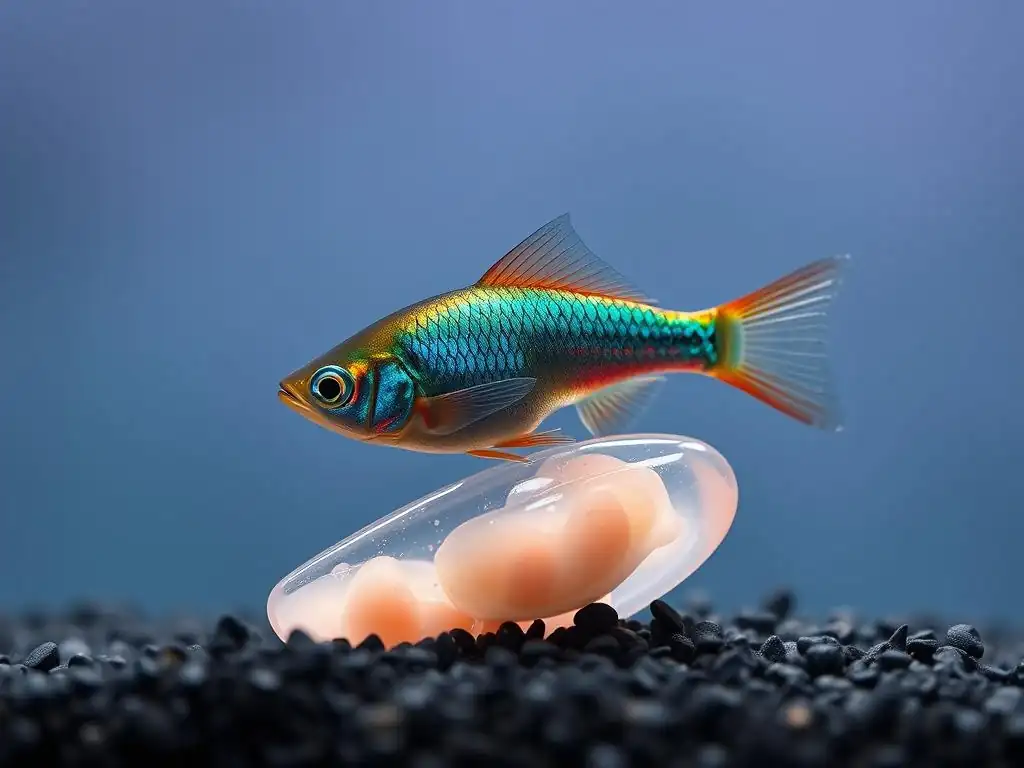
Artificial Incubation Techniques for Cardinal Tetra Eggs
Setting Up a Separate Incubation Tank
When a cardinal tetra spawn shows signs of stalling in the main breeding tank, or if conditions are not ideal for natural incubation, artificial incubation becomes a viable intervention. This involves carefully transferring the eggs to a separate, dedicated incubation tank.
This tank should be small, typically 1-2 gallons (3.8-7.6 liters), and filled with water that precisely matches the ideal parameters for cardinal tetra eggs: pH 5.5, GH 2 dGH, and a stable temperature of 80°F (26.7°C). It should be meticulously clean, free of any debris, and ideally kept in a dim or dark location to prevent light exposure during the critical early stages of development.
To transfer the eggs, a fine pipette or a small, soft baster can be used to gently siphon them from the spawning site. Care must be taken to avoid damaging the delicate eggs. Once in the incubation tank, a small air stone should be positioned a few inches above the eggs, providing very gentle aeration.
This gentle flow prevents stagnation, ensures adequate oxygenation, and helps to distribute any antifungal agents evenly without disturbing the eggs. Some advanced setups might use a fine mesh bottom to prevent eggs from settling directly onto the tank floor, further reducing the risk of fungal growth.
Monitoring and Maintaining Incubation Conditions
Continuous monitoring and precise maintenance of the incubation tank conditions are paramount for the success of artificial incubation. Daily visual inspection of the eggs is essential; any eggs that turn opaque, white, or show signs of fungal growth must be promptly removed using a pipette to prevent the infection from spreading to viable eggs. The water parameters—pH, GH, and temperature—should be tested daily to ensure they remain stable within the ideal ranges. Any slight deviations should be corrected immediately with small, precise water changes using pre-conditioned water.
Maintaining a dim or dark environment throughout the 3-5 day incubation period is critical, as cardinal tetra eggs are light-sensitive. Record-keeping is also highly recommended: documenting the date of spawning, the number of eggs transferred, observations on development, and any interventions (e.g., removal of fungused eggs, addition of methylene blue). This detailed log provides valuable data for future breeding attempts and refines Tetra spawn stalling troubleshooting strategies, allowing aquarists to understand what conditions promote the best hatch rates.
Utilizing Gentle Aeration to Improve Hatch Rates
Gentle aeration within the incubation tank plays a surprisingly significant role in improving cardinal tetra hatch rates and preventing spawn stalling. The primary purpose of aeration is to ensure a consistent supply of dissolved oxygen to the developing embryos. While eggs are small, they still require oxygen for metabolic processes, and stagnant water can quickly become oxygen-depleted, leading to suffocation or weakened embryos. A small air stone, positioned a few inches above the eggs, creates a subtle water movement that keeps the water column oxygenated.
Beyond oxygenation, gentle aeration also helps prevent the formation of a bacterial or fungal biofilm on the surface of the eggs. This biofilm can physically impede oxygen exchange or even act as a substrate for fungal growth, leading to egg loss.
The slight current also helps to gently roll the eggs, preventing them from settling too deeply into detritus or becoming stuck to the substrate, which can also contribute to fungal infections. It is crucial, however, that the aeration is extremely gentle; strong currents can physically damage the delicate eggs or dislodge them from their spawning substrate, making precise adjustments a key component of Tetra spawn stalling troubleshooting.
The Role of Methylene Blue in Preventing Fungal Infections
Methylene blue is an invaluable tool in the advanced aquarist's arsenal for preventing and treating fungal infections in fish eggs, making it a critical component of Tetra spawn stalling troubleshooting. This chemical acts as a potent antifungal agent, effectively inhibiting the growth of common water molds (e.g., Saprolegnia) that frequently attack fish eggs. When added to the incubation water, typically at a concentration of 1-2 ppm (parts per million), it forms a protective barrier around the eggs, preventing fungal spores from attaching and proliferating.
To achieve this concentration, a standard 2.303% methylene blue solution can be used, with approximately 1 drop per gallon of water. While it will stain the water a vibrant blue, this effect is temporary and generally fades over time or with water changes. It is important to note that while highly effective against fungus, methylene blue can also inhibit the growth of beneficial nitrifying bacteria.
Therefore, it is typically used in dedicated, small incubation tanks where a biological filter is not the primary concern, or in short-term treatments. Its judicious application can significantly increase the viability of a stalled spawn by safeguarding healthy eggs from opportunistic fungal outbreaks.
Preventing Future Cardinal Tetra Spawn Stalling: Proactive Measures
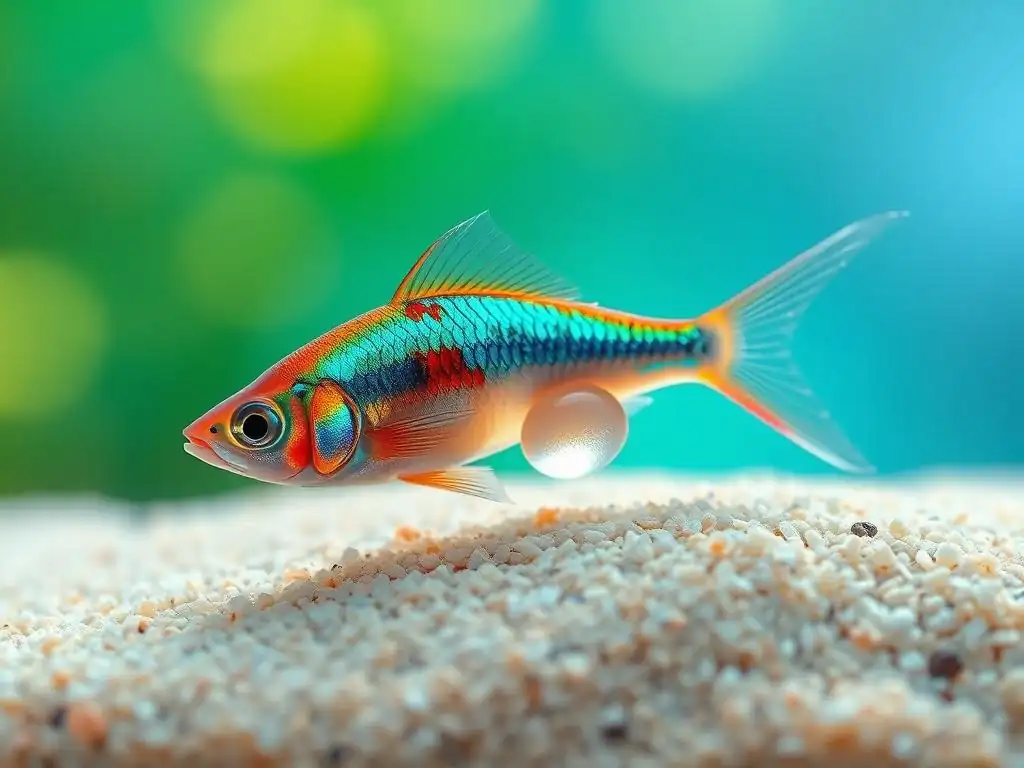
Implementing Regular Water Quality Testing and Adjustments
The cornerstone of preventing future cardinal tetra spawn stalling is rigorous and consistent water quality management. This involves implementing a routine schedule of testing and precise adjustments. Aquarists should regularly monitor pH, General Hardness (GH), Carbonate Hardness (KH), ammonia, nitrite, and nitrate levels using high-quality liquid test kits. For cardinal tetras, the target parameters are extremely specific: pH 5.0-6.0 (ideally 5.5), GH 1-3 dGH, KH below 1 dKH, and absolutely 0 ppm for ammonia and nitrite. Consistent monitoring allows for early detection of any deviations that could stress breeding fish or harm delicate eggs.
Proactive adjustments are key to maintaining stability. This might involve using reverse osmosis (RO) water for all water changes and top-offs, then carefully remineralizing it to the exact target hardness. Employing peat filtration or adding tannins from Indian almond leaves can help maintain the desired acidic pH and soft water conditions. Small, frequent water changes (e.g., 10-20% every other day) with properly conditioned water are often more effective than large, infrequent changes, as they prevent drastic fluctuations that can shock the fish and contribute to Tetra spawn stalling troubleshooting.
Maintaining a Stable and Stress-Free Environment for Breeding Cardinal Tetras
A stable and stress-free environment is paramount for encouraging cardinal tetras to spawn successfully and preventing spawn stalling. A dedicated breeding tank, free from other fish or external disturbances, provides the calm and security necessary for these shy fish. This tank should be equipped with plenty of fine-leaved plants, such as Java moss or spawning mops, which provide ideal sites for egg deposition and offer a sense of security for the breeding pair. Dim lighting, mimicking their natural blackwater habitats, also contributes to a relaxed atmosphere and is crucial during the egg incubation phase.
Minimizing external stressors is equally important. This includes avoiding loud noises, sudden movements near the tank, or abrupt changes in the room's lighting. Ensure the breeding tank is fully cycled and mature, providing a stable biological filter that can handle the bioload without fluctuations in water parameters. Stress can suppress spawning behavior, reduce egg quality, and even lead to parents abandoning or consuming their eggs, making a tranquil environment a critical preventative measure in Tetra spawn stalling troubleshooting.
Selecting Healthy Breeding Stock and Addressing Genetic Factors
The success of cardinal tetra breeding begins with the careful selection of healthy, vigorous breeding stock. Choose fish that are active, well-fed, and display vibrant coloration. Avoid any individuals that appear lethargic, have clamped fins, show signs of disease (e.g., ich, fin rot), or exhibit deformities. Young adult fish, typically between 6 to 12 months of age, are often the most productive and yield the best quality eggs. Overly old or very young fish may have reduced fertility or produce non-viable eggs.
While genetic factors are more challenging to control in a typical home aquarium setting compared to commercial breeding operations, diversifying your breeding stock can help prevent issues arising from inbreeding. If possible, acquire fish from different sources to broaden the genetic pool. Healthy genetics contribute significantly to the resilience of eggs and fry, making them less susceptible to developmental issues and environmental stressors. Addressing the foundational health and genetic quality of your breeding fish is a proactive step that can significantly reduce the incidence of Tetra spawn stalling troubleshooting.
Documenting and Analyzing Past Breeding Attempts for Continuous Improvement
One of the most valuable proactive measures for mastering cardinal tetra breeding is the meticulous documentation and analysis of past breeding attempts. Keep a detailed logbook for each spawn, recording every relevant parameter and observation. This should include:
- Water Parameters: pH, GH, KH, temperature, ammonia, nitrite, and nitrate readings before, during, and after spawning.
- Environmental Conditions: Lighting intensity, photoperiod, presence of specific plants or spawning mops, and any external disturbances.
- Parent Fish Information: Their age, diet leading up to spawning, and any observed behaviors.
- Spawn Details: Estimated number of eggs laid, observed egg quality (clear vs. opaque), signs of fungal growth, hatch rate, and any instances of Tetra spawn stalling troubleshooting.
- Interventions: Any treatments applied (e.g., methylene blue), water changes, or adjustments made.
Analyzing this data over time allows aquarists to identify patterns, pinpoint specific conditions that lead to success or failure, and systematically refine their breeding protocols. For example, if you consistently observe spawn stalling at a certain pH, you can make targeted adjustments. This iterative process of observation, documentation, and refinement is crucial for continuous improvement and ultimately, for consistently successful cardinal tetra breeding.
Conclusion: Mastering Cardinal Tetra Breeding Through Advanced Troubleshooting
Frequently Asked Questions
What does it mean when a Tetra spawn is "stalled"?
A stalled spawn refers to a situation where Tetra breeding behavior starts, such as chasing and pairing, but then stops prematurely, and no eggs are laid. This can be frustrating for aquarists hoping to breed their fish.
What are some common causes of a Tetra spawn stalling?
Common causes include poor water quality, sudden changes in temperature or pH, and lack of suitable spawning sites. Stress from other tank inhabitants can also disrupt the breeding process.
How can I improve water quality to encourage Tetra spawning?
Regular water changes (25-50%) are crucial. Ensure your aquarium's filtration system is functioning efficiently and maintain appropriate water parameters for Tetras, typically soft and slightly acidic.
What type of spawning site is best for Tetras?
Tetras are generally egg-scattering species. Provide fine-leaved plants like Java moss or spawning mops to offer protection for the eggs from being eaten by the parent fish.
What should I do if I suspect stress is causing the spawn to stall?
Identify and remove any potential stressors. This could involve separating aggressive tank mates or providing more hiding places for the Tetras. Consider dimming the lights to reduce stress.
Okay, here's a final reflection designed to close your article "Reviving a 'Stalled' Tetra Spawn: Aquarium Mastery's Advanced Troubleshooting," optimized for the keyword "Tetra spawn stalling troubleshooting" and following the structure you outlined:
Final Reflection: The Persistence of Life
The challenges of a stalled tetra spawn, as we've explored, are not merely technical hurdles in aquarium keeping; they are microcosms of the broader struggle for life to flourish against adversity. Understanding the delicate balance required to coax life from these tiny creatures offers invaluable lessons applicable far beyond the glass walls of a fish tank, reminding us of the fragility and resilience inherent in all living things.
This journey into troubleshooting stalled tetra spawns has undoubtedly deepened our appreciation for the intricate dance of nature. It's a reminder that patience, observation, and a willingness to adapt are crucial not only in aquarium keeping but also in navigating the complexities of life itself. The best way to learn about nature is to immerse yourself in it.
This quote underscores the importance of hands-on experience and continuous learning, principles that resonate deeply with the art of aquarium mastery and the broader pursuit of knowledge.
Now, armed with a deeper understanding of the factors that influence tetra spawning, I invite you to reflect on the lessons learned. Consider how the principles of observation, adaptation, and meticulous care can be applied to other areas of your life. Embrace the challenge of nurturing growth, whether it's in your aquarium, your garden, or your own personal development. The persistence of life, even in the face of adversity, is a testament to the power of dedication and the enduring beauty of the natural world.
Unleash the Breeding Power: Spark New Life in Your Tetra Tank!
Thank you for diving deep into the secrets of stimulating a tetra spawn. We hope you've gained valuable insights to reignite the breeding flame in your aquarium. Now, it's time to translate knowledge into action and witness the miracle of life unfold!
Here are some steps you can take immediately:
- Replicate the "Monsoon Simulation": Adjust your water parameters with precision to mirror the soft, acidic conditions of a natural breeding environment. Aim for a pH of 6.0-6.5 and a KH below 4 dKH for maximum success.
- Explore unconventional spawning mediums: Introduce fine-leaved plants beyond Java moss, like Myriophyllum, or even a spawning mop made from dark, untreated yarn, to provide alternative egg deposition sites.
- Share your tetra tales: Document your journey, successes, and even setbacks, on social media using #TetraSpawnRevival to connect with fellow enthusiasts and inspire others.
What innovative trick are you most eager to try to coax your tetras into spawning? Share your plans in the comments below!