
Alien Bettas: Hybrids from a Galaxy Not So Far Away

Welcome to Aquarium Mastery!
Ever wondered if your dream aquarium could house something truly out of this world? Dive into our comprehensive guide on Alien Betta care tips and uncover the secrets to keeping these captivating hybrids thriving. Prepare to be amazed by their unique beauty and discover everything you need to know to create the perfect habitat. Ready to explore the galaxy, one fin at a time? Let's get started!
- Alien Bettas: Wild-Type Betta Hybrids
- Understanding Alien Bettas: Unique Wild-Type Betta Hybrids
- Setting Up the Ideal Alien Betta Tank: A Species-Specific Guide
- Alien Betta Care Tips: Maintaining a Healthy and Vibrant Fish
- Alien Betta Health and Disease Prevention
- Breeding Alien Bettas: A Challenging but Rewarding Endeavor
- Alien Betta Tank Mates: Choosing Compatible Species
- The Appeal of Alien Bettas: Captivating Aquarists
- Advanced Alien Betta Care: Ensuring Longevity and Wellbeing
- Frequently Asked Questions
- Final Reflection: Embracing the Exotic, Ensuring Ethical Care
- Embark on Your Own Interstellar Betta Breeding Journey!
Alien Bettas: Wild-Type Betta Hybrids
Understanding Alien Bettas: Unique Wild-Type Betta Hybrids
What Defines an Alien Betta? Distinguishing Characteristics
Alien Bettas are a captivating group of aquarium fish, distinct from the common Betta splendens often seen in pet stores. Their defining characteristics stem from their wild-type lineage, exhibiting a more robust, muscular body shape and a striking iridescent sheen that covers their entire body and fins. Unlike the flowing, exaggerated fins of many domestic Bettas, Alien Bettas typically possess shorter, more natural finnage, often displaying a unique "Alien head" profile with a slightly upturned snout and prominent jawline.
These hybrids are renowned for their intense, metallic coloration, which can shift under different lighting conditions. Common hues include deep greens, blues, coppers, and purples, often with a stark black or dark base color that makes the iridescence pop. Their scales often appear larger and more defined, contributing to a truly "armored" look. This combination of sturdy physique and vibrant, wild-type patterns sets them apart, making them a unique and highly sought-after species among aquarists.
The Origins of Alien Bettas: Hybridization and Selective Breeding
The Alien Betta is not a naturally occurring species but rather a result of deliberate cross-breeding between various wild Betta species and, in some cases, domestic Betta splendens lines. Key wild species contributing to the Alien Betta gene pool often include Betta mahachaiensis, known for its vibrant green iridescence; Betta imbellis, contributing to hardiness and a blue-green sheen; and Betta smaragdina, which adds a robust body structure and iridescent scales. These crosses are meticulously planned by dedicated breeders, primarily in Southeast Asia, particularly Thailand, where the art of Betta breeding has been perfected over generations.
The development of stable Alien Betta lines involves years of selective breeding to isolate and enhance desired traits. Breeders will typically perform initial crosses, then back-cross or interbreed the offspring over multiple generations, often six or more, to stabilize specific color patterns, fin shapes, and overall body conformation. This painstaking process ensures that the unique "Alien" characteristics are consistently passed down, making each new generation more predictable in terms of appearance and contributing to the careful Alien betta care required for these specialized fish.
Alien Betta Genetics: Unraveling Color Patterns
The mesmerizing color patterns of Alien Bettas are a complex interplay of genetic traits inherited from their diverse wild ancestors. The intense iridescence, for example, is often attributed to genes from species like Betta mahachaiensis and Betta smaragdina, which express a dense layer of guanine crystals in the scales and fins.
These crystals reflect light in a way that creates the metallic green, blue, or copper hues, often appearing to shift as the fish moves, a phenomenon not as pronounced in many common Betta splendens varieties. The genetic contribution also dictates the distribution of these iridescent scales, often covering the entire body in a way that creates a striking contrast with a darker base color.
Furthermore, the genetic makeup influences the unique fin structure and body shape. While many domesticated Bettas have been bred for exaggerated finnage, Alien Bettas retain a more compact, wild-type fin form, which is often more practical and robust. Specific genes control the development of the "Alien head" and the overall muscular build.
Breeders continue to explore genetic combinations to create new variations, such as "black orchid" Aliens with deep purple iridescence over a black body, or "blue rim" variations where the fins are edged with a distinct blue. Understanding these genetic foundations is crucial for breeders aiming to produce specific traits and for aquarists interested in the science behind their Alien betta care.
Setting Up the Ideal Alien Betta Tank: A Species-Specific Guide
Tank Size Recommendations for Alien Bettas: Space Requirements
For a single Alien Betta, a minimum tank size of 5 gallons (approximately 19 liters) is often cited, but a 10-gallon (38-liter) aquarium is highly recommended for optimal health and activity. While they are labyrinth fish capable of breathing atmospheric air, adequate space contributes significantly to their overall well-being and reduces stress. A 10-gallon tank provides more stable water parameters, greater swimming room, and more opportunities for diverse aquascaping, which enriches their environment.
For those considering a breeding pair or a carefully selected community setup (though single species tanks are often preferred for Alien Bettas), a 20-gallon (76-liter) or larger tank becomes essential. Larger volumes dilute waste more effectively, making it easier to maintain pristine water quality, a cornerstone of successful Alien betta care. The increased space also allows for more natural behaviors, such as territory establishment and exploration, contributing to a longer, healthier life for these unique fish.
Essential Equipment for Alien Betta Aquariums: Filtration, Heating, and Lighting
Proper equipment is paramount for maintaining a healthy Alien Betta aquarium. Filtration should be gentle but effective; a low-flow sponge filter is often ideal as it provides excellent biological filtration without creating strong currents that can stress their fins or make swimming difficult. Small hang-on-back (HOB) filters with adjustable flow rates are also suitable, provided the outflow is diffused or baffled. The filter's primary role is to process ammonia and nitrites, ensuring a safe environment.
Heating is crucial as Alien Bettas are tropical fish. A reliable submersible heater should maintain the water temperature consistently between 76-82°F (24-28°C). Fluctuations outside this range can weaken their immune system, making them susceptible to disease. Lighting should be moderate; while strong lighting can promote plant growth, overly bright lights can stress Bettas, who prefer dimmer conditions. A standard LED light designed for planted aquariums, perhaps on a timer for 8-10 hours daily, is generally sufficient and conducive to effective Alien betta care.
Aquascaping for Alien Bettas: Replicating a Natural Habitat
Aquascaping an Alien Betta tank should focus on creating a natural, enriched environment that mimics their wild habitats. This means incorporating plenty of hiding spots, visual breaks, and areas of dense vegetation. Such an environment not only reduces stress by providing security but also promotes natural behaviors like exploring, resting, and even building bubble nests. A well-designed aquascape enhances the aesthetic appeal of the tank while directly contributing to the fish's physical and psychological well-being.
The inclusion of natural elements like driftwood, smooth rocks, and leaf litter (such as Indian Almond leaves) further enhances the habitat. These elements not only provide visual interest and hiding places but also release beneficial tannins that can slightly lower pH and soften water, creating a more ideal "blackwater" environment that Alien Bettas thrive in. Thoughtful aquascaping is a fundamental aspect of comprehensive Alien betta care, transforming a simple tank into a thriving ecosystem.
Substrate Choices for Alien Betta Tanks
When selecting substrate for an Alien Betta aquarium, the primary considerations are the safety of their delicate fins and the overall cleanliness of the tank. Soft, fine substrates like sand or smooth, small-grain gravel are highly recommended. These materials prevent injury to their ventral fins, which can be sensitive, and are less likely to trap large amounts of uneaten food and detritus, which can degrade water quality.
Many aquarists opt for darker substrates as they can help highlight the vibrant, iridescent colors of Alien Bettas, making their metallic hues pop. Darker substrates also reduce reflections within the tank, which can sometimes stress Bettas who might perceive their reflection as another male. Furthermore, a dark substrate can create a more natural, subdued ambiance that mimics the darker, tannin-stained waters of their native environments, contributing positively to Alien betta care.
Plants Suitable for Alien Betta Aquariums: Providing Shelter and Enrichment
Live plants are an invaluable addition to any Alien Betta aquarium, serving multiple purposes beyond just aesthetics. They provide essential shelter and hiding spots, which are crucial for reducing stress and offering a sense of security for these territorial fish. Plants like Anubias, Java Fern, Bucephalandra, and Cryptocoryne are excellent choices because they are hardy, low-maintenance, and thrive in the moderate lighting conditions typically preferred by Bettas. These plants offer broad leaves or dense foliage where Bettas can rest or hide.
Floating plants such as Dwarf Water Lettuce, Frogbit, or Salvinia are also highly beneficial. They provide shade, which Bettas appreciate, and offer ideal anchor points for males to build their bubble nests during breeding. Beyond providing shelter, live plants contribute to water quality by absorbing nitrates and other waste products, helping to maintain a stable and healthy environment. Their presence enriches the Alien Betta's habitat, stimulating natural behaviors and significantly enhancing the overall quality of Alien betta care.
Alien Betta Care Tips: Maintaining a Healthy and Vibrant Fish
Water Parameters for Alien Bettas: Achieving Optimal Conditions
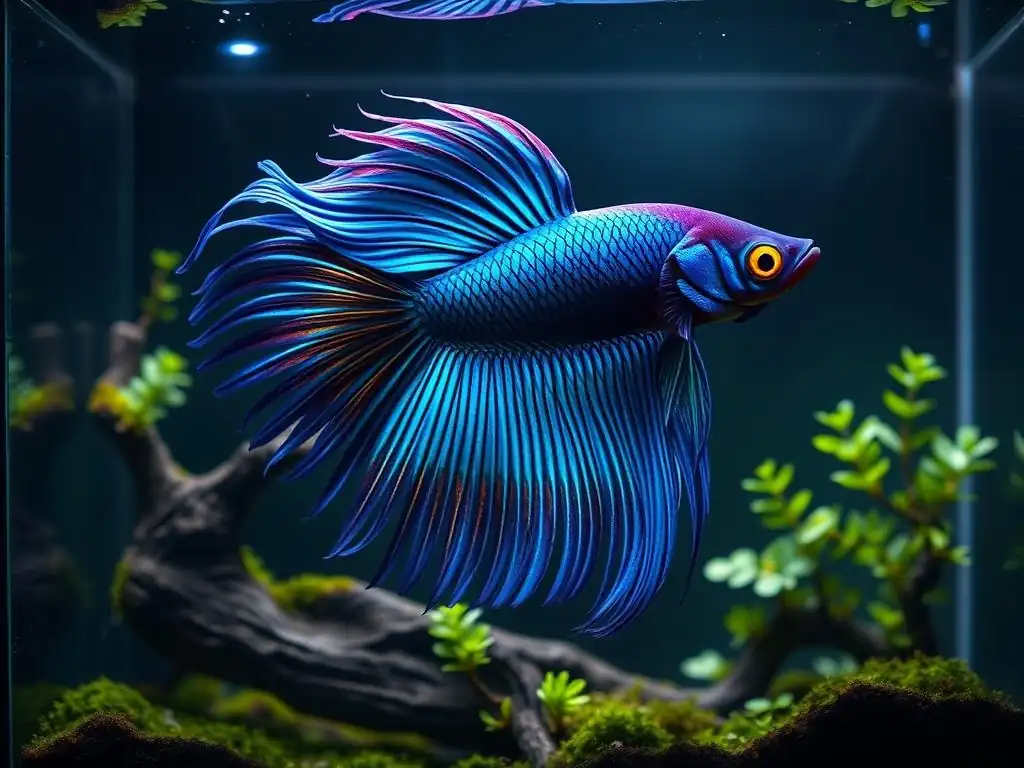
Maintaining precise water parameters is paramount for the health and vibrancy of Alien Bettas. They thrive in soft to moderately hard water with a pH range of 6.0 to 7.5, ideally slightly acidic to neutral. The general hardness (GH) should be between 3-8 dGH, and carbonate hardness (KH) between 3-5 dKH. Consistent temperature is also critical, with a stable range of 76-82°F (24-28°C) being optimal. Fluctuations in these parameters can cause significant stress, weakening their immune system.
Regular water testing using a reliable liquid test kit is essential to monitor ammonia, nitrite, and nitrate levels, as well as pH and hardness. Ammonia and nitrite should always be at zero, while nitrates should be kept below 20 ppm. Stable water parameters are a cornerstone of effective Alien betta care, preventing common health issues and ensuring the fish remains vibrant and active. Any deviation from these optimal conditions should be addressed promptly through water changes or adjustments.
Feeding Your Alien Betta: Diet and Nutritional Needs
Alien Bettas are primarily carnivores and require a high-protein diet to thrive. Overfeeding is a common mistake and should be strictly avoided, as it can lead to digestive issues, bloating, and rapid deterioration of water quality. It is best to feed small amounts 1-2 times daily, providing only what they can consume within 2-3 minutes. A varied diet is crucial to ensure they receive all necessary nutrients and to keep them stimulated.
Variety in their diet is not just about nutrition but also about mental enrichment. Offering a rotation of different food types mimics their natural foraging behavior and prevents boredom, which can lead to lethargy or pickiness. This diverse approach to feeding is a key component of comprehensive Alien betta care, promoting robust health and vivid coloration.
Recommended Foods for Alien Bettas: Live, Frozen, and Prepared Options
For optimal nutrition, a mix of live, frozen, and high-quality prepared foods is recommended for Alien Bettas. Live foods like blackworms, Daphnia, brine shrimp, and small mosquito larvae are excellent choices, providing natural protein and stimulating hunting instincts. Frozen foods such as bloodworms, brine shrimp, and Mysis shrimp are also highly nutritious and convenient; they should be thawed before feeding.
High-quality prepared foods, specifically formulated for Bettas, should form the staple of their diet. Look for pellets with a high protein content (e.g., Hikari Betta Bio-Gold, New Life Spectrum Betta Formula). Flakes are generally less suitable as they tend to foul the water more quickly and may not provide adequate nutrition. A balanced and varied diet is one of the most important Alien betta care tips for ensuring their long-term health and vitality.
Maintaining Water Quality: Water Changes and Tank Cleaning for Alien Bettas
Maintaining pristine water quality is arguably the most critical aspect of Alien betta care. Regular water changes are essential to remove accumulated nitrates, phosphates, and other waste products that filtration alone cannot fully eliminate. For tanks 10 gallons or larger, a 25-30% weekly water change is generally recommended. For smaller tanks (e.g., 5 gallons), more frequent changes, such as 50% twice weekly, may be necessary due to the faster accumulation of waste.
During water changes, it's important to siphon the substrate to remove uneaten food and detritus, which can break down and release harmful compounds. Filter media should be rinsed periodically in old tank water (never tap water, as chlorine can kill beneficial bacteria) to remove sludge without destroying the beneficial bacterial colony. Avoid using harsh chemical cleaners or detergents near the aquarium. Consistent water changes and diligent cleaning practices are non-negotiable for preventing illness and ensuring a thriving environment for your Alien Betta.
Alien Betta Health and Disease Prevention
Common Diseases Affecting Alien Bettas: Identification and Treatment
Like all fish, Alien Bettas can be susceptible to various diseases, often stemming from poor water quality, stress, or the introduction of new, infected fish. Common ailments include Fin Rot, a bacterial infection characterized by frayed or decaying fins; Ich (Ichthyophthirius multifiliis), a parasitic infection causing small white spots resembling salt grains; and Velvet (Oodinium), another parasitic disease presenting as a dusty, gold or rust-colored film on the fish. More severe conditions like Dropsy, often a symptom of underlying organ failure, manifest as a swollen body with scales protruding outwards.
Early identification is key to successful treatment. For Fin Rot, immediate water quality improvement and broad-spectrum antibacterial medications are often effective. Ich and Velvet can be treated with specific antiparasitic medications, often combined with a slight temperature increase (if safe for tank inhabitants). For all diseases, the first step in Alien betta care should always be to rigorously test water parameters and rectify any deficiencies, as healthy water is the best defense and aid to recovery.
Preventing Illness in Your Alien Betta: Quarantine and Observation
Prevention is far more effective than treatment when it comes to fish diseases. One of the most crucial preventative measures is to quarantine all new fish, plants, and even decorations for at least 2-4 weeks in a separate, dedicated quarantine tank before introducing them to the main display aquarium. This practice helps prevent the introduction of pathogens that could wipe out your established fish population. The quarantine tank should have its own heater and filter and be monitored closely for any signs of illness.
Beyond quarantine, daily observation of your Alien Betta's behavior, appetite, and physical appearance is vital. A healthy Betta will be active, responsive, and display vibrant coloration. Any changes, such as clamped fins, lethargy, loss of appetite, flashing against objects, labored breathing, or dullness in color, can be early indicators of stress or disease. Proactive Alien betta care, including vigilant observation, allows for swift intervention, significantly increasing the chances of recovery.
Recognizing Early Signs of Sickness in Alien Bettas
Recognizing the subtle, early signs of sickness in your Alien Betta can make all the difference in preventing a minor issue from escalating into a severe one. Beyond obvious physical symptoms like white spots or frayed fins, pay close attention to behavioral changes. A healthy Alien Betta is typically curious and will explore its environment; lethargy, hiding excessively, or spending unusual amounts of time at the surface or bottom could indicate a problem.
Other early warning signs include a loss of appetite, where the fish refuses food it normally enjoys, or changes in swimming patterns, such as darting, scratching against objects (flashing), or difficulty maintaining buoyancy. Subtle changes in coloration, like a dulling of their vibrant metallic sheen or the appearance of stress stripes, also warrant attention. Immediate action, such as testing water parameters and preparing for potential treatment, based on these early indicators, is a cornerstone of responsible Alien betta care.
Breeding Alien Bettas: A Challenging but Rewarding Endeavor
Setting Up a Breeding Tank for Alien Bettas
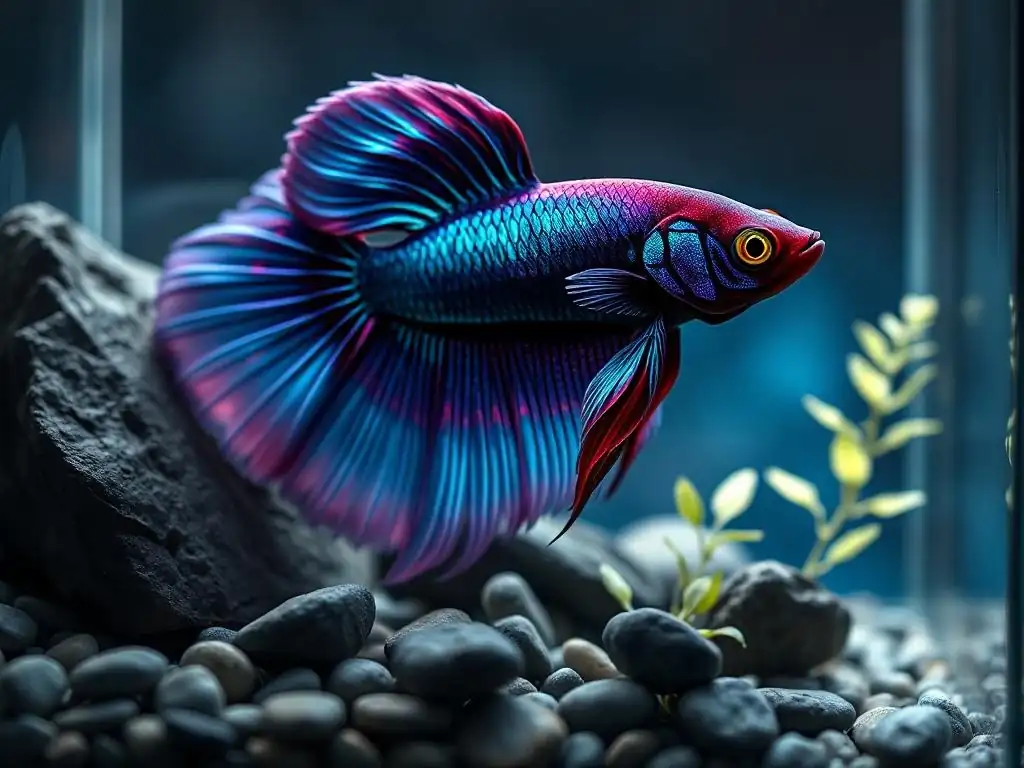
Breeding Alien Bettas requires a dedicated setup to ensure the safety of the parents and the survival of the fry. A 10 to 20-gallon tank is ideal, filled with shallow water, typically 4-6 inches deep, to make it easier for the male to manage the bubble nest and for the fry to reach the surface for air. The tank should be equipped with a gentle sponge filter to provide biological filtration without creating strong currents that could disrupt the nest or harm the delicate fry.
Crucially, the breeding tank needs a reliable heater to maintain a consistent temperature of 80-82°F (27-28°C), which encourages spawning. Providing floating elements like Indian Almond leaves, a piece of Styrofoam, or even a plastic cup cut in half, offers the male a stable anchor point for building his bubble nest. Additionally, plenty of hiding spots for the female, such as PVC pipes or dense plant clumps, are essential to allow her to retreat from the male's often aggressive courtship.
Conditioning Alien Bettas for Breeding
Successful breeding of Alien Bettas hinges on properly conditioning the male and female. This involves feeding them a rich, high-protein diet for 1-2 weeks prior to introduction. Live foods such as blackworms, microworms, Daphnia, and newly hatched brine shrimp are excellent choices, as they boost the fish's health, vitality, and reproductive readiness. For the female, this diet promotes the development of eggs, while for the male, it ensures he has the energy to build and maintain a robust bubble nest.
Once conditioned, the pair should be introduced carefully. A common method is to place the female in a clear jar or container within the male's tank for a few days. This allows them to see each other, stimulating courtship behaviors without immediate aggression. The male will often begin building a bubble nest during this "sight-seeing" period. Observing these pre-spawning behaviors is a crucial part of Alien betta care for aspiring breeders.
The Breeding Process: From Embrace to Fry
The breeding process for Alien Bettas typically begins with the male building an elaborate bubble nest, often reinforced with bits of plant material. Once the nest is ready and the female is receptive, the male will display vibrant colors and engage in a courtship dance, attempting to coax the female beneath the nest. The actual spawning involves the "nuptial embrace," where the male wraps his body around the female, gently squeezing out eggs while simultaneously fertilizing them.
After each embrace, the female releases a small clutch of eggs, which sink to the bottom. The male then diligently collects these eggs in his mouth and places them into the bubble nest. This process can repeat dozens of times over several hours, resulting in anywhere from 100 to 300 eggs.
Once spawning is complete, the female should be carefully removed from the tank, as the male will become fiercely protective of the nest and may harm her. The male will then guard and tend to the eggs until they hatch, usually within 24-48 hours, and the fry become free-swimming, typically 2-4 days post-hatch.
Raising Alien Betta Fry: Care and Feeding
Raising Alien Betta fry is the most challenging part of the breeding process, requiring meticulous Alien betta care. Once the fry are free-swimming and have absorbed their yolk sacs (usually 2-4 days after hatching), the male should be removed from the tank to prevent him from eating them. For the first few days, the fry are incredibly tiny and require microscopic food sources. Infusoria, green water, or specialized liquid fry food are ideal initial diets.
After 3-5 days, the fry will be large enough to consume newly hatched brine shrimp or microworms, which are crucial for their rapid growth and development. Feeding should be done multiple times a day in very small quantities. Frequent, small water changes (10-20% daily) are absolutely critical during this stage, as fry are extremely sensitive to water quality fluctuations and accumulated waste. Maintaining pristine water and providing consistent, appropriate nutrition are the keys to successfully raising Alien Betta fry to adulthood.
Alien Betta Tank Mates: Choosing Compatible Species
Suitable Tank Mates for Alien Bettas: Peaceful Community Fish
While Alien Bettas are generally considered less aggressive than their long-finned Betta splendens counterparts, they can still exhibit territorial behavior. Therefore, choosing suitable tank mates requires careful consideration to ensure a peaceful co-existence. Compatible species must be peaceful, non-fin-nipping, and thrive in similar water parameters (tropical temperatures, slightly acidic to neutral pH). They should also be relatively small and not overly boisterous, to avoid stressing the Betta.
Excellent choices for tank mates include species that occupy different levels of the water column or have very different body shapes, reducing direct competition. Corydoras catfish (e.g., Pygmy Corydoras, Panda Corydoras) are ideal bottom-dwellers. Otocinclus catfish are great algae eaters. Small, peaceful schooling fish like Harlequin Rasboras, Ember Tetras, or Neon Tetras (in larger tanks) can also work, provided there are plenty of hiding spots and the tank is at least 15-20 gallons. Always introduce tank mates to a well-established Betta tank, not the other way around, for the best chance of success in Alien betta care.
Fish to Avoid: Aggressive Tank Mates That Threaten Alien Bettas
To ensure the safety and well-being of your Alien Betta, certain fish species should be strictly avoided as tank mates. Any fin-nipping species, such as Tiger Barbs or certain larger tetra species (e.g., Serpae Tetras), can quickly stress and injure your Betta, leading to fin damage, infection, and chronic stress. Other male Bettas are an absolute no-go, as they will almost certainly fight to the death due to their territorial nature. Even female Bettas should be introduced with extreme caution in a "sorority" setup, which is not recommended for beginners.
Additionally, avoid any fish that are significantly larger or more boisterous than the Alien Betta, as they can intimidate and outcompete the Betta for food. Large Gouramis, Cichlids, or fast-moving species can cause undue stress and make your Betta withdrawn. Providing proper Alien betta care means understanding their semi-aggressive yet sensitive nature and ensuring their tank environment is free from threats, allowing them to thrive without constant fear or injury.
The Appeal of Alien Bettas: Captivating Aquarists
Alien Betta Color Variations: A Spectrum of Beauty
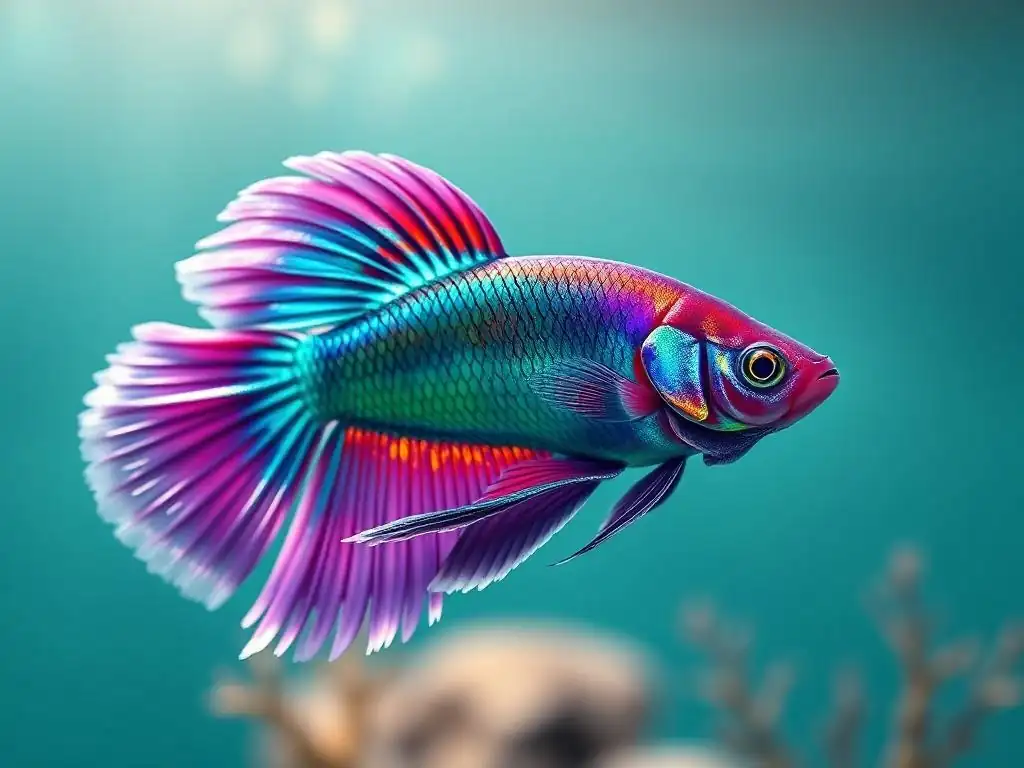
The primary appeal of Alien Bettas lies in their breathtaking and diverse color variations, which stand in stark contrast to the more common domesticated Betta splendens. Their unique genetic makeup, derived from multiple wild Betta species, results in an extraordinary spectrum of metallic hues. Aquarists are captivated by the vibrant greens, deep blues, shimmering coppers, and rich purples that often cover their entire body and fins. These colors frequently exhibit an iridescent quality, appearing to shift and glow under different lighting angles, giving them a truly otherworldly appearance.
Beyond the base colors, many Alien Bettas display intricate patterns and combinations, such as the sought-after "black orchid" which features striking purple-blue iridescence over a dark, almost black body, or "blue rim" variations where fins are edged with a distinct, vivid blue. This incredible range of unique patterns and intense, wild-type coloration makes Alien Bettas highly desirable among collectors and enthusiasts seeking a distinctive and visually stunning addition to their aquariums, making their Alien betta care a rewarding endeavor.
The Rarity and Value of Alien Bettas: Understanding Market Prices
Due to their specific hybridization and the meticulous, multi-generational selective breeding required to stabilize their unique traits, Alien Bettas are significantly rarer and, consequently, often more expensive than typical Betta splendens found in local pet stores. While a common Betta might cost $5-$15, a high-quality Alien Betta can range from $30 to $100 or even more, depending on its specific lineage, color vibrancy, fin conformation, and overall health. Exceptional specimens with rare color combinations or perfect body shapes command premium prices.
The value of Alien Bettas reflects the considerable effort and time invested by breeders in their development. Their limited availability, coupled with high demand from aquarists seeking unique and robust specimens, drives their market price. Acquiring an Alien Betta often involves sourcing from specialized online breeders or reputable exotic fish stores. Understanding their rarity and value is an important aspect for anyone considering their Alien betta care, as it underscores the commitment required for these exceptional fish.
Advanced Alien Betta Care: Ensuring Longevity and Wellbeing
Understanding Alien Betta Behavior: Deciphering Their Habits
Advanced Alien betta care involves a deep understanding of their natural behaviors and habits. While generally robust, these fish, like all Bettas, exhibit specific behaviors that, when observed closely, can provide vital clues about their health and well-being. Healthy Alien Bettas are typically active explorers, constantly patrolling their territory, investigating new additions, and interacting with their environment. They may display flaring (spreading their gills and fins) when encountering their reflection or another fish, a natural territorial display.
Observing patterns in their activity levels, feeding responses, and resting habits is crucial. A sudden decrease in activity, prolonged hiding, or a loss of appetite can be early indicators of stress, illness, or inappropriate water parameters. Conversely, consistent bubble nest building by a male indicates comfort and readiness to breed. Deciphering these behaviors allows aquarists to proactively address any potential issues, tailoring their Alien betta care to the individual needs of their fish and ensuring a longer, healthier life.
Addressing Specific Needs of Alien Bettas: Tailoring Care
Beyond the basic requirements, advanced Alien betta care focuses on tailoring the environment to meet their specific preferences and nuances. For instance, while general water parameters are important, some Alien Betta lines, particularly those with a stronger wild heritage, may thrive in slightly softer, more acidic water (pH 6.0-6.5) than the broader recommended range. This can be achieved through the use of natural botanicals.
Enrichment is another key aspect. Providing a varied diet that includes live foods regularly, offering different types of hiding spots, and occasionally rearranging non-stressful tank decor can stimulate their minds and prevent boredom. Monitoring individual fish for unique preferences, such as a favorite resting spot or a particular food they prefer, allows for highly personalized care. This attention to detail ensures not just survival but the thriving and flourishing of these unique fish, contributing significantly to their longevity.
Blackwater Aquariums for Alien Bettas.
One of the most beneficial advanced Alien betta care practices is setting up a blackwater aquarium. This involves intentionally adding botanicals such as Indian almond leaves (catappa leaves), catappa bark, alder cones, or even driftwood that release tannins into the water. These tannins stain the water a tea-like amber color, mimicking the natural habitats of many wild Betta species, including the ancestors of Alien Bettas, which often reside in slow-moving, tannin-rich streams and pools.
The benefits of a blackwater setup are numerous. The tannins naturally lower the pH and soften the water, creating ideal chemical conditions. More importantly, they possess mild antibacterial and antifungal properties, which can help prevent common diseases and reduce stress on the fish. Alien Bettas often display more vibrant coloration in blackwater environments, and breeding success rates can also improve. A blackwater aquarium provides a holistic, naturalistic approach to Alien betta care, promoting optimal health and well-being by closely replicating their ancestral homes.
Frequently Asked Questions
What exactly are Alien Bettas?
Alien Bettas are hybrid betta species, resulting from crosses between different wild Betta species, not the common Betta splendens. These crosses create unique colorations and patterns, setting them apart from standard bettas. They're called "Alien" because of their unusual, vibrant colors.
Are Alien Bettas more difficult to care for than regular Betta splendens?
Generally, yes. Alien Bettas often require more specific water parameters and can be more sensitive to changes in their environment than the common Betta. They may also have more complex dietary needs and be more prone to certain diseases.
What kind of aquarium setup is best for Alien Bettas?
A species-specific tank is recommended, ideally 10 gallons or larger. Provide plenty of hiding places with plants and driftwood, and maintain stable water parameters suitable for the specific Betta species involved in the hybrid.
What should I feed my Alien Betta?
A varied diet is crucial. Offer high-quality betta pellets, supplemented with live or frozen foods like daphnia, brine shrimp, and bloodworms. Research the dietary needs of the parent species to ensure a balanced diet.
Where can I find reliable information about specific Alien Betta hybrids?
AquariumMastery.com offers detailed articles on various Betta species. Researching the parent species involved in the hybrid and consulting experienced breeders are also excellent sources of information.
Final Reflection: Embracing the Exotic, Ensuring Ethical Care
The captivating allure of Alien Bettas, as explored throughout this article, underscores a growing trend in aquascaping: the desire for the uncommon and the extraordinary. But this fascination comes with a responsibility. Understanding and implementing proper Alien Betta care tips is not just about keeping these fish alive; it's about ensuring their well-being and respecting their unique needs as hybrid creatures originating from diverse genetic backgrounds.
The rise in popularity of these vibrant fish highlights the ever-evolving landscape of the aquarium hobby. My own journey into understanding these complex creatures has reinforced the importance of continuous learning and ethical sourcing. The greatness of a nation and its moral progress can be judged by the way its animals are treated.
- Mahatma Gandhi. This quote, though often applied to larger animals, resonates deeply with the care we owe to even the smallest inhabitants of our aquariums.
As you embark on, or continue, your journey with Alien Bettas, remember that knowledge is your greatest tool. Let the insights shared here serve as a foundation for providing the best possible life for these extraordinary fish. Embrace the challenge of understanding their specific needs, and let your dedication to their well-being be a testament to your commitment to responsible aquascaping. Let's ensure that the future of Alien Bettas is one of thriving health and vibrant beauty, not just fleeting novelty.
Embark on Your Own Interstellar Betta Breeding Journey!
Thank you for exploring the captivating world of Alien Bettas with us! We hope you found inspiration and newfound appreciation for these extraordinary fish. Now, let's take your passion to the next level.
Here are a few exciting steps you can take right now:
- Begin researching reputable breeders in your area and start planning your own Alien Betta breeding project. This is the ultimate way to contribute to the availability and appreciation of these stunning hybrids.
- Dive deeper into the genetics of Betta splendens. Understanding the genetic lineage will empower you to create unique and beautiful combinations. Maybe even discover a new color morph!
- Share this article with fellow aquarium enthusiasts! Help spread awareness about these fascinating creatures and encourage others to appreciate the artistry of selective breeding.
What surprising color combinations are you hoping to achieve in your future Alien Betta crosses? Let's discuss in the comments!