
Aquarium CO2 Safety: Essential Precautions for a Healthy Tank and Home

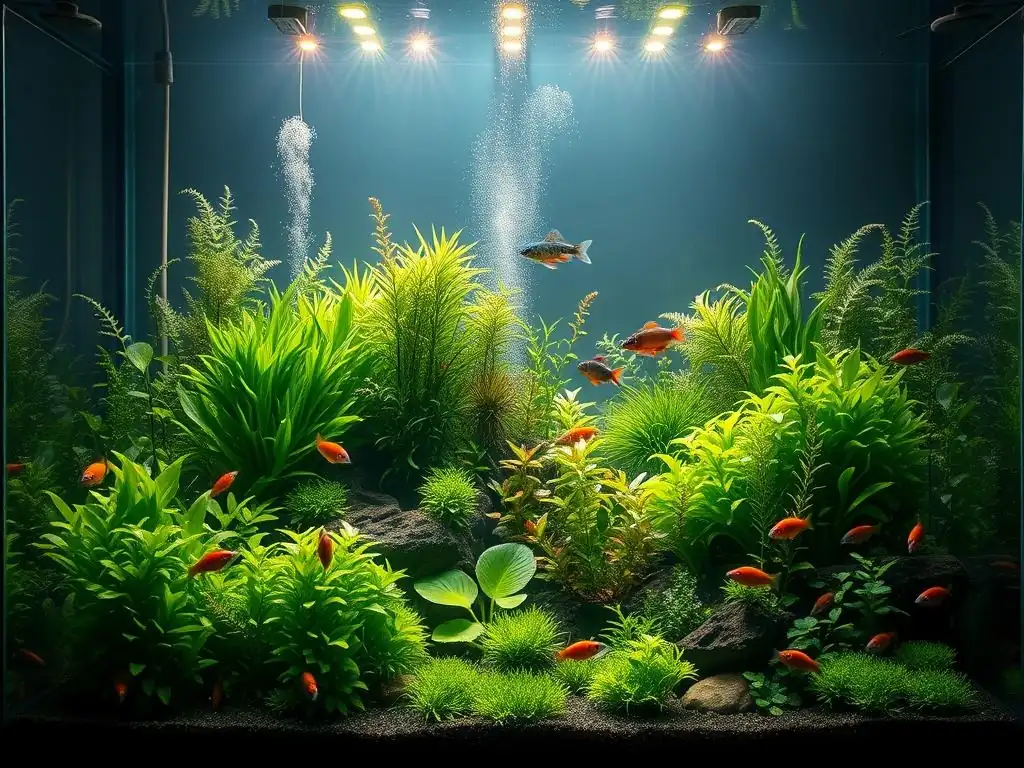
Welcome to Aquarium Mastery!
Dive into the fascinating world of aquarium keeping! Are you striving for lush plant growth and vibrant fish in your aquarium, and considering CO2 supplementation? Then you've come to the right place. Ensuring safe aquarium CO2 levels is crucial for the health of your underwater ecosystem and your home. Discover the essential precautions and expert advice you need to balance CO2 effectively, avoiding potential pitfalls and fostering a thriving aquatic environment. Eager to learn how to maintain that perfect balance? Let's get started!
- Understanding the Importance of CO2 in Planted Aquariums
- Risks of Excessive CO2 Levels in Aquariums
- Monitoring CO2 Levels in Your Aquarium: Essential Tools and Techniques
-
Maintaining Safe Aquarium CO2 Levels: Practical Strategies
- Calculating the Correct CO2 Dosage for Your Tank: Using Charts and Online Calculators
- CO2 Diffuser Placement and Efficiency: Maximizing Dissolution
- Optimizing Water Circulation for CO2 Distribution: Powerheads and Filter Placement
- The Importance of Surface Agitation for Gas Exchange: Balancing CO2 Retention and Oxygenation
- CO2 Injection Systems: Safety Features and Best Practices
- Emergency Procedures for CO2 Overdose
- CO2 Alternatives and Supplements for Planted Tanks
- Maintaining a Healthy and Safe Planted Aquarium Ecosystem
- Frequently Asked Questions
- Final Reflection: Breathing Life Safely
- Ignite a Thriving Aquarium: Start Your CO2 Journey!
Understanding the Importance of CO2 in Planted Aquariums
The Role of CO2 in Aquatic Plant Photosynthesis
Carbon dioxide (CO2) is an indispensable element for the vibrant growth of aquatic plants in a freshwater aquarium. Just as terrestrial plants rely on atmospheric CO2, submerged plants require dissolved CO2 in the water column to perform photosynthesis. This fundamental biological process converts light energy, water, and carbon dioxide into sugars for plant growth and oxygen as a byproduct. Without sufficient CO2, even under optimal lighting conditions, aquatic plants will exhibit stunted growth, yellowing leaves, and a general lack of vigor, often leading to an imbalance that encourages algae proliferation.
The concentration of CO2 in typical tap water is often negligible for demanding plant species, usually less than 5 parts per million (ppm), which is far below the ideal range of 20-30 ppm required for lush growth in a high-tech planted tank. Supplementing CO2 through injection systems ensures that plants have access to this vital macronutrient, promoting robust health, faster growth rates, and a more natural, thriving aquascape. This enhanced plant mass also contributes positively to water quality by absorbing nitrates and phosphates, further benefiting the entire aquarium ecosystem.
Balancing CO2 for Plant Growth and Fish Respiration
Achieving safe aquarium CO2 levels is a delicate balancing act, crucial for both vigorous plant growth and the well-being of your aquatic inhabitants. While plants thrive on higher CO2 concentrations, fish and invertebrates are sensitive to elevated levels, which can lead to stress or even fatality. The dissolved CO2 in water lowers the pH by forming carbonic acid, and simultaneously, it can impair a fish's ability to absorb oxygen from the water, even if oxygen levels appear adequate.
The optimal range for safe aquarium CO2 levels in a planted tank is generally considered to be between 20-30 ppm. Below this range, plants may suffer, and above it, fish begin to show signs of distress. For instance, a tank with a carbonate hardness (KH) of 4 dKH and a pH of 6.8 would indicate approximately 30 ppm of CO2, often considered ideal. Maintaining this balance requires careful monitoring and adjustment, ensuring that the benefits of CO2 for plant health do not come at the expense of fish safety.
Risks of Excessive CO2 Levels in Aquariums
Identifying the Dangers of High CO2 Concentrations: Low pH and Oxygen Depletion
Excessive CO2 in an aquarium poses significant threats, primarily through two interconnected mechanisms: a drastic reduction in pH and subsequent oxygen depletion for aquatic life. When CO2 dissolves in water, it reacts to form carbonic acid (H2CO3), which rapidly lowers the water's pH. For many freshwater fish, especially those sensitive to pH fluctuations, a sudden drop below their accustomed range (e.g., from 7.0 to 6.0 or lower) can induce severe stress, organ damage, and even death.
Beyond the pH drop, high CO2 concentrations directly impair a fish's ability to take up oxygen from the water, a phenomenon known as the Bohr effect. Even if dissolved oxygen (DO) levels are technically sufficient, the elevated CO2 in the fish's bloodstream reduces the oxygen-carrying capacity of its hemoglobin. This means the fish is effectively suffocating, despite oxygen being present in the water. This insidious danger makes maintaining safe aquarium CO2 levels paramount, as the visible symptoms often appear only when the situation is critical.
How Excess CO2 Affects Fish and Invertebrates
Excessive CO2 levels can rapidly turn a thriving aquarium into a stressful, life-threatening environment for its inhabitants. Fish and invertebrates, lacking the ability to regulate their internal CO2 levels as efficiently as terrestrial animals, are highly susceptible to the effects of hypercapnia (excess CO2 in the blood). This leads to a cascade of physiological issues, including respiratory distress, acidosis, and organ dysfunction.
Overdosing CO2 can impact a wide range of aquatic species. For example, sensitive species like Discus or many types of tetras might show distress at levels above 35 ppm, while hardier fish like Guppies might tolerate slightly higher levels for a short period. Invertebrates, such as shrimp and snails, are often even more sensitive than fish, exhibiting signs of distress or dying off before fish do, making them excellent early warning indicators for elevated CO2.
Symptoms of CO2 Poisoning in Fish: Gasping, Lethargy, and Loss of Equilibrium
Recognizing the signs of CO2 poisoning in fish is critical for immediate intervention and preventing fatalities. The most common and alarming symptom is rapid, labored breathing or "gasping" at the surface, even when an air stone is running. This indicates the fish is struggling to extract oxygen. However, it's important to differentiate this from oxygen starvation due to other causes; in CO2 poisoning, the issue is internal oxygen uptake, not necessarily low dissolved oxygen.
Other visible symptoms include lethargy, where fish become unusually inactive, often resting on the substrate or hiding. They may also exhibit a loss of equilibrium, swimming erratically, swimming on their side, or struggling to maintain buoyancy. In severe cases, fish may lose their natural coloration, appear pale, or even develop red gills due to irritation. Observing these behaviors necessitates immediate action to restore safe aquarium CO2 levels.
Long-Term Health Impacts of Elevated CO2: Reduced Growth and Reproduction
Beyond acute poisoning, prolonged exposure to even moderately elevated CO2 levels can have significant long-term health consequences for aquarium inhabitants. Chronic stress from suboptimal water conditions weakens the fish's immune system, making them more susceptible to diseases and parasites. This persistent stress can manifest as reduced growth rates, as the fish's energy is diverted from development to coping with physiological imbalances.
Furthermore, elevated CO2 can severely impact fish reproduction. Breeding pairs may fail to spawn, or if they do, egg viability can be reduced, and fry survival rates may plummet. For instance, in some cichlid species, prolonged exposure to CO2 levels above 30 ppm has been observed to significantly reduce spawning frequency and clutch size. Maintaining consistent and safe aquarium CO2 levels is therefore essential not just for immediate survival, but for the overall vitality and reproductive success of your aquatic community.
Monitoring CO2 Levels in Your Aquarium: Essential Tools and Techniques
Using CO2 Drop Checkers for Visual Monitoring: Color Interpretation and Placement
CO2 drop checkers are indispensable tools for visually estimating the CO2 concentration in your planted aquarium and are a cornerstone of maintaining safe aquarium CO2 levels. These small glass devices contain a special indicator solution (typically bromothymol blue) and an air pocket that equilibrates with the CO2 in the tank water. The color of the solution changes based on the CO2 levels: blue indicates insufficient CO2 (below 20 ppm), green signifies optimal safe aquarium CO2 levels (20-30 ppm), and yellow warns of excessive CO2 (above 30 ppm), which is dangerous for fish.
For accurate readings, proper placement is key. The drop checker should be placed on the opposite side of the tank from the CO2 diffuser, in an area with moderate water flow, and ideally at mid-water depth. This allows the indicator solution to react to the average CO2 saturation throughout the tank, rather than just the immediate vicinity of the diffuser. It's important to note that drop checkers have a time lag of 1-2 hours to reflect changes in CO2 levels, so they are best used for long-term monitoring rather than immediate adjustments.
Electronic CO2 Monitors and Controllers: Precision and Automation Benefits
For aquarists seeking the highest level of precision and automation in maintaining safe aquarium CO2 levels, electronic CO2 monitors and controllers are invaluable. These systems typically consist of a pH probe submerged in the aquarium water, which continuously measures the pH. Since CO2 directly influences pH, the controller uses this reading to determine the CO2 concentration. When the pH deviates from a pre-set target (which corresponds to the desired CO2 level), the controller activates or deactivates a solenoid valve, turning the CO2 injection on or off.
The primary benefit of an electronic controller is its ability to maintain extremely stable CO2 levels, minimizing fluctuations that can stress fish and hinder plant growth. For example, a controller can be set to maintain a pH of 6.8, ensuring the CO2 stays within the desired 20-30 ppm range for a tank with a specific KH. This automation eliminates the guesswork of manual adjustments and provides peace of mind, especially for high-value aquariums or those with sensitive inhabitants.
Regular Water Testing for CO2 and pH Balance: KH and CO2 Correlation
While drop checkers and electronic controllers provide ongoing monitoring, regular water testing with liquid test kits is essential for a comprehensive understanding of your tank's chemistry and for ensuring safe aquarium CO2 levels. Specifically, testing for pH and carbonate hardness (KH) allows you to calculate the approximate CO2 concentration in your tank using a widely accepted correlation chart. This chart illustrates that for a given KH value, a specific pH reading directly corresponds to a CO2 concentration.
For instance, if your tank's KH is 4 dKH and your pH is 6.8, this correlates to approximately 30 ppm of CO2, which is generally considered ideal for a high-tech planted tank. Regularly cross-referencing your pH and KH readings with such a chart helps confirm the accuracy of your CO2 injection and ensures you are consistently maintaining safe aquarium CO2 levels without relying solely on visual indicators or automated systems that might drift out of calibration. It's recommended to test pH and KH weekly, especially during the initial setup or after any significant changes to your CO2 system.
Maintaining Safe Aquarium CO2 Levels: Practical Strategies
Calculating the Correct CO2 Dosage for Your Tank: Using Charts and Online Calculators
Determining the appropriate CO2 dosage is critical for achieving safe aquarium CO2 levels and optimal plant growth. A common goal is to reach a CO2 concentration of 20-30 parts per million (ppm). While electronic controllers automate this, for manual systems, the initial dosage is often estimated using the "bubble count" method, where one counts the CO2 bubbles per second exiting the bubble counter. For a standard 20-gallon tank, a starting point might be 1-2 bubbles per second, but this is merely a rough estimate.
The most reliable method for fine-tuning dosage involves using a pH/KH/CO2 chart in conjunction with a drop checker. By knowing your tank's carbonate hardness (KH), you can adjust your CO2 bubble rate until your pH drops to the level indicated on the chart that corresponds to 20-30 ppm CO2. For example, if your KH is 4 dKH, you'd aim for a pH of around 6.8 to achieve 30 ppm CO2. Online calculators also exist where you input your tank volume, KH, and target CO2, and they suggest a starting bubble rate, but always confirm with a drop checker and observe your fish for signs of stress to ensure safe aquarium CO2 levels are maintained.
CO2 Diffuser Placement and Efficiency: Maximizing Dissolution
The efficiency of CO2 dissolution significantly impacts how much CO2 actually becomes available to plants and thus influences the amount of CO2 required to achieve safe aquarium CO2 levels. Ceramic diffusers, which produce fine mist-like bubbles, are common. For these, placing the diffuser in an area of high water flow, ideally directly under the outflow of a filter or powerhead, ensures the bubbles are dispersed throughout the tank and have maximum contact time with the water. This maximizes CO2 absorption and reduces waste.
Alternatively, inline diffusers or CO2 reactors are highly efficient as they dissolve CO2 completely before it enters the tank, preventing any visible bubbles and ensuring nearly 100% dissolution. These are often installed in the outflow line of canister filters. Regardless of the type, proper placement and maintenance (e.g., cleaning ceramic diffusers regularly to prevent clogging) are crucial for consistent and effective CO2 delivery, helping you maintain stable and safe aquarium CO2 levels without overdosing.
Optimizing Water Circulation for CO2 Distribution: Powerheads and Filter Placement
Excellent water circulation is paramount for evenly distributing dissolved CO2 throughout the entire aquarium. Without adequate flow, CO2 can become concentrated in certain areas, leading to localized pockets of high CO2 that stress fish, while other areas, particularly where plants are dense, remain CO2-deficient. This uneven distribution means you might need to inject more CO2 to reach all plants, inadvertently creating dangerous hot spots for your fish.
Strategically placed powerheads or the output of canister filters can greatly enhance CO2 distribution. Aim for a gentle, all-encompassing flow that reaches every corner of the tank, preventing "dead spots" where CO2 might accumulate or where plants might not receive enough. For instance, directing a filter outflow towards the front glass or using a small powerhead to create a circular flow can ensure that the safe aquarium CO2 levels you're aiming for are consistent throughout the entire planted aquascape.
The Importance of Surface Agitation for Gas Exchange: Balancing CO2 Retention and Oxygenation
Surface agitation plays a critical role in the gas exchange process within an aquarium, facilitating the release of excess gases like CO2 and the absorption of essential oxygen. For a planted tank with CO2 injection, finding the right balance is key. Too much surface agitation (e.g., strong ripples, splashing filter outputs) will cause rapid CO2 degassing, making it difficult to maintain the desired safe aquarium CO2 levels for plant growth and wasting your injected CO2.
Conversely, insufficient surface agitation can lead to a build-up of CO2 and a depletion of oxygen, especially at night when plants cease photosynthesis and consume oxygen. The ideal scenario is a gentle ripple across the water surface, enough to facilitate oxygen uptake without excessively driving off CO2. This can often be achieved by directing filter outflows just below the surface or by using an air stone only at night or during emergency situations, ensuring a healthy balance for both plants and fish.
CO2 Injection Systems: Safety Features and Best Practices
Choosing a Reliable CO2 Regulator: Dual-Stage Regulators and Bubble Counters
At the heart of any pressurized CO2 injection system is the regulator, a critical component for ensuring safe aquarium CO2 levels and preventing dangerous gas dumps. When selecting a regulator, prioritize a dual-stage model. Single-stage regulators are prone to "end-of-tank dump," where as the CO2 cylinder pressure drops, the regulator can fail to maintain the output pressure, leading to a sudden, massive release of CO2 into the tank. A dual-stage regulator, by contrast, maintains a consistent output pressure regardless of cylinder pressure, significantly reducing the risk of a CO2 overdose.
A reliable regulator will also include a bubble counter, which is a transparent chamber filled with water that allows you to visually count the number of CO2 bubbles entering your tank per minute or second. This visual feedback is essential for precise dosing and for making incremental adjustments to achieve and maintain safe aquarium CO2 levels. Look for regulators with clearly marked gauges for both cylinder pressure and output pressure, providing full visibility of your system's status.
Preventing CO2 Leaks: Inspecting Tubing and Connections: Using Check Valves
CO2 leaks are not only wasteful but can also be dangerous, potentially causing significant CO2 loss from the cylinder or, in rare cases, accumulating in poorly ventilated rooms. Regular inspection of all tubing and connections is a fundamental best practice for ensuring safe aquarium CO2 levels and system integrity. Always use CO2-rated tubing, which is thicker and more resistant to gas permeation than standard airline tubing. Secure all connections with hose clamps where appropriate, especially at the regulator and solenoid valve.
To detect leaks, a simple soapy water test is highly effective: spray or brush a solution of soapy water onto all connections and listen or look for bubbles forming, indicating a gas escape. Furthermore, installing a check valve in the CO2 line, positioned close to the tank, is crucial. This small device prevents tank water from siphoning back into your regulator and solenoid valve when the CO2 is off, preventing costly damage and potential hazards.
Using a Solenoid Valve for Nighttime CO2 Shut-Off: Conserving CO2 and Preventing Overdosing
A solenoid valve is an indispensable safety feature for any CO2 injection system, crucial for maintaining safe aquarium CO2 levels and preventing nighttime overdoses. This electronically controlled valve is wired to a timer (often the same timer as your aquarium lights) and automatically turns off the CO2 flow when the lights go out. During the dark period, plants cease photosynthesis and no longer consume CO2; instead, they, along with fish and bacteria, respire and produce CO2.
Allowing CO2 injection to continue overnight would lead to a rapid accumulation of CO2, causing a drastic pH drop and severe oxygen depletion, which is highly dangerous for fish and invertebrates. By shutting off CO2 at night, the solenoid valve ensures that oxygen levels remain stable and safe aquarium CO2 levels are naturally maintained through gas exchange. This practice also conserves CO2, extending the life of your cylinder and reducing operational costs.
Emergency Procedures for CO2 Overdose
Recognizing and Reacting to Signs of CO2 Toxicity: Immediate Actions
Recognizing the signs of CO2 toxicity and reacting swiftly are paramount to saving your aquarium inhabitants. As detailed earlier, symptoms include fish gasping at the surface, rapid gill movement, lethargy, loss of equilibrium, and erratic swimming. If you observe these symptoms, especially if they appear suddenly after a CO2 refill or adjustment, assume an overdose.
Your immediate actions should be:
- Turn off the CO2 injection system immediately. Disconnect the power to the solenoid or manually close the valve on the regulator.
- Increase surface agitation and aeration dramatically. Maximize the output of your filter returns, aim spray bars upwards to break the surface, and if you have an air pump, immediately deploy an air stone with full power. This rapid agitation helps to off-gas excess CO2 and introduce oxygen.
- Perform a large partial water change. While increasing aeration, prepare for a significant water change, ideally 30-50% of the tank volume, to dilute the CO2-rich water.
Performing a Water Change to Reduce CO2 Levels: Partial Water Changes
A large partial water change is one of the most effective ways to rapidly reduce dangerously high CO2 levels in your aquarium. Once you've turned off the CO2 system and maximized aeration, proceed with a water change of at least 30%, and ideally up to 50%, depending on the severity of the overdose and the distress of your fish. This influx of fresh, oxygenated, and lower-CO2 water will quickly dilute the carbonic acid, helping to raise the pH and lower the CO2 concentration back to safe aquarium CO2 levels.
Ensure the replacement water is dechlorinated and temperature-matched to avoid further stress to your fish. While performing the water change, continue to observe your fish closely for signs of recovery. After the water change, continue to monitor CO2 levels with your drop checker or electronic probe and delay restarting CO2 injection until parameters have stabilized and fish show no signs of distress.
Increasing Aeration to Restore Oxygen Levels: Using Air Stones or Spray Bars
When faced with a CO2 overdose, immediately increasing aeration is a critical step to restore vital oxygen levels and help off-gas excess CO2. High CO2 levels impair a fish's ability to absorb oxygen, even if some oxygen is present, leading to effective suffocation. By maximizing surface agitation and introducing bubbles, you facilitate gas exchange, driving out the harmful CO2 and replenishing the water with life-sustaining oxygen.
Turn up the flow on your powerheads or filter outputs, directing them towards the surface to create strong ripples or splashing. If you have an air pump and air stone, deploy it at full power. The fine bubbles from an air stone create a large surface area for gas exchange, rapidly increasing dissolved oxygen and helping to drive off the excess CO2. Continue this elevated aeration for several hours, or until fish show significant signs of recovery and safe aquarium CO2 levels are confirmed by your monitoring tools.
CO2 Alternatives and Supplements for Planted Tanks

Liquid Carbon Supplements: A Safe Alternative? Glutaraldehyde and Plant Health
Liquid carbon supplements, such as Seachem Flourish Excel or Easy-Life EasyCarbo, are often marketed as alternatives to pressurized CO2 systems for planted aquariums. These products typically contain glutaraldehyde (or polycycloglutaracetal), an organic carbon compound that plants can utilize for photosynthesis. While they do provide a source of carbon, it's important to understand they do not directly add gaseous CO2 to the water. Instead, they serve as a 'bioavailable' carbon source that plants can absorb.
These supplements can be effective for low-tech planted tanks or as a boost in moderate-tech setups where a full CO2 system might be overkill or impractical. They can promote healthier plant growth and even help control certain types of algae due to their mild algaecidal properties. However, precise dosing is crucial. Overdosing glutaraldehyde-based products can be harmful to sensitive fish and invertebrates, such as shrimp and some delicate plant species, making careful adherence to manufacturer instructions essential for maintaining safe aquarium CO2 levels indirectly.
Understanding the Limitations of Liquid CO2: Not a Direct CO2 Replacement
While liquid carbon supplements offer a convenient way to provide a carbon source to aquatic plants, it's crucial to understand their limitations: they are not a direct, equivalent replacement for pressurized CO2 injection. Pressurized CO2 systems provide a continuous, abundant supply of gaseous carbon dioxide, which is the most efficient form for plants to absorb and utilize, especially in high-light, high-nutrient planted tanks.
Liquid carbon supplements, by contrast, provide a much more limited amount of bioavailable carbon. They are generally sufficient for tanks with lower light levels and less demanding plant species (e.g., Anubias, Java Fern, Cryptocorynes). For aquariums aiming for dense, rapid growth of demanding stem plants (e.g., Rotala, Ludwigia), liquid supplements will not deliver the same growth rates or vibrancy that can be achieved with properly maintained safe aquarium CO2 levels from a pressurized system. They serve as a supplement or a solution for specific tank types, not a like-for-like substitute.
Balancing Plant Health with Fish Safety Using Alternatives: Careful Dosing and Observation
When opting for liquid carbon supplements, the key to success lies in careful dosing and continuous observation to balance plant health with fish safety. While these products are generally considered safer than an accidental CO2 gas overdose, improper use can still lead to problems. The active ingredient, glutaraldehyde, can be toxic to sensitive invertebrates like Amano shrimp or Cherry shrimp if overdosed, causing them distress or even death. Similarly, some delicate plant species, particularly mosses, can be adversely affected by higher concentrations.
Always start with a lower dose than recommended, gradually increasing it over several days while closely observing your fish and invertebrates for any signs of stress (e.g., rapid breathing, lethargy, erratic behavior). Pay attention to sensitive plant species for any melting or discoloration. Consistency in dosing is also important. By adhering strictly to manufacturer guidelines, starting slow, and prioritizing the well-being of your aquatic inhabitants, you can safely enhance plant growth using liquid carbon alternatives without compromising the overall health of your aquarium ecosystem.
Maintaining a Healthy and Safe Planted Aquarium Ecosystem
Integrating CO2 Management with Other Aquarium Parameters: Lighting and Fertilization
Effective CO2 management is not an isolated practice but an integral part of a holistic approach to maintaining a healthy and safe planted aquarium ecosystem. CO2, lighting, and fertilization are often referred to as the "holy trinity" of planted tanks because they are intrinsically linked. High-intensity lighting, for example, significantly increases the photosynthetic demand of plants, requiring a correspondingly higher and consistent supply of CO2 and nutrients to prevent deficiencies and algae outbreaks.
If one element is out of balance, the entire system suffers. Too much light without sufficient CO2 and nutrients will lead to rampant algae growth as plants cannot utilize the light effectively. Conversely, high CO2 without adequate lighting will not yield optimal plant growth. Therefore, successful CO2 management for safe aquarium CO2 levels must be integrated with careful control of lighting duration and intensity, and a comprehensive fertilization regimen that addresses macronutrients (N, P, K) and micronutrients. Regularly adjusting these parameters in tandem is key to a thriving, balanced aquascape.
Regular Maintenance and Observation for Long-Term Success: Water Changes and Equipment Checks
Long-term success in maintaining safe aquarium CO2 levels and a healthy planted aquarium hinges on consistent regular maintenance and diligent observation. Routine partial water changes (e.g., 25-30% weekly) are essential for replenishing trace elements, removing accumulated nitrates and other waste products, and helping to stabilize water parameters. These regular changes also contribute to overall water quality, making the environment more resilient to minor fluctuations in CO2.
Beyond water changes, regular checks of your CO2 equipment are crucial. This includes:
- Cleaning CO2 diffusers: Ceramic diffusers can become clogged with algae or mineral deposits, reducing efficiency. A weekly or bi-weekly soak in a bleach solution (followed by thorough rinsing and dechlorination) can restore their performance.
- Calibrating pH probes: If using an electronic controller, pH probes lose accuracy over time and require periodic calibration (e.g., monthly or quarterly) with calibration solutions to ensure precise CO2 control and
safe aquarium CO2 levels. - Inspecting tubing and connections: Look for signs of wear, kinks, or potential leaks.
- Checking CO2 cylinder pressure: Ensure you don't run out unexpectedly, which can lead to a sudden drop in CO2 and stress for plants.
Consistent observation of your fish, plants, and the CO2 drop checker provides early warnings of any imbalances, allowing for timely adjustments.
Even with the best intentions, CO2-related issues can arise, often manifesting as algae blooms or plant deficiencies. An algae bloom, particularly green spot algae or black beard algae, can be a strong indicator of unstable or insufficient safe aquarium CO2 levels. If CO2 fluctuates wildly, or if levels are too low for the amount of light provided, plants struggle to outcompete algae for nutrients, leading to an unsightly takeover. The solution often involves stabilizing CO2 delivery, ensuring it remains within the optimal 20-30 ppm range consistently throughout the photoperiod.
Conversely, plant deficiencies like stunted growth, yellowing (chlorosis), or melting leaves can point to insufficient CO2 or an imbalance with other nutrients. For example, new leaves appearing pale or stunted might suggest a lack of carbon, while older leaves yellowing could indicate a nitrogen deficiency. If CO2 levels are confirmed to be within the safe aquarium CO2 levels range, then the issue might lie in lighting intensity or the fertilization regimen. Troubleshooting requires a systematic approach, adjusting one parameter at a time and observing the results over several days to identify and rectify the underlying cause.
Frequently Asked Questions
What are safe aquarium CO2 levels and why are they important?
Safe aquarium CO2 levels typically range from 15-30 ppm. Maintaining this range is crucial for optimal plant growth without harming fish and invertebrates.
How can I measure CO2 levels in my aquarium?
You can use a drop checker placed inside the tank. Alternatively, you can use a CO2 test kit that directly measures CO2 concentration in the water.
What happens if CO2 levels are too high?
Excessive CO2 can lead to oxygen depletion in the water, causing fish stress or even death. It's crucial to monitor levels and adjust accordingly.
How can I increase CO2 levels safely in my aquarium?
Use a CO2 injection system with a regulator and diffuser. Start with low levels and gradually increase while closely monitoring your fish's behavior and CO2 levels.
What are some signs of CO2 toxicity in my aquarium?
Fish may exhibit gasping at the surface, rapid breathing, or lethargy. Invertebrates may also show signs of distress or become inactive.
Final Reflection: Breathing Life Safely
The preceding discussion underscores the critical importance of understanding and maintaining safe aquarium CO2 levels not just for the well-being of aquatic life, but also for the safety of our homes and families. Ignoring these precautions can have devastating consequences, highlighting the need for diligent monitoring and responsible implementation of CO2 systems.
This topic resonates deeply because it touches on the delicate balance between fostering thriving ecosystems and ensuring personal safety. The responsibility we undertake when introducing CO2 into our aquariums extends beyond the glass walls, impacting the air we breathe and the environment we create for ourselves and our loved ones. The best way to predict the future is to create it,
a quote often attributed to Peter Drucker, reminds us that proactive measures and informed decisions are crucial in shaping a safe and flourishing aquatic world.
As you consider the information presented, I encourage you to reflect on your own practices and commitment to safety. Are you truly informed about the potential risks and equipped to mitigate them? Let this article serve as a catalyst for continuous learning and responsible aquarium keeping, ensuring that the beauty and tranquility of your underwater world never come at the expense of health and well-being.
Ignite a Thriving Aquarium: Start Your CO2 Journey!
Thanks for exploring the world of aquarium CO2 with us! We hope this guide has empowered you with the knowledge to maintain a safe and flourishing aquatic environment. Now, let's put that knowledge into action.
Here's how you can take the next step:
- Immediately review your current CO2 setup, paying close attention to diffuser placement and bubble counter settings to minimize risk.
- Share this article with fellow aquarists to spread awareness about CO2 safety and help build a more informed community.
- Experiment with natural CO2 alternatives, like liquid carbon supplements, for a low-risk way to enhance plant growth.
What specific CO2 safety tip are you implementing in your aquarium today?