
EnergyEfficient Aquarium Lighting: Save Money While Keeping Your Tank Radiant

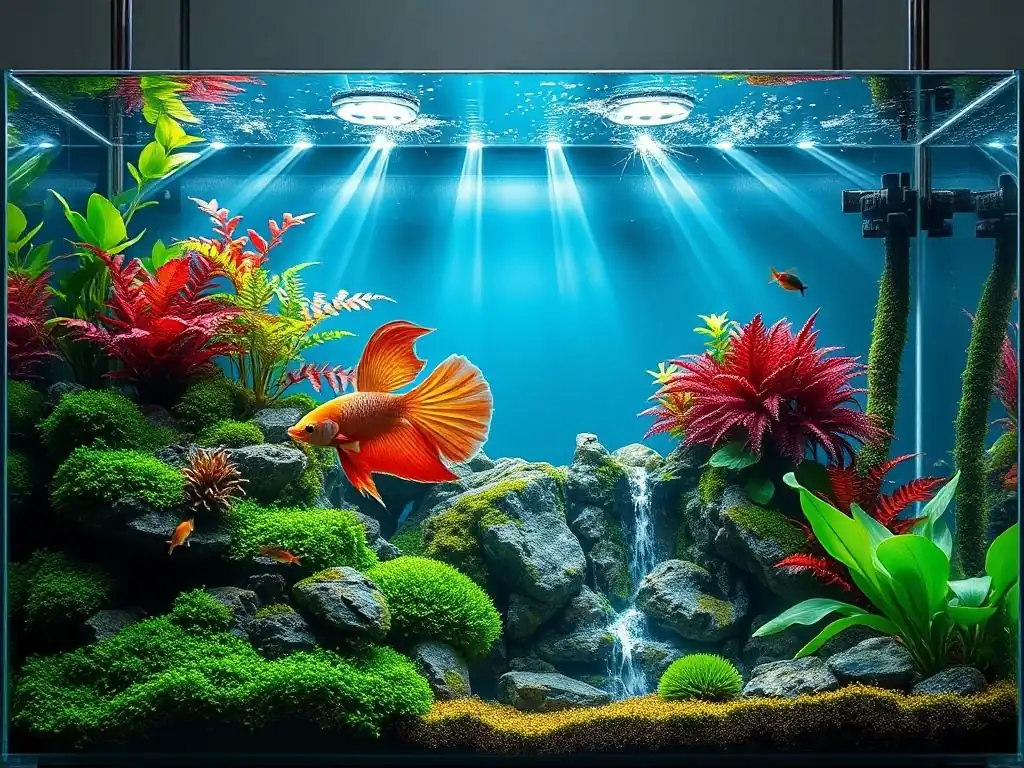
Welcome to Aquarium Mastery, where your aquatic dreams become a vibrant reality! Ever wondered if you could illuminate your underwater world brilliantly without breaking the bank? Dive into our comprehensive guide to LED aquarium lighting cost and discover how you can save money while keeping your tank radiant. Ready to unlock the secrets of efficient and stunning aquarium lighting? Let's explore!
- Understanding Aquarium Lighting and Energy Consumption
- LED Aquarium Lighting Cost: A Detailed Analysis
- Choosing the Right LED Aquarium Lighting for Your Tank
- Maximizing Energy Efficiency with LED Aquarium Lights
- Different Types of Energy-Efficient Aquarium Lighting
- Calculating Your Aquarium Lighting Costs
- Troubleshooting Common LED Aquarium Lighting Issues
- The Future of Energy-Efficient Aquarium Lighting
- Beyond LED Aquarium Lighting Cost: Other Ways to Save Energy
-
Frequently Asked Questions
- How much does LED aquarium lighting generally cost?
- Why is LED aquarium lighting considered more energy-efficient?
- What factors influence the price of LED aquarium lights?
- How can I determine the appropriate wattage for my aquarium's LED lighting?
- What are the long-term cost benefits of investing in LED aquarium lighting?
- Final Reflection: Illuminating a Sustainable Future
- Illuminate Your Tank's Future: Start Saving Today!
Understanding Aquarium Lighting and Energy Consumption
The Importance of Efficient Lighting for Aquarium Health
Lighting is a fundamental component of any thriving aquarium ecosystem, directly influencing the health and well-being of its inhabitants. For planted freshwater tanks, appropriate light spectrum and intensity are crucial for photosynthesis, enabling aquatic plants to grow robustly and produce oxygen. This process not only beautifies the tank but also helps in nutrient absorption, preventing algae outbreaks and maintaining stable water parameters. In marine and reef aquariums, specific light wavelengths are essential for coral growth and coloration, supporting the symbiotic relationship between corals and zooxanthellae algae.
Beyond plant and coral vitality, lighting also impacts the behavior and coloration of fish. A proper day-night cycle, facilitated by consistent lighting, reduces stress in fish and promotes natural behaviors like feeding and schooling. Inadequate or excessive lighting, especially from inefficient sources, can lead to a host of problems, including stunted plant growth, stressed fish, and rampant algae blooms that detract from the aquarium's aesthetic appeal and require significant effort to control. Therefore, selecting lighting that is both effective for the tank's inhabitants and energy-efficient is paramount for long-term success and sustainability.
Traditional Aquarium Lighting vs. Energy-Efficient Options
Historically, aquarium lighting relied heavily on incandescent bulbs, standard fluorescent tubes (T8, T12), and later, powerful but heat-intensive metal halide lamps. These traditional options often presented significant drawbacks, primarily high energy consumption and substantial heat output.
For instance, a 48-inch T12 fluorescent fixture might consume 40 watts per bulb, and a metal halide lamp for a reef tank could easily draw 250-400 watts. This high wattage translates directly to higher electricity bills and often necessitates additional cooling solutions, such as chillers or fans, further increasing overall energy use and the total LED aquarium lighting cost when compared to modern alternatives.
In contrast, modern energy-efficient lighting solutions, predominantly LED (Light Emitting Diode) and high-output T5 (T5HO) fluorescent bulbs, offer superior performance with considerably lower energy demands. A comparable 48-inch LED fixture might consume only 30-60 watts while delivering equal or greater light intensity and spectrum control.
T5HO bulbs, while still fluorescent, are more efficient than their older counterparts, using less energy and producing more light per watt. The shift towards these more advanced technologies not only reduces the operational LED aquarium lighting cost but also minimizes heat transfer to the tank, contributing to greater temperature stability and a healthier aquatic environment.
Identifying Energy Consumption Patterns in Your Aquarium
Understanding where energy is consumed in your aquarium setup is the first step toward significant savings. Lighting is often one of the largest electricity consumers, especially in heavily planted or reef tanks requiring intense illumination for 8-12 hours daily. To identify consumption patterns, you can use a simple Kill-A-Watt meter, which plugs into an outlet and measures the actual wattage drawn by each piece of equipment.
For example, if your aquarium's lighting system uses 100 watts and runs for 10 hours a day, it consumes 1 kilowatt-hour (kWh) daily (100W * 10h / 1000W/kW = 1 kWh). Over a month, this amounts to approximately 30 kWh.
Knowing your total energy consumption allows you to calculate the monthly cost by multiplying the kWh by your local electricity rate, which can range from $0.10 to $0.20 per kWh in many regions. This calculation highlights how quickly an inefficient lighting system can add up to a substantial portion of your utility bill. By pinpointing high-consumption components and understanding their operational hours, aquarists can make informed decisions about upgrading to more efficient equipment, thereby directly impacting the overall LED aquarium lighting cost and reducing their environmental footprint.
LED Aquarium Lighting Cost: A Detailed Analysis
Initial Investment in LED Aquarium Lights
The upfront LED aquarium lighting cost often appears higher compared to traditional fluorescent or metal halide fixtures. For a small 10-gallon freshwater tank, a basic LED strip might cost between $30 and $70. For a medium-sized 50-gallon planted tank, a quality LED fixture with adjustable spectrum and dimming capabilities can range from $150 to $400. High-end LED systems designed for large reef tanks, offering advanced programmability and high PAR (Photosynthetically Active Radiation) output, can command prices from $500 to over $1,500. This initial outlay can be a deterrent for some aquarists considering the switch.
However, it's crucial to view this as an investment rather than just an expense. The higher initial LED aquarium lighting cost is offset by several factors. LEDs have an exceptionally long lifespan, typically rated for 50,000 hours or more, meaning they can last 5 to 10 times longer than fluorescent bulbs and significantly longer than metal halide lamps, which often require replacement every 6-9 months.
This longevity virtually eliminates the recurring cost of bulb replacements, a hidden expense in traditional setups. Furthermore, the superior energy efficiency of LEDs leads to substantial savings on electricity bills from day one, making the total cost of ownership considerably lower over the long term.
Long-Term Savings with LED Lighting: A Cost Comparison
The true value of LED aquarium lighting becomes apparent when considering long-term operational costs. Let's compare a hypothetical 75-gallon planted tank using a 150-watt T5HO fluorescent fixture versus a 60-watt LED fixture providing comparable light output. Assuming a daily run time of 10 hours and an electricity cost of $0.15 per kWh:
- T5HO Fixture: 150W * 10h/day = 1.5 kWh/day. Monthly consumption: 1.5 kWh/day * 30 days = 45 kWh. Monthly electricity cost: 45 kWh * $0.15/kWh = $6.75. Annually: $81. In addition, T5HO bulbs need replacement every 9-12 months at a cost of approximately $20-$30 per bulb (e.g., two bulbs for $40-$60 annually). Total annual cost: ~$121-$141.
- LED Fixture: 60W * 10h/day = 0.6 kWh/day. Monthly consumption: 0.6 kWh/day * 30 days = 18 kWh. Monthly electricity cost: 18 kWh * $0.15/kWh = $2.70. Annually: $32.40. LED bulbs typically do not require replacement for many years, eliminating this recurring expense. Total annual cost: ~$32.40.
This comparison clearly illustrates the significant long-term savings. In this example, the LED fixture saves approximately $88-$108 annually in electricity and bulb replacement costs. Over five years, these savings could easily exceed $400-$500, effectively recouping the higher initial LED aquarium lighting cost and then some.
Factors Affecting the Price of LED Aquarium Lights
Several key factors contribute to the wide range in LED aquarium lighting cost. One primary determinant is the quality and type of LED diodes used. High-end fixtures often incorporate specialized diodes (e.g., CREE, Epistar) known for their efficiency, longevity, and precise spectrum control, which are critical for advanced planted tanks or demanding reef setups. The number of individual diodes and their arrangement also play a role, with more powerful fixtures typically having a higher density of LEDs.
Another significant factor is the fixture's features and programmability. Basic LED lights are often simple on/off strips, while more expensive units include built-in dimmers, timers, and advanced controllers that allow for custom light schedules, dawn/dusk simulation, and even weather effects. Wi-Fi connectivity and smartphone app control further increase the price. The build quality, materials used (e.g., anodized aluminum for heat dissipation), and brand reputation also influence the final LED aquarium lighting cost. Reputable brands that offer comprehensive warranties and customer support often have higher price points, reflecting their commitment to product reliability and performance.
Choosing the Right LED Aquarium Lighting for Your Tank
Selecting the Appropriate Wattage and Spectrum for Your Aquarium
When choosing LED lighting, focusing solely on wattage can be misleading; the efficiency and spectrum of the LEDs are equally, if not more, important. For planted freshwater aquariums, a full-spectrum light with a color temperature around 6500 Kelvin (K) is generally ideal, promoting robust plant growth.
The intensity, often measured in PAR (Photosynthetically Active Radiation), should match your plant's needs: low-light plants might require 15-30 PAR at the substrate, while high-light plants could need 50-100+ PAR. For a 20-gallon planted tank, an LED fixture consuming 20-30 watts might be sufficient, whereas a 75-gallon tank with demanding plants could require 60-100 watts of high-quality LED output.
For marine and reef aquariums, the spectrum is even more critical, with blue and actinic wavelengths (e.g., 420-470 nm) being essential for coral photosynthesis and fluorescence. Many reef LED fixtures offer multiple color channels (white, blue, red, green) that can be individually adjusted to create the desired aesthetic and biological conditions. While a 50-watt LED fixture might suffice for a small nano reef, a 100-gallon reef tank with SPS corals could demand 200-400 watts of high-performance LEDs to ensure adequate penetration and coverage, directly influencing the LED aquarium lighting cost and performance.
Considering Light Penetration and Coverage for Plant Growth
The depth of your aquarium significantly impacts the type and power of LED lighting you'll need. Light intensity diminishes as it travels through water, meaning deeper tanks require more powerful fixtures to ensure sufficient PAR reaches the substrate or the deepest corals. For a shallow 12-inch deep tank, a moderately powerful LED fixture might provide excellent coverage. However, for a 24-inch deep or deeper tank, you'll need LEDs with optics designed for better penetration, or a higher overall wattage to compensate for the light loss.
Coverage is another crucial aspect. Most LED fixtures emit light in a specific beam angle. A single, powerful LED fixture might create a "hot spot" directly beneath it, leaving the edges of a wide tank underlit. For wider or longer aquariums, multiple smaller LED fixtures or a single, longer fixture with a broader spread is often necessary to ensure even illumination across the entire tank footprint. This even coverage is vital for uniform plant growth or coral health throughout the aquarium, optimizing the effectiveness of your LED aquarium lighting cost investment.
Evaluating LED Fixture Features: Dimmers, Timers, and Programmability
Modern LED aquarium lights come equipped with a variety of features that enhance their utility and energy efficiency. Dimmers allow you to adjust the light intensity, which is beneficial for acclimating new plants or fish, managing algae growth, and simulating natural cloud cover or moonlight. This flexibility can also reduce overall energy consumption by allowing you to dial back the intensity when maximum light isn't needed, further optimizing the LED aquarium lighting cost.
Integrated timers and programmability are perhaps the most valuable features for energy efficiency and consistency. A built-in timer ensures your lights turn on and off at precise, consistent times daily, preventing accidental over-lighting or under-lighting. Advanced programmable systems can simulate natural dawn-to-dusk cycles, gradually increasing and decreasing light intensity, which reduces stress on fish and corals. Some high-end units offer Wi-Fi connectivity, allowing control via smartphone apps, enabling users to fine-tune spectrums, create custom lighting schedules, and even access pre-set programs, all contributing to a more controlled and energy-efficient aquarium environment.
Maximizing Energy Efficiency with LED Aquarium Lights
Optimizing Lighting Schedules for Plant and Fish Health
Optimizing your aquarium's lighting schedule is a key factor in maximizing energy efficiency and promoting a healthy ecosystem. Most freshwater planted tanks thrive on a consistent light cycle of 8-10 hours per day. Providing too much light, such as 12-14 hours, doesn't necessarily accelerate plant growth and can instead fuel excessive algae growth, leading to more maintenance and potentially higher electricity bills. For fish-only tanks or those with very low-light plants, even shorter durations, perhaps 6-8 hours, might be sufficient. Reef tanks typically also benefit from 10-12 hours of intense light, often with a shorter peak period.
By carefully observing your tank's inhabitants and plant response, you can fine-tune the duration to the minimum effective period. This not only saves energy but also creates a more stable environment. For instance, if you notice excessive algae, reducing the light duration by an hour or two can often help without negatively impacting healthy plant growth. This precise control over duration directly translates into lower energy consumption and contributes to reducing the overall LED aquarium lighting cost.
Using a Timer to Control Your Aquarium Lights Automatically
Manual control of aquarium lights is prone to inconsistency and can lead to wasted energy. Forgetting to turn lights off, or turning them on too early, can add unnecessary hours to your daily consumption. The simplest and most effective solution for consistent and energy-efficient lighting is to use an automatic timer. Basic mechanical timers are inexpensive and reliable, allowing you to set precise on/off times daily. Digital timers offer greater precision and often include multiple programming options for different times of the day or week.
Many modern LED aquarium lights come with integrated timers or can be connected to smart home systems, offering advanced programmability via smartphone apps. These smart systems allow for gradual dimming and brightening (dawn/dusk simulation), which is not only energy-efficient but also mimics natural light cycles, reducing stress for fish. By automating your lighting schedule, you ensure that your lights are only on when needed, eliminating human error and consistently contributing to reduced energy expenditure and a lower LED aquarium lighting cost.
Proper Placement and Maintenance of LED Aquarium Lights
The placement and regular maintenance of your LED aquarium lights significantly impact their efficiency and lifespan. LED fixtures should be positioned at an appropriate height above the water surface to ensure optimal light spread and penetration for your specific tank depth and inhabitants. Placing them too high can dilute intensity, while too low can create hot spots or excessive glare. Many manufacturers provide recommended mounting heights for their fixtures to achieve optimal PAR values.
Regular maintenance, though minimal for LEDs, is crucial. Dust and salt creep can accumulate on the light's lens, obstructing light output and potentially causing the fixture to run hotter. Periodically wiping down the lens with a damp, lint-free cloth (after unplugging the fixture) ensures maximum light transmission. Ensuring adequate ventilation around the fixture prevents overheating, which can shorten the lifespan of the LEDs and associated electronics. By maintaining your lights, you ensure they operate at peak efficiency, maximizing the return on your LED aquarium lighting cost investment and preventing premature failure.
Different Types of Energy-Efficient Aquarium Lighting
LED Lighting: The Gold Standard for Energy Savings
LED (Light Emitting Diode) lighting has firmly established itself as the gold standard for energy efficiency in the aquarium hobby. LEDs convert a significantly higher percentage of electrical energy into light and a much lower percentage into heat compared to traditional lighting technologies. For example, a 50-watt LED fixture can often provide the same light output (PAR) as a 150-watt T5HO fluorescent fixture or a 250-watt metal halide lamp, resulting in a 60-80% reduction in electricity consumption for the same illumination. This substantial energy saving is the primary driver behind the long-term benefits of the LED aquarium lighting cost.
Beyond their low power draw, LEDs boast an incredibly long operational lifespan, typically rated for 50,000 hours or more. This translates to over five years of continuous operation, effectively eliminating the need for frequent bulb replacements that are a common recurring expense with fluorescent and metal halide lights. Furthermore, LEDs offer unparalleled control over spectrum and intensity, allowing aquarists to precisely tailor light conditions for specific plants, corals, or fish, optimizing growth and coloration while maintaining maximum energy efficiency.
T5 Fluorescent Lighting: A More Efficient Alternative to Older Bulbs
While LEDs are now dominant, T5 High Output (T5HO) fluorescent lighting remains a viable and more energy-efficient alternative to older T8 and T12 fluorescent tubes. T5HO bulbs are thinner and operate at a higher wattage per inch, producing significantly more light output (lumens per watt) than their predecessors. For instance, a 48-inch T5HO bulb might consume 54 watts but deliver light comparable to a much higher wattage T8 or T12 bulb. They offer good spectrum options for planted tanks and some reef setups, often at a lower initial LED aquarium lighting cost compared to high-end LED fixtures.
However, T5HOs are not as energy-efficient as LEDs. They still produce more heat and have a shorter lifespan, typically requiring replacement every 9-12 months to maintain optimal light spectrum and intensity. While more efficient than older fluorescents, the recurring bulb replacement costs and higher energy consumption over time mean that the long-term operational expenses of T5HOs will generally exceed those of comparable LED systems, making the initial LED aquarium lighting cost a worthwhile investment.
Metal Halide Lighting: Efficiency Considerations and Alternatives
Metal halide (MH) lighting was once the go-to choice for intense light requirements, particularly in deep reef aquariums with demanding SPS corals. These lamps are capable of producing extremely high PAR levels and excellent light penetration. However, they are by far the least energy-efficient option among modern aquarium lighting choices.
A single 250-watt or 400-watt metal halide lamp consumes a massive amount of electricity daily. For example, a 250-watt MH lamp running 10 hours a day consumes 2.5 kWh, costing around $11.25 per month at a $0.15/kWh rate, excluding the cost of chillers to manage the significant heat they produce.
In addition to their high energy consumption, metal halide bulbs have a relatively short lifespan, typically requiring replacement every 6-9 months to maintain their optimal spectrum and intensity, with replacement bulbs costing $50-$100 each. The substantial heat generated by MH lights often necessitates the use of aquarium chillers, which themselves are major energy consumers. Due to these factors, metal halide lighting has largely been superseded by high-power LED systems, which offer comparable light output and penetration with dramatically lower energy consumption, minimal heat generation, and a much lower overall LED aquarium lighting cost over the system's lifespan.
Calculating Your Aquarium Lighting Costs
Estimating Daily and Monthly Energy Consumption
Accurately estimating your aquarium lighting's energy consumption is crucial for understanding your operational expenses. The basic formula for calculating energy usage is:
(Wattage of Light Fixture (W) / 1000) * Hours Run Per Day (h) = Kilowatt-hours per Day (kWh/day)
Then, to find the monthly cost:
kWh/day * Days in Month * Electricity Rate ($/kWh) = Monthly Cost ($)
For example, consider a 70-watt LED fixture running for 10 hours daily, with an electricity rate of $0.14 per kWh:
- Daily consumption: (70W / 1000) * 10h = 0.7 kWh/day
- Monthly consumption: 0.7 kWh/day * 30 days = 21 kWh/month
- Monthly cost: 21 kWh * $0.14/kWh = $2.94
This simple calculation allows you to quickly assess the ongoing LED aquarium lighting cost and compare it against other lighting types or potential upgrades. It also helps in budgeting your aquarium expenses and identifying areas for energy reduction.
Using an Energy Consumption Calculator for Aquarium Lighting
While manual calculations are straightforward for single fixtures, managing multiple lights or other aquarium equipment can become complex. Several online energy consumption calculators specifically designed for aquariums can simplify this process. These tools often allow you to input the wattage and run-time for various pieces of equipment, such as heaters, filters, pumps, and lights, then automatically calculate the total daily, monthly, and annual energy consumption and associated costs based on your local electricity rate.
Some calculators even offer comparisons between different types of lighting (e.g., LED vs. T5HO) to illustrate potential savings from upgrading. These resources are invaluable for aquarists looking to gain a comprehensive understanding of their energy footprint and to make informed decisions about energy-efficient equipment. Utilizing such a calculator can provide a clear picture of how much your LED aquarium lighting cost contributes to your overall electricity bill and highlight opportunities for significant savings.
Reducing Your Carbon Footprint with Energy-Efficient Choices
Beyond the financial benefits, opting for energy-efficient aquarium lighting, particularly LEDs, plays a significant role in reducing your household's carbon footprint. Electricity generation, especially from fossil fuels, contributes to greenhouse gas emissions. By choosing lighting that consumes less power, you are directly reducing the demand for energy and, consequently, the environmental impact associated with its production.
For instance, switching from a 250-watt metal halide to a 60-watt LED fixture for 10 hours a day saves 1.9 kWh daily. Over a year, this amounts to 693.5 kWh, which translates to a reduction of approximately 0.5 metric tons of CO2 emissions annually, assuming an average carbon intensity of electricity.
This reduction in energy consumption is a tangible step towards more sustainable living and responsible pet ownership. As the global focus shifts towards environmental conservation, making conscious choices about aquarium equipment, including the LED aquarium lighting cost and its energy draw, aligns with broader efforts to combat climate change. Every watt saved contributes to a healthier planet, making energy-efficient aquarium practices beneficial for both your wallet and the environment.
Troubleshooting Common LED Aquarium Lighting Issues

Addressing Dimming or Flickering LED Lights
If your LED aquarium lights begin to dim or flicker, it can be a sign of several underlying issues. One common cause is a failing power supply or driver. LED drivers convert the AC household current into the DC voltage and current required by the LEDs, and if they degrade or fail, they can cause inconsistent power delivery. Another possibility is loose connections within the fixture or at the power outlet. Always ensure all plugs are securely seated and check for any visible damage to the wiring.
Water damage or excessive humidity can also corrode internal components, leading to intermittent functionality. Even though many aquarium LED fixtures are designed to be splash-resistant, prolonged exposure to high humidity or direct water splashes can compromise their integrity. If individual LED diodes are dimming or flickering, it might indicate localized failure of those specific diodes, which could be due to manufacturing defects or prolonged exposure to high temperatures. Addressing these issues promptly can prevent further damage and ensure the longevity of your LED aquarium lighting cost investment.
Resolving Color Temperature Problems in LED Fixtures
Problems with color temperature in LED fixtures can manifest as lights appearing too blue, too yellow, or generally not matching the desired aesthetic or biological requirements. For programmable LED lights, the solution often lies in adjusting the individual color channels (e.g., white, blue, red, green) via the controller or smartphone app. Users might inadvertently set a channel too high or too low, skewing the overall color temperature. Experimenting with different percentages for each channel can help achieve the desired look and optimal spectrum for plants or corals.
For non-programmable LED fixtures, color temperature issues might indicate a manufacturing defect or the degradation of specific color diodes over time. If the light's color balance has significantly shifted without any user input, it may be a sign that the fixture is failing or that certain LED clusters are no longer functioning correctly. In such cases, contacting the manufacturer's support or considering a replacement might be necessary to restore the desired spectral output and ensure your LED aquarium lighting cost provides the intended benefits.
Diagnosing and Fixing LED Light Failure
Complete LED light failure, where the fixture no longer turns on, requires a systematic diagnostic approach. First, always check the most basic elements: ensure the fixture is properly plugged into a live electrical outlet and that the outlet itself is working (test with another appliance). Check the power cord for any cuts or damage. Next, inspect the power supply unit (driver) – a common point of failure. If the driver has an indicator light, check if it's on; if not, the driver might need replacement.
If the power supply seems fine, the issue could be with the internal wiring or the LED board itself. While some minor repairs might be possible for those with electrical expertise, attempting to fix complex internal circuitry without proper knowledge can be dangerous and may void warranties. For most aquarists, if the basic troubleshooting steps don't resolve the issue, it's often more practical to contact the manufacturer for warranty service or consider replacing the unit, especially given the typically long lifespan of LEDs and the significant LED aquarium lighting cost for high-quality fixtures.
The Future of Energy-Efficient Aquarium Lighting
Advancements in LED Technology and Efficiency
The field of LED technology is in constant evolution, promising even greater energy efficiency and performance for aquarium lighting. Future advancements are expected to yield LEDs that produce more lumens per watt, meaning less power will be required to achieve the same or even higher light intensity.
This will further reduce the LED aquarium lighting cost in terms of ongoing electricity bills. Breakthroughs in diode design and materials are also leading to more precise spectral control, allowing for even more tailored light recipes that can optimize growth for specific plant or coral species, potentially unlocking faster growth rates and more vibrant coloration with less energy.
Miniaturization of LED components and improved heat dissipation technologies will also allow for more compact, aesthetically pleasing, and durable fixtures. We can anticipate more integrated solutions that seamlessly blend into aquarium canopies or stands, requiring less physical space while delivering powerful illumination. These ongoing innovations ensure that LED lighting will remain the most energy-efficient and versatile option for aquarists for the foreseeable future, continually improving the value proposition of the LED aquarium lighting cost.
Smart Aquarium Lighting Systems and Automation
The integration of smart technology is transforming aquarium lighting, moving beyond simple timers to sophisticated automation. Future systems will likely feature enhanced AI-driven learning capabilities that can adapt lighting schedules based on real-time tank conditions, such as nutrient levels or even fish activity. Imagine a system that automatically adjusts light intensity to mitigate algae growth when it detects a nutrient spike, or subtly shifts spectrum to enhance fish breeding behaviors.
Cloud-based control and integration with other smart home devices will become even more seamless, allowing aquarists to monitor and control their tanks from anywhere in the world. Advanced sensors could provide feedback loops to lighting systems, ensuring optimal conditions are maintained with minimal human intervention. These smart systems will not only offer unparalleled convenience but also contribute to energy efficiency by ensuring that light is only provided precisely when and how it is needed, further optimizing the LED aquarium lighting cost while delivering superior results.
Sustainable Aquarium Practices and Energy Conservation
The future of energy-efficient aquarium lighting is intrinsically linked to broader sustainable aquarium practices and a commitment to energy conservation. As aquarists become more aware of their environmental impact, the demand for truly eco-friendly solutions will grow. This includes not only highly efficient lighting but also products manufactured with sustainable materials, processes that minimize waste, and designs that promote longevity and recyclability.
Beyond just the LED aquarium lighting cost, the emphasis will be on reducing the overall energy footprint of the entire aquarium system. This holistic approach involves integrating efficient filtration, heating, and pumping systems with smart lighting to create a cohesive, low-energy ecosystem. Educational initiatives will also play a crucial role, empowering aquarists with the knowledge and tools to make environmentally responsible choices, ensuring that the hobby remains enjoyable and sustainable for generations to come.
Beyond LED Aquarium Lighting Cost: Other Ways to Save Energy
Efficient Aquarium Filtration and Pump Systems
While LED aquarium lighting offers significant energy savings, other components of your aquarium setup also contribute substantially to your electricity bill. Filtration systems, particularly return pumps and powerheads in marine tanks, run continuously and can be major energy consumers. Upgrading to modern, DC-powered (Direct Current) pumps can drastically reduce energy consumption. For example, a traditional AC pump for a 75-gallon tank might consume 50-70 watts, while a comparable DC pump could achieve the same flow with only 20-30 watts, representing a 50% or more reduction in power usage.
Many DC pumps also offer adjustable flow rates, allowing you to fine-tune the power to your tank's specific needs, further conserving energy. Regular maintenance of filters and pumps is also critical; clogged filter media or impellers force pumps to work harder and consume more electricity. By keeping your filtration system clean and opting for energy-efficient models, you can significantly reduce your overall energy footprint beyond just the LED aquarium lighting cost.
Proper Aquarium Insulation and Temperature Control
Heaters are often the single largest energy consumers in many aquariums, particularly in cooler climates or during winter months. Proper insulation of your aquarium can dramatically reduce the workload on your heater. Placing a foam insulation board (e.g., styrofoam) under the tank and applying it to the back and sides (if not visible) can help retain heat, reducing heat loss to the surrounding environment. For example, insulating a 50-gallon tank can reduce heater run time by 15-25%, translating to considerable energy savings.
Choosing the right size heater for your tank is also important; an undersized heater will struggle to maintain temperature and run constantly, while an oversized one might cause temperature fluctuations. Ensuring your aquarium is not placed in direct drafts or near external heat sources (like radiators or air conditioning vents) also helps maintain stable water temperatures with minimal energy expenditure. These measures, combined with the savings from optimized LED aquarium lighting cost, contribute to a significantly more energy-efficient aquarium.
Reducing Water Changes and Waste Production
While water changes are essential for maintaining water quality, optimizing their frequency and volume can indirectly contribute to energy savings and reduced waste. A well-maintained, balanced aquarium with efficient filtration and appropriate stocking levels will generally produce less waste, potentially allowing for slightly less frequent or smaller volume water changes without compromising water parameters. This reduces the energy required to heat and prepare new water, especially for large tanks.
Furthermore, reducing waste production within the tank, such as overfeeding or having an inefficient biological filter, means less organic matter needs to be processed or removed, indirectly leading to less energy expended by filtration systems. While not a direct energy saving from equipment, adopting practices that promote overall tank stability and reduce the need for excessive intervention contributes to a more sustainable and less resource-intensive aquarium hobby, complementing the financial benefits gained from managing your LED aquarium lighting cost.
Frequently Asked Questions
How much does LED aquarium lighting generally cost?
The initial cost of LED aquarium lighting can vary significantly depending on the size and type of tank. Expect to pay anywhere from $50 for smaller, basic lights to several hundred dollars for advanced, full-spectrum systems.
Why is LED aquarium lighting considered more energy-efficient?
LEDs are far more efficient at converting electricity into light compared to older technologies like fluorescent or metal halide. This means they consume less power to produce the same amount of light, resulting in lower energy bills.
What factors influence the price of LED aquarium lights?
Several factors affect the price, including the light's spectrum, intensity, size, and brand. Features like dimming capabilities, timers, and smart controls also contribute to the overall cost.
How can I determine the appropriate wattage for my aquarium's LED lighting?
Generally, the wattage needed depends on the depth of your tank and the type of inhabitants. Deeper tanks or those with demanding corals require higher wattage lights. A good starting point is to research the specific lighting needs of your aquarium inhabitants.
What are the long-term cost benefits of investing in LED aquarium lighting?
While the upfront cost might be higher, LEDs have a much longer lifespan than other lighting options, reducing replacement costs. Furthermore, their energy efficiency leads to significant savings on electricity bills over time.
Final Reflection: Illuminating a Sustainable Future
The insights shared throughout this article highlight the crucial intersection of aquarium aesthetics and environmental responsibility. Today, the rising cost of energy and growing awareness of ecological impact make the transition to LED aquarium lighting not just a smart financial decision, but a vital step towards a more sustainable future for our planet and our beloved aquatic ecosystems.
The shift towards energy-efficient solutions, like LED aquarium lighting, has profoundly influenced the hobby, moving it towards a more conscious and responsible practice. This evolution resonates deeply, reminding us that even small changes in our personal lives can contribute to a larger positive impact. We do not inherit the earth from our ancestors; we borrow it from our children.
This ancient proverb underscores the importance of making choices that safeguard the environment for generations to come, a principle perfectly embodied by embracing energy-efficient aquarium lighting.
As you consider the information presented, I encourage you to reflect on the power of informed choices. By embracing LED aquarium lighting, you're not just saving money and enhancing the beauty of your tank; you're actively participating in a movement towards sustainability. Take the leap, illuminate your aquarium responsibly, and contribute to a brighter, greener future for all.
Illuminate Your Tank's Future: Start Saving Today!
Thank you for exploring the world of energy-efficient aquarium lighting! We hope you've discovered valuable insights to brighten your underwater ecosystem and your wallet. Now, let's put that knowledge into action and create a more sustainable aquarium.
Here's how you can get started right away:
- Calculate your current lighting costs using our free online calculator (available on Aquarium Mastery) to see exactly how much you can save by switching to LEDs.
- Explore different LED lighting options for your aquarium size and needs. Consider experimenting with different color spectrums to see what enhances your fish and plant life best!
- Share your newfound knowledge! Discuss energy-efficient lighting options with fellow aquarists in our forum and offer your advice to help others make the switch.
What's one small change you can make this week to begin optimizing your aquarium's lighting for energy efficiency?