
Raising Molly Fry: From Birth to Juvenile Stage Successfully

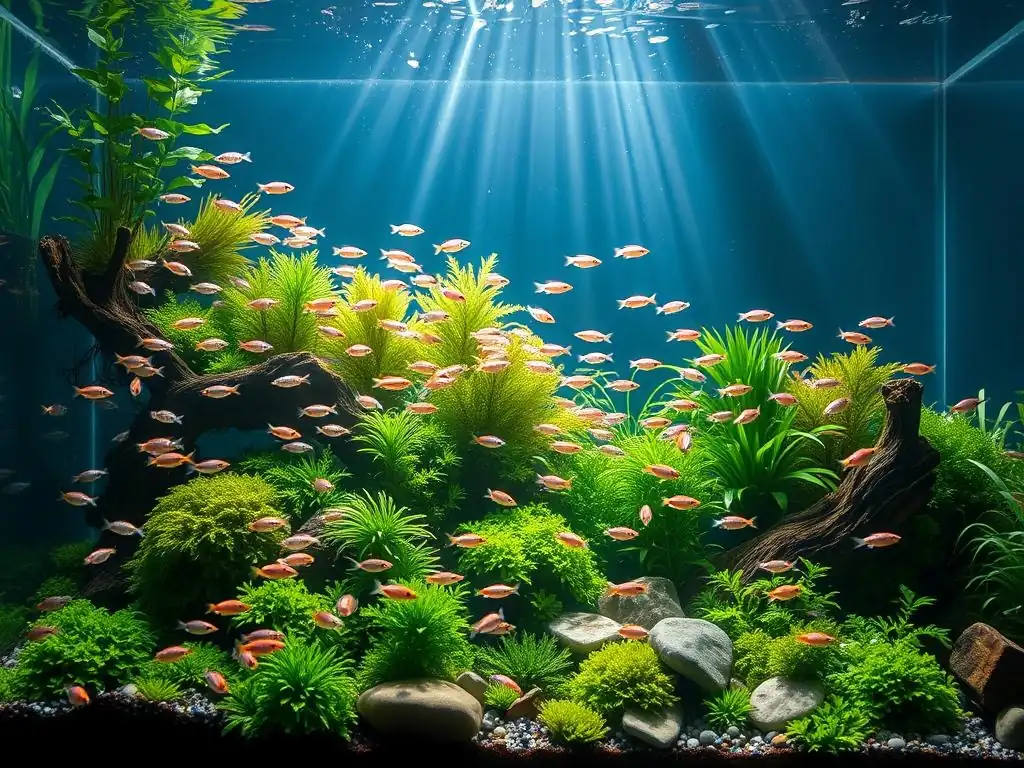
Welcome to Aquarium Mastery!
Ever wondered how to successfully raise those adorable, wiggly Molly fry into thriving members of your aquarium community? You've come to the right place! Dive in and unlock our comprehensive guide to Molly fry care tips, covering everything from feeding schedules to creating the perfect nursery environment. Ready to watch your tiny fry flourish? Let's get started!
- Understanding Molly Fry: A Comprehensive Guide
-
Setting Up the Ideal Molly Fry Tank: A Safe and Stimulating Environment
- Choosing the Right Size Tank for Molly Fry: Considering Fry Number and Growth
- Essential Equipment for a Molly Fry Tank: Sponge Filters, Heaters, and Thermometers
- Preparing the Molly Fry Tank: Dechlorination, Cycling, and Establishing Beneficial Bacteria
- Plants and Decorations for Molly Fry: Java Moss, Hornwort, and Small Rocks
- Molly Fry Care Tips: Essential Practices for Optimal Growth
- Protecting Molly Fry from Predators: Ensuring a High Survival Rate
-
Growing Molly Fry to Juvenile Stage: Preparing for Adult Life
- Monitoring Molly Fry Growth: Size, Activity Level, and Appetite
- Gradual Acclimation to Larger Tanks: Matching Water Parameters and Temperature
- Introducing Molly Fry to the Main Tank: Supervised Introductions and Hiding Places
- Identifying Gender in Molly Fry: Anal Fin Shape and Gonopodium Development
-
Troubleshooting Common Molly Fry Problems: Diagnosing and Addressing Issues
- Molly Fry Not Growing: Poor Water Quality, Inadequate Diet, and Overcrowding
- Molly Fry Dying: Disease, Ammonia Poisoning, and Stress
- Molly Fry Swimming Erratically: Swim Bladder Issues, Parasites, and Poor Water Quality
- Dealing with Aggression Among Molly Fry: Providing Adequate Space and Hiding Places
- Advanced Molly Fry Care: Optimizing Growth and Coloration
- Frequently Asked Questions
- Final Reflection: Nurturing New Life
- Nurture Your Molly Fry: Watch Them Thrive!
Understanding Molly Fry: A Comprehensive Guide
Identifying Molly Fry: Size, Shape, and Behavior
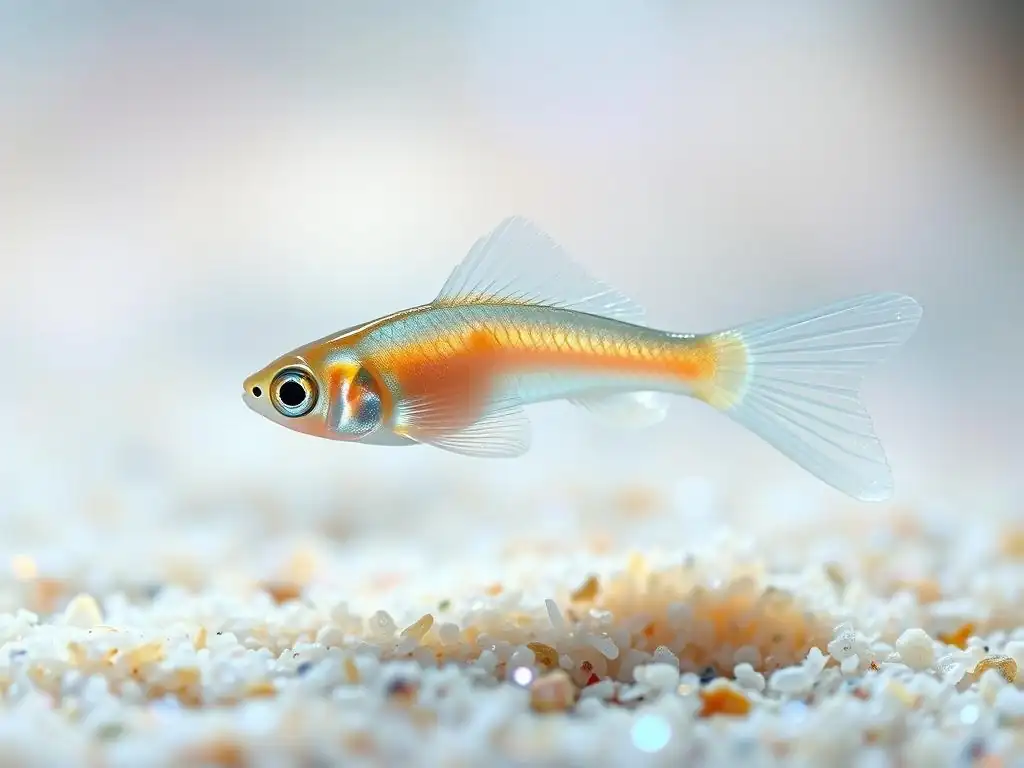
Molly fry are born live, typically measuring between 4 to 6 millimeters in length, making them incredibly tiny and somewhat translucent. Immediately after birth, they often drop to the bottom of the tank or seek shelter among dense plants, an instinctive behavior to avoid predation. Their initial shape is that of a miniature adult molly, albeit with less developed fins and a less vibrant coloration.
As they grow, molly fry quickly develop their characteristic fin shapes and begin to show early signs of their adult coloration, often within the first week. They become more active swimmers, exhibiting a schooling behavior similar to their adult counterparts, although in a much tighter formation. Observing their rapid, jerky movements and constant foraging near the substrate or plant leaves can indicate healthy development, crucial for effective molly fry care tips.
Molly Fry Development Stages: Newborn, Growing, and Juvenile
The newborn stage encompasses the first few days post-birth. During this period, fry are highly vulnerable, relying on residual yolk sac nutrients for a short time before needing external food sources. They spend most of their time hiding, and their survival rate is heavily dependent on immediate separation from adults and pristine water conditions.
The growing stage typically spans from week one to week four. This is a period of rapid physical development, with fry increasing significantly in size daily. Their colors start to emerge, and their fins become more defined. They develop a robust appetite, requiring frequent, small feedings to fuel their growth. By the end of this stage, some fry may reach approximately 1 to 1.5 centimeters in length.
The juvenile stage begins around week four and continues until they reach near-adult size and sexual maturity, usually between 8 to 12 weeks. During this phase, gender differentiation becomes more apparent, particularly the development of the male gonopodium. Juveniles are more resilient than newborns but still benefit from specialized care, including a varied diet and ample space to prevent stunting.
The most obvious difference between molly fry and adult mollies is their size. Newborn fry are only a fraction of an inch, while adult mollies can reach up to 3-4 inches (7-10 cm) depending on the species and gender. This vast size disparity directly impacts their vulnerability to predation, making dedicated molly fry care essential for their survival.
Their dietary needs also differ significantly. Adult mollies consume larger flake foods, pellets, and live/frozen foods. Molly fry, however, require microscopic foods like infusoria initially, progressing to finely crushed flakes, baby brine shrimp, or specialized fry foods due to their tiny mouths and underdeveloped digestive systems. Furthermore, their social behavior diverges: fry are instinctual hiders, often schooling tightly for safety, whereas adult mollies are more outgoing, often displaying territorial behaviors or engaging in courtship rituals.
Setting Up the Ideal Molly Fry Tank: A Safe and Stimulating Environment
Choosing the Right Size Tank for Molly Fry: Considering Fry Number and Growth
For a small brood of 10-20 molly fry, a 5-gallon (approximately 19-liter) tank can serve as an adequate initial grow-out tank for the first few weeks. However, mollies are prolific breeders, often producing 20-100+ fry per brood. For larger numbers, a 10-gallon (approx. 38-liter) or even a 20-gallon (approx. 76-liter) long tank is highly recommended to provide ample space for growth and to dilute waste products effectively.
Overcrowding is a significant stressor for molly fry, leading to stunted growth, increased aggression, and higher susceptibility to disease. Providing more space than initially seems necessary allows for better water quality, reduces competition for food, and promotes healthier development, which are critical molly fry care tips for long-term success. A good rule of thumb is to aim for at least 1 gallon of water per 2-3 juvenile mollies once they reach about 1 inch in size.
Essential Equipment for a Molly Fry Tank: Sponge Filters, Heaters, and Thermometers
A sponge filter is arguably the most crucial piece of equipment for a molly fry tank. Powered by an air pump, it provides gentle filtration without creating strong currents that could harm tiny fry, and its porous surface offers an excellent area for beneficial bacteria to colonize. Unlike power filters or hang-on-back filters with strong intakes, sponge filters pose no risk of sucking up delicate fry.
Maintaining a stable water temperature is vital for molly fry development. A reliable heater capable of keeping the water between 75-82°F (24-28°C) will encourage faster growth and a robust metabolism. A separate, accurate thermometer is equally essential for daily monitoring, ensuring the heater is functioning correctly and preventing dangerous temperature fluctuations. These elements are non-negotiable molly fry care tips for optimal health.
Preparing the Molly Fry Tank: Dechlorination, Cycling, and Establishing Beneficial Bacteria
Before introducing any water to your molly fry tank, it must be thoroughly cleaned and then treated with a high-quality dechlorinator to remove chlorine and chloramines, which are highly toxic to fish. Tap water directly from the faucet is lethal to aquatic life without this crucial step.
Following dechlorination, the tank must undergo a nitrogen cycle to establish a colony of beneficial bacteria. These bacteria convert harmful ammonia (from fish waste and uneaten food) into less toxic nitrite, and then into even less toxic nitrate. This process, often taking 4-6 weeks in a fishless cycle, is paramount. Adding a filter medium from an established, healthy tank can significantly speed up this cycling process, providing a stable environment for the fry and adhering to best molly fry care tips.
Plants and Decorations for Molly Fry: Java Moss, Hornwort, and Small Rocks
Live plants like Java moss ( Taxiphyllum barbieri ), Hornwort ( Ceratophyllum demersum ), and Guppy grass ( Najas guadalupensis ) are invaluable additions to a molly fry tank. Their dense, bushy structures provide abundant hiding places where the tiny fry can seek refuge from potential predators (even if it's just their own curious siblings) and feel secure. Furthermore, these plants can harbor infusoria, microscopic organisms that serve as an excellent first food source for newly hatched fry.
Beyond live plants, adding small, smooth rocks, tiny pieces of driftwood, or even ceramic caves can offer additional shelter and break up lines of sight, reducing stress among the fry. These decorations, alongside plants, contribute to a more natural and stimulating environment, encouraging exploration and reducing territorial disputes as the fry grow. Ensure all decorations are thoroughly cleaned and free of sharp edges before introduction, as part of comprehensive molly fry care tips.
Molly Fry Care Tips: Essential Practices for Optimal Growth
Optimal Water Conditions for Molly Fry: Temperature, pH, and Ammonia/Nitrite/Nitrate Levels
Maintaining stable and optimal water parameters is the cornerstone of successful molly fry care. The ideal water temperature for molly fry is slightly warmer than for adults, typically between 75-82°F (24-28°C), as this accelerates their metabolism and promotes faster growth. Molly fry thrive in slightly alkaline water, with a pH range of 7.0 to 8.0, mirroring the conditions preferred by their adult counterparts.
Crucially, ammonia and nitrite levels must remain at zero parts per million (ppm). Even trace amounts can be highly toxic and lethal to delicate fry. Nitrate levels should be kept below 20 ppm. Regular water testing, ideally daily for the first few weeks, is non-negotiable to monitor these parameters. Any detectable ammonia or nitrite necessitates an immediate partial water change to protect the fry's health.
Feeding Molly Fry: Frequency, Quantity, and Variety
Molly fry have incredibly high metabolisms and grow at an astounding rate, requiring frequent feeding to sustain their development. For the first few weeks, feeding them 5-8 times a day is ideal, spreading out the meals to ensure a continuous supply of nutrients. As they grow, this frequency can gradually be reduced to 3-4 times daily by the time they reach the juvenile stage.
It is paramount to offer only small quantities of food at each feeding, enough that it can be consumed within 2-3 minutes. Overfeeding leads to uneaten food decaying in the tank, rapidly polluting the water with ammonia and nitrite, which are detrimental to fry health. Providing a varied diet ensures they receive all necessary vitamins, minerals, and proteins for robust growth and vibrant coloration.
Best Food Options for Molly Fry: Baby Fish Food, Infusoria, and Finely Crumbled Flakes
For newly hatched molly fry, especially in their first few days, infusoria (microscopic aquatic organisms) or specialized liquid fry food are often the best options due to their minuscule size. These provide a digestible and readily available food source for mouths too small to consume larger particles.
As they grow, typically within a week or two, they can transition to larger foods. High-quality micro-pellets designed for fry, freshly hatched baby brine shrimp nauplii, or finely crushed flake food (powdered between your fingers) are excellent choices. Baby brine shrimp, in particular, are highly nutritious and stimulate a strong feeding response, contributing significantly to their growth and vitality.
Feeding Schedule for Molly Fry: Multiple Small Feedings Per Day
A consistent feeding schedule is vital for optimal molly fry care and growth. During the first week post-birth, aim to feed them every 2-3 hours during daylight hours, ensuring they have a constant supply of nutrients for their rapid development. This might mean 6-8 small feedings throughout the day.
From week two to week four, you can reduce the frequency slightly to 4-5 times daily. Once they enter the juvenile stage (typically from week four onwards), 3-4 feedings per day should suffice. The key is to always provide small amounts that can be consumed quickly, preventing uneaten food from fouling the water, which is a common pitfall in molly fry care.
Water Changes for Molly Fry: Partial Water Changes and Gravel Vacuuming
Due to the frequent feedings and the delicate nature of molly fry, regular water changes are indispensable for maintaining pristine water quality. Performing daily 10-15% partial water changes for the first few weeks, or a 20-25% change every other day, is highly recommended. Always use temperature-matched, dechlorinated water to avoid shocking the fry.
When performing water changes, a gentle gravel vacuuming should be incorporated to remove any uneaten food, detritus, and waste that accumulates on the substrate. Use a small-diameter hose or a specialized fry-safe gravel vacuum to prevent accidentally siphoning up the tiny fry. This diligent maintenance routine is one of the most critical molly fry care tips for preventing ammonia spikes and disease outbreaks.
Preventing Common Diseases in Molly Fry: Ich, Fin Rot, and Fungus
The best defense against common diseases in molly fry, such as Ich (white spot disease), Fin Rot, and Fungus, is proactive prevention through excellent water quality and a stress-free environment. Maintaining stable water parameters (temperature, pH, zero ammonia/nitrite, low nitrates), providing a nutritious diet, and avoiding overcrowding significantly bolster their immune systems.
Quarantining any new plants or decorations before adding them to the fry tank can prevent the introduction of pathogens. Regularly observe your fry for any signs of distress or illness, such as white spots, frayed fins, lethargy, or clamped fins. Early detection allows for prompt action, though treating diseases in delicate fry can be challenging. In most cases, improving water quality through frequent partial water changes is the first and most effective step in combating mild infections.
Protecting Molly Fry from Predators: Ensuring a High Survival Rate
Separating Molly Fry from Adult Mollies: Breeding Nets and Separate Grow-Out Tanks
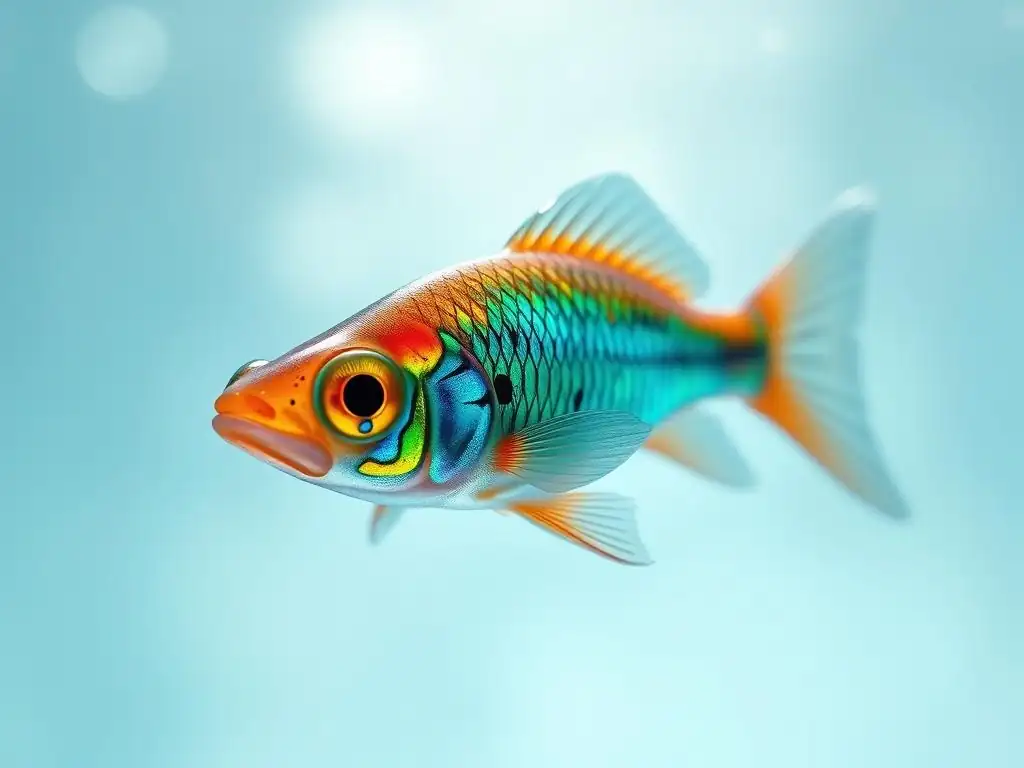
Adult mollies, like many livebearers, have a natural instinct to consume their own fry. Therefore, immediate separation of the newborn molly fry from the adult fish is absolutely crucial for ensuring a high survival rate. If left in the main tank, even well-fed adult mollies will typically devour most, if not all, of the fry within hours of their birth.
The most effective molly fry care tip for protection involves either using a breeding net or box within the main tank, or, preferably, moving the pregnant female to a dedicated breeding tank just before she gives birth. Once the fry are born, the female can be returned to the main tank, leaving the fry in their isolated, safe environment for optimal growth and development.
Choosing the Right Breeding Net or Fry Tank: Size, Material, and Water Flow
When selecting a temporary housing solution, breeding nets are a common choice. These mesh enclosures float inside the main tank, allowing water circulation while keeping fry contained. They are inexpensive and easy to set up, but their limited size can quickly become an issue as fry grow, potentially stunting their development if used for too long.
A more effective and long-term solution is a separate grow-out tank, typically 5-20 gallons, specifically dedicated to the fry. This provides significantly more space, allows for better water quality management, and reduces stress levels. Acrylic or plastic fry boxes that suction cup to the inside of the main tank offer a middle ground, providing a bit more space and solid walls compared to nets, while still benefiting from the main tank's established water parameters. Ensure any chosen container allows for adequate water flow to prevent stagnant areas.
Natural Predators of Molly Fry: Adult Mollies, Larger Fish, and Invertebrates
The primary and most immediate natural predator of molly fry is their own parents and other adult mollies within the tank. Even if they appear docile, the instinct to consume tiny, protein-rich fry is strong. This predatory behavior is a significant reason why dedicated molly fry care tips emphasize immediate separation.
Beyond adult mollies, most other larger fish in a community aquarium will also readily consume molly fry. This includes popular species like guppies, platies, tetras, barbs, and even some bottom-dwelling fish if the fry venture too close. Invertebrates such as larger snails (e.g., Assassin Snails, Mystery Snails) and some shrimp species (e.g., Amano Shrimp, Ghost Shrimp) can also prey on extremely vulnerable newborn fry, especially if they are weak or sick.
Growing Molly Fry to Juvenile Stage: Preparing for Adult Life
Monitoring Molly Fry Growth: Size, Activity Level, and Appetite
Regularly monitoring your molly fry's growth is crucial for assessing their health and the effectiveness of your molly fry care regimen. Healthy fry will show a noticeable increase in size each week, typically reaching 1-1.5 cm within 3-4 weeks with optimal feeding and water conditions. Observe their activity levels: vibrant, active fry that are constantly exploring and foraging are usually thriving.
Their appetite is another key indicator. Healthy fry will eagerly swarm food when offered, and their bellies should appear slightly rounded after feeding. Any signs of lethargy, disinterest in food, or a lack of significant growth over a week or two can signal underlying issues such as poor water quality, inadequate diet, or overcrowding, requiring immediate investigation and adjustment of your care routine.
Gradual Acclimation to Larger Tanks: Matching Water Parameters and Temperature
Once molly fry reach approximately 1.5 to 2 cm in length, usually around 3-6 weeks old, they are typically robust enough to be moved to a larger grow-out tank or, if sufficiently large and the main tank is well-planted, to the community tank. However, this transition must be done gradually to minimize stress.
The most effective method is drip acclimation, where water from the destination tank is slowly dripped into the fry's current container over an hour or more. This allows the fry to slowly adjust to any differences in temperature, pH, and hardness. Alternatively, floating the fry in a bag in the new tank for 15-20 minutes can equalize temperatures before carefully releasing them. Sudden changes in water parameters can be fatal to young fish.
Introducing Molly Fry to the Main Tank: Supervised Introductions and Hiding Places
Introducing molly fry to a community tank should only occur when they are large enough to not be seen as a food source by the adult inhabitants, typically when they are at least 2.5-3 cm (1 inch) long. Even at this size, vigilance is key. Ensure the main tank has an abundance of dense live plants (like Java moss, Anacharis, or Hornwort) and decorations that provide numerous hiding spots and visual barriers.
Conduct the introduction during a time when you can supervise the tank for several hours. Observe how the adult fish react to the new additions. If there is persistent chasing or aggressive behavior, it may be necessary to remove the fry and allow them to grow larger in their separate tank. A well-fed adult population is also less likely to hunt, so ensure your adult fish are not hungry during the introduction.
Identifying Gender in Molly Fry: Anal Fin Shape and Gonopodium Development
Identifying the gender of molly fry becomes possible as they mature into the juvenile stage, typically around 6-8 weeks old, though it can sometimes be observed as early as 4 weeks in well-fed, fast-growing individuals. The primary indicator is the shape of their anal fin.
Female mollies will retain a broad, fan-shaped anal fin throughout their lives. Male mollies, however, will develop a distinct, rod-like modification of their anal fin called a gonopodium. This elongated, pointed structure is used for reproduction. Observing this morphological change is the most reliable method for sexing molly fry and is a useful molly fry care tip for those planning future breeding or managing tank populations.
Troubleshooting Common Molly Fry Problems: Diagnosing and Addressing Issues
Molly Fry Not Growing: Poor Water Quality, Inadequate Diet, and Overcrowding
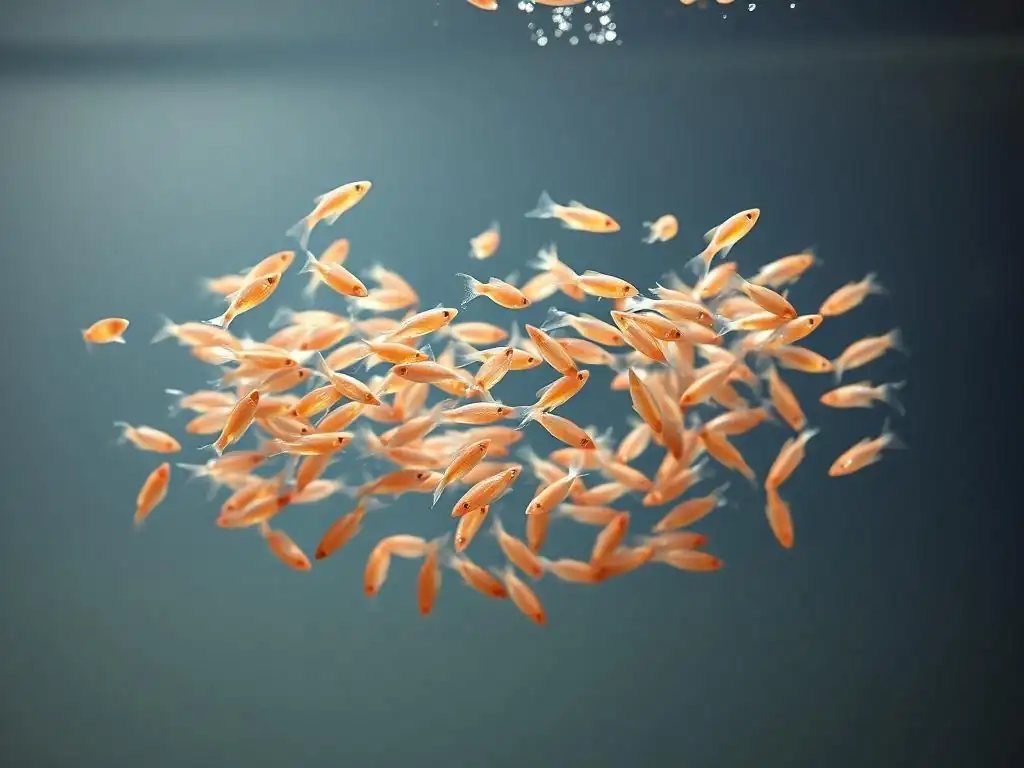
If your molly fry are not growing at the expected rate, the most common culprits are poor water quality, an inadequate diet, or overcrowding. High levels of ammonia, nitrite, or even elevated nitrates, often resulting from insufficient water changes or overfeeding, can stress fry and inhibit their growth. Regularly test your water parameters to rule out chemical imbalances.
An insufficient quantity of food or a diet lacking in essential nutrients will also lead to stunted growth. Ensure you are feeding them frequently enough (5-8 times daily for newborns) and providing a varied diet of high-quality fry foods like baby brine shrimp and micro-pellets. Lastly, too many fry in too small a tank will lead to competition for food and space, releasing growth-inhibiting hormones into the water. Consider upgrading to a larger grow-out tank if your fry population is dense.
Molly Fry Dying: Disease, Ammonia Poisoning, and Stress
Sudden and unexplained deaths among molly fry are often a strong indicator of acute ammonia or nitrite poisoning. These highly toxic compounds can accumulate rapidly in fry tanks due to their small volume, frequent feeding, and high bioload. Immediate and significant partial water changes (e.g., 50%) are necessary if these levels are detected.
Beyond water quality, disease outbreaks can decimate a fry population quickly. Stress from unstable temperatures, bullying, or aggressive water changes weakens their immune systems, making them susceptible to common ailments like Ich or fungal infections. Observe for any visible symptoms like white spots, lethargy, or clamped fins. Addressing the root cause of stress and maintaining pristine conditions are critical molly fry care tips to prevent further losses.
Molly Fry Swimming Erratically: Swim Bladder Issues, Parasites, and Poor Water Quality
Erratic swimming patterns in molly fry, such as darting uncontrollably, spiraling, or struggling to maintain buoyancy, can point to several serious issues. Swim bladder issues might cause fry to float to the surface or sink to the bottom, often stemming from genetic predispositions, rapid temperature changes, or a poor diet lacking fiber.
External parasites like Ich or velvet, or internal parasites, can also cause fry to flash against objects, twitch, or swim abnormally due to irritation and discomfort. Additionally, severe cases of ammonia or nitrite poisoning, or extreme pH fluctuations, can induce neurological damage leading to erratic swimming. Promptly test water parameters and observe for other symptoms to accurately diagnose and treat the underlying problem.
Dealing with Aggression Among Molly Fry: Providing Adequate Space and Hiding Places
While molly fry are generally peaceful, aggression can occasionally manifest, especially as they grow larger and if conditions are less than ideal. This aggression typically involves chasing, nipping fins, or competing intensely for food and space. Overcrowding is the primary catalyst for such behavior.
To mitigate aggression, ensure your grow-out tank provides ample space for the number of fry you are raising. A general guideline is at least 1 gallon per 2-3 juvenile mollies once they reach an inch in size. Furthermore, incorporating plenty of dense live plants (like Java moss, Hornwort) and decorations that create visual barriers and hiding spots will help disperse aggression and provide safe zones for less dominant fry. Consistent, multiple small feedings also reduce competition for food.
Advanced Molly Fry Care: Optimizing Growth and Coloration
Selective Breeding for Desirable Traits in Mollies: Color, Fin Shape, and Size
For aquarists interested in optimizing their molly fry, selective breeding is a key advanced molly fry care tip. This involves carefully choosing parent mollies that exhibit the most desirable traits, such as vibrant colors (e.g., intense black, bright orange), unique fin shapes (e.g., lyretails, sailfins), or larger overall size. By pairing these specific individuals, you increase the likelihood of their offspring inheriting and expressing these characteristics.
To effectively selective breed, it is often necessary to isolate a chosen male and female in a dedicated breeding tank. This ensures that only their genes are passed on to the fry, allowing for a more controlled development of the desired lineage over subsequent generations. Consistent observation of fry and careful record-keeping become paramount in this process.
Understanding Molly Genetics: Dominant and Recessive Genes
A basic understanding of molly genetics can significantly enhance selective breeding efforts. Many molly color patterns and fin types are governed by dominant and recessive genes. For instance, the black coloration of Black Mollies is often a dominant trait, meaning that if one parent carries the gene, there's a high probability of black fry. Conversely, some less common traits might be recessive, requiring both parents to carry the gene for it to appear in the offspring.
Studying common molly genetic inheritance patterns allows breeders to predict the likely outcomes of various pairings. This knowledge helps in making informed decisions about which fish to breed together to achieve specific goals, such as developing a consistent line of highly colored fish or improving fin structure across generations. It transforms molly fry care from a general task into a scientific endeavor.
Documenting Your Molly Fry Breeding Success: Tracking Lineage, Traits, and Growth Rates
Comprehensive documentation is an invaluable advanced molly fry care tip for serious breeders. Keeping detailed records of each breeding pair, including their specific traits, the date of birth for each brood, the number of fry produced, and their initial survival rates, provides crucial data. This information helps identify successful pairings and pinpoint any issues that may arise during the rearing process.
Beyond birth statistics, tracking the growth rate of different broods, observing the development of specific colors or fin shapes, and noting any health issues that appear within a lineage allows for continuous improvement. This systematic approach not only helps refine breeding strategies for future generations but also builds a valuable historical record of your molly fry breeding success, allowing for truly optimized outcomes.
Frequently Asked Questions
How often should I feed Molly fry?
Molly fry need frequent feedings to support their rapid growth. Aim to feed them small amounts 2-3 times per day.
What is the best food to give Molly fry?
Newly hatched Molly fry thrive on infusoria, liquid fry food, or finely crushed flake food. As they grow, you can introduce baby brine shrimp and other small live foods.
How important is water quality for Molly fry?
Maintaining pristine water quality is crucial for Molly fry survival. Perform frequent small water changes (around 10-20%) to remove waste and keep the water parameters stable.
What size tank do I need to raise Molly fry?
A 10-gallon tank is generally sufficient for raising a small batch of Molly fry. Ensure adequate filtration and aeration to support a healthy environment.
How can I protect Molly fry from being eaten by adult fish?
The best way to protect Molly fry is to separate them from the adults immediately after birth. Use a breeding box or separate nursery tank for optimal survival rates.
Final Reflection: Nurturing New Life
The journey from tiny fry to thriving juvenile molly, as we've explored, is a delicate dance of observation, care, and understanding. This meticulous approach to molly fry care, while seemingly niche, mirrors a broader need for mindful stewardship in all aspects of life. Just as these tiny creatures depend on our attentive nurturing, so too does our environment and our communities rely on our conscious efforts to foster growth and well-being.
This process of raising molly fry has profoundly influenced my perspective on the interconnectedness of life. Witnessing their vulnerability and resilience firsthand underscores the importance of creating supportive environments, not just for fish, but for all living things. The greatness of a nation and its moral progress can be judged by the way its animals are treated.
- Mahatma Gandhi. This quote resonates deeply, reminding us that compassion and care, even on a small scale, contribute to a more humane and thriving world.
Now, consider the lessons learned in these waters. How can you apply the principles of attentive care, environmental stewardship, and patient observation to the "fry" in your own life – be it a new project, a budding relationship, or your own personal growth? Embrace the challenge of nurturing potential, and you'll discover the profound satisfaction of witnessing life flourish under your care.
Nurture Your Molly Fry: Watch Them Thrive!
Thank you for diving into the fascinating world of Molly fry! We hope you've gained valuable insights into raising these tiny fish. Now, let's turn that knowledge into action and help your Molly fry flourish!
Here's how you can take the next steps:
- Immediately improve their survival rate: Carefully transfer your Molly fry to a dedicated, cycled grow-out tank to protect them from adults and provide optimal conditions.
- Explore beyond standard diets: Experiment with offering your fry a rotation of powdered spirulina, live baby brine shrimp and finely crushed high-quality flake food to maximize their growth and coloration.
- Share your successes (and challenges!): Join the Aquarium Mastery community forum and contribute to the Molly fry discussion. Your experiences can help others!
What innovative feeding strategy will you try first to give your Molly fry the best start in life?