
The Dangers of Overfeeding Rift Lake Cichlids: Prevention & Solutions

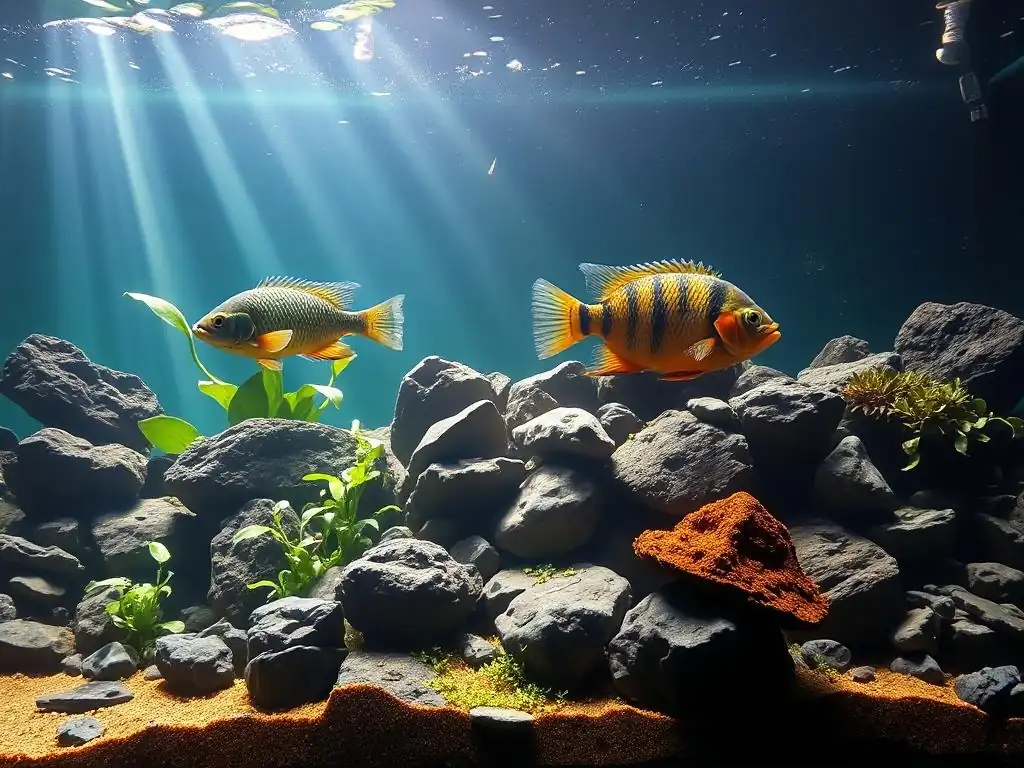
Welcome to Aquarium Mastery!
Dive in and discover the secrets to a thriving aquarium! Are you passionate about your Rift Lake Cichlids? This week, we're tackling a critical aspect of their care: overfeeding. But what are the real dangers, and how can you prevent them? Uncover the hidden consequences and find practical solutions to keep your vibrant cichlids healthy and happy. Let's explore the world of Rift Lake Cichlid nutrition and ensure your underwater community flourishes.
- Understanding the Risks of Overfeeding Cichlids in Rift Lake Aquariums
- Identifying Overfeeding in Your Rift Lake Cichlid Tank
- The Specific Health Problems Caused by Overfeeding Rift Lake Cichlids
- Preventing Overfeeding: A Guide to Proper Cichlid Feeding Habits
- Solutions for Overfeeding Issues and Improving Cichlid Health
- Long-Term Strategies for Maintaining a Healthy Cichlid Diet
- Conclusion: Prioritizing Proper Feeding for Thriving Rift Lake Cichlids
-
Frequently Asked Questions
- What are the primary dangers of overfeeding Rift Lake Cichlids?
- How can I prevent overfeeding my Rift Lake Cichlids?
- What are the signs of overfeeding in Rift Lake Cichlids?
- How does overfeeding specifically impact the water chemistry in a Rift Lake Cichlid tank?
- What should I do if I suspect I have been overfeeding my Rift Lake Cichlids?
- Final Reflection: The Delicate Balance of Life
- Transform Your Cichlid Care Today!
Understanding the Risks of Overfeeding Cichlids in Rift Lake Aquariums
Why Overfeeding is Particularly Harmful to Rift Lake Cichlids
Rift Lake cichlids, particularly the Mbuna species found in Lake Malawi, have evolved digestive systems primarily adapted for a diet of aufwuchs (algae and the small organisms living within it) scraped from rocks. Their long intestinal tracts are designed to process high-fiber, low-protein plant matter efficiently. When these fish are overfed, especially with foods high in animal protein or fat, their digestive systems become overwhelmed. This leads to undigested food accumulating in the gut, which can ferment and cause significant internal stress.
Even omnivorous Rift Lake cichlids, such as many Peacock cichlids (Aulonocara species), are sensitive to excessive protein and fat. Their natural diet in the wild often consists of small invertebrates and detritus, which is still lean compared to many processed fish foods. The metabolic strain from constantly processing an abundance of rich food can lead to internal organ damage over time, making them more susceptible to disease and significantly shortening their lifespan. Understanding these dietary nuances is crucial to mitigating the Rift Lake Cichlid overfeeding dangers.
Impact of Excess Food on Water Quality in Cichlid Tanks
Overfeeding directly contributes to a rapid deterioration of water quality, which is particularly detrimental in the relatively stable, hard water environments that Rift Lake cichlids require. Uneaten food quickly decomposes, releasing ammonia into the water column. For instance, in a 75-gallon cichlid tank, even a small amount of uneaten flake food can cause ammonia levels to jump from an ideal 0 parts per million (ppm) to a stressful 0.25 ppm within a few hours if the biological filter is already at capacity or insufficient.
This excess ammonia, while eventually converted to less toxic nitrates by beneficial bacteria, places an immense burden on the aquarium's nitrogen cycle. High levels of nitrates (e.g., consistently above 40 ppm without regular water changes) and phosphates from decomposing food can lead to rampant algae growth, further disrupting the tank's ecological balance. This compromised water quality stresses the fish, making them more vulnerable to diseases and significantly increasing the Rift Lake Cichlid overfeeding dangers.
Overfeeding and the Increased Risk of Malawi Bloat
One of the most severe and common consequences of overfeeding Rift Lake cichlids is Malawi Bloat, a highly fatal gastrointestinal condition. This disease is directly linked to the accumulation of undigested food in the cichlid's gut, particularly when the diet is inappropriate (too high in protein/fat) or fed in excessive quantities. The undigested food provides a substrate for the proliferation of harmful anaerobic bacteria within the intestinal tract, leading to severe inflammation, gas production, and internal pressure.
Malawi Bloat often presents with symptoms like a distended abdomen, loss of appetite, rapid respiration, and white, stringy feces. The condition can progress rapidly, with mortality rates ranging from 70% to nearly 100% if not caught and treated early. Mbuna cichlids, due to their specialized herbivorous diets, are exceptionally prone to this condition, highlighting the critical need to avoid the Rift Lake Cichlid overfeeding dangers.
Identifying Overfeeding in Your Rift Lake Cichlid Tank
Recognizing the Signs of Overfeeding in Cichlids
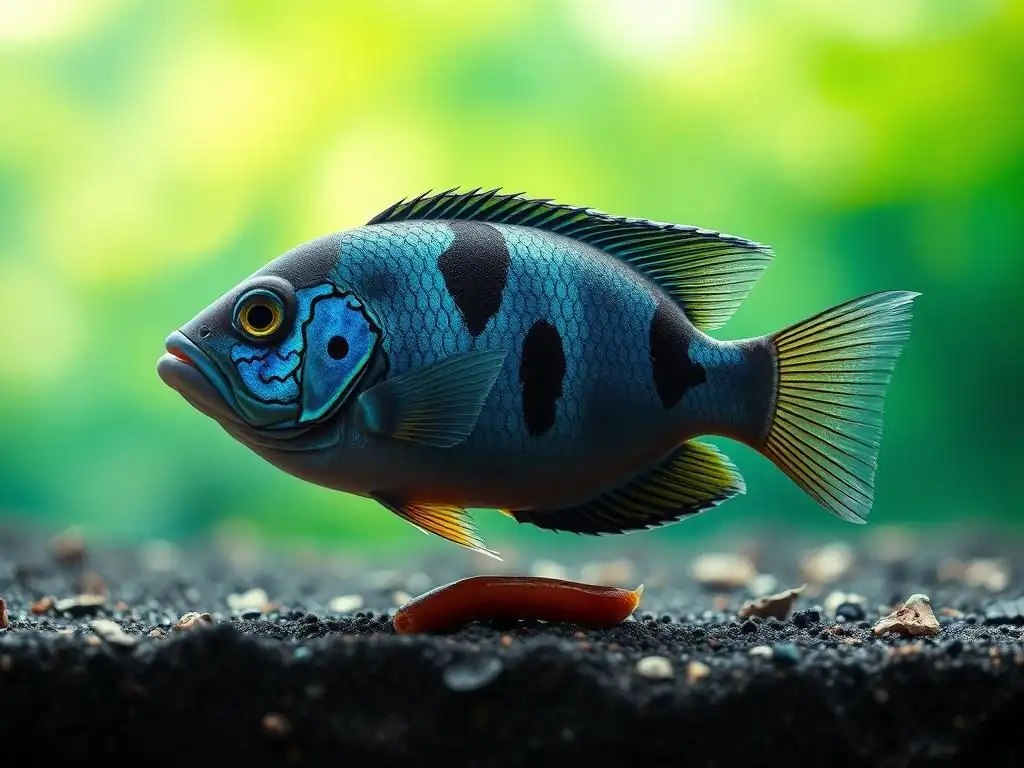
Identifying overfeeding in a Rift Lake cichlid tank often begins with observing the tank environment and the fish themselves. One of the most obvious signs is the presence of uneaten food accumulating on the substrate or trapped in decorations after feeding time. If food remains visible for more than a few minutes (e.g., 2-3 minutes), it's a clear indicator that too much was offered. Beyond the physical presence of food, the water itself might appear cloudy or hazy due to an overload of dissolved organic compounds and bacterial blooms, often within 24-48 hours of excessive feeding.
Furthermore, the fish themselves may exhibit subtle signs of distress. While cichlids are notoriously robust, persistent overfeeding can lead to lethargy, faded coloration, or increased aggression as water quality declines. Some fish might develop stringy, white feces, which is a common indicator of digestive upset and is often a precursor to more severe conditions like Malawi Bloat. Observing these symptoms early is crucial for mitigating the Rift Lake Cichlid overfeeding dangers.
Observing Cichlid Feeding Behavior: Are They Really Hungry?
Rift Lake cichlids are opportunistic feeders by nature; in the wild, they constantly forage for food. This innate drive means they will almost always appear hungry, even if they have just been fed or are already full. Their enthusiastic response to food, often involving frantic darting and nipping, can easily deceive aquarists into believing they require more food than they actually do. A common mistake is to continue feeding until all fish appear "satisfied," which invariably leads to overfeeding.
Instead, focus on how quickly the food is consumed. A good rule of thumb is to offer an amount that your cichlids can entirely consume within 30 to 60 seconds, with an absolute maximum of two minutes. If food is still circulating or settling on the bottom after this timeframe, you are providing too much. Regularly assessing their consumption speed rather than their apparent hunger is a key strategy to prevent the Rift Lake Cichlid overfeeding dangers.
Testing Water Parameters to Detect Overfeeding Problems (Ammonia, Nitrites, Nitrates)
Regular water testing is an indispensable tool for confirming suspicions of overfeeding and understanding its impact on your cichlid aquarium. Elevated levels of ammonia and nitrites are immediate red flags, indicating that the biological filtration system is overwhelmed by the bioload, often due to excessive organic waste from uneaten food and fish waste. Ideally, both ammonia and nitrite should always read 0 ppm in a healthy, established tank. Any detectable level, even 0.25 ppm, signals a problem.
While nitrates are the end product of the nitrogen cycle and less immediately toxic than ammonia or nitrite, consistently high nitrate levels (e.g., above 40 ppm, although some aquarists aim for below 20 ppm) are also indicative of excessive organic loading, often a direct result of overfeeding combined with insufficient water changes. Regularly testing your water at least once a week provides objective data to help you identify and address the water quality issues that stem from the Rift Lake Cichlid overfeeding dangers.
The Specific Health Problems Caused by Overfeeding Rift Lake Cichlids
Digestive Issues in Cichlids Due to Excessive Food Intake
Overfeeding places immense strain on the delicate digestive systems of Rift Lake cichlids, leading to a range of internal problems. When these fish consume more food than their bodies can efficiently process, particularly foods rich in indigestible components or those not suited to their natural diet, it can cause severe constipation and intestinal blockages.
For instance, herbivorous Mbuna fed a diet high in animal protein may struggle to digest it, leading to a buildup of undigested matter. This can manifest as a bloated appearance, loss of appetite, and the production of stringy, white feces, indicating internal inflammation or a bacterial imbalance.
Prolonged overfeeding can also contribute to more chronic conditions such as fatty liver disease. Just like in humans, an excessive intake of calories, especially from fats and certain proteins, can lead to fat accumulation in the liver. This impairs liver function, affecting metabolism, detoxification, and overall fish health. These internal digestive complications significantly weaken the fish, making them more susceptible to other diseases and directly contributing to the severity of Rift Lake Cichlid overfeeding dangers.
Increased Susceptibility to Diseases in Overfed Cichlids
A direct consequence of overfeeding is the deterioration of water quality, which in turn acts as a major stressor for fish. When cichlids are subjected to elevated levels of ammonia, nitrite, or even consistently high nitrates, their immune systems become severely compromised. This weakened state makes them highly vulnerable to opportunistic pathogens that are typically present in any aquarium but would otherwise be harmless to healthy fish. Common diseases that often emerge in overfed, stressed cichlid tanks include bacterial infections like fin rot and columnaris, fungal infections, and parasitic infestations such as Ich (white spot disease).
For example, a tank with ammonia levels consistently above 0 ppm due to overfeeding might see a sudden outbreak of Ich, even if no new fish have been introduced. The stress from poor water conditions suppresses the cichlid's natural defenses, allowing the parasite to take hold. Furthermore, the internal digestive issues caused by overfeeding can deplete a cichlid's energy reserves, leaving it with fewer resources to fight off infections. This cascade effect underscores how overfeeding significantly amplifies the Rift Lake Cichlid overfeeding dangers.
The Link Between Overfeeding and Malawi Bloat (Ascites) in Cichlids
The connection between overfeeding and Malawi Bloat is perhaps the most critical health concern for Rift Lake cichlids. While often referred to as "bloat," it is more accurately described as a severe internal bacterial infection, primarily affecting the gut, which is exacerbated by an improper or excessive diet. When cichlids, especially herbivorous Mbuna, consume too much food, particularly low-quality or high-protein feeds, the undigested portions ferment in their long digestive tracts. This fermentation encourages the overgrowth of specific anaerobic bacteria, such as Clostridium species, which produce gas and toxins.
The resulting inflammation and gas accumulation cause the characteristic swelling of the abdomen (ascites). As the condition progresses, the toxins released by the bacteria can damage internal organs, particularly the liver and kidneys, leading to organ failure. Symptoms include extreme lethargy, loss of appetite, rapid gilling, and the tell-tale white, stringy feces. Without immediate and aggressive treatment, Malawi Bloat is almost always fatal, often within 24-72 hours of symptom onset. This deadly disease highlights the profound Rift Lake Cichlid overfeeding dangers and the absolute necessity of careful dietary management.
Preventing Overfeeding: A Guide to Proper Cichlid Feeding Habits
Determining the Right Amount of Food for Your Cichlids
The cornerstone of preventing Rift Lake Cichlid overfeeding dangers is to consistently provide the correct amount of food. A widely accepted guideline is to offer only what your cichlids can completely consume within 30 to 60 seconds.
For a typical community of active adult Mbuna or Peacock cichlids, this often translates to a small pinch of flakes or a few dozen pellets, depending on the size of the tank and the number of fish. It's crucial to observe the entire tank during feeding; ensure all fish have access to food without overfeeding the dominant ones or neglecting the shy ones.
Start with a conservative amount and observe closely. If food remains after one minute, reduce the quantity for the next feeding. If all food is gone instantly and fish are still frantically searching, you might slightly increase it. Remember, it's always better to underfeed slightly than to overfeed. For instance, in a 55-gallon tank with 10-15 adult cichlids, a quarter teaspoon of high-quality pellet food offered twice daily might be an appropriate starting point, adjusted based on observation.
Establishing a Consistent Feeding Schedule for Rift Lake Cichlids
A consistent feeding schedule helps regulate your cichlids' metabolism and reduces the likelihood of overfeeding. Most aquarists find success feeding their Rift Lake cichlids one to two small meals per day. For example, feeding once in the morning and once in the evening, at roughly the same times each day, can help establish a routine. This consistency also allows you to more accurately gauge how much food is being consumed and if adjustments are needed.
Incorporating a fasting day once a week is also highly beneficial for Rift Lake cichlids. A 24-hour period without food allows their digestive systems to fully process any remaining food and cleanse the gut, significantly reducing the risk of internal blockages and conditions like Malawi Bloat. This practice mimics natural feeding patterns where food availability can fluctuate, reinforcing strategies to combat the Rift Lake Cichlid overfeeding dangers.
Choosing the Right Cichlid Food: Quality over Quantity
Selecting the appropriate type of food is just as vital as controlling the quantity to prevent Rift Lake Cichlid overfeeding dangers. For herbivorous Mbuna, a high-quality spirulina-based flake or pellet food should form the bulk of their diet. Look for foods with spirulina listed as a primary ingredient, high fiber content, and relatively low protein (e.g., 30-35%) and fat (e.g., 5-8%). Examples include Hikari Cichlid Excel or New Life Spectrum Cichlid Formula. Avoid beef heart, bloodworms, or other animal-protein-rich foods, which are detrimental to their long-term health.
For omnivorous Peacock cichlids (Aulonocara) and Haps (Haplochromis), a varied diet consisting of high-quality cichlid pellets or flakes formulated for omnivores is best. These foods should still be balanced but can include a higher protein content (e.g., 40-45%) and occasional supplements like frozen spirulina-enriched brine shrimp or mysis shrimp. Always prioritize quality, highly digestible ingredients over cheap, filler-laden foods, as better nutrition means less waste and healthier fish.
Avoiding Overfeeding During Tank Cycling and New Fish Introduction
The initial stages of setting up an aquarium, during the nitrogen cycle, and the period immediately following the introduction of new fish are particularly sensitive times when the Rift Lake Cichlid overfeeding dangers are amplified. During tank cycling, the beneficial bacterial colonies that process waste are still establishing themselves. Adding too much food during this phase, even if fish are present to help "cycle" the tank, can quickly lead to dangerous ammonia and nitrite spikes, stressing or even killing the fish.
When introducing new cichlids to an established tank, they are already under stress from transport and acclimation. Their immune systems may be temporarily suppressed, and their digestive systems might be more sensitive. For the first few days after introduction, feed new fish very sparingly, perhaps once every other day, and only a tiny amount. This minimizes the bioload on the system and allows the fish to acclimate without the added stress of digestive upset or poor water quality. Gradually increase feeding to the normal schedule over a week or so, observing their behavior closely.
Solutions for Overfeeding Issues and Improving Cichlid Health
Immediate Steps to Take When You Suspect Overfeeding
If you suspect or confirm that you have been overfeeding your Rift Lake cichlids, immediate action is crucial to mitigate the damage. First and foremost, stop feeding your fish for at least 24 to 48 hours. This allows their digestive systems to clear out any excess food and gives the beneficial bacteria in your filter a chance to catch up with the existing waste. Second, perform a large water change, ideally 50-75% of the tank volume, to rapidly dilute ammonia, nitrite, and nitrate levels.
Concurrently, use a gravel vacuum to thoroughly clean the substrate and remove any visible uneaten food, decaying plant matter, or excessive fish waste. This physical removal of organic material is vital in reducing the source of toxins. Finally, ensure robust aeration in the tank by checking air stones, powerheads, or filter outlets. Good oxygen levels are crucial for both the fish and the beneficial bacteria that process waste, helping to combat the immediate effects of Rift Lake Cichlid overfeeding dangers.
Water Changes: A Crucial Part of Addressing Overfeeding Problems
Regular and appropriately sized water changes are the single most effective tool for reversing the negative impacts of overfeeding on water quality. When overfeeding has occurred, ammonia and nitrite levels can rapidly become toxic, and nitrates can accumulate to dangerous concentrations. A large water change (e.g., 50% or more) can immediately reduce these harmful compounds by half or more, providing instant relief to stressed fish.
If water parameters are severely out of balance (e.g., detectable ammonia or nitrite, or nitrates above 40 ppm), implement daily or every-other-day water changes of 25-50% until all parameters return to acceptable levels (0 ppm ammonia, 0 ppm nitrite, nitrates below 20 ppm). Always use a dechlorinator to treat tap water and ensure the new water is temperature-matched to prevent thermal shock to your cichlids. Consistent water changes are non-negotiable for managing and preventing the long-term Rift Lake Cichlid overfeeding dangers.
Using Filtration to Combat the Effects of Excess Food
While water changes are vital for immediate relief, optimizing your aquarium's filtration system is a long-term solution to combat the effects of excess food and prevent future Rift Lake Cichlid overfeeding dangers. Ensure your mechanical filtration (filter floss, sponges) is clean and free-flowing. Clogged mechanical media cannot effectively trap particulate matter, allowing uneaten food and waste to decompose directly in the water column. Clean or replace these components regularly, perhaps weekly or bi-weekly depending on bioload.
Equally important is robust biological filtration. Ensure your filter contains ample bio-media (e.g., ceramic rings, bio-balls, porous sponges) that provide a large surface area for beneficial bacteria to colonize. If your tank consistently struggles with high ammonia or nitrite after minor overfeeding incidents, consider upgrading your filter's capacity or adding supplemental biological filtration (e.g., a sponge filter or additional media). Chemical filtration, such as activated carbon or ammonia-absorbing resins, can also be used as a temporary measure to remove dissolved organics and toxins, but they are not a substitute for proper feeding and regular maintenance.
Treating Cichlid Diseases Caused by Overfeeding (Malawi Bloat Treatment)
If your Rift Lake cichlids develop diseases directly linked to overfeeding, such as Malawi Bloat, prompt and specific treatment is essential, though success is not guaranteed in advanced stages. The most effective treatment for Malawi Bloat is typically an antibiotic or anti-parasitic medication containing Metronidazole. This can be administered by soaking the fish's food with the medication (e.g., using Seachem Metronidazole or API General Cure) or, in severe cases, by dosing the medication directly into the water, following product instructions precisely.
It is crucial to isolate the affected fish in a hospital tank if possible to prevent the spread of disease and to allow for more targeted medication. During treatment, maintain pristine water conditions in both the main tank and the hospital tank through daily small water changes. Continue to withhold food for 2-3 days, then offer a very small amount of medicated food if the fish shows signs of appetite. Remember, prevention through proper feeding is far more effective than trying to treat the severe health problems caused by the Rift Lake Cichlid overfeeding dangers.
Long-Term Strategies for Maintaining a Healthy Cichlid Diet
Monitoring Cichlid Health and Adjusting Feeding Accordingly
Maintaining a healthy diet for Rift Lake cichlids is an ongoing process that requires continuous observation and adaptability. Regularly monitor your fish for signs of good health: active swimming, vibrant coloration, clear eyes, and normal, firm feces. Any deviation from these norms—such as lethargy, faded colors, or stringy white feces—should prompt an immediate review of your feeding practices. For instance, if you notice your Mbuna are consistently producing stringy waste, it might indicate too much protein in their diet or overfeeding, even if water parameters are stable.
Adjust feeding amounts based on factors like fish growth, breeding activity (which requires more energy), or changes in tank population. For example, a growing group of juvenile cichlids will require slightly more food than fully grown adults. Conversely, if you notice an increase in uneaten food or a slight rise in nitrates between water changes, it’s a clear signal to reduce the feeding quantity. This continuous monitoring and responsive adjustment are vital for mitigating the Rift Lake Cichlid overfeeding dangers.
The Importance of a Varied Diet for Rift Lake Cichlids
While sticking to species-appropriate staple foods is crucial, providing a varied diet adds essential nutrients and prevents deficiencies, contributing to overall health and resilience against the Rift Lake Cichlid overfeeding dangers. For Mbuna, supplementing their spirulina-based pellets with blanched vegetables like zucchini, cucumber, or shelled peas once or twice a week can provide additional fiber and vitamins. These can be offered by weighting them down or clipping them to the tank glass.
For omnivorous Peacock cichlids and Haps, rotating between different high-quality pellet brands can ensure a broader spectrum of amino acids and micronutrients. Occasional treats of frozen spirulina-enriched brine shrimp or mysis shrimp (thawed before feeding) can also be offered, but sparingly, perhaps once a week, to avoid excessive protein or fat intake. The key is balance and moderation; variety enhances nutrition without encouraging overfeeding or introducing inappropriate food types.
Quarantine and Observation: Preventing Disease Spread from Overfeeding
A robust long-term strategy for preventing health issues, including those exacerbated by Rift Lake Cichlid overfeeding dangers, involves the diligent use of a quarantine tank. Any new fish should be quarantined for at least 2-4 weeks before being introduced to your main display tank. During this period, you can establish proper feeding habits for the new arrivals, observing their response to food and ensuring they are not overfed in isolation.
More importantly, the quarantine period allows you to observe the new fish for any signs of illness, especially digestive issues or early symptoms of Malawi Bloat, which can sometimes be triggered by the stress of transport and initial feeding. If a new fish develops symptoms, it can be treated in the quarantine tank without risking the health of your established population. This proactive approach prevents the introduction of sick fish that might stress the entire tank, making existing fish more vulnerable to the effects of overfeeding.
Conclusion: Prioritizing Proper Feeding for Thriving Rift Lake Cichlids
Key Takeaways: Preventing Overfeeding and Ensuring Cichlid Wellbeing
The health and longevity of your Rift Lake cichlids hinge significantly on proper feeding practices. Overfeeding is a pervasive and dangerous habit that can lead to severe water quality degradation, compromise fish immunity, and most critically, trigger fatal conditions like Malawi Bloat. Understanding the unique dietary needs of these specialized fish, particularly their sensitivity to high-protein, high-fat diets, is paramount.
To ensure the wellbeing of your cichlids, always feed small amounts that can be consumed within 30-60 seconds, adhere to a consistent feeding schedule, and prioritize high-quality, species-appropriate foods over quantity. Regular water testing and changes are essential safeguards against the immediate impacts of overfeeding, while a varied diet and diligent observation of fish health form the backbone of long-term success. By mastering these feeding fundamentals, you can effectively mitigate the Rift Lake Cichlid overfeeding dangers and cultivate a thriving, vibrant aquarium.
Resources for Further Learning About Cichlid Care
For those passionate about the intricate world of Rift Lake cichlids, continued education is key. Explore comprehensive guides on species-specific care, delving deeper into the nuances of Mbuna, Peacock, and Haplochromis diets. Research the specific nutritional requirements of different cichlid genera to fine-tune your feeding regimen. Consult reputable aquarium forums and community resources where experienced aquarists share insights on disease prevention and advanced husbandry techniques. Understanding the unique behaviors and environmental needs of these fascinating fish will empower you to provide them with the best possible care, ensuring their health and vibrancy for years to come.
Frequently Asked Questions
What are the primary dangers of overfeeding Rift Lake Cichlids?
Overfeeding leads to poor water quality due to excess waste. This can result in ammonia spikes and nitrite poisoning, harming your cichlids.
How can I prevent overfeeding my Rift Lake Cichlids?
Only feed your cichlids what they can consume in 2-3 minutes. Avoid giving them too much food at once, and observe their feeding habits closely.
What are the signs of overfeeding in Rift Lake Cichlids?
Look for signs like cloudy water, excess algae growth, and lethargic fish. Uneaten food accumulating at the bottom of the tank is another clear indicator.
How does overfeeding specifically impact the water chemistry in a Rift Lake Cichlid tank?
Overfeeding introduces excess organic waste, which breaks down and increases ammonia, nitrites, and nitrates. This disrupts the delicate balance required for Rift Lake Cichlids.
What should I do if I suspect I have been overfeeding my Rift Lake Cichlids?
Immediately perform a partial water change (around 25%). Reduce the amount of food given in subsequent feedings and monitor water parameters closely with a test kit.
Final Reflection: The Delicate Balance of Life
The insights shared throughout this article highlight the critical importance of responsible feeding practices when keeping Rift Lake Cichlids. The potential consequences of overfeeding, from compromised water quality to the increased risk of disease, are not merely theoretical concerns; they represent tangible threats to the health and longevity of these magnificent fish in our care. Ignoring these dangers ultimately undermines the very beauty and biodiversity we seek to preserve in our aquariums.
This topic resonates deeply because it underscores the interconnectedness of all elements within an aquarium ecosystem. Our actions, however small they may seem, have profound and lasting effects on the lives of these creatures. It's a constant reminder that responsible fishkeeping extends beyond simply providing food; it requires a commitment to understanding and respecting the delicate balance of nature. The greatness of a nation and its moral progress can be judged by the way its animals are treated.
- Mahatma Gandhi. This quote, though not specifically about fish, perfectly encapsulates the ethical responsibility we bear towards all living beings under our care.
As you consider the information presented, I encourage you to reflect on your own practices and the impact they have on your aquatic companions. Are you truly providing the optimal environment for your Rift Lake Cichlids to thrive? Let this knowledge empower you to become a more informed and conscientious aquarist, ensuring a vibrant and healthy future for these captivating fish.
Transform Your Cichlid Care Today!
Thanks for diving into the world of Rift Lake Cichlids! Now that you're armed with the knowledge to prevent overfeeding and keep your fish healthy, it's time to put that knowledge into action. Let's ensure your vibrant cichlids thrive!
- Immediately reassess your feeding schedule based on the guidelines discussed and adjust portion sizes accordingly. Your cichlids will thank you!
- Share this article with fellow cichlid enthusiasts – spreading awareness helps create a healthier community of fish keepers.
- Experiment with introducing a "fasting day" once a week and observe the positive changes in your cichlids' behavior and overall health.
What specific adjustments will you make to your cichlid feeding habits this week to ensure their long-term health and vibrancy?