
The Science of "Green Water" for Rearing Tetra Fry: An Aquarium Mastery Explanation

Welcome to Aquarium Mastery!
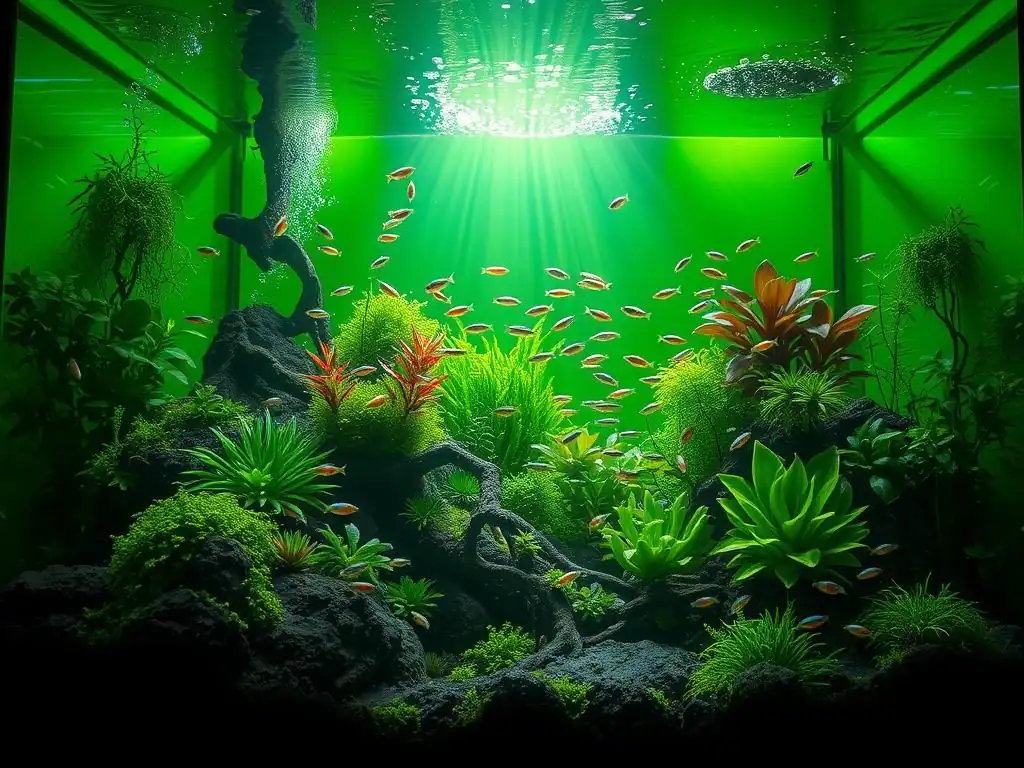
Ever wondered why that murky green water is actually a secret weapon for raising healthy tetra fry? Dive into "The Science of 'Green Water' for Rearing Tetra Fry" and unlock the secrets to successful breeding. We'll explore everything from the microscopic organisms fueling their growth to the delicate balance required for optimal conditions. Ready to transform your tetra fry rearing success? Let's get started!
- Understanding Green Water and its Role in Tetra Fry Development
- Setting Up a Green Water Culture for Tetra Fry
- Maintaining Green Water for Successful Tetra Fry Rearing
- Feeding Tetra Fry with Green Water: A Step-by-Step Guide
- Advanced Techniques for Green Water Rearing
- Troubleshooting Common Issues in Green Water Fry Rearing
- Best Practices for Green Water Rearing Tetra Fry: A Summary
-
Frequently Asked Questions
- What exactly is "green water" in the context of rearing tetra fry?
- Why is "green water" considered beneficial for tetra fry survival?
- How do I create and maintain "green water" in my fry tank?
- Are there any risks associated with using "green water" for tetra fry?
- Can I use commercially available products instead of creating "green water" from scratch?
- Final Reflection: Cultivating Life in Emerald Depths
- Cultivate Your Own Tetra Paradise!
Understanding Green Water and its Role in Tetra Fry Development
What is Green Water and Why is it Beneficial for Tetra Fry?
Green water is a suspension of microscopic, single-celled algae, primarily phytoplankton species such as Chlorella, Scenedesmus, or Ankistrodesmus. It gets its name from its characteristic opaque green appearance, resulting from the dense population of these photosynthetic organisms. This living broth is incredibly rich in essential nutrients, including high-quality proteins, beneficial lipids (like Omega-3 fatty acids), and a wide spectrum of vitamins (A, B complex, C, E), making it a highly nutritious food source for aquatic life.
The primary benefit of green water for tetra fry lies in its microscopic nature and continuous availability. Newly hatched tetra fry are exceptionally small, often with mouthparts too tiny to consume traditional powdered dry foods or even newly hatched brine shrimp during their first few days.
Green water provides an omnipresent "infusoria" type of food source that is perfectly sized and easily digestible. This constant access to food significantly reduces the risk of starvation, which is a major cause of mortality in young fry, potentially increasing initial survival rates by 20-30% in the critical first week compared to setups without this continuous microscopic food.
The Science Behind Green Water: Phytoplankton and Nutrient Cycles
Phytoplankton are the foundation of many aquatic food webs, utilizing light energy through photosynthesis to convert inorganic compounds into organic matter. They rapidly reproduce under optimal conditions (adequate light, temperature, and nutrients), doubling their biomass every 24 to 48 hours. Crucially, these algae efficiently absorb dissolved waste products from the water, such as nitrates, phosphates, and other organic compounds, effectively acting as a natural bioremediation system that maintains water quality.
Within a green water culture, a delicate nutrient cycle is established. Phytoplankton absorb available nutrients from the water column. When consumed by tetra fry, these nutrients are transferred up the food chain, providing the necessary building blocks for rapid growth. Any uneaten or dead phytoplankton eventually decompose, releasing their nutrients back into the water, which are then reabsorbed by the thriving live phytoplankton. This creates a self-sustaining, albeit sensitive, ecosystem that continuously recycles nutrients, making it an ideal environment for the delicate green water rearing tetra fry.
Green Water vs. Clear Water: A Comparative Analysis for Tetra Fry Rearing
Rearing tetra fry in clear water typically involves frequent, small feedings of powdered or liquid fry foods, or newly hatched brine shrimp. This method demands meticulous water quality management, as uneaten food quickly fouls the water, necessitating frequent small water changes that can be stressful for fragile fry. Moreover, fry in clear water must actively seek out discrete food particles, expending valuable energy that could otherwise be directed towards growth.
In contrast, a green water environment offers a continuous, "graze-at-will" food source. The microscopic phytoplankton are suspended throughout the water column, allowing tetra fry to passively consume food as they swim, conserving energy and promoting more consistent feeding. This constant availability mitigates the risk of starvation and often leads to significantly faster initial growth rates.
Anecdotal and observational data suggest that fry reared in green water can exhibit a 15% increase in size by the end of the first week and generally achieve higher survival rates, sometimes reaching 80-90% for robust tetra species, compared to 50-60% in clear water setups over the same period. This makes green water rearing tetra fry a superior choice for many breeders.
Setting Up a Green Water Culture for Tetra Fry
Preparing the Culture Vessel: Size, Lighting, and Aeration
For establishing a green water culture, a clear plastic container or a small glass aquarium, typically ranging from 5 to 10 gallons (approximately 19-38 liters), is ideal. The vessel's transparency is crucial to allow sufficient light penetration for phytoplankton photosynthesis. Before use, the container must be meticulously cleaned and sterilized to eliminate any contaminants; a common method involves soaking it in a dilute bleach solution (e.g., 1 part bleach to 10 parts water) for several hours, followed by thorough rinsing and dechlorination to ensure no residual chemicals remain.
Appropriate lighting and gentle aeration are fundamental for a thriving culture. Phytoplankton require moderate light intensity for 10-14 hours daily; standard fluorescent or LED lights with a daylight spectrum (around 6500 Kelvin) are suitable, avoiding direct, intense sunlight which can lead to overheating and encourage undesirable algae.
Gentle aeration, provided by a small air stone connected to an air pump, is recommended to prevent water stagnation and ensure uniform distribution of carbon dioxide, which the algae need for photosynthesis. However, vigorous bubbling should be avoided as it can damage delicate algal cells; a slow, steady stream of bubbles (e.g., 1-2 bubbles per second) is typically sufficient for effective green water rearing tetra fry.
Inoculating the Culture: Sourcing and Introducing Phytoplankton
The most reliable method for inoculating a green water culture is by obtaining a starter culture from a trusted source. This could be a fellow aquarist, an online supplier specializing in live aquatic feeds, or a reputable local fish store that breeds fish and maintains live food cultures. It is paramount to ensure the source culture is healthy and free from any unwanted pests, pathogens, or other undesirable microorganisms. While some hobbyists attempt to start cultures from outdoor pond water, this carries a significantly higher risk of introducing predatory protozoa or other harmful elements to the delicate fry environment.
Once sourced, the inoculation process is straightforward. Introduce a measured amount of the starter culture into the prepared vessel; typically, about 1 cup (240 ml) of dense green water per 5 gallons (19 liters) of fresh, dechlorinated water is a good starting ratio. The initial culture may appear somewhat pale, but with consistent lighting, temperature, and nutrient availability, the phytoplankton will begin to multiply rapidly. It usually takes between 3 to 7 days for the culture to reach a sufficient density—visibly opaque and vibrant green—to be suitable for green water rearing tetra fry.
Nutrient Management for Optimal Phytoplankton Growth: Fertilizers and Water Parameters
Phytoplankton, like all plants, require a balanced supply of macronutrients, primarily nitrogen (nitrates), phosphorus (phosphates), and potassium, along with various trace elements such as iron and magnesium. A common and effective approach for hobbyists is to use a few drops of a liquid aquarium plant fertilizer that is specifically formulated to be copper-free, as copper is highly toxic to algae and fish fry.
A starting dose of 0.5-1 ml of a general NPK (Nitrogen-Phosphorus-Potassium) fertilizer solution per gallon of culture water, administered every 3-5 days, often promotes robust growth. Alternatively, specialized algal growth media can be purchased for more precise nutrient control.
Maintaining stable and appropriate water parameters is equally critical for optimal phytoplankton proliferation. The ideal pH range for most common green water algae species is between 7.0 and 8.5, slightly alkaline. Temperature should be consistently maintained within the range of 70-80°F (21-27°C), as colder temperatures significantly slow growth, while excessively high temperatures can stress or kill the culture. Regular monitoring of these parameters ensures a healthy and productive green water culture, providing the best conditions for green water rearing tetra fry.
Maintaining Green Water for Successful Tetra Fry Rearing
Monitoring Phytoplankton Density: Visual Cues and Measurement Tools
Regularly assessing the density of your green water culture is crucial to ensure a continuous and adequate food supply for tetra fry. A healthy, dense culture should be opaque enough that you cannot see through a 1-inch (2.5 cm) depth of water when placed in a clear container. The color should be a consistent, vibrant green, rather than a pale, yellowish, or brownish hue, which can indicate a dying culture, nutrient deficiency, or the presence of undesirable bacteria.
For more objective measurement, a simple Secchi disk can be used. This involves lowering a white or black-and-white disk into the culture until it disappears from view. A healthy culture suitable for fry often has a Secchi depth of 0.5-1 inch (1.2-2.5 cm). While advanced tools like spectrophotometers can measure optical density with precision, visual observation and the Secchi disk method are generally sufficient for the hobbyist engaged in green water rearing tetra fry. Consistency in density ensures the fry always have enough food.
Water Changes and Nutrient Replenishment for a Stable Green Water Ecosystem
Unlike conventional aquariums, large or frequent water changes are generally avoided in established green water cultures, as they remove the very organisms you are trying to cultivate. Instead, the focus is on replenishment and minor adjustments. If the culture becomes excessively dense, or if signs of decline (such as a pale color or reduced growth) appear, a small water change of 10-20% with fresh, dechlorinated, and appropriately fertilized water can help rejuvenate it and dilute any accumulating waste products.
As phytoplankton actively consume nutrients for growth, these vital elements must be periodically replenished. This is typically done by adding small amounts of the same liquid fertilizer used for the initial inoculation. The frequency of nutrient replenishment depends on the culture's density and growth rate; a common practice is to add nutrients when the green color begins to lighten or when the culture shows signs of reduced vigor, often every 3-5 days. Consistent nutrient availability is key to maintaining a stable and thriving green water ecosystem for green water rearing tetra fry.
Avoiding Common Green Water Problems: Algae Blooms and Culture Collapse
One common issue in green water cultures is the proliferation of undesirable algae, such as filamentous algae or cyanobacteria (blue-green algae), which are not suitable food for fry and can outcompete beneficial phytoplankton. These blooms are often triggered by excessive light intensity or duration, or an imbalance in nutrient ratios. If unwanted algae appear, reducing light exposure or duration, and ensuring proper nutrient balance, can help shift the competitive advantage back to the desired phytoplankton.
Another significant problem is culture collapse, where the vibrant green water suddenly turns clear or brownish, indicating a mass die-off of phytoplankton. This can be caused by sudden shifts in pH or temperature, depletion of essential nutrients, or contamination. To prevent this, maintain stable environmental parameters and ensure a consistent supply of nutrients. It is highly advisable for anyone engaged in green water rearing tetra fry to maintain a small backup culture in a separate container. This ensures continuity of food supply in case the primary culture experiences a crash, safeguarding your delicate fry.
Feeding Tetra Fry with Green Water: A Step-by-Step Guide
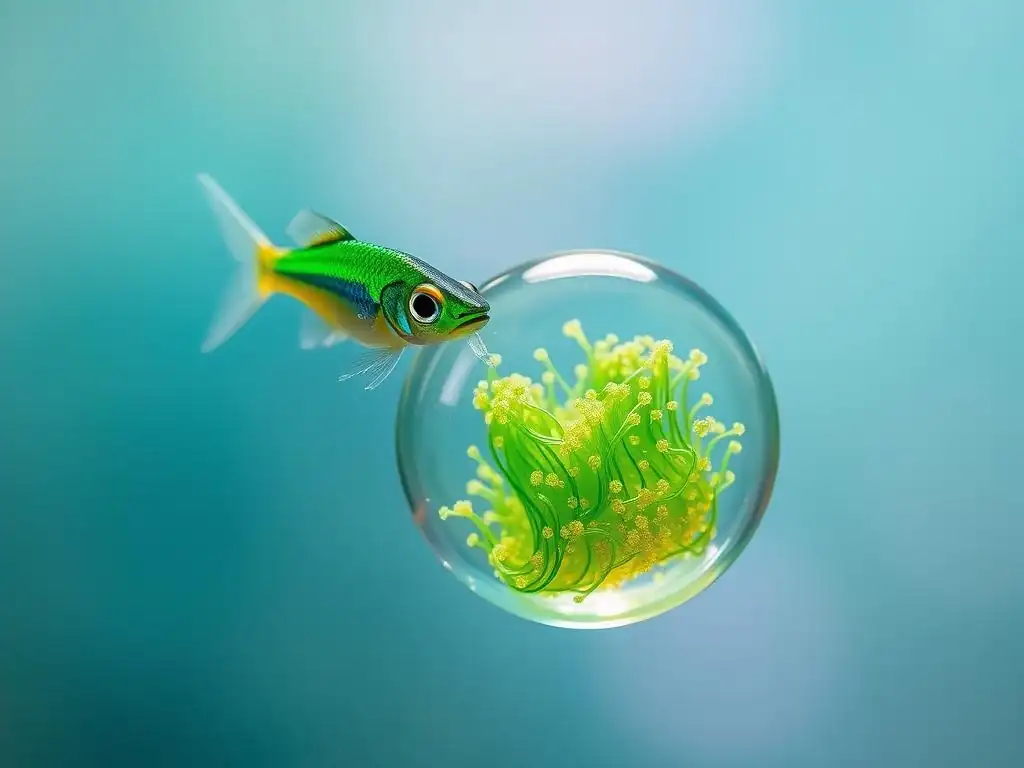
Introducing Tetra Fry to Green Water: Gradual Acclimation
When preparing to introduce newly hatched tetra fry, the designated fry tank should be filled with healthy, moderately dense green water from your established culture. It is paramount that the temperature and pH of the green water in the fry tank precisely match the water parameters of the breeding tank where the fry hatched. This consistency minimizes environmental shock, which can be fatal to delicate fry.
The transfer process should be as gentle and gradual as possible. Carefully siphon the newly hatched tetra fry from the breeding tank into a small, clean container using a thin airline tube. Once the fry are collected, slowly drip in green water from the fry tank over a period of 30-60 minutes, allowing the fry to gradually acclimate to the new water chemistry and temperature. Once the container is predominantly filled with green water, gently release the fry into their new home. This careful acclimation significantly boosts their initial survival rates when undertaking green water rearing tetra fry.
Estimating Feeding Rates and Frequency: Observing Fry Behavior
One of the most significant advantages of green water for tetra fry is that it provides a continuous, "graze-at-will" food source. Unlike dry foods that require precise, multiple daily feedings, the microscopic phytoplankton are constantly suspended throughout the water column. This eliminates the need for strict feeding schedules, as the fry can consume food whenever they are hungry, ensuring a steady intake of nutrients without the risk of overfeeding or water fouling from uneaten particles.
To estimate if the feeding rate is sufficient, observe the fry's bellies; they should appear full and rounded, indicating constant consumption. If the fry appear thin, listless, or are constantly "pecking" at tank surfaces as if searching for food, it suggests the green water density might be too low.
Conversely, if the green water in the fry tank begins to clear rapidly (e.g., within 24 hours), it indicates that the fry are consuming the phytoplankton quickly, and more dense green water from your culture vessel, or nutrient replenishment within the fry tank, is needed. A 10-gallon fry tank might consume the density of a moderately green culture in 2-3 days, requiring replenishment to maintain optimal conditions for green water rearing tetra fry.
Supplementing Green Water with Other Food Sources: Newly Hatched Brine Shrimp
While green water provides an excellent foundational diet for newly hatched tetra fry, as the fry grow, their nutritional requirements increase, and their mouthparts enlarge, allowing them to consume larger food items. Typically, after about 1 to 2 weeks, depending on the specific tetra species and their growth rate, it becomes beneficial to introduce supplementary foods to complement the green water.
Newly hatched brine shrimp nauplii are an outstanding next step in the feeding progression. They are highly nutritious, packed with proteins and essential fatty acids, and their jerky, live movements stimulate the fry's hunting instincts. Begin by introducing very small quantities of newly hatched brine shrimp once or twice a day.
Over time, as the fry grow larger and become more adept at consuming brine shrimp, you can gradually reduce the reliance on green water, although maintaining a low level of green water can still provide a beneficial constant background food source. This diversified diet is crucial for promoting robust growth and health throughout the entire process of green water rearing tetra fry.
Advanced Techniques for Green Water Rearing
Culturing Different Phytoplankton Species for Varied Nutritional Profiles
While Chlorella is a common and robust choice for green water, advanced aquarists may consider culturing multiple phytoplankton species to provide a more diverse and comprehensive nutritional profile for their tetra fry. Species like Nannochloropsis, Tetraselmis, or Isochrysis offer varying compositions of fatty acids, proteins, and vitamins. For instance, Nannochloropsis is particularly noted for its high content of Omega-3 fatty acids, which are vital for neurological development and overall health in fish.
Culturing different species requires maintaining separate culture vessels for each, as their optimal growth conditions (e.g., specific light wavelengths, temperature ranges, or nutrient ratios) can vary slightly. However, the effort can yield significant benefits: a broader dietary spectrum can lead to healthier, more vibrant fry with enhanced immune systems and potentially improved color development as they mature. Experimenting with various species allows for fine-tuning the nutritional intake, significantly enhancing the success and outcomes of green water rearing tetra fry.
Combining Green Water with Live Foods: Paramecium Culture
For extremely tiny tetra fry species, even newly hatched brine shrimp can initially be too large to consume. In such cases, Paramecium, a genus of microscopic ciliate protozoa, serves as an invaluable intermediate live food source. Paramecium are significantly smaller than brine shrimp nauplii and are readily consumed by the smallest fry, bridging the gap between phytoplankton and larger live foods.
An advanced technique involves integrating a paramecium culture alongside the green water. Paramecium can feed on bacteria and decaying organic matter that might be present in the green water, and in turn, the fry consume both the phytoplankton and the paramecium. This dual feeding strategy provides a highly bioavailable and size-appropriate diet from day one. By offering both microscopic algae and microscopic protozoa, breeders can achieve even higher survival rates and more rapid growth in the earliest, most vulnerable stages of green water rearing tetra fry.
Using Green Water in Conjunction with Blackwater Extracts for Tetra Fry
Many popular tetra species originate from blackwater environments, characterized by soft, acidic water stained by tannins and humic acids released from decaying leaves and wood. These natural extracts, often derived from catappa leaves (Indian almond leaves) or commercially prepared solutions, provide beneficial humic substances that can lower pH, offer mild antiseptic properties, and potentially reduce stress in fry by mimicking their natural habitat.
However, a careful balance is required when combining blackwater extracts with green water. The reduced light penetration caused by the staining from tannins can inhibit phytoplankton growth, and significant pH shifts might stress the algal culture. One approach is to use very dilute blackwater extracts in the green water culture itself, ensuring the water remains sufficiently clear for photosynthesis.
Alternatively, you can maintain the green water culture separately and add small, precise daily doses of blackwater extract directly to the fry tank, after the fry are actively consuming the green water. This allows for both optimal phytoplankton growth and the environmental benefits of blackwater, perfecting the environment for green water rearing tetra fry.
Troubleshooting Common Issues in Green Water Fry Rearing
Cloudy Green Water: Identifying the Cause and Finding Solutions
If your vibrant green water culture suddenly turns cloudy, often appearing grayish, whitish, or even slightly brownish, it typically signifies a bacterial bloom rather than a healthy proliferation of phytoplankton. This bacterial surge can be triggered by an excessive organic load within the culture (e.g., from decaying matter, over-fertilization, or initial contamination), insufficient aeration, or a sudden, drastic change in water parameters. A healthy phytoplankton culture usually has a fresh, earthy scent, whereas a bacterial bloom might emit a foul or stagnant odor.
To address a bacterial bloom, first, identify and remove any potential sources of organic contamination. Ensure aeration is adequate but not overly vigorous. A small water change, approximately 10-15% of the culture volume, with fresh, dechlorinated water, can help dilute the bacterial population and introduce beneficial trace elements. If the problem persists or the culture shows no signs of recovery, it may be necessary to discard the compromised culture and start a fresh green water culture from scratch, ensuring thorough sanitation of all equipment and the culture vessel for successful green water rearing tetra fry.
Stunted Fry Growth: Addressing Nutritional Deficiencies
While green water is highly nutritious, if the culture is too dilute, lacks essential nutrients, or if the fry's metabolic demands outpace the available food supply as they grow, it can lead to stunted growth in tetra fry. Common causes include insufficient light or inconsistent nutrient replenishment in the main culture vessel, preventing optimal phytoplankton density, or simply relying solely on green water for too long when the fry are ready for larger food sources.
To address stunted growth, first, ensure the green water culture is actively growing and appears dense and vibrant green. Optimize lighting duration and intensity, and consistently replenish nutrients in the culture vessel. Crucially, as the tetra fry develop, their mouths will enlarge, and their nutritional needs will increase beyond what green water alone can provide.
Begin supplementing their diet with other appropriate small live foods, such as newly hatched brine shrimp, microworms, or cultured paramecium, as soon as the fry are large enough to consume them. Diversifying the diet is critical for sustained healthy development during green water rearing tetra fry.
Preventing Diseases in Green Water Environments: Hygiene and Observation
Although a green water environment can be quite natural and conducive to fry health, poor hygiene practices can still introduce pathogens and lead to disease outbreaks. It is imperative to use only clean, dedicated tools and containers for your green water cultures and fry tanks. Avoid cross-contamination from other aquariums, especially those housing sick or stressed fish. Always wash your hands thoroughly before handling fry, culture media, or any equipment that will come into contact with the fry tank.
Constant and careful observation of the tetra fry is your best defense against disease. Look for any subtle signs of illness, such as lethargy, clamped fins, unusual swimming patterns, or the appearance of white spots (Ich) or fungal growths. A healthy green water environment, with its stable parameters and continuous food source, generally reduces stress on the fry, thereby lowering their susceptibility to disease.
However, if disease is suspected, prompt action is necessary. While prevention through excellent husbandry is always preferred, in some cases, a small water change combined with a very mild, fry-safe medication might be considered, always with extreme caution when undertaking green water rearing tetra fry.
Best Practices for Green Water Rearing Tetra Fry: A Summary
Key Takeaways for Maximizing Fry Survival and Growth
The core principle for successful green water rearing tetra fry revolves around providing a continuous, microscopic food source that is perfectly sized for newly hatched fry. The primary takeaway is the absolute necessity of maintaining a dense, healthy green water culture through consistent and optimal lighting (10-14 hours daily), gentle aeration, and regular nutrient replenishment. Furthermore, the gentle and gradual acclimation of newly hatched fry to the green water tank is paramount to minimize stress and maximize their initial survival.
The benefits of this method are substantial: significantly higher survival rates, often exceeding 80% for many tetra species, alongside faster initial growth compared to traditional feeding methods. The continuous availability of food reduces manual feeding effort and minimizes water fouling. The investment in time and resources for establishing and maintaining a robust green water culture undeniably pays off in the successful propagation of delicate tetra species.
Long-Term Benefits of Using Green Water in Tetra Breeding
Beyond the immediate benefits of increased survival and growth rates, utilizing green water offers several long-term advantages for the dedicated aquarist and the sustainability of tetra breeding. It provides a more natural and biologically complete diet for fry, reducing reliance on processed, artificial foods. This can lead to the development of stronger, more robust, and healthier adult fish, with potentially improved coloration and longevity, as they benefit from a highly nutritious start in life.
Furthermore, mastering the art of green water culture deepens an aquarist's understanding of aquatic microbiology, nutrient cycling, and the intricate dynamics of a micro-ecosystem. This valuable knowledge is transferable to other aspects of aquarium keeping, enhancing overall husbandry skills. Ultimately, adopting green water rearing tetra fry transforms the often-challenging task of raising delicate fish into a more manageable, rewarding, and scientifically informed experience.
Resources for Further Learning About Green Water and Tetra Fry Care
For those eager to delve deeper into the science and practice of green water rearing tetra fry, a wealth of resources is available. Exploring scientific papers on aquaculture and plankton cultivation can provide detailed insights into specific phytoplankton species and their optimal growth parameters. Joining specialized online forums and communities dedicated to fish breeding and live food cultures offers access to experienced hobbyists who share practical tips and troubleshoot common issues. Consulting advanced aquarium literature and breeding guides tailored to specific tetra species can also provide invaluable nuanced advice.
The most effective way to refine your green water rearing techniques is through hands-on experimentation and careful observation. Start with a small, manageable culture, meticulously document your parameters (light, temperature, nutrient additions), and observe the culture's and fry's responses. This systematic approach allows you to identify what works best for your specific conditions and tetra species, continuously improving your success rates in green water rearing tetra fry.
Frequently Asked Questions
What exactly is "green water" in the context of rearing tetra fry?
"Green water" refers to aquarium water that is teeming with microscopic algae, primarily Chlorella. This algal bloom serves as a vital first food source for newly hatched tetra fry.
Why is "green water" considered beneficial for tetra fry survival?
The tiny algae provide easily digestible nutrients for the fry during their critical early stages. It also helps to maintain water quality by consuming excess nutrients.
How do I create and maintain "green water" in my fry tank?
Creating green water involves introducing a starter culture of algae and providing it with light and nutrients. Maintain it with regular, small water changes and controlled lighting.
Are there any risks associated with using "green water" for tetra fry?
Overly dense green water can deplete oxygen levels at night. Careful monitoring and gentle aeration are essential to prevent suffocation of the fry.
Can I use commercially available products instead of creating "green water" from scratch?
Yes, some commercially available liquid fry foods mimic the nutritional profile of green water. However, live green water is often considered superior for optimal growth.
Final Reflection: Cultivating Life in Emerald Depths
The principles outlined in this article, detailing the science behind green water rearing for tetra fry, are not merely academic exercises. They represent a tangible connection to the delicate ecosystems we strive to recreate within our aquariums. Understanding and applying these techniques allows us to move beyond simple fishkeeping and embrace a more holistic, sustainable approach to aquatic life.
This journey into the microscopic world of algae and infusoria has profoundly impacted my own perspective on aquarium management. It's a constant reminder that even the smallest organisms play a crucial role in the grand tapestry of life, and that nurturing them can unlock incredible potential. The best way to observe a fish is to become a fish.
- Jacques Cousteau. This quote encapsulates the spirit of this article; by understanding the needs of the fry and their environment, we can become better aquarists and stewards of these miniature ecosystems.
Now, I invite you to consider how you can apply these lessons in your own aquariums. Embrace the science, experiment with different approaches, and observe the remarkable resilience and beauty of life unfolding before your eyes. Let's cultivate not just thriving tetra fry, but a deeper appreciation for the intricate balance of nature, one green water aquarium at a time.
Cultivate Your Own Tetra Paradise!
Thank you for exploring the fascinating world of "green water" and its benefits for rearing tetra fry. Now that you understand the science, it's time to put that knowledge into action!
Here's how you can take the next step:
- Begin your own green water culture! It's simpler than you think and the rewards for your tetra fry will be immense.
- Share this newfound knowledge with fellow aquarists. Inspire them to try green water for their own fry!
- Experiment with different light intensities and nutrient levels to see how they impact the growth of your green water culture – then share your findings with the Aquarium Mastery community.
What exciting discoveries will you make in your own green water experiments?