
Color Boosters Unmasked: Astaxanthin, Spirulina & More – Which Premium Foods Deliver Real Vibrancy?

Welcome to Aquarium Mastery! Ever wondered how to unlock the true, vibrant colors of your aquatic companions? Dive in with us as we unravel the secrets behind Astaxanthin spirulina aquarium food and other premium color-enhancing options. Discover which foods actually deliver noticeable results and how to use them for a dazzling display of underwater brilliance. Get ready to transform your aquarium into a living masterpiece!
- Unlock Vibrant Colors: Understanding Astaxanthin and Spirulina in Aquarium Food
- Top Astaxanthin Spirulina Aquarium Food Options for Enhanced Color
- Comparing Astaxanthin and Spirulina: Which is Right for Your Aquarium?
- Maximizing Color Enhancement: Tips for Feeding Color-Boosting Aquarium Food
- Beyond Astaxanthin and Spirulina: Other Natural Color Enhancers for Aquariums
- Real-World Results: Before and After Examples of Color-Enhanced Fish and Corals
- Choosing the Best Color Enhancing Aquarium Food: Key Considerations
- Conclusion: Achieving a Vibrant Aquarium Through Smart Feeding Strategies.
-
Frequently Asked Questions
- What exactly is Astaxanthin spirulina aquarium food and why is it considered a "color booster"?
- How do astaxanthin and spirulina specifically work to improve fish coloration?
- Are astaxanthin spirulina aquarium foods suitable for all types of aquarium fish?
- How often should I feed my fish astaxanthin spirulina aquarium food to see noticeable color improvements?
- Are there any potential downsides or risks associated with using astaxanthin spirulina aquarium food?
- Final Reflection: Embracing the Spectrum of Aquatic Health
- Ignite Your Aquarium's Brilliance: Discover How!
Unlock Vibrant Colors: Understanding Astaxanthin and Spirulina in Aquarium Food
Why Color Enhancement Matters for Aquarium Fish and Corals
Vibrant coloration in aquarium fish and corals is not merely an aesthetic preference; it serves as a crucial indicator of an animal's health, vitality, and overall well-being. A fish displaying dull, faded, or muted colors often signifies stress, disease, or, most commonly, nutritional deficiencies.
For many aquarists, the striking hues of their aquatic inhabitants are a primary source of enjoyment, and maintaining these brilliant colors directly contributes to the visual appeal and perceived health of the entire aquarium ecosystem. Beyond just beauty, strong coloration can also signal breeding readiness in fish and healthy zooxanthellae in corals, making it a key aspect of successful husbandry.
In their natural habitats, fish and corals acquire a rich spectrum of pigments from their diverse diets, which include various algae, crustaceans, and other prey items rich in carotenoids. However, in captive environments, the natural availability of these specific pigment-providing foods is often limited. This dietary gap necessitates the strategic supplementation of color-enhancing ingredients in their regular food. Without these specialized inputs, even genetically predisposed colorful species may fail to reach their full chromatic potential, appearing significantly less vibrant than their wild counterparts.
The Science Behind Pigmentation: How Color Boosters Work
The stunning colors seen in fish and corals are primarily due to specialized pigment molecules, predominantly carotenoids, which are absorbed from their diet. Once ingested, these carotenoids are metabolized and transported to cells called chromatophores, located in the skin, scales, and fins of fish, or within the tissues of corals and their symbiotic zooxanthellae.
Different types of carotenoids produce different hues; for example, astaxanthin is renowned for producing reds, oranges, and pinks, while pigments like phycocyanin and chlorophyll from spirulina contribute to greens and blues. The efficiency with which an aquatic organism absorbs and deposits these pigments can vary significantly based on species, age, and overall health.
These color-boosting compounds, such as astaxanthin and those found in spirulina, do more than just add color. Many carotenoids, particularly astaxanthin, are potent antioxidants, playing a vital role in protecting cells from oxidative damage. This antioxidant activity contributes to a stronger immune system and improved overall health, which in turn supports more vibrant and stable coloration. The process of pigment deposition is continuous, meaning that consistent feeding of high-quality Astaxanthin spirulina aquarium food is essential for maintaining brilliant colors over the long term, rather than achieving a temporary boost.
Top Astaxanthin Spirulina Aquarium Food Options for Enhanced Color
Option 1: New Life Spectrum Ultra Red – Astaxanthin Rich
Features of New Life Spectrum Ultra Red: Small Pellet Size, High Astaxanthin Content, Sinking Pellets
New Life Spectrum Ultra Red is formulated as a premium daily diet designed to enhance red and orange pigmentation in fish. It typically comes in small pellet sizes, such as 0.5mm to 1mm, making it suitable for a wide variety of freshwater and marine fish, from small tetras to larger cichlids. A standout feature is its high concentration of astaxanthin, often listed as a primary ingredient, alongside high-quality protein sources like Antarctic Krill and Herring.
These ingredients provide not only the necessary pigments but also a robust nutritional profile, including crude protein content often around 30-35% and crude fat around 5-10%. The pellets are designed to slowly sink, ensuring that all fish, from surface feeders to bottom dwellers, have access to the food.
The formulation of New Life Spectrum Ultra Red also incorporates what the brand calls "Nutri-Gel" binder technology, which helps to lock in nutrients and reduce water clouding. This means less waste and better nutrient absorption by the fish. The use of whole, natural ingredients, rather than fillers or artificial colorants, further underscores its premium quality. This focus on bio-availability ensures that the high astaxanthin content is effectively utilized by the fish's metabolic processes for optimal color deposition.
Benefits of New Life Spectrum Ultra Red: Enhanced Red Pigmentation, Immune Support, Promotes Growth
The primary benefit of New Life Spectrum Ultra Red is its remarkable ability to intensify red, orange, and pink pigmentation. Fish species such as Blood Parrots, Red Severums, Discus, and various Rainbowfish often show significant color improvements, with their reds deepening and becoming more vibrant typically within 2 to 4 weeks of consistent feeding. This is attributed directly to the high astaxanthin content, which is efficiently absorbed and deposited. Beyond just color, the balanced nutritional profile supports overall health, contributing to the fish's natural immune response.
Furthermore, the comprehensive blend of vitamins, minerals, and high-quality proteins in this Astaxanthin spirulina aquarium food also promotes healthy growth and increased vitality. Fish fed New Life Spectrum Ultra Red often exhibit improved energy levels and a stronger resistance to common diseases. The antioxidant properties of astaxanthin contribute to cellular health, further bolstering the fish's natural defenses, making it a valuable staple food for maintaining both stunning coloration and robust health.
Price and Where to Buy: [Link to affiliate product page]
Available at major online retailers and local fish stores.
Option 2: Hikari Tropical Fancy Guppy – Spirulina Focused Color Booster
Features of Hikari Guppy Food: Small Pellet Size, High Spirulina Content, Balanced Nutrition
Hikari Tropical Fancy Guppy food is specifically designed for the unique dietary needs and small mouthparts of guppies and other small livebearers. It typically comes in a micro-pellet or granule form, often less than 1mm in size, ensuring easy consumption by these diminutive fish. A key feature is its high spirulina content, frequently listed among the top ingredients, providing essential plant-based pigments. The formulation boasts a balanced nutritional profile, often with crude protein levels around 40% and crude fat around 7%, tailored to support the rapid metabolism and frequent breeding cycles of guppies.
This specialized food is crafted to float initially before slowly sinking, catering to the natural feeding habits of guppies that often feed at the surface and mid-water. The inclusion of various vitamins and minerals alongside the spirulina ensures a complete diet, preventing deficiencies even when fed as a primary staple. Hikari's reputation for highly digestible ingredients also means less waste in the aquarium, contributing to better water quality and a healthier environment for these delicate fish.
Benefits of Hikari Guppy Food: Improved Green and Blue Pigmentation, Promotes Healthy Growth
Hikari Tropical Fancy Guppy food excels at enhancing green, blue, and yellow pigmentation, which are prominent colors in many guppy strains. Aquarists often observe a noticeable intensification of the iridescent blues and greens on male guppies' bodies and fins within 3 to 5 weeks of consistent feeding. This is primarily due to the high concentration of spirulina, which provides phycocyanin and chlorophyll. Beyond color, the balanced nutrition supports robust growth, particularly important for juvenile guppies and for maintaining the health of breeding adults.
The rich nutrient profile also aids in promoting healthy fin development and overall vitality, crucial for active, breeding livebearers. The benefits extend to improved immune function, helping guppies resist common ailments. By providing a diet rich in spirulina and other essential nutrients, this food helps guppies not only display their most vibrant colors but also maintain peak physical condition and reproductive health.
Price and Where to Buy: [Link to affiliate product page]
Available at major online retailers and local fish stores.
Option 3: Omega One Color Mini Pellets – A Blend of Astaxanthin and Spirulina
Features of Omega One Pellets: Natural Ingredients, Rich in Omega Fatty Acids, Promotes Coloration
Omega One Color Mini Pellets stand out due to their commitment to using fresh, natural, wild-caught seafood as primary ingredients, such as salmon, halibut, and shrimp. These ingredients are inherently rich in natural sources of astaxanthin and other carotenoids, providing a broad spectrum of color-enhancing pigments. The formulation explicitly includes both astaxanthin and spirulina, ensuring a comprehensive approach to color enhancement across various hues. The pellets are typically small, suitable for a wide range of community fish, and are designed to sink slowly, catering to different feeding preferences.
A defining characteristic of Omega One foods is their high content of Omega-3 and Omega-6 fatty acids, derived directly from the high-quality fish and seafood meals. These essential fatty acids are crucial for overall fish health, energy metabolism, and contributing to the deposition of pigments. The absence of artificial colors, binders, or fillers further emphasizes its natural composition, aiming to provide a diet as close to what fish would consume in the wild as possible.
Benefits of Omega One Pellets: Vibrant Colors, Increased Energy, Enhanced Disease Resistance
The blend of astaxanthin and spirulina in Omega One Color Mini Pellets delivers comprehensive color enhancement, affecting red, orange, yellow, green, and blue hues. Aquarists frequently report a noticeable increase in the depth and brilliance of their fish's coloration, often within a month of consistent feeding. This holistic approach ensures that a wide array of fish species in a mixed aquarium can benefit from improved pigmentation, resulting in a more visually stunning display.
Beyond color, the rich content of Omega fatty acids translates into tangible health benefits. Fish fed Omega One pellets often exhibit increased energy levels, improved vitality, and enhanced disease resistance due to a stronger immune system. The high-quality protein supports robust growth and muscle development, while the natural fats provide sustained energy. This makes Omega One a well-rounded Astaxanthin spirulina aquarium food that supports not just color, but the overall well-being of your aquatic inhabitants.
Price and Where to Buy: [Link to affiliate product page]
Available at major online retailers and local fish stores.
Option 4: Fluval Bug Bites Color Enhancing Formula - Insect-Based with Astaxanthin
Features of Fluval Bug Bites: Sustainable Insect Protein, Added Astaxanthin, Complete Nutrition
Fluval Bug Bites Color Enhancing Formula distinguishes itself by featuring Black Soldier Fly Larvae (BSFL) as its primary ingredient, often comprising up to 40% of the formula. This innovative approach utilizes a sustainable and highly digestible insect protein source, which naturally contains carotenoids. To further boost color enhancement, additional astaxanthin is incorporated into the recipe. The food is typically available in various granule or pellet sizes, designed to slowly sink, making it accessible to a diverse range of fish.
This formula is engineered to provide complete and balanced nutrition, including all essential amino acids, vitamins, and minerals, making it suitable as a staple diet rather than just a supplementary treat. The use of insect protein also provides a unique palatability that many fish, including those with carnivorous or omnivorous tendencies, find highly appealing. Its commitment to sustainability through the use of BSFL also appeals to environmentally conscious aquarists.
Benefits of Fluval Bug Bites: Intensified Colors, Promotes Healthy Digestion, Environmentally Friendly
Fluval Bug Bites Color Enhancing Formula effectively intensifies colors, particularly reds and oranges, due to the added astaxanthin and the natural pigments present in the insect protein. Aquarists commonly observe a deepening of these hues and an overall improvement in the vibrancy of their fish typically within 4 to 6 weeks of consistent feeding. The unique protein source contributes to a natural and healthy appearance, complementing the specific color-boosting effects.
Beyond coloration, the easily digestible insect protein promotes healthy digestion and nutrient absorption, which can lead to reduced waste in the aquarium. The formulation often includes prebiotics, further supporting gut health. Moreover, choosing an insect-based food like Fluval Bug Bites offers an environmentally friendly alternative to traditional fishmeal-based diets, reducing reliance on wild-caught fish and supporting sustainable aquaculture practices.
Price and Where to Buy: [Link to affiliate product page]
Available at major online retailers and local fish stores.
Comparing Astaxanthin and Spirulina: Which is Right for Your Aquarium?
Astaxanthin: The Powerhouse for Red, Orange, and Pink Hues in Fish
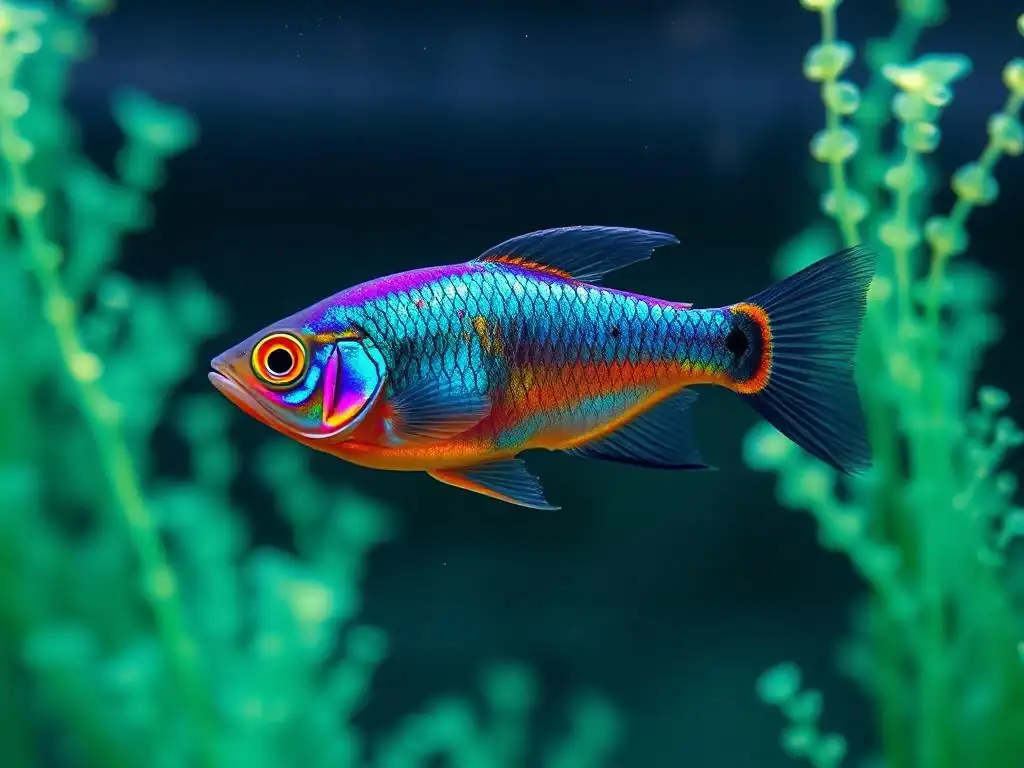
Astaxanthin is a potent carotenoid pigment renowned for its exceptional ability to enhance red, orange, and pink coloration in aquatic life. It is naturally found in crustaceans like krill and shrimp, as well as in salmon and other marine organisms that consume these crustaceans.
When fish ingest astaxanthin, their bodies efficiently absorb and deposit this pigment into their chromatophores, leading to a dramatic intensification of warm hues. This makes astaxanthin a cornerstone ingredient in many premium color-enhancing foods for fish species where vibrant reds, oranges, and pinks are desired, such as Blood Parrots, Discus, Koi, and many types of Red Rainbowfish.
Beyond its role as a powerful color enhancer, astaxanthin is also a remarkably strong antioxidant. It helps protect fish cells from oxidative stress, contributing significantly to a robust immune system and overall vitality. This dual benefit means that astaxanthin not only makes fish look more vibrant but also helps them stay healthier and more resilient. The bioavailability of astaxanthin can vary depending on its source (natural vs. synthetic) and the fish species, but its consistent inclusion in an Astaxanthin spirulina aquarium food diet is crucial for achieving deep, lasting red and orange tones.
Spirulina: Enhancing Green and Blue Tones in Aquatic Life
Spirulina, a blue-green algae, is a highly nutritious ingredient celebrated for its ability to enhance green, blue, and yellow pigmentation in fish and corals. It is exceptionally rich in phycocyanin, a blue pigment, as well as chlorophyll, which contributes to green hues. Additionally, spirulina provides a comprehensive profile of vitamins, minerals, and easily digestible proteins, often comprising up to 60% crude protein. This makes it an ideal ingredient for herbivorous and omnivorous fish, including many African cichlids, Tangs, and various livebearers like guppies and swordtails, where vibrant greens and blues are a key feature.
Beyond its pigment-boosting capabilities, spirulina also offers significant health benefits. Its high protein content supports healthy growth, while its unique polysaccharides and beneficial fibers promote optimal digestive health. Spirulina is also known for its immune-boosting properties, helping fish resist diseases and maintain overall vigor. Incorporating spirulina-rich foods, either as a standalone staple or as part of a varied Astaxanthin spirulina aquarium food regimen, is an effective strategy for bringing out the cool-toned colors in your aquatic inhabitants and supporting their digestive well-being.
Combining Astaxanthin and Spirulina: Achieving a Full Spectrum of Color
For aquarists seeking to achieve the broadest and most comprehensive spectrum of vibrant colors in their aquarium, combining both astaxanthin and spirulina in the diet is often the most effective strategy. While astaxanthin excels at intensifying reds, oranges, and pinks, spirulina is unparalleled for enhancing greens, blues, and yellows. By providing a diet that incorporates both these powerful carotenoid sources, fish receive a full range of pigments necessary to express their complete natural coloration. This approach is particularly beneficial in community tanks where diverse species, each with their own specific color needs, coexist.
Many premium Astaxanthin spirulina aquarium food formulations are designed to include both ingredients, offering a synergistic effect that leads to more balanced and brilliant coloration across the entire fish population. This ensures that all the various chromatophores within the fish are receiving the necessary precursors to produce their target pigments. The result is a more natural, multi-dimensional vibrancy that reflects optimal health and a well-rounded diet, making the aquarium a truly spectacular display of aquatic artistry.
Maximizing Color Enhancement: Tips for Feeding Color-Boosting Aquarium Food
Proper Feeding Schedules for Optimal Color Development
Achieving optimal color development from Astaxanthin spirulina aquarium food requires more than just selecting the right product; it also depends heavily on proper feeding practices. Instead of one large meal, feeding smaller quantities more frequently, typically two to three times a day, can significantly improve nutrient absorption and reduce waste. This approach mimics the natural foraging behavior of many fish species, allowing them to process pigments more efficiently. It's crucial to feed only what your fish can consume entirely within 2-3 minutes to prevent uneaten food from decaying and negatively impacting water quality.
Consistency is also key to long-term color enhancement. Pigment deposition is a gradual biological process, not an instant transformation. Therefore, maintaining a regular feeding schedule with color-enhancing foods over several weeks or even months is essential for noticeable and lasting results. Sporadic feeding of these specialized foods will yield minimal benefits, as the pigments need to be continuously supplied and replenished in the fish's system to maintain their vibrancy.
Supplementing with Other Color-Enhancing Ingredients (e.g., Krill Meal)
While premium Astaxanthin spirulina aquarium food forms an excellent foundation, supplementing the diet with other natural color-enhancing ingredients can further boost vibrancy and provide dietary variety. Krill meal, often found in high-quality fish foods, is an exceptional natural source of astaxanthin and can be offered as a treat or mixed into DIY foods. Similarly, freeze-dried or frozen brine shrimp and mysis shrimp are readily accepted by many fish and are naturally rich in carotenoids, contributing to red and orange hues.
For herbivorous fish, incorporating blanched spinach, spirulina flakes, or specialized algae wafers can provide additional plant-based pigments, including those that enhance greens and blues. Some aquarists also experiment with finely grated carrots or sweet potatoes for species that readily accept vegetable matter, as these are good sources of beta-carotene. Diversifying the diet not only provides a broader spectrum of pigments but also ensures a more complete nutritional profile, leading to healthier and more colorful fish overall.
Water Quality: The Unsung Hero of Vibrant Aquarium Colors
Even the most potent Astaxanthin spirulina aquarium food will struggle to deliver its full potential if the aquarium's water quality is compromised. Poor water parameters, such as high nitrates, fluctuating pH, or improper temperature, stress fish, leading to faded colors and susceptibility to disease. Stable and pristine water conditions are foundational for vibrant fish colors because healthy fish are colorful fish. Regular water changes, typically 25% weekly or bi-weekly depending on stocking density, are crucial for diluting waste products and replenishing essential minerals.
Beyond chemical parameters, clarity and cleanliness of the water also play a significant role. Cloudy water or water stained by excessive tannins or algae blooms can obscure the true brilliance of your fish. Efficient mechanical and biological filtration systems are vital for maintaining crystal-clear water, allowing the fish's enhanced colors to truly shine through. Ultimately, a clean, stable, and well-maintained aquatic environment is the unsung hero that allows the pigments from color-boosting foods to be fully expressed, resulting in a breathtakingly vibrant aquarium.
Beyond Astaxanthin and Spirulina: Other Natural Color Enhancers for Aquariums
Beta-Carotene: A Precursor to Vitamin A and a Color Booster
Beta-carotene is another important carotenoid often found in plant-based ingredients, serving as a precursor to Vitamin A in many animal species. While it doesn't directly deposit as a specific color in the same way astaxanthin does, fish can metabolize beta-carotene into other carotenoids, including some forms of astaxanthin, within their bodies. This makes it an indirect yet valuable color enhancer, particularly for promoting yellow and orange hues. It is naturally present in various algae, leafy greens, and vegetables like carrots and sweet potatoes.
For herbivorous and omnivorous fish, the inclusion of beta-carotene-rich ingredients in their diet contributes to overall coloration and health. It supports healthy vision, immune function, and skin integrity, all of which indirectly contribute to a fish's ability to display vibrant colors. While not as direct a color booster as astaxanthin for reds, its role in the metabolic pathway makes it a valuable component in a comprehensive color-enhancing diet.
Krill Meal: A Natural Source of Astaxanthin and Other Pigments
Krill meal is a highly prized ingredient in premium fish foods, primarily due to its exceptional content of natural astaxanthin. Derived from small, shrimp-like crustaceans, krill are a foundational component of the marine food web and are naturally rich in the pigments that give salmon and flamingos their characteristic pink and red hues. When included in Astaxanthin spirulina aquarium food, krill meal provides a highly bioavailable form of this powerful carotenoid, making it incredibly effective for enhancing red and orange coloration in fish.
Beyond its pigment-boosting properties, krill meal is also an excellent source of high-quality protein, essential amino acids, and beneficial Omega-3 fatty acids. These nutrients contribute significantly to overall fish health, growth, and immune function, complementing its color-enhancing effects. Its natural palatability also makes it a favored ingredient, ensuring that fish readily consume the food and benefit from its rich nutritional profile.
Paprika: An Often Overlooked Color Enhancer
Paprika, derived from dried and ground bell peppers, is an intriguing and often overlooked natural color enhancer that contains a variety of carotenoids, including capsanthin, capsorubin, and zeaxanthin. These pigments are particularly effective at intensifying red and orange coloration. While not a common ingredient in commercial fish foods, some experienced aquarists incorporate small amounts of high-quality, pure paprika into homemade or DIY fish foods to target specific color enhancements, especially for cichlids or other species where deep reds are desired.
However, caution must be exercised when using paprika. It should be used sparingly and thoroughly mixed into food to prevent water discoloration or adverse effects. Overuse can potentially stain aquarium water or substrate. When used correctly, paprika can be a powerful, natural addition to a diversified color-enhancing diet, providing a unique spectrum of carotenoids not always found in standard Astaxanthin spirulina aquarium food formulations.
Real-World Results: Before and After Examples of Color-Enhanced Fish and Corals
Case Study 1: Transforming Red Severums with New Life Spectrum Ultra Red
Imagine a juvenile Red Severum cichlid, approximately 3 inches in length, residing in a 75-gallon community tank. Initially, due to being fed a generic, unspecialized flake food, its coloration was a muted, somewhat brownish-red, lacking the vibrant intensity characteristic of its species. Its fins showed minimal red edging, and its overall appearance was somewhat lackluster, despite being healthy. The aquarist decided to transition the Severum to a diet consisting primarily of New Life Spectrum Ultra Red, fed twice daily.
Within just 4 weeks, a remarkable transformation began to unfold. The Severum's body color started to deepen significantly, transitioning from a dull reddish-brown to a rich, almost fiery red. By 6-8 weeks, the red pigmentation was profoundly intensified across its entire body, and the edges of its dorsal, caudal, and anal fins developed a striking, well-defined red outline. The fish also appeared more active and robust, demonstrating the holistic benefits of a diet rich in astaxanthin, which not only boosted its color but also its overall vitality.
Case Study 2: Enhancing Green Coral Colors with Spirulina Supplementation
Consider a small colony of Green Star Polyps (GSP) and a Montipora plating coral in a 40-gallon reef tank. While the GSP polyps extended well, their green coloration was a pale lime, and the Montipora exhibited a faded, almost yellowish-green hue, rather than the deep emerald green desired. The corals were receiving adequate lighting and calcium, but their color seemed to be lacking. The aquarist introduced a regimen of liquid spirulina supplementation, dosing the tank directly with a small amount twice a week, in addition to feeding their fish a spirulina-rich flake food.
Over the course of 2 to 3 months, a noticeable intensification of the green pigments occurred. The Green Star Polyps transformed from a light lime to a much deeper, more saturated emerald green, with their contrasting white centers becoming more pronounced. Similarly, the Montipora plating coral developed a richer, more vibrant green across its entire surface. This enhancement was attributed to the absorption of phycocyanin and chlorophyll from the spirulina by the corals' symbiotic zooxanthellae, which are responsible for their coloration, demonstrating spirulina's efficacy not just for fish but for certain coral species as well.
Choosing the Best Color Enhancing Aquarium Food: Key Considerations
Fish Species and Dietary Needs
The most crucial factor in selecting the best Astaxanthin spirulina aquarium food is aligning it with the specific species and their inherent dietary needs. Carnivorous fish, such as many cichlids, arowanas, and Discus, will generally thrive on protein-rich formulas that derive their astaxanthin from animal sources like krill or salmon meal. Herbivores, including many African cichlids, tangs, and certain plecos, will benefit significantly from spirulina-dominant foods or those with a high plant-based content, as these provide the necessary pigments and fiber for their digestive systems.
Furthermore, consider the fish's mouth size and feeding habits. Small-mouthed fish like guppies or nano fish require micro-pellets or flakes, while larger species can handle larger pellets. The buoyancy of the food is also important: surface feeders prefer flakes, mid-water dwellers prefer slow-sinking granules, and bottom feeders need rapidly sinking pellets or wafers. Matching the food to these specific requirements ensures optimal consumption and nutrient uptake, maximizing the color-enhancing benefits.
Ingredient Quality and Sourcing
When evaluating Astaxanthin spirulina aquarium food, the quality and sourcing of ingredients are paramount. Always scrutinize the ingredient list, looking for whole, identifiable ingredients listed prominently, such as "krill meal," "spirulina," "salmon meal," or "black soldier fly larvae meal." These indicate a higher nutritional value and often a more potent source of natural pigments. Avoid foods that list excessive fillers (e.g., wheat flour, corn starch) as primary ingredients or use vague terms like "fish meal" without specifying the fish source.
Preference should be given to foods that utilize natural sources of carotenoids over synthetic ones, as natural sources often come with a broader spectrum of beneficial nutrients and are typically more bioavailable. Brands that emphasize sustainable sourcing, such as those using aquaculture-derived ingredients or insect protein, also reflect a commitment to quality and environmental responsibility. High-quality ingredients lead to better nutrient absorption, less waste, and ultimately, more vibrant and healthier fish.
Budget and Value
While premium Astaxanthin spirulina aquarium food may have a higher upfront cost compared to generic alternatives, it's essential to consider the long-term value it provides. These specialized foods are often more nutrient-dense, meaning fish require smaller quantities per feeding to meet their nutritional needs. This can lead to less waste in the tank, contributing to better water quality and potentially reducing the frequency of water changes or filter media replacement.
Moreover, the investment in high-quality, color-enhancing food contributes directly to the health and longevity of your fish. Healthier fish are less prone to disease, which can save money on medications or the cost of replacing livestock. The superior color enhancement achieved also adds significant aesthetic value to your aquarium, making the overall hobby more rewarding. Ultimately, a slightly higher expenditure on premium food can translate into a healthier, more vibrant aquarium and a more satisfying aquarist experience.
Conclusion: Achieving a Vibrant Aquarium Through Smart Feeding Strategies.
Frequently Asked Questions
What exactly is Astaxanthin spirulina aquarium food and why is it considered a "color booster"?
It's a type of fish food formulated with astaxanthin and spirulina, both natural pigments. These ingredients are used to enhance the vibrant colors of aquarium fish.
How do astaxanthin and spirulina specifically work to improve fish coloration?
Astaxanthin is a powerful antioxidant that deposits pigment directly into fish tissue. Spirulina contains phycocyanin, another pigment that boosts blue and green hues, contributing to enhanced color vibrancy.
Are astaxanthin spirulina aquarium foods suitable for all types of aquarium fish?
While beneficial for many species, especially those with red, orange, blue, and green coloration, consider species-specific dietary needs. Some fish may require other nutrients, so a varied diet is always best.
How often should I feed my fish astaxanthin spirulina aquarium food to see noticeable color improvements?
Typically, visible improvements can be observed within a few weeks of consistent feeding, supplemented by a balanced diet. Overfeeding can be harmful, so follow the product instructions.
Are there any potential downsides or risks associated with using astaxanthin spirulina aquarium food?
Overdosing on astaxanthin can, in rare cases, lead to temporary discoloration. Always follow feeding guidelines and ensure your fish have a varied and balanced diet to avoid any potential issues.
Final Reflection: Embracing the Spectrum of Aquatic Health
The exploration of color-enhancing aquarium foods, particularly those rich in astaxanthin and spirulina, reveals more than just vibrant hues; it underscores a commitment to the holistic well-being of our aquatic companions. The quest for that perfect, dazzling display is intrinsically linked to providing a diet that supports optimal health, immunity, and overall vitality.
This journey into the world of premium aquarium foods has profoundly influenced my perspective on responsible fishkeeping. It's become clear that choosing the right food is not merely about aesthetics, but about nurturing a thriving ecosystem within our tanks. The best aquarium food is not just about what it contains, but about what it enables: a flourishing environment where life thrives in vibrant harmony.
This understanding compels us to look beyond superficial enhancements and prioritize the nutritional needs of our aquatic friends.
Now, as you consider the information presented, I encourage you to reflect on your own approach to aquarium care. Are you truly providing the building blocks for vibrant health, or are you simply chasing a fleeting visual effect? Let this knowledge inspire you to make informed choices, enriching the lives of your fish and creating a truly spectacular underwater world.
Ignite Your Aquarium's Brilliance: Discover How!
Thank you for diving into the world of vibrant aquarium coloration! Now that you're equipped with insights on premium color-boosting foods, it's time to turn that knowledge into breathtaking reality. Let's unlock the full potential of your aquatic haven.
Here are some actionable steps you can take now:
- Prioritize one key color-enhancing food additive based on your fish species and desired aesthetic, such as astaxanthin for reds or spirulina for greens. Experiment with different brands and observe the results.
- Share your newfound knowledge! Post pictures of your vibrantly colored fish on social media using #AquariumMastery and inspire other aquarists.
- Delve deeper by researching the specific nutritional needs of your fish species and tailoring their diet for optimal health and color.
Ready to witness the transformation and showcase your aquatic masterpiece?