
LED vs. Fluorescent vs. Halogen: Choosing the Best Aquarium Light for Your Needs

Welcome to Aquarium Mastery!
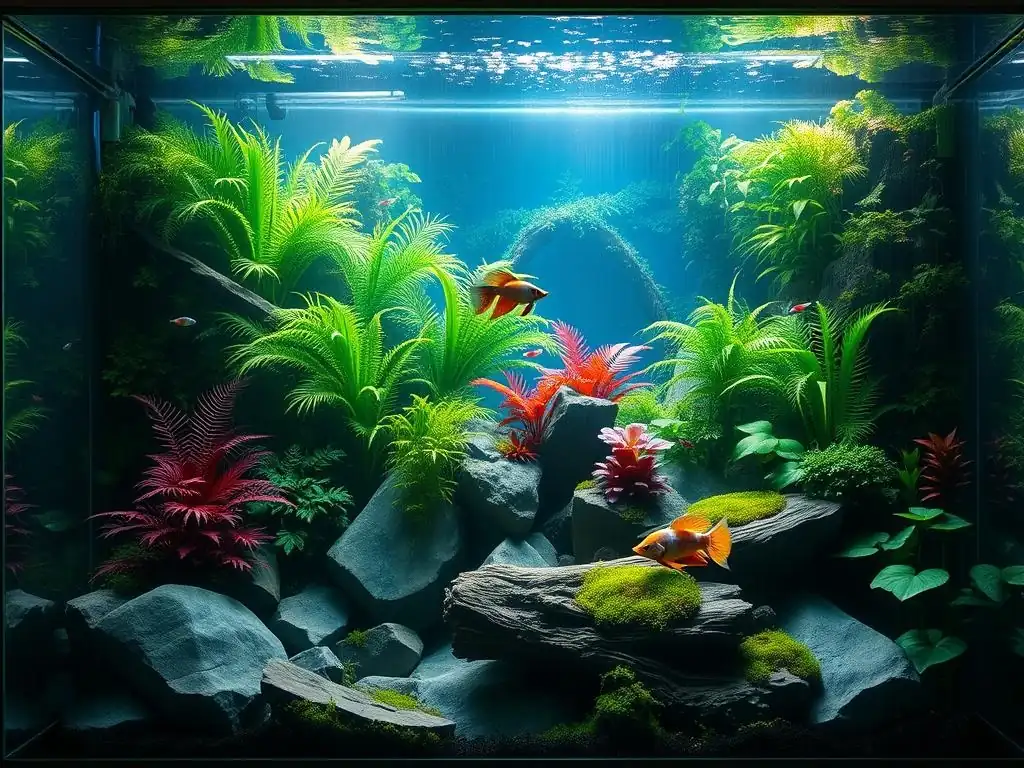
Ever wondered if you're really giving your aquatic friends the best possible light? Dive in and discover the secrets to illuminating your underwater world! Our deep dive into the best aquarium light types – from energy-efficient LEDs to powerful halogens – might just change the way you see your tank (and how your fish see you!). Ready to shed some light on the subject? Let's explore!
- LED vs. Fluorescent vs. Metal Halide: Choosing the Best Aquarium Light for Your Needs
- Understanding Aquarium Lighting: A Guide to Selecting the Right Light Source
- LED Aquarium Lights: Advantages, Disadvantages, and Best Uses
- Fluorescent Aquarium Lights: A Cost-Effective Lighting Option
- Metal Halide Aquarium Lights: High Intensity, High Output
- Comparing Aquarium Light Types: LED vs. Fluorescent vs. Metal Halide
- Key Considerations When Choosing Aquarium Lighting
- Selecting the Best Aquarium Light for Your Specific Needs: Recommendations
- Optimizing Your Aquarium Lighting for Healthy Growth and Vibrant Colors
- Conclusion: Making the Right Choice for Your Aquarium Lighting Needs
-
Frequently Asked Questions
- What are the main differences between LED, Fluorescent, and Halogen aquarium lights?
- Which type of aquarium light is best for plant growth?
- How much does each type of aquarium light typically cost?
- What are the potential downsides of using halogen aquarium lights?
- How do I determine the appropriate wattage of aquarium light for my tank?
- Final Reflection: Illuminating the Depths of Choice
- Unleash the Brilliance: Transform Your Aquarium Today!
LED vs. Fluorescent vs. Metal Halide: Choosing the Best Aquarium Light for Your Needs
Understanding Aquarium Lighting: A Guide to Selecting the Right Light Source
Aquarium lighting is far more than just a means to view your aquatic inhabitants; it is a fundamental component for the health and vitality of a thriving aquatic ecosystem. Proper illumination supports essential biological processes, such as photosynthesis in plants and corals, which are crucial for oxygen production and nutrient cycling. Beyond biological needs, the right lighting enhances the aesthetic appeal of your aquarium, bringing out vibrant colors in fish and showcasing the intricate details of your aquascape.
Selecting the optimal lighting system involves understanding the specific requirements of your tank's inhabitants and balancing these with factors like energy efficiency, cost, and maintenance. The three primary types of lighting for aquariums—LED, fluorescent, and metal halide—each offer distinct advantages and disadvantages. This guide will delve into these options, helping you determine the "best aquarium light types" for your unique setup, ensuring a healthy environment and visually stunning display.
LED Aquarium Lights: Advantages, Disadvantages, and Best Uses
LED (Light Emitting Diode) lighting has rapidly become a popular choice among aquarists due to its versatility and efficiency. These modern fixtures utilize semiconductor technology to produce light, offering a wide range of colors and intensities. Their compact design and advanced control features make them suitable for a broad spectrum of aquarium applications, from nano tanks to large reef systems.
Benefits of LED Lighting for Aquariums
One of the most significant advantages of LED lighting is its exceptional energy efficiency. LEDs consume considerably less power compared to traditional fluorescent or metal halide systems, often using 50% to 70% less electricity to produce equivalent light output.
For instance, a high-quality 100-watt LED fixture might provide similar PAR (Photosynthetically Active Radiation) levels to a 200-watt T5 High Output (HO) fluorescent array, leading to substantial savings on electricity bills over time, potentially hundreds of dollars annually for larger, power-hungry setups. This reduced energy consumption also translates to less heat transferred into the aquarium water, minimizing the need for additional cooling equipment like chillers.
Beyond energy savings, LED lights offer an impressive lifespan and unparalleled control capabilities. Most quality LED fixtures are rated for 50,000 hours or more, translating to 5 to 10 years of use before significant degradation, far outlasting fluorescent bulbs which typically require replacement every 6-12 months.
Many advanced LED units feature programmable dimming, individual color channel control (e.g., blue, red, green, white), and even simulated sunrise/sunset cycles, allowing aquarists to precisely tailor the light spectrum and intensity to the specific needs of their plants or corals. This level of customization makes them one of the "best aquarium light types" for hobbyists seeking fine-tuned control over their aquatic environment.
Drawbacks of LED Lighting in Fish Tanks
Despite their numerous benefits, LED aquarium lights do come with certain drawbacks, primarily their higher initial investment cost. A premium LED fixture for a medium-sized (e.g., 75-gallon) planted or reef aquarium can range from $300 to over $800, whereas a comparable fluorescent setup might cost $100-$300. While the long-term energy savings and reduced bulb replacement costs often offset this initial expense over several years, it can be a significant barrier for budget-conscious aquarists.
Another consideration is light penetration, particularly in very deep tanks (exceeding 24 inches). While high-power LEDs are designed for deep penetration, some lower-end or older LED fixtures might struggle to provide sufficient PAR at the substrate or for deep-water corals. Additionally, while LEDs generate less radiant heat into the water, the fixtures themselves can become quite hot, requiring robust heatsinks and proper ventilation to maintain optimal performance and longevity. Without adequate heat dissipation, the lifespan of the LEDs can be significantly reduced.
When to Choose LED Aquarium Lights: Specific Applications
LED aquarium lights are an excellent choice for a wide array of specific applications, particularly for setups demanding precise light control and high efficiency. They are ideally suited for heavily planted freshwater aquariums, where specific light spectrums (e.g., strong red and blue wavelengths) are crucial for robust plant growth and vibrant coloration. High-end LEDs can deliver PAR values exceeding 200 µmol/m²/s at 18 inches deep, which is vital for demanding carpeting plants or intricate aquascapes that rely on strong photosynthesis.
Furthermore, LEDs are considered among the "best aquarium light types" for marine reef aquariums, especially those housing demanding SPS (Small Polyp Stony) corals like Acropora or Montipora. These corals require intense, specific blue spectrums for their symbiotic zooxanthellae to thrive, and advanced LED fixtures can provide this with unparalleled precision. Aquarists who value customizability, energy efficiency, and a long-term, low-maintenance lighting solution will find LEDs to be a superior choice for their freshwater or saltwater setups.
Fluorescent Aquarium Lights: A Cost-Effective Lighting Option
Fluorescent lighting has been a staple in the aquarium hobby for decades, offering a reliable and relatively affordable illumination solution. These lights operate by passing an electrical current through a gas-filled tube, exciting mercury vapor which then emits ultraviolet light. This UV light interacts with a phosphor coating on the inside of the tube, producing visible light. Available in various forms, including T8, T12, and the more powerful T5 High Output (HO), fluorescents cater to a range of aquarium needs.
The Pros of Using Fluorescent Lights for Your Aquarium
The primary advantage of fluorescent lights lies in their lower initial cost and widespread availability. A standard 48-inch T8 fluorescent fixture, complete with bulbs, can often be purchased for under $50, making it a highly accessible option for new or budget-conscious aquarists. Replacement bulbs are also relatively inexpensive, typically ranging from $15 to $30 each, and can be found at most pet stores or online retailers. This affordability makes them one of the "best aquarium light types" for hobbyists just starting out or those with simpler setups.
Fluorescent lights also offer good light spread and decent penetration for tanks of moderate depth. T5 High Output (HO) bulbs, in particular, provide significantly higher PAR values than standard T8s, making them suitable for many planted freshwater aquariums and even some less demanding soft coral reef tanks. A typical T5 HO setup can achieve PAR values of 80-120 µmol/m²/s at 12 inches deep, which is more than sufficient for a wide variety of aquatic plants and general viewing. They deliver a consistent, even light distribution across the tank, reducing hot spots and shadowed areas.
The Cons of Fluorescent Lighting for Fish Tanks
Despite their cost-effectiveness, fluorescent lights have several notable drawbacks. Their lifespan is considerably shorter than LEDs; optimal performance for fluorescent bulbs typically lasts only 6 to 12 months before their spectrum shifts and light output significantly degrades. This necessitates regular bulb replacement, adding to the ongoing maintenance and cost. Moreover, they are less energy-efficient than LEDs, consuming more power for the same light output. For example, a 48-inch T8 bulb consumes around 40 watts, while a T5 HO bulb of the same length can be 54 watts, leading to higher electricity bills over time.
Another disadvantage is the heat generated by fluorescent fixtures. They release more heat into the surrounding environment and, consequently, into the aquarium water, which can contribute to undesirable temperature fluctuations in the tank. Unlike many modern LED systems, standard fluorescent fixtures often lack advanced features such as dimming capabilities or individual color control. This limits an aquarist's ability to fine-tune the light intensity or spectrum for specific plant or coral needs, making them less versatile for advanced setups compared to the "best aquarium light types" with digital control.
Best Applications for Fluorescent Aquarium Lighting
Fluorescent aquarium lights are particularly well-suited for specific types of aquarium setups where their advantages outweigh their limitations. They are an excellent choice for fish-only tanks, where the primary purpose of lighting is aesthetic viewing and maintaining a natural day-night cycle for the fish. A simple T8 fixture can provide ample illumination for a 30-gallon community tank, ensuring fish colors pop without promoting excessive algae growth.
Furthermore, fluorescents are ideal for low-to-moderate light planted freshwater aquariums. Hardy plants such as Anubias, Java Fern, Cryptocorynes, and various mosses can thrive under the light provided by T8 or T5 HO fixtures. Aquarists on a tighter budget or those with shallower tanks (under 20 inches deep) will find fluorescent lights to be a highly practical and effective lighting solution, offering good value without the high upfront cost of advanced LED systems.
Metal Halide Aquarium Lights: High Intensity, High Output
Metal halide lighting represents the pinnacle of high-intensity discharge (HID) technology for aquariums. These lights produce extremely powerful and penetrating illumination by passing an electric arc through a mixture of gases, including metal halides. Historically, they were the go-to choice for serious reef aquarists due to their unparalleled output, mimicking the intense sunlight found in natural coral reef environments.
Advantages of Metal Halide Lighting in Aquariums
The most significant advantage of metal halide lighting is its unmatched light intensity and penetration, especially crucial for very deep aquariums (24 inches or more). A single 250-watt or 400-watt metal halide bulb can deliver incredibly high PAR values, often exceeding 300 µmol/m²/s at 24 inches deep, which is absolutely essential for the growth and vitality of demanding SPS (Small Polyp Stony) corals like Acropora, Montipora, and Stylophora. This raw power ensures that even corals located near the bottom of a deep tank receive sufficient light for robust photosynthesis.
Metal halides also produce a spectacular "shimmer" effect on the water surface, replicating the natural movement of sunlight through water, which many aquarists find highly aesthetically pleasing. Their broad and powerful spectrum promotes exceptional growth and vibrant coloration in light-hungry corals and plants. For many years, and still for some dedicated hobbyists, metal halide lights were considered the "best aquarium light types" for achieving rapid growth and intense color in advanced reef tanks due to their sheer output and spectrum.
Disadvantages of Metal Halide Lighting for Fish Tanks
Despite their powerful output, metal halide lights come with several significant disadvantages. They generate a substantial amount of heat, which can easily raise the aquarium water temperature to dangerous levels if not properly managed. This often necessitates the use of active cooling solutions such as cooling fans or even a chiller, adding to the initial setup cost and ongoing electricity consumption. A 250-watt metal halide bulb, for example, will produce a considerable amount of heat that must be dissipated.
Furthermore, metal halide bulbs have a relatively short lifespan for optimal performance, typically requiring replacement every 6 to 12 months. Over time, their spectrum shifts, and light output diminishes, impacting coral health. These replacement bulbs are also quite expensive, often ranging from $50 to over $100 each. Combined with their high energy consumption (a 250-watt bulb plus ballast consumes considerable power), metal halides result in the highest running costs among the three "best aquarium light types." They also generally lack the fine-tuned dimming and spectrum control found in modern LED systems.
When to Consider Metal Halide Aquarium Lights
Metal halide aquarium lights are primarily considered for very specific and demanding applications, predominantly in large, deep reef aquariums. They are the ideal choice for experienced aquarists who are dedicated to keeping a wide variety of light-hungry SPS corals in tanks that are 24 inches deep or more, where other light sources might struggle to provide adequate penetration. Their ability to deliver extremely high PAR values throughout the water column is unmatched for these demanding species.
Aquarists who choose metal halides must be prepared for the higher initial investment, significant ongoing electricity costs, and the need for frequent bulb replacements. They are best suited for those who prioritize raw light intensity and coral growth above all else and are willing to manage the associated heat output and maintenance. While LEDs have largely surpassed them in versatility and efficiency, metal halides still hold a niche for hobbyists seeking the ultimate light intensity for very specialized reef systems.
Comparing Aquarium Light Types: LED vs. Fluorescent vs. Metal Halide
Choosing the "best aquarium light types" for your setup involves a comprehensive comparison across several key metrics. While each lighting technology has its strengths, understanding their differences in light spectrum, energy efficiency, and lifespan is crucial for making an informed decision that aligns with your aquarium's needs and your budget.
Light Spectrum and Color Rendering: A Comparison
LEDs offer the most versatile and customizable light spectrum among the three types. High-end LED fixtures typically feature multiple channels of different colored diodes (e.g., royal blue, cool white, red, green, UV), allowing aquarists to precisely tune the spectrum to mimic specific natural environments or to target optimal growth for plants and corals. This flexibility enables high Color Rendering Index (CRI), making fish and corals appear incredibly vibrant and true to their natural hues. For instance, the ability to boost specific blue wavelengths (450-470nm) is critical for coral photosynthesis, making LEDs a top contender for reef systems.
Fluorescent lights, while less customizable, come in a wide range of pre-defined spectrums, such as daylight (6500K), actinic (blue for corals), or plant growth-specific bulbs. Achieving a broad, balanced spectrum often requires combining several different fluorescent bulb types within a single fixture. Metal halides, on the other hand, provide a broad and intense spectrum from a single bulb. While they offer excellent color rendering and a natural "sunlight" appearance, their spectrum is fixed by the bulb type (e.g., 10000K, 14000K, 20000K) and cannot be adjusted on the fly like with multi-channel LEDs.
Energy Efficiency and Running Costs: LED vs. Fluorescent vs. Metal Halide
When it comes to energy efficiency and running costs, LEDs are the clear winner. They convert a significantly higher percentage of electrical energy into light, with minimal waste heat, making them the most power-efficient option. This translates directly to lower electricity bills. For example, over a five-year period, a high-quality LED fixture for a 75-gallon reef tank could save hundreds, or even thousands, of dollars in electricity and bulb replacements compared to an equivalent metal halide or T5 HO fluorescent setup.
Fluorescent lights are moderately efficient, consuming more power than LEDs for similar light output. Their running costs are further increased by the necessity of frequent bulb replacements (every 6-12 months). Metal halide lights are the least energy-efficient, converting a substantial portion of their energy into heat rather than light. This inefficiency, combined with high-cost bulb replacements every 6-12 months, makes them the most expensive lighting type to operate in the long run.
Lifespan and Maintenance: Aquarium Lighting Options Compared
LEDs boast the longest lifespan, with many fixtures rated for 50,000 hours or more, often lasting 5-10 years without significant degradation in light output or spectrum. This longevity dramatically reduces the frequency and cost of maintenance, as bulb replacement is virtually eliminated. Beyond occasional cleaning of the fixture, LEDs require minimal ongoing attention, making them a low-maintenance choice among the "best aquarium light types."
Fluorescent bulbs, whether T8 or T5 HO, have a much shorter effective lifespan, typically requiring replacement every 6 to 12 months to maintain optimal light output and spectrum. Beyond this period, their PAR output can drop by 30-50%, impacting plant and coral health. This regular replacement adds to the ongoing cost and labor of aquarium maintenance.
Metal halide bulbs also have a short optimal lifespan of 6 to 12 months, and their high cost makes these frequent replacements a significant recurring expense. Both fluorescent and metal halide fixtures may also require replacement of ballasts over time, which are additional components prone to failure.
Key Considerations When Choosing Aquarium Lighting
Selecting the "best aquarium light types" involves more than just comparing technical specifications. Several critical factors related to your specific aquarium setup and inhabitants must be carefully considered to ensure you choose a lighting system that truly meets your needs and promotes a healthy, thriving aquatic environment.
Tank Size and Depth: Impact on Lighting Needs
The dimensions of your aquarium, particularly its depth, significantly influence the type and intensity of lighting required. Deeper tanks, typically those exceeding 20-24 inches, necessitate lights with strong penetration capabilities to ensure sufficient Photosynthetically Active Radiation (PAR) reaches the bottom. For such setups, high-power LEDs or metal halide lights are often the only viable options, as they can deliver the necessary intensity to support light-demanding plants or corals at greater depths. For instance, a 30-inch deep reef tank would require PAR values of 150-300 µmol/m²/s at the sand bed for SPS corals, which only powerful lights can achieve.
Conversely, shallower tanks (under 20 inches deep) can be adequately lit by a wider range of options, including fluorescent fixtures or lower-power LED units. In these cases, excessive light intensity can actually be detrimental, leading to algae outbreaks or bleaching of sensitive corals. It's also important to consider the tank's footprint to ensure even light spread and avoid "hot spots" or dark corners. A 48-inch long tank, for example, would generally benefit from a 48-inch long light fixture or multiple smaller units to provide uniform illumination across the entire aquascape.
Planted Aquariums vs. Fish-Only Tanks: Lighting Requirements
The inhabitants of your aquarium dictate vastly different lighting requirements. For fish-only aquariums, the primary purpose of lighting is aesthetic viewing and establishing a consistent day/night cycle, which is crucial for the fish's natural rhythms and overall health. In these setups, moderate light intensity is typically sufficient, often achieved with basic fluorescent fixtures or entry-level LED lights. Excessive light in a fish-only tank can simply encourage nuisance algae growth without offering any biological benefit to the fish themselves.
Planted freshwater aquariums, however, have much more specific and demanding lighting needs. Plants require particular light spectrums (primarily red and blue wavelengths) for photosynthesis and sufficient PAR to thrive. Low-light plants, such as Anubias and Java Fern, might only need 20-30 µmol/m²/s PAR, while high-light carpeting plants like Dwarf Hairgrass or Rotala species can demand 80-100+ µmol/m²/s PAR. For these complex setups, full-spectrum LEDs with tunable channels or high-output fluorescent bulbs are considered among the "best aquarium light types" for promoting robust plant growth and vibrant colors.
Saltwater vs. Freshwater Aquariums: Specific Lighting Needs
The distinction between saltwater and freshwater aquariums is paramount when choosing lighting, as their inhabitants have fundamentally different requirements. Freshwater aquariums, as mentioned, range from simple fish-only tanks to elaborate planted setups. For the latter, a balanced spectrum with emphasis on red and blue is beneficial for plant photosynthesis.
Saltwater aquariums, particularly reef tanks with photosynthetic corals, have the most stringent lighting demands. Corals rely on symbiotic algae called zooxanthellae for a significant portion of their energy, and these algae require intense light, predominantly in the blue spectrum (around 450-470nm), to photosynthesize effectively. For demanding SPS corals, PAR values of 150-300+ µmol/m²/s are often necessary.
Therefore, high-end LEDs with powerful blue channels or intense metal halide systems are generally considered the "best aquarium light types" for thriving reef tanks, ensuring coral growth, health, and vibrant coloration. Fish-only saltwater tanks, similar to their freshwater counterparts, require less intense illumination, primarily for viewing purposes.
Selecting the Best Aquarium Light for Your Specific Needs: Recommendations
Based on the various factors influencing aquarium lighting, specific recommendations can be made for common aquarium setups. The "best aquarium light types" are those that perfectly align with your tank's inhabitants, depth, and your personal preferences for control and aesthetics.
Best LED Aquarium Lights for Planted Tanks
For high-tech planted freshwater aquariums, which typically incorporate CO2 injection and nutrient dosing for demanding plant species, full-spectrum LED fixtures with high PAR output and individual color channel control are highly recommended. These lights allow aquarists to fine-tune the spectrum to optimize photosynthesis, promoting vigorous growth and intense coloration in plants. For example, models from brands like Chihiros or Twinstar are specifically engineered for planted tanks, often delivering PAR values exceeding 80 µmol/m²/s at 12 inches deep, which is ideal for carpeting plants and stem plants that require strong illumination.
For low-tech planted tanks, which do not use CO2 injection and house less demanding plant species (e.g., Anubias, Java Fern, Cryptocorynes), a moderate-output LED fixture with a good spectrum for plant growth is sufficient. Many entry-level and mid-range LED bars provide adequate light, typically delivering PAR in the 20-40 µmol/m²/s range, preventing algae while supporting healthy plant development. These LEDs offer a balance of efficiency, minimal heat, and adequate light for thriving low-maintenance planted setups.
Best Fluorescent Aquarium Lights for Low-Light Planted Tanks
Fluorescent lights remain a viable and cost-effective option for certain aquarium types. For moderately planted tanks or those transitioning from low-light setups, T5 High Output (HO) fluorescent fixtures are an excellent choice. A two-bulb T5 HO setup can provide ample light for many mid-level plants, offering a good balance of initial cost and performance. These fixtures offer better light penetration and PAR output compared to standard T8s, making them suitable for a broader range of plant species without the high upfront cost of premium LEDs.
For very low-light planted tanks or general fish-only community tanks where cost is a primary concern, standard T8 fluorescent fixtures are perfectly suitable. They provide basic illumination and can support hardy, low-light plants. While they lack the intensity and customization of LEDs, their affordability and widespread availability make them a practical choice for aquarists on a budget or those simply looking to provide adequate viewing light for their aquatic inhabitants.
Best Metal Halide Aquarium Lights for Reef Tanks
For very deep reef tanks (24 inches or more) housing demanding SPS corals that require extremely high light intensity, metal halide fixtures remain a top choice for some dedicated aquarists. A 250-watt or 400-watt metal halide bulb can deliver the necessary extreme PAR levels for these corals to thrive, often exceeding 300 µmol/m²/s at significant depths. This raw power ensures that even the most light-hungry corals receive ample energy for growth and coloration.
Many advanced reef aquarists choose to combine metal halides with supplemental T5 actinic bulbs or blue LEDs. This hybrid approach leverages the unparalleled penetration and intensity of metal halides while using the supplemental blue lighting to enhance coral coloration and provide a broader, more complete spectrum. This combination is often considered among the "best aquarium light types" for achieving peak performance and visual appeal in high-end, demanding reef aquarium systems.
Optimizing Your Aquarium Lighting for Healthy Growth and Vibrant Colors
Choosing the "best aquarium light types" is only the first step; optimizing their use is equally crucial for fostering healthy growth and vibrant colors in your aquatic inhabitants. Proper light cycles, intensity management, and algae prevention strategies are key to a thriving aquarium ecosystem.
Light Cycles and Duration: Maintaining a Healthy Aquarium Ecosystem
Establishing a consistent and appropriate light cycle, also known as the photoperiod, is fundamental for the well-being of any aquarium. For most aquariums, a duration of 8 to 10 hours per day is generally recommended. Too short a period can hinder the growth of photosynthetic plants and corals, leading to stunted development.
Conversely, an excessively long photoperiod (e.g., 12-14 hours) is a common cause of nuisance algae outbreaks, as algae can outcompete plants and corals for nutrients under prolonged light exposure. For instance, a 9-hour photoperiod is a widely adopted standard for planted tanks, balancing plant needs with algae control.
Using a reliable timer is essential to ensure consistency in your light cycles. This eliminates human error and provides the stability that aquatic life thrives on. If you are using programmable LED fixtures, take advantage of their ability to simulate gradual sunrise and sunset effects. Programming a gentle ramp-up and ramp-down over 30-60 minutes at the beginning and end of the photoperiod can significantly reduce stress on fish and allow plants and corals to acclimate more naturally, mimicking their natural environment.
Preventing Algae Growth with Proper Lighting
While lighting is vital for plant and coral health, it is also a primary driver of algae growth. Excessive light intensity or an overly long photoperiod are common culprits behind persistent algae issues. If you notice a rampant increase in nuisance algae, such as green hair algae, diatoms, or cyanobacteria, the first step in troubleshooting should often be to re-evaluate your lighting.
Consider reducing the light intensity, if your fixture allows, or shortening the photoperiod by one or two hours. For example, if your tank is illuminated for 10 hours daily and algae is problematic, dropping to 8 hours can often make a significant difference.
It's crucial to remember that while lighting plays a significant role, algae also thrives on excess nutrients (nitrates and phosphates). Therefore, proper lighting management should always be combined with regular water changes, efficient filtration, and effective nutrient export methods (like protein skimming in saltwater or judicious fertilization in planted tanks) to keep algae in check. A balanced approach ensures that your chosen "best aquarium light types" contribute to a healthy, algae-free environment.
Adjusting Light Intensity for Optimal Plant and Coral Health
Achieving the right light intensity is critical for the specific needs of your aquarium's inhabitants. For advanced setups, particularly planted tanks and reef aquariums, using a PAR (Photosynthetically Active Radiation) meter can provide precise measurements of light intensity at various depths. This allows you to fine-tune your lighting to ensure your plants or corals receive their ideal amount of light. For example, maintaining 50-70 µmol/m²/s PAR at the substrate is generally optimal for moderate-light freshwater plants, while demanding SPS corals in a reef tank might require 200-300+ µmol/m²/s PAR.
Without a PAR meter, careful observation of your aquarium's inhabitants is key. If plants are "stretching" towards the light (etiolation), they are likely not receiving enough intensity and need more. Conversely, if corals are bleaching (losing color) or plants are showing signs of stress (e.g., leaves melting, turning yellow), the light might be too intense.
When introducing new corals or plants, especially those with high light demands, it's advisable to start with lower intensity or shorter photoperiods and gradually increase them over several weeks. This acclimation period minimizes shock and allows the organisms to adapt to their new lighting conditions, ensuring your "best aquarium light types" are used to their full potential.
Conclusion: Making the Right Choice for Your Aquarium Lighting Needs
Choosing the "best aquarium light types" for your setup is a pivotal decision that directly impacts the health, vitality, and aesthetic appeal of your aquatic ecosystem. As we've explored, LED, fluorescent, and metal halide lights each offer distinct advantages and disadvantages, catering to different needs and budgets. LEDs provide unparalleled efficiency, longevity, and control, making them ideal for high-tech planted tanks and demanding reef systems. Fluorescents remain a cost-effective and reliable option for fish-only tanks and low-to-moderate light planted setups. Metal halides, while power-hungry and heat-intensive, offer unmatched intensity and penetration for the most demanding deep reef aquariums.
Ultimately, there is no single "best" light for every aquarium. The optimal choice hinges on a careful consideration of your tank's size and depth, the specific lighting requirements of your freshwater plants, saltwater corals, or fish, and your personal preferences regarding initial cost, ongoing energy consumption, and desired level of control. By understanding these factors and the unique attributes of each lighting technology, you can make an informed decision that illuminates your aquatic world beautifully and supports a thriving, vibrant environment for all its inhabitants.
Frequently Asked Questions
What are the main differences between LED, Fluorescent, and Halogen aquarium lights?
The primary differences lie in their energy efficiency, light spectrum, and lifespan. LEDs are generally the most efficient and long-lasting, while halogens produce more heat. Fluorescent lights offer a middle ground.
Which type of aquarium light is best for plant growth?
Generally, LED lights are considered best for plant growth due to their ability to provide specific light spectrums tailored to plant needs. However, some high-output fluorescent lights can also be effective.
How much does each type of aquarium light typically cost?
LED lights usually have a higher upfront cost but offer long-term savings due to their energy efficiency and lifespan. Fluorescent lights are generally more affordable initially, while halogen lights are less common and can vary in price.
What are the potential downsides of using halogen aquarium lights?
Halogen lights produce a significant amount of heat, which can affect water temperature and necessitate a chiller in some setups. They also have a shorter lifespan compared to LEDs and fluorescent lights.
How do I determine the appropriate wattage of aquarium light for my tank?
The required wattage depends on the size of your tank and the type of livestock you keep. Generally, tanks with live plants require higher wattage than fish-only tanks. Research the specific lighting needs of your aquarium inhabitants.
Final Reflection: Illuminating the Depths of Choice
The journey through the world of aquarium lighting, as we've explored, underscores a fundamental truth: informed choices empower thriving ecosystems. From the energy-efficient glow of LEDs to the fading allure of halogens, understanding the nuances of each light type is no longer just about aesthetics, but about the very health and vitality of the aquatic life we cherish. This knowledge, readily available and increasingly crucial, allows us to move beyond simple illumination and towards responsible stewardship of our underwater worlds.
The impact of choosing the right light extends far beyond the confines of our tanks. It reflects our commitment to sustainability and our understanding of the delicate balance within these miniature ecosystems. The choices we make ripple outwards, influencing energy consumption and the overall health of our planet. In the end, we will conserve only what we love; we will love only what we understand; and we will understand only what we are taught.
- Baba Dioum. This quote perfectly encapsulates the importance of understanding the intricacies of aquarium lighting, fostering a deeper appreciation and ultimately, a greater commitment to conservation.
Now, armed with this knowledge of the "best aquarium light types," I invite you to reflect on your own aquatic aspirations. Consider the specific needs of your underwater inhabitants, the environmental impact of your choices, and the long-term vision you have for your aquatic sanctuary. Let this understanding illuminate not just your tank, but also your commitment to creating a thriving and sustainable aquatic environment for years to come.
Unleash the Brilliance: Transform Your Aquarium Today!
Thanks for diving into the world of aquarium lighting with us! We hope you've gained valuable insights to illuminate your underwater paradise. Now, let's put that knowledge into action!
Here are a few things you can do to take the next step:
- Measure the dimensions of your aquarium and research the PAR requirements of your specific plants and corals. This information is essential for selecting the right lighting system.
- Share this article with fellow aquarium enthusiasts and spark a conversation about their lighting experiences.
- Consider joining the Aquarium Mastery community forum to connect with other aquarists and ask questions about your specific lighting needs.
Ready to give your aquatic plants and fish the light they deserve? What lighting type do you plan to use in your aquarium, and why?