
Quarantine Like a Pro: Aquarium Mastery's Guide to Protecting Your Tetra Breeding Stock

Welcome to Aquarium Mastery!
Curious about safeguarding your prized Tetra breeding stock and preventing devastating outbreaks in your freshwater aquarium? Dive in! Our comprehensive guide to the new aquarium quarantine process reveals proven techniques to ensure the health and vitality of your fish. Discover how to confidently introduce new additions to your tank and protect your existing aquatic ecosystem. Learn the secrets to a thriving aquarium – your journey to Aquarium Mastery starts now!
- Understanding the Importance of a New Aquarium Quarantine Process for Tetra Breeding
- Setting Up the Ideal Quarantine Tank for Your Tetra Breeding Project
-
The Definitive New Aquarium Quarantine Process: A Step-by-Step Guide
- Step 1: Initial Observation Period - Spotting Early Signs of Tetra Illness
- Step 2: Gradual Acclimation of New Tetras to the Quarantine Tank
- Step 3: Prophylactic Treatment Options for Common Tetra Diseases
- Step 4: Monitoring Water Quality and Maintaining Optimal Conditions
- Step 5: Extended Observation - Ensuring Disease-Free Tetras Before Introduction
- Advanced Quarantine Techniques for Sensitive Tetra Species
- Identifying and Treating Common Tetra Diseases During Quarantine
- Integrating Quarantined Tetras into Your Breeding Tank: A Gradual Approach
- Maintaining a Healthy Tetra Breeding Stock: Long-Term Quarantine Benefits
-
Frequently Asked Questions
- What is the new aquarium quarantine process, and why is it important?
- How long should I quarantine new fish before introducing them to my main tank?
- What size tank is ideal for quarantining new fish?
- What equipment do I need for a quarantine tank?
- What do I do if I observe signs of illness in my quarantine tank?
- Final Reflection: Safeguarding the Future of Aquatic Life
- Dive Deeper: Elevate Your Tetra Breeding Now!
Understanding the Importance of a New Aquarium Quarantine Process for Tetra Breeding
Why Quarantine is Essential for Healthy Tetra Breeding Stock
The integration of any new aquatic life, whether fish, plants, or invertebrates, into an established aquarium carries inherent risks. For dedicated tetra breeders, this risk is amplified, as the health of the breeding stock directly impacts the success and viability of future generations. A thorough new aquarium quarantine process acts as an indispensable preventative measure, isolating new arrivals and providing a controlled environment to observe them for signs of disease or stress before they can contaminate the main breeding system. This critical step safeguards not only the new fish but also the existing, often valuable, breeding colony.
Beyond disease prevention, quarantine allows new tetras to acclimate gradually to their new environment and recover from the stresses of transport. Healthy, unstressed fish are more likely to exhibit natural behaviors, better coloration, and higher fertility rates, all of which are crucial for successful breeding. Even seemingly healthy fish can be asymptomatic carriers of pathogens, and a proper quarantine period ensures that any latent diseases have time to manifest, preventing a devastating outbreak in a carefully cultivated breeding tank.
The Risks of Skipping Quarantine: Introducing Diseases to Your Tetra Breeding Tank
Skipping the new aquarium quarantine process is akin to playing Russian roulette with your entire breeding operation. New fish often carry various pathogens, including common parasites like Ich (white spot disease), bacterial infections such as Fin Rot or Columnaris, and even internal parasites. When introduced directly into a main tank, these diseases can spread rapidly through the entire population, especially in a confined, closed system where fish are already under the subtle stresses of breeding. A single infected fish can quickly compromise hundreds of dollars worth of breeding stock and months of dedicated effort.
The consequences of a disease outbreak extend beyond the immediate loss of fish. Treating a disease in a large breeding tank is significantly more challenging and stressful for the fish than treating a few individuals in a smaller quarantine setup. Medications can harm beneficial bacteria, disrupt the delicate water chemistry, and even impact the breeding cycle or fertility of your tetras. The financial burden of medications, coupled with the emotional toll of losing cherished fish, underscores why a rigorous new aquarium quarantine process is not merely a recommendation but a fundamental requirement for any serious tetra breeder.
Setting Up the Ideal Quarantine Tank for Your Tetra Breeding Project
Choosing the Right Size Quarantine Tank for Your Tetra School
Selecting the appropriate size for your quarantine tank is crucial for the health and comfort of your incoming tetras. For a small school of 6-10 nano tetras, such as Neon Tetras or Green Neon Tetras, a 5-10 gallon (approximately 19-38 liters) tank can suffice, providing enough space for observation and movement without being overly large or difficult to manage.
However, for larger schools or bigger tetra species like Congo Tetras or Lemon Tetras, a 20-gallon long (approximately 76 liters) tank is far more appropriate, offering ample swimming room and reducing stress. The tank should be functional rather than ornamental, prioritizing ease of cleaning and observation.
The key is to provide enough space to minimize aggression among new arrivals and allow for clear visual inspection of each fish. An overcrowded quarantine tank can lead to increased stress, which in turn weakens immune systems and makes fish more susceptible to any latent diseases. Minimal decor, perhaps just a few PVC pipes or artificial plants for hiding, is ideal, as it prevents parasites from finding refuge and makes it easier to spot and catch fish if treatment becomes necessary during the new aquarium quarantine process.
Essential Equipment for a Tetra Quarantine Setup: Heater, Sponge Filter, Air Stone
A successful new aquarium quarantine process relies on a few essential pieces of equipment to maintain stable and healthy conditions. Firstly, a reliable heater is critical to maintain a consistent temperature, typically between 75-78°F (24-26°C) for most tetra species. Fluctuating temperatures can stress fish and exacerbate illnesses.
Secondly, a sponge filter is highly recommended. These filters provide excellent biological filtration without creating strong currents that can stress small or weakened tetras. Ideally, the sponge filter should be pre-cycled by running it in an established tank for a few weeks, or seeded with beneficial bacteria from an existing filter, to ensure immediate biological stability.
Thirdly, an air stone connected to an air pump is vital for ensuring adequate oxygenation, especially if medications are used, as some can deplete oxygen levels. A tight-fitting lid is also necessary to prevent tetras from jumping out, particularly when startled or stressed. Finally, a dedicated thermometer for accurate temperature monitoring and a separate net for the quarantine tank are important to prevent cross-contamination with your main breeding setup. This minimalistic yet effective setup is central to a robust new aquarium quarantine process.
Water Parameters for Quarantine: Maintaining Stability and Preventing Stress
Maintaining stable and appropriate water parameters is paramount during the new aquarium quarantine process to prevent additional stress on new tetras, which are already vulnerable from transport and relocation. While the ultimate goal is to match the main breeding tank's parameters, during quarantine, the focus should be on clean, stable, and generally suitable conditions for tetras. A pH range of 6.0-7.5 and a general hardness (GH) of 3-10 dGH are broadly acceptable for most common tetra species. Consistent temperature, as mentioned, is non-negotiable.
Regular water testing for ammonia, nitrite, and nitrate levels is crucial. Ammonia and nitrite should always be zero, while nitrates should be kept below 20 ppm. Even low levels of these toxins can compromise a fish's immune system. Frequent, small water changes (e.g., 25% every 2-3 days using dechlorinated water that matches the quarantine tank's temperature) are often necessary to keep water quality pristine, especially if prophylactic treatments or increased feeding occur. Stability, rather than exact parameter matching to the main tank, is the priority during this initial critical phase.
The Definitive New Aquarium Quarantine Process: A Step-by-Step Guide
Step 1: Initial Observation Period - Spotting Early Signs of Tetra Illness
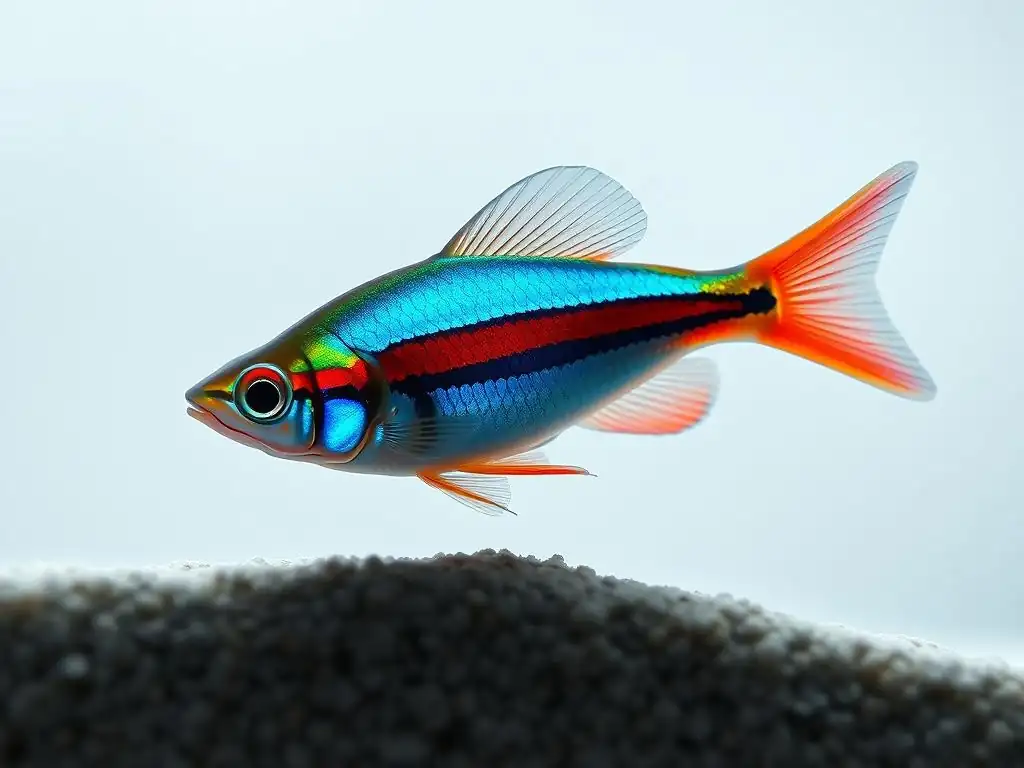
Upon arrival, carefully acclimate your new tetras to the quarantine tank. Once transferred, begin an initial observation period of at least 3-5 days without introducing any medications. This critical phase of the new aquarium quarantine process allows you to observe the fish in a stable environment and detect any immediate signs of illness that might have been masked by stress during transport. Look for clamped fins, rapid gill movement, lethargy, loss of color, unusual swimming patterns (e.g., darting, scratching against surfaces), or any visible spots, growths, or frayed fins.
During this period, feed sparingly with high-quality flake or micro-pellet food. Observe if all fish are actively eating and competing for food. Fish that are refusing to eat, hiding excessively, or appear listless are immediate red flags. Maintaining dim lighting for the first 24-48 hours can help reduce stress, encouraging the tetras to settle in and exhibit more natural behavior, making it easier to spot anomalies. This initial, vigilant observation is the bedrock upon which a successful new aquarium quarantine process is built.
Step 2: Gradual Acclimation of New Tetras to the Quarantine Tank
Proper acclimation is a vital, yet often overlooked, step in the new aquarium quarantine process. After transport, fish are often in water with different parameters (temperature, pH, TDS) than their new environment. Drip acclimation is the preferred method for tetras, especially more sensitive species. This involves slowly dripping water from the quarantine tank into the bag or container holding the new fish over a period of 30-60 minutes, allowing a gradual equalization of water parameters. This minimizes the shock of sudden changes, which can severely stress fish and weaken their immune systems.
Alternatively, the float-and-add method can be used for more robust species, where the fish bag is floated in the quarantine tank for 15-20 minutes to equalize temperature, and then small amounts of quarantine tank water are added to the bag every 5-10 minutes over a similar period. Regardless of the method, the goal is to prevent osmotic shock and reduce stress, thereby increasing the tetras' resilience to potential pathogens. Stress from improper acclimation can lead to immune suppression, making fish highly susceptible to diseases that might otherwise remain dormant.
Step 3: Prophylactic Treatment Options for Common Tetra Diseases
Following the initial observation period, and assuming no overt signs of severe illness have appeared requiring immediate targeted treatment, a broad-spectrum prophylactic treatment can be considered. This phase of the new aquarium quarantine process typically lasts 10-14 days and aims to eradicate common latent pathogens before they can manifest or spread to your main breeding tank. The rationale is to treat for common, often asymptomatic, issues that newly acquired fish might carry.
This approach acknowledges that many fish carry a low load of parasites or bacteria that only become problematic under stress. A well-chosen prophylactic treatment can interrupt the life cycles of common parasites like Ich and eliminate opportunistic bacterial infections. However, it's crucial to select medications carefully, considering the sensitivity of tetras, and always follow dosage instructions precisely. Carbon filtration must be removed during any medication treatment, as it will absorb the therapeutic compounds.
Understanding Common Tetra Diseases: Ich, Fin Rot, Columnaris
During the new aquarium quarantine process, it's critical to be familiar with the symptoms of common tetra diseases. Ich (Ichthyophthirius multifiliis), often called white spot disease, is characterized by distinct small, white spots resembling salt grains on the body and fins. It causes irritation, leading fish to "flash" or rub against tank decorations. Fin Rot is a bacterial infection that causes the fins to become frayed, ragged, opaque, or even bloody, often receding towards the body. It's frequently opportunistic, striking fish already stressed or in poor water quality.
Columnaris (often mistaken for fungal infection due to its white, cottony appearance) is a bacterial disease caused by Flavobacterium columnare. It typically manifests as white patches around the mouth ("mouth rot"), on the fins, or body, sometimes with a yellowish or brownish tinge. These diseases are highly contagious and can spread rapidly. Early and accurate identification during the new aquarium quarantine process is paramount for effective treatment and preventing a wider outbreak.
Safe and Effective Medications for Tetra Quarantine: Methylene Blue, Malachite Green, Tetracycline
For prophylactic treatment during the new aquarium quarantine process, several medications are commonly used, each with specific applications. Methylene Blue is an effective antifungal and antiparasitic agent, often used as a general prophylactic for new fish. It's relatively mild but can temporarily stain silicone and decor. For Ich and other external parasites, Malachite Green is highly effective, often found in combination with formalin in commercial Ich treatments. It should be used with caution, as it can be harsh on sensitive fish like some tetras and may stain.
For bacterial infections such as Fin Rot or Columnaris, Tetracycline or other broad-spectrum antibiotics like Furan-2 are appropriate. Always follow the manufacturer's dosage instructions meticulously. Some breeders also utilize a non-iodized aquarium salt bath (e.g., 1-2 tablespoons per 5 gallons) as a milder, less invasive prophylactic for external parasites and to aid in gill function. Regardless of the chosen medication, ensure adequate aeration, as many treatments reduce oxygen levels, and perform water changes as directed to maintain medication efficacy and water quality.
Step 4: Monitoring Water Quality and Maintaining Optimal Conditions
Continuous monitoring of water quality is a non-negotiable aspect of the new aquarium quarantine process. Daily testing for ammonia and nitrite is crucial, as even trace amounts can severely stress fish and hinder recovery from illness or transport stress. Both should consistently read zero. Nitrate levels should be kept below 20 ppm through regular small water changes, typically 25% every 2-3 days, depending on bioload and feeding. Consistent temperature, within the ideal range for tetras (e.g., 75-78°F or 24-26°C), is also vital and should be checked daily.
Beyond chemical parameters, observe the physical condition of the water. Is it clear? Is there any unusual odor? Are there signs of a bacterial bloom? Maintaining pristine water quality is fundamental to supporting the tetras' immune systems and ensuring that any medications can work effectively without additional environmental stressors. This diligent oversight is a cornerstone of a successful new aquarium quarantine process.
Step 5: Extended Observation - Ensuring Disease-Free Tetras Before Introduction
After any prophylactic treatment regimen is completed, a crucial final phase of the new aquarium quarantine process is an extended observation period without medication. This period should last at least 7-14 days. The purpose of this step is twofold: first, to allow any latent diseases that might have been suppressed by medication or stress to manifest; and second, to ensure that the fish have fully recovered from any treatments and are robust and healthy.
During this time, continue to observe the tetras closely for any recurrence of symptoms, changes in behavior, or signs of stress. Ensure they are actively eating, exhibiting normal swimming patterns, and displaying vibrant coloration. Only when the tetras appear completely healthy, active, and free of any visible signs of illness for the entire duration of this extended observation should they be considered ready for introduction into your main tetra breeding tank. Rushing this final step can undo all the diligent work of the new aquarium quarantine process.
Advanced Quarantine Techniques for Sensitive Tetra Species
Handling Delicate Tetra Species: Ember Tetras
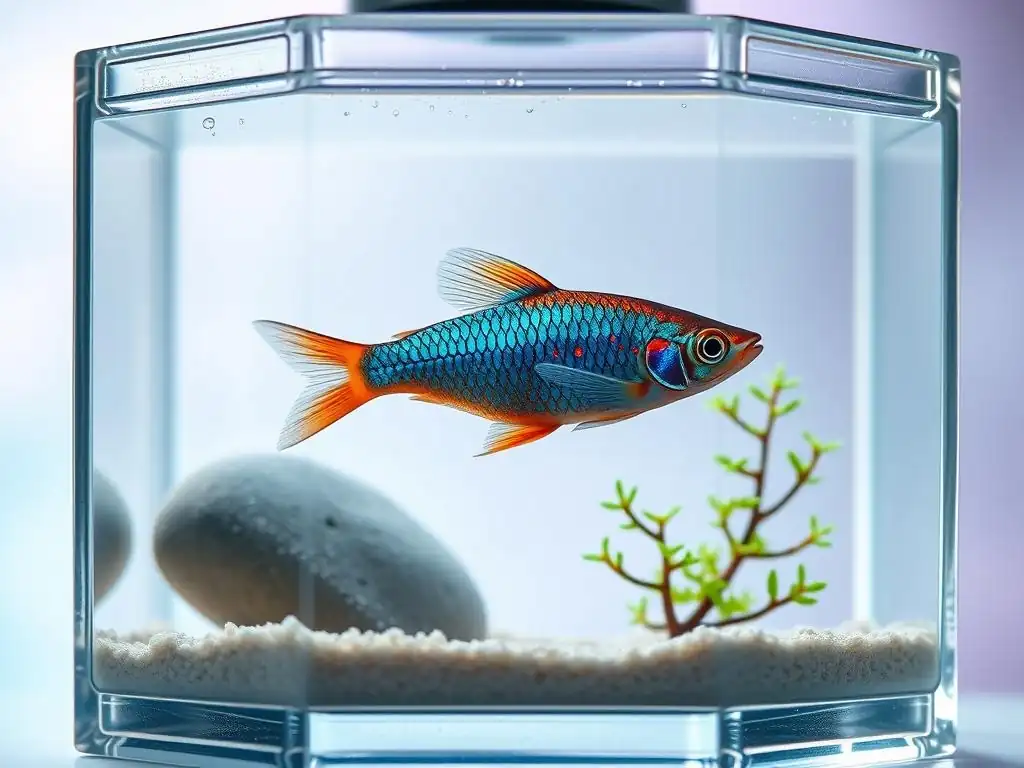
When dealing with particularly delicate tetra species, such as Ember Tetras ( Hyphessobrycon amandae), the new aquarium quarantine process requires an even more refined approach. These tiny fish are highly sensitive to sudden changes in water parameters, strong medications, and prolonged stress.
For Ember Tetras, consider using a smaller quarantine tank, perhaps 5 gallons (19 liters), with extremely stable parameters closely matching their eventual breeding tank. Instead of aggressive chemical treatments, a milder approach like a gradual increase in aquarium salt (up to 1 tablespoon per 5 gallons over several hours) can be used as a prophylactic against external parasites and to aid gill function, provided the species tolerates it.
Furthermore, minimize handling and sudden movements around the quarantine tank. Provide ample hiding spots, such as dense clumps of live or artificial plants, to help them feel secure. Their small size makes them more susceptible to overdose, so if medications are necessary, consider starting with a half-dose and observing their reaction before increasing. Patience and gentle care are paramount to successfully navigate the new aquarium quarantine process for such fragile species.
Reducing Stress During Quarantine: Dim Lighting and Floating Plants
Stress is a major contributor to weakened immune systems in fish, making them more susceptible to disease. During the new aquarium quarantine process, it's crucial to implement strategies that minimize stress for your tetras. One effective method is to use dim lighting, especially for the first few days after introduction. Bright, sudden illumination can be jarring for fish accustomed to darker conditions or stressed from transport. A simple solution is to keep the quarantine tank in a dimly lit room or use a low-wattage light on a timer.
Additionally, incorporating floating plants like Anacharis ( Egeria densa), Hornwort ( Ceratophyllum demersum), or even artificial floating decor can provide invaluable cover and a sense of security for shy or stressed tetras. These plants break up direct light and offer hiding spots, allowing the fish to feel less exposed and more comfortable. This natural approach helps reduce anxiety, encouraging the tetras to settle more quickly and exhibit normal behavior, which is essential for a successful new aquarium quarantine process.
Dietary Considerations During Quarantine: Feeding High-Quality Flake Food and Live Foods
Nutrition plays a vital role in strengthening the immune system of tetras during the new aquarium quarantine process. Offering a varied and high-quality diet is essential to help them recover from transport stress and build resilience against potential pathogens. Start with a high-quality flake food or micro-pellets formulated for small omnivores, ensuring the food is fresh and easily digestible. Observe if all fish are actively feeding, as a lack of appetite is a common sign of illness.
Supplementing their diet with frozen foods like bloodworms, brine shrimp, or daphnia, and live foods such as newly hatched brine shrimp or microworms, can provide essential vitamins, minerals, and proteins that boost their overall health and vigor. Feed small amounts multiple times a day rather than one large meal to prevent overfeeding and subsequent water fouling. A robust diet during quarantine supports their recovery and prepares them for the rigors of breeding in the main tank, making the new aquarium quarantine process more effective.
Identifying and Treating Common Tetra Diseases During Quarantine
Recognizing Early Symptoms of Tetra Illness: A Visual Guide
Early detection is the cornerstone of effective disease management during the new aquarium quarantine process. Familiarize yourself with the subtle, initial symptoms of common tetra ailments. For Ich, look for distinct, small white spots (about 1mm in diameter) resembling salt grains scattered across the body and fins; affected fish may also "flash" or rub against objects. Fin Rot manifests as frayed, ragged, or discolored fins, which may appear opaque or have bloody edges. Velvet disease presents as a fine, dusty, yellowish-gold coating on the fish's body, often accompanied by rapid gill movement.
Columnaris typically appears as white, cotton-like growths, often around the mouth ("mouth rot"), on the fins, or on the body, sometimes with a reddish fringe. Beyond these specific visual cues, general signs of illness include clamped fins held close to the body, lethargy, loss of appetite, abnormal swimming (e.g., darting, spiraling, or staying at the surface/bottom), bloating, sunken bellies, or sudden changes in coloration (e.g., fading or darkening). Vigilant daily observation is key to catching these symptoms early in the new aquarium quarantine process.
Diagnosing Common Tetra Diseases: Using Visual Cues and Water Testing
Accurate diagnosis during the new aquarium quarantine process relies on a combination of visual observation and water parameter analysis. Once early symptoms are recognized, compare them against known disease profiles. For instance, if a tetra exhibits white spots and scratches against decor, Ich is the highly probable diagnosis. If fins are frayed and discolored, and the fish is listless, a bacterial infection like Fin Rot is likely. The appearance of a distinct fuzzy white patch around the mouth points strongly to Columnaris.
Simultaneously, test the water parameters (ammonia, nitrite, nitrate, pH, temperature). Poor water quality (e.g., elevated ammonia or nitrite) often acts as a primary stressor, weakening the fish's immune system and allowing opportunistic pathogens to thrive. In some cases, environmental stress alone can cause symptoms that mimic disease. For example, high ammonia can cause gill irritation and rapid breathing, similar to some parasitic infections. Ruling out or correcting water quality issues is an essential step in confirming a diagnosis and ensuring successful treatment.
Treatment Protocols for Specific Tetra Ailments: Dosage and Treatment Schedules for Common Medications
Once a specific disease is diagnosed during the new aquarium quarantine process, prompt and precise treatment is necessary. For Ich, use an Ich-specific medication containing active ingredients like malachite green and/or formalin. Follow the manufacturer's dosage instructions meticulously, which typically involve daily or every-other-day dosing for 7-14 days, often with water changes before re-dosing. Increasing the quarantine tank temperature slightly (to 80-82°F or 27-28°C) can accelerate the Ich life cycle, making treatment more effective, but ensure your tetra species can tolerate the higher temperature.
For Fin Rot or Columnaris (bacterial infections), administer a broad-spectrum antibiotic such as Furan-2, Maracyn 2, or a tetracycline-based medication. Always remove carbon filtration before adding medication, as it will absorb the active ingredients. Treatment courses typically last 5-7 days, with specific instructions for water changes and re-dosing. Ensure adequate aeration, as some medications can reduce oxygen levels. Always complete the full course of treatment, even if symptoms improve, to prevent a relapse and ensure complete eradication of the pathogen, securing the success of your new aquarium quarantine process.
Integrating Quarantined Tetras into Your Breeding Tank: A Gradual Approach
Pre-Introduction Water Parameter Matching: Minimizing Tetra Stress
The final, critical step in the new aquarium quarantine process is the seamless integration of your healthy, quarantined tetras into the main breeding tank. To minimize stress and prevent shock, it is absolutely essential to gradually match the water parameters of the quarantine tank to those of the main breeding tank. Over a period of 2-3 days, perform small water changes in the quarantine tank using water directly from the main breeding tank. This slow introduction of the main tank's chemistry allows the tetras to acclimate to subtle differences in pH, hardness, and temperature.
The goal is to achieve near-identical parameters. Aim for a difference of no more than 0.2 pH units and 1-2 degrees Fahrenheit (0.5-1 degree Celsius) between the two tanks. This meticulous matching process significantly reduces the physiological stress on the tetras, preventing immune system suppression that could lead to a relapse of illness or make them susceptible to new pathogens in their new environment. This careful preparation is vital for the long-term success of your breeding operation.
Gradual Introduction Techniques: Drip Acclimation and Supervised Introduction
Once water parameters are closely matched, the actual transfer of the tetras from the quarantine tank to the breeding tank should be done with care using gradual introduction techniques. The drip acclimation method is highly recommended: place the tetras in a clean container with their quarantine water, then slowly drip water from the main breeding tank into the container using airline tubing, allowing it to overflow into a bucket. This process, lasting 30-60 minutes, ensures a very gradual adjustment to the new water chemistry.
After acclimation, use a clean net to carefully transfer the tetras to the main breeding tank, ensuring that no water from the quarantine tank enters the breeding system. This prevents the transfer of any residual pathogens or parasites. Once introduced, observe their initial interactions with existing fish for signs of aggression, undue stress, or unusual behavior. Providing ample hiding spots in the main tank can also help the new arrivals feel secure during this transition phase.
Post-Introduction Monitoring: Observing for Signs of Illness in the Main Tank
Even after a successful new aquarium quarantine process and careful introduction, post-introduction monitoring is crucial for the first 7-10 days. During this period, closely observe both the newly introduced tetras and the existing breeding stock for any subtle signs of stress, illness, or unusual behavior. Look for changes in appetite, coloration, swimming patterns, or any physical symptoms that might indicate a problem.
While a thorough quarantine significantly reduces risks, residual stress from the move or latent issues that were not fully eliminated can sometimes manifest. Early detection allows for immediate intervention. If a problem is spotted, the affected fish should ideally be removed and placed back into a dedicated hospital tank (which could be the cleaned and reset quarantine tank) for treatment, preventing a potential outbreak in your valuable breeding tank. This continuous vigilance safeguards the health of your entire tetra breeding colony.
Maintaining a Healthy Tetra Breeding Stock: Long-Term Quarantine Benefits
Preventing Future Disease Outbreaks Through Consistent Quarantine Practices
The new aquarium quarantine process is not a one-off event but a fundamental, ongoing practice for any serious tetra breeder. Adopting a consistent quarantine protocol for every new fish, plant, or invertebrate introduced into your aquatic system is the most effective long-term strategy for preventing devastating disease outbreaks. Experienced aquarists who diligently quarantine new additions report significantly fewer disease incidents—some estimates suggest up to 80% fewer widespread outbreaks—compared to those who skip this vital step. This proactive approach ensures that your established breeding environment remains a healthy, pathogen-free sanctuary.
By isolating new arrivals, you create a buffer zone that prevents external threats from reaching your main breeding stock. This continuous commitment builds a robust, resilient breeding environment, minimizing the need for costly and stressful treatments in your main tanks. It's an investment in the long-term health and stability of your entire breeding operation, safeguarding against future unforeseen biological threats.
The Value of Quarantine in Protecting Your Investment in Tetra Breeding
Tetra breeding, especially for specific color morphs or rare species like Black Neon Tetras or Cardinal Tetras, involves a substantial investment of time, effort, and financial resources. Acquiring quality breeding stock can be expensive, and the time dedicated to conditioning, spawning, and raising fry represents countless hours of work. A single disease outbreak, easily preventable by a proper new aquarium quarantine process, can decimate an entire breeding colony, leading to significant financial losses and the emotional toll of losing cherished fish and failed breeding projects.
The relatively modest cost of setting up and maintaining a dedicated quarantine tank—perhaps $70-100 for a 10-gallon tank with basic equipment—pales in comparison to the potential losses from disease. It acts as an indispensable insurance policy, protecting your valuable genetic lines and ensuring the continuity of your breeding efforts. This small upfront investment provides immense returns in peace of mind and the long-term health and productivity of your tetra breeding stock.
Best Practices for Continuous Tetra Health Monitoring
Beyond the initial new aquarium quarantine process, continuous health monitoring is paramount for maintaining a thriving tetra breeding stock. Establish a daily routine of observing your entire colony for any subtle changes in behavior, appetite, or physical appearance. Look for individuals that isolate themselves, show unusual swimming patterns, or display any minor discolorations or fin damage. Regular water parameter testing (at least weekly or bi-weekly) and consistent tank maintenance, including substrate vacuuming and water changes, are fundamental to preventing environmental stress that can trigger latent diseases.
Maintain detailed records of your water parameters, feeding schedules, and any observed anomalies. Educate yourself on common tetra ailments and their early symptoms, ensuring you can quickly identify and address issues. Prompt action, such as immediately isolating a suspicious fish back into a dedicated hospital tank (often your cleaned and reset quarantine tank), can prevent a localized problem from escalating into a widespread epidemic, securing the long-term health and success of your tetra breeding operation.
Frequently Asked Questions
What is the new aquarium quarantine process, and why is it important?
The new aquarium quarantine process involves isolating new fish or plants in a separate tank for a period of time. This is crucial to prevent the introduction of diseases and parasites into your established aquarium.
How long should I quarantine new fish before introducing them to my main tank?
Generally, a quarantine period of 4-6 weeks is recommended. This allows sufficient time to observe the fish for any signs of illness and treat them if necessary before they can infect your entire tank.
What size tank is ideal for quarantining new fish?
The quarantine tank size depends on the size and number of fish you're quarantining, but typically a 10-20 gallon tank is sufficient for smaller species. Ensure it's large enough to provide adequate space and water quality.
What equipment do I need for a quarantine tank?
A quarantine tank requires basic equipment like a filter, heater, and thermometer. Avoid using substrate or decorations from your main tank to prevent cross-contamination.
What do I do if I observe signs of illness in my quarantine tank?
If you notice signs of illness, such as lethargy, fin rot, or white spots, immediately research the symptoms and appropriate treatment. Isolate the affected fish further if possible and administer medication as directed.
Final Reflection: Safeguarding the Future of Aquatic Life
The principles of meticulous quarantine, as outlined in this guide, are not merely theoretical exercises; they are essential shields against the devastating impact of disease in our increasingly interconnected world. The health of our tetra breeding stock, and indeed the health of all aquatic life under our care, hinges on our commitment to these practices. Neglecting the "new aquarium quarantine process" can have ripple effects, impacting not only individual fish but entire ecosystems, both within our tanks and potentially beyond.
This journey into the depths of aquarium quarantine has highlighted the profound responsibility we bear as keepers of these delicate creatures. The dedication required for successful breeding programs underscores the importance of preventative measures, reminding us that proactive care is far more effective than reactive treatment. The best cure is prevention.
This adage, often attributed to Benjamin Franklin, resonates deeply within the context of aquarium keeping, urging us to prioritize the well-being of our fish through diligent quarantine protocols.
Now, as you close this guide, consider the impact you can have. Embrace the "new aquarium quarantine process" not just as a set of rules, but as a testament to your dedication and respect for the life you nurture. Let this knowledge empower you to become a true guardian of aquatic health, ensuring the vibrant future of your tetra breeding stock and contributing to the overall well-being of the aquatic world.
Dive Deeper: Elevate Your Tetra Breeding Now!
Thank you for exploring Aquarium Mastery's guide to protecting your tetra breeding stock during quarantine. We hope you've gained valuable insights to safeguard your precious fish. Ready to take the next step?
Here are a few actions you can take right now to solidify your knowledge and enhance your breeding success:
- Immediately review your quarantine setup using the checklist provided, prioritizing filtration and water quality.
- Share this guide with a fellow aquarist and challenge each other to implement one new quarantine technique this week.
- For a unique twist, research plants known to boost the immune systems of small fish and consider adding them to your quarantine tank.
What's the first change you'll make to your quarantine process based on what you've learned today, and why?