
Troubleshooting Your Aquarium CO2 System: Leaks, Inconsistent Flow, and Algae

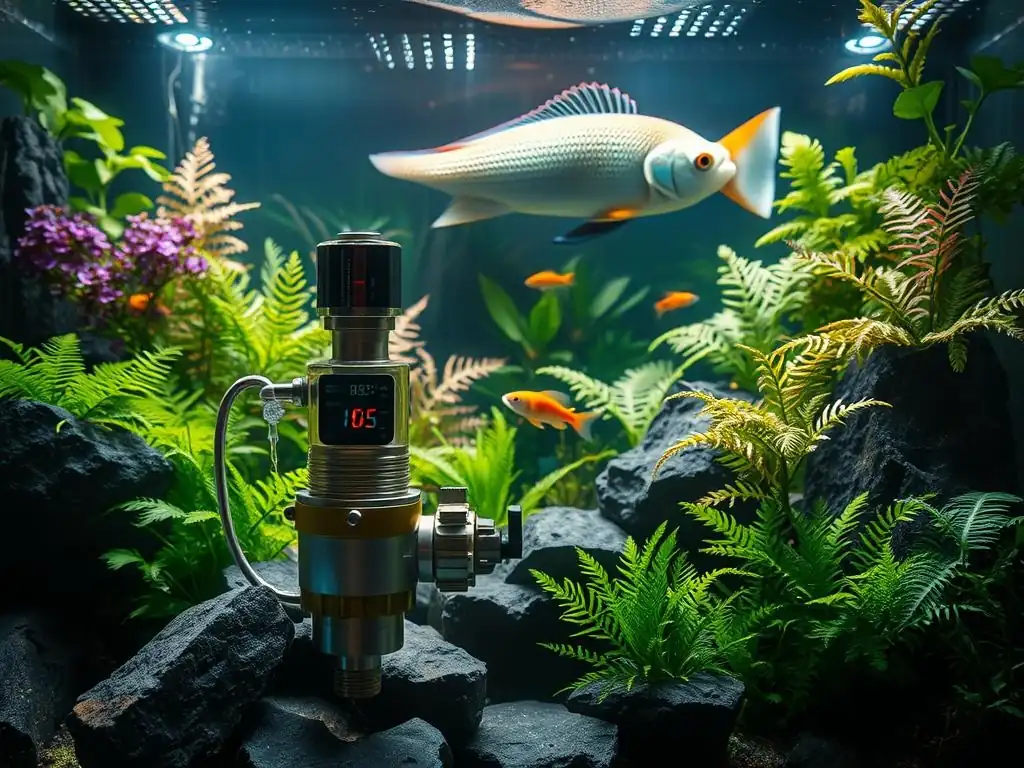
Welcome to Aquarium Mastery, where your underwater dreams become reality! Ever wrestled with a sputtering CO2 system, wondering why your plants aren't thriving and algae is taking over? You're not alone. Dive into our comprehensive guide on Aquarium CO2 system troubleshooting and unlock the secrets to a perfectly balanced and flourishing aquatic ecosystem. Get ready to diagnose leaks, stabilize flow, and banish algae woes - your journey to aquarium mastery starts now!
- Troubleshooting Your Aquarium CO2 System: Achieving Optimal Plant Growth and Algae Control
- Understanding Your Aquarium CO2 System and Common Issues
- Aquarium CO2 System Troubleshooting: Identifying and Fixing Leaks
-
Addressing Inconsistent CO2 Flow in Your Planted Tank
- Causes of Inconsistent CO2 Flow: Regulator Diaphragm Issues, Solenoid Failure, and Diffuser Clogging
- Diagnosing CO2 Flow Problems: Bubble Count Observation and Pressure Testing
- Adjusting and Calibrating Your CO2 Regulator
- Cleaning and Maintaining Your CO2 Diffuser
- Troubleshooting CO2 Solenoid Malfunctions
- CO2 and Algae Control: Finding the Right Balance for Your Aquarium
- Advanced Aquarium CO2 Troubleshooting Techniques
- Maintaining a Healthy and Efficient Aquarium CO2 System: Best Practices
- Frequently Asked Questions
- Final Reflection: Cultivating Balance in the Aquatic Ecosystem
- Uncover a Thriving Aquarium Today!
Troubleshooting Your Aquarium CO2 System: Achieving Optimal Plant Growth and Algae Control
Understanding Your Aquarium CO2 System and Common Issues
The Importance of CO2 in Planted Aquariums
Carbon dioxide (CO2) is a fundamental nutrient for aquatic plants, playing a pivotal role in their photosynthetic process. Just as terrestrial plants require CO2 from the air, submerged aquatic plants absorb it directly from the water column. This absorbed carbon is then converted into sugars and complex carbohydrates, forming the building blocks for plant growth and energy. In fact, carbon constitutes approximately 40-50% of the dry mass of a typical aquatic plant, highlighting its critical importance. Without adequate CO2, even with optimal lighting and nutrient levels, plants will exhibit stunted growth, pale coloration, and overall poor health.
Providing supplemental CO2 to a planted aquarium can dramatically accelerate plant growth rates, leading to lush, vibrant aquascapes. Species like Hemianthus callitrichoides 'Cuba' or Glossostigma elatinoides, often used as foreground carpets, thrive under consistent CO2 injection, achieving their dense, low-growing form. Enhanced CO2 also strengthens plant resilience, making them more competitive against nuisance algae for available nutrients and light. This symbiotic relationship where healthy plants outcompete algae is a cornerstone of successful high-tech planted tank maintenance.
Common Aquarium CO2 System Problems: An Overview
While highly beneficial, aquarium CO2 systems can present several common challenges that require effective Aquarium CO2 system troubleshooting. The most frequent issues encountered by aquarists include gas leaks, which lead to significant CO2 waste and inconsistent delivery. For instance, a small leak could cause a 5lb CO2 cylinder, which might normally last 6 months with optimal flow, to deplete in as little as 2-3 months, incurring unnecessary refilling costs.
Beyond leaks, inconsistent CO2 flow is another prevalent problem, manifesting as fluctuating bubble counts or erratic CO2 levels within the tank. This instability can severely stress plants, hindering their growth and making them susceptible to algae outbreaks. Equipment malfunctions, such as a faulty regulator diaphragm or a sticky solenoid, can also disrupt the system's performance. Finally, an imbalance in CO2 levels, often in conjunction with other environmental factors, is a significant contributor to unsightly algae blooms, underscoring the need for precise Aquarium CO2 system troubleshooting to maintain a healthy and balanced aquatic environment.
Aquarium CO2 System Troubleshooting: Identifying and Fixing Leaks
Locating CO2 Leaks in Your System: A Step-by-Step Guide
Identifying CO2 leaks is a critical first step in Aquarium CO2 system troubleshooting to prevent gas waste and ensure stable CO2 levels. The most effective method involves using a soapy water solution, typically a mixture of dish soap and water (e.g., 1 part soap to 5 parts water), applied to all connections and components under pressure.
Begin by spraying or brushing the solution onto the regulator-to-cylinder connection, then move along the high-pressure side of the regulator, the needle valve, the bubble counter connections, and finally, all tubing connections leading to the diffuser. Look for the formation of persistent bubbles, which indicate gas escaping.
For smaller components like check valves or the diffuser itself, submerging them in a container of water while the system is pressurized can reveal leaks as a steady stream of small bubbles. It's often advisable to start your leak detection from the tank end (diffuser and tubing connections) and work your way back towards the CO2 cylinder. Common leak points include worn O-rings, loose fittings, or even microscopic cracks in tubing or plastic components. A systematic approach ensures that no potential leak source is overlooked during your Aquarium CO2 system troubleshooting process.
Repairing CO2 Leaks: Teflon Tape, Wrenches, and Leak Detection Solutions
Once a CO2 leak is identified, prompt repair is essential for efficient Aquarium CO2 system troubleshooting. For threaded connections, such as where the regulator attaches to the CO2 cylinder or at various fittings along the line, applying PTFE (Teflon) tape is often the solution. Wrap the tape clockwise around the threads, ensuring a snug fit without covering the opening, typically 3-5 wraps are sufficient. This creates a seal that prevents gas from escaping through the threads.
For connections that are simply loose, carefully tightening them with an appropriate wrench can resolve the issue. However, exercise caution to avoid overtightening, which can strip threads or damage seals. If a leak is originating from a seal or O-ring, such as the nylon washer between the CO2 cylinder and regulator, or an internal O-ring within a solenoid or check valve, replacement is necessary. These seals degrade over time and lose their elasticity. Having spare seals and PTFE tape on hand is a practical measure for effective Aquarium CO2 system troubleshooting and immediate leak resolution.
Preventing Future CO2 Leaks: Maintenance Tips
Proactive maintenance is key to preventing CO2 leaks and minimizing the need for extensive Aquarium CO2 system troubleshooting. Regularly inspect all connections and components for signs of wear, such as cracks in tubing or visible degradation of seals. It's good practice to perform a quick soapy water test on all major connections every 2-3 months, or whenever you replace your CO2 cylinder, to catch small leaks before they become significant.
When installing or reassembling your CO2 system, ensure that all fittings are properly aligned and hand-tighten them before using a wrench to snug them up. Avoid cross-threading connections, which can permanently damage threads and create persistent leaks. Furthermore, invest in high-quality, pressure-rated CO2-specific tubing and fittings.
Standard air line tubing is often permeable to CO2 under pressure and can lead to gradual gas loss, while cheap plastic fittings are prone to cracking. Replacing critical seals, such as the bonnet seal on your regulator or the O-rings in your check valve, annually or bi-annually, depending on usage, can significantly extend the leak-free operation of your Aquarium CO2 system troubleshooting efforts.
Addressing Inconsistent CO2 Flow in Your Planted Tank
Causes of Inconsistent CO2 Flow: Regulator Diaphragm Issues, Solenoid Failure, and Diffuser Clogging
Inconsistent CO2 flow is a common and frustrating issue in planted aquariums, hindering plant growth and making Aquarium CO2 system troubleshooting essential. One primary cause lies within the regulator itself, specifically a worn or damaged diaphragm. The diaphragm controls the output pressure, and if it's compromised, it can lead to erratic pressure fluctuations, causing the bubble count to waver significantly. For instance, a regulator might output 30 PSI consistently for a period, then suddenly drop to 10 PSI or surge to 50 PSI without adjustment, disrupting the delicate balance.
Solenoid valve failures are another frequent culprit. A solenoid, which acts as an on/off switch for CO2, can become sticky, fail to open completely, or develop electrical issues, leading to intermittent CO2 delivery. Sometimes, internal debris can cause the plunger to stick.
Lastly, a clogged diffuser is a very common reason for inconsistent or reduced flow. Over time, biofilm, algae, and mineral deposits can accumulate on the ceramic or porous material of the diffuser, restricting the passage of CO2 and leading to larger, fewer, or no bubbles. Other factors, such as kinked CO2 tubing or a nearly empty CO2 cylinder, can also contribute to flow inconsistencies.
Diagnosing CO2 Flow Problems: Bubble Count Observation and Pressure Testing
Accurate diagnosis is crucial for effective Aquarium CO2 system troubleshooting when faced with inconsistent CO2 flow. The most immediate indicator is the bubble counter: observe the consistency of the bubble rate over an extended period, ideally several hours. A healthy system should maintain a very steady bubble count, for example, 1-2 bubbles per second for a 20-gallon tank. Any significant fluctuations or stoppages indicate a problem.
Next, examine the pressure gauges on your CO2 regulator. The cylinder pressure gauge indicates the remaining gas in the cylinder. A rapid or sudden drop might signal an impending empty tank or a significant leak.
More critically, the output pressure gauge (working pressure) should remain stable at your set value, typically 20-40 PSI. If this gauge fluctuates wildly without manual adjustment, it strongly suggests an issue with the regulator's internal mechanism, such as the diaphragm or springs. Additionally, a drop checker can provide a visual confirmation of fluctuating CO2 levels in the water, changing color from optimal green to blue (low CO2) or yellow (high CO2) if the flow is inconsistent.
Adjusting and Calibrating Your CO2 Regulator
Proper adjustment and calibration of your CO2 regulator are fundamental to maintaining consistent CO2 flow and are central to Aquarium CO2 system troubleshooting. The regulator's primary role is to reduce the high pressure from the CO2 cylinder (which can be over 800 PSI when full) to a manageable working pressure for your aquarium, typically in the range of 20-40 PSI. This working pressure is then fine-tuned by the needle valve to achieve your desired bubble count.
To adjust, first ensure your cylinder valve is fully open. Then, slowly increase the working pressure using the regulator's adjustment knob until it reaches your desired setting. Next, use the needle valve to precisely control the bubble rate visible in your bubble counter.
Make very small adjustments, as even a quarter-turn can significantly alter the flow. After any adjustment, allow the system to stabilize for at least 30-60 minutes before making further changes, as CO2 dissolution and tank levels don't change instantaneously. Consistent calibration is key to preventing plant stress and algae, making it a vital part of your Aquarium CO2 system troubleshooting routine.
Cleaning and Maintaining Your CO2 Diffuser
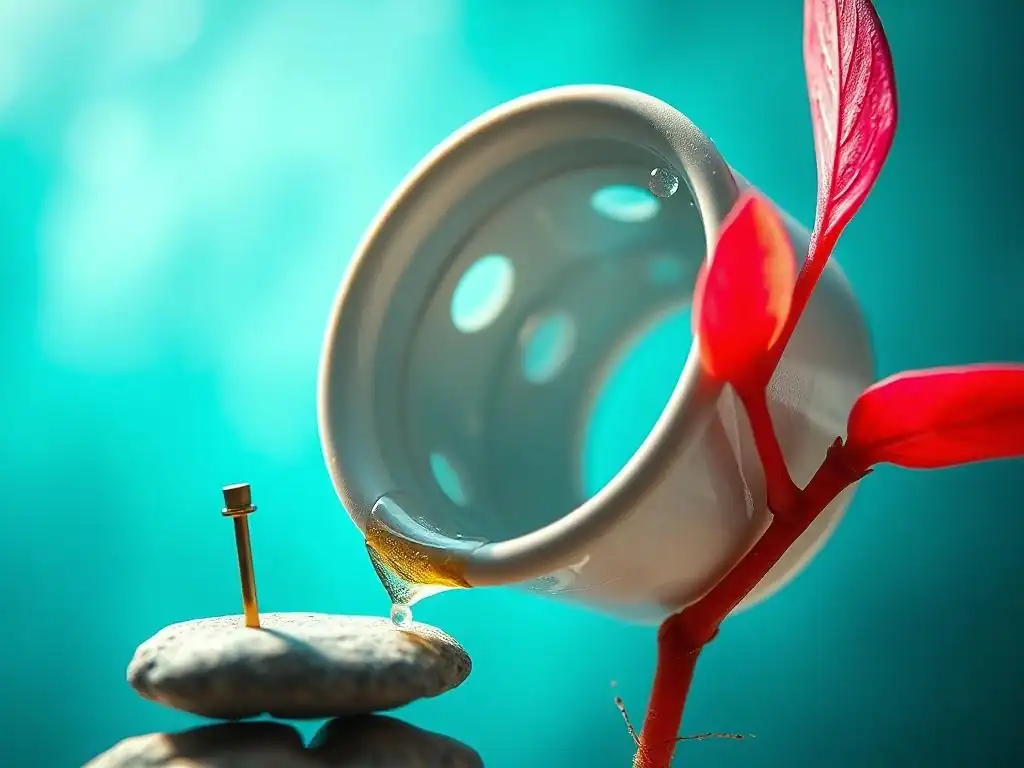
A clogged CO2 diffuser is a common cause of inconsistent or reduced CO2 flow and is often overlooked during Aquarium CO2 system troubleshooting. Over time, the porous material of the diffuser (typically ceramic) can become blocked by biofilm, algae, and mineral deposits from the aquarium water. This reduces the efficiency of CO2 dissolution, leading to larger bubbles, fewer bubbles, or even no bubbles at all, despite the regulator indicating flow.
Regular cleaning is essential. A highly effective method involves soaking the diffuser in a bleach solution. Prepare a solution of 1 part household bleach to 10 parts water, ensuring the diffuser is fully submerged. Allow it to soak for 2-4 hours, or until any visible buildup is gone.
After soaking, it is absolutely crucial to rinse the diffuser thoroughly under running water for several minutes and then soak it in a strong dechlorinator solution (like Seachem Prime or similar) for an equal duration to neutralize any residual bleach. Failure to remove all bleach can be catastrophic for your aquarium inhabitants. For mineral buildup, a soak in white vinegar or citric acid solution can also be effective. Aim to clean your diffuser every 2-4 weeks, depending on your tank's conditions and water parameters, to maintain optimal CO2 dissolution and reduce the need for further Aquarium CO2 system troubleshooting.
Troubleshooting CO2 Solenoid Malfunctions
The CO2 solenoid valve is a critical component that allows you to automate CO2 injection, typically turning it on and off with a timer. When troubleshooting an Aquarium CO2 system experiencing inconsistent flow, a malfunctioning solenoid should be investigated. The first step is to check its power supply. Ensure the solenoid is properly plugged into a working outlet or timer. If using a timer, verify that the timer itself is functioning correctly and is set to the "on" cycle.
Listen closely for an audible "click" when the solenoid receives power (e.g., when the timer switches on) and another click when power is removed. If there's no click, it could indicate a faulty power cord, a blown fuse (if applicable), or an internal electrical failure. Sometimes, an internal blockage or a sticky plunger can prevent the solenoid from opening or closing fully.
Gently tapping the solenoid body with a small wrench or screwdriver handle might dislodge minor debris, but often, an internal failure requires replacement of the solenoid. For those comfortable with electrical testing, a multimeter can be used to check for continuity across the solenoid's terminals when powered, indicating if the coil is receiving current. Solenoids typically have a lifespan of several years, but environmental factors or manufacturing defects can lead to premature failure.
CO2 and Algae Control: Finding the Right Balance for Your Aquarium
The Relationship Between CO2, Lighting, and Algae Growth
The triumvirate of CO2, lighting, and nutrient levels forms the foundation of a healthy planted aquarium, and an imbalance in any of these factors can trigger unwelcome algae growth. Algae are opportunistic organisms that thrive when conditions are not optimal for higher plants. If your aquarium has intense lighting but insufficient CO2, your plants cannot photosynthesize efficiently enough to utilize the available light energy.
This excess light, combined with unused nutrients, creates an ideal environment for algae to proliferate. For example, green spot algae often indicates low CO2 or phosphate deficiency, while hair algae can signal low CO2 coupled with high light.
Conversely, while overdosing CO2 can harm fish by lowering pH and oxygen, it rarely directly causes algae. The key is to provide enough CO2 for your plants to thrive under your specific lighting conditions. When plants are growing vigorously and absorbing nutrients effectively, they outcompete algae for resources, naturally keeping their growth in check. Achieving this delicate balance is a continuous process of observation and adjustment, making it a crucial aspect of Aquarium CO2 system troubleshooting for algae control.
How CO2 Imbalance Contributes to Algae Blooms
A significant CO2 imbalance is a primary driver of algae blooms in planted aquariums. When CO2 levels are too low, plants struggle to perform photosynthesis efficiently, leading to stunted growth and a reduced ability to absorb macro and micronutrients.
This leaves an abundance of nutrients in the water column that algae can readily exploit. For instance, if your target CO2 level is 25 ppm, but it consistently drops to 10 ppm due to inconsistent injection or a leak, sensitive plants like Rotala macrandra might show pale, melting leaves, signaling distress and opening the door for algae like Black Brush Algae (BBA) to colonize.
Furthermore, fluctuating CO2 levels are particularly detrimental. Plants adapt to a consistent supply of carbon, and sudden shifts—such as CO2 turning off too early before the lights go out, or erratic bubble counts—stress them significantly. Stressed plants release organic compounds and cease efficient nutrient uptake, creating an even more favorable environment for algae. This instability directly weakens the plants' competitive edge, allowing fast-growing algae species to quickly dominate the aquarium ecosystem. Therefore, maintaining stable and optimal CO2 levels is a cornerstone of effective Aquarium CO2 system troubleshooting for preventing algae.
Adjusting CO2 Levels to Control Algae
Adjusting CO2 levels is a critical step in Aquarium CO2 system troubleshooting for combating algae outbreaks. The goal is to provide a consistent supply of CO2 within the optimal range of 20-30 parts per million (ppm) for most planted tanks. This level ensures that plants can efficiently utilize light and nutrients, thereby outcompeting algae. A drop checker, with its indicator solution, is an invaluable tool for this purpose; its color should ideally be lime green, indicating sufficient CO2. If it's blue, your CO2 is too low, and algae are likely to thrive.
To increase CO2, gradually increase your bubble count by small increments, such as 0.5 bubbles per second per day, until your drop checker indicates the optimal green. Observe your fish for any signs of distress, such as rapid breathing or gasping at the surface, which indicates excessive CO2 and low oxygen. If observed, immediately increase surface agitation or perform a small water change.
Conversely, if your drop checker is yellow, indicating dangerously high CO2 levels, reduce the bubble count slowly. Consistent monitoring and gradual adjustments are key to finding the sweet spot for your specific tank, promoting robust plant growth, and effectively suppressing algae.
Other Factors Affecting Algae Growth: Nutrient Levels, Light Intensity, and Water Change Frequency
While CO2 imbalance is a significant factor in algae growth, effective Aquarium CO2 system troubleshooting for algae control must also consider other crucial environmental parameters. Nutrient levels, specifically nitrates (NO3), phosphates (PO4), and potassium (K), play a vital role. Excess levels of nitrates (e.g., consistently above 20 ppm) or phosphates (e.g., above 1 ppm) can fuel explosive algae growth, particularly if CO2 is insufficient. Conversely, severe deficiencies in any macronutrient can also stress plants, making them vulnerable. A balanced fertilization regime is essential.
Light intensity and duration are equally important. Too much light, or light for too long (e.g., over 8 hours a day), without adequate CO2 and nutrients, is a common trigger for various algae types, including green dust algae and hair algae. Reducing photoperiods to 6-8 hours or lowering light intensity can help.
Finally, regular water changes are indispensable. Performing weekly water changes of 25-50% helps to remove excess nutrients, organic waste, and free-floating algae spores, directly contributing to a cleaner, healthier environment that discourages algae proliferation. Combining these practices with precise CO2 management provides a holistic approach to algae control.
Advanced Aquarium CO2 Troubleshooting Techniques
Using a Drop Checker to Monitor CO2 Levels
A CO2 drop checker is an indispensable tool for advanced Aquarium CO2 system troubleshooting, providing a continuous, visual indication of dissolved CO2 levels in your aquarium water. It consists of a small glass reservoir containing a pH indicator solution (typically bromothymol blue) and a known carbonate hardness (KH) solution, isolated from the main tank water by an air pocket. The CO2 from the aquarium water diffuses into this air pocket, then into the indicator solution, changing its color based on the dissolved CO2 concentration.
The color interpretation is straightforward: blue indicates insufficient CO2 (below 20 ppm), green signifies optimal CO2 levels (20-30 ppm), and yellow suggests excessive CO2 (above 30 ppm), which can be dangerous for fish. For accurate readings, the drop checker should be placed on the opposite side of the tank from the CO2 diffuser to ensure it reflects the average CO2 saturation throughout the aquarium. It's important to remember that drop checkers have a time lag of 2-3 hours, meaning they reflect past CO2 levels rather than instantaneous changes.
This makes them excellent for monitoring stability over time but less suitable for immediate adjustments. Regular observation of your drop checker is a key aspect of maintaining a balanced planted tank and fine-tuning your Aquarium CO2 system troubleshooting efforts.
Understanding CO2 Dissolution Rates
Understanding CO2 dissolution rates is crucial for optimizing your CO2 system and effective Aquarium CO2 system troubleshooting. Dissolution refers to how efficiently the injected gaseous CO2 transforms into dissolved CO2 in the aquarium water, which is the form plants can absorb. Several factors influence this rate: the type of diffuser, water flow, surface agitation, and tank size. Ceramic diffusers, for instance, typically achieve 70-80% dissolution efficiency, producing fine mist-like bubbles that maximize surface area for absorption.
Inline diffusers or CO2 reactors, which mix CO2 directly with the water flow outside the tank, can achieve near 100% dissolution, making them highly efficient for larger tanks or those requiring very high CO2 levels. Strong water flow within the tank is also vital, as it helps distribute the dissolved CO2 evenly throughout the water column, ensuring all plants receive adequate supply. Conversely, excessive surface agitation (e.g., from powerful filters or air stones) can cause significant CO2 off-gassing, effectively wasting your injected CO2.
For example, a tank with high surface agitation might require 50% more CO2 injection to maintain the same dissolved CO2 level as a tank with minimal surface disturbance. Optimizing these factors ensures that your CO2 is efficiently utilized, reducing waste and improving plant growth.
Troubleshooting Specific CO2 System Components: Bubble Counters and Tubing
Beyond the regulator and diffuser, specific components like bubble counters and tubing can also be sources of issues requiring precise Aquarium CO2 system troubleshooting. Bubble counters are essential for monitoring your CO2 injection rate; however, they can experience problems. Common issues include water evaporating from the counter, requiring periodic refilling, or leaks from loose connections at its inlet or outlet, which will lead to inconsistent bubble counts or gas loss. Always ensure the bubble counter is upright and that its connections are securely tightened to prevent these issues.
CO2 tubing is another often-overlooked component. Standard silicone or PVC air line tubing, commonly used for air pumps, is permeable to CO2 gas under pressure. This means a significant portion of your injected CO2 can slowly leak out through the walls of the tubing itself, especially over longer runs.
For instance, a 6-foot run of standard airline tubing can lose up to 30% of your CO2. For optimal performance and to minimize waste, always use specialized CO2-resistant tubing made from materials like polyurethane or high-density PVC, which have significantly lower gas permeability. Check tubing regularly for kinks, cracks, or hardening, which can impede flow or create new leak points, necessitating replacement as part of your comprehensive Aquarium CO2 system troubleshooting.
Maintaining a Healthy and Efficient Aquarium CO2 System: Best Practices
Regular Maintenance Schedule for Your CO2 System
Establishing a regular maintenance schedule is paramount for ensuring the long-term health and efficiency of your Aquarium CO2 system, minimizing the need for reactive Aquarium CO2 system troubleshooting. Daily checks should include observing your bubble counter for consistent flow and monitoring your CO2 drop checker's color to ensure optimal CO2 levels (lime green). Any deviation from the norm warrants immediate investigation.
On a weekly basis, visually inspect all tubing for kinks, cracks, or signs of hardening, and quickly check all connections for any visible leaks or drips. This is also a good time to assess your diffuser's performance; if bubbles appear larger or fewer, it might be time for a quick cleaning. Monthly, perform a more thorough leak test on all connections using soapy water solution.
Quarterly or bi-annually, depending on usage, consider disassembling and inspecting the regulator's seals and O-rings, cleaning the solenoid if it's designed for user maintenance, and cleaning the diffuser more rigorously with a bleach soak. Annually, it's wise to replace critical O-rings and seals, especially the bonnet seal on your regulator, as a preventative measure to avoid future leaks and ensure reliable operation.
Choosing the Right CO2 System Components for Your Tank
Selecting appropriate CO2 system components is a foundational step in preventing future Aquarium CO2 system troubleshooting headaches and ensuring optimal plant growth. The regulator is arguably the most crucial piece: opt for a dual-stage regulator if possible. Dual-stage regulators maintain a much more stable output pressure as the cylinder pressure drops, preventing the dreaded "end-of-tank dump" that can harm fish by suddenly releasing a large amount of CO2.
For diffusers, match the type to your tank size and aesthetic preference. Ceramic diffusers are popular for smaller to medium tanks (up to 50 gallons) due to their fine bubble output and compact size. For larger tanks or those seeking maximum dissolution efficiency, inline atomizers or external reactors are superior, dissolving nearly 100% of the CO2 before it enters the tank. A high-quality solenoid valve is essential for automating CO2 injection with a timer, ensuring CO2 is only on during the light cycle.
Always use a reliable check valve to prevent water back-siphoning into your expensive regulator. Finally, invest in pressure-rated, CO2-specific tubing to prevent gas loss through permeability. For example, a 5lb CO2 cylinder is often a good starting point for a 50-gallon tank, providing 4-6 months of CO2 at a typical flow rate of 2 bubbles per second.
Monitoring Plant Health as an Indicator of CO2 System Performance
Beyond technical checks, monitoring the health and growth of your aquatic plants is one of the most intuitive and effective methods for Aquarium CO2 system troubleshooting. Healthy plants are the ultimate indicator of a well-functioning CO2 system. Signs of optimal CO2 include vigorous, steady growth, vibrant coloration, and "pearling" – the appearance of tiny oxygen bubbles clinging to or streaming from plant leaves during the light cycle, indicating active photosynthesis.
Conversely, plants will display specific symptoms if CO2 is insufficient or inconsistent. Stunted growth, melting leaves (especially new growth), pale or yellowish coloration, and a general lack of vigor are strong indicators of CO2 deficiency. For instance, delicate stem plants like Rotala rotundifolia might show smaller, paler leaves, while Cryptocoryne species might experience "crypt melt" if CO2 levels fluctuate dramatically.
Additionally, the proliferation of certain algae types, such as green spot algae or black brush algae, often signals inadequate or unstable CO2 levels that stress plants. Conversely, if fish are gasping at the surface or showing signs of distress, it could indicate dangerously high CO2 levels causing pH to drop and oxygen to deplete, requiring immediate action like increasing surface agitation or reducing CO2. Regular observation of your flora provides invaluable feedback for fine-tuning your Aquarium CO2 system troubleshooting efforts.
Frequently Asked Questions
How do I identify a CO2 leak in my aquarium system?
You can identify a CO2 leak by listening for a hissing sound near connections or using a bubble counter. Also, apply soapy water to connections; bubbles indicate a leak.
What causes inconsistent CO2 flow in my aquarium?
Inconsistent CO2 flow is often due to a depleted CO2 tank, a malfunctioning regulator, or a kinked/blocked CO2 tubing. Check these components first.
How does excess CO2 impact algae growth in my aquarium?
Excess CO2 alone doesn't directly cause algae. However, when combined with excess nutrients and strong lighting, it can contribute to accelerated algae growth.
What are the common causes of a sudden drop in CO2 levels?
A sudden drop in CO2 levels might be caused by a large water change, a CO2 tank emptying, or a faulty solenoid valve that's not opening properly.
How often should I calibrate my CO2 drop checker?
While not technically "calibrated", a drop checker's solution should be replaced regularly, ideally every few weeks, to ensure accurate CO2 level readings.
Final Reflection: Cultivating Balance in the Aquatic Ecosystem
The intricacies of maintaining a thriving planted aquarium often hinge on the delicate balance achieved through a well-functioning CO2 system. Mastering the art of troubleshooting these systems is not merely a technical skill, but a crucial step towards fostering a vibrant and healthy aquatic environment. The challenges of leaks, inconsistent flow, and algae blooms, as explored in this article, are not isolated incidents, but rather interconnected symptoms of a system striving for equilibrium.
This journey into the mechanics of CO2 systems has underscored the importance of patience, observation, and a deep understanding of the biological processes at play. The dedication required to fine-tune these systems mirrors the commitment we should all have to understanding and respecting the natural world. The best way to observe a fish is to become a fish.
- Jacques Cousteau. This quote reminds us that true understanding comes from immersing ourselves in the details and striving to see the world from the perspective of the life we are nurturing.
Now, armed with the knowledge and troubleshooting techniques outlined in this article, I encourage you to approach your aquarium CO2 system not as a source of potential problems, but as a canvas for creating a miniature ecosystem. Embrace the challenges, learn from the setbacks, and celebrate the successes. Let the pursuit of a balanced and thriving aquarium be a constant reminder of the beauty and complexity of the natural world, and the power we have to cultivate harmony within it.
Uncover a Thriving Aquarium Today!
Thank you for diving into the world of CO2 systems and their maintenance! We hope this guide has equipped you with the knowledge to troubleshoot common issues and achieve optimal plant growth. Now, let's put that knowledge into action.
Here are a few things you can do right now to take your aquarium to the next level:
- Immediately conduct a thorough leak check on your entire CO2 system, paying special attention to connections and tubing. A small leak can undo all your hard work!
- Share this guide with fellow aquarium enthusiasts on social media or in online forums to help them overcome their CO2 challenges. Knowledge is power, especially when shared!
- Consider starting a logbook to track your CO2 system's performance, water parameters, and plant growth. This will help you identify patterns and proactively address potential issues.
What's the first adjustment you're planning to make to your CO2 system based on what you've learned? Share your plans in the comments below!