
Molly Fish Diseases: Early Detection and Proven Treatments

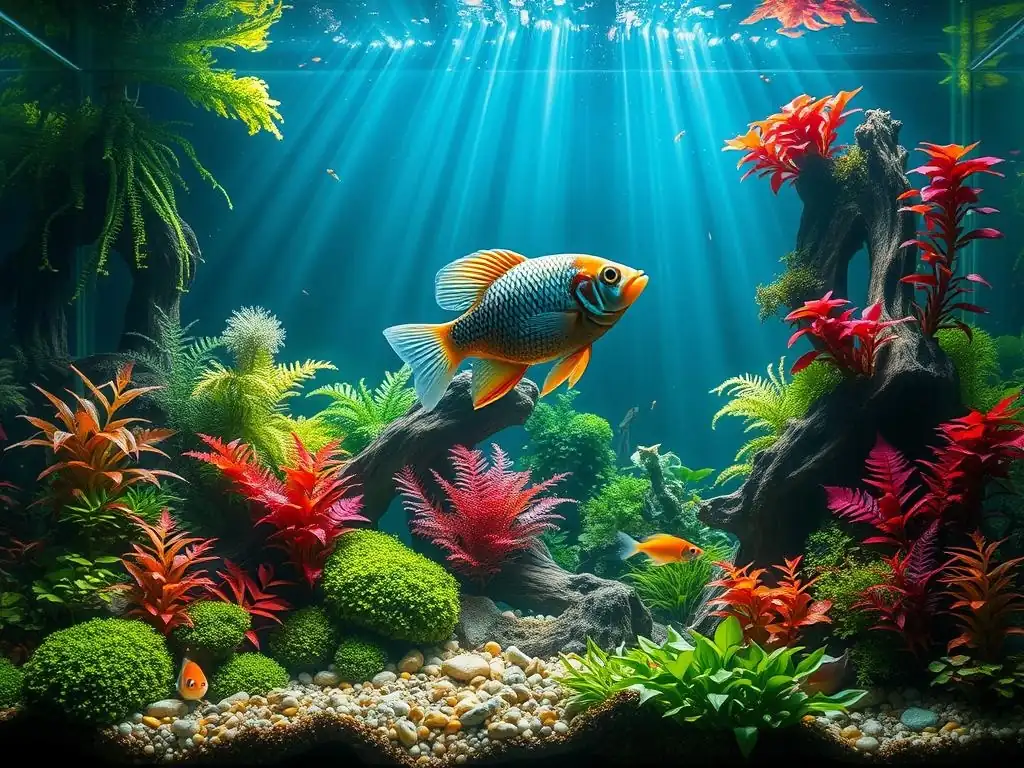
Welcome to Aquarium Mastery!
Ever wondered what those subtle changes in your Molly fish's behavior really mean? Understanding the signs of illness is crucial to keeping your aquatic companions thriving. Dive in to discover our comprehensive guide on Molly fish illness treatment, where we unravel the mysteries of early detection and provide proven strategies to restore your finned friends to health. Ready to become a Molly fish health expert? Let's get started!
- Understanding Molly Fish Health: A Comprehensive Guide
-
Frequently Asked Questions
- What are some common signs that my Molly fish might be sick?
- What are the most frequent illnesses that affect Molly fish?
- How can I prevent illnesses in my Molly fish aquarium?
- What are some recommended treatments for Ich (white spot disease) in Molly fish?
- When should I consider quarantining a sick Molly fish?
- Final Reflection: Nurturing Aquatic Harmony
- Transform Your Aquarium: Act Now to Protect Your Mollies!
Understanding Molly Fish Health: A Comprehensive Guide
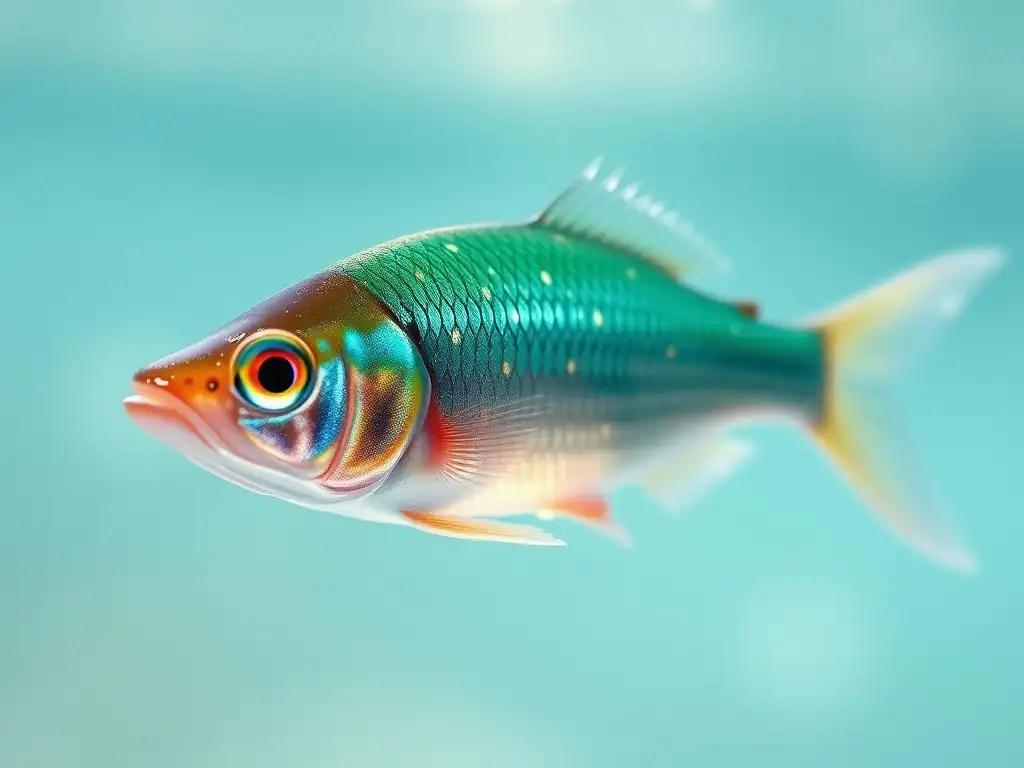
Introduction to Common Molly Fish Illnesses
Molly fish, known for their vibrant colors and active nature, are a popular choice for many freshwater aquarists. While generally hardy, they are not immune to various common aquarium diseases that can compromise their health and well-being. These illnesses often arise from suboptimal water conditions, poor nutrition, stress, or the introduction of new, infected fish. Understanding the prevalent health issues that affect mollies is the foundational step in providing effective Molly fish illness treatment and ensuring a thriving aquarium environment.
Among the most frequently encountered ailments in molly fish are parasitic infections like Ich (White Spot Disease) and Velvet (Oodinium), bacterial infections such as Fin Rot and Columnaris, and internal conditions like Dropsy and Swim Bladder Disease. Each of these conditions presents unique challenges and requires specific approaches for successful intervention. Recognizing the initial signs of these illnesses is paramount for any aquarist aiming to maintain a robust and disease-free mollie population, as prompt action significantly improves recovery prospects.
The Importance of Early Disease Detection in Mollies
Early detection of disease in molly fish is arguably the most critical factor in successful Molly fish illness treatment. Many fish diseases progress rapidly, and what might appear as a minor anomaly one day can escalate into a severe, life-threatening condition within a matter of hours or a few days. For instance, parasitic infections like Ich can quickly spread throughout an entire tank, infecting all inhabitants if not addressed immediately upon the appearance of the first white spots on a single fish.
Observing your molly fish daily for subtle changes in behavior, appetite, or physical appearance can make the difference between a swift recovery and a prolonged, difficult struggle. A molly that is suddenly lethargic, isolates itself, or shows clamped fins might be signaling the onset of an illness long before more obvious physical symptoms manifest. Proactive monitoring allows for the isolation of affected individuals and the initiation of targeted Molly fish illness treatment protocols, thereby minimizing the stress on the fish and preventing potential widespread outbreaks within the aquarium. This vigilance is a cornerstone of responsible fishkeeping.
Frequently Asked Questions
What are some common signs that my Molly fish might be sick?
Common signs include changes in behavior such as lethargy or erratic swimming, physical symptoms like fin rot or white spots, and refusal to eat. Observing your fish daily helps you detect these early signs.
What are the most frequent illnesses that affect Molly fish?
Molly fish are often susceptible to Ich (white spot disease), fin rot, and dropsy. These are often related to poor water quality or stressful tank conditions.
How can I prevent illnesses in my Molly fish aquarium?
Maintaining a clean and stable aquarium environment is crucial. This includes regular water changes, proper filtration, and ensuring the water parameters are within the optimal range.
What are some recommended treatments for Ich (white spot disease) in Molly fish?
Treatment options include raising the water temperature slightly, adding aquarium salt, and using medications specifically designed to treat Ich. Always follow dosage instructions carefully.
When should I consider quarantining a sick Molly fish?
You should quarantine a sick Molly fish immediately to prevent the spread of disease to other fish in the main tank. This allows you to treat the affected fish in isolation and monitor its progress.
Final Reflection: Nurturing Aquatic Harmony
The insights shared in this article, focusing on early detection and effective treatment of Molly fish illnesses, resonate profoundly in a world increasingly aware of the delicate balance within our ecosystems, even those contained within our aquariums. The health of these vibrant creatures serves as a microcosm of the larger environmental challenges we face, reminding us that proactive care and informed intervention are crucial for preserving life.
This topic has profoundly influenced, and continues to influence, the responsible aquarist community. Understanding the nuances of Molly fish health isn't just about keeping them alive; it's about fostering a thriving environment that reflects our commitment to animal welfare and ecological stewardship. The greatness of a nation and its moral progress can be judged by the way its animals are treated.
- Mahatma Gandhi. This quote underscores the ethical responsibility we bear towards all living beings, including the Molly fish swimming in our tanks.
Now, as you close this article, take a moment to reflect on the knowledge you've gained. Consider how you can apply these principles of observation, prevention, and informed treatment not only to your Molly fish, but also to other aspects of your life. Let the dedication you show to these small creatures inspire you to be a more mindful and compassionate steward of the larger world around you, contributing to a future where all life flourishes.
Transform Your Aquarium: Act Now to Protect Your Mollies!
Thank you for diving into the world of Molly fish health! We hope this guide has empowered you with the knowledge to keep your finned friends thriving. Now it's time to put that knowledge into action.
Here's what you can do next:
- Immediately inspect your mollies for any of the symptoms discussed, paying close attention to their behavior and physical appearance. Early detection is key!
- Share this article with fellow aquarium enthusiasts to spread awareness about Molly fish diseases and prevention.
- Consider documenting your aquarium's health and treatments in a fish-keeping journal to track progress and identify potential issues faster.
What proactive steps will you take today to ensure a healthy and vibrant life for your mollies?