
Planted Tanks and Denison Barbs: Can They Coexist Peacefully?

Welcome to Aquarium Mastery!
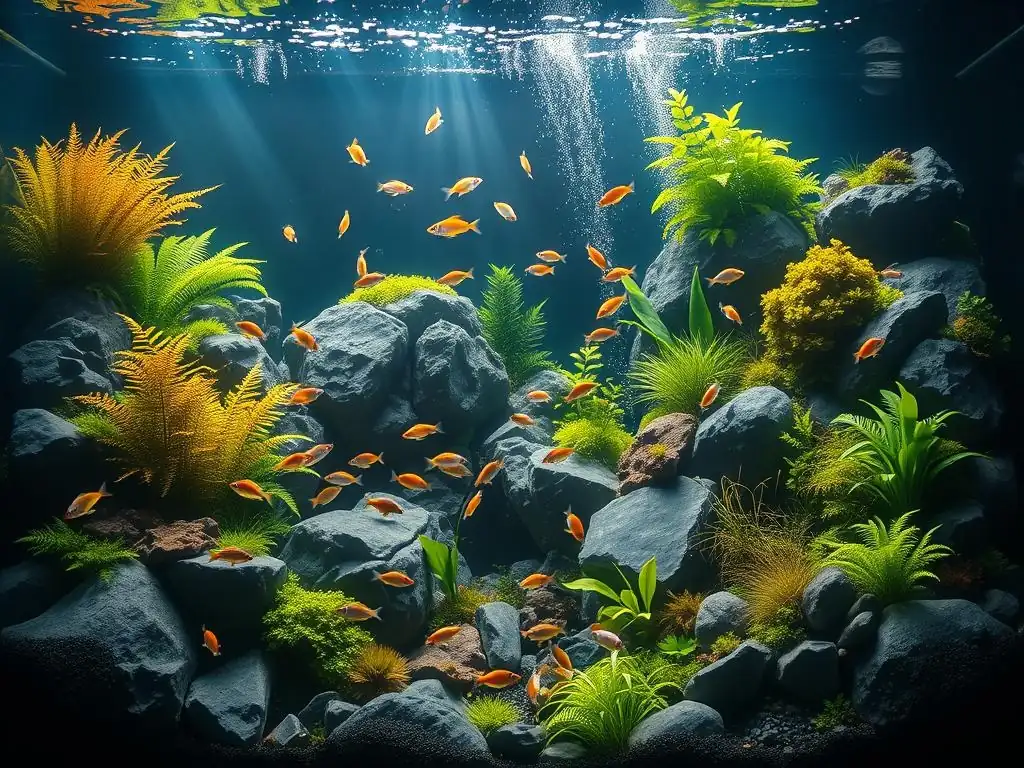
Ever wondered if the vibrant colors of Denison Barbs can truly thrive alongside the lush greenery of a planted tank? Planted tank denison barb cohabitation can be a rewarding experience, but it also requires careful planning and understanding. Dive in to discover the secrets to creating a harmonious underwater world where these stunning fish and delicate plants can flourish together. Curious to know how? Let's explore!
- Planted Tanks and Denison Barbs: A Harmonious Ecosystem
- Understanding Denison Barbs for Planted Tank Aquarists
- Planted Tank Setup for Denison Barb Compatibility
- Choosing Plants for a Denison Barb Tank
- Tank Size and Stocking: Optimizing Space and Community
- Feeding Denison Barbs in a Planted Aquarium
- Potential Challenges of Coexistence
- Maintaining a Thriving Planted Tank
- Examples of Successful Planted Tanks
- Conclusion: A Rewarding Combination
-
Frequently Asked Questions
- How well do Denison Barbs adapt to planted tank environments?
- What are the ideal water parameters for a planted tank housing Denison Barbs?
- Are there specific plant species that Denison Barbs are more likely to damage or uproot?
- What is the minimum tank size recommended for keeping Denison Barbs in a planted tank setup?
- What are some suitable tank mates for Denison Barbs in a planted aquarium?
- Final Reflection: Cultivating Harmony in the Aquatic Realm
- Cultivate Your Aquatic Paradise: Begin Your Planted Tank Journey!
Planted Tanks and Denison Barbs: A Harmonious Ecosystem
Understanding Denison Barbs for Planted Tank Aquarists
Origin and Natural Habitat: Western Ghats of India
Denison Barbs, scientifically known as Sahyadria denisonii, originate from the fast-flowing, oxygen-rich rivers and streams of the Western Ghats in Kerala, India. Their natural habitat is characterized by clear, well-oxygenated water, often with rocky or gravelly substrates and dense riparian vegetation along the banks. These environments typically exhibit stable water parameters, with temperatures ranging from 72°F to 79°F (22°C to 26°C) and a slightly acidic to neutral pH, often between 6.5 and 7.5.
The specific conditions of their native streams, including strong currents and abundant hiding spots among rocks and submerged roots, have shaped their physical attributes and behavior. Their streamlined, torpedo-shaped bodies are perfectly adapted for navigating swift waters, and their schooling instinct provides safety in open environments. Understanding these natural preferences is crucial for replicating a suitable environment in a planted tank, supporting a successful planted tank denison barb cohabitation.
Denison Barbs are highly active, schooling fish that thrive when kept in groups of at least six to eight individuals. In smaller numbers, they can become stressed, shy, or even aggressive towards other tank inhabitants, sometimes exhibiting fin-nipping behavior. Their energetic swimming patterns require ample open space within the aquarium, allowing them to dart and chase each other in a natural display of their schooling dynamic.
Despite their high energy, Denison Barbs are generally peaceful towards most other fish species that are not small enough to be considered prey. They are known for their striking coloration – a silver body with a distinctive black and red stripe – which becomes more vibrant when they are comfortable and stress-free in a well-established planted tank. Providing a robust school is paramount for their well-being and for ensuring a peaceful planted tank denison barb cohabitation.
Ideal Water Parameters: Soft, Acidic Water Conditions
To mimic their natural environment and ensure the health of Denison Barbs in a planted tank, maintaining stable and appropriate water parameters is essential. They prefer soft to moderately hard water, with a general hardness (dGH) ideally between 5 and 15, and a carbonate hardness (dKH) between 3 and 8. The pH should ideally range from 6.5 to 7.5, with a target of 6.8 to 7.2 for optimal health and color.
Temperature consistency is also vital, with a recommended range of 72°F to 79°F (22°C to 26°C). These parameters are also largely conducive to the growth of a wide variety of popular aquarium plants, making the planted tank denison barb cohabitation a feasible and rewarding endeavor. Regular testing of ammonia, nitrite, and nitrate levels is crucial, as these fish are sensitive to poor water quality, thriving best in pristine conditions.
Planted Tank Setup for Denison Barb Compatibility
Substrate: Inert Substrate with Root Tabs
For a planted tank housing Denison Barbs, an inert substrate like fine sand or smooth gravel is highly recommended. This choice prevents injury to their delicate barbels if they forage near the bottom, unlike sharper, coarser gravels. While inert, these substrates do not provide nutrients directly to plants.
To ensure luxuriant plant growth, especially for heavy root feeders, the use of root tabs is crucial. These small, nutrient-rich capsules are inserted into the substrate near the base of plants, releasing essential macro and micronutrients directly to the roots over several months. This method supports a vibrant planted environment without compromising the safety or comfort of your Denison Barbs, contributing significantly to a successful planted tank denison barb cohabitation.
Lighting: Moderate to High Lighting for Plant Growth
A thriving planted tank requires adequate lighting, and for the diverse range of plants that can coexist with Denison Barbs, moderate to high lighting is generally preferred. This typically translates to a Photosynthetically Active Radiation (PAR) value of 30-50 PAR at the substrate for moderate light, and 50-80+ PAR for high-light demanding plants. LED fixtures with adjustable intensity and spectrum are ideal, allowing for precise control.
Consistent lighting duration, typically 8-10 hours per day, is vital for plant photosynthesis and health. While Denison Barbs appreciate shaded areas provided by dense plant growth, they also benefit from the overall brightness of a well-lit tank, which mimics their natural open water environment. Optimal lighting ensures plants grow robustly, providing both aesthetic beauty and essential biological filtration for the planted tank denison barb cohabitation.
CO2 Injection: Beneficial for Planted Tank Health
For serious aquascapers aiming for lush, vibrant plant growth, especially with more demanding species, CO2 injection is highly beneficial. Carbon dioxide is a primary nutrient for plants, and supplementing it significantly boosts photosynthetic rates, leading to faster growth, more vibrant colors, and increased resilience. A CO2 system typically involves a pressurized tank, regulator, diffuser, and a drop checker to monitor CO2 levels, aiming for approximately 25-30 ppm.
The increased plant biomass resulting from CO2 injection also contributes to a more stable aquatic ecosystem. Healthy plants actively absorb nitrates and other waste products, improving water quality, which directly benefits the sensitive Denison Barbs. This symbiotic relationship between robust plant growth and pristine water conditions is a cornerstone of a successful high-tech planted tank denison barb cohabitation.
Filtration and Water Circulation: Robust Filtration System
Given the active nature and relatively high bioload of Denison Barbs, a robust filtration system is non-negotiable for a planted tank. External canister filters are highly recommended due to their large media capacity for mechanical, biological, and chemical filtration. For a 75-gallon tank housing a school of Denison Barbs, a filter rated for 100-150 gallons with a flow rate of at least 400 gallons per hour (GPH) is a good starting point.
Denison Barbs naturally inhabit fast-flowing waters, so strong water circulation is also crucial. The filter outflow, possibly augmented by a powerhead, should create a noticeable current throughout the tank. This high flow provides the necessary oxygenation for both the fish and the plants, ensuring efficient nutrient distribution and preventing stagnant areas, which is vital for the health and vitality of a planted tank denison barb cohabitation.
Choosing Plants for a Denison Barb Tank
Hardy Plant Species: Anubias, Java Fern, Cryptocoryne
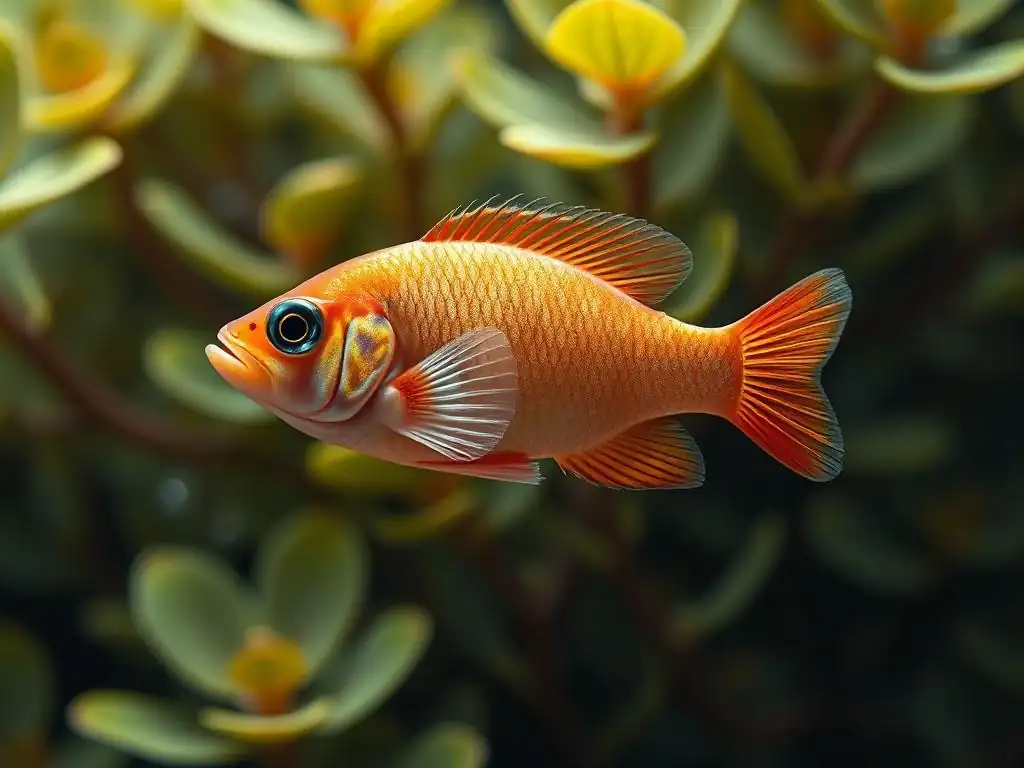
When selecting plants for a tank housing Denison Barbs, hardiness is a key consideration to withstand their active swimming and potential occasional grazing. Excellent choices include Anubias species (e.g., Anubias barteri, Anubias nana), which have tough, leathery leaves and can be attached to driftwood or rocks rather than planted in the substrate. Java Fern ( Microsorum pteropus) is another robust epiphyte that thrives when tied to hardscape.
Cryptocoryne species (e.g., Cryptocoryne wendtii, Cryptocoryne undulata) are also highly suitable. These root-feeding plants establish deep root systems and have sturdy leaves that are generally unappealing to fish. These resilient plants provide ample cover and contribute to water quality without succumbing to the energetic movements or curious nibbling of Denison Barbs, making them ideal for a planted tank denison barb cohabitation.
Plants to Avoid: Delicate Stem Plants
While many plants can thrive with Denison Barbs, certain delicate stem plants may be vulnerable to their active swimming and potential, albeit rare, grazing. Plants with very thin, fragile stems or soft, tender leaves, such as many species of Rotala (e.g., Rotala rotundifolia, Rotala macrandra) or Ludwigia (e.g., Ludwigia repens), might be prone to damage or uprooting.
Similarly, extremely fine-leaved plants or carpeting plants that are not well-rooted can be disturbed. While not typically plant eaters, the sheer energy and size of a schooling Denison Barb can inadvertently damage fragile flora. Opting for more robust species minimizes the risk of plant destruction, ensuring a thriving and stable environment for your planted tank denison barb cohabitation.
Biotope-Inspired Plant Selection: Vallisneria, Crinum
To create a more natural and aesthetically pleasing environment for Denison Barbs, consider biotope-inspired plant selections that mimic their native Indian habitats. Tall, flowing plants like Vallisneria spiralis or Vallisneria gigantea are excellent for background coverage, providing both visual depth and secure hiding places for the fish. Their robust structure can withstand the barbs' activity.
Another excellent choice is Crinum calamistratum, an aquatic onion plant with unique, crinkled leaves that are very tough and unappetizing to fish. Various Aponogeton species, such as Aponogeton crispus or Aponogeton ulvaceus, can also provide large, attractive leaves and are generally hardy. These biotope-appropriate plants enhance the authenticity and functionality of your planted tank denison barb cohabitation.
Tank Size and Stocking: Optimizing Space and Community
Minimum Tank Size: 75 Gallons for a School of Six
The minimum recommended tank size for a healthy school of Denison Barbs (at least six individuals) is 75 gallons, which typically measures around 48 inches long by 18 inches deep by 21 inches high. This size provides sufficient horizontal swimming space, which is critical for these active, torpedo-shaped fish. A larger tank, such as 90 or 125 gallons, is even better, especially if you plan to keep a larger school (8-10+ individuals) or include other active tank mates.
Adequate tank size is not just about space for swimming; it also provides the necessary volume to dilute waste products and maintain stable water parameters, which is crucial for both the fish and the plants. Overcrowding leads to stress, aggression, and poor water quality, jeopardizing the success of a planted tank denison barb cohabitation.
Overstocking Risks: Ammonia Spikes and Plant Stunting
Overstocking an aquarium with Denison Barbs or other fish significantly increases the bioload, leading to a rapid accumulation of ammonia, nitrite, and nitrate. Even with efficient filtration, these toxic compounds can quickly reach dangerous levels, stressing fish, suppressing their immune systems, and making them susceptible to disease. The high metabolism of Denison Barbs means they produce a considerable amount of waste.
For plants, high nitrate levels can sometimes be beneficial, but excessive ammonia and nitrite are detrimental to their health, leading to stunted growth, nutrient deficiencies, and increased susceptibility to algae blooms. A balanced bioload is essential for maintaining pristine water quality, which in turn supports the vibrant growth of plants and the overall health of the fish in a successful planted tank denison barb cohabitation.
Compatible Tank Mates: Rasboras, Corydoras, Loaches
Choosing appropriate tank mates is crucial for a peaceful community aquarium. Denison Barbs are generally peaceful but can be intimidated by overly aggressive or much larger fish, and they may occasionally nip fins of very slow-moving or long-finned species. Ideal tank mates are similarly sized, active, and prefer similar water parameters.
Excellent choices include various species of Rasboras (e.g., Harlequin Rasboras, Lambchop Rasboras), Rummynose Tetras, and other peaceful, robust schooling fish. Bottom-dwellers like Corydoras catfish (e.g., Bronze Corydoras, Panda Corydoras) and peaceful loaches such as Kuhli Loaches or Clown Loaches (in very large tanks) also make great companions. These combinations ensure a harmonious planted tank denison barb cohabitation without undue stress or conflict.
Feeding Denison Barbs in a Planted Aquarium
Diet: High-Quality Flake Food and Live/Frozen Treats
Denison Barbs are omnivores and require a varied and balanced diet to thrive. A high-quality flake or pellet food should form the staple of their diet, providing essential vitamins and minerals. Look for foods with a good protein content, ideally around 40-50%, as these fish are active and require energy.
Supplementing their dry diet with live or frozen foods 2-3 times per week is highly beneficial. Excellent choices include bloodworms, brine shrimp, daphnia, and Mysis shrimp. These provide crucial protein, fats, and improve coloration. A diverse diet ensures complete nutrition, promotes vibrant health, and helps prevent them from developing an interest in grazing on your aquarium plants, supporting a robust planted tank denison barb cohabitation.
Preventing Plant Grazing: Varied Diet and Algae Wafers
While Denison Barbs are not primary plant eaters, they may occasionally nip at tender plant leaves if their diet is insufficient or lacks variety. One effective strategy to prevent plant grazing is to ensure they are consistently well-fed with a diverse diet. A hungry fish is more likely to explore alternative food sources, including your valuable aquarium plants.
Incorporating vegetable matter into their diet can also deter plant nipping. Spirulina flakes or small pieces of blanched zucchini or cucumber can be offered occasionally. Algae wafers, primarily designed for herbivorous bottom feeders, can also be a good supplement as they contain plant-based nutrients. A satiated fish with a balanced diet is far less likely to damage your planted tank, ensuring the success of your planted tank denison barb cohabitation.
Avoiding Overfeeding: Regular Water Changes and Observation
Overfeeding is a common mistake that can lead to numerous problems in a planted aquarium, including poor water quality, excessive algae growth, and health issues for fish. Excess food decomposes, releasing ammonia and nitrates, which can quickly overwhelm the filtration system and lead to dangerous spikes. It also provides a rich nutrient source for undesirable algae blooms.
To avoid overfeeding, offer small amounts of food multiple times a day (2-3 times) that your fish can consume entirely within 2-3 minutes. Observe their eating habits closely. Regular water changes (e.g., 25-50% weekly) are essential to dilute any accumulated nitrates and replenish trace elements consumed by plants. This careful feeding regimen supports both fish health and plant vitality, crucial for a thriving planted tank denison barb cohabitation.
Potential Challenges of Coexistence
Plant Damage: Providing Adequate Space and Diet
While generally peaceful, the active nature of Denison Barbs can sometimes lead to accidental plant damage, particularly to delicate or newly planted specimens. Their rapid movements and schooling behavior might dislodge plants not firmly rooted or attached. Additionally, if their diet is not sufficiently varied or lacks vegetable matter, they might occasionally nip at soft-leaved plants.
To mitigate this, ensure your tank is sufficiently large (minimum 75 gallons for a school) to provide ample swimming space. Plant selection is also key; choose robust, hardy plants like Anubias, Java Fern, and Cryptocorynes. Finally, maintaining a balanced and varied diet, including some vegetable matter, can significantly reduce any inclination to graze on plants, preserving the aesthetics and health of your planted tank denison barb cohabitation.
Algae Blooms: Maintaining Water Quality and CO2 Levels
Algae blooms are a common challenge in any planted tank, and the presence of active, high-bioload fish like Denison Barbs can exacerbate the issue if not managed correctly. Excess nutrients from fish waste and uneaten food, combined with imbalanced CO2 and lighting, create ideal conditions for algae proliferation. An increase in nitrates or phosphates, or fluctuating CO2 levels, can trigger rapid algae growth.
Effective management involves consistent water changes to export excess nutrients, especially nitrates. Ensuring stable and adequate CO2 levels (if injecting) is crucial, as healthy, fast-growing plants outcompete algae for nutrients. Proper lighting duration (8-10 hours) and intensity, along with regular plant pruning, also help maintain a balance that favors plant growth over algae, ensuring the long-term success of your planted tank denison barb cohabitation.
Disease Prevention: Quarantine and Regular Monitoring
Introducing new fish to an established planted tank, especially one with sensitive species like Denison Barbs, carries the risk of introducing diseases. Stress from poor water quality or overcrowding can also weaken fish immune systems, making them more susceptible to pathogens. Diseases like Ich (white spot disease) or bacterial infections can spread rapidly in a community tank.
A crucial preventative measure is to quarantine all new fish for at least 2-4 weeks in a separate tank before introducing them to the main aquarium. During this period, monitor them for any signs of illness and treat if necessary. Regular observation of your Denison Barbs' behavior, appetite, and physical appearance within the main tank allows for early detection and intervention, which is vital for maintaining a healthy planted tank denison barb cohabitation.
Maintaining a Thriving Planted Tank
Regular Water Changes: 25-50% Weekly
Regular water changes are arguably the most critical aspect of maintaining a healthy planted tank with Denison Barbs. These active fish produce a significant bioload, and while plants absorb nitrates, they cannot remove all waste products or replenish all trace elements. Performing a 25-50% water change weekly is highly recommended for a 75-gallon tank, meaning replacing 18-37 gallons of water.
This routine maintenance dilutes accumulated nitrates and other dissolved organic compounds, reducing the risk of algae blooms and maintaining pristine water quality. It also replenishes essential trace minerals that are consumed by plants or removed by filtration, promoting robust plant growth and ensuring the long-term vitality of both the fish and the flora in your planted tank denison barb cohabitation.
Plant Pruning and Fertilization: Tailored to Plant Needs
Maintaining a lush planted tank requires consistent pruning and fertilization. Pruning stem plants encourages bushier growth and prevents them from shading out lower-growing species. Overgrown plants can also reduce water flow and create dead spots, impacting overall tank health. Root tabs should be replaced every 3-6 months for heavy root feeders, while liquid fertilizers provide essential macro and micronutrients for water column feeders.
The specific fertilization regimen will depend on your plant selection and whether you use CO2 injection. High-tech tanks with CO2 and intense lighting typically require comprehensive macro (Nitrogen, Phosphorus, Potassium) and micronutrient dosing. Tailoring these practices to your tank's specific needs ensures your plants remain vibrant and healthy, contributing significantly to a successful planted tank denison barb cohabitation.
Monitoring Barb Behavior: Observing for Signs of Stress
Consistent observation of your Denison Barbs' behavior is a key indicator of the overall health of your planted tank. Healthy Denison Barbs are active, swim energetically in a tight school, and exhibit vibrant coloration. Any deviation from this, such as lethargy, hiding excessively, clamped fins, gasping at the surface, or faded colors, can signal stress, poor water quality, or the onset of disease.
Regularly checking their activity levels, feeding response, and interactions within the school provides early warnings that allow for prompt intervention. For example, if they appear stressed after a water change, it might indicate a temperature mismatch or chemical imbalance. Proactive monitoring ensures their well-being and helps maintain the delicate balance required for a thriving planted tank denison barb cohabitation.
Examples of Successful Planted Tanks
Case Study: High-Tech Planted Tank with CO2 Injection
Consider a 120-gallon high-tech planted tank, approximately 60 inches long, housing a school of 10 Denison Barbs. This setup utilizes a pressurized CO2 injection system maintaining 28 ppm, high-output LED lighting providing 65 PAR at the substrate, and a nutrient-rich aquasoil substrate. Filtration is managed by two large canister filters, providing excellent mechanical and biological filtration, along with a strong current.
The tank features a dense array of demanding plants like Rotala macrandra, Alternanthera reineckii, and a foreground carpet of Glossostigma elatinoides, all thriving due to the abundant CO2 and light. Maintenance includes daily CO2 and liquid fertilizer dosing, weekly 30% water changes, and bi-weekly pruning. The Denison Barbs are active, display brilliant coloration, and show no signs of stress or plant damage, demonstrating a highly successful planted tank denison barb cohabitation.
Showcase: Low-Tech Planted Tank with Natural Balance
Imagine a 75-gallon low-tech planted tank, roughly 48 inches long, home to a school of 6 Denison Barbs. This setup foregoes CO2 injection, relying on moderate LED lighting (around 25-30 PAR) and an inert sand substrate supplemented with root tabs for heavy feeders. Filtration is provided by a single robust canister filter, ensuring good water turnover and oxygenation.
The plant selection focuses on hardy, less demanding species such as large clumps of Anubias barteri attached to driftwood, a dense background of Vallisneria spiralis, and various Cryptocoryne wendtii species in the midground. These plants thrive on fish waste and occasional liquid micronutrient additions. Maintenance involves weekly 25% water changes and minimal pruning every few weeks. This showcase exemplifies a balanced, low-maintenance, and successful planted tank denison barb cohabitation.
Conclusion: A Rewarding Combination
Frequently Asked Questions
How well do Denison Barbs adapt to planted tank environments?
Denison Barbs generally adapt well to planted tanks, provided the tank is large enough to accommodate their active swimming. They appreciate the cover and security that plants offer, which helps reduce stress.
What are the ideal water parameters for a planted tank housing Denison Barbs?
Ideal water parameters include a temperature between 70-78°F (21-26°C), a pH of 6.0-7.5, and soft to moderately hard water. Stable water conditions are crucial for both the plants and the barbs.
Are there specific plant species that Denison Barbs are more likely to damage or uproot?
Denison Barbs are generally not known to be destructive towards plants. However, it's best to avoid delicate or newly planted species until they are well-established. Java Fern and Anubias are good resilient choices.
What is the minimum tank size recommended for keeping Denison Barbs in a planted tank setup?
A minimum tank size of 75 gallons is recommended for a small group of Denison Barbs. This allows them adequate swimming space and ensures the plants have enough room to thrive without being overcrowded.
What are some suitable tank mates for Denison Barbs in a planted aquarium?
Good tank mates include peaceful community fish like tetras, rasboras, and corydoras. Avoid aggressive or fin-nipping species that could stress the Denison Barbs or damage the plants.
Final Reflection: Cultivating Harmony in the Aquatic Realm
The exploration of planted tank denison barb cohabitation reveals more than just the practicalities of fishkeeping; it highlights the delicate balance inherent in any ecosystem, whether natural or artificial. The success of such a venture hinges on understanding the needs of each species and creating an environment where both can thrive, a principle that extends far beyond the glass walls of an aquarium.
This journey into the world of planted tanks and Denison barbs has underscored the importance of mindful observation and informed decision-making in creating a harmonious environment. It's a reminder that responsible stewardship, whether in our homes or on a global scale, requires careful consideration of the interconnectedness of all living things. The ultimate test of a moral society is the kind of world that it leaves to its children.
- Dietrich Bonhoeffer. This quote resonates deeply, reminding us that the choices we make today shape the future for all inhabitants of our shared world, both human and aquatic.
As you consider the lessons learned from the potential symbiosis between planted tanks and Denison barbs, I invite you to reflect on the ecosystems you inhabit and influence. How can you cultivate greater harmony and balance in your own life, fostering environments where all can flourish? Let the principles of careful planning, mindful observation, and responsible action guide you as you strive to create a more vibrant and thriving world, one planted tank – and one life – at a time.
Cultivate Your Aquatic Paradise: Begin Your Planted Tank Journey!
Thank you for diving into the world of planted tanks and Denison barbs! We hope you found valuable insights to help you create a thriving aquatic ecosystem. Now, it's time to turn knowledge into action and bring your dream aquarium to life.
Here are some steps you can take to make it happen:
- Prioritize water quality: Commit to weekly water tests and adjustments to ensure a stable and pristine environment that mimics the Denison barb's natural habitat.
- Explore different plant combinations! Research and experiment with various plant species to find the perfect aesthetic and functional balance for your tank. Consider the lighting and nutrient needs of each plant!
- Share your planted tank plans with fellow aquarists. Discuss your ideas, get feedback, and perhaps even discover new tips and tricks from the community!
What's the first plant you are planning to add to your aquarium, and why?